Video Loading
Want more images or videos?
Request additional images or videos from the seller
1 of 14

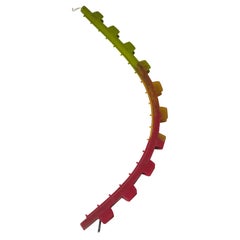
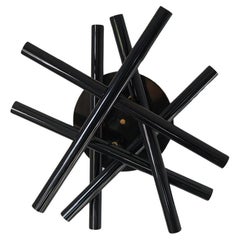
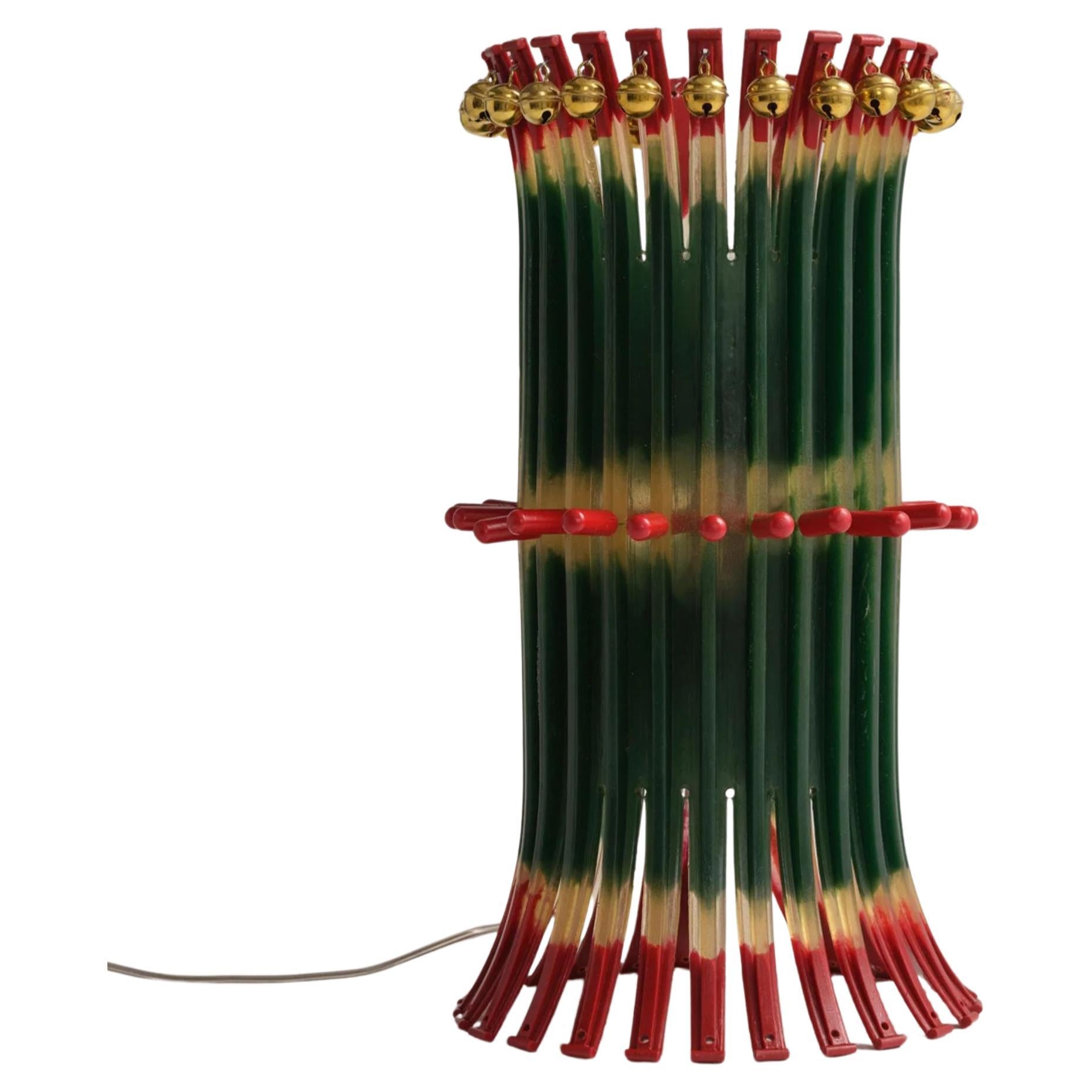
Gaetano Pesce Alda Wall Lamp in Rubber and Steel Rod 2004

$4,766.38
£3,550.26
€4,000
CA$6,563.69
A$7,144.41
CHF 3,785.57
MX$85,922.33
NOK 48,132.51
SEK 44,108.12
DKK 30,477.35

About the Item

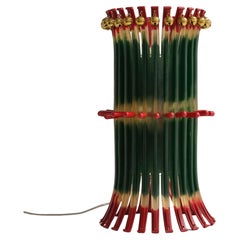
Alda wall lamp in rubber and steel rod, designed by Gaetano Pesce and realized in 2004. The lamp has a US plug (type A) Gaetano Pesce is a prominent contemporary Italian designer and architect known for his bold experimentation with materials and color. Throughout his career, he has collaborated with some of Italy's leading design companies, including Artemide, Vitra, Cassina, and B&B Italia. Born in 1939 in La Spezia, near Genoa, Pesce enrolled at the University of Venice in 1959 to study architecture and graduated in 1965. During the final years of his studies, he also participated in courses at the Venice College of Industrial Design, where he was influenced by distinguished faculty members like Ernesto Nathan Rogers and Mario Bellini. Encouraged by their teachings to embrace innovation in modern design, Pesce became involved with an avant-garde architectural collective called “Gruppo N,” which drew inspiration from the streamlined aesthetics of the Bauhaus. These diverse inspirations equipped Pesce to embrace contemporary materials and explore the forms they enabled. His designs range from small decorative objects to large architectural spaces and reflect deep contemplation of the modern era. Notable works include his iconic La Mamma chair (1969), inspired by a prehistoric fertility votive figure, and the Organic Building in Osaka, Japan (1993), known for its impressive hanging garden motif and computer-monitored hydration system. Throughout his career, Pesce has consistently demonstrated his design prowess by considering the relationship between art and design in today's world. Some of his most famous furniture pieces include the Up-7 Piede, a large plastic lounge chair shaped like a human foot (1969); the Up5 armchair, also known as La Donna or La Mamma, along with the Up6 ottoman for B&B Italia (1969); the Up1 armchair for C&B Italia (1971); the 357 Feltri chair (1987) for Cassina; and the 543 Broadway chair, produced by Pesce in Bernini, Italy (1990). In addition to his prolific design career, Pesce has taught at prestigious institutions worldwide, such as the Domus Academy in Milan, the University of Hong Kong, and The Cooper Union for the Advancement of Science and Art in New York. His work has been featured in numerous international exhibitions, including “Italy: The New Domestic Landscape: Achievements and Problems of Italian Design” (1972) at New York’s Museum of Modern Art, and “Kitchens Invaders” (2015) at the VIII Triennale Design Museum in Stockholm, Sweden. Recently, his work was showcased in the exhibition “Radical: Italian Design 1965-1985, The Dennis Freeman Collection” at the Museum of Fine Arts, Houston, from February 14 to April 26, 2020. He has received several accolades, including the Designer of the Year Award from A&W Architektur und Wohnen in Cologne, Germany, and a Lifetime Achievement Award from the Italian Cultural Institute of Los Angeles.
  • Creator:
    Gaetano Pesce (Designer)
  • Dimensions:
    Height: 20.28 in (51.5 cm)Width: 15.75 in (40 cm)Depth: 7.88 in (20 cm)
  • Power Source:
    Plug-in
  • Lampshade:
    Included
  • Style:
    Modern (Of the Period)
  • Materials and Techniques:
  • Place of Origin:
  • Period:
  • Date of Manufacture:
    2004
  • Condition:
    Wear consistent with age and use.
  • Seller Location:
    Cascina, IT
  • Reference Number:
    1stDibs: LU5304244208212

More From This Seller

View All
Tobia Scarpa Set of Two Foglio Wall Lamp in Nickel Plated Metal by Flos 1966
By Flos, Tobia Scarpa
Located in Cascina, Pisa
Set of two Foglio wall lamps in nickel-plated metal designed by Tobia Scarpa in 1966 and produced by Flos. Both lamps were part of the first production characterized by heavy metal instead of the lighter aluminum used in the most recently produced Foglio lamps...
Category

Vintage 1960s Italian Mid-Century Modern Wall Lights and Sconces

Materials

Metal, Nickel

Gaetano Missaglia Ceiling Lamp with Lampshades in Lucite Plexiglass 1970s Italy
By Gaetano Missaglia
Located in Cascina, Pisa
Mid-Century Modern ceiling lamp with five lampshades in chromed metal and lucite plexiglass. Designed by Gaetano Missaglia and manufactured in Italy during the 1970s. Acrylic, also known as the brand names lucite or Plexiglas, was developed in the 1930s. Its scientific name is Poly(methyl methacrylate), or PMMA, and it is a type of thermoplastic, which is a plastic Material that is moldable at extremely hot temperatures and solid once cool. The company that created acrylic licensed it in two ways; first as Plexiglas to be a glass replacement, and afterwards as lucite for commercial uses in 1937. Commercially, lucite was used in jewelry, handbags, and cosmetics packaging. Plexiglas, in comparison, was often used for larger projects, such as aircraft windows, lenses for lighthouses, and aquariums. Before it was used widespread for furniture, acrylic was being utilized for military purposes, as wartime was quickly approaching. During World War 2 (1939-1945), the country’s resources were mostly directed to military uses, and acrylic was no different. Acrylic, as Plexiglas, was used to help the military, including as airplane windshields and submarine periscopes. Despite that, some people began using acrylic to make furniture. In 1939, Helena Rubinstein, a wildly successful cosmetics mogul and art collector, commissioned to Ladislas Medgyesan an entire suite of acrylic furnishings for her NYC apartment, including an illuminated acrylic bed in her bedroom and acrylic chairs for business meetings. When the war ended in 1945, acrylic was ready to be worked with in design on a larger scale. The company licensed lucite widely, making it much more available across every industry. It steadily gained momentum in the world of design, with artists and designers being inspired by its moldability and translucense. In 1959, French designer Erwine Laverne told a New York Times reporter, “The most important element in rooms is people, not furniture,” speaking to the growing popularity and importance of the clear furniture. But acrylic furniture hit its peak popularity in the 1960s and ‘70s, as more acrylic furniture designers and artists entered the scene. Glass artists began to take more of an interest in acrylics, especially taking advantage of acrylic’s flexibility, light weight, cost, and capacity to refract and filter light. Designers like John Mascheroni and Charles Hollis Jones, known as the Godfather of lucite, created iconic pieces that still look beautiful in today’s modern home. Designers and artists alike loved the durability and look of acrylic. As Charles Hollis Jones put in an interview with Ravelin Magazine, “I worked a lot with lucite when I first started. When I worked with the company that wanted me to go to Europe, they had me work with glass, ceramic, enamel. I went over there and the glass was always in the wrong color and it always broke. When the earthquakes came, I got visual proof of that. I like to work with acrylic because it does two wonderful things that glass doesn’t. It’s shatter-proof, first of all. I can also change the microstructure and make it one-tenth the strength of steel. And the most important thing it does: it carries light. Glass reflects light. lucite holds it and carries it. If you play with it, you can make a lens to look at something in space. It’s that good. It’s purer than crystal.” In fact, acrylic was often used in chandeliers as well, mixed with other materials to make incredible striking designs that would have been much more difficult to achieve with glass. Recently, acrylic furniture has once again risen in popularity. While many of the designs are timeless, more designers are coming forward with acrylic furniture for the modern home. In 2002, designer Philippe Starck introduced his Louis Ghost Chair, and the trend has only grown from there. You’ll now find entirely acrylic pieces of home furnishings and accessories, as well as acrylic-detailed furniture all across the market. With so many designs, options, and knock-offs all across the market, we at clear home design...
Category

Vintage 1970s Italian Mid-Century Modern Chandeliers and Pendants

Materials

Metal

Franco Albini Franca Helg AM/AS Table Lamp in Steel by Sirrah 1960s Italy
By Franco Albini, Sirrah, Franca Helg
Located in Cascina, Pisa
Table or desk lamp with structure and lampshade entirely realized in chromed steel, it as a part of the AM/AS series designed by the iconic duo Franco Albini and Franca Helg and manu...
Category

Vintage 1960s Italian Mid-Century Modern Table Lamps

Materials

Steel

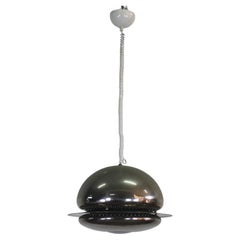
Tobia Scarpa Nictea Pendant Lamp in Nickel-Plated Brass by Flos 1960s
By Tobia Scarpa, Flos
Located in Cascina, Pisa
Nictea pendant lamp in nickel-plated brass, and glass was designed by Tobia Scarpa in 1961 and produced by Flos. The Nictea lamp gives filtered and concentrated light thanks to the ...
Category

Vintage 1960s Italian Mid-Century Modern Chandeliers and Pendants

Materials

Brass, Nickel

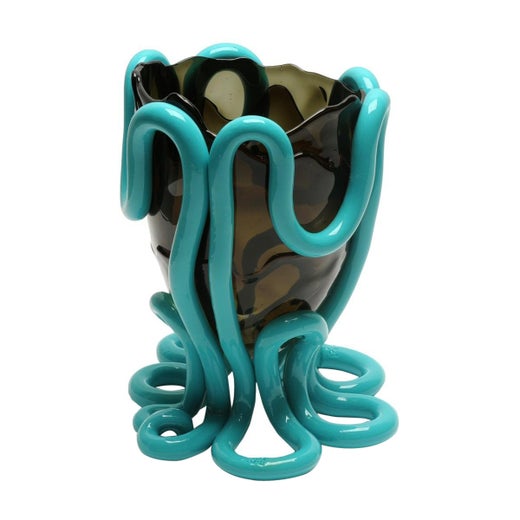
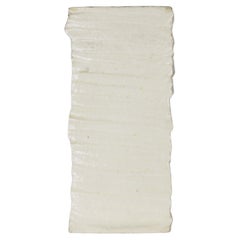
Gianni Osgnach Mojo Vase in Lacquered Polyurethane Foam 1997
Located in Cascina, Pisa
Mojo vase in polyurethane foam painted with elastic resins, designed and manufactured by Gianni Osgnach in 1997. With the author's signature and date under the base
Category

1990s Italian Modern Planters, Cachepots and Jardinières

Materials

Foam

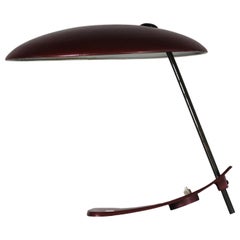
Mid-Century Modern Table Lamp in Red Lacquered Metal Italian Manufacture 1950s
Located in Cascina, Pisa
A rare Mid-Century Modern table or desk lamp with a stem in metal, a base, and a lampshade in red lacquered metal. Manufactured in Italy during the 1950s. .
Category

Vintage 1950s Italian Mid-Century Modern Table Lamps

Materials

Metal

You May Also Like

Meritalia Alda Lamp, Small by Gaetano Pesce
By Gaetano Pesce, Meritalia
Located in Toronto, ON
Created through a process that celebrates imperfection and unconventionality, the luminous objects by Edizioni del Pesce embody Gaetano Pesce's distinctive philosophy. Each luminous ...
Category

2010s Italian Post-Modern Table Lamps

Materials

Metal

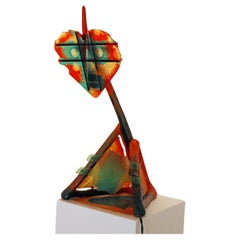
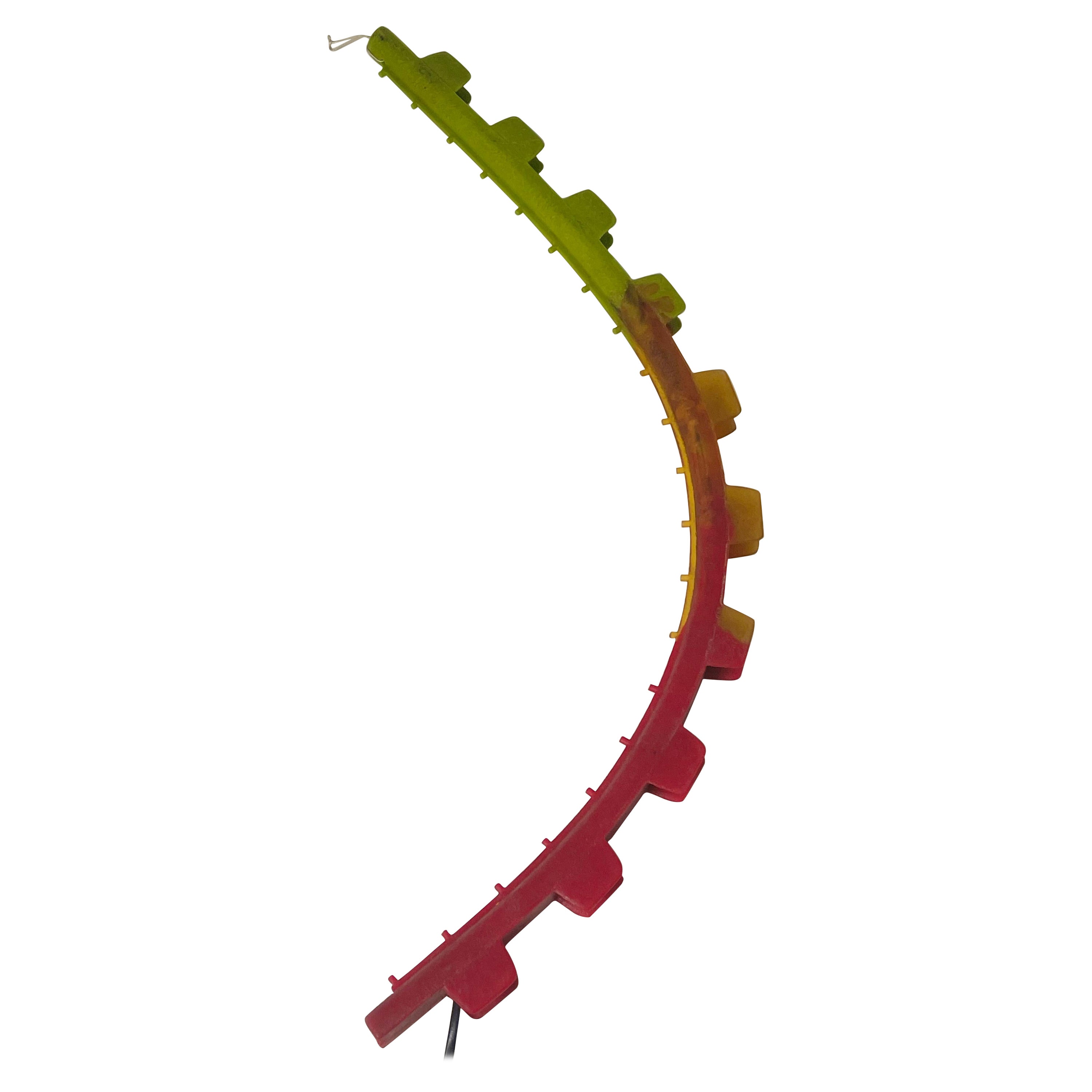
Gaetano Pesce Light from the Open Sky Collection, 1999
By Gaetano Pesce
Located in Las Vegas, NV
Exceptionally rare light by resin maestro Gaetano Pesce from his “Open Sky” collection, 1999. Good overall condition with age-related wear.
Category

1990s American Post-Modern More Lighting

Materials

Resin

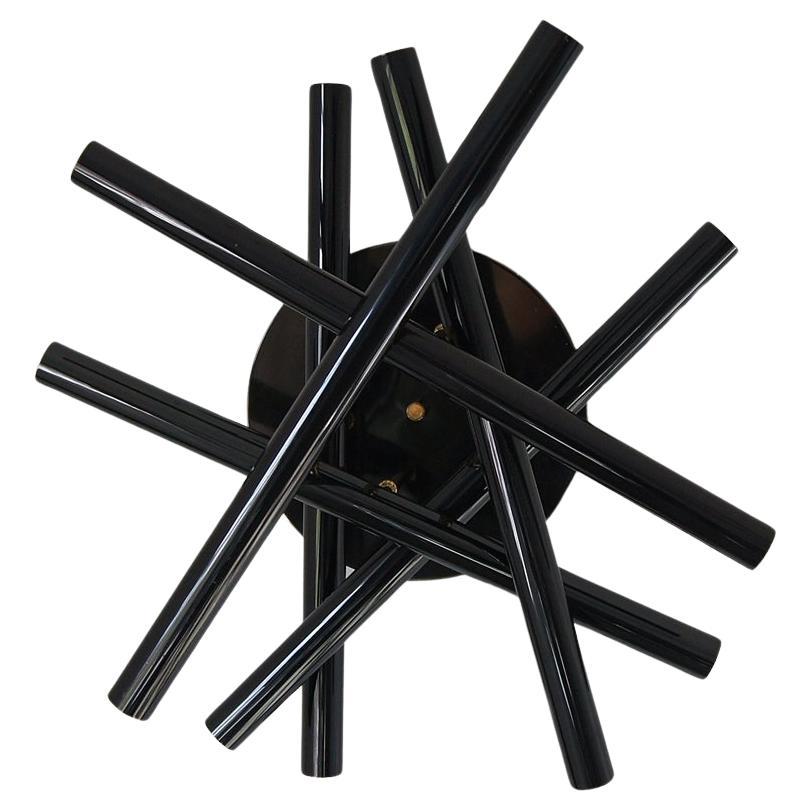
Ceiling wall light by Gaetano Sciolari for Boulanger 1970
By Gaetano Sciolari, S.A. Boulanger
Located in KUTNO, PL
This spectacular lamp, designed by Gaetano Sciolari for the Belgian company Boulanger, is a modernist Sputnik-style chandelier that impresses with both its form and lighting effect. ...
Category

Vintage 1970s Mid-Century Modern Wall Lights and Sconces

Materials

Metal

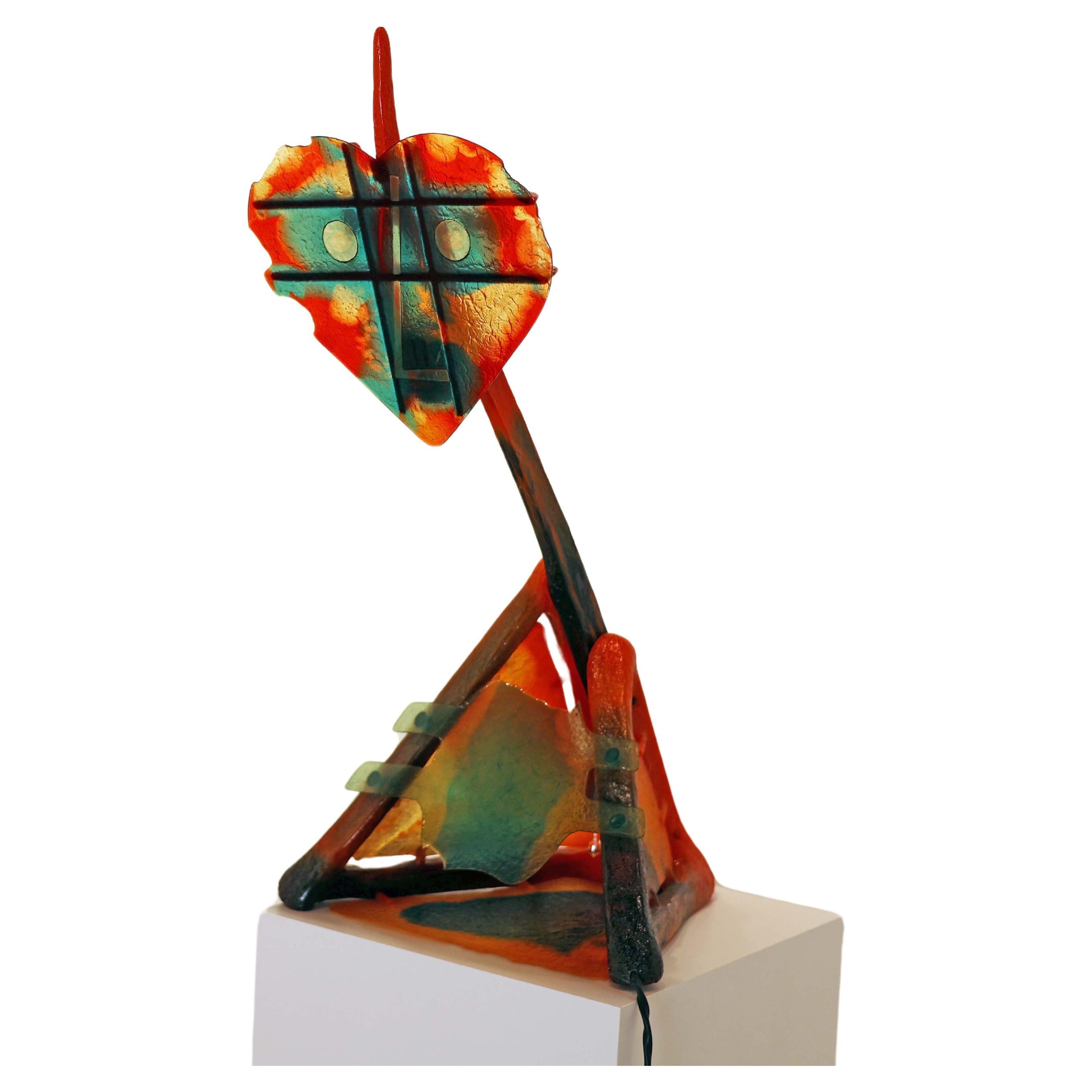
Gaetano Pesce Olo Lamp
By Gaetano Pesce
Located in Naples, FL
Monumental table lamp by the Maestro himself. Fully functional and all original in excellent condition. Signed and numbered.
Category

Late 20th Century Italian Post-Modern Table Lamps

Materials

Resin

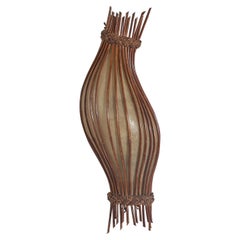
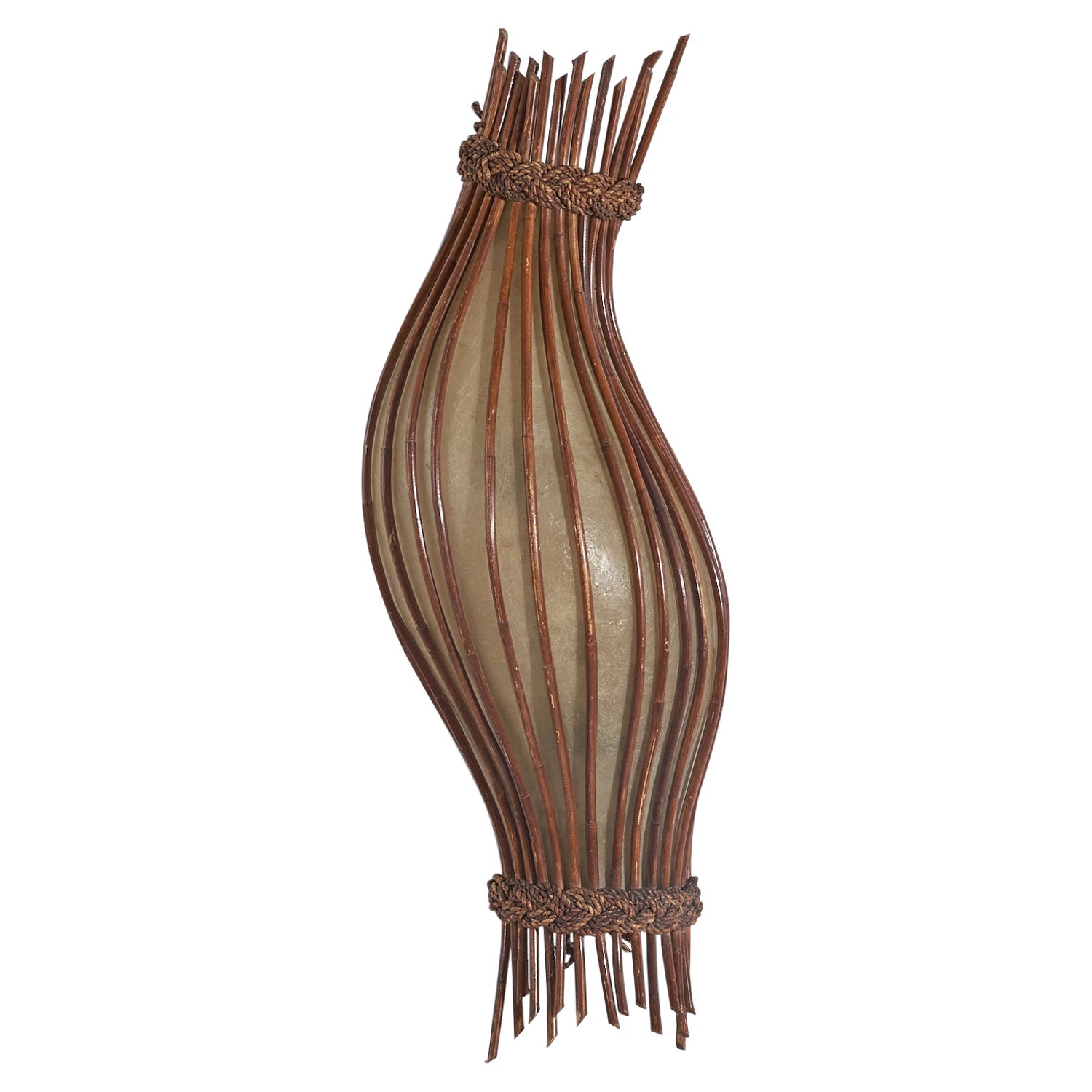
Italian Designer, Sconce, Rattan, Fiberglass, Cord, Italy, 1960s
Located in High Point, NC
A rattan, fiberglass and cord sconce designed and produced in Italy, c. 1960s.
Category

Vintage 1960s Italian Mid-Century Modern Wall Lights and Sconces

Materials

Cord, Rattan, Fiberglass

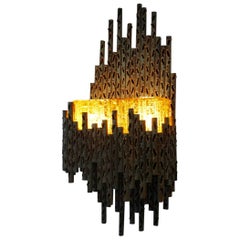
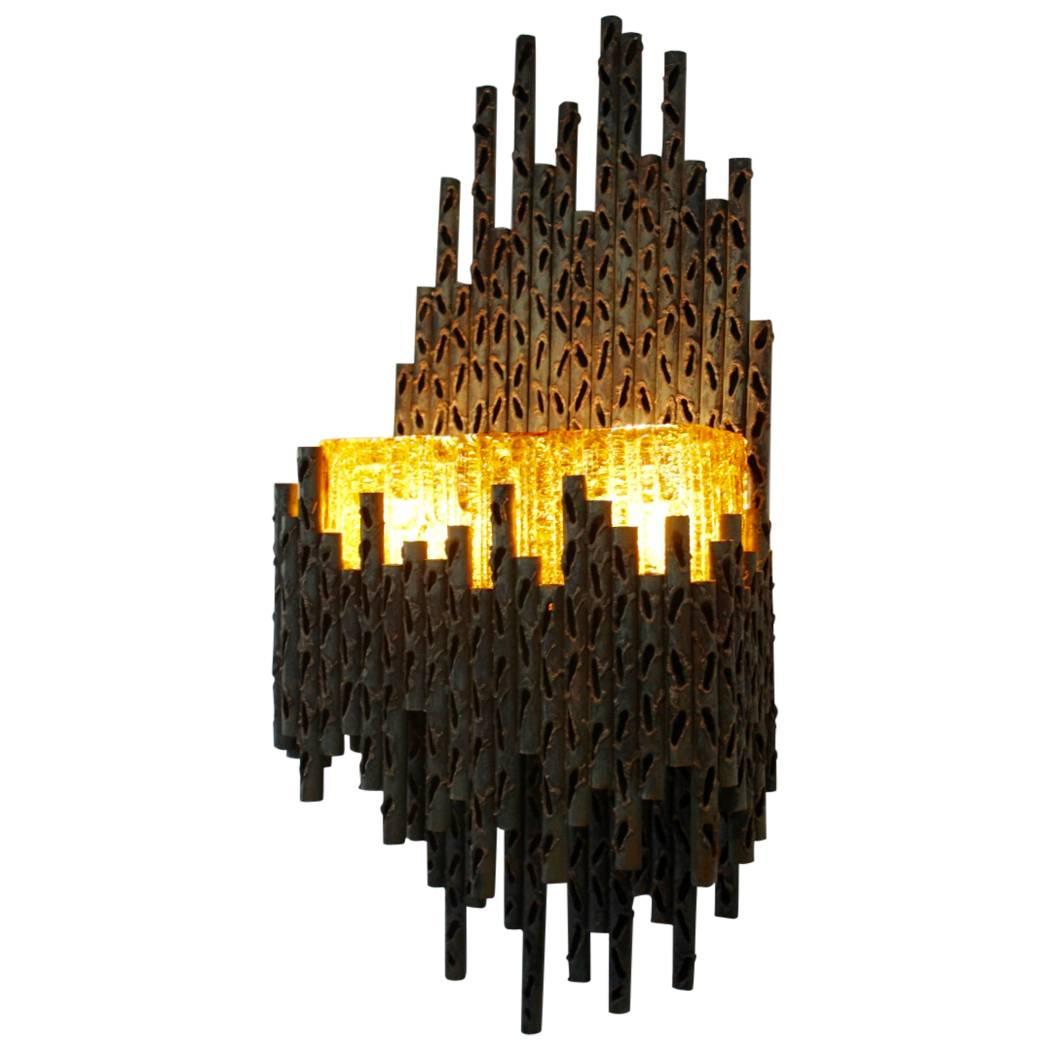
Marcello Fantoni Brutalist Metal Sculptured Wall Lamp, Italy
By Marcello Fantoni
Located in Voorburg, NL
Rare and expressive Brutalist wall lamp made in Italy and designed by Marcello Fantoni. Beautiful sculptured torch cut steel with Murano glass. Completely fine original version. Exce...
Category

Mid-20th Century Italian Brutalist Wall Lights and Sconces

Materials

Cut Steel