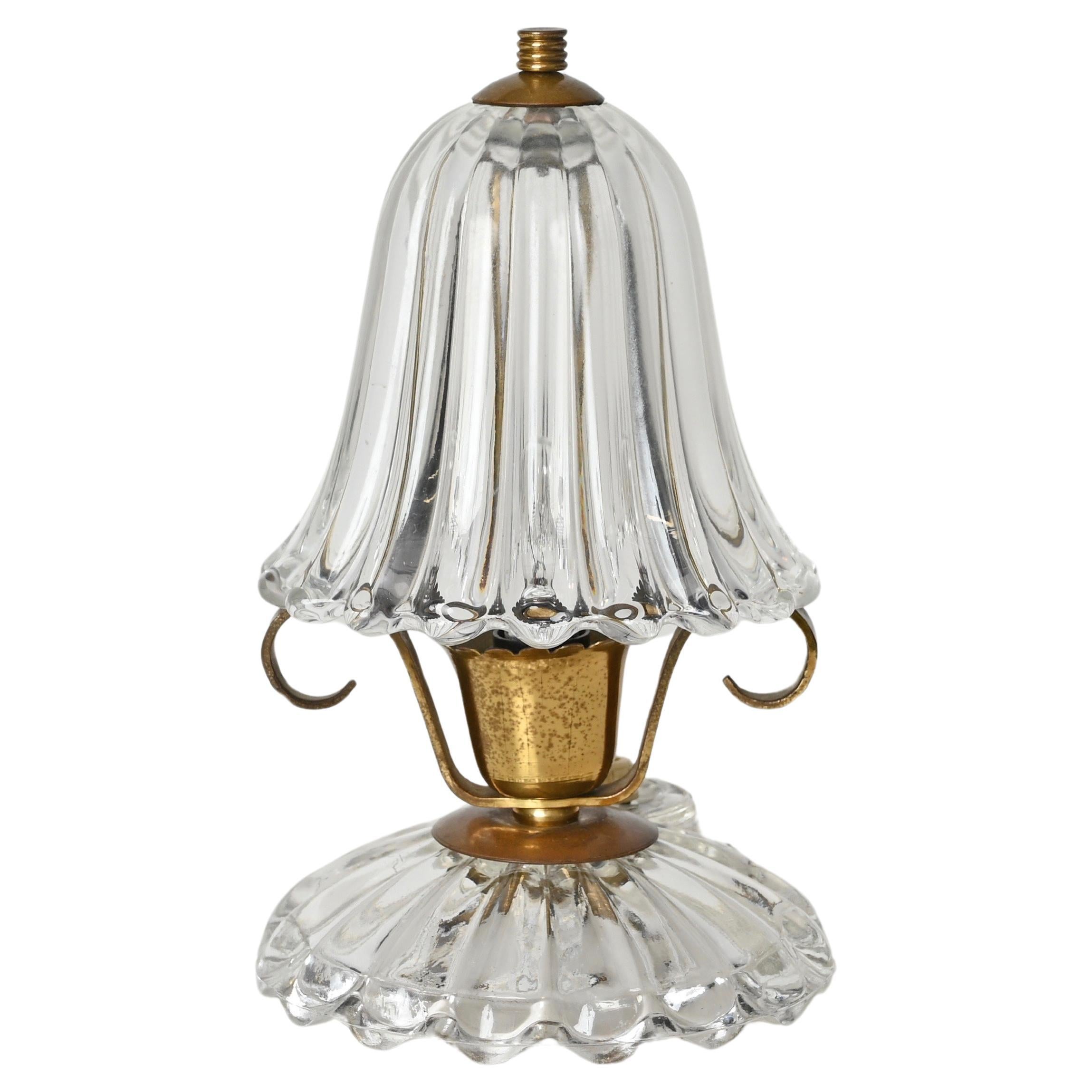
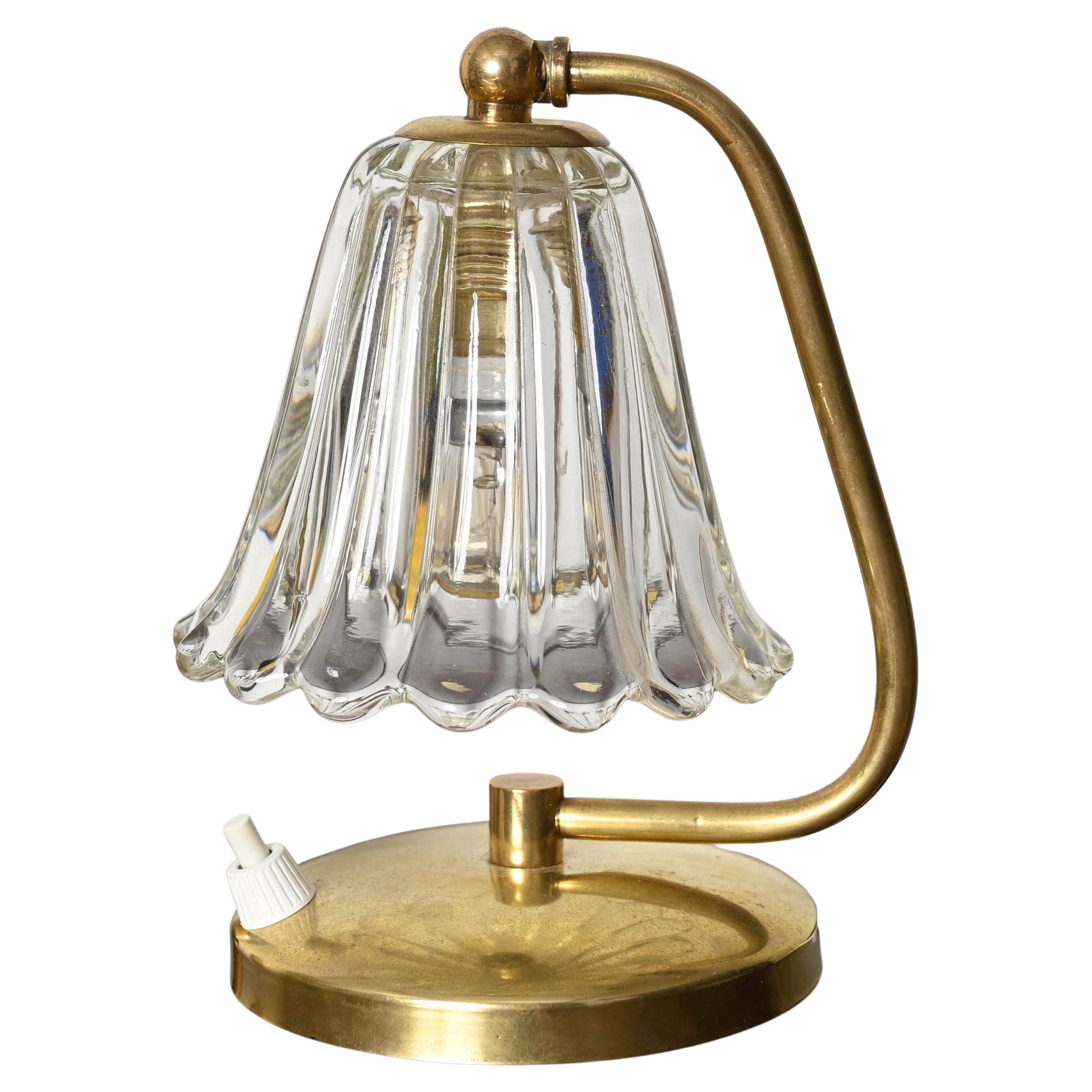
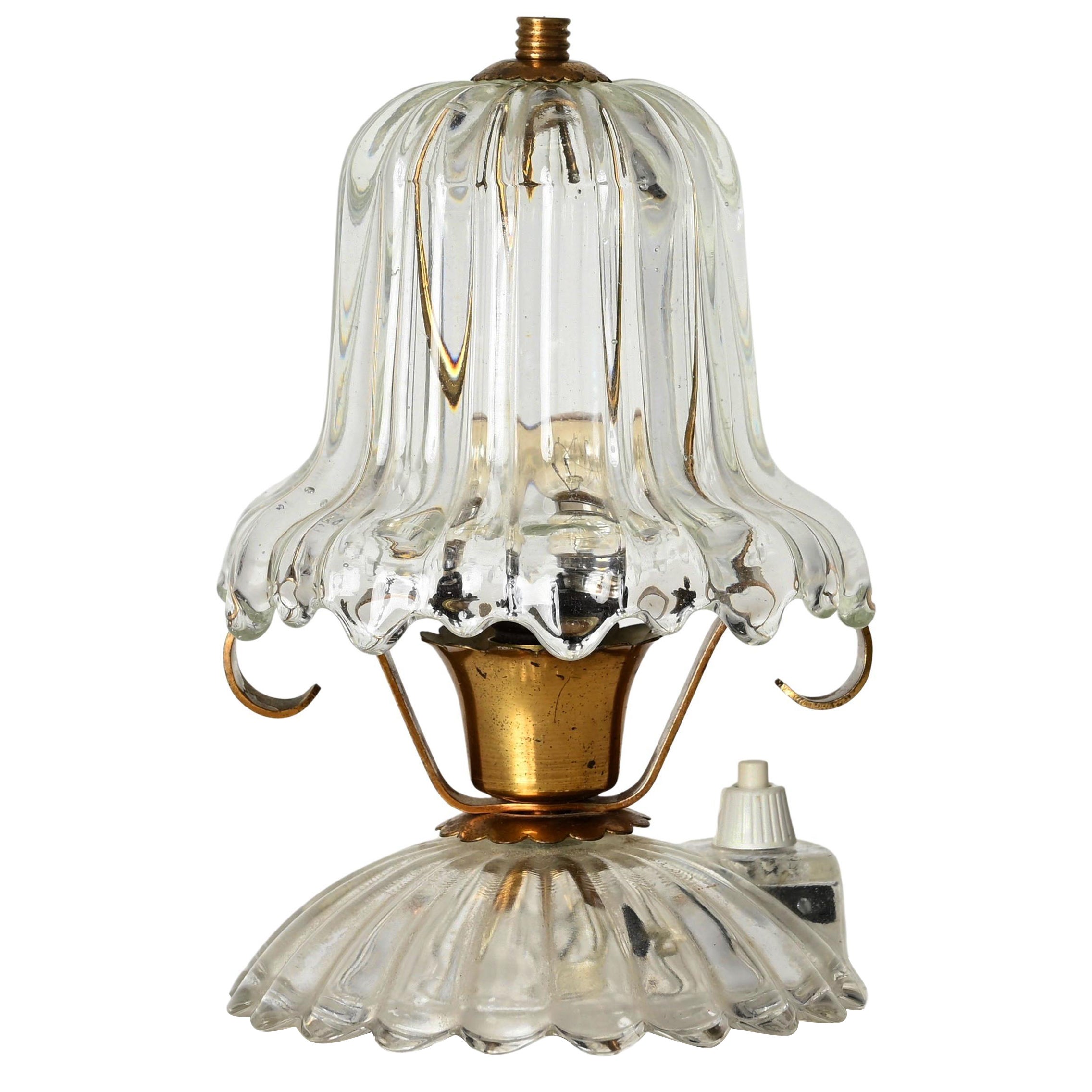
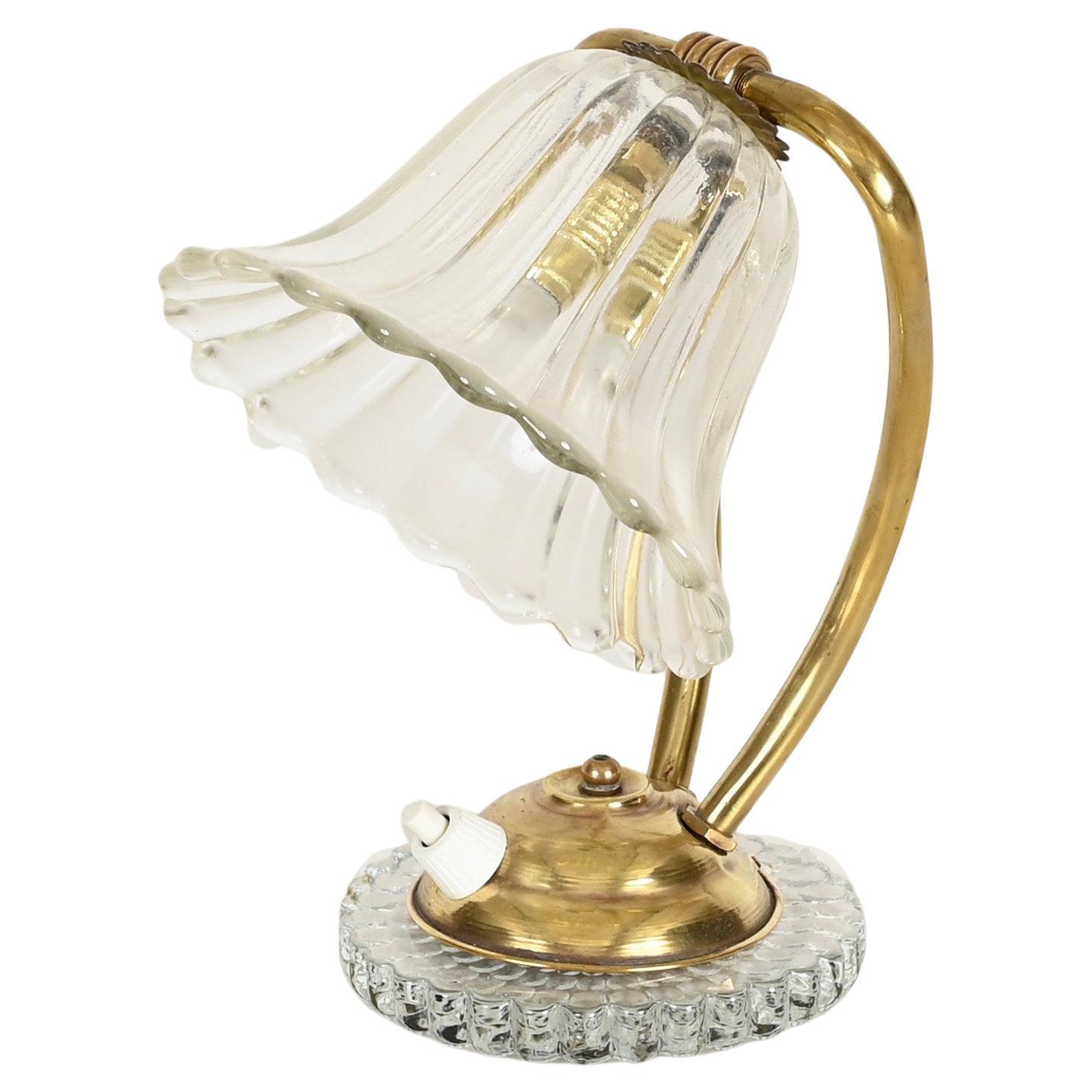
Carlo Scarpa Bell-Flower Murano Glass and Brass Table Lamp, Barovier, Italy 1940
About the Item
- Creator:Carlo Scarpa (Designer),Barovier (Maker)
- Dimensions:Height: 7.09 in (18 cm)Diameter: 4.93 in (12.5 cm)
- Power Source:Plug-in
- Voltage:110-150v,208v,220-240v
- Lampshade:Included
- Style:Mid-Century Modern (Of the Period)
- Materials and Techniques:
- Place of Origin:
- Period:
- Date of Manufacture:1940s
- Condition:The lamp has a micro internal sign on the top shade, which is shown in the photos but totally unnoticeable in a daily use.
- Seller Location:Roma, IT
- Reference Number:1stDibs: LU3067347925002
Carlo Scarpa
Carlo Scarpa was born in Venice in 1906 and became one of the leading figures of architecture and international design during the 20th century. At merely 21 years old — and still a student at the Academy of Fine Arts — Scarpa began working as a designer for master Murano glassmaker M.V.M. Cappellin. Within a few years, he completely revolutionized the approach to art glass.
In a short time, under the guidance of Scarpa, the Capellin furnace not only established itself as the top glass company, but above all it introduced modernity and international fame to Murano glassmaking. Scarpa created a personal style of glassmaking, a new vision that irreversibly changed glass production.
The young Scarpa experimented with new models and colors: his chromatic combinations, impeccable execution and geometric shapes became his modus operandi. Thanks to Scarpa’s continuous research on vitreous matter, Cappellin produced a series of high-quality glass objects, that saw the company revisiting ancient processing techniques such as the watermark and Phoenician decoration.
When he encountered the challenge of opaque glass, Scarpa proposed introducing textures of considerable chromatic impact, such as glass pastes and glazed glass with bright colors. Scarpa also collaborated in the renovation of Palazzo da Mula in Murano, the home of Cappellin. At the academy, he obtained the diploma of professor of architectural design and obtained an honorary degree from the Venice University Institute of Architecture of which he was director.
In 1931, Scarpa's collaboration with Cappellin ended, following the bankruptcy of the company because it was not able to withstand the economic crisis linked to the Great Depression. But Scarpa did not go unnoticed by Paolo Venini — in 1933, the young designer became the new artistic director of the biggest glass company in Murano.
Master glassmakers thought Scarpa's projects and sketches were impossible, but the passionate and curious designer always managed to get exactly what he wanted. Until 1947 he remained at the helm of Venini Co., where he created some of the best known masterpieces of modern glassmaking. Scarpa’s work with Venini was characterized by the continuous research on the subject, the use of color and techniques that he revisited in a very personal way, and the development of new ways of working with master glassmakers.
At the beginning of the 1930s, "bubble", "half filigree" and "submerged" glass appeared for the first time on the occasion of the Venice Biennale of 1934. A few years later, at the Biennale and the VI Triennale of Milan, Venini exhibited its lattimi and murrine romane pieces, which were born from a joint idea between Scarpa and Paolo Venini.
In 1938 Scarpa increased production, diversifying the vases from "objects of use" to sculptural works of art. In the same year he laid the foundation for the famous "woven" glass collection, exhibited the following year. In the subsequent years, Scarpa–Venini continued to exhibit at the Biennale and in various other shows their the "black and red lacquers," the granulari and the incisi, produced in limited series, and the "Chinese," which was inspired by Asian porcelain.
Scarpa's creations for Venini garnered an international response and were a great success, leaving forever an indelible mark on the history of glassmaking. The last Biennale in which Carlo Scarpa participated as artistic director of Venini was in 1942. He left the company five years later.
The time that Scarpa spent in the most important glass factory in Murano would attach a great artistic legacy to the company. His techniques and styles were resumed in the postwar period under the guidance of Tobia Venini, Paolo's son. In the 1950s, after the departure of Scarpa, Fulvio Bianconi was the new visionary at the Biennials with Venini.
On 1stDibs, vintage Carlo Scarpa glass and lighting are for sale, including decorative objects, tables, chandeliers and more.
(Biography provided by Ophir Gallery Inc.)
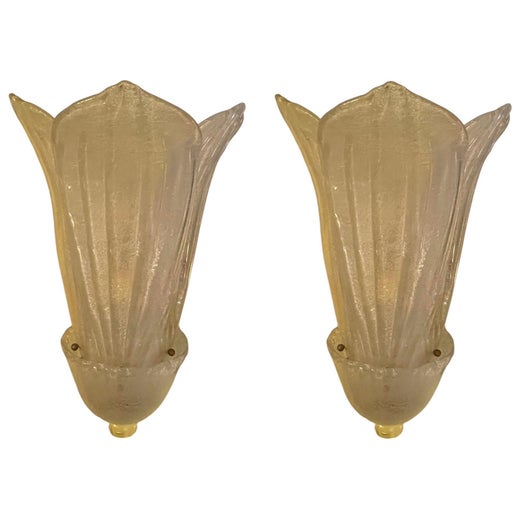
Barovier
The Barovier dynasty began in 1295, when Jacobello Barovier, mentioned in historical documents as a master glassblower, began pinching, cutting, blowing and twisting a molten mixture of sand and minerals into incandescent works of art. It remained entirely family-owned until the mid-20th century, when it merged with another glassworks to become Barovier&Toso.
Partnerships come and go within the community of glass-making artisans on the Venetian island of Murano, where business relationships seem as complex as the shifting alliances in the notoriously acrimonious Italian parliament. Formed in 1942 by members of families with centuries of experience in the craft, Barovier&Toso has proven to be one of the most enduring and prosperous Italian glass manufactories of recent decades. Under the nearly 50-year artistic directorship of cofounder Ercole Barovier (1889–1974), the company created buoyant traditional pieces such as chandeliers, sconces and other lighting fixtures, and it pioneered an array of innovative modernist glass designs with bold colors, patterns and surfaces.
To appeal to gentler, more conservative tastes, Barovier&Toso produced a range of lilting, sinuous lighting pieces that are often described as embodying “Liberty Style” — the Italian term for Art Nouveau, taken from the name of famed London department store Liberty Co., which promoted 19th-century organic textile designs and Arts and Crafts-style furniture in the manner of William Morris. The hallmarks of the style in Barovier&Toso works are elements of glass in the shape of thick leaves, fronds and flower petals, deployed along with other naturalistic ornament in sconces, pendants and chandeliers.
Ercole Barovier began his personal aesthetic transition toward modernism in the 1930s with his Primavera series of vases and animal sculptures — idiosyncratic milky-white and clear glass filled with tiny bubbles and hairline interior fissures that he produced for Artisti Barovier, a firm headed by his father and uncle (the company also traded under Fratelli Barovier and Vetreria Artistica Barovier C. throughout its history). Later, with Barovier&Toso, Ercole would explore such novel styles as the mosaic-like Pezzato glass; fluid Spiral patterns; the pebbly textured Barbarico line and the complex, layered and highly colored abstractions of the Oriente series of vases and bowls.
Traditional or modern, Barovier&Toso — still under family control — has produced one of the finest and most diverse catalogues of Murano glass in the last 100 years.
Shop antique Barovier chandeliers, sconces and other lighting and decorative objects on 1stDibs.
- ShippingRetrieving quote...Shipping from: Roma, Italy
- Return Policy
More From This Seller
View AllMid-20th Century Italian Mid-Century Modern Table Lamps
Brass
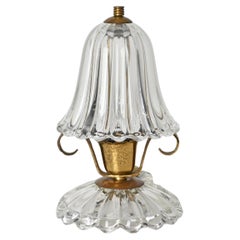
Mid-20th Century Italian Mid-Century Modern Table Lamps
Brass
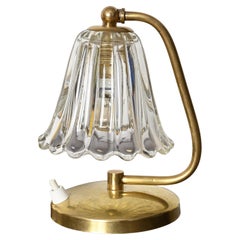
Mid-20th Century Italian Mid-Century Modern Table Lamps
Brass
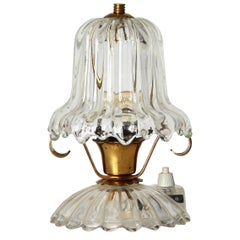
Vintage 1940s Italian Mid-Century Modern Table Lamps
Brass
Mid-20th Century Italian Mid-Century Modern Table Lamps
Brass
Mid-20th Century Italian Mid-Century Modern Table Lamps
Brass
You May Also Like
20th Century Italian Mid-Century Modern Table Lamps
Brass
20th Century Italian Brutalist Table Lamps
Brass
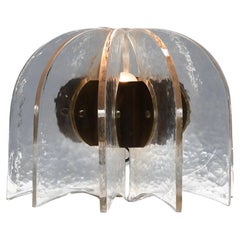
Vintage 1960s Italian Mid-Century Modern Table Lamps
Brass
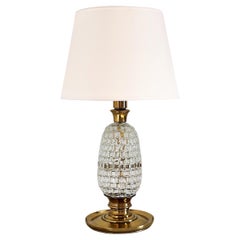
Vintage 1950s Italian Mid-Century Modern Table Lamps
Brass
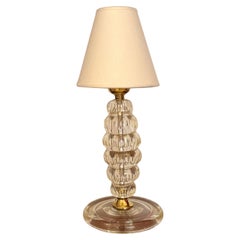
Vintage 1960s Italian Mid-Century Modern Table Lamps
Brass
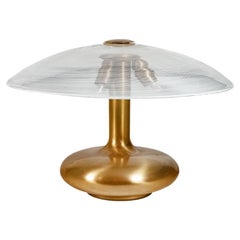
2010s Italian Mid-Century Modern Table Lamps
Brass