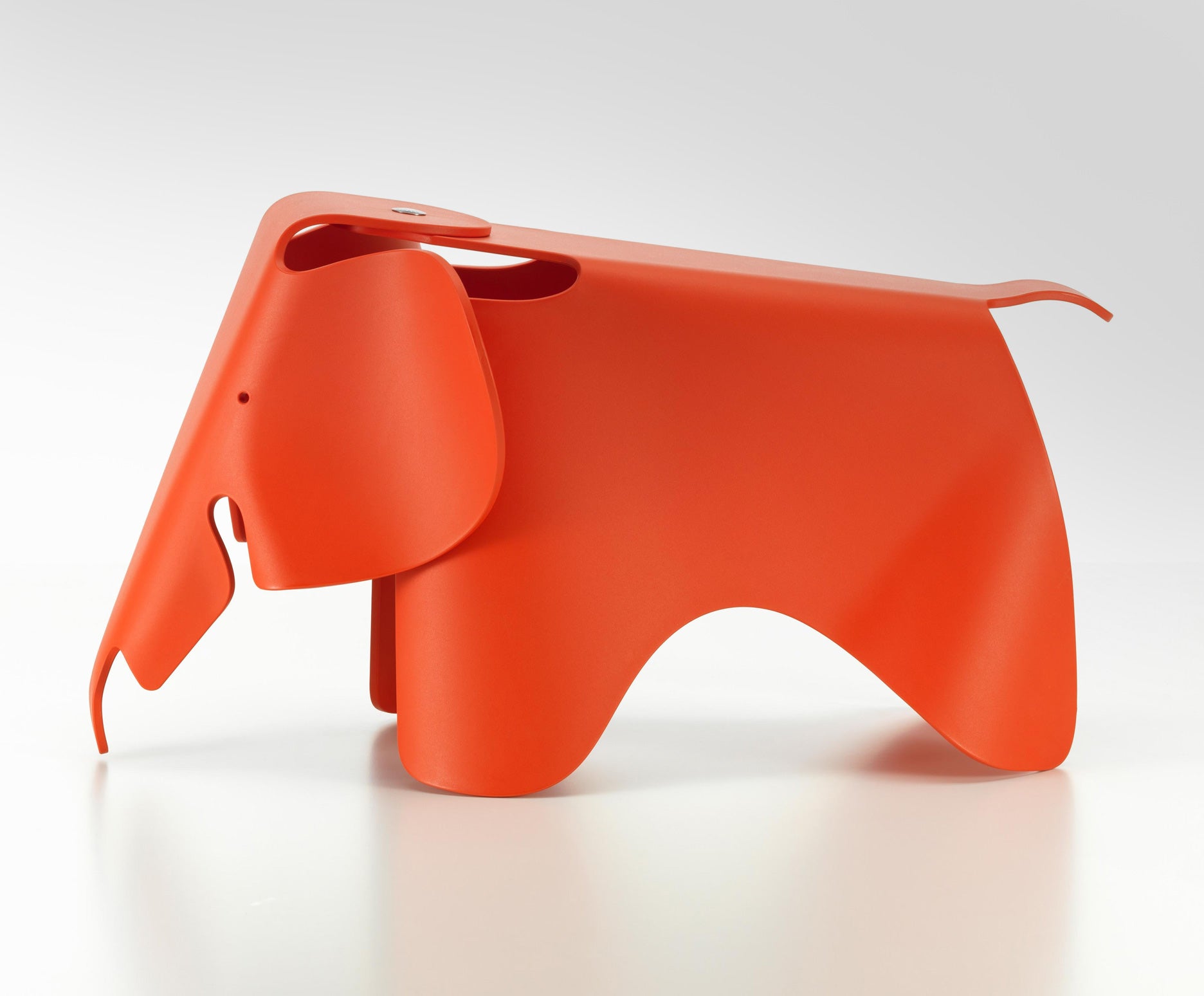
Eames Cherry Plywood Elephant by Vitra
About the Item
- Creator:
- Design:
- Dimensions:Height: 16.54 in (42 cm)Width: 13.78 in (35 cm)Depth: 31.11 in (79 cm)
- Style:Mid-Century Modern (Of the Period)
- Materials and Techniques:
- Place of Origin:
- Period:
- Date of Manufacture:2017
- Condition:Wear consistent with age and use.
- Seller Location:Amsterdam, NL
- Reference Number:1stDibs: LU1710210633151
Eames Elephant
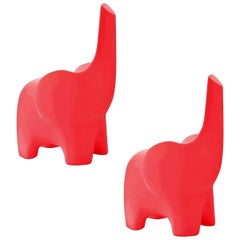
At just over 16 inches tall, the stackable, climbable — at least for little ones — Eames Elephant is another work from Charles and Ray Eames (1907–78; 1912–88) that symbolized their democratic belief that good designs should be inexpensive and available to everyone. After all, the couple liked to say they aimed “to make the best for the most for the least."
When the Eameses took to improving upon the problematic metal splints employed during World War II, plywood was cheap but available only in sheets. In their California apartment, the newly married Cranbrook Academy of Art alumni devised the "Kazam! Machine," an innovative homemade apparatus for heat-bonding layers of plywood.
Comprising wood veneers bonded together with a resin glue, the lightweight but sturdy, molded plywood splints conformed to the human leg and offered support in a way that metal couldn’t. The Eameses applied this inexpensive approach to their furniture-making as well as to the less-heralded toys they designed. “Toys and games are the prelude to serious ideas,” said Charles.
The sculptural, two-piece plywood Eames Elephant exemplified the Eameses’ diverse influences and enterprising ethos. The pair believed in making durable and interesting products for kids, too — a mid-1940s contract with Evans Products Company yielded seating and tables for children, a precursor to their popular plywood furniture for adults. While their Elephant was whimsical and would have appealed to any child’s innate curiosity, it was difficult to make. Technical challenges in 1945 prevented mass production of the piece, but today, both Vitra and Herman Miller manufacture the Eames Elephant.
Charles Eames
The legacy of Charles Eames looms large in design. In partnership with his wife, Ray, Charles was at the forefront of pioneering innovation in the use of molded plywood for furniture making. The Eameses’ cheerful and inviting work has endured among the most important advancements in the history of 20th-century design.
Together, visionary mid-century modern duo Charles and Ray Eames introduced a wide range of renowned furniture to the postwar market, including iconic designs such as the Eames lounge chair and ottoman, the wildly colorful birch plywood-and-plastic-laminate Eames storage unit, the Eames compact sofa and more. The designers were trailblazers in molded plywood furniture and brought lively organic form to metal and plastic.
Charles Eames studied architecture at Washington University in St. Louis. He traveled to Mexico and Europe, and experienced firsthand the work of designer-architects Le Corbusier and Ludwig Mies van der Rohe. In 1930, upon returning to Missouri, Eames opened an architecture practice with Charles M. Gray but later moved to Michigan in 1938. He received a fellowship at Cranbrook Academy of Art, which would become a breeding ground for the stars of mid-century design. Eames continued his architecture studies at Cranbrook and also taught in the design department.
In 1940, Eames met his future wife, artist and designer Beatrice Alexandra "Ray" Kaiser, who was studying at Cranbrook under Abstract Expressionist painter Hans Hofmann. Charles teamed up with another Cranbrook instructor, Finnish-American designer Eero Saarinen, to explore the possibilities of plywood for use in furniture design.
With support from Ray, Charles and Eero created chairs and case pieces and submitted them to the “Organic Design in Home Furnishings” competition at the Museum of Modern Art in New York City — among them was the groundbreaking organic Side chair made of molded plywood with maple legs. It was upholstered by Heywood-Wakefield. This exhibition is considered critical by many to the popularization of what is known as mid-century modernism. Eames and Saarinen won first place for their submissions to the competition.
Charles and Ray were married in 1941 and soon after moved to Los Angeles, California, and lived in an apartment building designed by architect Richard Neutra. Charles worked on set design at MGM, and at night, in a humble workshop they established in the guest bedroom, he and Ray experimented with molded plywood on a homemade device they called the “Kazaam!” machine. In 1942, the couple won a U.S. Navy contract to create molded plywood leg splints that would be used to support wartime medical efforts. Soon, the Evans Product Company was making the splints and the Eameses opened the famed Eames Office and studio.
The Eameses’ innovative use of wire framing, molded plywood and applied fabrics caught the attention of many notable figures in interior design and architecture, including George Nelson, director of design at Herman Miller, a now-legendary modern furniture manufacturer. The company enlisted the Eameses’ talents and was eventually home to the couple’s classic pieces such as the Eames DCW chair and the DCM chair.
Find an extensive array of vintage Charles Eames seating, tables and case pieces on 1stDibs.
You May Also Like
Vintage 1950s Unknown Mid-Century Modern Children s Furniture
Birch, Plywood
Vintage 1950s European Mid-Century Modern Children s Furniture
Plywood
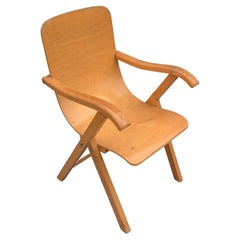
Mid-20th Century Dutch Mid-Century Modern Children s Furniture
Pine
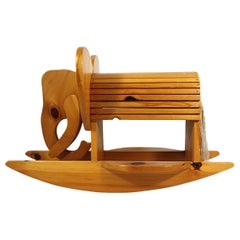
Vintage 1950s German Mid-Century Modern Children s Furniture
Plywood
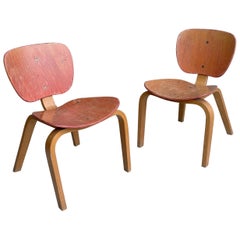
Mid-20th Century German Mid-Century Modern Children s Furniture
Beech, Plywood
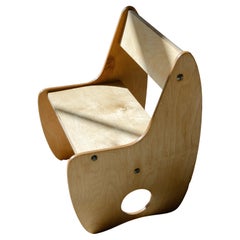
Mid-20th Century Italian Mid-Century Modern Children s Furniture
Wood, Plywood
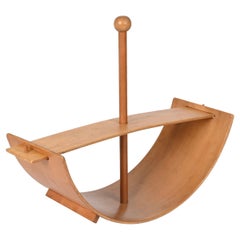
Mid-20th Century Scandinavian Modern Children s Furniture
Birch, Plywood
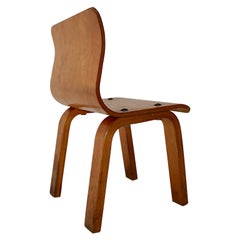
Mid-20th Century Dutch Mid-Century Modern Children s Furniture
Plywood
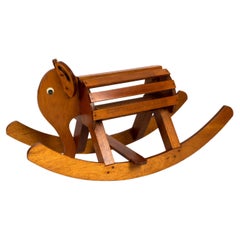
Mid-20th Century Children s Furniture
Wood, Plywood
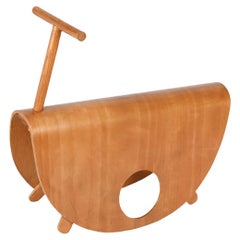
21st Century and Contemporary Italian Modern Children s Furniture
Plastic
More From This Seller
View AllVintage 1960s German Mid-Century Modern Dining Room Chairs
Aluminum, Other
Vintage 1960s German Mid-Century Modern Dining Room Chairs
Aluminum, Chrome
Vintage 1960s German Mid-Century Modern Office Chairs and Desk Chairs
Aluminum, Chrome
Vintage 1950s German Mid-Century Modern Office Chairs and Desk Chairs
Aluminum, Chrome
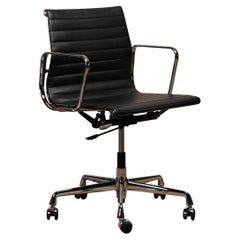
Vintage 1960s German Mid-Century Modern Dining Room Chairs
Aluminum, Other, Chrome
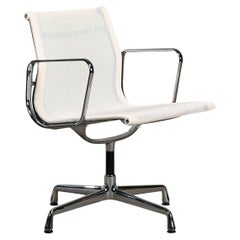
Vintage 1960s German Mid-Century Modern Office Chairs and Desk Chairs
Aluminum