Items Similar to Edo-period Orange-Laced Samurai Suit
Video Loading
Want more images or videos?
Request additional images or videos from the seller
1 of 12
Edo-period Orange-Laced Samurai Suit
$188,500
£143,538.78
€165,281.06
CA$267,121.10
A$287,326.94
CHF 153,555.86
MX$3,386,766.06
NOK 1,935,979.70
SEK 1,769,852.85
DKK 1,234,928.68
About the Item
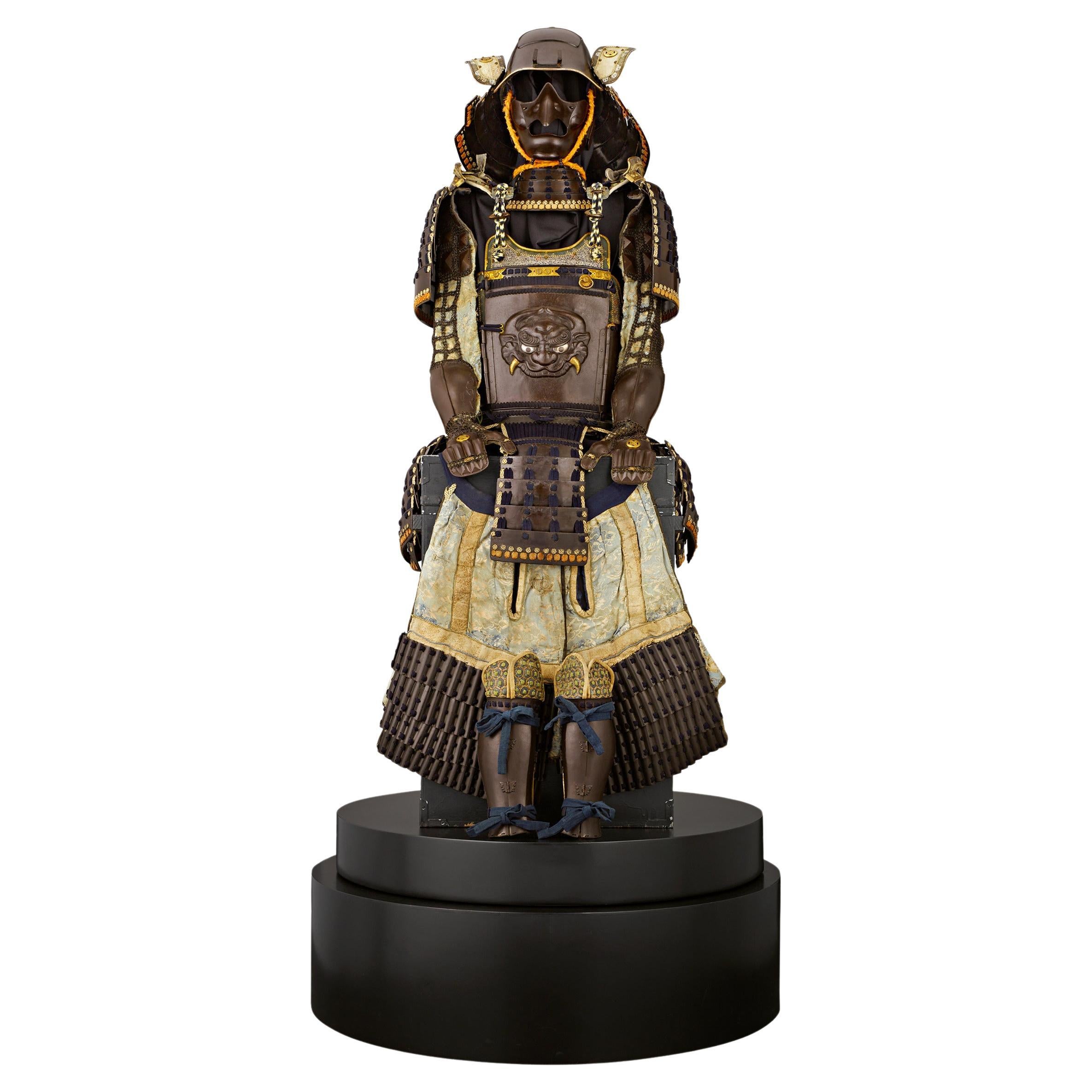
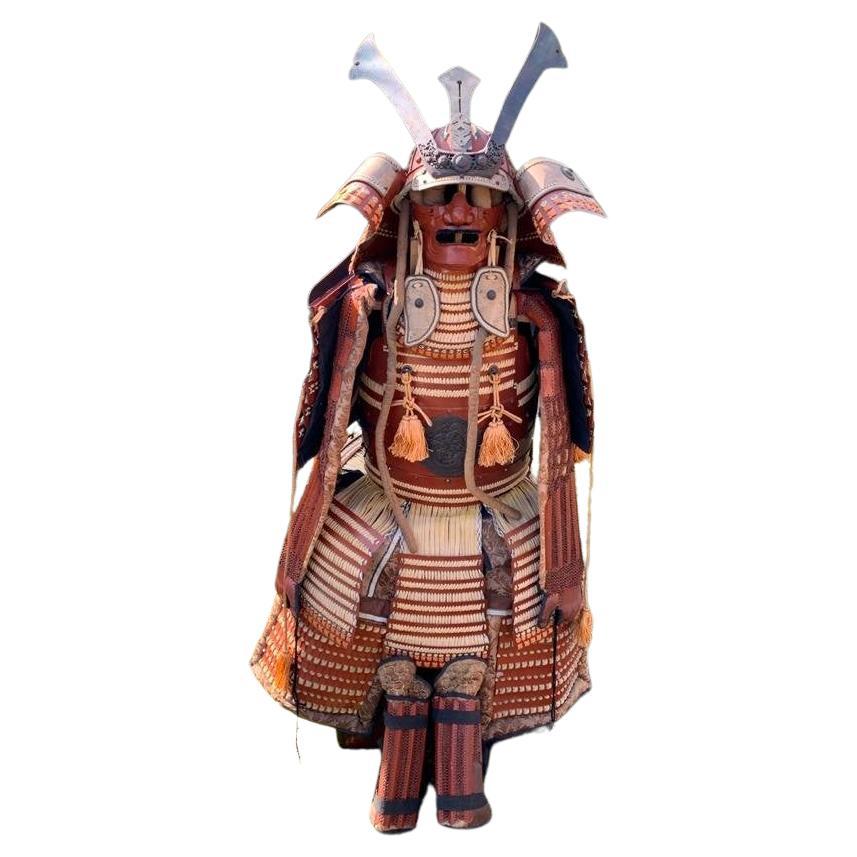
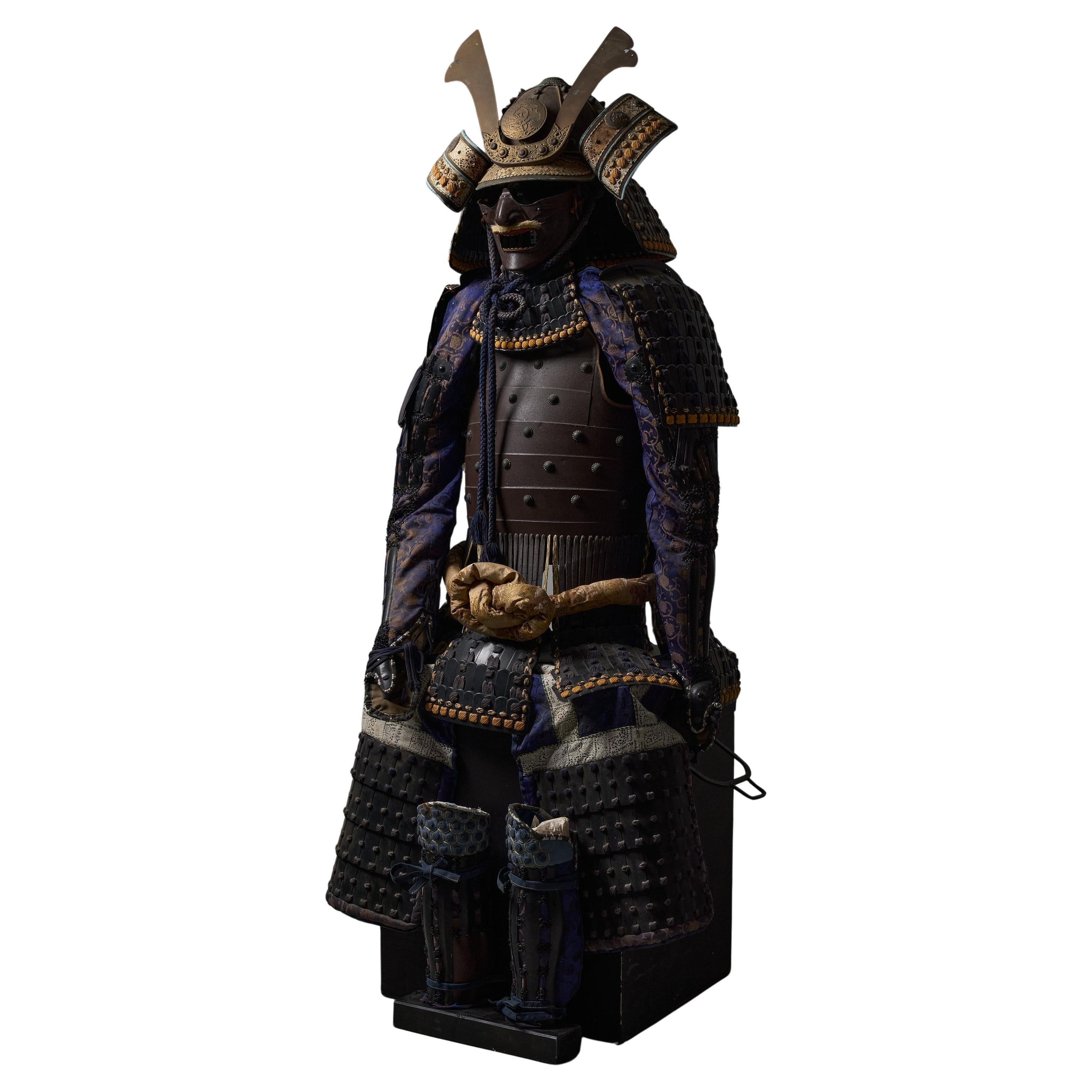
For samurai warriors, the functionality of their armor was as vital as its striking beauty—both elements held equal importance. This orange-laced armor is one of the rarest and most stunning complete Edo-period samurai suits ever crafted, designed for a military leader to convey the gravity of his power and warrior spirit at a single glance.
This particularly rare armor, adorned with an imposing tall ornament (sashimono) at the back, is an 18th-century adaptation of the grand samurai suits that gained prominence in the 16th century, a period marked by intense warfare and interclan conflicts. The sashimono, crafted from gilded and lacquered paper, depicts three golden feathers and antlers, symbolizing the warrior's prestige and status. While its striking design ensured visibility from afar, its delicate construction suggests it was not intended for combat. Instead, this armor was likely worn by a samurai overseeing the battlefield or participating in ceremonial processions. That it has survived centuries in such pristine condition with its original boxes is nothing short of extraordinary.
Every element of this orange silk-laced armor is remarkable. It features a black lacquered iron helmet with a gilded wood crest depicting a mythical monster. The russet iron face mask has a noble expression, a detachable nose and a silver inlaid mustache and goatee. The iron and leather breastplate, wrapped in stenciled leather and gilded copper, complements the large and imposing sashimono. The skirt comprises seven sections of lacquered leather lames trimmed with bear hair. The shoulder guards have bamboo leaf silk fabric on the reverse, while the arm and leg guards are made of black lacquered iron plates and chainmail-lined silk. Additional components include bear fur boots, a commander’s baton and two original leather-wrapped storage boxes.
Embodying the warrior spirit and Japanese prestige in every detail, this suit is truly astonishing. Please see the complete list of exceptional features of this rare suit of armor below.
18th century
On base: 97" high x 51 1/2" wide x 40" deep
This complete suit includes:
Helmet (etchu zunari kabuto): black lacquered iron, with large gilded and lacquered wood zutate in the shape of an adze (chisel head)
Fore Crest (maedate): finely carved wood, decorated with gold leaf, lacquer, crystal and yak hair in the form of a mythical shinigami
Turnbacks (fukigaeshi): small, decorated with stenciled leather
Neck Guard (manju shikoro): rounded form, made of five lames of black lacquered iron kiritsuke kozane (false lamellae)
Face Mask (ryubu men menpo): russet iron with a noble expression, smooth rounded cheeks and chin, elegant detachable nose, silver inlaid mustache and goatee
Breastplate (maru-do): made of a mixture of iron and leather honkozane
Chest Plates (muna-ita, waki-ita, seno-ita): wrapped with stenciled leather and trimed with gilded copper
Standard (sashimono): large and gilded, made of wood, iron, whale, baleen, black lacquer and gold leaf
Skirt (kusazuri): seven sections, each of four lames of lacquered leather honkozane, with the bottom lame of each division trimmed in bear hair
Shoulder guards (sode): seven lames of black lacquered leather kiritsuke kozane, with reverses decorated with bamboo leaf silk fabric
Arm and Leg Guards (shino-gote/suneate): black lacquered iron plate and kuiai gusari weave chainmail, lined with green bamboo leaf silk fabric
Additional components:
Bear Fur Boots
Commander's Baton (saihai)
Two matching leather-wrapped boxes
- Dimensions:Height: 97 in (246.38 cm)Width: 51.5 in (130.81 cm)Depth: 40 in (101.6 cm)
- Style:Edo (Of the Period)
- Materials and Techniques:
- Place of Origin:
- Period:
- Date of Manufacture:18th century
- Condition:
- Seller Location:New Orleans, LA
- Reference Number:Seller: 31-96411stDibs: LU891141290652
About the Seller
5.0
Recognized Seller
These prestigious sellers are industry leaders and represent the highest echelon for item quality and design.
Established in 1912
1stDibs seller since 2010
115 sales on 1stDibs
Typical response time: 5 hours
- ShippingRetrieving quote...Shipping from: New Orleans, LA
- Return Policy
More From This Seller
View AllEdo Period Samurai Suit Of Armor
Located in New Orleans, LA
This exquisite Tetsusabiji Uchidashi Gomai Dou Gusoku (Five-Plate Russet Iron Embossed Cuirass Armor), crafted in the 18th century, exemplifies the pinnacle of Edo-period samurai arm...
Category
Antique 18th Century Asian Edo Arms, Armor and Weapons
Materials
Copper, Iron
$188,500
Edo-Period Lacquerware Chest
Located in New Orleans, LA
Edo-Period Lacquerware Chest
19th-century
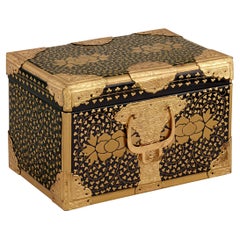
This exquisite chest, inspired by Hasami-Bako travel trunks, is a striking example of Japanese lacquerware. The hiramaki-e technique—applie...
Category
Antique 19th Century Japanese Edo Decorative Boxes
Materials
Gold
Short Satsuma Vase
Located in New Orleans, LA
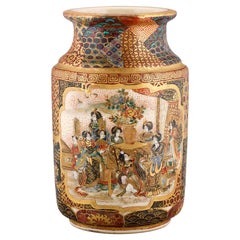
This magnificent vase is adorned with intricate geometric patterns and elegant gold gilding, featuring two captivating scenes. One side depicts figures in vividly colorful attire adm...
Category
Antique 19th Century Japanese Meiji Vases
Materials
Earthenware
$2,950
Satsuma Incense Burner
Located in New Orleans, LA
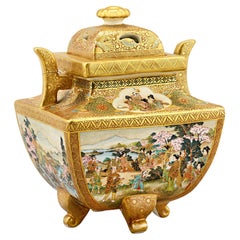
This Japanese Satsuma incense burner is a decorative work of art from the Meiji period, distinguished by its exquisite craftsmanship and intrica...
Category
Antique 19th Century Japanese Meiji Ceramics
Materials
Earthenware
$3,450
Tall, Cylindrical Satsuma Vase
Located in New Orleans, LA
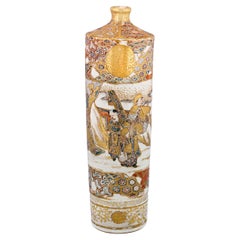
This vibrant and ornate vase captivates the eye with its intricate details which stand as a testament to the mastery of Satsuma artists. The vase features rich reds, deep blues and s...
Category
Antique 19th Century Japanese Meiji Vases
Materials
Earthenware
Satsuma Bowl of Immortals
Located in New Orleans, LA
This highly detailed Satsuma bowl is adorned with Buddhist monks and signed “Hododa” on the underside. The columns on the underside read, “Satsuma” and “Hododa.” This represents the ...
Category
Antique 19th Century Japanese Meiji Decorative Bowls
Materials
Gold
You May Also Like
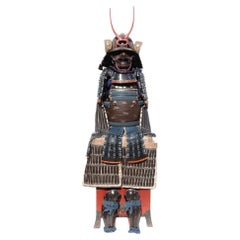
Antique Japanese Samurai Suit of Armor, Edo Period, 18th Century
Located in Point Richmond, CA
Antique Japanese Samurai Suit of Armor, Edo period, 18th century.
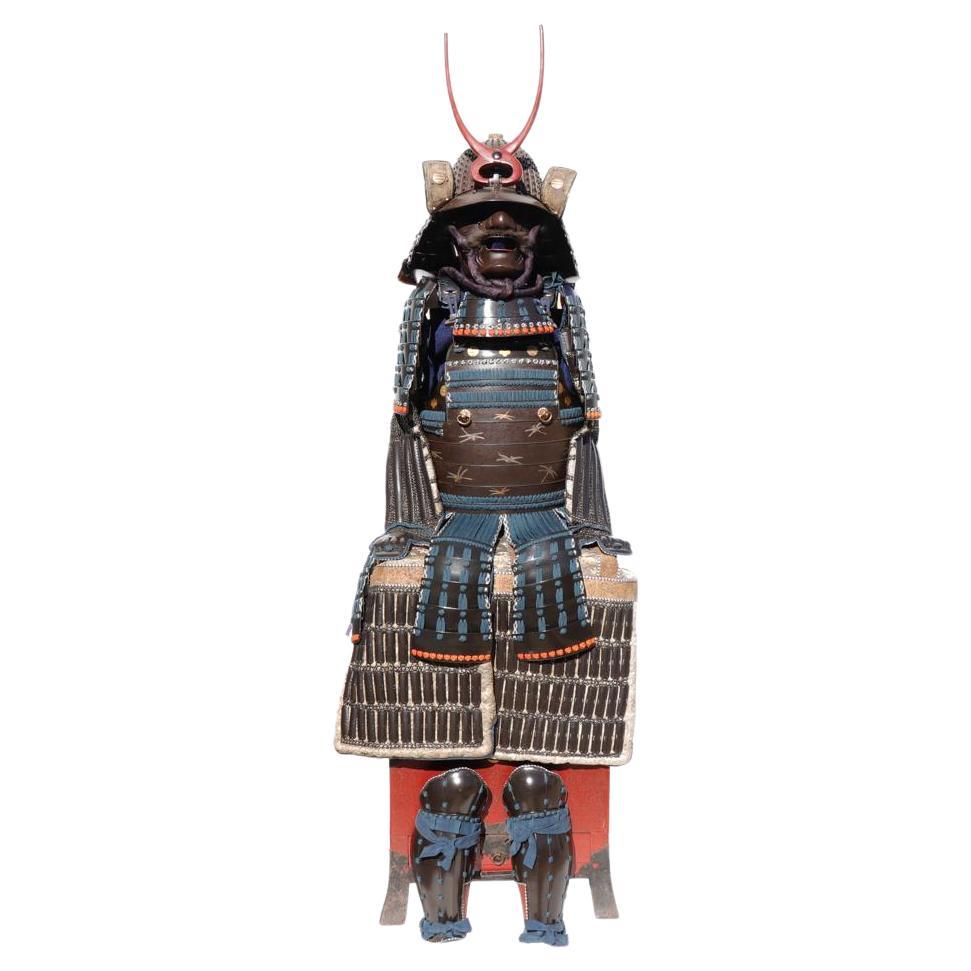
A complete matching set of lacquered iron work; the cuirass with dragonfly decoration and blue lacing, a Kaga schoo...
Category
Antique 18th Century Japanese Edo Metalwork
Materials
Gold Leaf, Silver, Foil, Iron, Metal
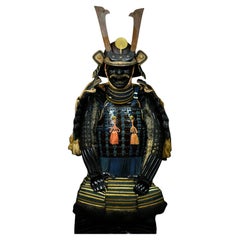
Rare Antique Original high Ranking Edo period Samurai armor Yoroi Japan Daimyō
Located in Ijzendijke, NL
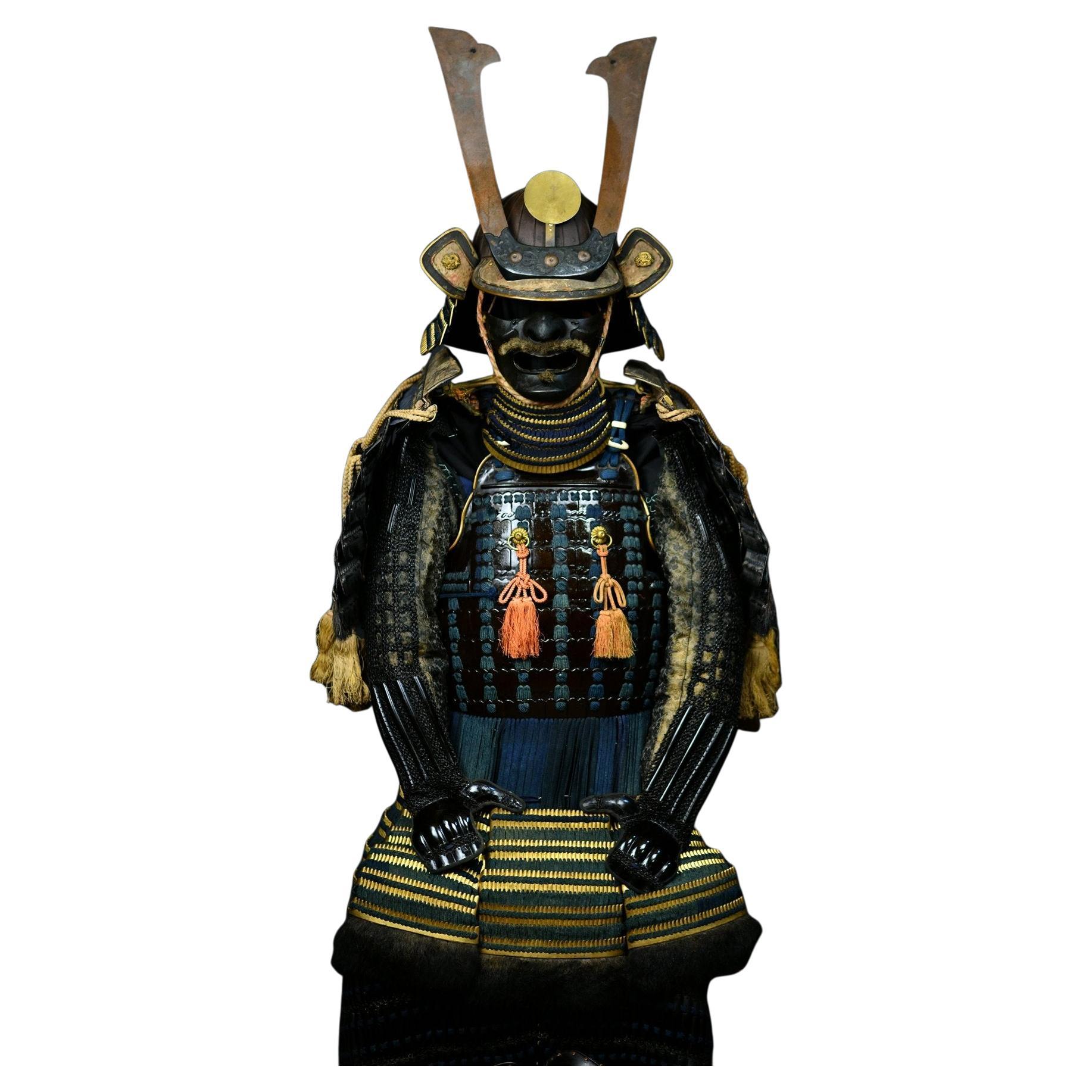
This complete Edo-period samurai armor is an exceptional example of the refined martial elegance and ceremonial grandeur associated with Japan’s warrior aristocracy. Every component reflects a precise harmony of functionality, symbolism, and prestige.
At the heart of the set is a superb suji-bachi kabuto, constructed from multiple riveted iron plates arranged with flawless symmetry and enriched by a beautifully aged patina. It is crowned with a gilt tehen no kanamono, and the imposing maedate presents a pair of antler-like blades framing a gilded sun disc an emblem of celestial authority and divine lineage.
The Fukigaeshi feature extraordinary gilt dragon ornaments, carved in high relief. Dragons, ancient symbols of protection and power, were reserved for armor of the highest rank, strongly indicating that this set belonged to a Daimyō or high-ranking retainer.
The menpō, lacquered in deep black, includes a natural-hair moustache and an articulated jaw (resseibō), lending the face a vivid sense of character. Below it, the shikoro is composed of finely lacquered blue-and-gold plates, meticulously laced with silk.
The okegawa ni-mai dō cuirass is finished in a dark brown lacquer and laced in deep indigo silk, complemented by elegant orange ceremonial tassels a hallmark of formal presentation armor. The sode (shoulder guards) retain their rare bear-fur trimming, an expensive and status-laden material symbolizing courage and noble rank.
Completing the ensemble are beautifully made kote, haidate, and suneate, each executed with rich fabrics and refined lacquer work. A butterfly mon (chō-mon) appears on the leg guards an elegant symbol of transformation, adding a poetic contrast to the armor’s martial presence.
The extensive use of gilding, the rare bear-fur details, and the prominent dragon motifs confirm this as a piece created for the highest echelons of samurai society. It is a masterpiece where ceremonial artistry, symbolism, and authority converge.
Artistic and Historical Significance
This armor epitomizes the Edo-period ideal, when arms and armor transcended their battlefield origins and became expressions of identity, dignity, and cultural refinement. The interplay of dark lacquer, golden ornamentation, and natural materials embodies the spirit of bushidō discipline, inner strength, and beauty through restraint.
Whether displayed in a private collection, gallery, office, or interior setting, this armor commands attention. Its presence transforms any space, making it a truly museum-worthy centerpiece for collectors of Japanese, military, or historical art.
The set includes its traditional stand and storage box. As with all antique armor...
Category
Antique 17th Century Japanese Japonisme Antiquities
Materials
Metal
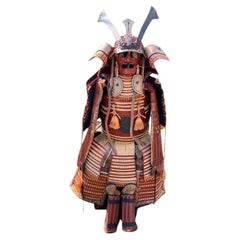
Japanese Red Samurai Armour Beginning of Meiji period 1900s
Located in Paris, FR
This is an armour of samurai. It was made around 1900s in Meiji era. This armour was not used in actual war so it was made as decoration, because of that, it is in good condition as its age.
There are some scratches and missing parts, if you need some more information, please let us know, we will respond you as soon as possible and send more photos.
This armour can be folded in a box. The box is getting damaged so it is not in good condition. We might send this armour in other box.
Dimensions: 50 x 50 x H170 cm
Scholars agree that Japanese armour first appeared in the 4th century, with the discovery of the cuirass and basic helmets in graves. During the Heian period, the unique Japanese samurai...
Category
Antique Early 1900s Japanese Meiji Antiquities
Materials
Metal, Iron
Samuraï armor
Located in Brussel, BE
Amazing and unique Samuraï armor.
End of XIXth century, early XXth century.
Nimai do Okegawa gusoku (2 plate with barrel form cuirasse armor).
Composed o...
Category
Antique Late 19th Century Japanese Japonisme Antiquities
Materials
Iron
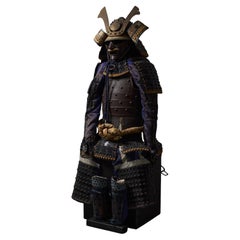
$29,663
Japanese Boy
s day display suit of armor
Located in Point Richmond, CA
Antique Japanese miniature model of a suit of armor made for the Boy’s day display. Constructed of a lacquered paper cuirass, upper arm guar...
Category
Antique 1850s Japanese Edo Sculptures and Carvings
Materials
Textile, Wood, Lacquer, Paper
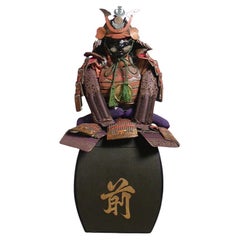
A Tosei Gusoku (Samurai
s Armour), 17th Century
Located in Roma, IT
Belonging to the period 1603-1867, most likely between the end of 17th and the beginning of 18th Century, this beautiful armour is a 32-plate suji kabuto made of brown-lacquered iron...
Category
Antique 17th Century Japanese Figurative Sculptures
Materials
Metal, Iron