Items Similar to Showa-Period Japanese Samurai Armor (Yoroi), with Paulownia Crest, Post-WWII
Want more images or videos?
Request additional images or videos from the seller
1 of 20
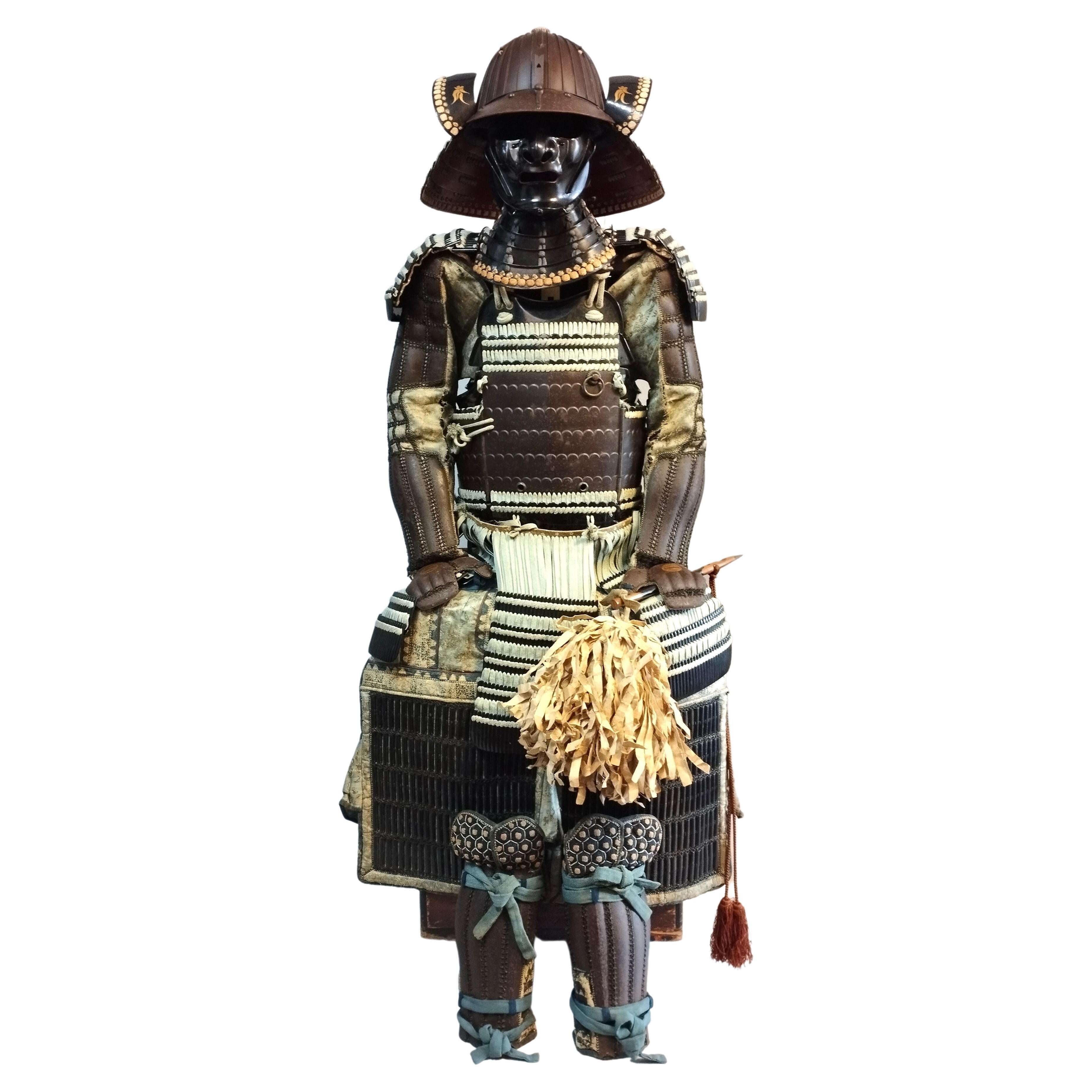
Showa-Period Japanese Samurai Armor (Yoroi), with Paulownia Crest, Post-WWII
$9,500per set
£7,228.11per set
€8,328.25per set
CA$13,487.03per set
A$14,469.17per set
CHF 7,760.96per set
MX$174,206.82per set
NOK 97,836.05per set
SEK 89,212.92per set
DKK 62,223.17per set
About the Item
Showa-Period Japanese Samurai Armor with Paulownia Crest, Post-WWII Diplomatic Gift
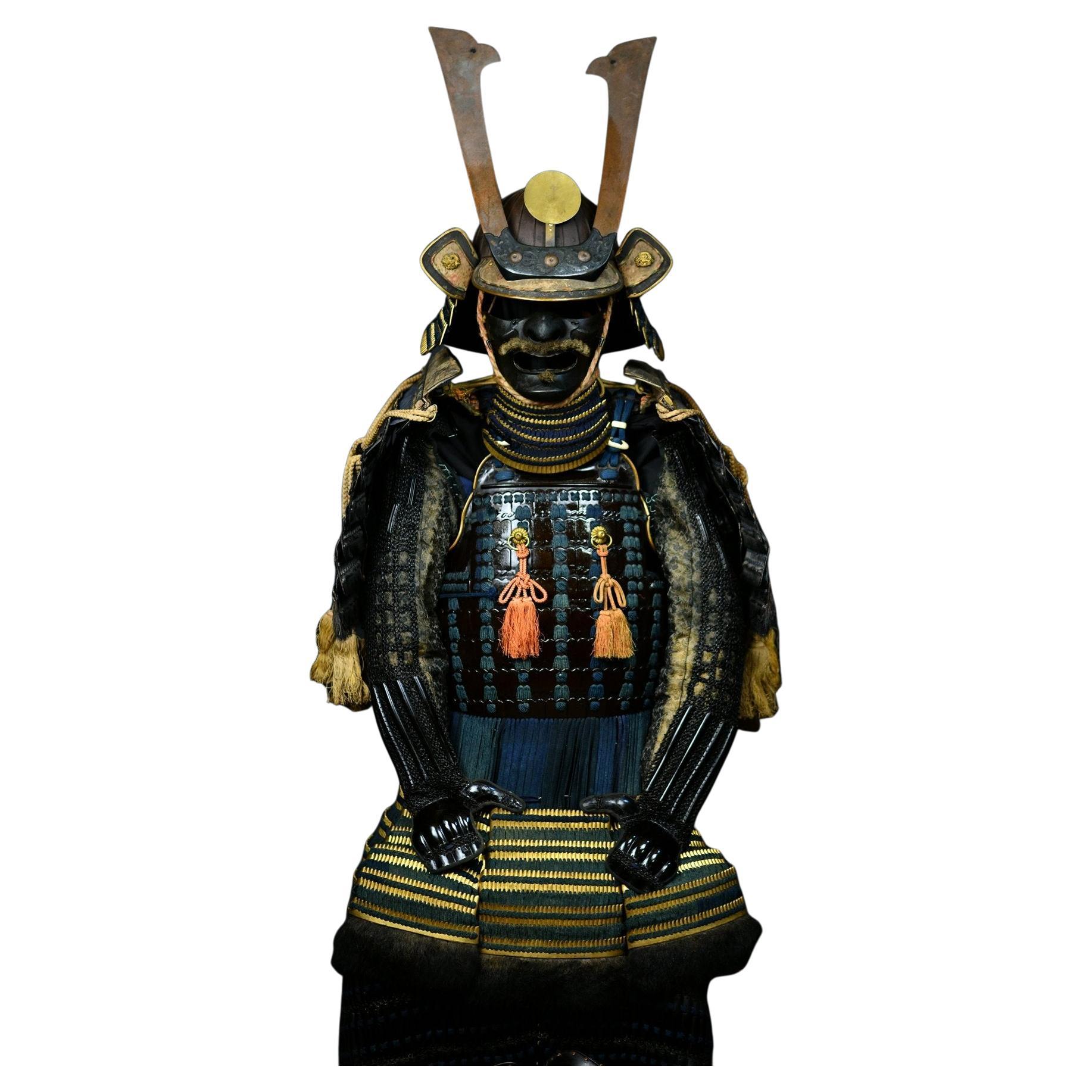
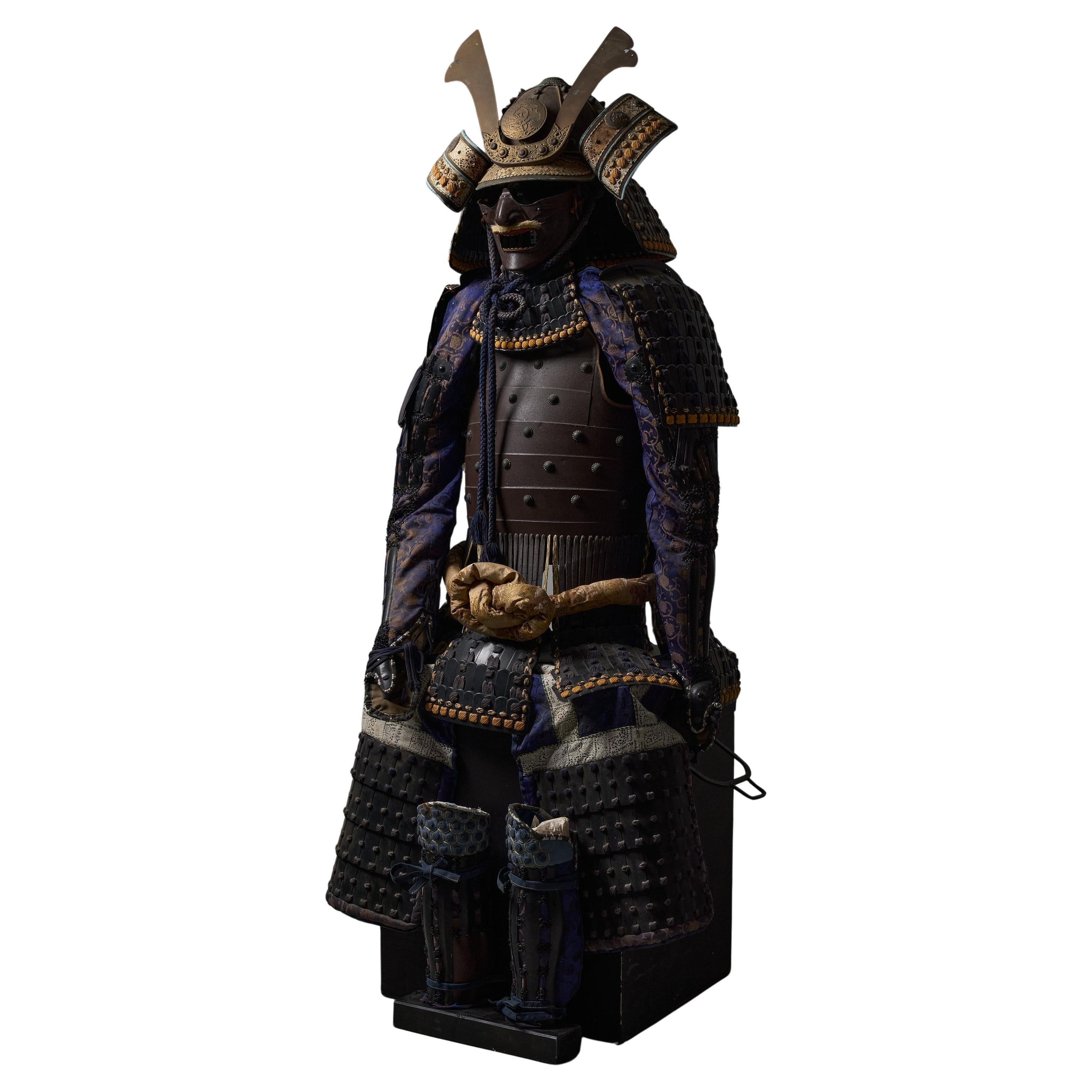
A complete suit of Japanese samurai armor (yoroi), crafted in the Showa period (post-World War II, circa 1950s–1970s). This striking ceremonial reproduction reflects the enduring power of the samurai image in Japanese culture and was likely produced as a presentation or diplomatic gift to the United States during the early postwar era.
The suit comprises a helmet (kabuto) with bold gilt ornamentation and dramatic crest horns, a fierce face mask (mempō) with mustache, large sode (shoulder guards), and a fully laced cuirass (dō), decorated with a prominent gilt Paulownia (kiri) mon. This crest, once the emblem of the Toyotomi clan, later became an official symbol of the Japanese state, still used today by the Prime Minister’s office. Its presence on this armor underscores the suit’s ceremonial and diplomatic importance, connecting it to the authority of postwar Japan’s government and its cultural outreach.
Constructed using traditional methods of lacquer, silk lacing, and finely tooled metalwork, the armor is both decorative and symbolic rather than battlefield-functional. Such suits were presented to foreign dignitaries, U.S. military leaders, and statesmen as gestures of respect and cultural exchange, embodying both Japan’s warrior heritage and its commitment to diplomacy in the modern age.
Measurements
Samurai suit on stand: 71" high × 22" wide × 12" deep
Helmet (kabuto) alone: 17" high × 15" wide × 11" deep
Face mask (mempō) alone: 9" high × 9" wide × 5" deep
Includes: Custom display mannequin and black wood stand.
Condition
Very good vintage condition, with vibrant lacquer, intact silk cords, and gilt crest. Light wear consistent with age and display use. Complete with stand.
Significance
This armor represents the intersection of tradition and diplomacy, where the samurai image—long associated with honor, loyalty, and strength—was repurposed in the 20th century to communicate Japan’s national identity abroad. Today, Showa-period ceremonial armors are prized by collectors for their historical resonance and decorative impact, bridging feudal aesthetics with modern history.
- Dimensions:Height: 71 in (180.34 cm)Width: 22 in (55.88 cm)Depth: 12 in (30.48 cm)
- Sold As:Set of 3
- Style:Showa (Of the Period)
- Materials and Techniques:
- Place of Origin:
- Period:
- Date of Manufacture:20th Century
- Condition:Wear consistent with age and use. Minor losses. Minor fading.
- Seller Location:West Palm Beach, FL
- Reference Number:Seller: T34841stDibs: LU2592346351132
About the Seller
5.0
Platinum Seller
Premium sellers with a 4.7+ rating and 24-hour response times
Established in 1996
1stDibs seller since 2017
1,484 sales on 1stDibs
Typical response time: <1 hour
- ShippingRetrieving quote...Shipping from: Round Top, TX
- Return Policy
More From This Seller
View AllJapanese Six-Panel Byōbu/ Screen Depicting Kimonos and Obi Draped on an Ikō Rac
Located in West Palm Beach, FL
Mid-Century Japanese Six-Panel Byōbu/Screen Depicting Kimonos and Obi Draped on an Ikō Rack
A beautifully composed Japanese six-panel byōbu screen depicting an elegant assemblage of...
Category
Mid-20th Century Japanese Showa Paintings and Screens
Materials
Brass
Meiji Bronze Fisherman Okimono, Sealed Masatsune Saku
Located in West Palm Beach, FL
Meiji Bronze Fisherman Okimono, Sealed Masatsune saku
Japan, Meiji period (1868–1912)
A fine and rare Meiji period bronze Okimono of a fisherman by Masatsune Saku, originating from Japan and crafted during the Meiji period (1868–1922). This exquisite piece is a notable example of the Tokyo School's artistry, dating to the late 19th century.
The Okimono depicts a fisherman seated on a four-rung ladder, holding a bamboo fishing rod...
Category
Antique Late 19th Century Japanese Meiji Sculptures and Carvings
Materials
Bronze
$2,360 Sale Price
27% Off
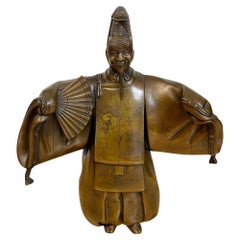
Meiji Period Bronze Figure of a Noh, With Mask
Located in West Palm Beach, FL
Meiji Period Bronze Figure of a Noh, with Mask
Japan, circa 1900s
A captivating Meiji period bronze figure of a Noh performer adorned with ...
Category
Early 20th Century Japanese Meiji Metalwork
Materials
Bronze
$2,360 Sale Price
20% Off
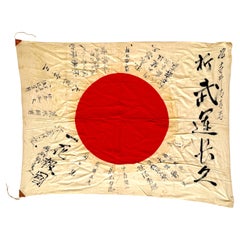
WWII Japanese Yosegaki Hinomaru “Good Luck” Flag Signed Patriotic Slogans, Names
Located in West Palm Beach, FL
WWII Japanese Yosegaki Hinomaru “Good Luck” Flag – Silk with Leather-Reinforced Corners, Signed with Patriotic Slogans and Names
This authentic Yosegaki Hinomaru (“Good Luck Flag”) ...
Category
Mid-20th Century Japanese Showa Historical Memorabilia
Materials
Leather, Silk
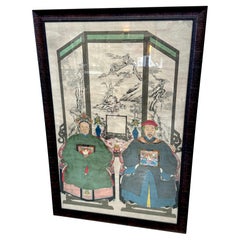
Large Qing-Dynasty Double Ancestral Portrait China, late 19th C. Guangxu Period
Located in West Palm Beach, FL
Large Qing-Dynasty Double Ancestral Portrait
China, late 19th century (Guangxu period, c. 1880–1900)
Ink and mineral pigments on paper, mounted and framed under glass
Sight: 57 in H ...
Category
Antique Late 19th Century Chinese Chinese Export Paintings and Screens
Materials
Plexiglass, Lacquer, Paper
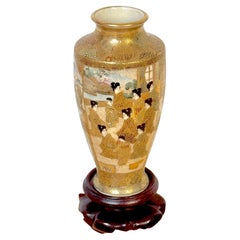
Meiji Period Satsuma Gilt Enameled Immortal
Geisha Vase
Stand by Kozan Zo
By Kozan Zo
Located in West Palm Beach, FL
Meiji Period Satsuma Gilt Enameled Immortal & Geisha Vase & Stand
Japan, Circa 1900, Meiji-era (1868–1912) Kozan Zo
This exquisite Meiji-period Satsuma ...
Category
Early 20th Century Japanese Meiji Vases
Materials
Pottery, Hardwood
You May Also Like
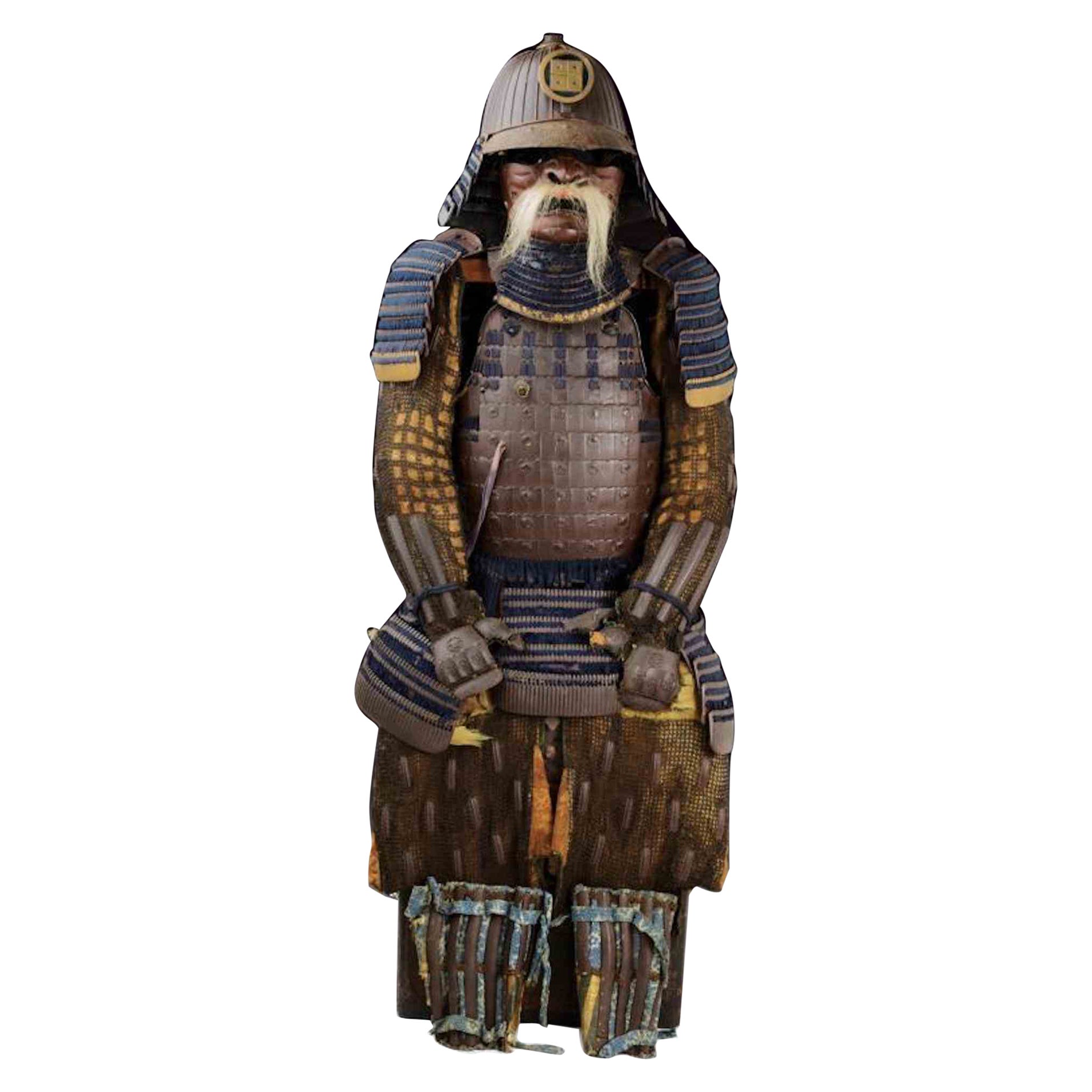
Rare Antique Original high Ranking Edo period Samurai armor Yoroi Japan Daimyō
Located in Ijzendijke, NL
This complete Edo-period samurai armor is an exceptional example of the refined martial elegance and ceremonial grandeur associated with Japan’s warrior aristocracy. Every component reflects a precise harmony of functionality, symbolism, and prestige.
At the heart of the set is a superb suji-bachi kabuto, constructed from multiple riveted iron plates arranged with flawless symmetry and enriched by a beautifully aged patina. It is crowned with a gilt tehen no kanamono, and the imposing maedate presents a pair of antler-like blades framing a gilded sun disc an emblem of celestial authority and divine lineage.
The Fukigaeshi feature extraordinary gilt dragon ornaments, carved in high relief. Dragons, ancient symbols of protection and power, were reserved for armor of the highest rank, strongly indicating that this set belonged to a Daimyō or high-ranking retainer.
The menpō, lacquered in deep black, includes a natural-hair moustache and an articulated jaw (resseibō), lending the face a vivid sense of character. Below it, the shikoro is composed of finely lacquered blue-and-gold plates, meticulously laced with silk.
The okegawa ni-mai dō cuirass is finished in a dark brown lacquer and laced in deep indigo silk, complemented by elegant orange ceremonial tassels a hallmark of formal presentation armor. The sode (shoulder guards) retain their rare bear-fur trimming, an expensive and status-laden material symbolizing courage and noble rank.
Completing the ensemble are beautifully made kote, haidate, and suneate, each executed with rich fabrics and refined lacquer work. A butterfly mon (chō-mon) appears on the leg guards an elegant symbol of transformation, adding a poetic contrast to the armor’s martial presence.
The extensive use of gilding, the rare bear-fur details, and the prominent dragon motifs confirm this as a piece created for the highest echelons of samurai society. It is a masterpiece where ceremonial artistry, symbolism, and authority converge.
Artistic and Historical Significance
This armor epitomizes the Edo-period ideal, when arms and armor transcended their battlefield origins and became expressions of identity, dignity, and cultural refinement. The interplay of dark lacquer, golden ornamentation, and natural materials embodies the spirit of bushidō discipline, inner strength, and beauty through restraint.
Whether displayed in a private collection, gallery, office, or interior setting, this armor commands attention. Its presence transforms any space, making it a truly museum-worthy centerpiece for collectors of Japanese, military, or historical art.
The set includes its traditional stand and storage box. As with all antique armor...
Category
Antique 17th Century Japanese Japonisme Antiquities
Materials
Metal
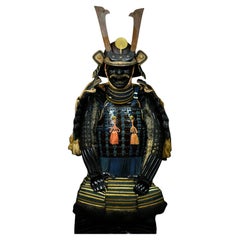
Antique Japanese Samurai Suit of Armor, Edo Period, 18th Century
Located in Point Richmond, CA
Antique Japanese Samurai Suit of Armor, Edo period, 18th century.
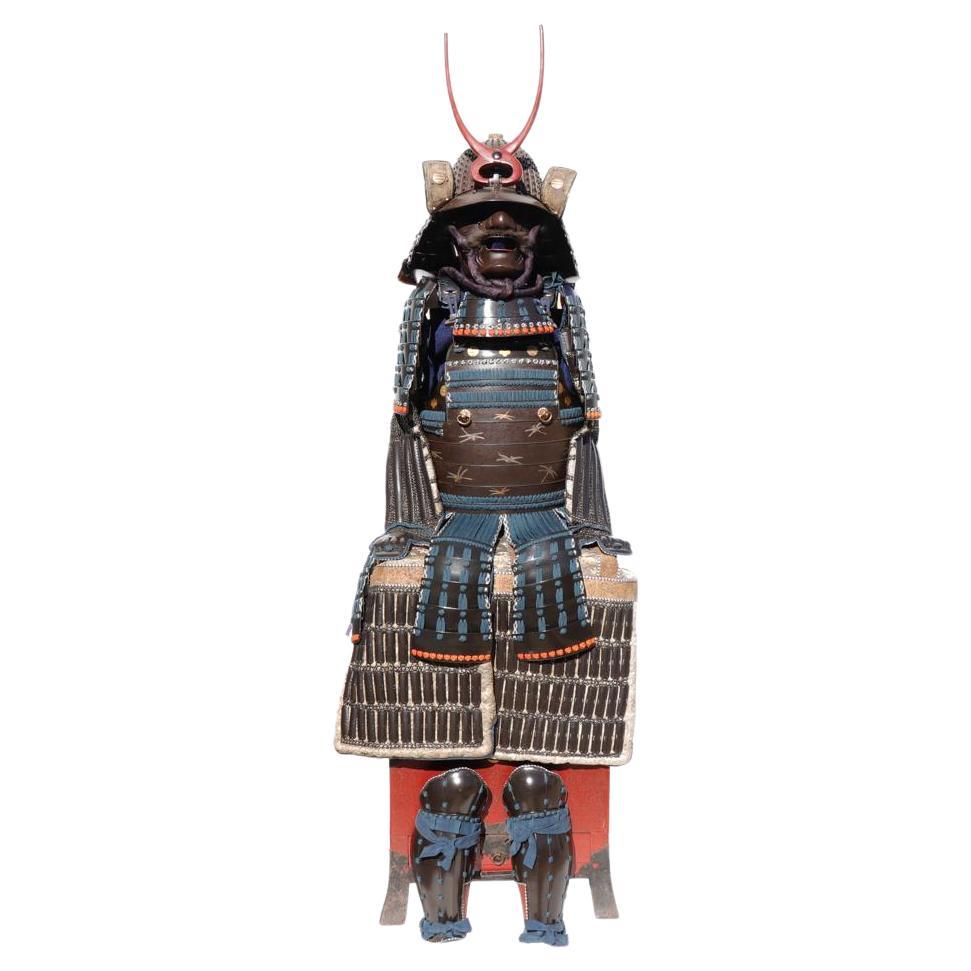
A complete matching set of lacquered iron work; the cuirass with dragonfly decoration and blue lacing, a Kaga schoo...
Category
Antique 18th Century Japanese Edo Metalwork
Materials
Gold Leaf, Silver, Foil, Iron, Metal
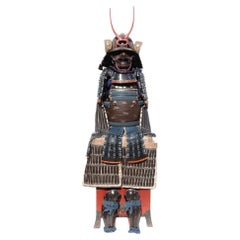
Japanese Red Samurai Armour Beginning of Meiji period 1900s
Located in Paris, FR
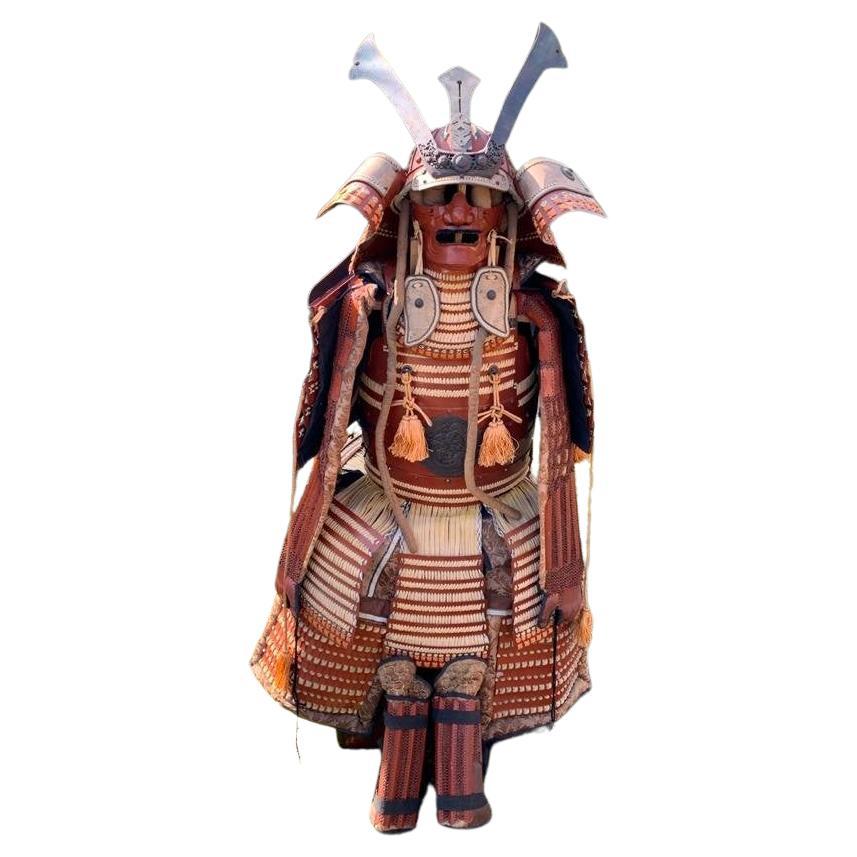
This is an armour of samurai. It was made around 1900s in Meiji era. This armour was not used in actual war so it was made as decoration, because of that, it is in good condition as its age.
There are some scratches and missing parts, if you need some more information, please let us know, we will respond you as soon as possible and send more photos.
This armour can be folded in a box. The box is getting damaged so it is not in good condition. We might send this armour in other box.
Dimensions: 50 x 50 x H170 cm
Scholars agree that Japanese armour first appeared in the 4th century, with the discovery of the cuirass and basic helmets in graves. During the Heian period, the unique Japanese samurai...
Category
Antique Early 1900s Japanese Meiji Antiquities
Materials
Metal, Iron
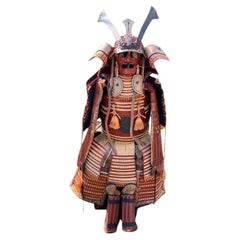
Samuraï armor
Located in Brussel, BE
Amazing and unique Samuraï armor.
End of XIXth century, early XXth century.
Nimai do Okegawa gusoku (2 plate with barrel form cuirasse armor).
Composed o...
Category
Antique Late 19th Century Japanese Japonisme Antiquities
Materials
Iron
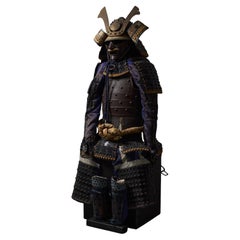
$29,669
18th Century Hirate Clan Samurai Armor with Signed Kabuto Helmet
Located in Fukuoka, JP
This is a truly exceptional set of 18th century Samurai armor that is sure to impress any collector or enthusiast. The patinated iron used in its construction has aged beautifully, giving the armor a truly unique appearance that is sure to catch the eye. The brocade silk and cotton padding used to line the armor not only provide a comfortable fit for the wearer, but also add an extra layer of decorative flair.
One of the most striking features of this armor is the crests of the Hirate samurai clan that adorn it. These crests are a symbol of the clan's identity and heritage, and their presence on the armor speaks to the deep connection between samurai warriors and the clans they belonged to.
The Kabuto...
Category
Antique 18th Century Japanese Antiquities
Materials
Iron
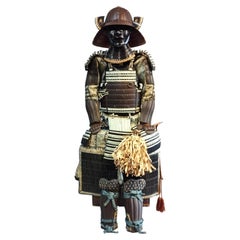
A Tosei Gusoku (Samurai
s Armour), 17th Century
Located in Roma, IT
Belonging to the period 1603-1867, most likely between the end of 17th and the beginning of 18th Century, this beautiful armour is a 32-plate suji kabuto made of brown-lacquered iron...
Category
Antique 17th Century Japanese Figurative Sculptures
Materials
Metal, Iron
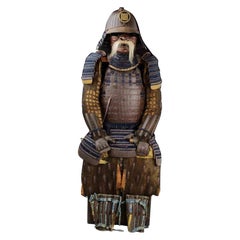
$19,937 Sale Price
30% Off