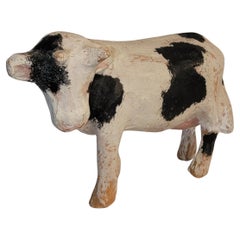
Items Similar to Antique 20th Century English Wooden Painted Dairy Cow c.1920
Want more images or videos?
Request additional images or videos from the seller
1 of 21
Antique 20th Century English Wooden Painted Dairy Cow c.1920
$4,092.03
£2,995
€3,517.64
CA$5,685.07
A$6,115.11
CHF 3,268.09
MX$72,079.69
NOK 41,202.97
SEK 37,667.34
DKK 26,282.68
About the Item
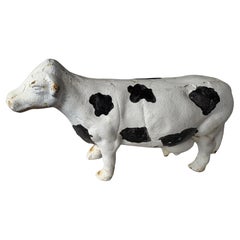
Antique 20th Century English wooden dairy cow, intricately carved and hand-painted. This delightful piece would have been displayed alongside butter, cream, and cheese in a local dairy or in the window of a village butcher shop.
CONDITION
In Good Overall Condition - Wear throughout and losses to the paintwork. Please refer to photographs.
SIZE
Height: 41 cm // 16.14 in
Width: 20 cm // 7.87 in
Depth: 63 cm // 24.80 in
- Dimensions:Height: 16.15 in (41 cm)Width: 7.88 in (20 cm)Depth: 24.81 in (63 cm)
- Style:Other (In the Style Of)
- Materials and Techniques:
- Place of Origin:
- Period:
- Date of Manufacture:1920
- Condition:Wear consistent with age and use. Minor fading. In Good Overall Condition - Wear throughout and losses to the paintwork. Please refer to photographs.
- Seller Location:Royal Tunbridge Wells, GB
- Reference Number:Seller: D111271stDibs: LU1348244910662
About the Seller
5.0
Platinum Seller
Premium sellers with a 4.7+ rating and 24-hour response times
Established in 2014
1stDibs seller since 2015
548 sales on 1stDibs
Typical response time: 3 hours
- ShippingRetrieving quote...Shipping from: Sherring, United Kingdom
- Return Policy
More From This Seller
View AllVintage 20th Century English Articulated Wooden Horse c.1960
Located in Royal Tunbridge Wells, Kent
A 20th Century articulated wooden horse on a brass stand with a wooden base, featuring movement in all four legs, head, and neck. Its timeless design makes it a perfect addition to b...
Category
20th Century British Other Models and Miniatures
Materials
Wood
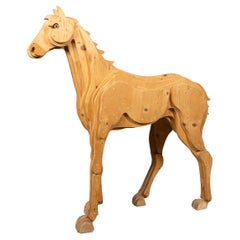
Vintage 20th Century Italian Multi Layer Wooden Horse Sculpture c.1980
Located in Royal Tunbridge Wells, Kent
Vintage 20th Century Italian pine horse sculpture, created using the layered wood technique, where individual pieces are stacked to form the curves of the horse’s body. This piece or...
Category
20th Century Italian Other Models and Miniatures
Materials
Pine
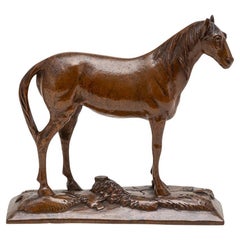
Antique 20th Century Victorian English Carved Walnut Horse c.1900
Located in Royal Tunbridge Wells, Kent
Antique early 20th Century Victorian Solid Wood Horse. Expertly carved from a piece of walnut, this striking horse stands proudly on a wooden base. Its timeless design makes it a per...
Category
20th Century British Other Animal Sculptures
Materials
Walnut
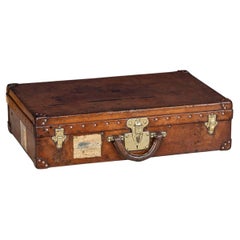
20th Century Louis Vuitton Cow Hide Suitcase, France c.1920
By Louis Vuitton
Located in Royal Tunbridge Wells, Kent
A highly unusual and exceptionally rare Louis Vuitton suitcase, originating from the early years of the 20th century, distinguishes itself not with the globally renowned monogram canvas but with a distinctive covering crafted from a singular piece of cowhide. This unique piece represents a special order from Louis Vuitton, showcasing the brand's historical commitment to utilizing only the finest hides available.
Unlike many of its counterparts, leather trunks and cases of this era often struggle to withstand the test of time, requiring regular treatments to prevent drying and disintegration. Remarkably, this particular example defies the odds, retaining the same supple quality it possessed on the day it first graced the shop floor. This suitcase belongs to Louis Vuitton's collection of "speciality materials," which encompasses a diverse range, including, but not limited to, zinc, copper, crocodile leather, and cow leather.
A brief history about Louis Vuitton trunks: Louis Vuitton was born in 1821 to a farmer and milliner and came from a long-established working-class family in eastern France. Vuitton grew up understanding the effects of perseverance and a strong work ethic from watching his family. At the age of 16, he made the decision to walk 292 miles from his hometown to Paris to try and make a new life for himself. When he arrived the city was in the midst of industrialization with current modes of transportation evolving quickly allowing for longer journeys. With this came the need for sturdy travel pieces.
Vuitton was taken as an apprentice for a successful box maker and packer named Monsieur Marechal. He learned to craft durable containers and how to pack them properly – a well-respected profession at the time.In 1854, years after he had mastered his craft and became well respected for it, Vuitton ventured out on his own to open a shop on Rue Neuve des Capucines. It was here that he began to establish himself as a luggage maker. Then, in 1858, Vuitton designed the first Louis Vuitton steamer trunk. At the time trunks had rounded tops to allow for water to run off but this did not allow for convenient stowage. Vuitton introduced a flat, yet waterproof, trunk that was easily stackable. The first of his trunks were outfitted with a grey canvas referred to as Trianon – it wouldn’t be until several decades later that the signature monogram would be introduced.
With a burgeoning business, Vuitton moved his family and workplace to Asniere, where he employed twenty workers to craft his trunks. By 1900 he would have 100 employees, and in 1914 the company would more than double in size. After years of success, Vuitton began to experiment with the design of his luggage by introducing a new striped canvas pattern (1876) and later the still well-known Damier print (1888). The hand-painted patterns were developed to prevent counterfeits. Even in the late 1800s, Louis Vuitton was enough of a status symbol to warrant counterfeiting. In 1886, his son George invented and patented an ingenious locking system that made it impossible to pick the lock of their trunks. This lock is still used today.
1892 would prove to be a time of mourning for the family as Louis Vuitton passed...
Category
20th Century French Other Trunks and Luggage
Materials
Brass
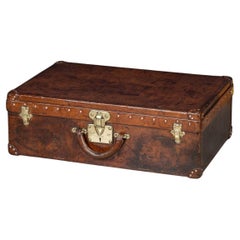
20th Century Louis Vuitton Cow Hide Suitcase, France c.1920
By Louis Vuitton
Located in Royal Tunbridge Wells, Kent
A highly unusual and exceptionally rare Louis Vuitton suitcase, originating from the early years of the 20th century, distinguishes itself not with the globally renowned monogram canvas but with a distinctive covering crafted from a singular piece of cowhide. This unique piece represents a special order from Louis Vuitton, showcasing the brand's historical commitment to utilizing only the finest hides available.
Unlike many of its counterparts, leather trunks and cases of this era often struggle to withstand the test of time, requiring regular treatments to prevent drying and disintegration. Remarkably, this particular example defies the odds, retaining the same supple quality it possessed on the day it first graced the shop floor. This suitcase belongs to Louis Vuitton's collection of "speciality materials," which encompasses a diverse range, including, but not limited to, zinc, copper, crocodile leather, and cow leather.
A brief history about Louis Vuitton trunks: Louis Vuitton was born in 1821 to a farmer and milliner and came from a long-established working-class family in eastern France. Vuitton grew up understanding the effects of perseverance and a strong work ethic from watching his family. At the age of 16, he made the decision to walk 292 miles from his hometown to Paris to try and make a new life for himself. When he arrived the city was in the midst of industrialization with current modes of transportation evolving quickly allowing for longer journeys. With this came the need for sturdy travel pieces.
Vuitton was taken as an apprentice for a successful box maker and packer named Monsieur Marechal. He learned to craft durable containers and how to pack them properly – a well-respected profession at the time.In 1854, years after he had mastered his craft and became well respected for it, Vuitton ventured out on his own to open a shop on Rue Neuve des Capucines. It was here that he began to establish himself as a luggage maker. Then, in 1858, Vuitton designed the first Louis Vuitton steamer trunk. At the time trunks had rounded tops to allow for water to run off but this did not allow for convenient stowage. Vuitton introduced a flat, yet waterproof, trunk that was easily stackable. The first of his trunks were outfitted with a grey canvas referred to as Trianon – it wouldn’t be until several decades later that the signature monogram would be introduced.
With a burgeoning business, Vuitton moved his family and workplace to Asniere, where he employed twenty workers to craft his trunks. By 1900 he would have 100 employees, and in 1914 the company would more than double in size. After years of success, Vuitton began to experiment with the design of his luggage by introducing a new striped canvas pattern (1876) and later the still well-known Damier print (1888). The hand-painted patterns were developed to prevent counterfeits. Even in the late 1800s, Louis Vuitton was enough of a status symbol to warrant counterfeiting. In 1886, his son George invented and patented an ingenious locking system that made it impossible to pick the lock of their trunks. This lock is still used today.
1892 would prove to be a time of mourning for the family as Louis Vuitton passed...
Category
20th Century French Other Trunks and Luggage
Materials
Brass
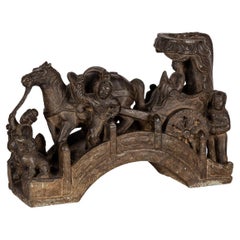
19th Century Chinese Carved Limestone Statue
Located in Royal Tunbridge Wells, Kent
Antique 18-19th Century Chinese carved limestone sculpture, depicting a horse drawn carriage going over a bridge, being accompanies by serva...
Category
Antique 19th Century Chinese Antiquities
Materials
Limestone
You May Also Like
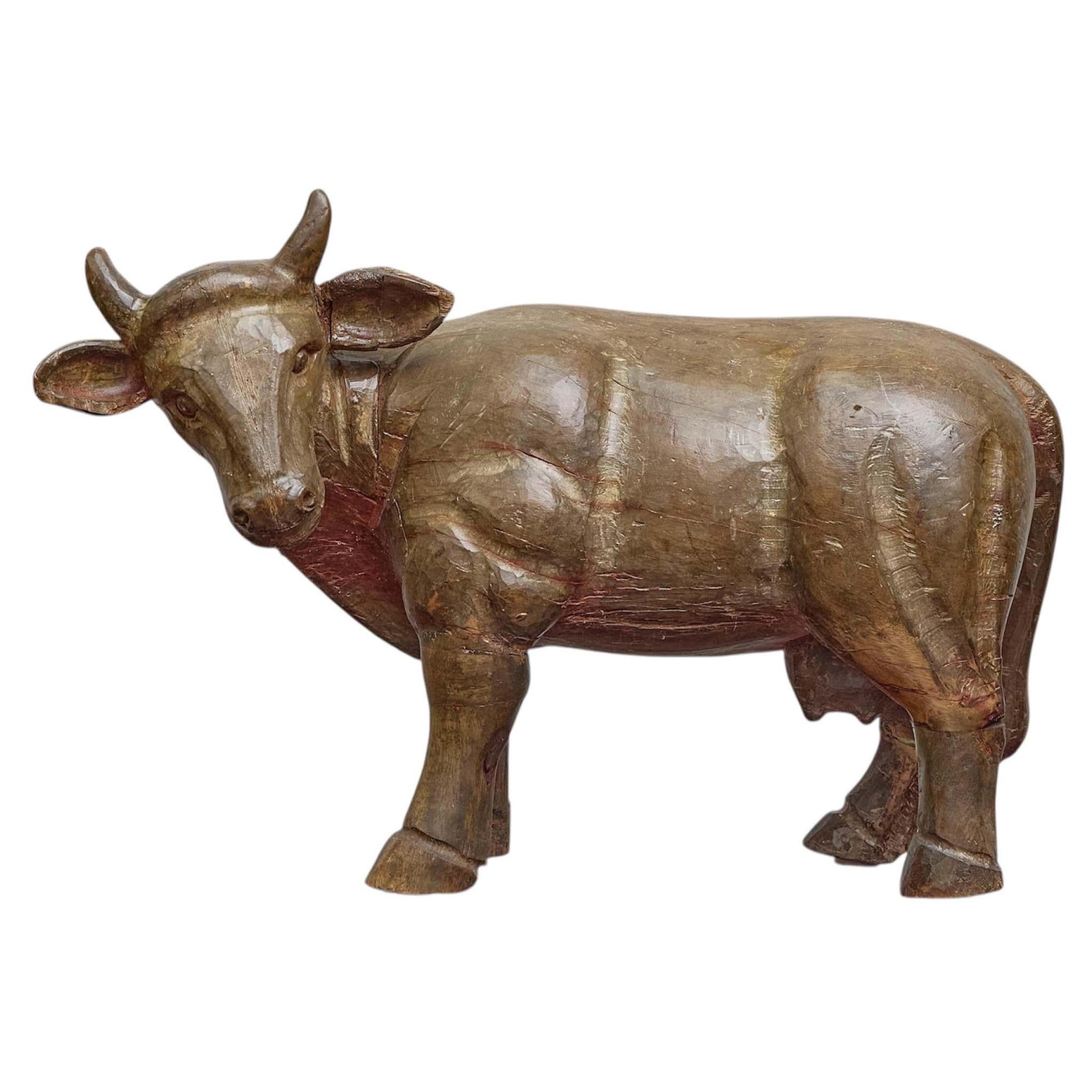
English Carved Wood Cow Sculpture with Original Painted Finish, circa 1880
Located in Atlanta, GA
A rare and well-proportioned English carved wood cow, circa 1880, retaining traces of its original painted finish. Crafted with the naïve charm characteristic of 19th-century folk ar...
Category
Antique Late 19th Century English Rustic Animal Sculptures
Materials
Wood
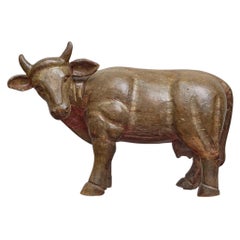
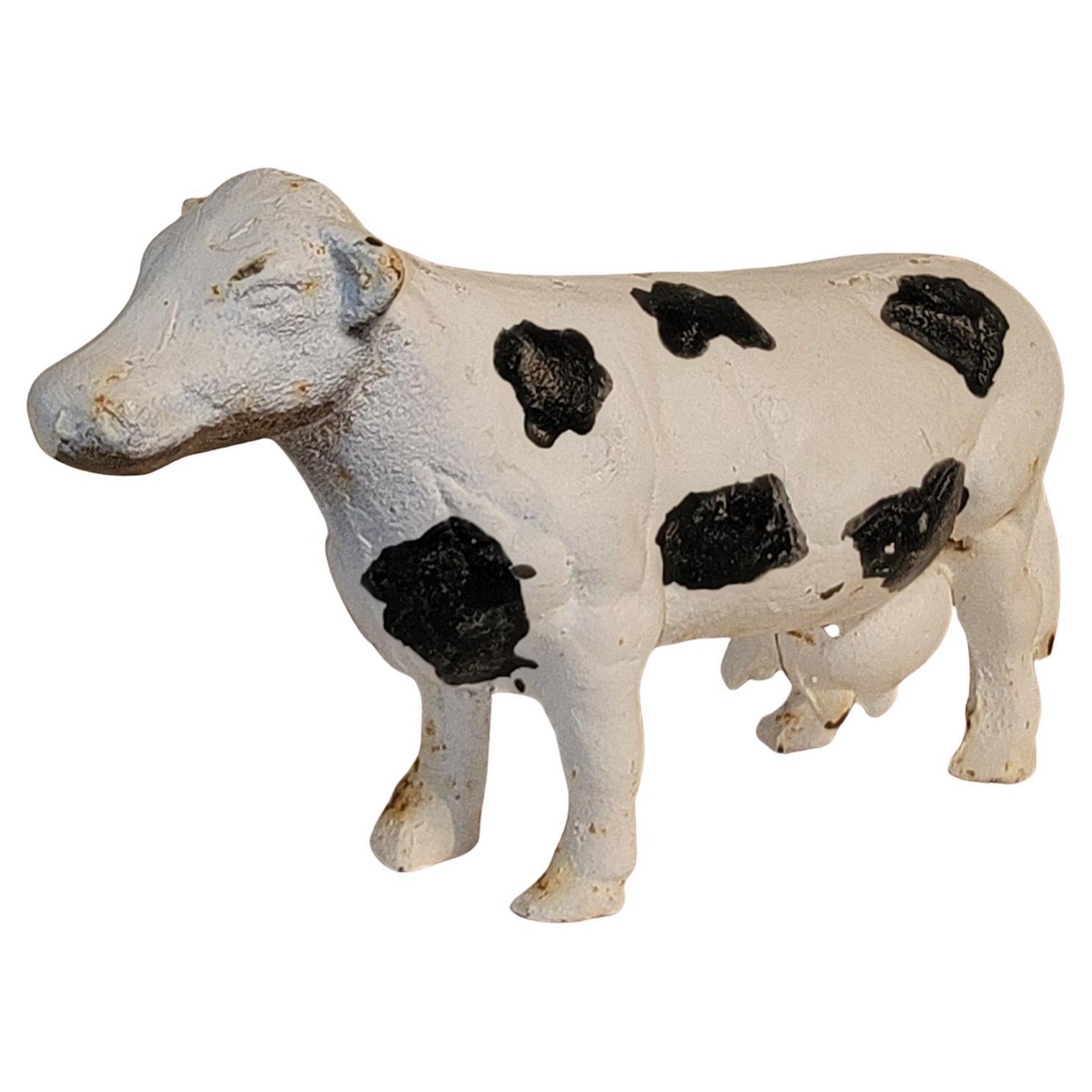
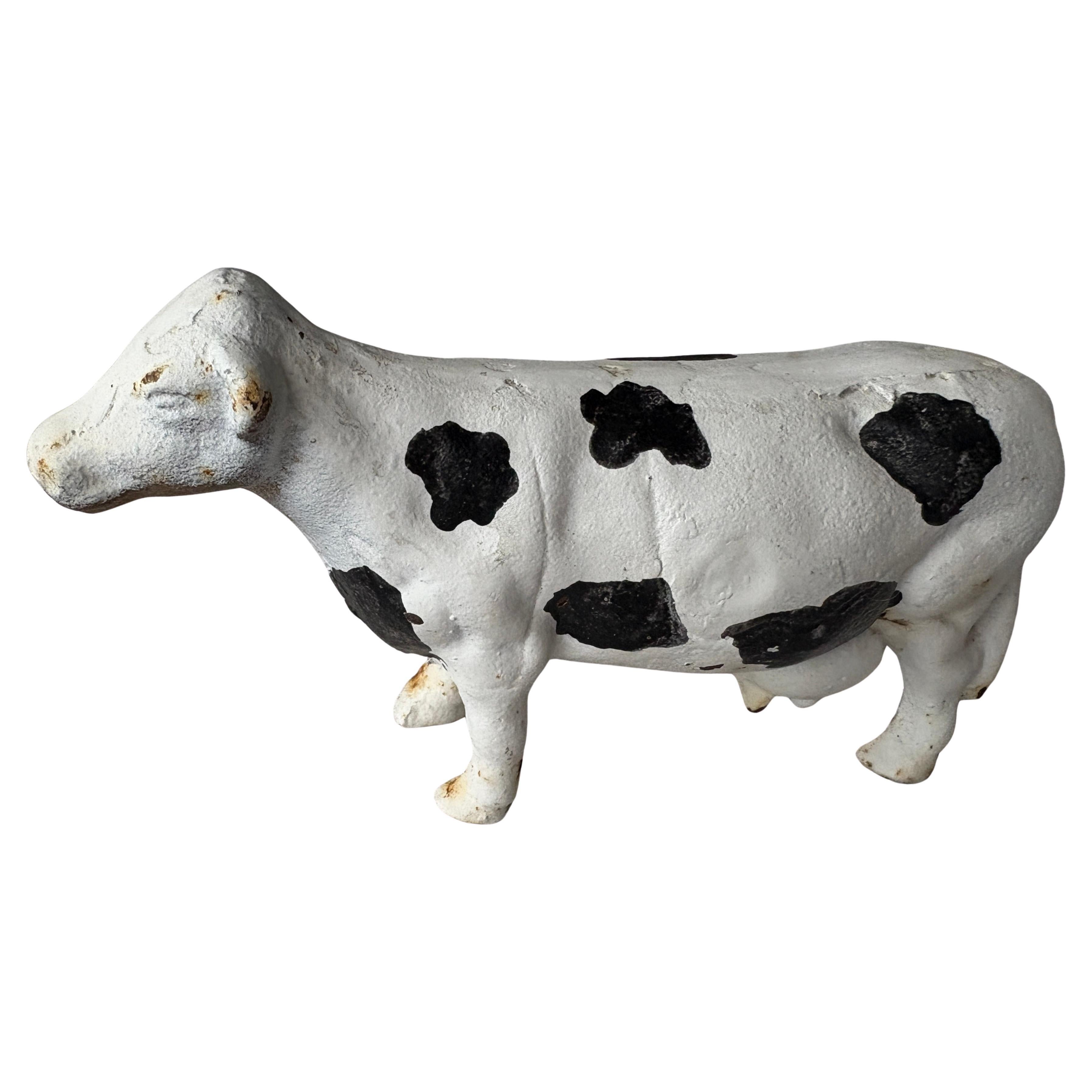
Original Painted Cast Iron Cow
Located in Los Angeles, CA
This fine original painted cast iron cow figure is in good as found condition.
Category
Early 20th Century American Folk Art Animal Sculptures
Materials
Iron
$716 Sale Price
20% Off
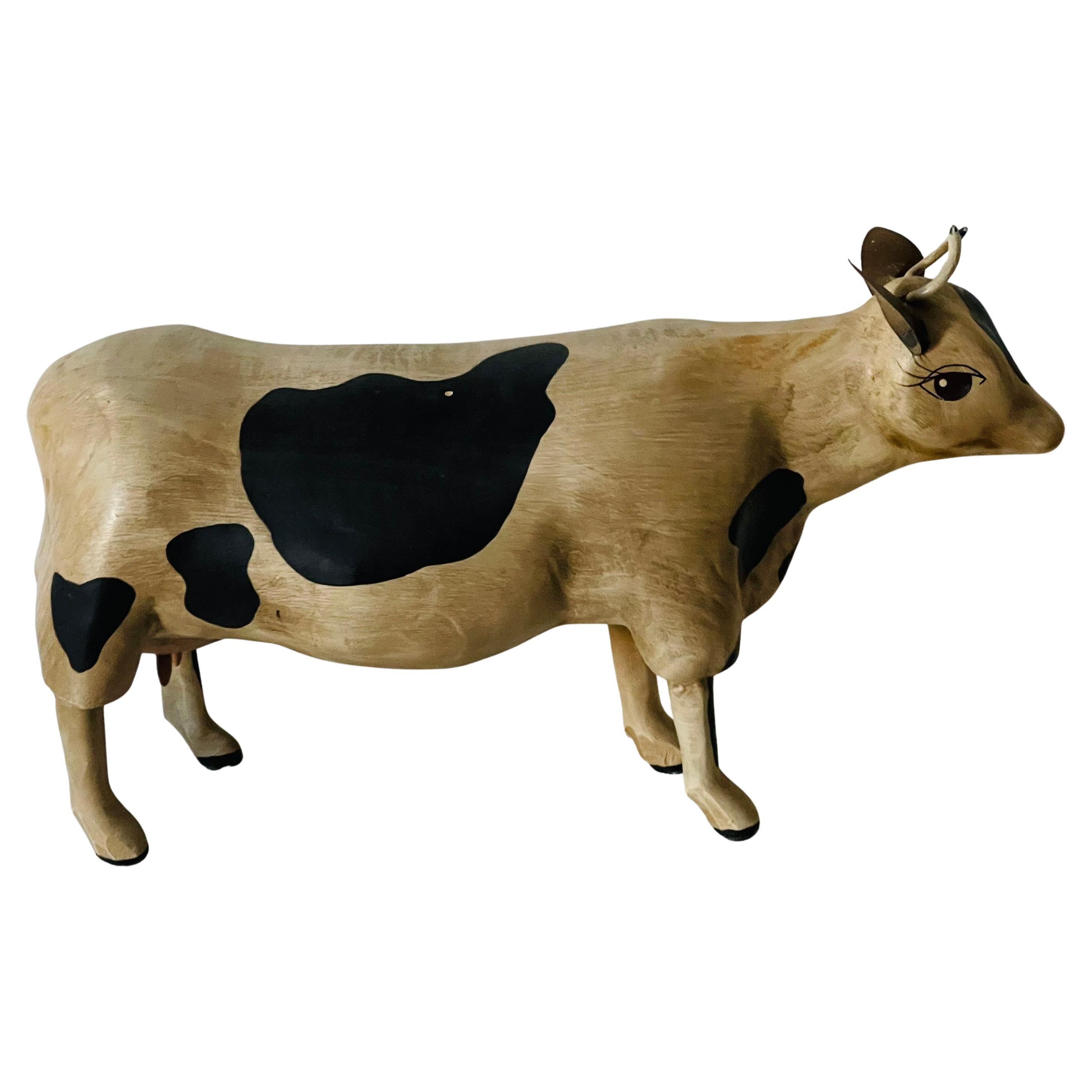
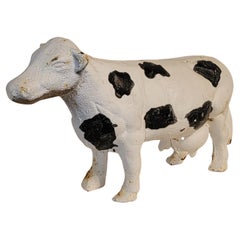
American Folk Art Wood Cow Sculpture Signed
Located in Boca Raton, FL
American folk art handcarved painted wood sculpture cow figurine signed P. Campbell.
Category
Vintage 1950s American Folk Art Sculptures and Carvings
Materials
Wood
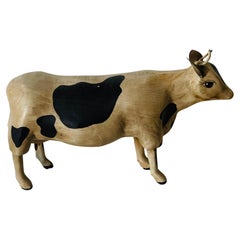
Original Painted Cast Iron Cow
By Hubley Manufacturing Company 2
Located in Los Angeles, CA
Early 20th century cast-iron original painted cow in very good condition. Nice patina to the paint & is in rare form.
Category
Vintage 1930s American Folk Art Sculptures and Carvings
Materials
Iron
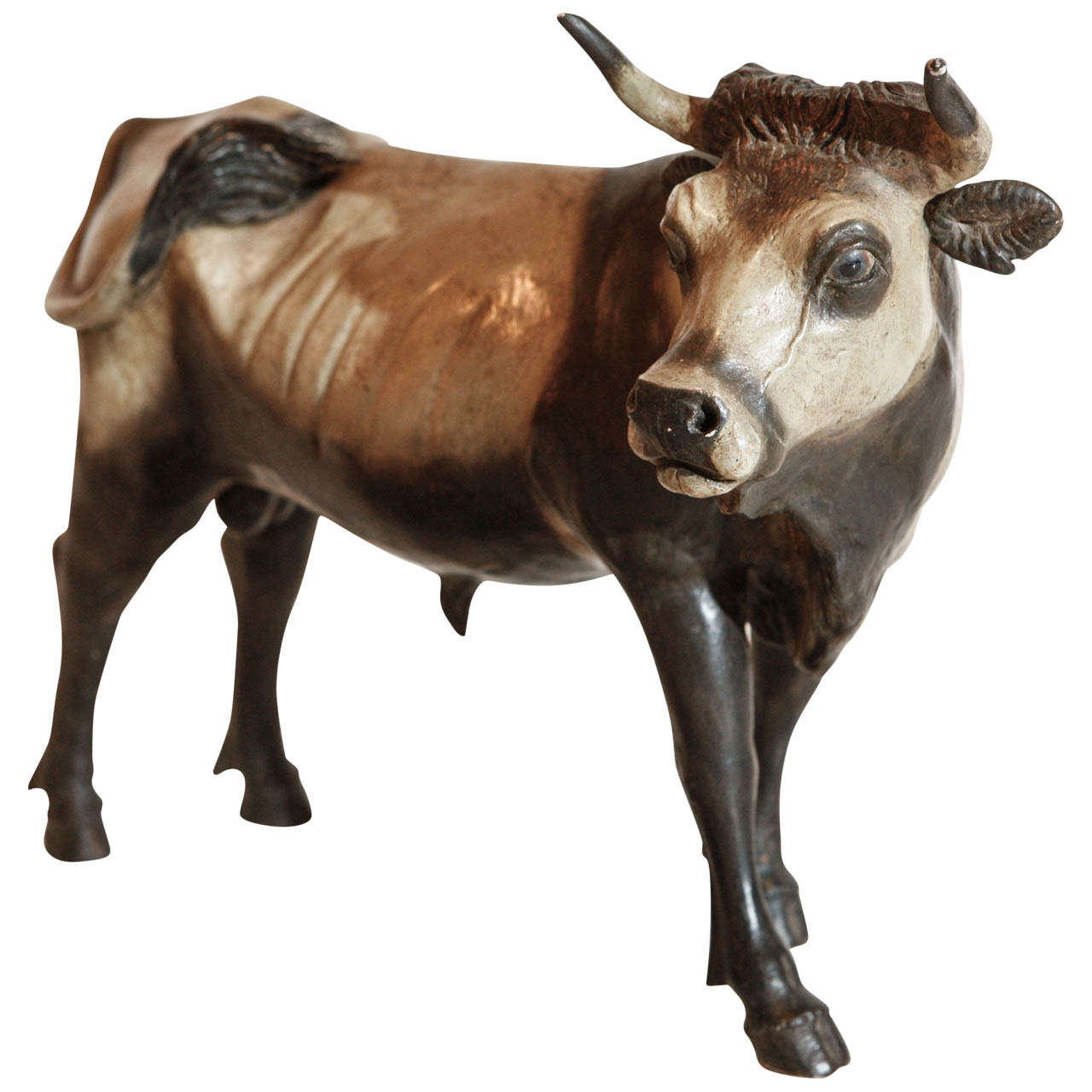
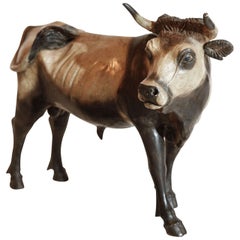
Hand-Painted 19th Century Bull Figurine
Located in Los Angeles, CA
Rare, beautifully hand-carved and painted bull figurine with glass eyes from Naples, Italy. Originally intended for a nativity scene.
Category
Antique 19th Century Italian Animal Sculptures
Materials
Glass, Wood
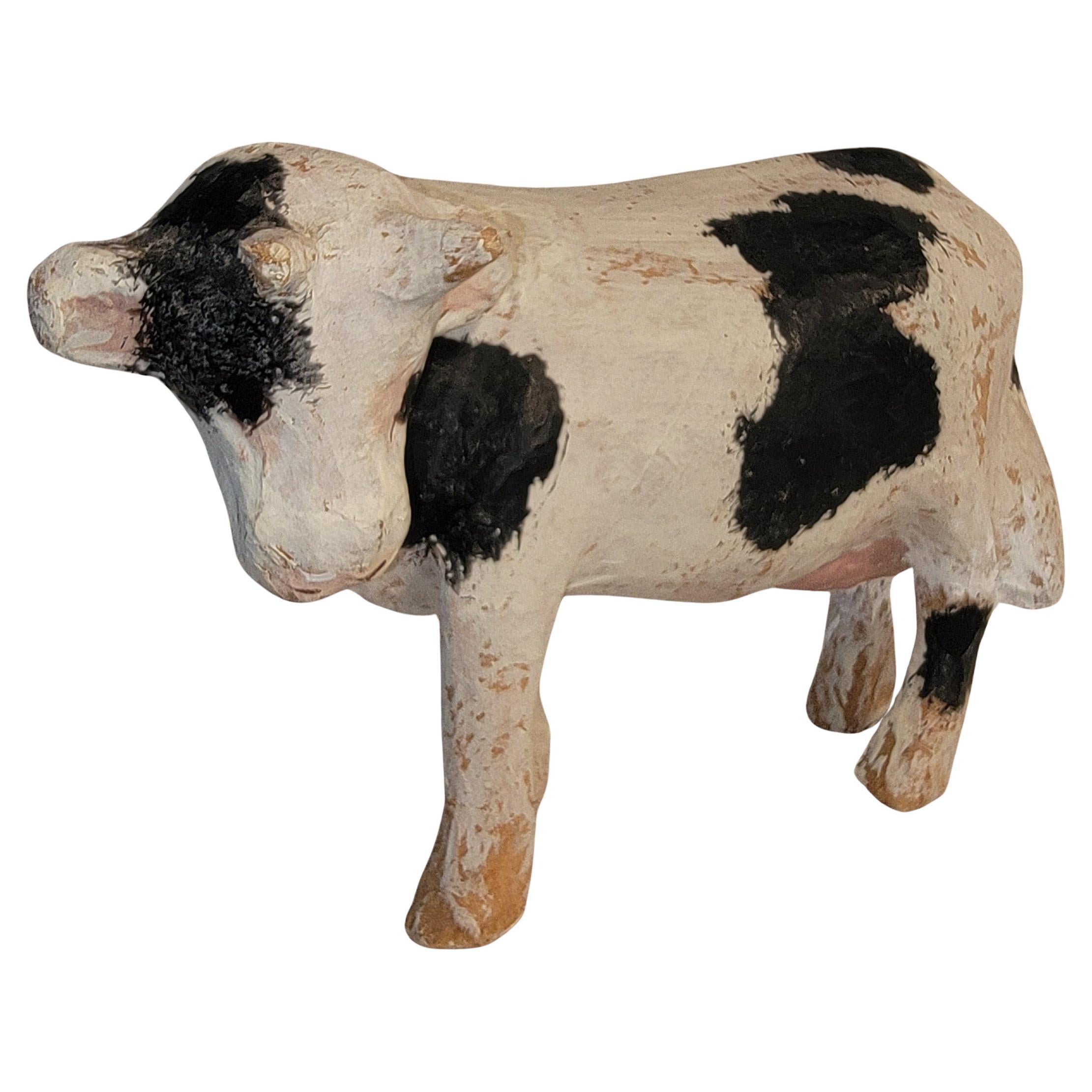
Antique Paper Mache Cow
Located in Los Angeles, CA
20Thc Paper mache original painted and hand crafted cow.The condition is very good.
Category
Early 20th Century American Folk Art Animal Sculptures
Materials
Paper