Items Similar to 12
Presentation Rowing Oar Trophy, Cambridge University 1st
3rd Trinity Boat
Want more images or videos?
Request additional images or videos from the seller
1 of 18
12
Presentation Rowing Oar Trophy, Cambridge University 1st
3rd Trinity Boat
$2,863.38
£2,100
€2,436.69
CA$3,942.27
A$4,314.34
CHF 2,279.75
MX$51,494.54
NOK 29,092.47
SEK 26,607.43
DKK 18,200.77
About the Item
Antique Rowing Oar, Fairbairn Cup 1946, 1st
3rd Trinity Boat Club 1946.
The full-length oar, 12 foot long, is an original traditional Cambridge University presentation rowing oar with gilt calligraphy and club and college insignias. It is a beautiful oar and in original condition. The calligraphy denotes the crew's names and weights with the oar once belonging to C.H. Christie, we also have a pair of his 'Lowe Double Sculls 1947-1948' for sale. The Club's emblem of two shields is the combination of the armorial shields of 1st Trinity Boat Club (the left hand shield) and 3rd Trinity Boat Club (the right hand shield) and dates from 1946 when the two clubs amalgamated. The central shield is the Coat of arms of the University of Cambridge.
A couple of the images shows the oar photographed with a pair of Fitzwilliam House oars which are being sold separately.
The calligraphy on this blade reads:-
1st
3rd Trinity BC, 1st Boat. Winner. Fairbairn Cup 1946
Bow C.H. Christie 11.12
2. J.R.L. Nuttall 12.2
3. W.J.P.M. garnett 12.9
4. A. Benchendorff 11.6
5. A.B.C. Harrison 13.8
6. J. Haseldine 12.11
7. R. Buxton 12.7
Str. J.A. Kirbyshire 12.5
Cox. G.H.C. Fisher 9.3
Coaches C.D. Burney
S.A.R. Gray
TIME. 16 mins. 19 3/5 secs.
As the oar is full length (12 foot) shipping can be quite expensive. We have come up with an ingenious way to cut the oar so as to make shipping cheaper, the oar can then be easily reassembled. One of the images shows different images of an oar that has been cut down. It is cut by the leather sleeve so the joint is less visible or obvious. The oar can then be bolted together to make the oar one solid piece.
Please do enquire about the different shipping options.
PLEASE NOTE. The Shipping price quoted by the dealer is for the cut down oar.
Any crew which records four consecutive bumps is said to have 'gained their oars'. The prize being a full-size oar decorated with the names of the full crew in gold lettering on the college colours for each rower. The cox is given a decorated rudder and the coach receives a decorated wooden shield with a mock-up of the bow end of a boat.
Both Oxford and Cambridge Universities host two university bumps races yearly, each lasting several days. The races are for eights (i.e. eight rowers and a cox), each representing one of the university's various colleges. One of the races is held in early spring and the other in early summer, in Oxford they are called 'Torpids' in the spring and 'Eights' in the summer, in Cambridge these are called 'Lent Bumps' and 'May Bumps'. The leading crews of the Lent Bumps go on to race the leading Oxford Torpids crews at the Henley Boat Races around Easter.
The first attested bumps race took place in Oxford in 1815 and was between two eights from Brasenose College and Jesus College. Twelve years later Lent Bumps racing commenced at Cambridge University. As the Isis and Cam are long narrow rivers, not ideal for normal side by side racing, Bumps racing evolved. The competing crews line up bow-to-stern in order, one behind the other with gaps of about 1½ boat lengths between them. The start of the race commences with the firing of a cannon, the idea to progress up their division by attempting to catch and Bump (touch) the boat in front whilst simultaneously trying not to be Bumped by the boat behind. The ultimate aim becoming top of the first division and "Head Of The River". When a bump has taken place both of the crews involved in the Bump pull over to the riverbank and take no further part in that race, allowing the rest of the division to pass. The only difference is in Torpids where the crew whose boat was Bumped has to continue racing (and is liable to be bumped again). It is possible to "over bump", if the 2 crews involved in the Bump have pulled over and the crew behind them manage to catch the boat that was in front of them, this is an "over bump".
Dimensions:
Height
370 cm / 145 "
Width
15 cm / 6"
Depth
7 cm / 3"
- Dimensions:Height: 145.67 in (370 cm)Width: 5.91 in (15 cm)Depth: 2.76 in (7 cm)
- Style:Sporting Art (Of the Period)
- Materials and Techniques:
- Place of Origin:
- Period:
- Date of Manufacture:1946
- Condition:Wear consistent with age and use. Oar is in original condition with a slight damage to one edge. The dark blue background paint has shrunk cracked, some of the calligraphy appears to have been touched up.
- Seller Location:Oxfordshire, GB
- Reference Number:Seller: 307491stDibs: LU975746075372
About the Seller
5.0
Platinum Seller
Premium sellers with a 4.7+ rating and 24-hour response times
Established in 1977
1stDibs seller since 2013
832 sales on 1stDibs
Typical response time: 2 hours
Associations
LAPADA - The Association of Arts
Antiques Dealers
- ShippingRetrieving quote...Shipping from: Oxfordshire, United Kingdom
- Return Policy
More From This Seller
View All12
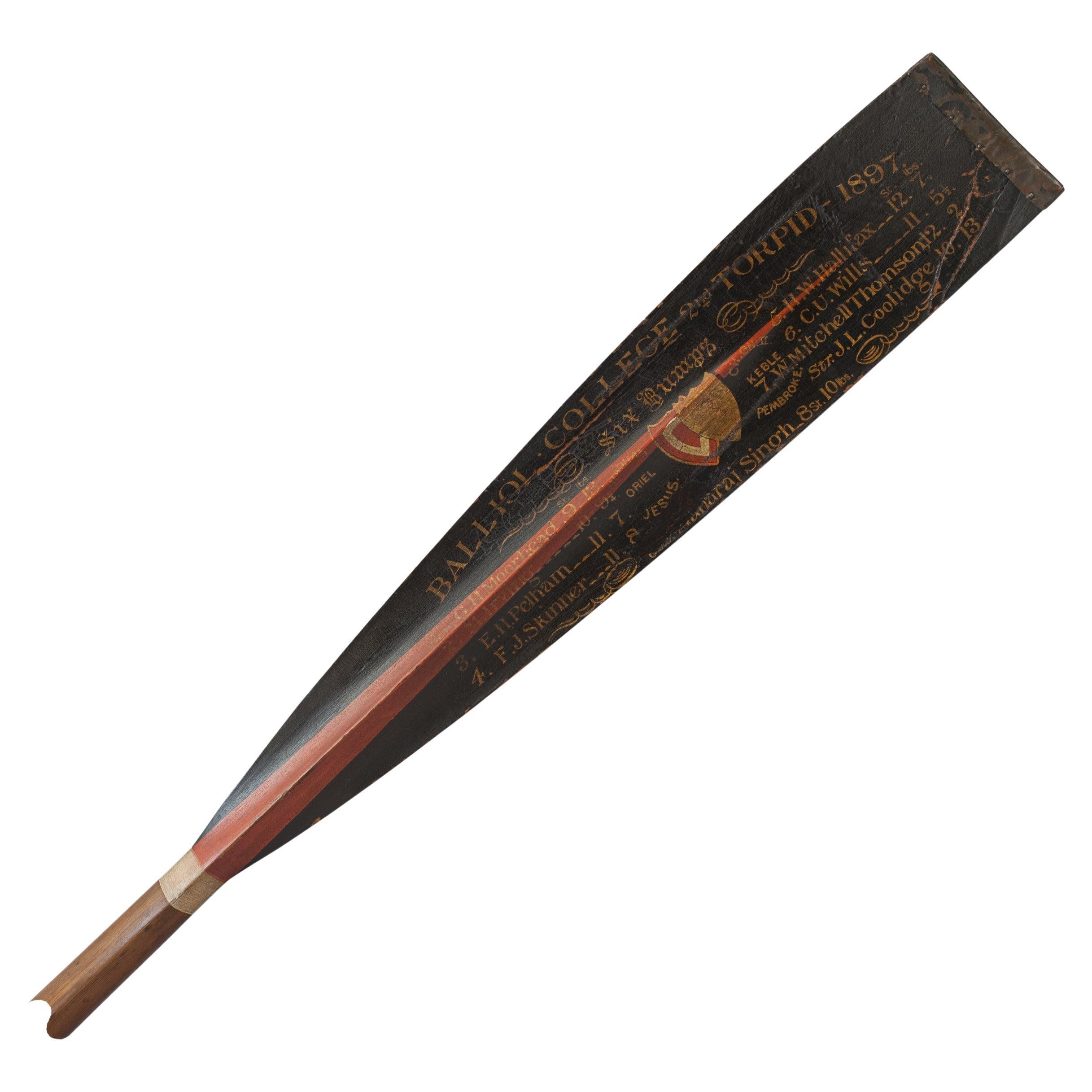
Presentation Rowing Oar Trophy, Oxford University, 1897 Balliol
Located in Oxfordshire, GB
Antique Rowing Oar, 1897 Balliol College Oxford, 2nd Torpid.
The full-length oar is an original traditional presentation rowing oar with gilt calligraph...
Category
Antique Late 19th Century British Sporting Art Sports Equipment and Memo...
Materials
Pine
Split Cane, Hardy
Victor
Fly Fishing Rod
By Hardy Bros.
Located in Oxfordshire, GB
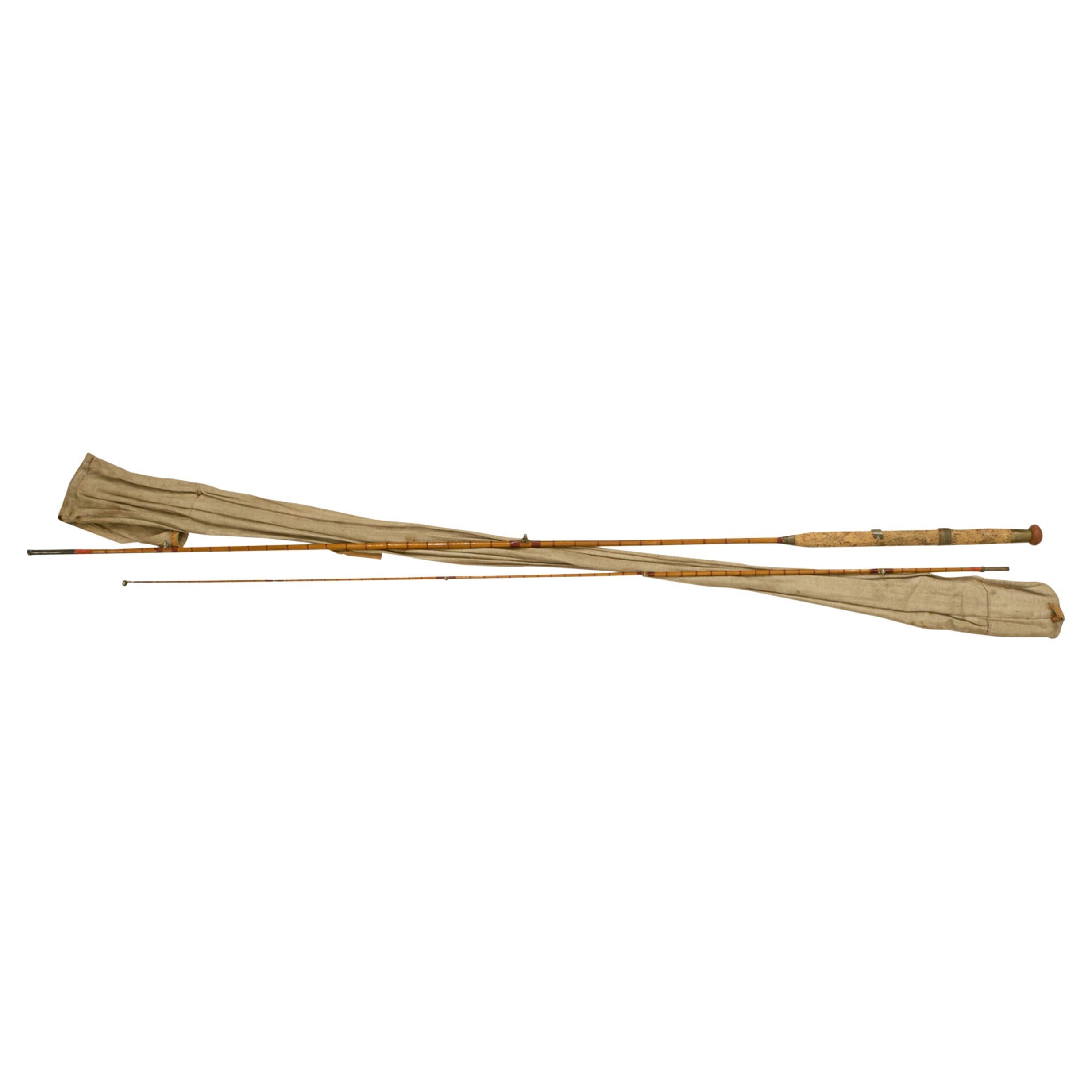
Hardy Bros. 'Victor' Palakona Fly Fishing Rod.
A 2-piece 8' 2" split cane fly fishing rod by Hardy of Alnwick, Victor. It is in repaired condition with suction joints, cork handle wi...
Category
Early 20th Century British Sports Equipment and Memorabilia
Materials
Bamboo
$436 / item
Split Cane, Hardy Fly Fishing Rod
By Hardy Bros.
Located in Oxfordshire, GB
Hardy Bros. Split Cane Palakona Fly Rod.
An Edwardian three piece split cane fly rod in original condition with Hardy's canvas bag. The 10'6" fly rod with 'Lockfast' joints, cork han...
Category
Early 20th Century English Sports Equipment and Memorabilia
Materials
Bamboo

Hardy Split Cane Fishing Rod, The Perfection
By Hardy Bros.
Located in Oxfordshire, GB
The "Perfection" Hardy Palakona Fishing Rod.
A beautifully 2 piece 8'6" split cane fly fishing rod by Hardy of Alnwick. The rod is in very good condition with the registration number...
Category
20th Century British Sports Equipment and Memorabilia
Materials
Bamboo
Hardy Split Cane Fishing Rod, The Perfection
By Hardy Bros.
Located in Oxfordshire, GB
The "Perfection" Hardy Palakona Fishing Rod.
A beautifully 2 piece 8'6" split cane fly fishing rod by Hardy of Alnwick. The rod is in very good condition with the registration number...
Category
Mid-20th Century English Sports Equipment and Memorabilia
Materials
Bamboo
Hardy Gold Medal 9 foot trout Fly Fishing Rod
Located in Oxfordshire, GB
Vintage Hardy Split Cane 'Palakona' 9' Fly Fishing Rod.
The Hardy 'Gold Medal' rod is a split cane Palakona 2-piece trout fly rod with spare tip made by Hardy's of Alnwick. This rod ...
Category
Mid-20th Century British Sports Equipment and Memorabilia
Materials
Bamboo
You May Also Like
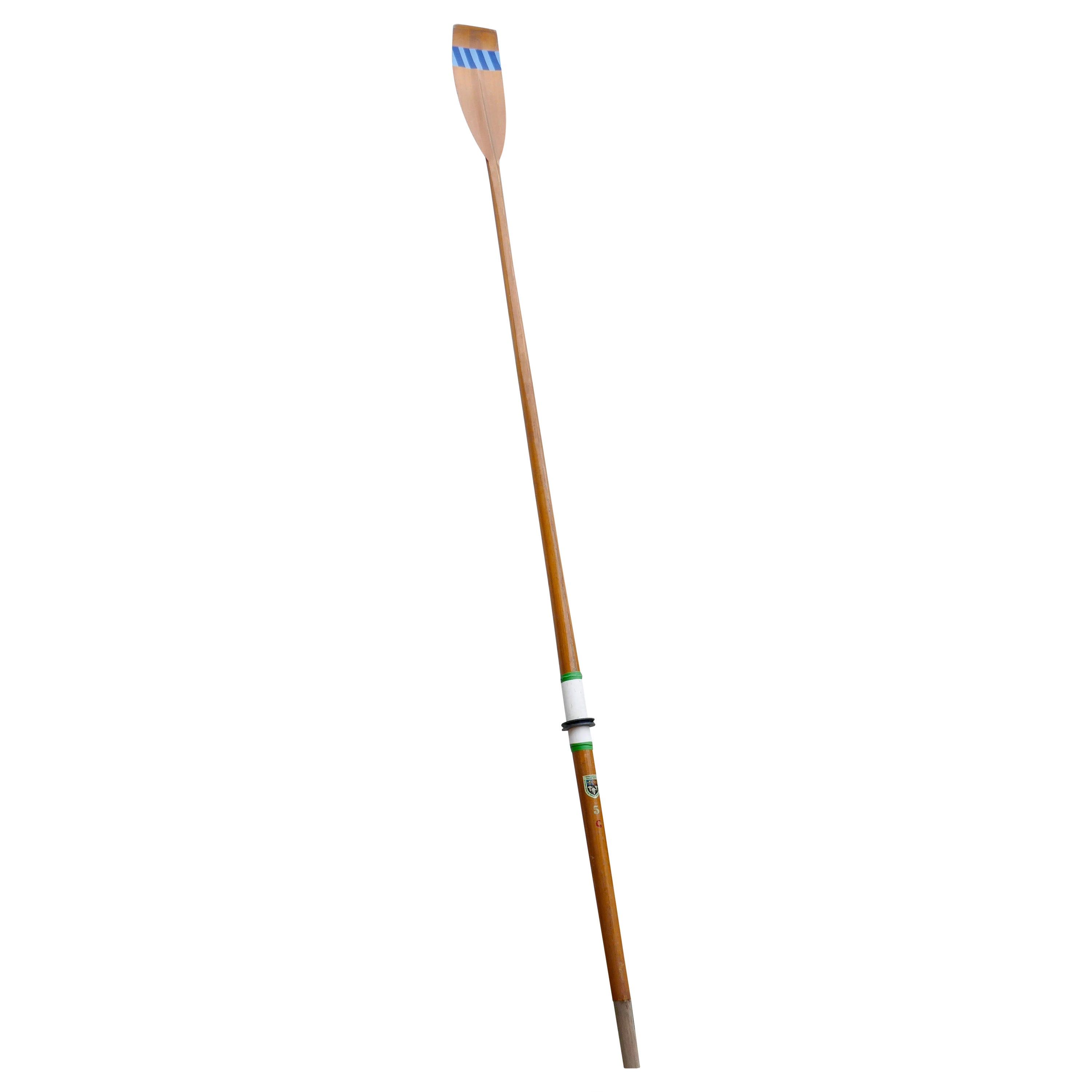
Very Long Racing Scull or Oar from Eton College Windsor
Located in Godshill, Isle of Wight
Very Long Racing Scull or Oar from Eton College Windsor
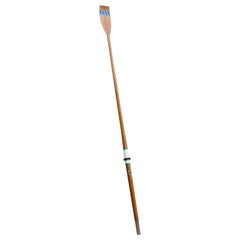
This is a fine quality extra long oar from Eton College, the spoon or blade has blue chevrons ...
Category
Early 20th Century Folk Art Nautical Objects
Materials
Ash
Rowing Skiff Wood, 1960s
Located in Andrézieux-Bouthéon, FR
Rowing Skiff Wood, 1960s
Vintage Design
Additional Information:
Materials: Wood
Color: Brown
Design Period: 1960 to 1969
Country of Manufacture: France
Style: Vintage
Product Code:...
Category
20th Century French Decorative Art
Materials
Wood
$12,000
English Victorian Wood and Brass Cane
Located in Queens, NY
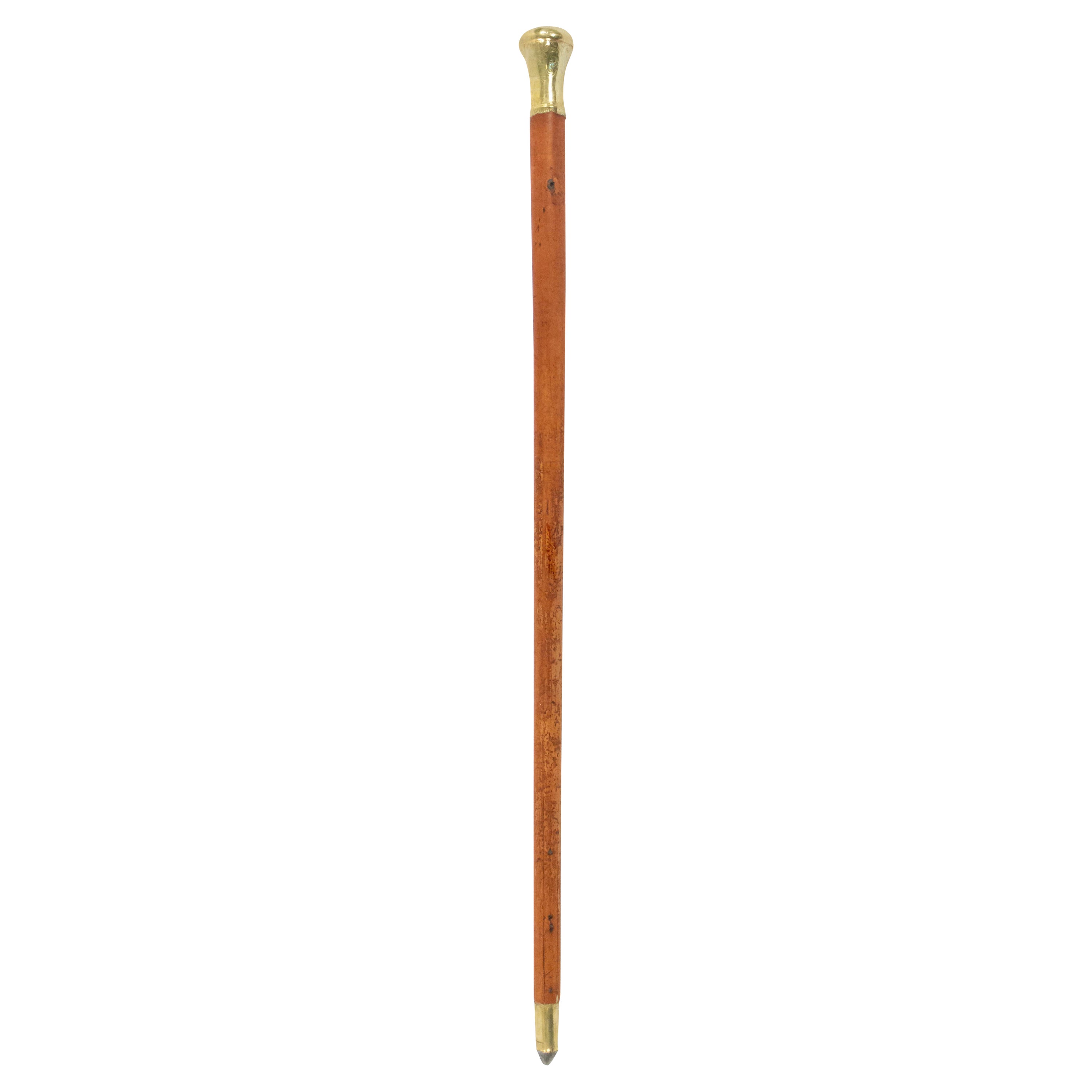
19th Century English Victorian wood cane with etched brass top.
Category
Antique Late 19th Century British Victorian Sports Equipment and Memorab...
Materials
Brass
English Victorian Wood and Brass Cane
Located in Queens, NY
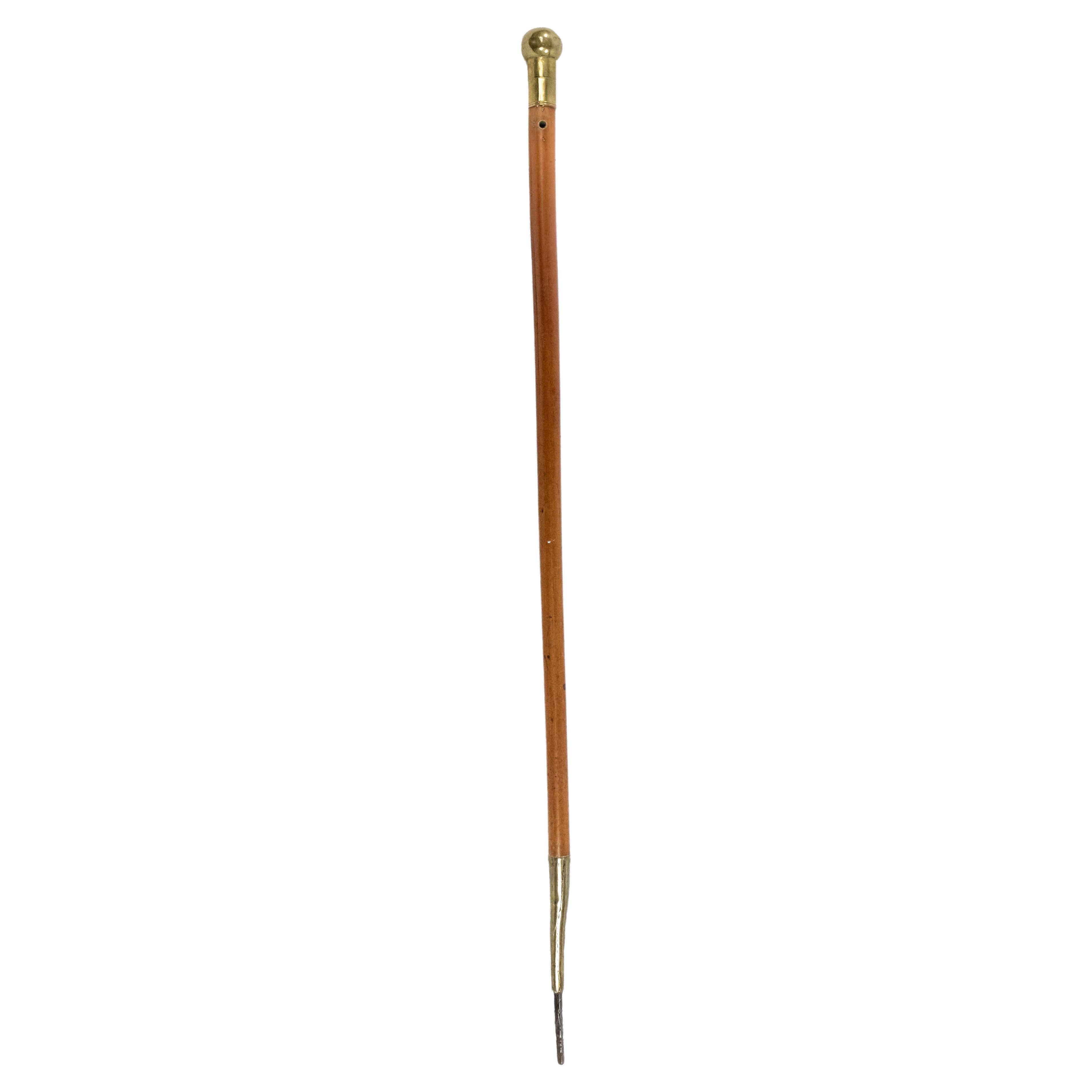
English Victorian light wood cane with brass ball top and fluted sleeve.
Category
Antique Late 19th Century Victorian Sports Equipment and Memorabilia
Materials
Brass
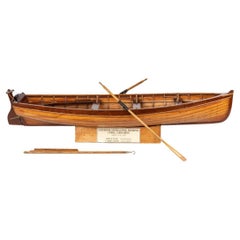
A Rare Welsh Pitch Pine and Mahogany Model of an Award Winning Rowing Boat
Located in Lymington, Hampshire
An Extraordinary Prize Winning Model of a Rowing Boat, Probably the Ambitious, by John Evans of Llandudno,
Exhibited at the Caernarfon National Eisteddfod of 1935 where it was awarded first prize. The stem stern thwarts and keelson all in mahogany, and the copper nailed planking in Pitch pine. Retaining two original leathered oars and anchor. All sat on a wooden stand and accompanied by its original exhibition label.
Provenance
Made by John Evans of Llandudno in 1935 and by descent
Exhibition History
Exhibited at the Caernarfon National Eisteddfod of 1935 in the Gwaith Llaw (Handicraft) section, numbered 239. The winning and second prize exhibits in this section were on view in Room...
Category
Early 20th Century English Models and Miniatures
Materials
Mahogany, Pine
English Renaissance Style Wood and Iron Halberd
Located in Queens, NY
English Renaissance-style halberd spear with a wooden shaft and large 34-inch iron blade.
Category
20th Century British Renaissance Arms, Armor and Weapons
Materials
Iron