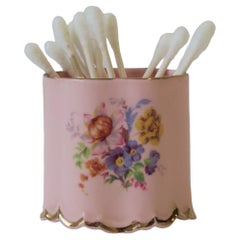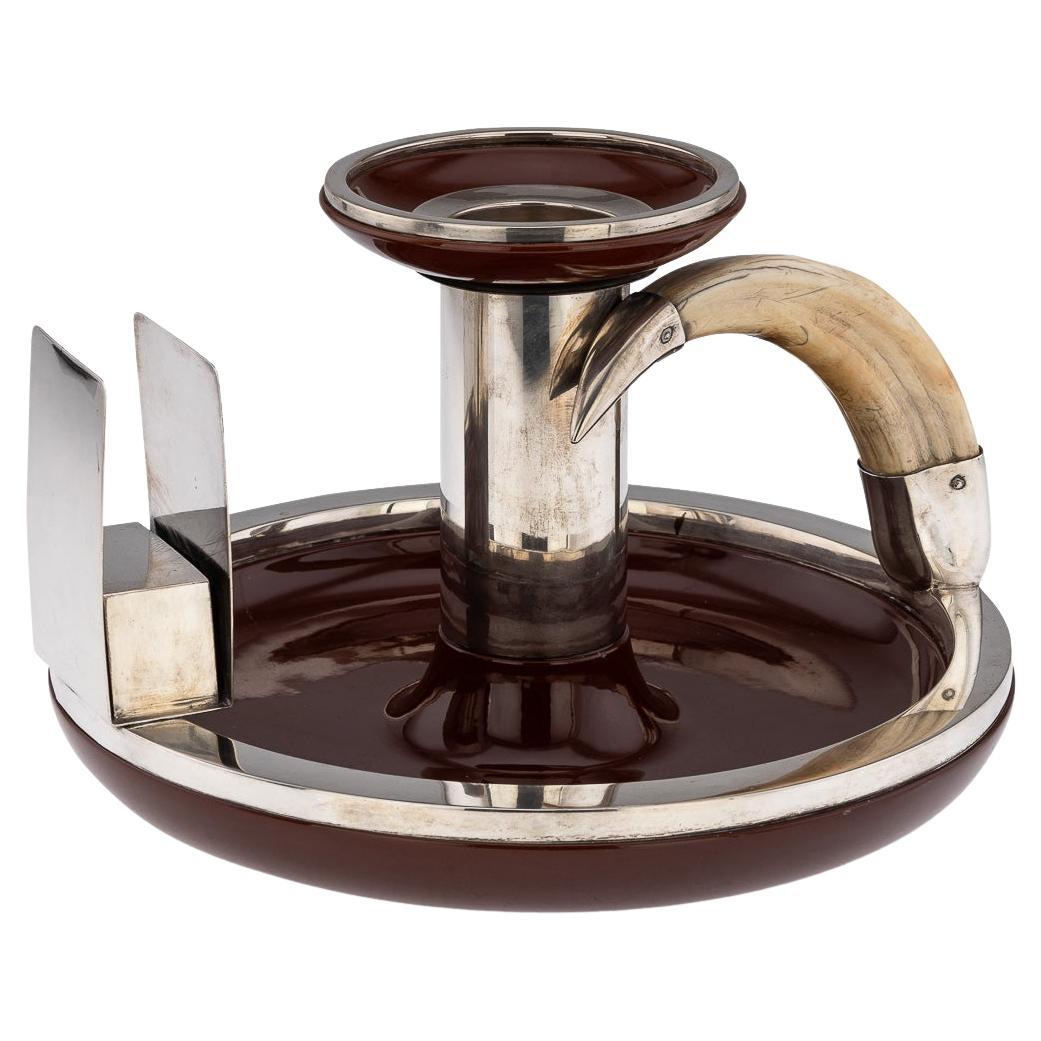
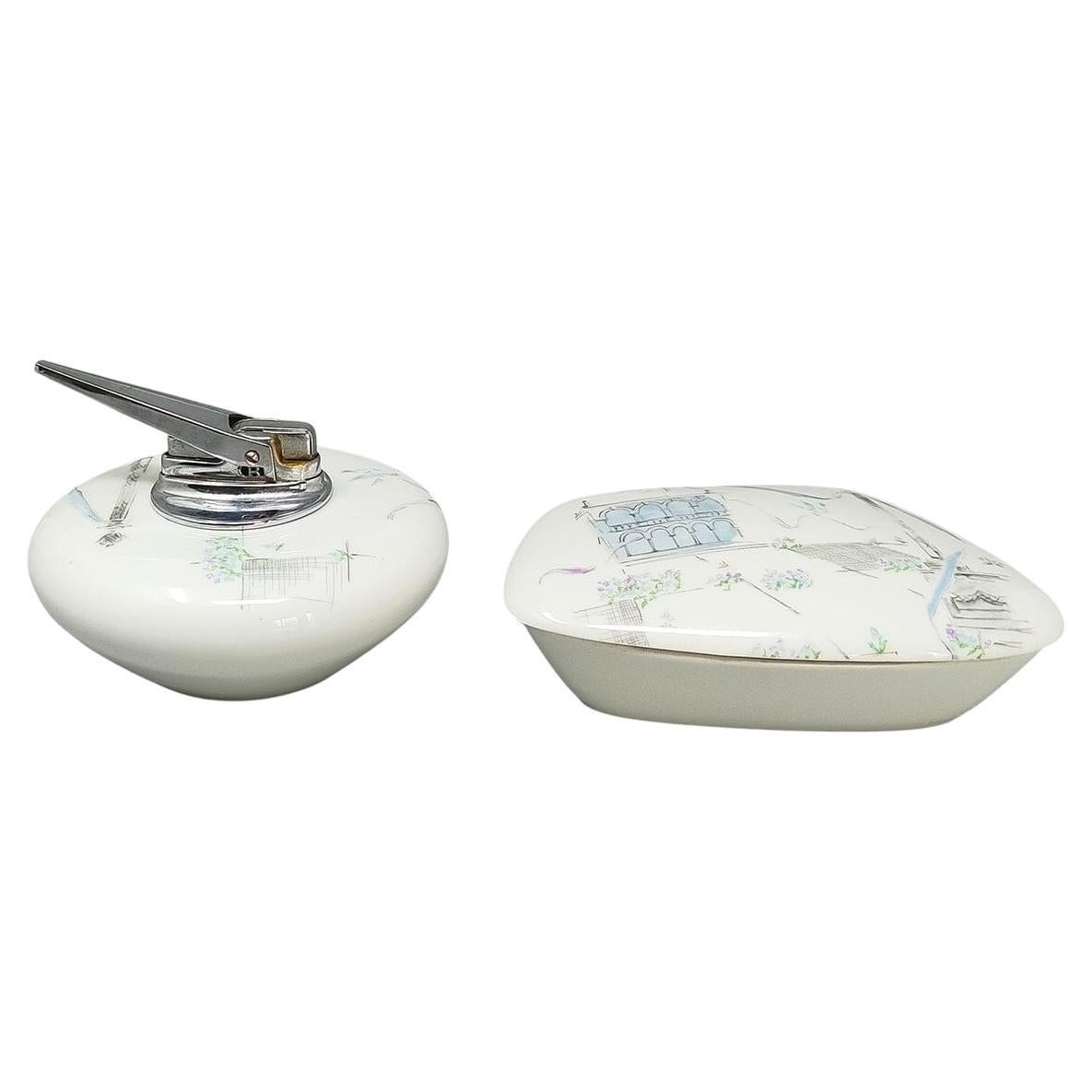
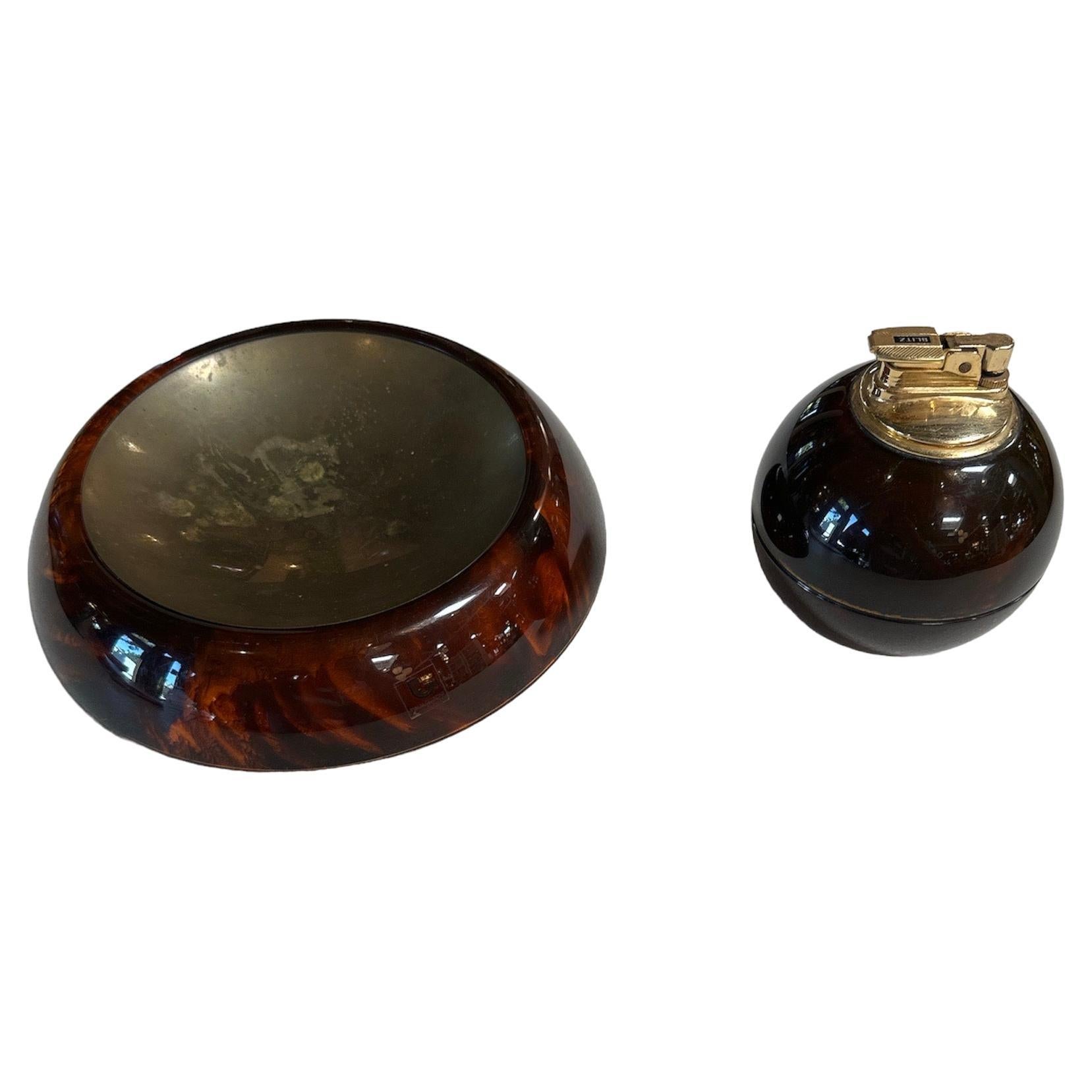
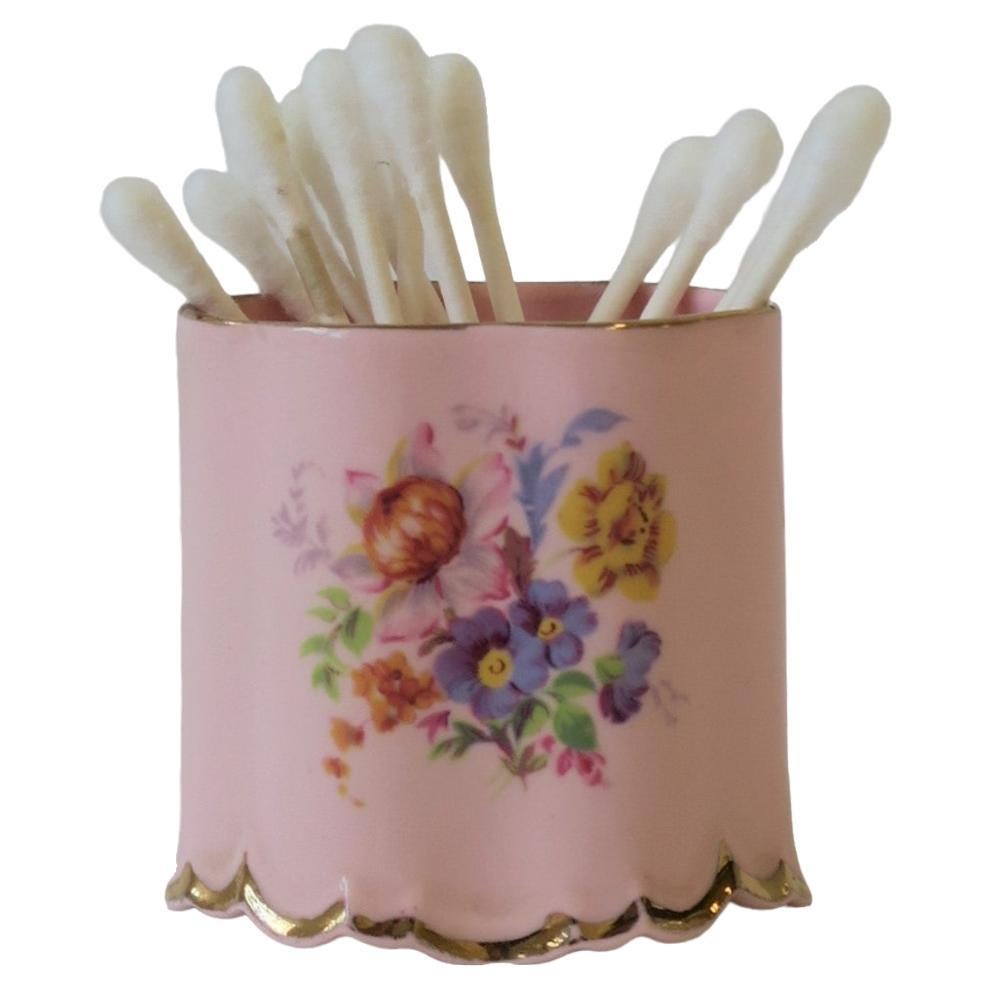
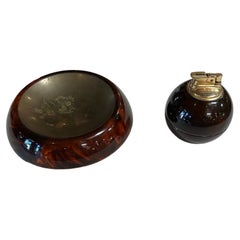
Collectible HOLIDAY GIFT - Sarome 1954 Lighter
Carl Thieme Cigarette Holder
About the Item
- Creator:Sarome (Manufacturer),Dresden Porcelain (Manufacturer)
- Dimensions:Height: 2.37 in (6 cm)Width: 2.96 in (7.5 cm)Depth: 1.78 in (4.5 cm)
- Sold As:Set of 2
- Style:Mid-Century Modern (Of the Period)
- Materials and Techniques:
- Place of Origin:
- Period:
- Date of Manufacture:1954
- Condition:Wear consistent with age and use. The cigarette holder has one chip.
- Seller Location:Bochum, DE
- Reference Number:Seller: ROB31-299-31stDibs: LU980447491272
Dresden Porcelain
Dresden porcelain, as a term, is the subject of some confusion. In some contexts, it refers to the hard-paste ceramic wares produced by the workshops that sprang up in and around the Saxon capital in the 19th century. In others, it denotes only the output of one of these, Sächsische Porzellanmanufaktur Dresden, known in English as simply Dresden Porcelain, which was established in 1872 in the city of Freital, Saxony.
Complicating matters further, early publications about porcelain often used “Dresden” and “Meissen” interchangeably. It is true that the cities of Dresden and Meissen are connected through their long, shared history of decorative arts production and, in fact, most Meissen porcelain was sold in Dresden, the artistic and cultural center of Saxony.
However, Meissen is the site of the factory that produced the first European porcelain, at the turn of the 18th century, while Dresden did not come into prominence until the mid-19th century, during the high point of the Rococo revival. (Porcelain originated in China, which is why many collectors still seek out what they call "Dresden china.")
And while Meissen is known for manufacturing porcelain, from clay models through finished product, Dresden is celebrated for its decorating studios, of which there were several dozen in and around the city during the 19th century. Their skilled painters often used “blanks” from Meissen as their canvases. So a piece of Dresden porcelain may have been formed and fired at Meissen, painted in Dresden, and ultimately sold in one of that city’s shops.
The figurines, plates and vases produced during the 19th century via this complex process remain appealing to this day, their bright hues and pastoral imagery typical of the Rococo revival, which brought scrollwork, shells, foliage, flowers and fruit back into vogue after decades of restrained neoclassicism and austere Gothic Revival design. Dresden figurines, which like their Meissen counterparts were inspired by the characters of the Commedia dell'Arte, have a witty, cheerful quality that has been likened to that of scenes painted by Watteau and Fragonard.
Before its near-total destruction during World War II, Dresden was home to more than 200 painting studios.
The Dresden style, however, is associated with wares bearing the blue crown mark (Meissen’s mark is a pair of cobalt blue crossed swords), which was first registered in 1883 by Richard Klemm, Donath Co, Oswald Lorenz, and Adolph Hamann. Prominent painters from this period include Helena Wolfsohn, Franziska Hirsch, Ambrosius Lamm — whose skill in the application of metallic or lustre paints is on lavish display in this dinner service from the 1920s — and Carl Thieme, a master in floral painting, as demonstrated by his decoration on this circa 1901 ram’s head urn.
Dresden painters also used a decorative technique known as “Dresden lace.” This involved dipping real lace into liquid porcelain and applying it to a figure, which was then fired in a kiln. The fabric would burn away, leaving a fragile, crinoline-like shell — the type of delicate and whimsical detail that characterizes Dresden porcelain, one of Europe’s great ceramic traditions.
Find authentic antique Dresden porcelain on 1stDibs.
- ShippingRetrieving quote...Shipping from: Bucharest, Romania
- Return Policy
More From This Seller
View AllMid-20th Century Japanese Tobacco Accessories
Ceramic, Porcelain
Mid-20th Century Swedish Mid-Century Modern Tobacco Accessories
Glass, Wood
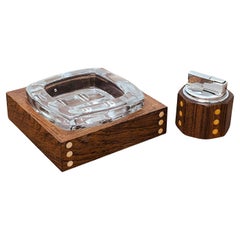
Vintage 1920s German Victorian Tableware
Porcelain
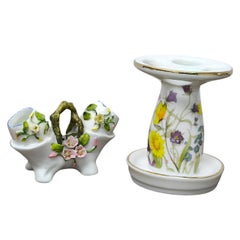
Vintage 1970s German Mid-Century Modern Porcelain
Porcelain
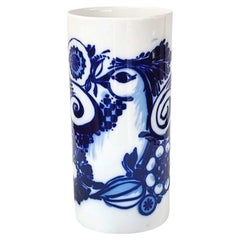
Vintage 1960s European Mid-Century Modern Candlesticks
Glass
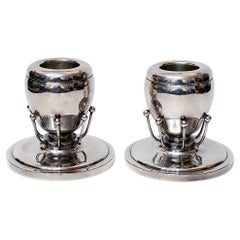
Vintage 1940s Swedish Art Deco Candlesticks
Ceramic
You May Also Like
Vintage 1980s German Art Nouveau Tobacco Accessories
Metal
20th Century German Other Tobacco Accessories
Silver
Vintage 1960s German Mid-Century Modern Tobacco Accessories
Ceramic
Vintage 1980s Italian Mid-Century Modern Ashtrays
Brass
Vintage 1960s Italian Tobacco Accessories
Metal, Enamel
Early 20th Century English Rococo Ashtrays
Porcelain