Items Similar to Lot of Cushions in Tapestry and Velvet from 17 ° to 19 ° Century
Want more images or videos?
Request additional images or videos from the seller
1 of 9
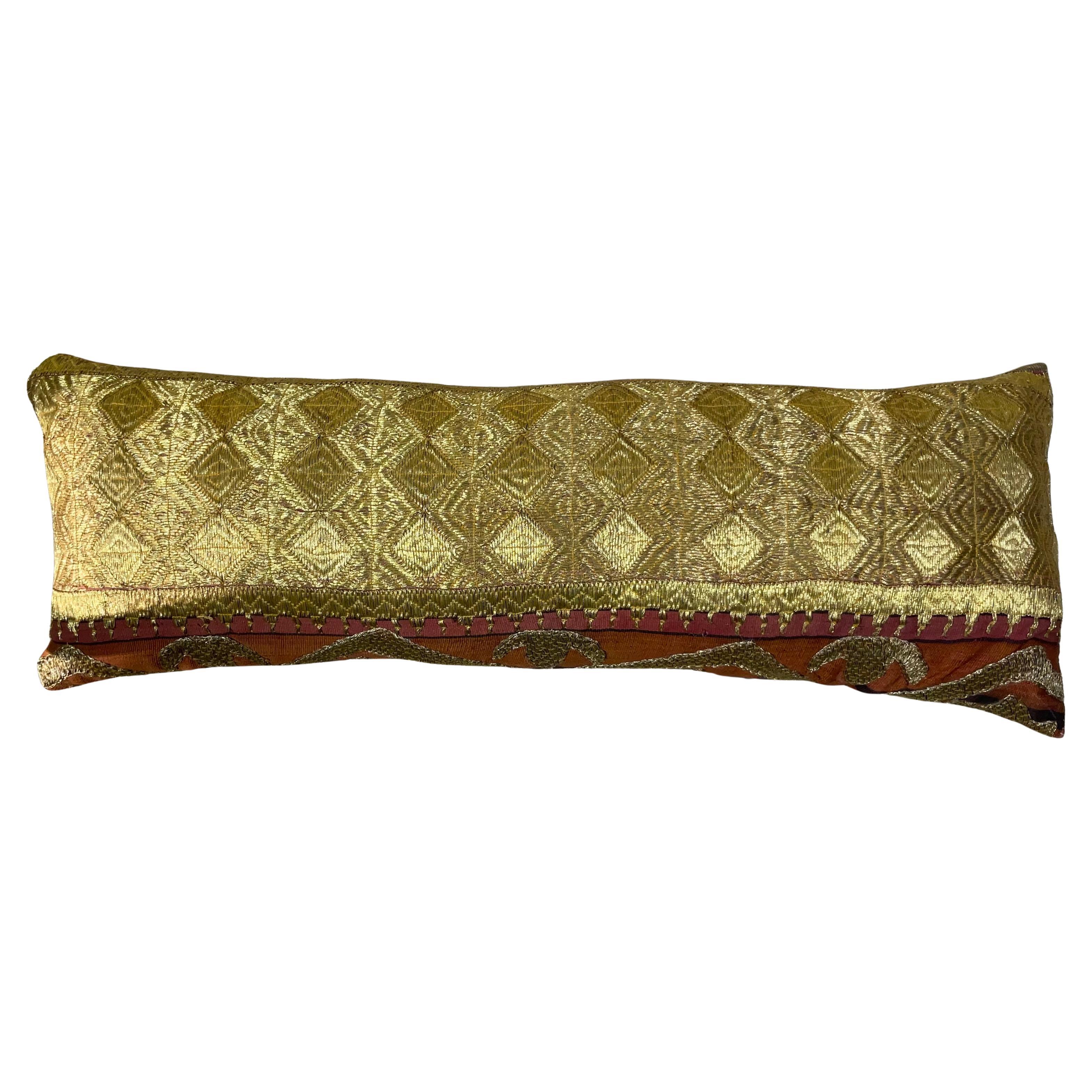
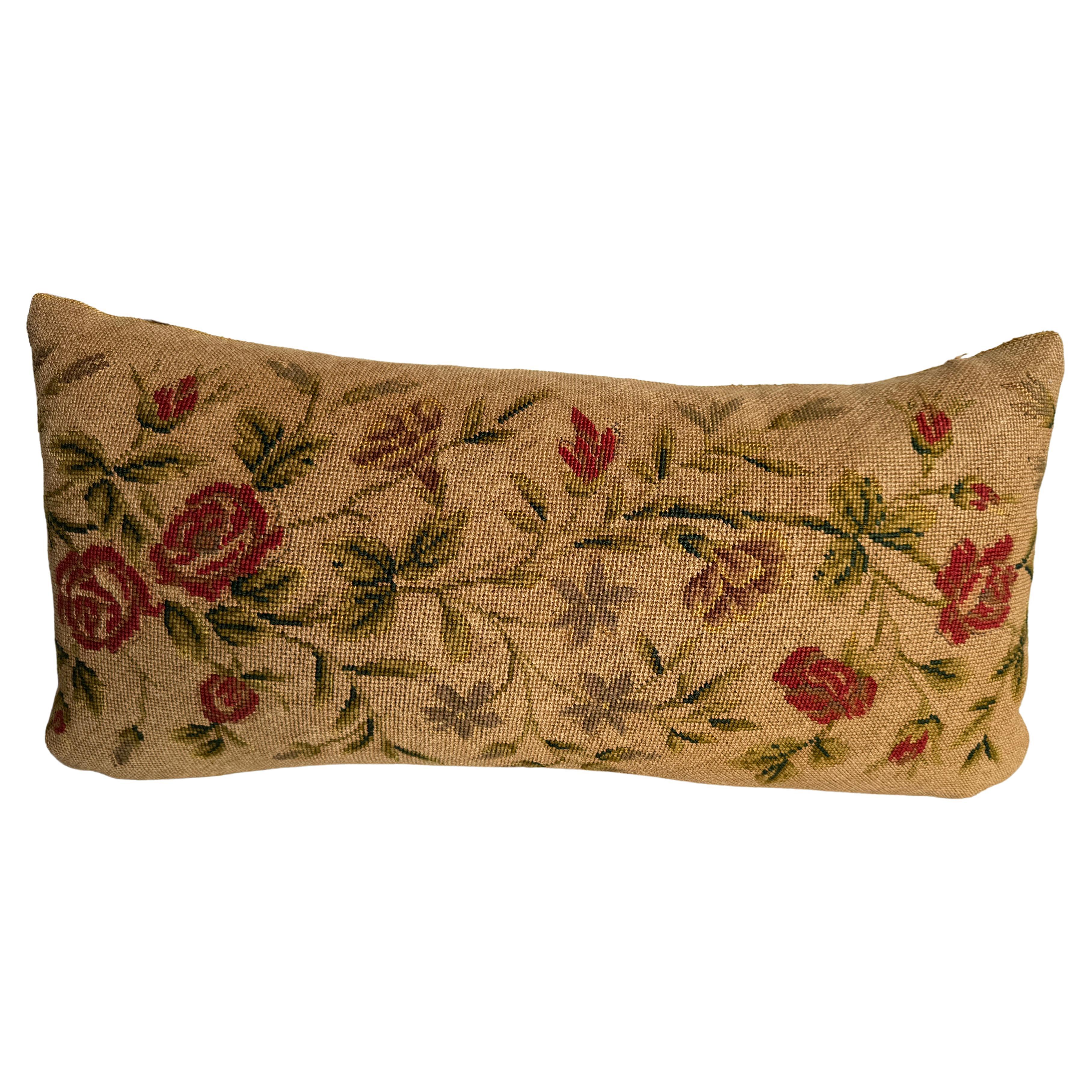
Lot of Cushions in Tapestry and Velvet from 17 ° to 19 ° Century
$300.48per item
£222.57per item
€250per item
CA$411.04per item
A$448.01per item
CHF 236.86per item
MX$5,393.21per item
NOK 3,006.34per item
SEK 2,756.20per item
DKK 1,904.86per item
Quantity
About the Item
Set of cushions made with pieces of tapestry, borders and chasubles.
- Dimensions:Height: 5.91 in (15 cm)Width: 4.73 in (12 cm)Depth: 1.58 in (4 cm)
- Style:Renaissance (Of the Period)
- Materials and Techniques:
- Place of Origin:
- Period:
- Date of Manufacture:17th Century
- Condition:Reupholstered. Wear consistent with age and use.
- Seller Location:Brussels, BE
- Reference Number:1stDibs: LU4729230608582
About the Seller
4.9
Vetted Professional Seller
Every seller passes strict standards for authenticity and reliability
Established in 1988
1stDibs seller since 2019
171 sales on 1stDibs
Typical response time: 9 hours
- ShippingRetrieving quote...Shipping from: saint gilles, Belgium
- Return Policy
More From This Seller
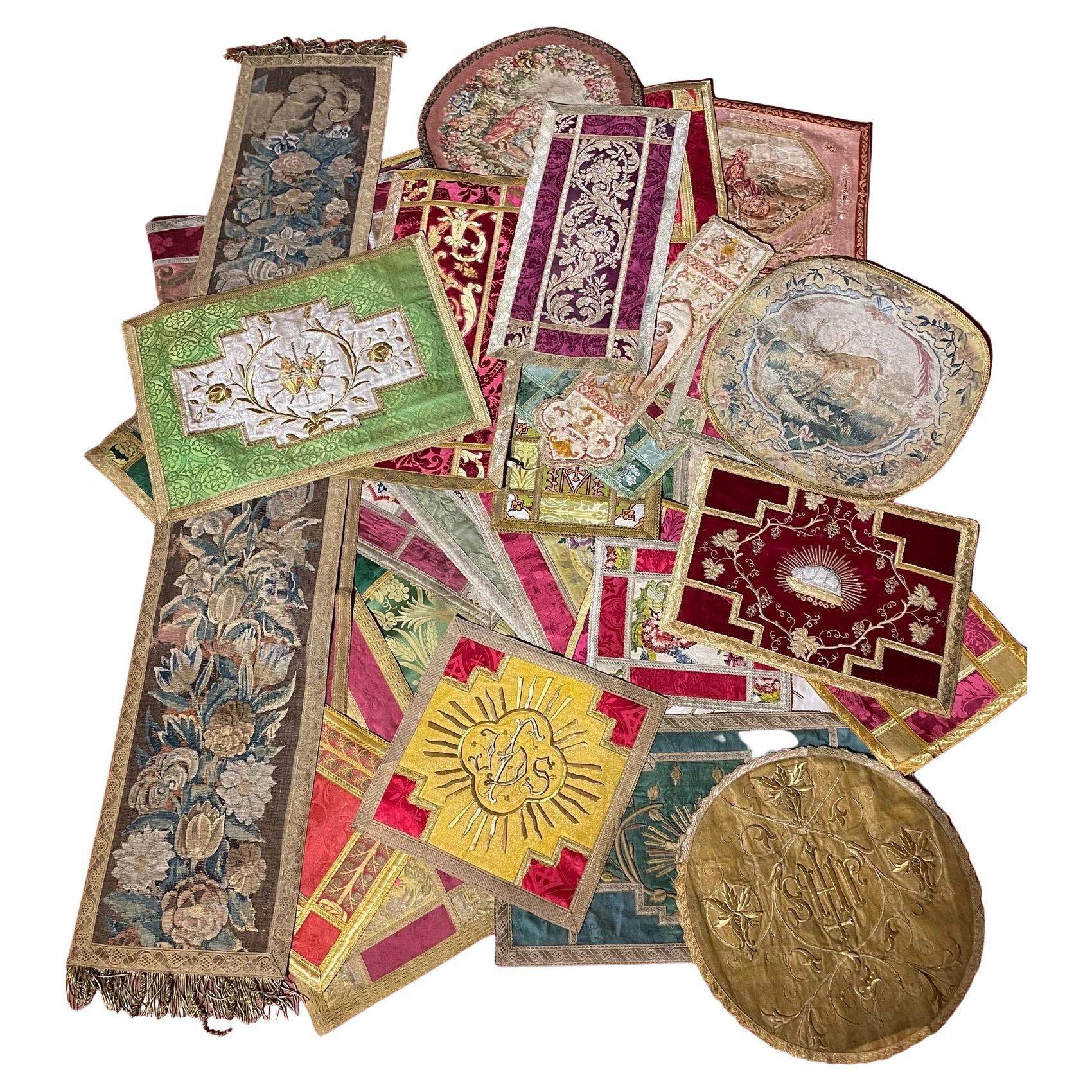
View AllLot of Table Runners Made from Old Fabrics and Tapestries from the 17-19 Century
Located in Brussels, Brussels
Set of table runners made with fragments of tapestry, borders, silk brocade and chasubles. We sell them separately.
. +- 200 Pieces at various prices depending on the model, cond...
Category
Antique 17th Century Belgian Renaissance Pillows and Throws
Materials
Wool, Silk
Felmish Tapistry 17th Century from Brugge
Located in Brussels, Brussels
Fine Flemish tapestry from Brugge from the 17th century
This fine tapestry depicting a mythological scene of a woman spied by two old men.
Very inte...
Category
Antique 17th Century Belgian Renaissance Tapestries
Materials
Wool
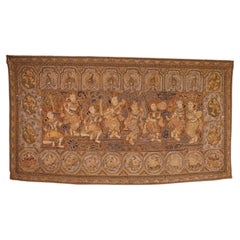
Thai Embroidery - 19th Century
Located in Brussels, Brussels
Lovely large embroidery from the end of the 19th century representing 8 Thai dancers. We can find on both sides the portrait of the dancers. Below 8 elephant medallions and above 8 b...
Category
Antique 19th Century Thai Aesthetic Movement Tapestries
Materials
Cotton, Silk
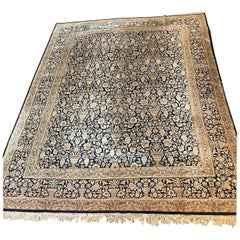
Persian Rug Knotted Wool, Handmade, 20 ° Century
Located in Brussels, Brussels
Superb hand-knotted Persian rug in blue colors -20th century. Measure: 302cm-378cm.
Category
20th Century Jordanian Aesthetic Movement Persian Rugs
Materials
Wool
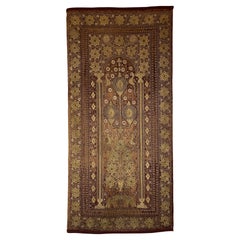
18th Century Indo-portuguese Embroidery In Gold Thread On Velvet
Located in Brussels, Brussels
Spectacular 18th century Indo-Portuguese embroidery
gold thread work on burgundy silk velvet decorated with elephants, birds and floral motifs,
e...
Category
Antique 18th Century Portuguese Aesthetic Movement Tapestries
Materials
Silk
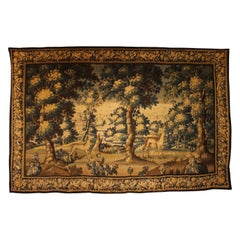
Verdure Tapestry From Flanders From The 17th Century
Located in Brussels, Brussels
Very beautiful tapestry describing a verdure from the end of the 17th century/beginning of the 18th century from the Flanders
Elegant tapestry representing a deer and a doe in the f...
Category
Antique Late 17th Century Belgian Louis XIV Tapestries
Materials
Wool
You May Also Like
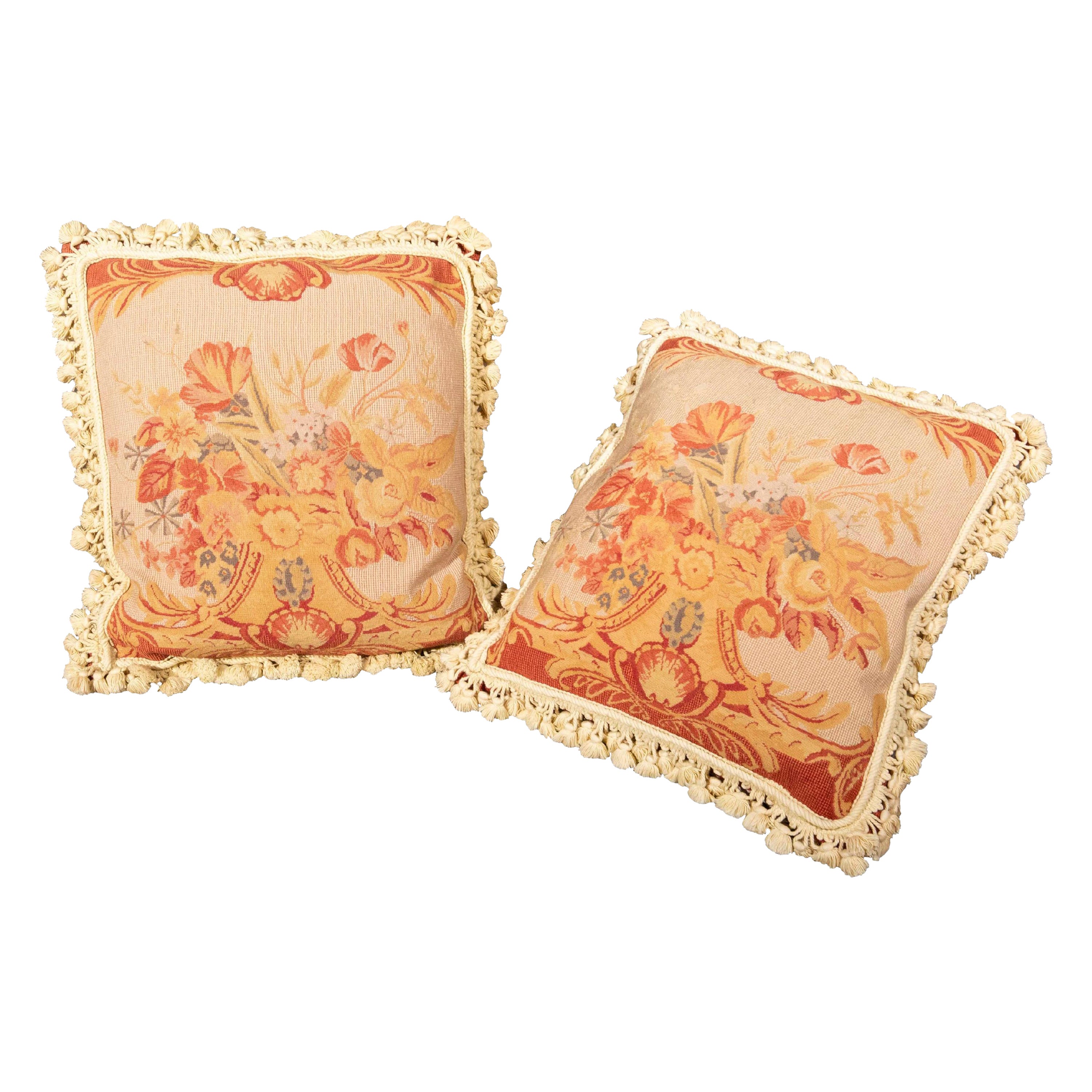
19th Century Tapestry Cushions
Located in Richmond, London
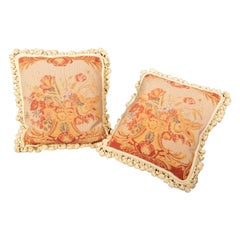
A pair of decorative loose cushions made of antique handwoven tapestry of floral design, with modern linen backing and tassel fringe edging.
French, late 19th – early 20th century.
...
Category
Early 20th Century French Charles X Pillows and Throws
Materials
Wool, Linen
$1,280 / set
Antique Collectible Woolen Needlework
Located in Los Angeles, US
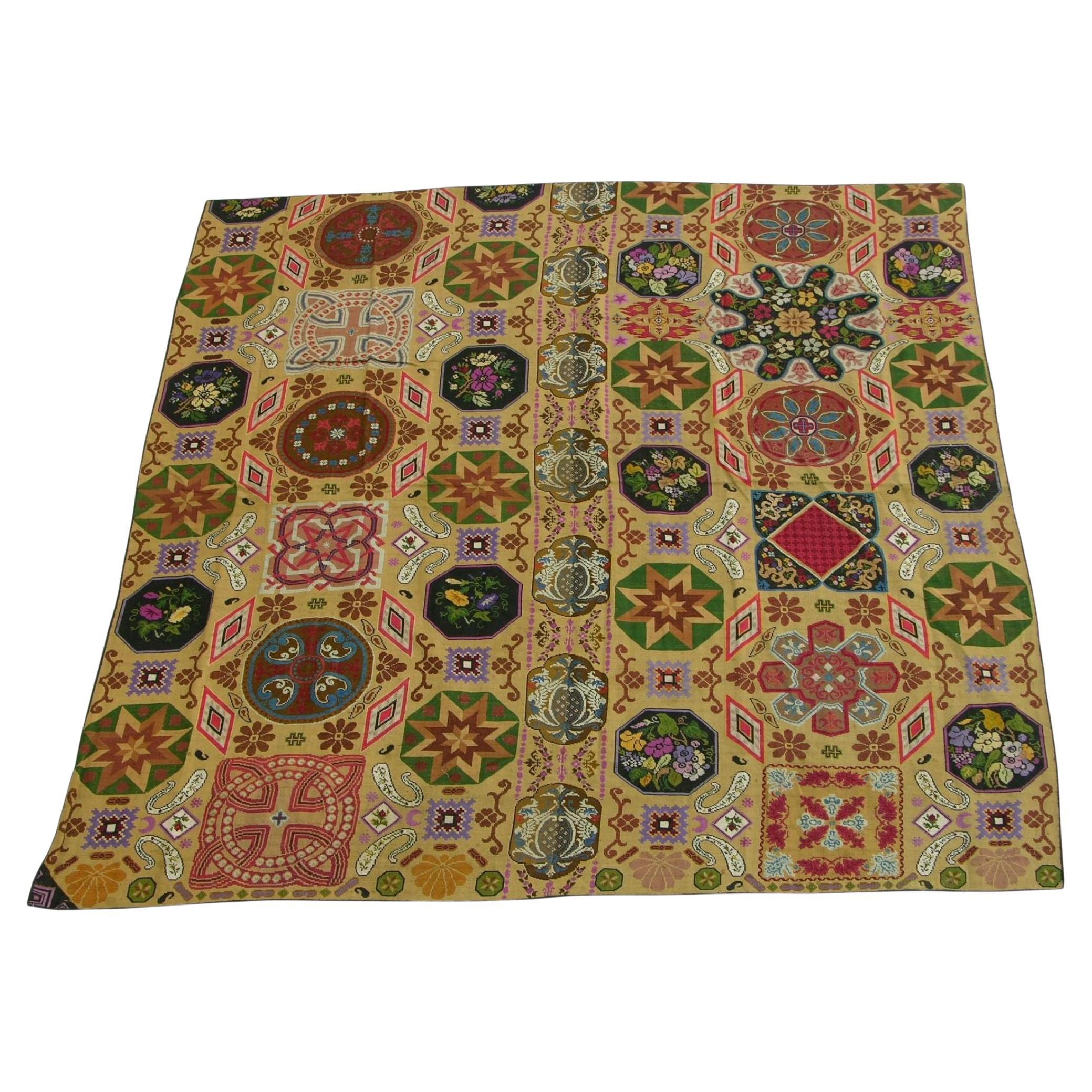
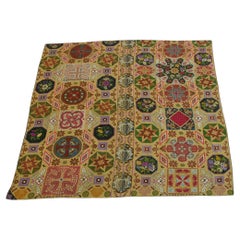
Needlepoint rugs were created using the traditional needlework weaving technique that is used to make everyday items from furniture to carpets and artwork. However, it has a fascinating history both as a hobby and as an industry. When many people think of carpets, they think of pile carpets or flat weave kilims, but needlepoint has also been used to create beautiful carpets. These carpets are durable and an important part of carpet history.
Archaeologists and scholars consider the roots of needlepoint to have been around 1500 BC. They consider the first needlepoint to include the fine diagonal stitches that were used to sew tents together by the ancient Egyptians. The art eventually evolved into tapestry weaving. However, a tapestry weaving differs significantly from needlepoint in that it uses a loom and vertical warp.
Tapestry weaving is closer to the weaving of kilims and pile rugs than canvas work. However, some still include tapestry weaving in the category of needlepoint because of the fine work that appeared during the late Renaissance. It can have a similar appearance to the untrained eye. Technically, tapestry weaving and needlepoint are not the same, and they do not use the same technique.
The first actual needlepoint rugs and needle-points began to appear in the late Renaissance. Needlepoint is worked by creating stitches on a stiff canvas. The canvas is typically made from jute or linen and is quite durable. Pieces from the Renaissance were used to cover footstools, chairs, pillows, bed headboards, and other furnishings. They were also used as table coverings and wall coverings. You could also find them on many small items such as purses, shoes, and various adornments for clothing.
During the Renaissance, the craft reached a high level of skill, and the designs became incredibly detailed and realistic. They mimicked many of the subjects and styles of famous paintings of the time. They created florals, still life designs, scenes, and geometric tiled pieces. Some of them mimicked the designs found in Persian Carpets.
Needlepoint reached its peak popularity in the 19th century when it was considered a proper occupation for a lady. Needlepoint and embroidery held a similar place in societal status at the time. During this time, the work became finer, with some of the canvas reaching a high level of detail. The level of detail is determined by counting the number of mesh in an inch. During this time petit point by French needlewomen could have a mesh count as high as 45 mesh. This allowed women to create highly intricate designs with incredible levels of detail.
It is possible to find many antique pieces of needlepoint besides rugs. Needlepoint rugs were popular in France and Spain, where the technique was adapted to create highly intricate designs that mimicked the designs in architecture and fashion. They were popular because they were durable, and it could be fashioned into a variety of items. The canvases themselves were durable, and the wool that they used was also strong, which means that many of the pieces were able to withstand daily use. We have many artifacts that have survived from this time period.
Needlepoint rugs are important collectibles because they are different from the pile rugs and kilims that are typically found on the market. Needlepoint carpets are special because they take many hours to create, especially larger works. Needlepoint pieces of any type became popular throughout Europe during the 19th century. It is still a popular hobby today, but perhaps one of the most interesting stories is that of the Portuguese needlewomen of Arraiolos.
The story of these women and their beautiful carpets begins in 1492. Needlepoint was a popular occupation in Spain, which had a large population of Moors and Jews. They were an integral part of Spanish culture. However, in 1492, Queen Isabella of Spain issued a proclamation that gave these ethnic groups the order to pack their bags and board ships headed...
Category
Antique Early 1900s Other Russian and Scandinavian Rugs
Materials
Wool
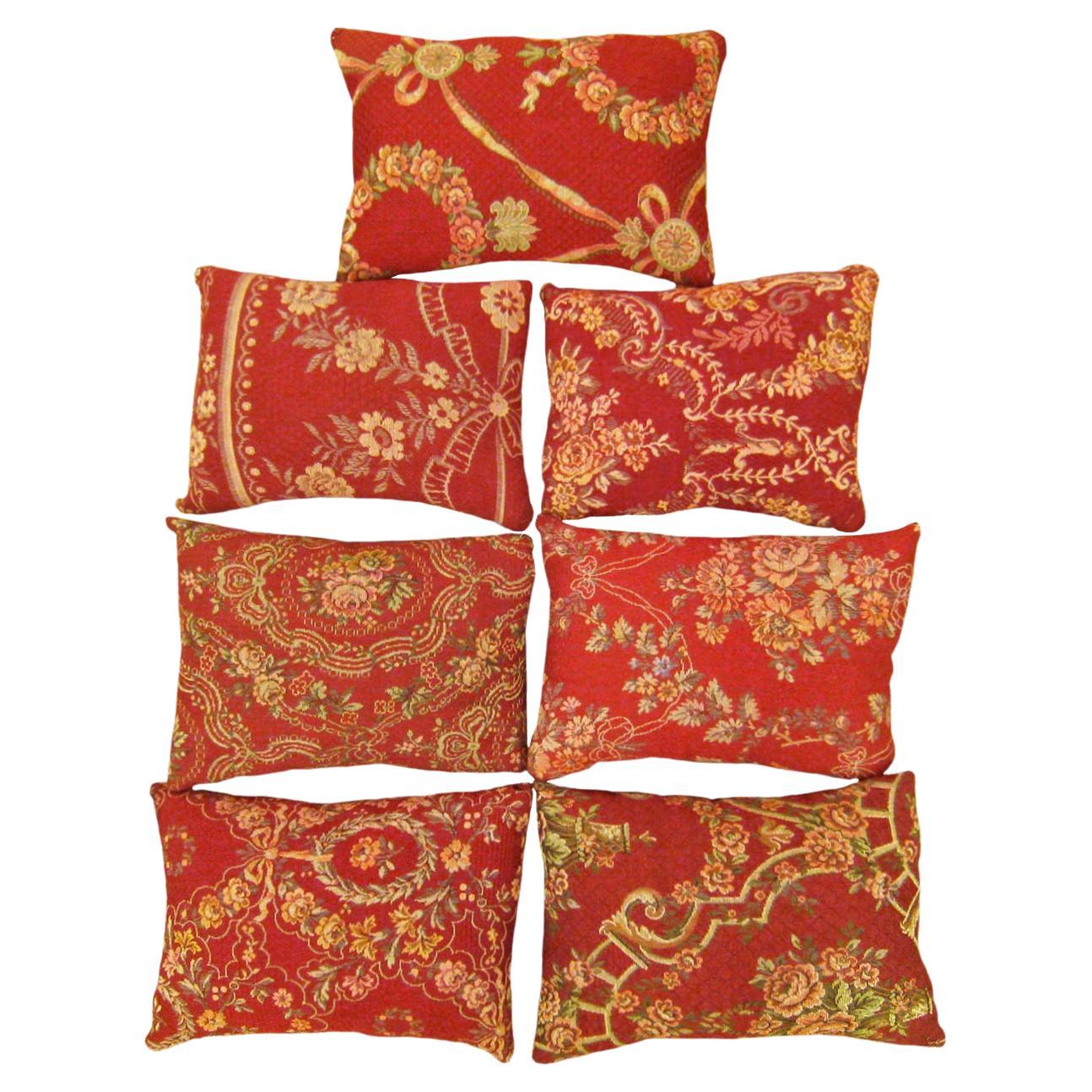
Set of Decorative Antique Jacquard Tapestry Pillows with Floral Elements
Located in New York, NY
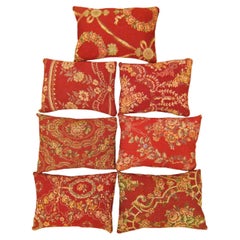
A Set of Antique Jacquard Tapestry Pillows ; size 1'0” x 1'3” and 1'0” x 1'2” and 1'0” x 1'3”.
An antique decorative pillows with floral elements allover a red central field, size...
Category
Vintage 1910s Pillows and Throws
Materials
Wool
$1,394 Sale Price / set
20% Off
Single Antique Embroidery Textile Pillow
Located in Delray Beach, FL
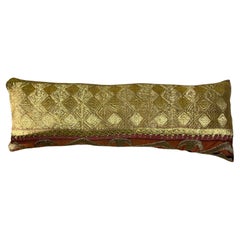
Exceptional pillow made of gold metallic thread embroidery on cotton foundation with beautiful artistic geometric motifs. Fine cotton backing. Salvaged from larger antique tribal textile.
Category
20th Century Turkestan Pillows and Throws
Materials
Metallic Thread
Italian Florentine 18th Century - 20" x 10"
Located in Los Angeles, US
Good Condition, Original Design Modified.
Category
Antique 18th Century Italian Empire Pillows and Throws
Materials
Wool, Feathers
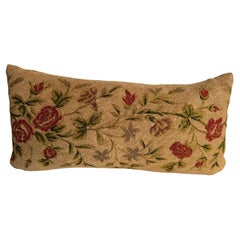
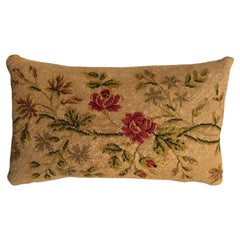
Italian Florentine 18th Century - 16" x 9"
Located in Los Angeles, US
Good Condition, Original Design Modified.
Category
Antique 18th Century Empire Pillows and Throws
Materials
Wool, Feathers
More Ways To Browse
Antique Velvet Cushion
Tapestry Border
Used Chasuble
Antique Chasuble
Brunschwig And Fils Pillow
Chinese Silk Pillows
Embroidered Velvet Cushions
Fornasetti Silk
Seletti Toiletpaper
Andean Textiles
Hungarian Embroidered
Lampas Silk
Silk Gold Thread Embroidery
Tea Towel
Vintage Hmong Textiles
Asian Lumbar Pillow
Grain Sack Pillows
Pink Silk Cushion