Belgian Furniture
to
695
6,499
1,794
5,761
2,450
210
1,500
1,168
680
266
213
145
74
67
62
51
43
39
32
30
23
15
9
6
445
621
4,695
2,660
754
2,229
1,243
89
45
214
377
116
423
619
803
186
102
3,459
2,659
1,313
1,131
1,081
9,523
571,197
167,437
166,192
137,271
8,421
6,561
6,905
313
294
217
118
93
Place of Origin: Belgian
1920
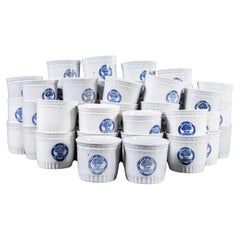
s Iron Stone New Old Stock Jam Jars - Large Quantity Available
Located in Hook, Hampshire
1920's Iron Stone New Old Stock Jam Jars - Large Quantity Available. New old stock from the original Belgian confitures factory of Mirland & Co, Frameries Belgium. We salvaged a larg...
Category
1920s Vintage Belgian Furniture
Materials
Ceramic
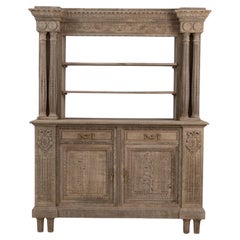
1910s Belgian Renaissance Revival Oak Cupboard With Carved Columns
Located in High Point, NC
1910s Belgian Renaissance Revival Oak Cupboard With Carved Columns. This impressive cupboard is richly detailed, showcasing the grandeur and architectural influence characteristic of...
Category
Early 20th Century Belgian Furniture
Materials
Oak
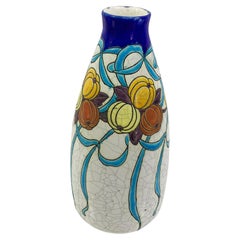
Charles Catteau Art Deco "Craquelé" Vase stamped "Boch La Louvière"- Keramis
By Charles Catteau for Boch Freres, Boch Freres Keramis
Located in Beirut, LB
This stamped Boch La Louvière vase features a beautiful hand-painted floral design with vibrant yellow, orange, and red fruits intertwined with blue ribbon motifs, set against an off...
Category
1920s Art Deco Vintage Belgian Furniture
Materials
Ceramic
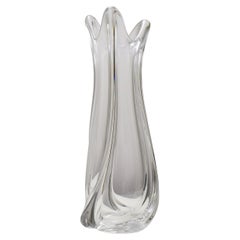
Giant 50cm Massive Blown Clear Crystal Glass Sculptural Vase by Val St. Lambert
By Val Saint Lambert
Located in Bad Säckingen, DE
This exceptional 50 cm tall crystal floor vase by Val St. Lambert is a testament to the art of Belgian glassmaking. Its sculptural form features elegant swirling curves, expertly cra...
Category
1950s Mid-Century Modern Vintage Belgian Furniture
Materials
Crystal
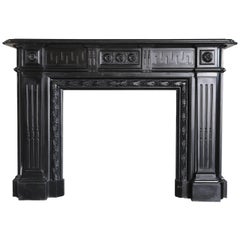
19th Century Monumental Black Marble Antique Fireplace Surround
Located in Made, NL
Monumental Louis XVI black marble mantle in excellent condition. A true masterpiece.
The carving is of such a high quality showing the true art of ...
Category
Late 19th Century Louis XVI Antique Belgian Furniture
Materials
Belgian Black Marble

$75,667 Sale Price
21% Off
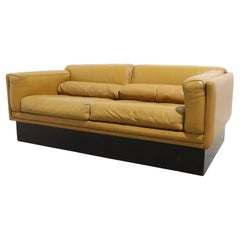
Mid Century Beaufort Leather Cube low Loveseat Georges van Rijck Belgium
By Beaufort, Georges van Rijck
Located in Brooklyn, NY
A Beautiful signed leather low cube Loveseat sofa on black Lacquer wooden plinth base. Lovely Design - Beautiful soft leather great color. Designed by Ge...
Category
1970s Mid-Century Modern Vintage Belgian Furniture
Materials
Leather, Wood, Lacquer
$3,360 Sale Price
20% Off
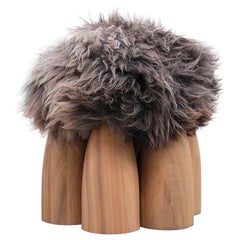
Senufo Ottoman in African Walnut by Arno Declercq
By Arno Declercq
Located in Geneve, CH
Senufo ottoman in African walnut by Arno Declercq
Made African walnut and sheep wool. (ask for different wool colors)
*Fur color based on availability
Measures: L 45 cm x W 45 cm x H...
Category
2010s Modern Belgian Furniture
Materials
Wood
$4,083 / item
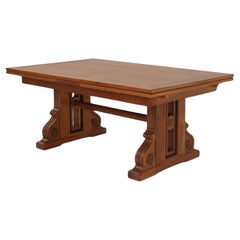
Extendable Art Deco Dining Table in full oak, 1940s
Located in Meulebeke, BE
Belgium / 1940 / dining table / oak / Art Deco
Belgian Art Deco dining table made of solid oak wood. Beautiful designed table representing the Art Deco period of the 1940s. This ta...
Category
1940s Art Deco Vintage Belgian Furniture
Materials
Oak
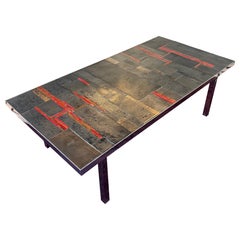
Pia Manu coffee table
By Pia Manu
Located in SAINT-OUEN-SUR-SEINE, FR
Nice coffee table by Pia Manu for Amphora
Category
1970s Mid-Century Modern Vintage Belgian Furniture
Materials
Slate, Stainless Steel
$5,765
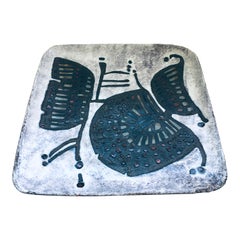
1960
s Brutalist Art Studio Ceramics Large Square Dish by Amphora Perignem
By Perignem
Located in Oud-Turnhout, VAN
Vintage Brutalist Art Studio Ceramics Large Square Dish by Amphora Perignem. Made in Belgium 1960's. Rogier Vandeweghe / Elisabeth Vandeweghe. XL Square dish / bowl with abstract fig...
Category
1960s Brutalist Vintage Belgian Furniture
Materials
Ceramic, Pottery
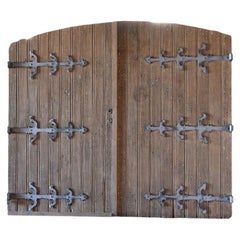
Old Oak Wooden Gate with Wrought-Iron Hinges 19th Century
Located in Udenhout, NL
Very unique and big, old oak wooden gate with wrought-iron hinges
from the 19th Century.
Category
1820s Antique Belgian Furniture
Materials
Oak
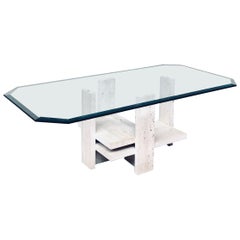
Brutalist Design Travertine Coffee Table by Willy Ballez, Belgium 1970
s
Located in Oud-Turnhout, VAN
Vintage Architectural Brutalist Design Coffee Table by Willy Ballez. Made in Belgium in the 1970's period. Travertine Marble Architectural Base with octagonal glass top. This comes i...
Category
1970s Brutalist Vintage Belgian Furniture
Materials
Travertine
$1,393 Sale Price
20% Off
A collection of seven Val Sat Lambert 1920s gold perfume bottles
By Val Saint Lambert
Located in London, GB
A collection of seven Val Sat Lambert 1920s gold perfume bottles. All differing sizes with original crystal stoppers. Dimension is the largest bottle.
Category
1920s Vintage Belgian Furniture
Materials
Crystal

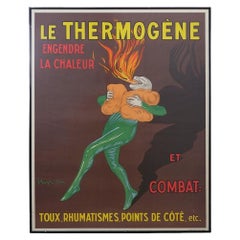
Leonetto Cappiello "Thermogene" Original Vintage Poster
By Leonetto Cappiello
Located in Linkebeek, BE
Leonetto Cappiello "Thermogene" Original Vintage Poster
700,00 €Prix
Leonetto Cappiello "Thermogene" Original Vintage Poster
Vintage advertising poster - object of curiosity
Measures...
Category
20th Century Mid-Century Modern Belgian Furniture
Materials
Metal
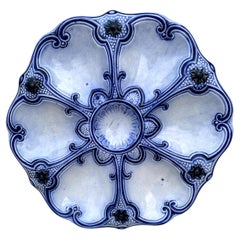
19th Century Majolica Blue
White Oyster Plate Wasmuel
By Wasmuel Majolica
Located in Austin, TX
19th Century Majolica blue & white oyster plate Wasmuel.
Reference / Page 48 "Oysters plates" of J. Karnitz.
Category
1880s Victorian Antique Belgian Furniture
Materials
Ceramic, Faience, Majolica
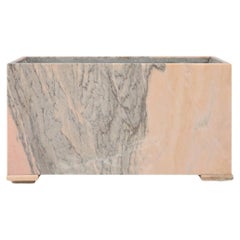
Large marble planter in pink marble, Belgium ca. 1980
Located in Meulebeke, BE
Belgium / 1980 / planter / marble / mid-century
Exquisite large square planter with minimalistic design in luxurious pink marble. Made in Belgium in the 1980s. Standing of 4 square ...
Category
1980s Mid-Century Modern Vintage Belgian Furniture
Materials
Marble
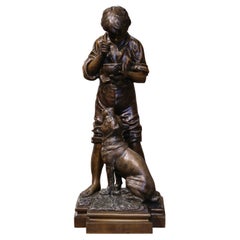
Early 20th Century Belgium Spelter Boy and Dog Sculpture Signed V. Rousseau
By Victor Rousseau
Located in Dallas, TX
Place this tall patinated sculpture on a console or a buffet! Crafted in Belgium in 1932, the metal statue depicts a young boy eating his bowl of soup with dog watching with envy. The figurine has numerous marking to prove authentication. It is signed on the base by the artist "Rousseau". The sculpted figurine is in excellent condition commensurate with age and use, and adorns a rich patinated finish. Small dent on the dog's back (see last picture).
Victor Rousseau (1865-1954) was a Belgian sculptor and medalist. Rousseau was of Walloon heritage and descended from a line of stonemasons. He began carving stone at age 11, working at the site of the Law Courts of Brussels, designed by architect Joseph Poelaert. He later apprenticed under sculptor Georges Houtstont, and took classes at the Académie Royale des Beaux-Arts in Brussels.
A winning competition entry for the Prix Godecharle in 1890 gave Rousseau the chance to travel in England, Italy, and two full years in France, after which he returned to the atelier of Belgian sculptor and teacher Charles van der Stappen...
Category
Mid-20th Century Belgian Furniture
Materials
Spelter
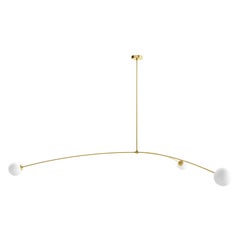
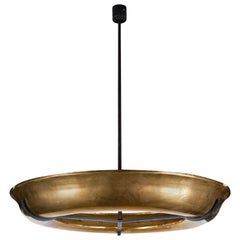
Handmade Eole I Chandelier by Gobo Lights
Located in Geneve, CH
Handmade Eole I chandelier by Gobo Lights
Dimensions: 195 L x 170 l x 100 H
Materials: Brass, Opaline
Goddess of the fair anger, the revenge and the balance.
Self-taught and from t...
Category
2010s Modern Belgian Furniture
Materials
Brass
$1,657 / item
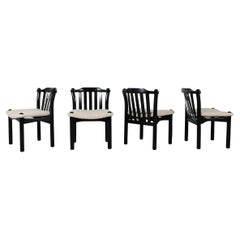
Set of 4 Black Modern Sottsass Inspired Dining Chairs with Sherpa Seats
By Ettore Sottsass
Located in Los Angeles, CA
Distinctive Set of Four Post Modern chairs featuring a wide, black lacquer frames and sherpa upholstered seats. The design showcases expressive, rounded wooden legs that penetrate th...
Category
1960s Mid-Century Modern Vintage Belgian Furniture
Materials
Fabric, Wood
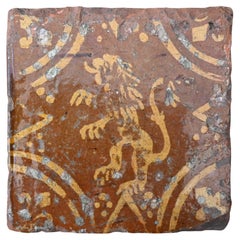
Medieval Tile From Gravensteen (counts
Castle) – Ghent – 14th–15th Century
Located in Bilzen, BE
Medieval floor tile from the Gravensteen Castle – Ghent, 14th–15th century
Rare red earthenware floor tile decorated with a heraldic lion, incised and inlaid with yellow slip under ...
Category
15th Century and Earlier Gothic Antique Belgian Furniture
Materials
Ceramic
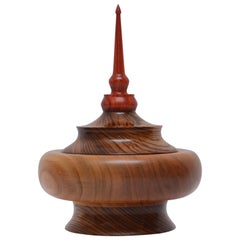
3 Color Jewelry Box by Konrad Olejnik
By Atelier Boucquet
Located in Roeselare, BE
I want to offer a beautiful, handmade, turned jewelry box. The box is made of three types of wood, zebrano, wild cherry, padouk. Danish oil and wax finish. If you are looking for som...
Category
2010s Modern Belgian Furniture
Materials
Cherry, Padouk, Zebra Wood
$486 / item
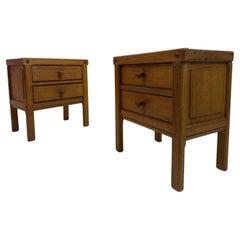
Pair of Brutalist Oak Bedside Tables, 1960s
Located in London, London
Pair of Brutalist Oak Bedside Tables, 1960s
A pair of solid oak bedside tables, crafted in the 1960s and reflecting the Brutalist spirit of European postwar design. Each piece is d...
Category
Mid-20th Century Brutalist Belgian Furniture
Materials
Oak
$1,368 / set
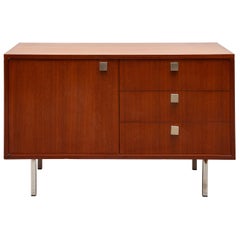
Minimalist Alfred Hendrickx Small Sideboard for Belform, Belgium 1962
By Belform, Alfred Hendrickx
Located in Antwerp, BE
Small minimalist sideboard by Hendrickx, Belform 1962, Belgium. Small cabinet with one adjustable shelve and three dovetail drawers. Its finished with square metal doorknobs and a ni...
Category
1960s Mid-Century Modern Vintage Belgian Furniture
Materials
Sycamore
$1,729 Sale Price
20% Off
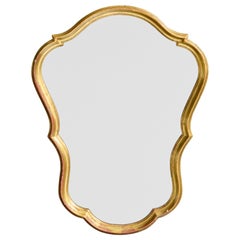
Belgian Designer, Wall Mirror, Wood, Belgium, 1970s
Located in High Point, NC
A gold-painted wood and plaster wall mirror likely designed and produced in Belgium, c. 1970s.
Moderate loss of paint to frame, consistent with age and use.Overall Dimensions (inche...
Category
1970s Mid-Century Modern Vintage Belgian Furniture
Materials
Wood
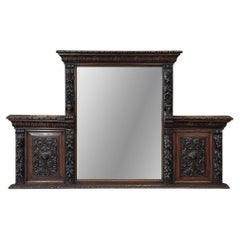
Grand 19th Century Renaissance Revival Mantel Mirror
Located in Dallas, TX
Grand 19th Century Renaissance Revival Mantel Mirror will make a powerful impression in any room! The large mirror centered between two lavishly carved panels provides a tri-panel e...
Category
1880s Renaissance Revival Antique Belgian Furniture
Materials
Mirror, Oak, Walnut
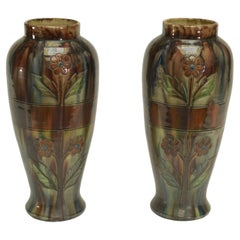
Paire de vases en barbotine début XXème estampillé BELGIUM 158
Located in TOURCOING, FR
Paire de vases en barbotine début XXème estampillé BELGIUM 158
Décor floral
Category
Early 1900s Art Nouveau Antique Belgian Furniture
Materials
Ceramic
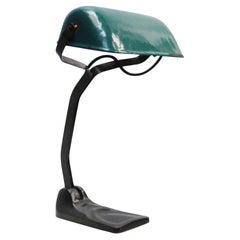
Petrol Green Enamel Vintage Industrial Banker Light Table Desk Light by Erpe
By Erpé
Located in Amsterdam, NL
Belgian petrol green enamel desk light by Erpe, Belgique
2,5 meter black cotton flex, plug and switch
Also, available with US/UK plug
Weight: 2.30 kg / 5.1 lb
Priced per individua...
Category
Mid-20th Century Industrial Belgian Furniture
Materials
Enamel, Iron
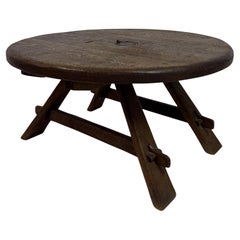
Brutalist Oak Coffee Table with Hidden Storage, Low Countries, 1960s
Located in London, London
Brutalist Oak Coffee Table with Hidden Storage, Low Countries, 1960s
A Brutalist oak coffee table, crafted in theLow Countries during the 1960s. The circular top, hewn from thick o...
Category
Mid-20th Century Brutalist Belgian Furniture
Materials
Oak
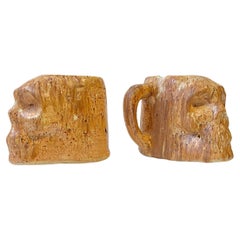
Vintage Stoneware Skull Mugs from The Horror Bar Le Cercueil in Brussels, 1970s
Located in Esbjerg, DK
Imagine serving tomato soup or cherry tea in these fuckers... Le Cercueil in Brussels is Europes oldest horror bar and was established in 1974 or 76 in the Belgian capital. This set ...
Category
1970s Gothic Vintage Belgian Furniture
Materials
Stoneware
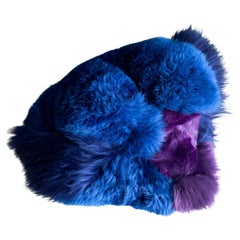
Custom sheepskin Sculptural by Carine Boxy -- "Avatar" blue and purple cushion
Located in Antwerpen, BE
This unique sheepskin pouf by Belgian artist Carine Boxy, is named "Avatar Blue" and embodies her signature approach to craftsmanship and natural materials. Handcrafted from naturall...
Category
2010s Belgian Furniture
Materials
Sheepskin, Feathers
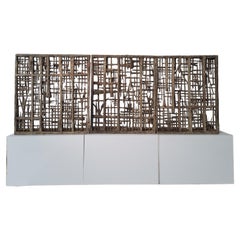
Large sculpture by Pia Manu
By Pia Manu
Located in Haaltert, BE
Large hand crafted wall sculpture or room divider , made of three different segments (length between 76cm and 80cm x height 93cm x depth 16cm, total length 240cm). Unique piece made ...
Category
1970s Brutalist Vintage Belgian Furniture
Materials
Concrete, Cement, Metal
$18,016
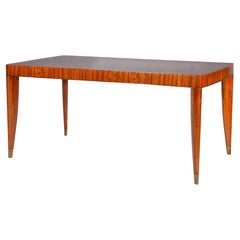
Art Deco Model "Voltaire" Extandeble Dining-Table Designed by the Coene, Belgium
By De Coene Frères
Located in Antwerp, BE
Dining table by De Coene Frères chairs, model Voltaire, featured in original catalogue as the number 03-81-689. The table is made from Iroko woo...
Category
1940s Art Deco Vintage Belgian Furniture
Materials
Brass
$4,996 Sale Price / item
20% Off
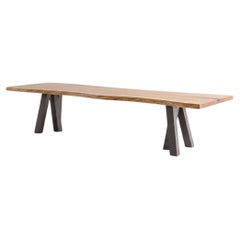
Brutalist Design Dining Table In Rough Oak By Heerenhuis
Located in NEW YORK, NY
This dining table is made from solid rough oak over steel legs.
The top (approx 4cm) has blackened sapwood edges, made from the sides of the oak tree. Made to measure table, where al...
Category
21st Century and Contemporary Modern Belgian Furniture
Materials
Metal
$27,104 / item
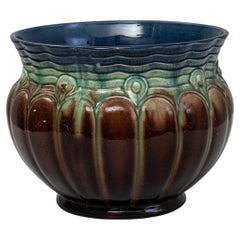
20th Century Belgian Ceramic Vase
Located in High Point, NC
20th Century Belgian Ceramic Vase. This beautifully glazed vessel features a rounded, lobed form with a sculptural relief pattern encircling the body. The rich gradient glaze transit...
Category
20th Century Belgian Furniture
Materials
Ceramic
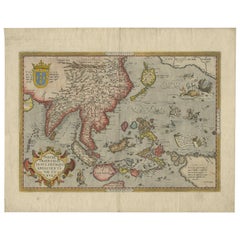
Antique Ortelius Map of Asia Featuring Japan, China, Taiwan
East Indies, 1587
By Abraham Ortelius
Located in Langweer, NL
Ortelius Asia Japan China Taiwan Philippines East Indies Antique Map 1570
This highly important early map of Asia titled “Indiae Orientalis Insularumque Adiacientium Typus” is one of the most influential 16th-century European depictions of East and Southeast Asia. Published by Abraham Ortelius for his groundbreaking atlas Theatrum Orbis Terrarum, this map presents a sweeping geographical vision of the Far East before the full penetration of the Dutch into the region. It covers India, Indochina, China, Korea, Japan, the Philippines, the East Indies or Spice Islands, New Guinea, and parts of the western Pacific.
Ortelius was the first European cartographer to name Formosa (modern Taiwan), marking a milestone in Western geographic knowledge of Asia. Japan appears in its famous early “kite-shaped” form, shown as a large oval island...
Category
16th Century Antique Belgian Furniture
Materials
Paper
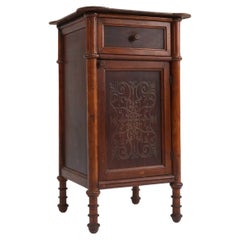
$4,458 Sale Price
25% Off
Art Deco Nightstand, Ca.1930
Located in Meulebeke, BE
Art Deco nightstand made in Belgium around 1930.
Has some nice sculptural details in the door. Also the legs are beautiful and typical for the Art Deco period.
Category
1930s Art Deco Vintage Belgian Furniture
Materials
Wood
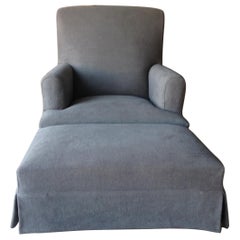
The Flanders- Custom Made Belgian Linen Armchair with Footstool
Located in Jesteburg, DE
Introducing the home collection.
A small selection of timeless Flemish designs made by hand for us in a small third generation workshop in Belgium.
Ha...
Category
2010s Modern Belgian Furniture
Materials
Linen
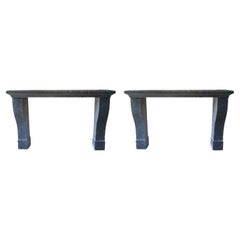
21st Century Belgium Pair of Bluestone Console Tables Liege
Located in West Palm Beach, FL
A pair of wall mounted Belgian bluestone console tables with clean lines is designed in a simple minimalist manner with elegantly scrolled le...
Category
21st Century and Contemporary Belgian Furniture
Materials
Marble
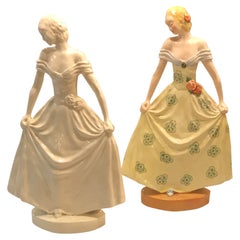
Pair of Ceramics, Boch.F, Sign: Catherine Barjansky, Belgium
Located in Ciudad Autónoma Buenos Aires, C
Pair of ceramics
Sign:
Ceramic with enamel : Catherine Barjansky
Made in Belgica Boch
Ceramic White:
Sign: BFK made in Belgium
The Boch manufacture was established in Belgian La Louvière by Jean-François Boch, one of main owners of another known company, Villeroy & Boch. The direction of Boch Freres SNC was in 1844 taken by Victor Boch. Production could be started immediately thanks to other Boch family ceramic businesses that sold Victor ready-to-use copperplates.
This faience manufacture developed very fast. In 1847 the company won a gold medal at the exhibition of the Belgian industry. In 1855 they already employeed 300 workers in La Louvière (Keramis) and 100 in Tournai (Boch Freres) factory. Around 1860 the production of polychrome pieces was started. In 1904 the first in Europe tunnel kiln was launched.
Problems started in 1970s. The company went bankrupt in 1985 and was reactivated as Novoboch and MRL Boch. In 2015 was started Keramis Center, just two rooms showing Royal Boch history.
One of the most important designers for Boch Frères Keramis was Charles Catteau. He was French but in 1906 moved to La Louvière. Patterns designed by Catteau were created in following years:
The Boch Frères Kéramis factory (Belgium, province of Hainaut, La Louvière) is now well known thanks to the work of the very dynamic Charles Catteau. That of the sculptor Catherine Barjansky is much less so, even if her career is international: Rome, Berlin, New York, Vienna, Paris, Brussels...
Catherine is from Odessa, a Ukrainian city located in the Soviet Empire. At the age of twenty, she studied sculpture in Monaco where she met her husband, Alexandre Barjansky, the famous violinist whose name is now inseparable from a Stradivarius! Thanks to her husband's job, she travels a lot.
Witnesses to his exchanges with the intellectual milieu of the time, his portraits of personalities dominate his work: a bust of Einstein, kept at the Solvay Institute in Brussels; a bust of Freud; or even Colette, author who prefaced her first exhibition in Brussels. She made a bust of Queen Elisabeth of Belgium...
Category
1930s Art Deco Vintage Belgian Furniture
Materials
Ceramic
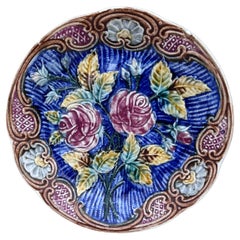
Majolica Roses Plate Wasmuel, circa 1890
By Wasmuel Majolica
Located in Austin, TX
Majolica roses plate wasmuel, circa 1890.
8.3 inches diameter.
Category
1890s Rustic Antique Belgian Furniture
Materials
Ceramic
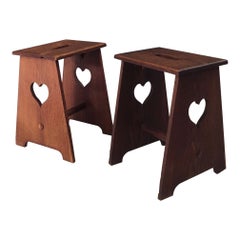
Arts
Crafts Design Style HEART Stool Set, Belgium 1920
s
Located in Oud-Turnhout, VAN
Vintage Arts & Crafts Design Style HEART Stool set of 2. Made in Belgium, Early 20th Century, 1920's period. Oak constructed stools with heart carving on the sides. Beautiful in thei...
Category
1920s Arts and Crafts Vintage Belgian Furniture
Materials
Oak
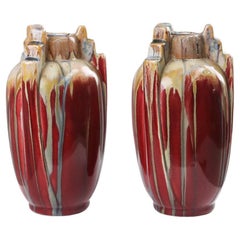
Set of 2 large Art Deco ceramic vases, 1930s
Located in Meulebeke, BE
Set of Art Deco vases made in ceramic with great colors of red, brown, yellow.
Has the beautiful geometric details that really represents the Art Deco period of the 1930.
Category
1930s Art Deco Vintage Belgian Furniture
Materials
Ceramic
$1,020 / set
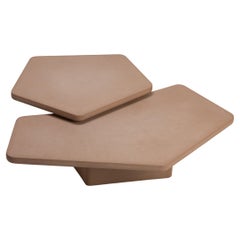
Contemporary Organic Natural Plaster Coffee Table Set by Isabelle Beaumont
Located in Ranst, BE
A contemporary Belgian design, handcrafted in natural plaster with a textured, earthy character. The surface is stain-resistant, easy to maintain, and pleasantly soft to the touch, u...
Category
2010s Minimalist Belgian Furniture
Materials
Cement
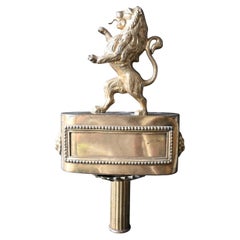
Antique Bronze Flagpole Finial – Lion Rampant (Belgium, Late 19th Century)
Located in Bilzen, BE
Antique Bronze Flagpole Finial – Lion Rampant (Belgium, Late 19th Century)
A finely cast bronze flagpole top / finial featuring a powerful lion rampant in full three-dimensional for...
Category
Late 19th Century Other Antique Belgian Furniture
Materials
Brass, Bronze
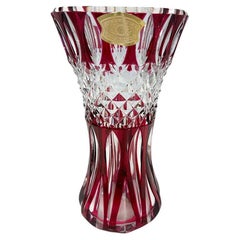
Val Saint Lambert red cut-to clear Crystal vase, Signed
By Val Saint Lambert
Located in Delft, NL
Val Saint Lambert red cut-to clear Crystal vase, Signed
A Belgium red colored cut to clear crystal vase from Val Saint Lambert, Belgium, establi...
Category
Mid-20th Century Belgian Furniture
Materials
Crystal
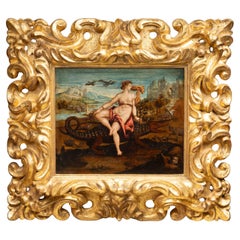
Allegory of Africa - 16th century
Located in Bruxelles, BE
Flemish school of the 16th century
Allegory of Africa
After The Allegories of the Continents by Maerten de Vos (engraving by Adriaen Collaert)
Oil on copper
Inscription: "Giulio Ro...
Category
16th Century Renaissance Antique Belgian Furniture
Materials
Copper
$53,807 Sale Price
20% Off
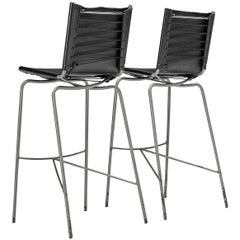
Fabiaan Van Severen Set of Two Bar Stools in Patinated Black Leather
By Fabiaan Van Severen
Located in Waalwijk, NL
Fabiaan Van Severen, two bar stools, patinated black leather, tubular steel, lace, Belgium, 1997
Distinct bar stool by Belgium designer Fabiaan Van Sev...
Category
1990s Modern Belgian Furniture
Materials
Steel
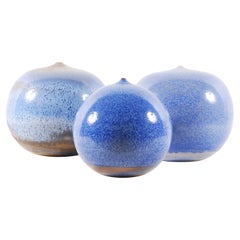
Antonio Lampecco, Set of 3 Spherical Ceramics
By Antonio Lampecco
Located in Paris, FR
Spherical sculptures by the Belgian ceramist Antonio Lampecco.
Round Ceramic with crystallized enamel and a tiny aperture removing any function to the object.
Humble, Lampecco didn...
Category
Early 2000s Belgian Furniture
Materials
Ceramic, Clay
$8,368 / set
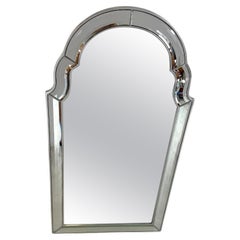
Belgian Beveled Mirror
Located in Bridgeport, CT
Dimensions: H 43.7” x W 23.5”
Vintage Belgian beveled arched wall mirror. A great eye-catching piece for your home in an entryway or powder room.
Please see our other listings for ...
Category
Late 20th Century Mid-Century Modern Belgian Furniture
Materials
Mirror
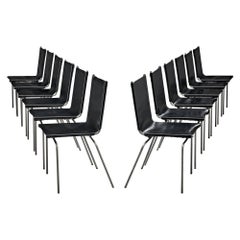
Fabiaan Van Severen Set of Dining Chairs in Black Leather
By Fabiaan Van Severen
Located in Waalwijk, NL
Fabiaan Van Severen, dining chairs, patinated black leather, tubular steel, lace, Belgium, 1997
A distinct set of chairs by renowned Belgian designer Fabiaan Van Severen. Designed i...
Category
1990s Modern Belgian Furniture
Materials
Steel
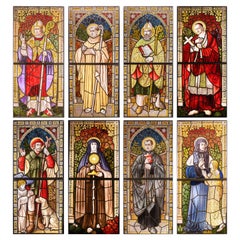
Selection of eight restored 19th C Neo-Gothic Stained-Glass Windows
Located in Leuven , BE
The Color Experience: Stained-glass windows
“Color is a power which directly influences the soul” (Wassili Kandinsky, Moskou 1866 – Neuilly-sur-Seine, 1944)
“Color! What a deep and mysterious language, the language of dreams!” (« La couleur ! Quelle langue profonde et mystérieuse, le langage des rêves », Paul Gauguin, Paris, 1848-Fatu-Hiva, 1903)
‘Color and feeling’, ‘color and meaning’, these are concepts that have gone together since time immemorial. Artists and craftsmen have a special bond with color. After all, it is a means of expression that can have a real reinforcing effect. Especially linking color with light offers unlimited possibilities. Glaziers and glass painters have tried to master both these ‘instruments’ for centuries.
The set of beautifully restored neo-Gothic windows in our collection are enough reason for us to let these works of art figure in a broader story. As a bonus, we would like to introduce you to the contemporary stained-glass artist and stained-glass restorer, Daniël Theys. whose workshop is in Sint-Pieters-Rode (Belgium). He talked to us about the materials and techniques he used for the restoration of our set of neo-Gothic stained-glass windows. A fascinating look at the tricks of the trade from a specialist!
A bird’s eye view of the history of the European stained-glass window.
Although the Romans already used translucent glass plates to cover wall openings, the stained-glass window reached its peak in Europe between 1150 and 1500. A period also known as the era of the cathedrals. At that time, stained-glass windows became more than just a way to let in the light, and to keep the space closed off. From now on, their functionality was also found in their didactic value. The biblical and saints’ stories that adorned the stained-glass windows became a kind of poor man’s bible. They brought, as it were, the knowledge of the holy scriptures in an understandable, pictorial way. At the same time, the colored light provided additional symbolism. The invading light was interpreted as a manifestation of God. It is also no coincidence that the main altar was bathed in light. It was the place where the most important sacrament was celebrated, that of the Eucharist. How were these magical colors obtained? Well, during the 12th and 13th centuries, metal oxides gave color to the glass. Copper, for example, produced different colors in the various stages of oxidation. The metal could color the glass light blue, green and even red. It should be noted that from the 13th century onwards, clear glass, which was cheaper and at the same time allowed more light into the buildings, was used more often. A century later, in the years 1400 to 1500, glass painters frequently painted onto the glass with a ‘stain’ of silver chloride or sulfide. The painted piece of glass was heat-treated in a furnace. The heating process ensured that the silver ions migrated into the glass and became suspended within the glass network. The stain gave colors ranging from a pale yellow to a rather deep red. This new technique allowed glaziers to get more than one color on a single glass fragment. The shades produced by painting in silver chloride were well suited for depicting golden crowns, scepters and other gilded objects and ornaments. But the most important advantage of the technique was the fact that the glass painter could now make transitions from yellow tones to white without having to apply separations with lead strips! This also improved the legibility of the pictured scene.
You can imagine that the labor-intensive process of the production of stained-glass windows was a very costly affair and therefore it was often patrons who donated them to a church or a chapel. The benefactors were usually eager to propagate their social status and were moved by concern for their salvation.
In the 16th century, stained-glass windows also began to appear in secular buildings such as town halls, the homes of the wealthy and commercial premises such as inns. It is striking that during this period the use of lead strips that border many parts of the image was further reduced in favor of real painting on stained glass. This was due to an increasing love of detail. For example, one wanted realistically painted portrait heads. Working with enamel paints was cumbersome. Each newly applied color had to be burned into the glass before another color or overpainting could be applied. It was not only the coloring of the glass that was complicated, the process of obtaining flat glass plates required many steps as well. The glazier blew a glass bulb with a blowpipe and then cut it open. Finally, each half of the sphere was turned around so fast that it became a disc. In later periods, the glazier blew out his glass bulb into a cylinder. Once the cylinder had cooled, its closed ends were removed, and the long sides were cut open. The pieces of glass obtained were then heated and flattened. During the 16th century, there was a division of labor between the stained-glass designer, the glazier, and the glass painter. It happened as well that the stained-glass artist used prints as models for his stained-glass windows. Whoever drew the design, the glazier always needed a model on the right scale, the so-called cartoon. On the cartoon, the lead strips were clearly marked, and the use of colors was indicated. Contracts at the time show that the price of stained-glass windows was calculated per square foot. The price per square foot included the labor and material costs. The price of the cartoon was not included.
In the 17th century, the work of glass painters remained important. At the same time, there was a growing popularity of stained-glass windows with heraldic themes. In the Low Countries there were several high-quality glass painters active.
During the 18th century, glass painting went downhill in our regions. The French occupation of the Southern Netherlands resulted in the destruction and sale of religious stained-glass windows.
It was only around the middle of the 19th century that the young Belgian state experienced a revival of stained glass. The renewed interest in the Middle Ages, the so-called ‘gothic revival’, caused a wave of restoration of old stained-glass windows of churches and orders for neo-gothic stained-glass windows. The Sint-Lucas art schools in Belgium played an important role in this. Industrial developments in the glass and steel industries naturally had an important hand in the popularity of stained-glass windows. Stained-glass had a wide range of uses; think of stained glasses in winter gardens, domes, windows, and doors of large mansions. Significant glazier’ studios arose in several larger Belgian cities. In Brussels, for example, you had the workshops of Capronnier and Colpaert, in Bruges the studios of Coucke and Dobbelaere, in Ghent the companies of Ganton-Defoin or Ladon. During the 19th century, glaziers followed the style developments in the visual arts. For example, the number of windows in Art Nouveau and Art Deco style is large. The restored stained-glass windows with male and female saints that we offer for sale, come from a building in Laeken, near Brussels. They probably decorated the space of a church, chapel, convent, or Catholic school. In the results of the interview with glass restorer Daniël Theys, you will learn more about the particularities of these splendid windows.
Chatting and browsing in the workshop of Daniël Theys
The Belgian Glass restorer and glass blower, Daniël Theys (), made a career switch at a later age and has been active in the profession since 1987. He is an important player in the field of stained-glass window art in Belgium. Moreover, he is the only one in the country who still masters the technique of glass etching. Daniël Theys receives many commissions from small parish churches to restore old stained-glass windows to their former glory. He made a name for himself in that niche and that is how Spectandum brought the set of 19th century stained glass windows to his workshop for reconstruction. They were delivered in old numbered wooden crates and Daniel had to start puzzling.
Numbered wooden crates with sections of the stained-glass windows
Normally a glazier starts working from a drawing with a scale of 1:1 (full size drawing), but in this case each piece had to be cataloged and photographed. The smaller pieces were grouped on the light box and photographed in their entirety. Then Daniël made a drawing of the remaining pieces that he had puzzled together with great care.
Smaller pieces identified and grouped on the light box
The restauration guidelines of the Agency for Monuments and Landscapes are not always the same as those of a restorer. For this reconstruction, Daniël primarily considered the purpose of the stained-glass windows. It had to be an aesthetic and salable set of stained-glass windows, so the choice of filling the gaps with neutral glass or epoxy was not really an option. Theys left well-executed previous restorations untouched. The windows may have been repaired three or four times in the past.
Piece of a cloak with glass shards from different periods (restorations)
Another problem Daniel faced during the restoration was the fact that some small parts of the old grisaille had been eaten away by microorganisms. The defect – caused by moisture – can be seen from the discoloration of the grisaille. The black-brown color is turned red.
This fragment shows well how the brown grisaille has turned red due to the attack of micro-organisms
The stained-glass windows of the 19th century are made of ‘in the mass-colored’ glass. This means that the colors were added to the liquid glass during its production process. This type of glass differs from glass colored with enamel paint, which became popular from the interwar period. The latter process involves applying enamel paint (this is a glass powder with a metal oxide to which a medium has been added) to the colorless glass. When firing the glass with the enamel paint, the powder fuses with the glass. The colors of email painted glass are less intense and less brilliant than those of ‘in the mass-colored glass’.
Jars with colored powder for the enamel paints
For the restoration Daniël only worked with mouth-blown glass, both with ‘in the mass-colored glass’ and with ‘verre plaqué’. This is blown glass composed of several layers of different shades. Over the years, Theys built up a large stock of old blown glass. Colored blown glass always has sliding shades. For example, a red piece of glass can have a color transition from bright red to light orange. These differences in shades are the result of the different thicknesses of the piece of glass. It allows the glazier to use a wide variety of shades.
The purple-red foliage with light blue accents was obtained by etching away parts of a piece ‘verre plaqué’. A small part of the lower glass layer is exposed.
The windows were completely re-leaded by the restorer because there was virtually no ‘lead net’ preserved. In general, lead strips only have a limited lifespan because of oxidation processes. Daniël removed the old lead remnants and placed new lead profiles. Then he applied putty between the glass fragments and the lead strips to seal the lead. A window must be made watertight. The current condition of the windows is excellent.
Decorative glass part with original lead remnants
New lead strip
The set of stained-glass windows we present today, originally consisted of windows of 5 to 6 m high. After all, they originally adorned a neo-gothic church. Since the original dimensions are not suitable for private buildings, it was decided to only restore the figurative representation.
The original spire of one of the windows
Thanks to a suspension eye, the window can be hung. There is also the possibility to place the window in an upright position.
Thanks to the craftsmanship of the Theys-Studio, we can once again enjoy the brilliance of color!
Looking for the missing link
The set of 19th-century stained-glass windows came into the possession of Spectandum without a clear provenance. The renowned Leuven antiques dealer, Cornelius Engelen, recalls that the windows came from a church in Laeken. There is no solid starting point for a search for the provenance. Based on the style of the stained-glass windows – most probably the late 19th century -, their religious iconography, and their original shape (pointed arch windows) and dimensions (5 to 6 cm high), we can assume that they were once displayed in a (neo-)gothic cult building. On the one hand, the stained-glass windows may have been removed after storm damage or other calamities, on the other they may have been taken away during a renovation or a demolition of a church. The Church of Our Lady in Laeken is the most famous church building in that municipality that could qualify. In the early 1920s, the central windows of the transept were badly damaged by a hurricane. Today, glass fragments of these windows (dating from 1893-1894) with the names of the sixteen missing saints and an arch infill of the western window are officially known. It would be interesting to find out if our set of eight saints once were part of the transept of Our Lady in Laeken. Research in the records of the church administrators could provide clarification. Knowing that most neo-gothic stained-glass windows from the Church of Our Lady come from the Jules Dobbelaere’s glass studio in Bruges, it is useful to consult that company’s archive as well. It is kept in the KADOC (Documentation and research center for religion, culture and; in Leuven. Of course, the sizes and shape of the stone window openings of the transept can also provide an indication. If we stylistically compare the grisailles of the set of stained-glass windows with the work of Jules Dobbelaere, we do see some relationship. Especially with a stained-glass window in the chapel of Our Lady of the Saint Anthony Church in Aalst.
Another line of research that we could follow, is that of the iconography of the series. One of the saints depicted is Saint Roch. There once was a Saint-Roch church in Laeken with 19th-century stained-glass windows from the Brussels studio of Jean-Baptiste Capronnier. The company archive of the glaziers François and Jean-Baptiste Capronnier is owned by the Flemish government and can be consulted in the above-mentioned KADOC. We already searched the sales catalog of 1892, in which Capronnier’s drawings and cartoons are described one by one. The saints that are represented in our set of windows, does not correspond with the names of the saints mentioned for the church of St. Roch in Laeken. Building on this argument, it can be concluded that the eight saints were not destined for this house of worship.
In the absence of lavishly illustrated monographs on the various glazier-companies in Belgium, the execution of a comparative study of the stained-glass windows is time-consuming and complex. Although a limited number of old photos of stained-glass windows can still be found in the database ‘Balat’ of the KIK-IRPA (), this remains far too limited to get a good picture of the output of the various companies.
19th C, Saint, Neo-Gothic Stained-Glass Window with Saint Martin, Belgium, 163 x 73 cm
Most people know Saint Martin (Szombathely, ca. 316 – Candes, 397) as the Roman Tribune who cut his cloak in two with his sword and gave one half to a beggar. The artist of the stained-glass window has opted for a different, less common iconographic representation here. Saint Martin is presented as a bishop with a miter and staff. According to a legend, Martin was lured to the city of Tours with a trick to consecrate him as a bishop. He refused the ecclesiastical office and hid in a barn with some geese. The birds betrayed him with their twittering. In the end Martin received his episcopal consecration. The goose at the feet of the saint clearly refers to this event.
19th C, Saint, Neo-Gothic Stained-Glass Window with St. Angela, Belgium, 163 x 73 cm
Angela de Merici was an Italian woman who taught young women religion, health care, and household skills. She founded the monastic community of the Ursulines. They played an important social role as founders of schools and orphanages. Saint Angela died in Brescia in 1540. It should therefore come as no surprise that the saint on the stained-glass-window is depicted with
a girl by her side.
19th C, Saint, Neo-Gothic Stained-Glass Window with Charles Borromeo, Belgium, 163 x 73 cm
Charles Borromeo (Milan, 1538-1584) grew up in a noble family. He was already made Cardinal and Archbishop of Milan at the age of 24. With his writings he contributed to the implementation of the Church reforms determined at the Council of Trent. Among other things, he released a new catechism. With his book on the design of church buildings, “Instructiones Fabriacae et Supellectilis Ecclesiasticae”, he left a mark on Baroque church construction. At the outbreak of the plague in his diocese in 1576, he devoted himself to the care of those affected. Hence, people sometimes pray to him when they have been hit by a serious illness.
19th C, Saint, Neo-Gothic Stained-Glass Window with St. Roch, Belgium, 163 x 73 cm
Saint Roch (Montpellier, 1295? /1350? -1327? /1380?) was born with a port-wine stain in the shape of a cross on his left hip. It was interpreted as a sign from God. After the dead of his parents, he gave his money to the poor and went on to live the life of pilgrim. He cared for plague sufferers and healed some of them by making a sign of the cross. He is especially invoked as protector against the plague.
19th C, Neo-Gothic Stained-Glass Window with St. Bernard of Clairvaux, Belgium, 163 x 73 cm
Bernard of Clairvaux (Fontaines, 1090-Clairvaux, 1153) decided to become a monk at the age of 21. In 1112 he entered in the monastery of Cîtaux. He was soon commissioned by the abbot to find a new monastery in Clairvaux. Because of his intellectual capacities and eloquence, he was consulted by various ecclesiastical and secular leaders. He ensured the expansion of the Cistercian order throughout Europe. As a Doctor of the Church, he wrote many tracts and sermons and established a new rule for the Templars. Above all, he was concerned with the discipline of the clergy. Therefore, he wrote a spiritual manual for the priests and bishops. Saint Bernard can be seen as a true mystic. He envisioned the union of the human soul with God as the most important goal in life. According to a legend, Bernard once had a vision in which the Blessed Virgin appeared to him and strengthened him with her mother’s milk. In the arts, the saint is mainly depicted with an abbot’s staff and a book with the Cistercian rule. His vision was also often portrayed.
19th C, Neo-Gothic Stained-Glass Window with St. John Berchmans, Belgium, 163 x 73 cm
The Belgian Jan Berchmans (Diest, 1599-Rome, 1621) was the eldest of five children. When his mother became seriously ill, he initially took care of her, but at the age of nine he was housed with the town’s priest. After a few years he moved to Mechelen to become the servant of a canon. It also gave him the opportunity to begin his studies in the seminary for priests. He eventually joined the Jesuits of Mechelen. He got their permission to study philosophy in Rome. In the Eternal City, he visited working-class neighbourhoods to teach the children about God. He died of an illness at the age of 22. Saint Jan Berchmans is the patron saint of school children and students.
19th C, Neo-Gothic Stained-Glass Window with Saint Clare...
Category
19th Century Gothic Revival Antique Belgian Furniture
Materials
Art Glass, Stained Glass
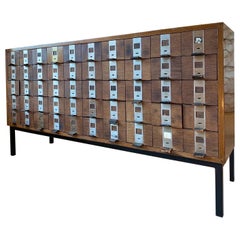
Large Fifty Drawers Shop Counter, Display Sideboard 1958 de Coene, Belgium
By Philippe Neerman, De Coene Frères
Located in Antwerp, BE
Chest of drawers by Philippe Neerman for De Coene, Belgium 1958 designed for the Library in Bruxelles. Beautiful solid furniture in oak with drawers an...
Category
1950s Mid-Century Modern Vintage Belgian Furniture
Materials
Chrome
$4,996 Sale Price
20% Off
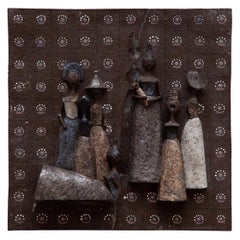
Belgium Handcrafted Ceramic Wall Art, 1970s
Located in Antwerp, BE
Vintage ceramic wall art. Brown earthenware with hand painted accents. Design of 8 figures in ceramic and glazed in the tones blue, gold, whit...
Category
1970s Mid-Century Modern Vintage Belgian Furniture
Materials
Ceramic
$573 Sale Price
70% Off
Cupper Ring Pendant Created by Atelier Boucquet
By Atelier Boucquet
Located in Roeselare, BE
Pendant in brass in ring form.
Category
2010s Modern Belgian Furniture
Materials
Brass
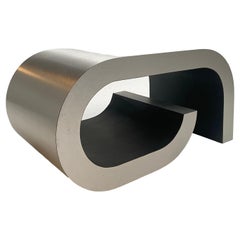
$6,779 / item
Unique 1970
s Small Coffee Table Custom Made for a Shop Interior in Belgium
By Pierre Cardin
Located in bergen op zoom, NL
This small Space Age coffee / side table is a piece unique from the 1970's
Custom made by a local craftsman carpenter for a hairdresser salon in Belgium during the 70's
Clearly ins...
Category
1970s Space Age Vintage Belgian Furniture
Materials
Stainless Steel
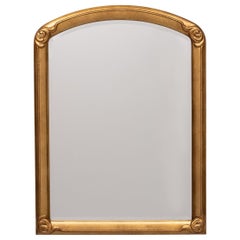
$1,600 Sale Price
20% Off
Deknudt Art Deco style Gold Wall Mirror Belgium 1970s
By Deknudt
Located in Den Haag, NL
Very nice Art Deco style wall Mirror . Wooden Gold Color frame .
comes with a beveled Mirror . Good quality mirror .
Manufactured and signed by Deknudt Belgium . 1970s
Category
1970s Art Deco Vintage Belgian Furniture
Materials
Mirror
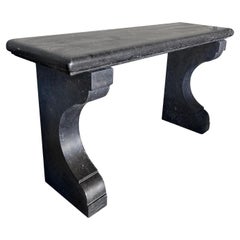
Custom Belgian Bluestone Neoclassical Style Indoor/Outdoor Wall Console Table
Located in San Francisco, CA
Custom sizes and French Limestone option available; fabricated from Belgian Bluestone with a honed finish and embedded with fossils, the console table is comprised of a thick rectang...
Category
21st Century and Contemporary Neoclassical Belgian Furniture
Materials
Stone
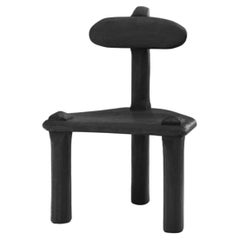
Ebonized Oak "P60" Chair by Robin Berrewaerts, Belgium 2022
Located in Utrecht, NL
Three legs, a seating and a backrest are the basic principles to form the base for each chair of the “P60” series. During the creation process, each piece gets its own, unique charac...
Category
2010s Modern Belgian Furniture
Materials
Oak
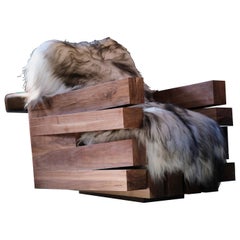
Limited Edition Zoumey Armchair in Solid Walnut by Arno Declercq
By Arno Declercq
Located in Geneve, CH
Limited edition Zoumey armchair in solid walnut by Arno Declercq
Dimensions: W 82 x D 86 x H 73 cm
Materials: American walnut, natural wool
Limited edition of 12, signed and numb...
Category
2010s Modern Belgian Furniture
Materials
Walnut
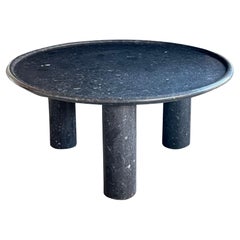
Custom Belgian Bluestone Round Tripod Coffee Table with Dish Top
Located in San Francisco, CA
Custom sizes and French Limestone option available; fabricated from Belgian bluestone with a honed finish and embedded with fossils, the table is comprised of a round dish top top ra...
Category
2010s Modern Belgian Furniture
Materials
Stone
Still Thinking About These?
All Recently ViewedMore Ways To Browse
Antique Shoe Iron
Antique Silver Candle Sconce
Antique Spanish Trunk
Antique Tavern Sign
Antique Thangka Tibet
Antique Tiffany Mantel Clock
Antique Tiffany Mantel Clocks
Antique Tortoise Shell Glasses
Antique Wood Filing Cabinet
Antique Wooden Bow
Arch Top Window
Arched Double Doors
Art Deco Accent Cabinets
Asian Screen 6 Panel
Baccarat Dish
Baker Campaign Chest
Balinese Wood Carving
Ball And Claw Chest