Want more images or videos?
Request additional images or videos from the seller
1 of 10
Part Silk Rug Hatchlou Engsi Tribal Vintage Carpet from Afghan Turkoman Tribe
$2,747.90List Price
About the Item
- Creator:Turkoman (Maker)
- Dimensions:Width: 45.67 in (116 cm)Length: 63 in (160 cm)
- Style:Tribal (In the Style Of)
- Materials and Techniques:
- Place of Origin:
- Period:
- Date of Manufacture:1960
- Condition:Wear consistent with age and use.
- Seller Location:Lohr, Bavaria, DE
- Reference Number:1stDibs: LU980515994641
About the Seller
5.0
Gold Seller
Premium sellers maintaining a 4.3+ rating and 24-hour response times
Established in 1967
1stDibs seller since 2013
172 sales on 1stDibs
Typical response time: 3 hours
Authenticity Guarantee
In the unlikely event there’s an issue with an item’s authenticity, contact us within 1 year for a full refund. DetailsMoney-Back Guarantee
If your item is not as described, is damaged in transit, or does not arrive, contact us within 7 days for a full refund. Details24-Hour Cancellation
You have a 24-hour grace period in which to reconsider your purchase, with no questions asked.Vetted Professional Sellers
Our world-class sellers must adhere to strict standards for service and quality, maintaining the integrity of our listings.Price-Match Guarantee
If you find that a seller listed the same item for a lower price elsewhere, we’ll match it.Trusted Global Delivery
Our best-in-class carrier network provides specialized shipping options worldwide, including custom delivery.You May Also Like
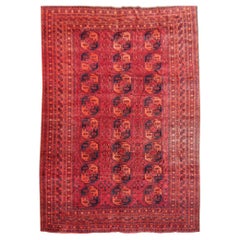
Vintage Afghan Turkoman Tribal Ersari Engsi, Hatchli Tent Door Hanging Ensi
Located in Dallas, TX
76995 Vintage Afghan Turkoman Tribal Ersari Engsi, Hatchli Tent Door Hanging Ensi. This hand knotted wool vintage Afghan Hatchli Ersari rug is also known as ...
Category
Mid-20th Century Afghan Tribal Central Asian Rugs
Materials
Wool
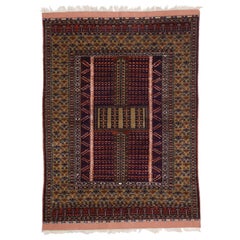
Antique Turkoman Engsi Hatchli Rug
Located in Evanston, IL
Almost all Turkmen rugs were produced by nomadic tribes almost entirely with locally obtained materials, wool from the herds and vegetable dyes, or other natural dyes from the land. ...
Category
Early 20th Century Central Asian Tribal Central Asian Rugs
Materials
Wool
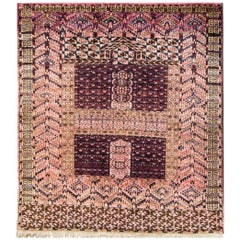
Vintage Persian Turkoman Pictorial Rug
Located in New York, NY
A vintage Persian Turkoman (Turkmen) carpet from the third quarter of the 20th century with a pictorial design.
Category
Vintage 1970s Persian Tribal Persian Rugs
Materials
Wool
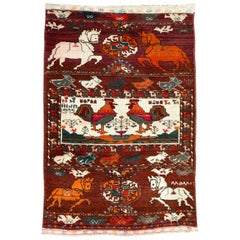
Vintage 2
x2
Turkoman Rug
By Turkoman
Located in Saint Petersburg, FL
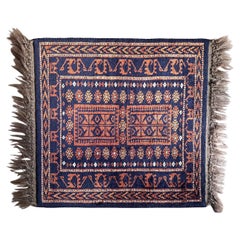
Traditional Turkoman weaving, featuring the rich, earthy palette and geometric motifs characteristic of this historic textile tradition.
Woven from wool, it's size makes it versatil...
Category
Antique Late 19th Century Central Asian Tribal Central Asian Rugs
Materials
Wool
Antique Turkoman Engsi Hatchli Rug, AS IS
Located in Evanston, IL
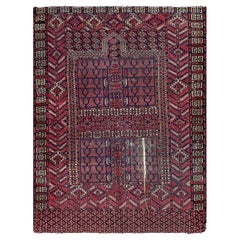
Almost all Turkmen rugs were produced by nomadic tribes almost entirely with locally obtained materials, wool from the herds and vegetable dyes, or other natural dyes from the land. ...
Category
Antique Late 19th Century Central Asian Tribal Central Asian Rugs
Materials
Wool
Tribal Turkoman Inspired Mid-20th Century Handmade Persian Malayer Accent Rug
Located in New York, NY
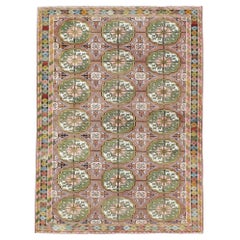
A vintage Persian Malayer accent rug handmade during the Mid-20th Century inspired by Central Asian tribal Turkoman carpets.
Measures: 4' 7" x 6' 4".
Category
Mid-20th Century Persian Tribal Persian Rugs
Materials
Wool
Tribal Afghan Vintage Ersari Carpet
Located in New York, NY
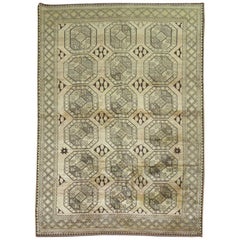
A 20th century square and intermediate size Ersari carpet in tan and brown, circa 1930.
Measures: 6'3'' x 8'3''.
Category
20th Century Central Asian Tribal Central Asian Rugs
Materials
Wool
Bobyrug’s Vintage Baluch Afghan Rug
Located in Saint Ouen, FR
Nice little Turkmen Baluch rug with geometrical design and beautiful colors, entirely and finely hand knotted with wool velvet on wool foundation.
✨✨✨
"Experience the epitome of lux...
Category
Mid-20th Century Afghan Tribal Central Asian Rugs
Materials
Wool
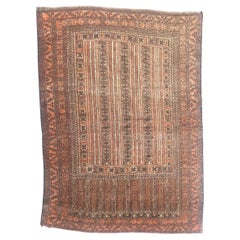
Tribal Mid-20th Century Handmade Persian Turkoman Runner
Located in New York, NY
A vintage Persian tribal Turkoman rug in runner format handmade during the mid-20th century. Although this rug is of Persian origin, the roots of Turkoman rugs originated in the Central Asian region.
Measures: 1' 6" x 10' 4"
Central Asian Rugs
Carpets:
Central Asia is a vast area stretching from Northeastern Persia to western China, and from northern Afghanistan to the southern edge of Russia. The carpets can be usefully divided into three groups: the nomadic Turkmen rugs of Turkmenistan, northern Afghanistan, and northeastern Persia; the non-Turkmen tribal pieces from Kazakhstan, Uzbekistan, and Kirghizstan; and the urban creations of Khotan, Yarkand, and Kashgar, oasis cities of Western China (Xinjiang Province).
Commercially, the most important group is from Khotan, the easternmost of the Chinese Turkestan cities. The craft of rug weaving is primarily in the hands of Muslim Uighurs. Khotan carpets mix purely Central Asian design themes with Chinese elements. Native Khotan devices include pomegranate trees, upright flowers, round medallions, and yellow or red grounds. Chinese motives include triangular fretwork corners, swastika fretwork, and Yun-Tsao Tou (clouds and rain) diagonally striped polychrome borders. Cotton foundations, asymmetrical (Persian) knots, and medium weaves are standard. Some vintage Khotan are in horizontal, pictorial layouts with multiple various vases and plants. Saphs (multiple prayer niche panel carpets) are also a Khotan specialty. Others employ stepped and layered lozenge medallions, singly or in pairs. Still others, almost all antique, feature a stylized version of the allover Persian Herati design. Many of the oldest pieces employ brown wool wefts. Antique and vintage Khotans are almost always in the k’ang (double square) layout, conforming to the local household plans. Only relatively recently has the 6’ by 12’ or 7’ by 16’ format been replaced by the 9’ by 12’ size. As a result, an antique room size Khotan carpet is very uncommon. Reds are cinnamon, tomato and rust, never wine reds, crimson, or scarlet. Yarkand, farther west on the old Silk Road specializes in multi-medallion long carpets while Kashgar, farthest west and most under Persian influence, has traditionally knotted allover pattern pieces with finer weaves, often with silk piles, and enriched with medal thread, on cotton foundations. Extant Kashgars go back to the 17th century, but the carpet craft in Chinese Turkestan must be much older as fragments have been recovered from local tombs of the early C.E. period. Kashgars are the rarest of all East Turkestan rugs. Most available vintage East Turkestan carpets are interwar Khotans, many with pleasingly soft decorative palettes.
The non-Turkmen nomads include the Kazakh, Kirghiz, Uzbek, and Karakalpak groups. Like the Turkmen, they were once all seasonally migratory, dwelling in round felt tents (yurts), but have been settled, at least partially, in the villages, and have taken up crafts and agriculture instead of sheep herding. As a result, carpet production has transitioned from domestic tent use to commercial sale, but the roots of long traditions are still evident. The Uzbeks weave...
Category
Mid-20th Century Persian Tribal Persian Rugs
Materials
Wool
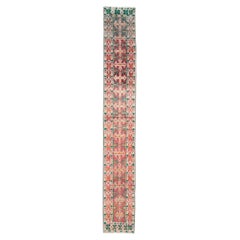
Late 19th Century Distressed Antique Turkoman Tribe Chuval Tekke Tribal Carpet
Located in Dallas, TX
78778 Antique Turkoman Tekke Rug, 03'06 x 04'03. Turkoman Tekke rugs from Turkestan are handwoven carpets crafted by the Tekke tribe, one of the major Turkmen tribes historically located in the region of Turkestan, which encompasses parts of present-day Kazakhstan, Uzbekistan, Turkmenistan, Kyrgyzstan, and Tajikistan. These rugs are renowned for their exquisite craftsmanship, intricate geometric designs, and use of high-quality wool. The Tekke tribe is known for its mastery of rug weaving, and their carpets often feature repeating motifs such as guls (medallion-like motifs), octagons, and various geometric patterns. These rugs hold cultural significance and are highly valued for their beauty and historical importance, reflecting the rich heritage of the Turkmen people in the region of Turkestan.
The rugged beauty of laid-back luxury intertwines with tribal enchantment in this antique Turkoman Tekke rug. Originating from the talented artisans of the Turkmen Tekke tribe, this hand-knotted wool masterpiece showcases the tribe's distinctive weaving style, rich in symbolism and heritage. Its distressed composition reveals a warm red backdrop adorned with an intricate geometric pattern of Aina guls, arranged in a captivating compartmental design. This timeless arrangement conjures visions of gentle, nostalgic days gone by, imbuing the piece with a fashionable touch of rustic allure. Framed by a wide compound border featuring X-shapes and cross motifs, this antique Tekke rug...
Category
Antique Late 19th Century Persian Tribal Central Asian Rugs
Materials
Wool
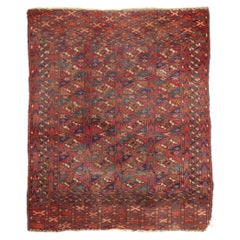
More From This Seller
View AllErsari Rug Vintage Tribal Turkoman Hand Knotted Carpet
By Turkoman
Located in Lohr, Bavaria, DE
Large sized tribal rug Afghan Ersari Turkoman or Turkmen rug - "one of a kind" decorative tribal Art.
Ersari Rugs: Traditional Handwoven Masterpieces
Ersari rugs are exquisite, han...
Category
Vintage 1970s Afghan Tribal Central Asian Rugs
Materials
Wool
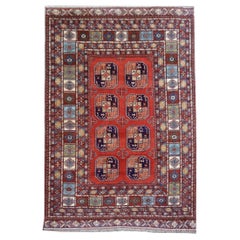
$2,870 Sale Price
20% Off
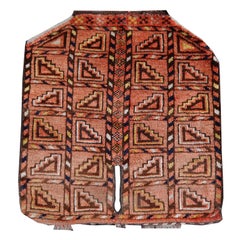
Ersari Rug Saddle Blanket Cover Tribal Turkoman Hand Knotted Antique Carpet
By Turkoman
Located in Lohr, Bavaria, DE
Tribal rug Afghan Ersari Turkoman or Turkmen rug saddle cover- "one of a kind" decorative tribal Art.
The Turkmen or Turkoman people are settling in villages in Afghanistan an Turkm...
Category
Vintage 1930s Afghan Tribal Central Asian Rugs
Materials
Wool
$911 Sale Price
20% Off
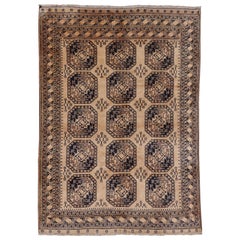
Ersari Rug Large Size Tribal Turkoman Hand Knotted Semi Antique Carpet
By Turkoman
Located in Lohr, Bavaria, DE
Large sized tribal rug Afghan Ersari Turkoman or Turkmen rug - "one of a kind" decorative tribal Art.
The Turkmen or Turkoman people are settling in villages in Afghanistan an Turk...
Category
Mid-20th Century Afghan Tribal Central Asian Rugs
Materials
Wool
$3,959 Sale Price
40% Off
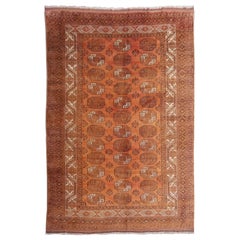
10 x 13 ft Oversized Rug Ersari Tribal Turkoman Hand Knotted Semi Antique Carpet
By Turkoman
Located in Lohr, Bavaria, DE
Large oversized tribal rug Afghan Ersari Turkoman or Turkmen rug - "one of a kind" decorative tribal Art.
Ersari Rugs: Timeless Handcrafted Treasures from Central Asia
Ersari rugs are iconic pieces of art, handwoven by the skilled artisans of the Ersari Turkoman tribes in Turkmenistan. Known for their exceptional craftsmanship and deep cultural significance, these rugs bring a touch of history, tradition, and vibrant color to any space. With their striking designs and durable quality, Ersari rugs are a perfect blend of artistry and functionality, making them a highly sought-after choice for rug collectors and interior design enthusiasts alike.
Crafted with Tradition: Materials & Techniques
Ersari rugs are made from the finest wool sourced from sheep grazing in the vast, rugged landscapes of Central Asia. The wool is carefully spun and dyed using natural, plant-based dyes, resulting in rich, earthy tones that remain vibrant over time. Many Ersari rugs also incorporate cotton to enhance their strength and longevity. The knots used in Ersari rugs are tight and intricate, a hallmark of their craftsmanship, making each piece not only a functional floor covering but also a durable and long-lasting work of art.
Vibrant Colors & Patterns
Ersari rugs are renowned for their bold color palettes and striking geometric designs. The rugs typically feature shades of deep red, rust, burgundy, and earthy brown, combined with accents of blue, yellow, and cream. These colors are derived from natural dyes, giving the rugs their unique, rich hues. The design motifs commonly include medallions, repeating patterns, and symbolic "gul" motifs, which hold deep cultural meaning within the Ersari tribe. These rugs are a visual representation of the tribe’s nomadic heritage, and the color combinations often symbolize nature, life, and spiritual beliefs.
The Ersari Tribe: A Rich Cultural Legacy
The Ersari Turkoman tribe, known for its nomadic lifestyle, has been weaving rugs for centuries. These rugs not only serve as practical items in everyday life, such as floor coverings in tents or yurts, but also represent the artistic expression of the tribe. The Ersari people take pride in their tradition of rug-making, with each design reflecting the environment, culture, and beliefs of the tribe. The geometric and floral patterns found in Ersari rugs often tell stories of the tribe’s past, their connection to nature, and the symbolism behind the designs.
Why Choose an Ersari Rug?
Ersari rugs are more than just floor coverings; they are timeless works of art that embody the history and craftsmanship of the Ersari tribe. With their exceptional durability and stunning aesthetic, these rugs make an ideal addition to any home. Whether you're looking for a piece that tells a story, adds warmth and character to your space, or enhances your collection of traditional textiles, an Ersari rug offers both beauty and history in one unique piece.
The Turkmen or Turkoman people are settling in villages in Afghanistan an Turkmenistan near the Persian border. Their origin is tribal nomadic, but most members of the tribes have settled in villages in the last decades. Typical for most Turkoman carpets is their geometric design made of wide borders and a repeating inner field with symbols called "Gul" The design of the Gul and the borders tell a lot, which tribe of Turkoman made the rug.
The rug listed has 36 octagonal main Guls (eight edged) in 3 rows divided by smaller minor Guls. The golden / beige copper color is very unusual since most Turkoman rugs are made in a bright tomato red. This one has a wool with silk-like shine, a color best defined as very light copper combined with ivory and brown motives. Since tribal people usually have smaller portable looms, it is normal that they make small rugs. Most Turkmen rugs found are between 4 x 6 ft and 8 x 11 ft. For this reason, this 13 x 10 ft rug...
Category
Mid-20th Century Afghan Tribal Central Asian Rugs
Materials
Wool
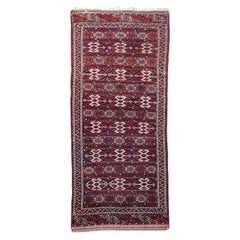
Djoharian Collection Yomud Tribal Turkmen Turkoman Antique Rug with Ram Motif
By Turkoman
Located in Lohr, Bavaria, DE
Yomud Turkoman or Turkmen rug, "one of a kind" decorative tribal Art.
The Turkmen or Turkoman people are settling in villages in Afghanistan an Turkmenistan near the Persian border...
Category
Mid-20th Century Turkestan Tribal Central Asian Rugs
Materials
Wool
Ersari rug 11.2 x 16.4 ft Palace size tribal Turkmen hand knotted antique carpet
By Turkoman
Located in Lohr, Bavaria, DE
Large oversized tribal rug Afghan Ersari Turkoman or Turkmen rug - "one of a kind" decorative tribal Art.
The Turkmen or Turkoman people are settling in villages in Afghanistan an ...
Category
Mid-20th Century Afghan Tribal Central Asian Rugs
Materials
Wool