Items Similar to Mid-19th Century Indian Amritzar Rug
Want more images or videos?
Request additional images or videos from the seller
1 of 5
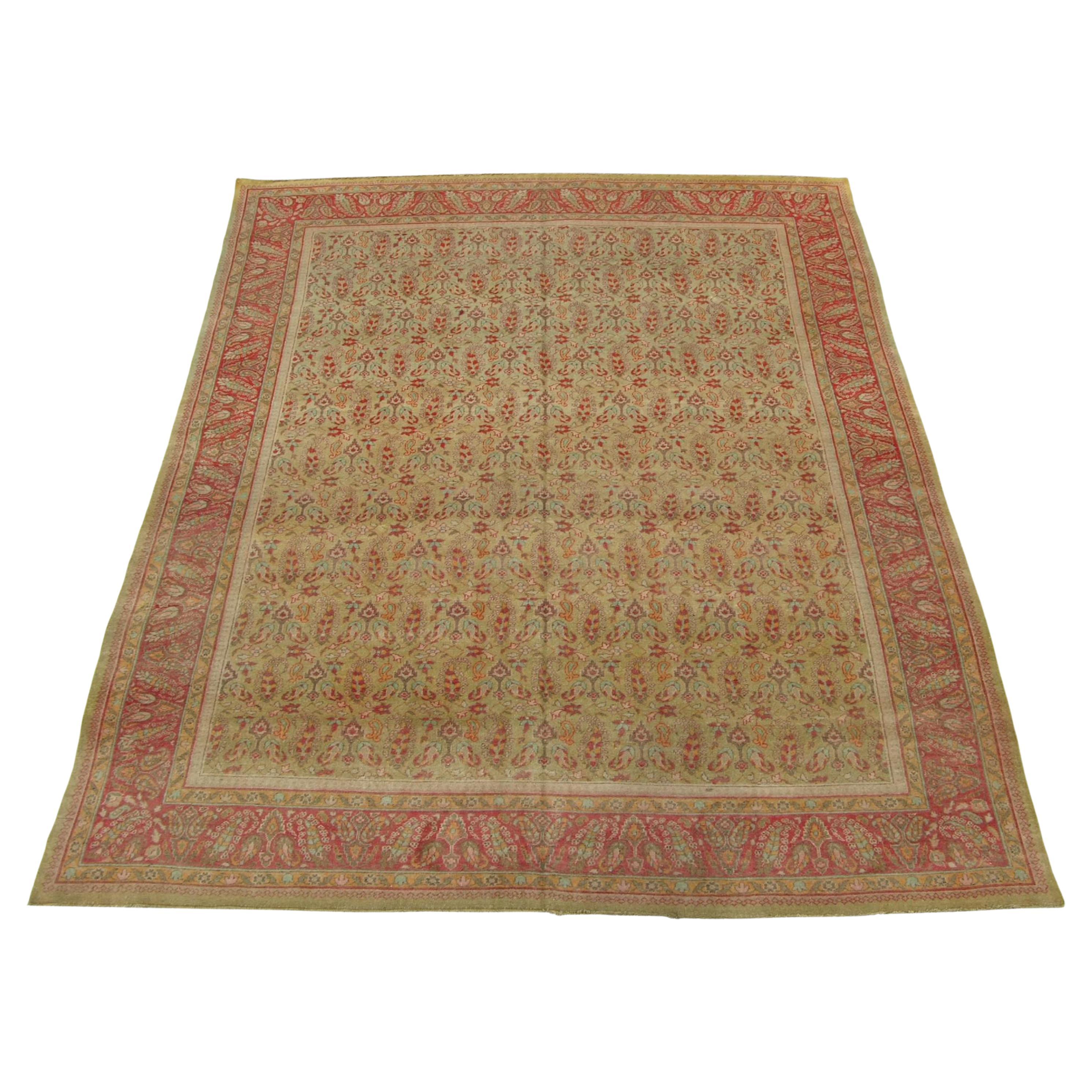
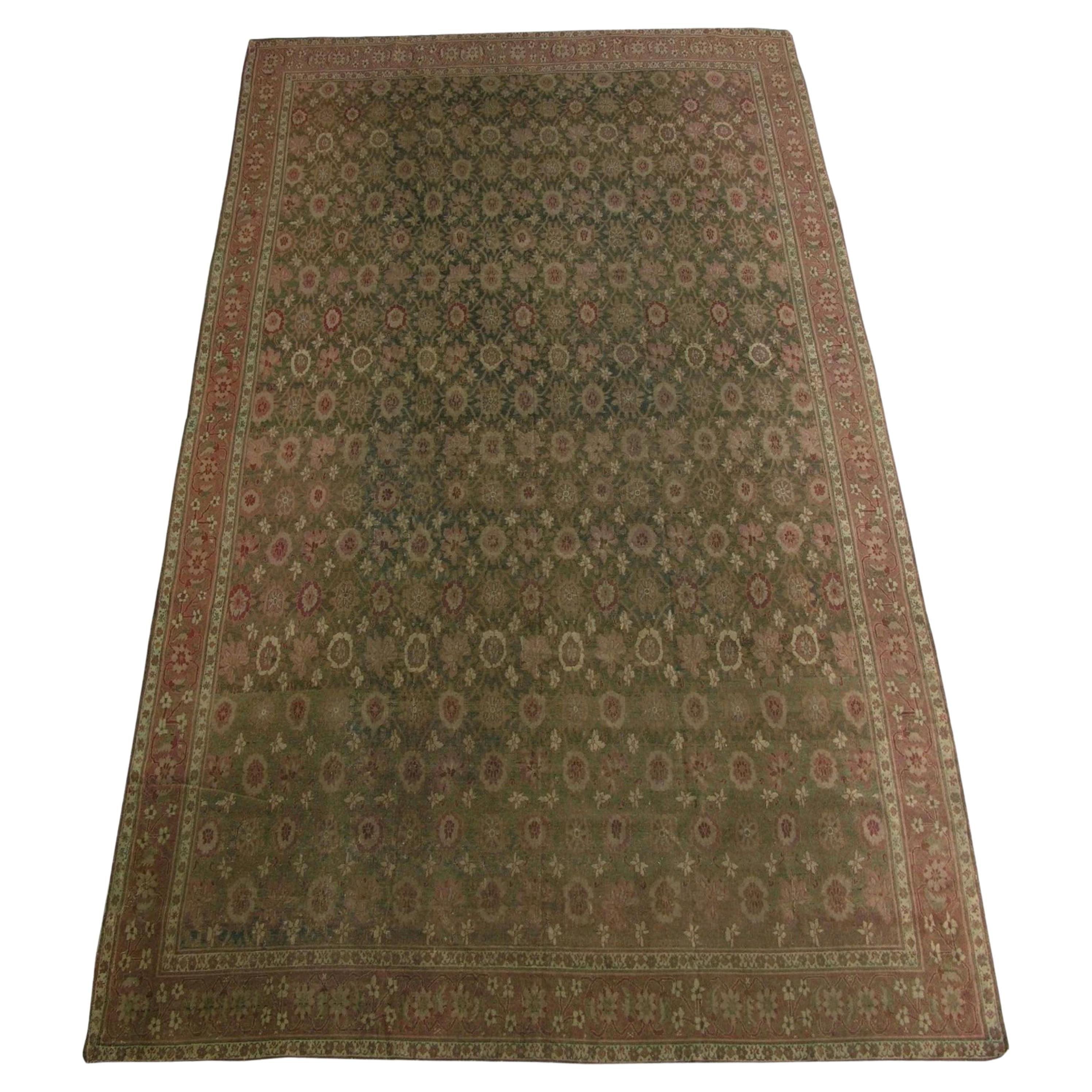
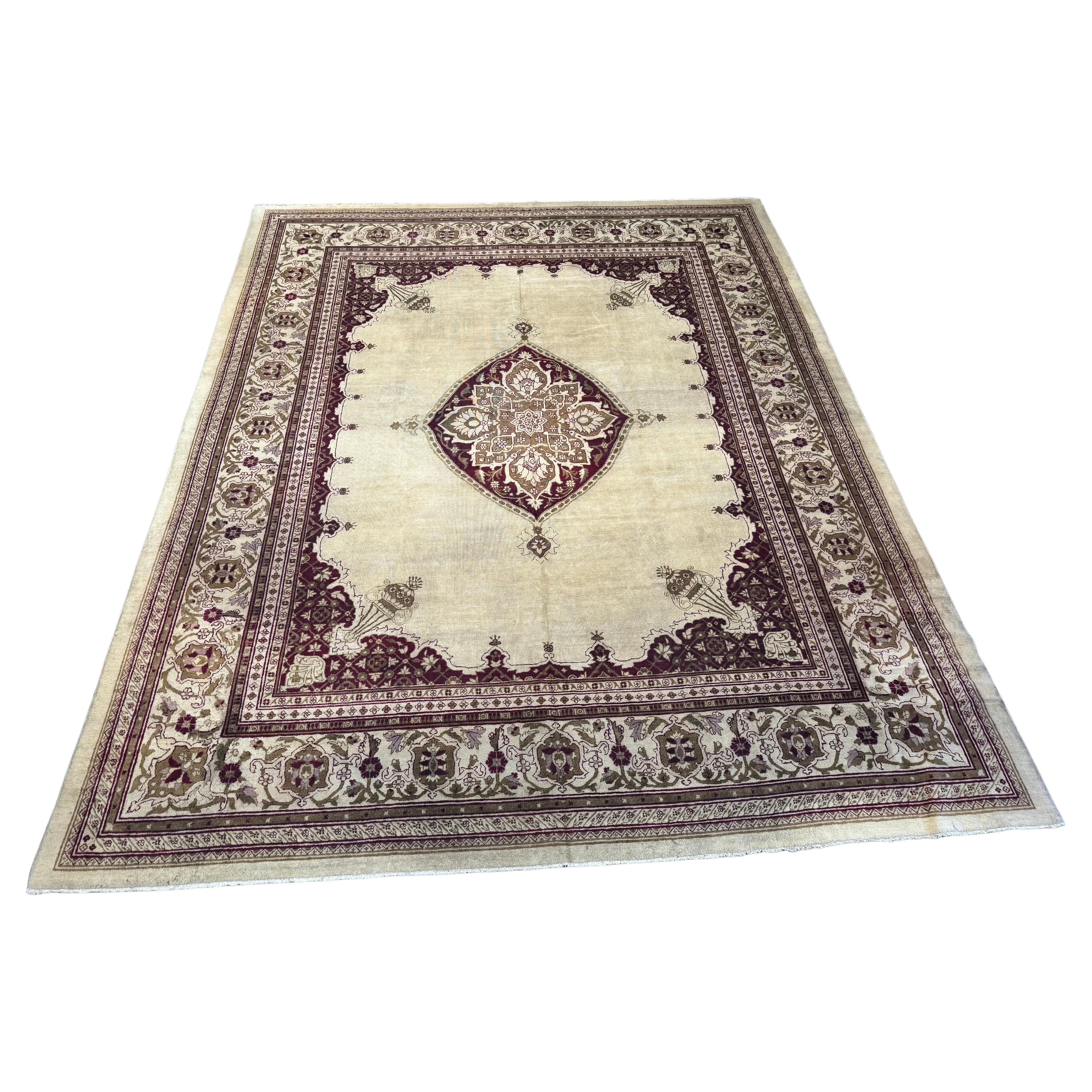
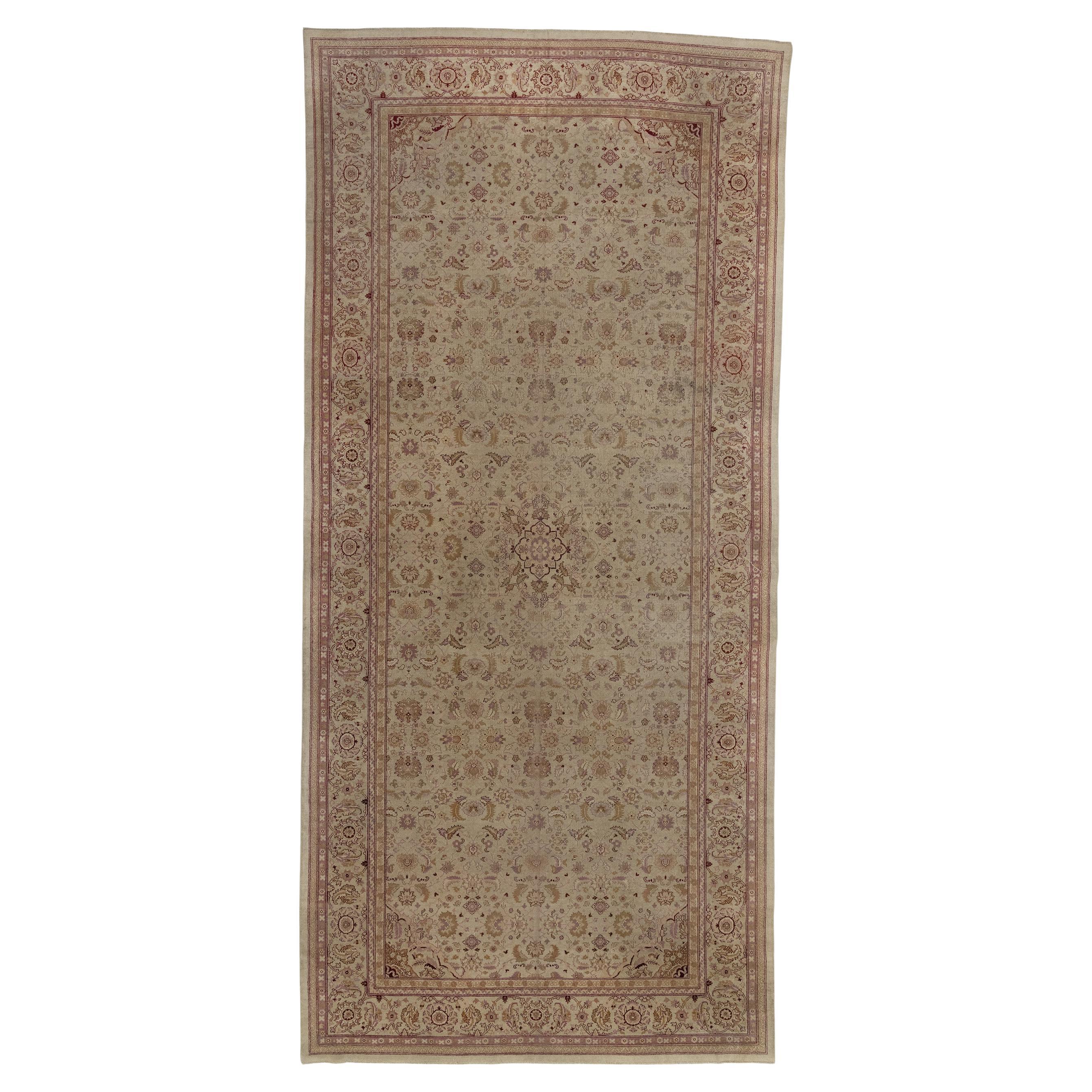
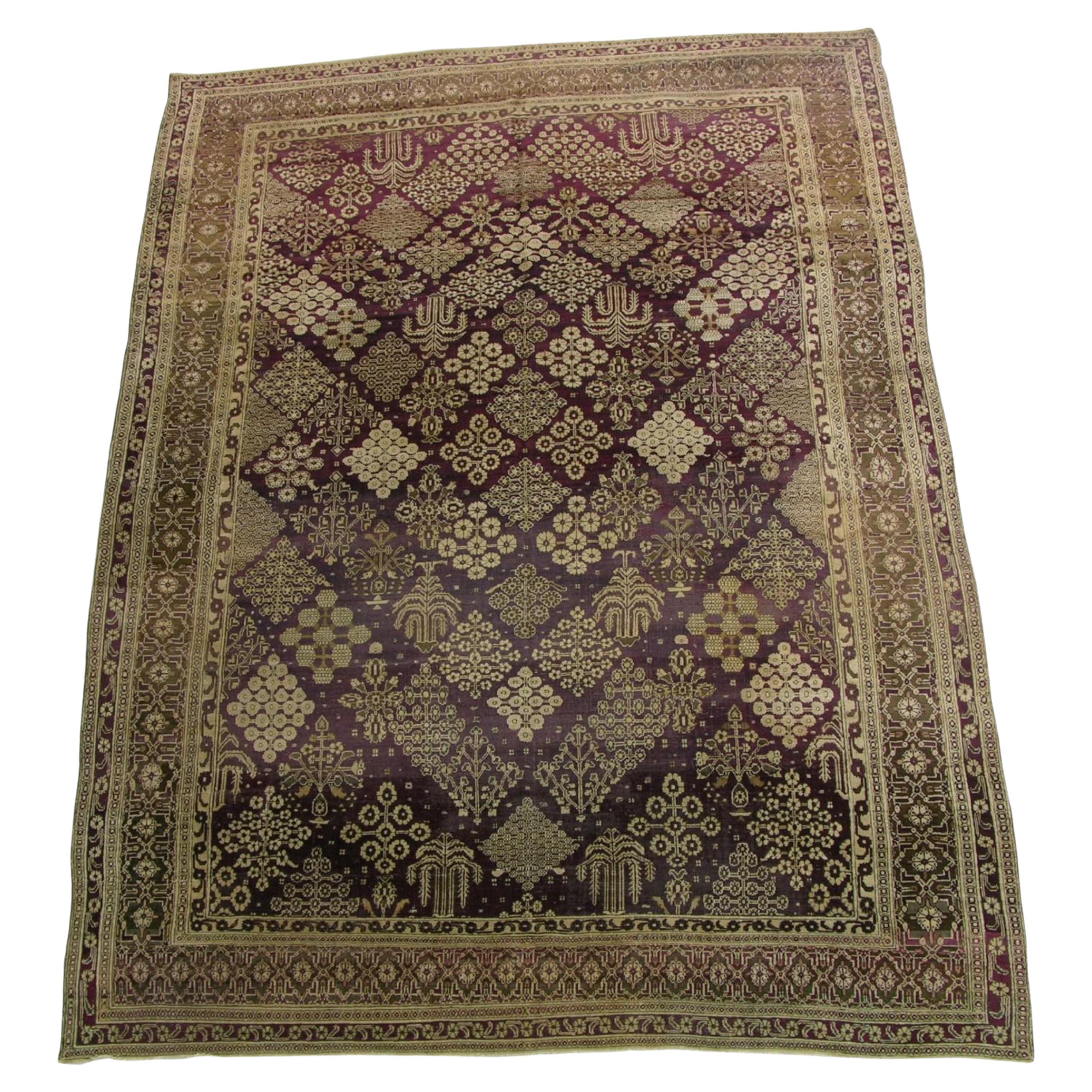
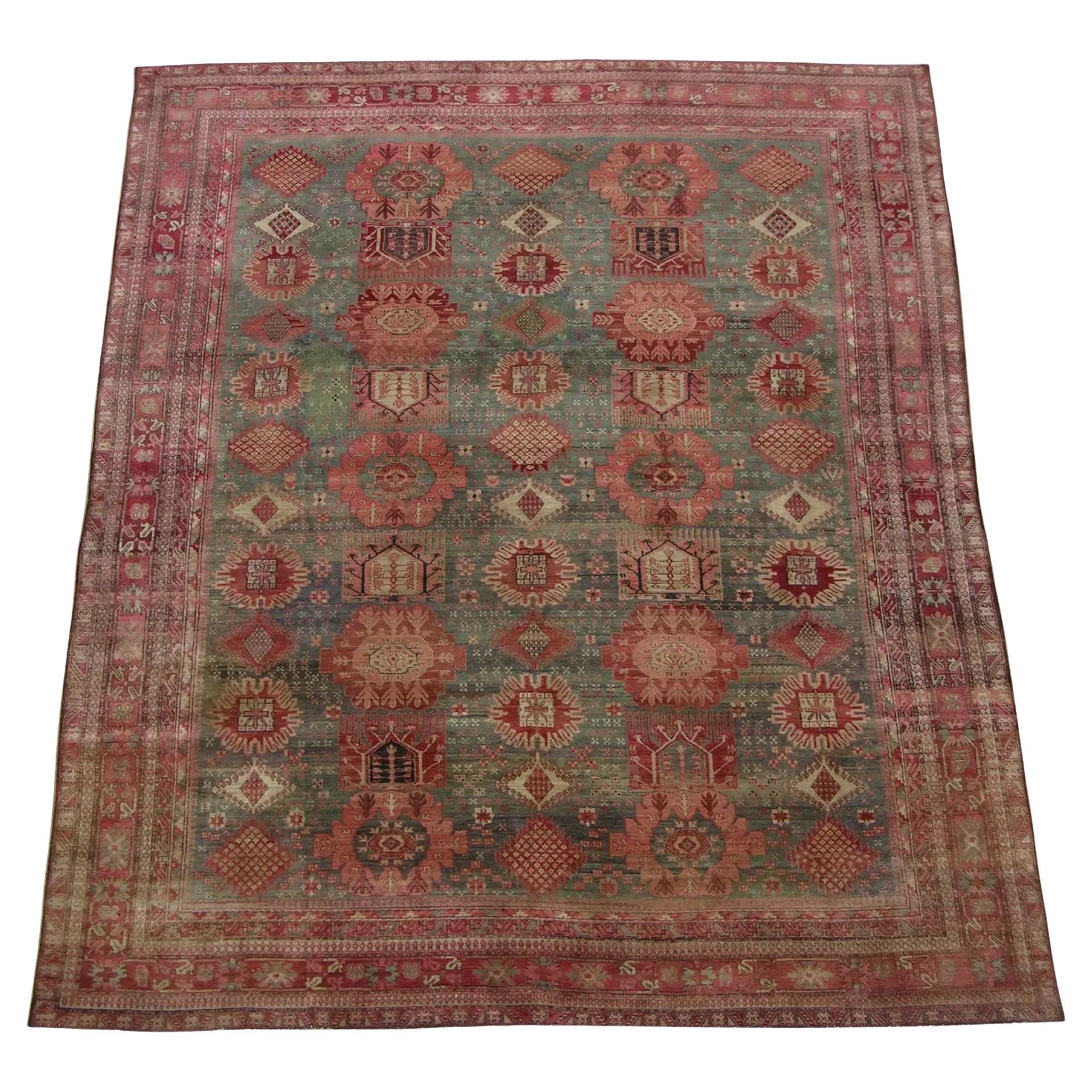
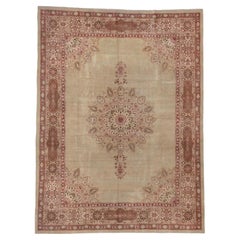
Mid-19th Century Indian Amritzar Rug
$18,750
£14,172.83
€16,256.82
CA$26,138.27
A$28,453.64
CHF 15,103.20
MX$342,358.54
NOK 191,378.14
SEK 175,356.46
DKK 121,404.98
About the Item
Antique Amritsar Rugs – The spectacular rugs of Amritsar capture the exotic style of India while incorporating a subtle colonial influence. This convergence of eastern and western styles results in an exceptionally alluring appearance that has been beloved by western consumers historically and today. The outstanding old Amritsar carpets were created by influential exporters to fuel the demand for exotic rugs and textiles following Queen Victoria’s 1851 Great Exhibition in the Crystal Palace. Elegant curvilinear botanical motifs and superior materials have made Amritsar carpets particularly desirable and easy to appreciate.
Amritsar carpets are extremely distinctive within the production of Indian carpets. Unlike the Agra Rugs, those produced in Amritsar, in the far north of India near Kashmir, do not represent a continuous production back to Mughal times. They seem to have resulted from a new nineteenth-century initiative under British rule. As such the Amritsar rug weavers were free to approach carpet design more on the basis of western needs than on their own traditions, so their carpets were from the outset well adapted to western decorative use. While their designs responded to contemporary Persian production, Amritsar rugs were generally made with a softer earthier palette, often with a tendency to burgundy or aubergine tones. To this day, they remain a superior decorative rugs by virtue of their flexible formal repertoire and coloration.
Amritsar is located in northwest India. Carpet production began in the late 19th and early 20th centuries during the rise of the British supremacy. Due to Western influence and European demand, the weavers were very prolific during this period. Designs appealed to Western tastes employing large-scale patterns featuring millefleur (thousands of flowers) motifs. A subtle color palate of light blues, yellow, teal and rust characterize these Indian rugs. Amritsar rugs often have cotton foundations, are double weft and use an asymmetrical knot. Very good quality wool is used resulting in a luxurious feel.
The popularity and influence of Amritsar rugs can be traced back to the British Empire’s Colonial rule in India. For the first time, in 1851, at the Great Exhibition in the Crystal Palace, Queen Victoria exposed the world, including laypeople, to the exotic look and feel of the Orient, and began the Western world’s love affair with purchasing “exotic” home furnishings.
The craftspeople of Northern India were quick to capitalize on this trend, making sure they could meet the demand for Amritsar rugs from wealthy people, especially in London, who considered it a status symbol to have beautiful, handcrafted Oriental rugs throughout their opulent homes.
Amritsar rugs were also a point of national pride for the English. For example, every time a Londoner displayed an Amritsar rug in his home, it was a reminder of the tremendous power and scope of the British Empire. National pride, in conjunction with all of the wealth that began pouring into the United Kingdom because from the sale of Oriental goods, were the main drivers in creating a large, highly-profitable market for Oriental artwork, in general.
Collectors in London, the United States, Canada, and other Western markets, were especially enamored by the elegant designs on Amritsar rugs, such as curved botanical motifs, and greatly appreciated the superior materials used in manufacturing these works of art. The soft, earthly palette of most Amritsar rugs, which featured burgundy or aubergine tones, complemented their other furnishings, making the rugs even more desirable.
Today, the Western world’s fascination with Oriental pieces of art – including Amritsar rugs – continues. The rugs remain highly desirable for collectors, mainly because of their flexibility to blend in with the color and style of elegant, modern homes throughout the world. Almost 200 years later, the unique styles of rugs that emerged in the nineteenth century in India are still widely regarded by art critics and historians, as some of the best designs ever created within the art and home furnishings industries.
History Of Antique Indian Amritsar Rug Rugs
During the period of Colonial rule over India, Amritsar rugs began to reflect Western influences in their design. The craftspeople of Northern India took their chance to profit from the ever-increasing demand for exotic carpets by Queen Victoria. It was after the Great Exhibition in 1851 in the Queen’s Crystal Palace that the wonders of the Oriental lands were brought to the world’s attention.
London took easily to the wildly different and exotic, yet oddly familiar patterns that Amritsar rugs offered. Oriental rugs made the United Kingdom even wealthier than before, and the popularity of exotic artwork was on an uptick. Amritsar rugs reflected British influence in India while still retaining elements of surprise and mystery.
Amritsar rugs center on plant-like motifs that swirl and curve into elegant designs. Rugs are made from materials of only the highest quality. Designed with the British, Americans, and Canadians in mind, Amritsar rugs feature a toned-down earthy palette with burgundy hints that don’t overwhelm the eyes. These rugs are far more modest and much less boastful than oriental rugs woven in bright reds and rich purples. This muted look caught the eyes of London collectors and lead to the popularization of the Amritsar rugs.
The popularity of Amritsar rugs is still unceasing. The Western influence on these Indian carpets leaves these rugs under the intense admiration and adoration of art critics and knowledgeable historians to this day. Their reputation lends to their collectability and desirability. Amritsar rugs don’t seem to be exiting the world stage any time soon.
About the Seller
5.0
Vetted Professional Seller
Every seller passes strict standards for authenticity and reliability
Established in 1920
1stDibs seller since 2023
71 sales on 1stDibs
Typical response time: 1 hour
- ShippingRetrieving quote...Shipping from: Los Angeles, US
- Return Policy
More From This Seller
View All1900s Antique Indian Amritsar Rug - 11
10
X 9
6
Located in Los Angeles, US
Antique Amritsar Rugs – The spectacular rugs of Amritsar capture the exotic style of India while incorporating a subtle colonial influence. This convergence of eastern and western st...
Category
Antique Early 1900s Indian Empire Indian Rugs
Materials
Wool, Cotton
Antique Indian Amritsar Rug - 16
0
X 9
0
Located in Los Angeles, US
During the period of Colonial rule over India, Amritsar rugs began to reflect Western influences in their design. The craftspeople of Northern India took their chance to profit from ...
Category
Antique Early 1900s Asian Other Russian and Scandinavian Rugs
Materials
Wool, Cotton
Hand-Knotted Amritsar Wool Rug – 14.9
x 11.10
Located in Los Angeles, US
Description:
A finely hand-knotted Indian Amritsar rug, measuring 14.9' x 11.10', crafted circa 1900. Woven in the renowned weaving center of Amritsar during the early 20th century, ...
Category
Antique Early 1900s Indian Other Indian Rugs
Materials
Wool
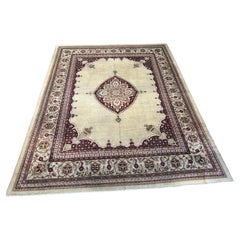
1900s Antique Indian Agra Rug - 12
0
X 8
9
Located in Los Angeles, US
Antique Agra Rugs Agra has been a major center of area rug and carpet production since the great period of Mughal art in the sixteenth and seventeenth centuries. When the carpet indu...
Category
Antique Early 1900s Indian Empire Indian Rugs
Materials
Wool, Cotton
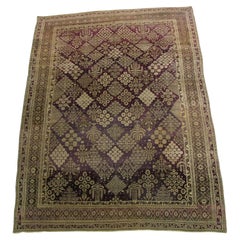
Antique Indian Agra Rug - 11
4
X 9
0
Located in Los Angeles, US
Antique Agra Rugs Agra has been a major center of area rug and carpet production since the great period of Mughal art in the sixteenth and seventeenth centuries. When the carpet indu...
Category
Antique Early 1900s Indian Empire Indian Rugs
Materials
Wool, Cotton
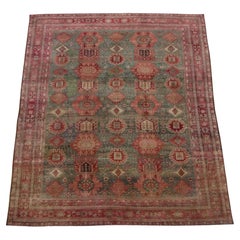
1900s Antique Indian Amritsar Rug - 10
6
X 7
9
Located in Los Angeles, US
During the period of Colonial rule over India, Amritsar rugs began to reflect Western influences in their design. The craftspeople of Northern India took their chance to profit from ...
Category
Antique Early 1900s Indian Empire Indian Rugs
Materials
Wool, Cotton
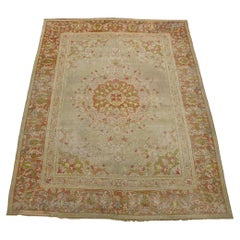
You May Also Like
Indian Amritsar Rug, circa 19th Century
Located in Los Angeles, CA
This is a beautiful rug featuring delicate floral patterns and a soft color palette of beige, brown, pinks, and crimson.
Category
Antique 19th Century Indian Indian Rugs
Materials
Wool
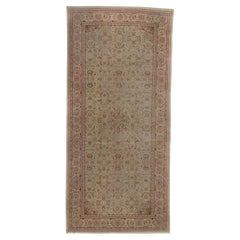
19th Century N. Indian Agra Carpet ( 11
10" x 15
- 360 x 458 )
Located in New York, NY
The rich deep brown field displays a very close rendering of the classic allover Herati pattern of open diamonds, ‘fish’ leaves and palmettes, while the nine patterned borders of thi...
Category
Antique 1890s Indian Agra Indian Rugs
Materials
Wool
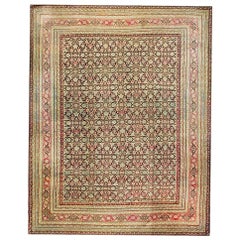
Late 19th Century Antique Indian Agra Carpet, 12
00 x 16
09
Located in Dallas, TX
76592 Late 19th Century Antique Indian Agra Rug, 12'00 x 16'09. Indian Agra rugs are hand-knotted carpets originating from Agra, Uttar Pradesh, India, known for their intricate flora...
Category
Antique Late 19th Century Indian Agra Indian Rugs
Materials
Wool
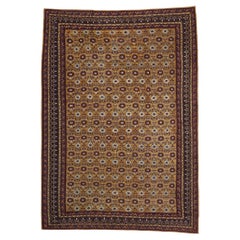
Antique Wool Handwoven Indian Amritzar Rug
Located in West Hollywood, CA
The caramel-brown and shaded mole-grey and burnt orange field with bold open split-palmette lozenges each containing delicate floral vine, palmettes and flowerheads, in a mole-grey b...
Category
Antique Late 19th Century Indian Indian Rugs
Materials
Wool
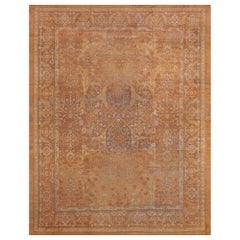
Antique Indian Amritzar Carpet, circa 1920s
Located in New York, NY
The straw-ecru open field displays a multiply pendanted round medallion with extra vase pendants and en suite quarter corners, all in a general Ardebil carpet pattern. Cartouche and ...
Category
Vintage 1920s Indian Tribal Indian Rugs
Materials
Wool
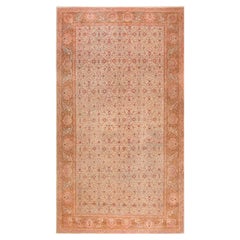
Antique Indian Amritsar Rug. Size: 12 ft 10 in x 22 ft 6 in
Located in New York, NY
A gorgeous antique oversized Indian Amritsar rug with beautiful floral patterns, Country of Origin / Rug Type: Indian Rugs, Circa date: 1900. Size: 12 ft 10 in x 22 ft 6 in (3.91 m x...
Category
Early 20th Century Indian Other Indian Rugs
Materials
Wool
More Ways To Browse
1851 Great Exhibition
Thousand Flowers
The Crystal Palace
Medieval French
Portuguese Marble Coffee Table
Retro Home Bars
Round Arts And Crafts Table
Set Of 8 Upholstered Dining Chairs
Sterling Furniture Company Antique
Vintage Chartreuse
Wells Sofa
Austria Hungary
Austrian Hungary
Century Furniture Country French Desk
French Fruitwood Table
German Wurttemberg
Low Glass Table
Peter Hvidt Orla Molgaard