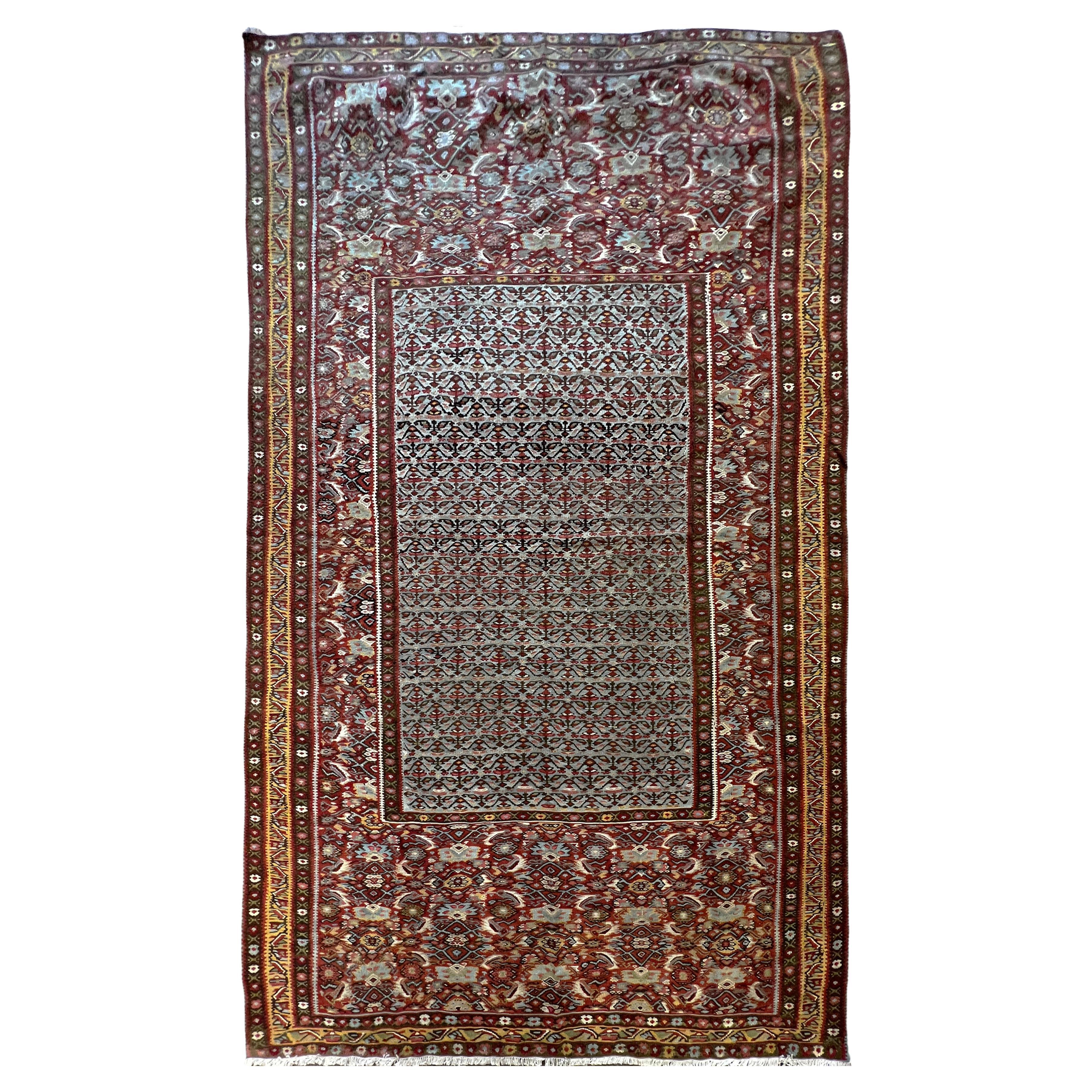
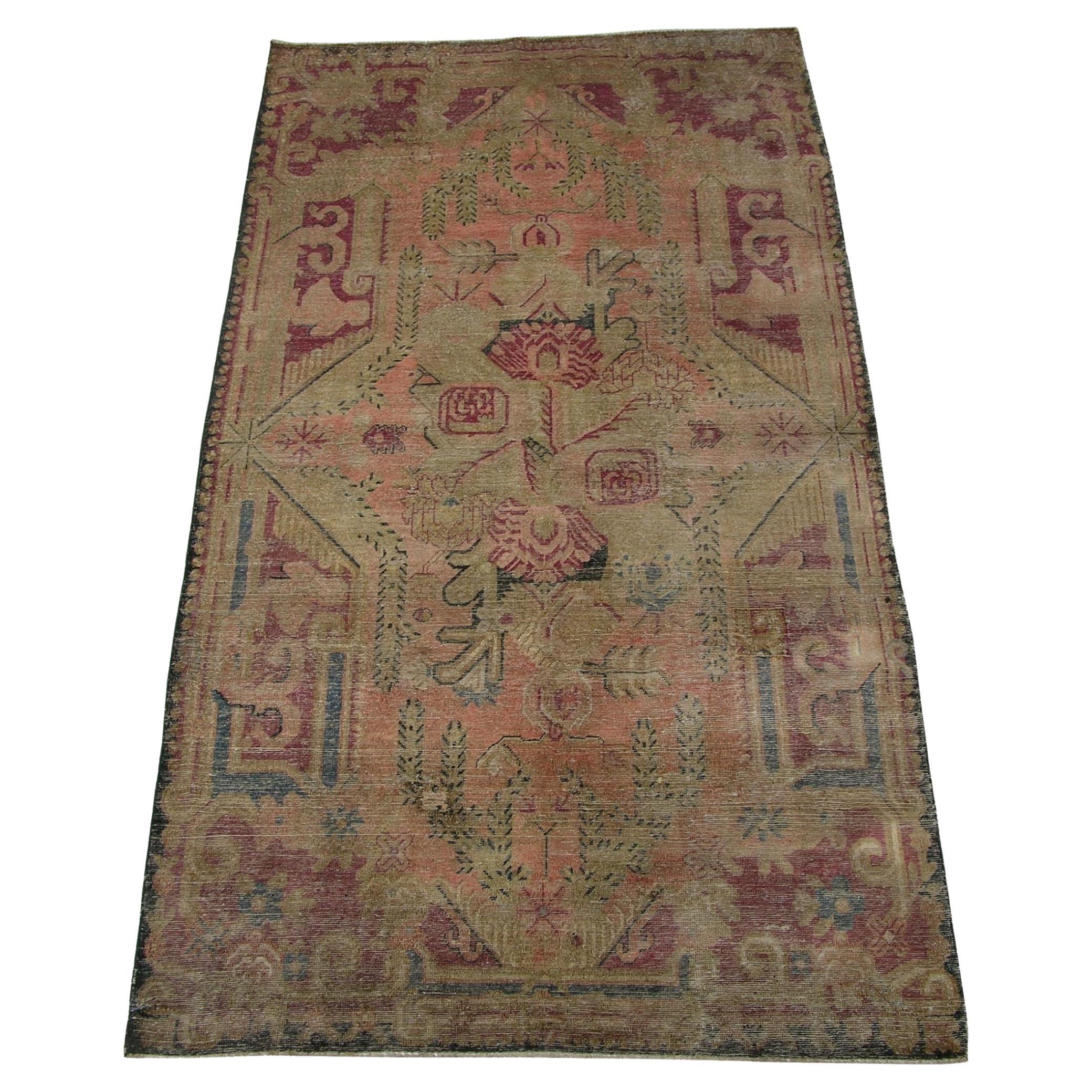
Want more images or videos?
Request additional images or videos from the seller
1 of 5
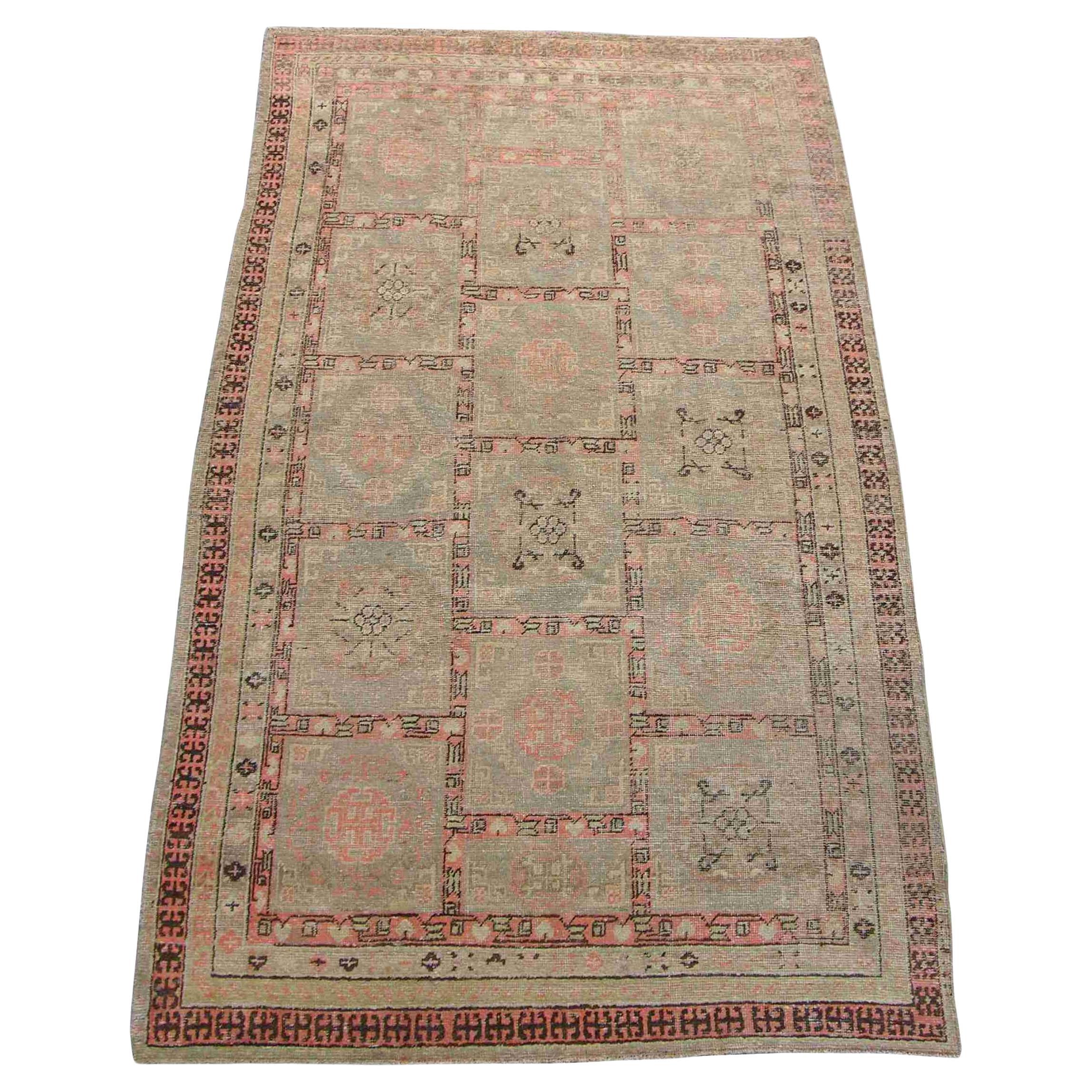
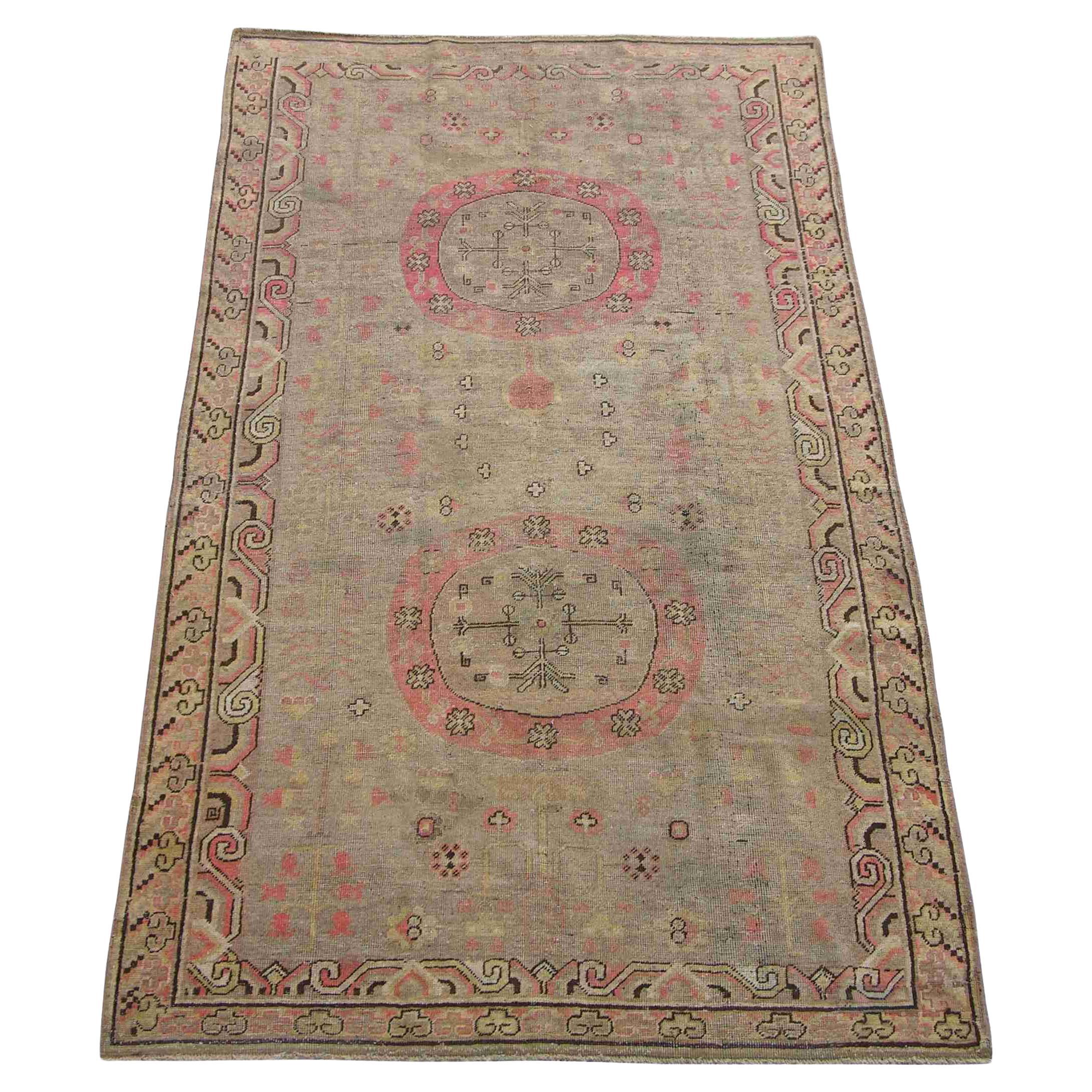
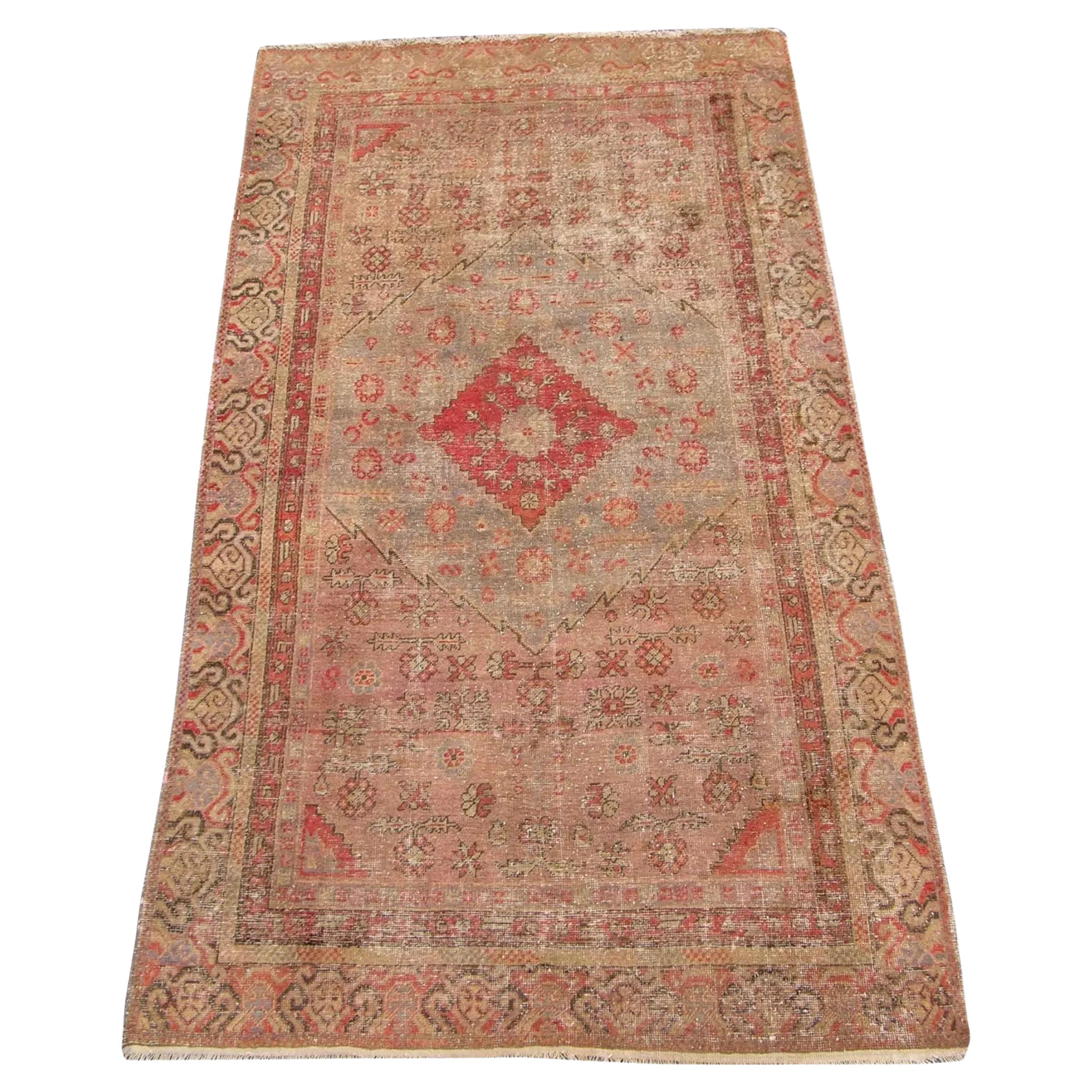
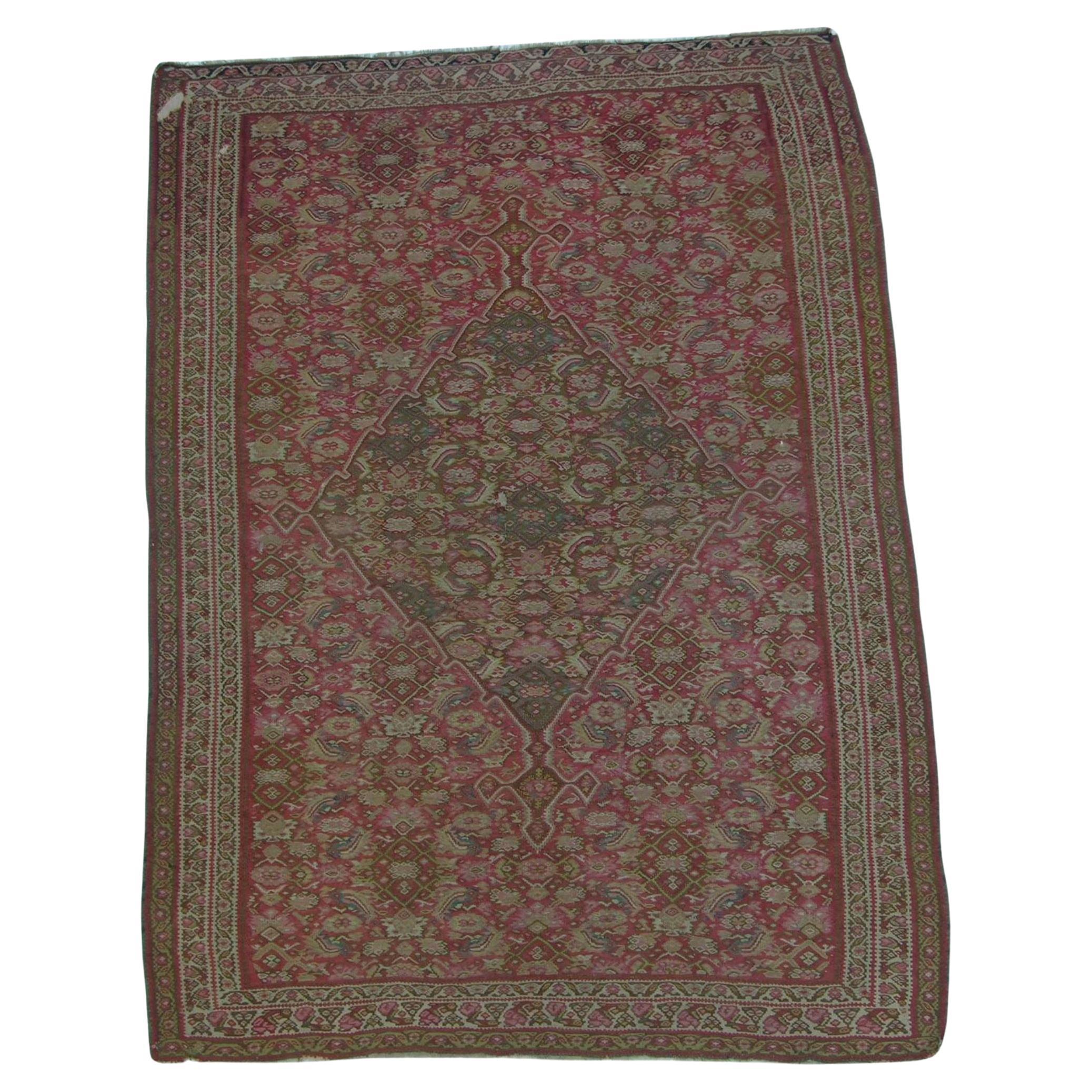
1910s Antique Kilim Rug
$5,850
£4,430.83
€5,088.06
CA$8,198.36
A$8,916.62
CHF 4,725.48
MX$106,839.73
NOK 60,058.45
SEK 55,021.71
DKK 38,031.27
About the Item
Antique rugs that are called “Kilim rugs”, primarily refer to a type of flat weave rug that was produced without knotted pile. Because these antique rugs are found across the globe, each region has a different pronunciation and spelling of the name Kilim. Homers Iliad and Egyptian tomb paintings, from the same time period, depict weavers producing rugs and carpets of this kind.
Since this is one of the oldest methods of rug production, it is considered to be primitive compared to Oriental hand knotted rugs. Comprised of simple interlocking strands of wool, hair or fiber, Kilims are durable, decorative and used for many purposes. Some of these uses include, clothing, shelter, storage, floor coverings, pillows and barter / trade.
Once overlooked as utilitarian, low status items, antique Kilims are now prized as some of the most powerful and authentic weaving of the Middle East. Kilim rugs (Gilim in Persian) is a Turkish word denoting Caucasus made in simple flat-woven or tapestry technique, in which the pattern is produced entirely by horizontal wefts that cover the vertical warps.
This technique makes it very difficult to produce continuous vertical linear separations of color in the design, so Kilims often have a stepped or crenelated effect. While the weaving quality of kilims can be fine, they tend to rely more on large-scale patterns with striking drawing and effects of color. They may utilize allover designs or grand shield-like medallions.
The most well known Kilims are those of Turkey or Anatolia, which are varied in type and effect, but Caucasian and Persian Jajim and Kilim rugs are also appreciated nowadays for their color and high technical skill. Given their thinner, supple structure, Kilim rugs are usable not only as decorative floor covering, but also as wall hangings and on furniture or bed coverlets as well.
Originating in Anatolia and the Caucasus, flat woven kilims and tribal symbols gradually transitioned to pile rugs as nomadic and semi-nomadic herders ebbed back and forth across the continent. Traditions from turkey and the Levant traveled steadily eastward to the Mougal / Mughal states of Pakistan and India as well as Buddhist regions of Tibet, China and East Turkestan.
Kilim rugs are beautiful Middle Eastern masterpieces that denote pile-less textiles. Because these rugs do not feature that additional backing, they are often much thinner and easier to apply to walls as tapestries or on top of bare-bones flooring and other sections around the room. These rugs follow a specific flat-weaving technique that originated around Turkey, North Africa, Iran and Afghanistan. As these weaving techniques spread around the world, weavers from all over began to develop their own kilim rugs, incorporating their own traditional cultural elements through the use of this style of weaving.
kilims feature muted colors and thin textures to allow the picture itself to stand out as the most noticeable feature on the rug’s surface. Warm colors are often used as the primary hues throughout, though many kilims tend to balance the landscape by also applying cooler tones, which help create points of contrast that entice the viewer’s responsiveness. Classical Turkish motifs are also often used along the rug’s surface, with elements such as perennials, pomegranates and fronds featured heavily in both borders and centers. The flow of movement generally varies from rug to rug, though angular motions are used more often to establish a central degree of grounding. Decorating with kilims can be as simple as setting them alongside other muted elements to create a pleasant transition for the eyes.
Many kilims use sharply contrasting colors to stand out as centerpieces, but the muted tones are otherwise best applied as an accenting force, especially if there are brighter and more noticeable furnishings present in the room. Set kilims alongside furnishings or underneath functional pieces of furniture, such as tables and chairs, to allow the room’s dynamic to flow more elegantly, especially if there are neutral tones and lighter colors that can match the kilim’s degree of visibility.
- Dimensions:Width: 101 in (256.54 cm)Length: 109 in (276.86 cm)
- Style:Other (In the Style Of)
- Materials and Techniques:
- Place of Origin:
- Period:1900-1909
- Date of Manufacture:1900
- Condition:good condition.
- Seller Location:Los Angeles, US
- Reference Number:Seller: 5681y1stDibs: LU9020235554402
About the Seller
5.0
Vetted Professional Seller
Every seller passes strict standards for authenticity and reliability
Established in 1920
1stDibs seller since 2023
72 sales on 1stDibs
Typical response time: 1 hour
- ShippingRetrieving quote...Shipping from: Los Angeles, US
- Return Policy
More From This Seller
View AllAntique Samarkand Rug 1900 -9
7
X 5
3
Located in Los Angeles, US
Antique Uzbek Samarkand Rug 9'7'' X 5'3'', tribal and traditional, antique and vintage, wool on cotton foundation
Category
Antique Early 1900s Uzbek Tribal Russian and Scandinavian Rugs
Materials
Cotton
Antique Samarkand Rug 1900 -9
1
X 4
10
Located in Los Angeles, US
Antique Uzbek Samarkand Rug 9'1'' X 4'10'', tribal and traditional, antique and vintage, wool on cotton foundation
Category
Antique Early 1900s Uzbek Tribal Russian and Scandinavian Rugs
Materials
Wool, Cotton
Antique 19th Century Samarkand Rug
Located in Los Angeles, US
Antique Samarkand Rugs: The desert oasis of Khotan was an important stop on the Silk Road. The people of Khotan were expert carpet weavers who produced high quality antique rugs and ...
Category
Antique 19th Century Uzbek Other Russian and Scandinavian Rugs
Materials
Wool, Cotton
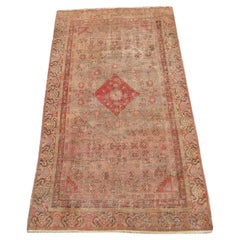
1900 Antique Flat Weave Kilim Rug 6
4
X 4
6
Located in Los Angeles, US
1900 Antique Flat Weave Kilim Rug 6'4'' X 4'6''
Category
Antique Early 1900s Tribal Russian and Scandinavian Rugs
Materials
Wool
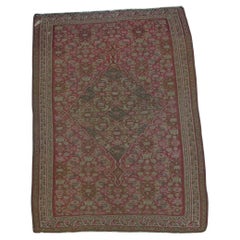
Antique 1920 Samarkand Rug
Located in Los Angeles, US
Antique Samarkand Rugs: The desert oasis of Khotan was an important stop on the Silk Road. The people of Khotan were expert carpet weavers who produced high quality antique rugs and ...
Category
Vintage 1920s Other Russian and Scandinavian Rugs
Materials
Wool, Cotton
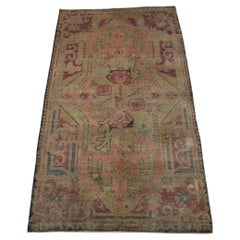
19th Century Vintage Samarkand Rug
Located in Los Angeles, US
Antique Samarkand Rugs: The desert oasis of Khotan was an important stop on the Silk Road. The people of Khotan were expert carpet weavers who produced high quality antique rugs and ...
Category
Antique 19th Century Other Russian and Scandinavian Rugs
Materials
Wool, Cotton
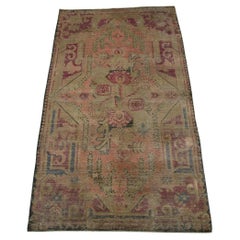
You May Also Like
224 - 19th Century Kilim
Senneh
Located in Paris, FR
224 - 19th century Kilim (Senneh).
Category
Antique 1850s Asian Kilim Central Asian Rugs
Materials
Wool

Fine Early 20th Century Senneh Kilim Rug
Located in Basingstoke, Hampshire
A fine Senneh kilim, dating from the late 19th-early 20th century. A very striking example demonstrating a large central medallion surrounded by well drawn Heratti design displaying ...
Category
Antique Late 19th Century Asian Kilim More Carpets
Materials
Wool
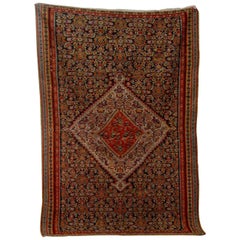
Large Vintage Oriental Hand Woven Wool Kilim Rug
Located in Los Angeles, CA
Materials: Hand Woven Wool
Condition: Original Vintage Condition
Dimensions: 0.50”H x 112.50”W x 89”D
Category
Vintage 1960s Turkish Other Persian Rugs
Materials
Wool
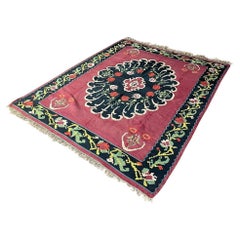
Early 20th Century Turkish Konya Kilim Rug
Located in Chicago, IL
A beautiful early 20th century Turkish Konya Kilim rug with two large diamond medallions flanked by stylized floral patterns, living on a field of more stylized flowers in a linear f...
Category
Vintage 1930s Turkish Kilim Turkish Rugs
Materials
Wool
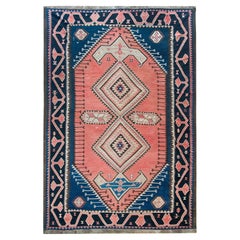
206 - Kilim 19th Century Senneh
Located in Paris, FR
206 - kilim 19th century senneh.
Category
Antique 1850s Asian Kilim Central Asian Rugs
Materials
Wool

1057 - Very Beautiful Old Kilim Senneh
Located in Paris, FR
1057 - Nice Kilim from the end of the 19th century with beautiful fine patterns, and beautiful pink, orange, yellow, green and dark brown colors, entirely and finely hand-woven with ...
Category
Antique 1880s Central Asian Kilim Central Asian Rugs
Materials
Wool
More Ways To Browse
Egyptian Tomb
French Glass Top Center Tables
Gold Bronze Console Table
Mid Century Chrome Stools
Modern Drinking Glass
Portuguese Baroque Furniture
Roger Capron Vallauris
Spanish Leather Armchair
Standing Desk
Sterling Silver Tray With Handles
Table Dancer
Transformable Furniture
Vintage Metal Buckets
Vintage Wagoneer
Vivai Del Sud Bamboo
Walnut Veneer Art Deco
1950 Danish Sofa
1970 Marble Coffee Table