Items Similar to Antique Bessarabian Tribal Runner - 12
X 4
1
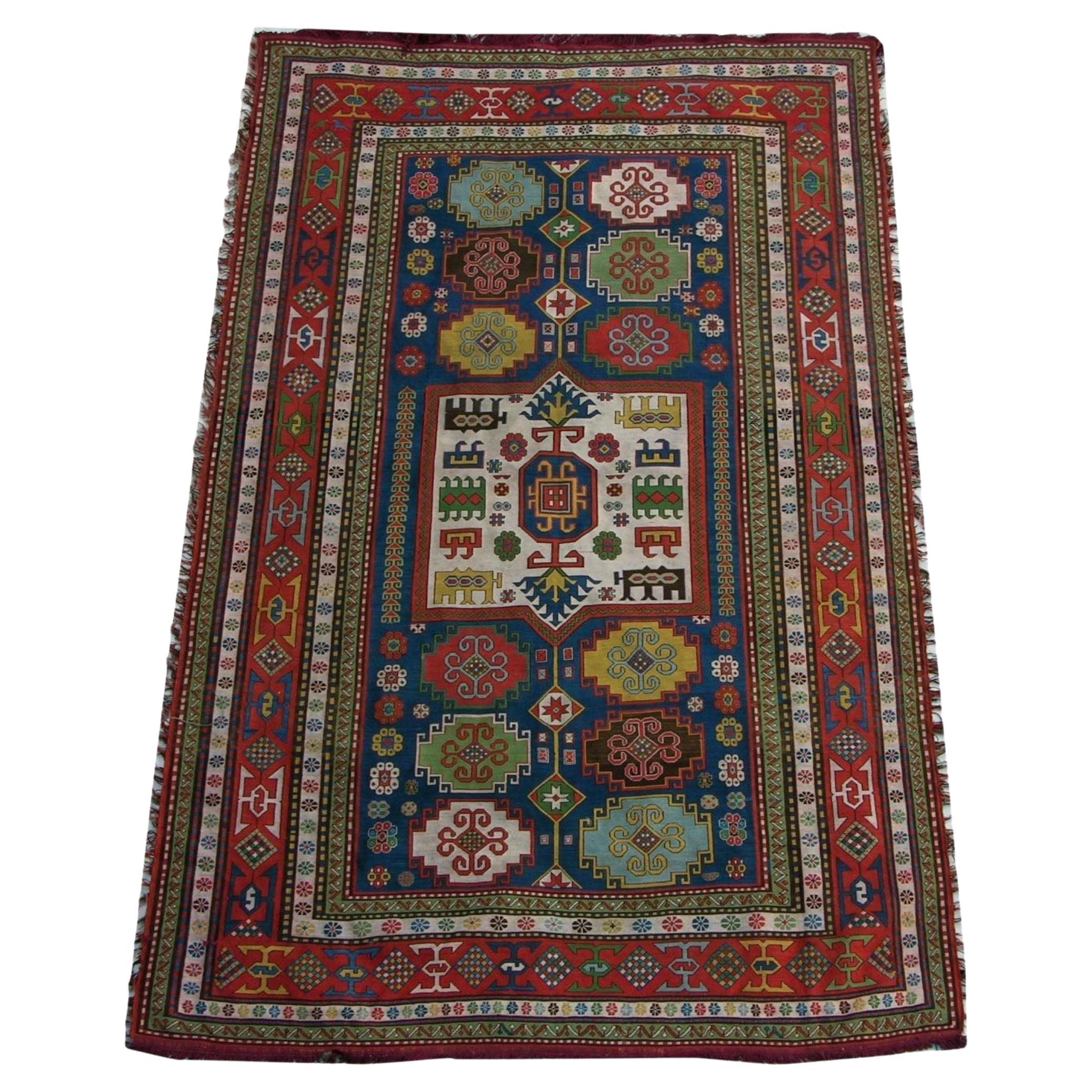
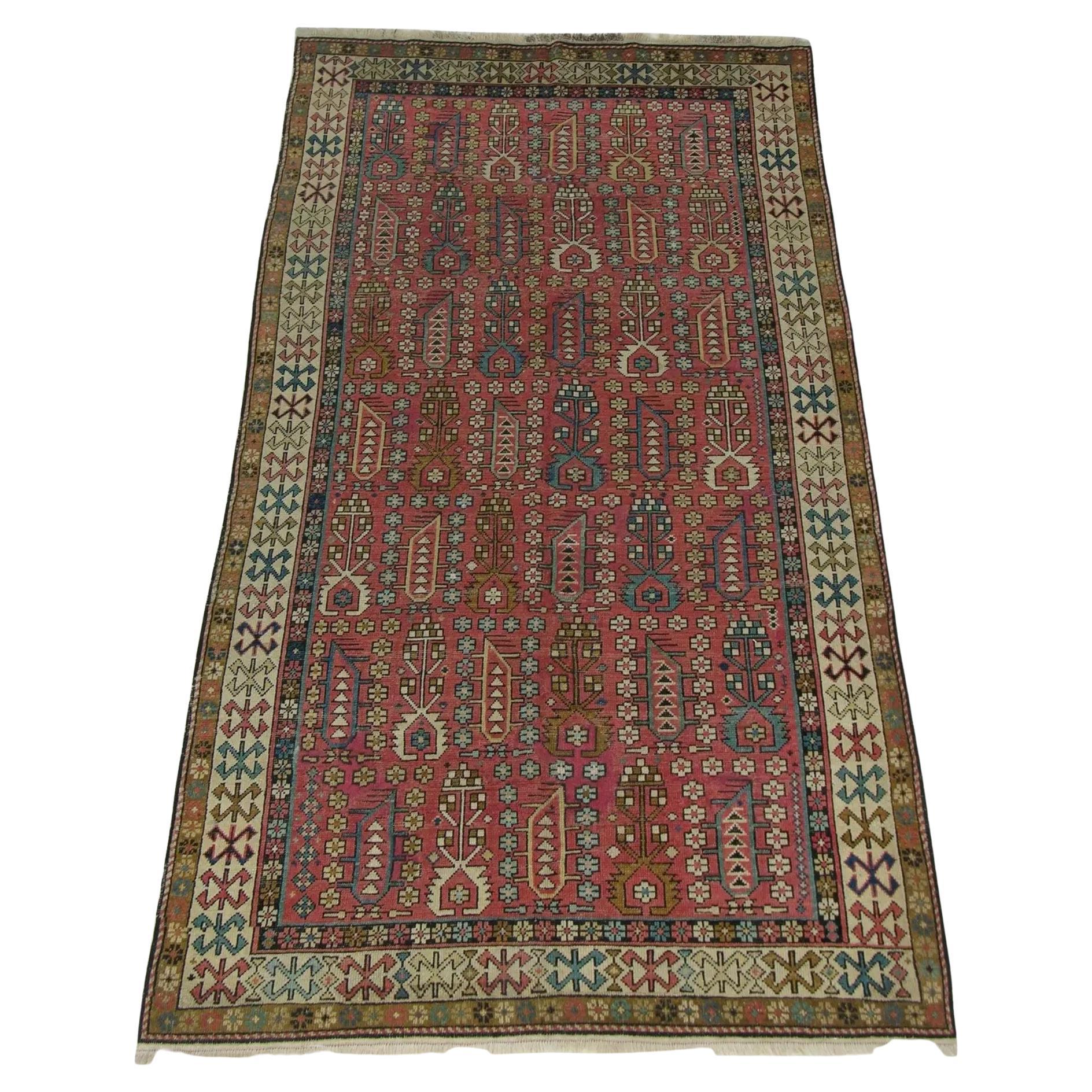
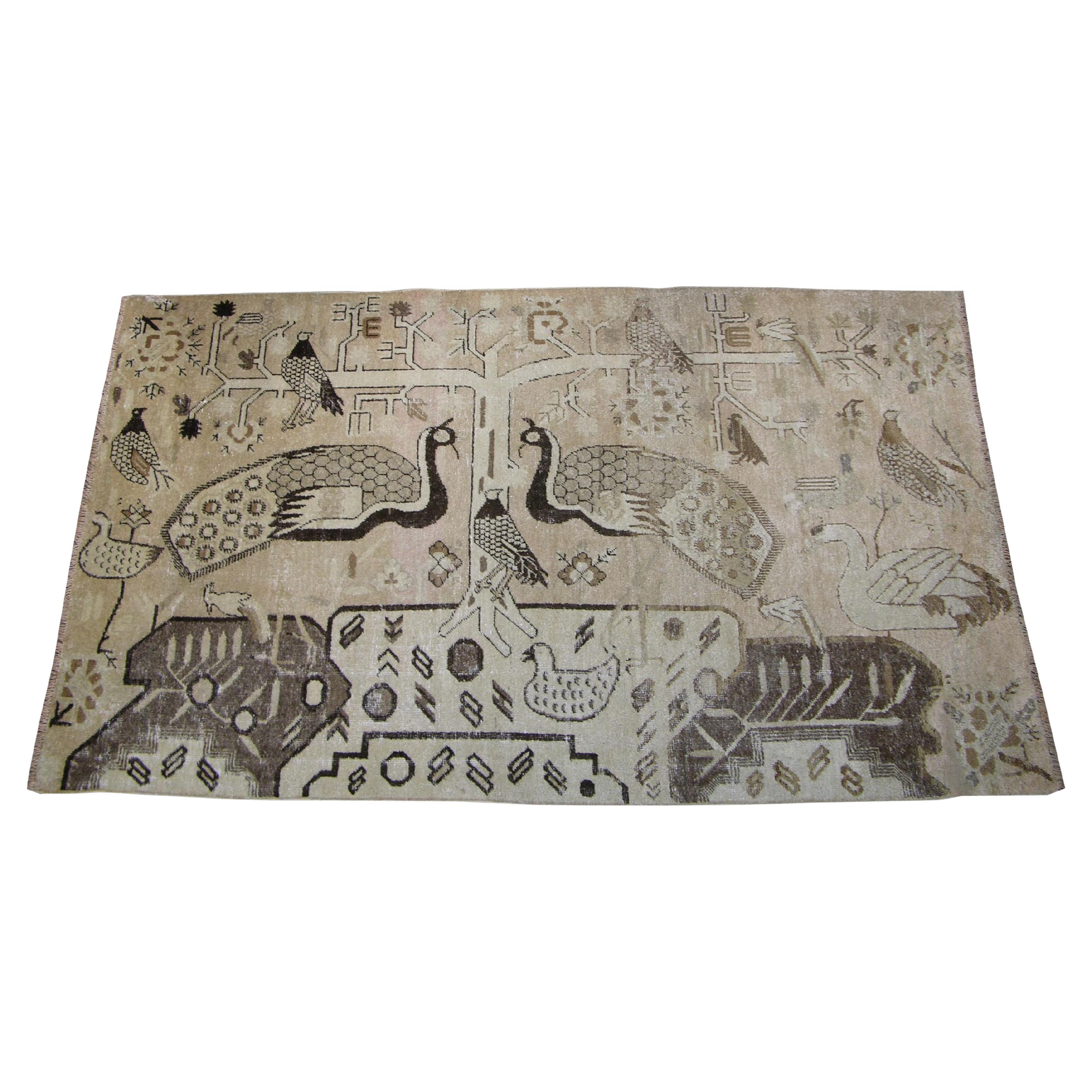
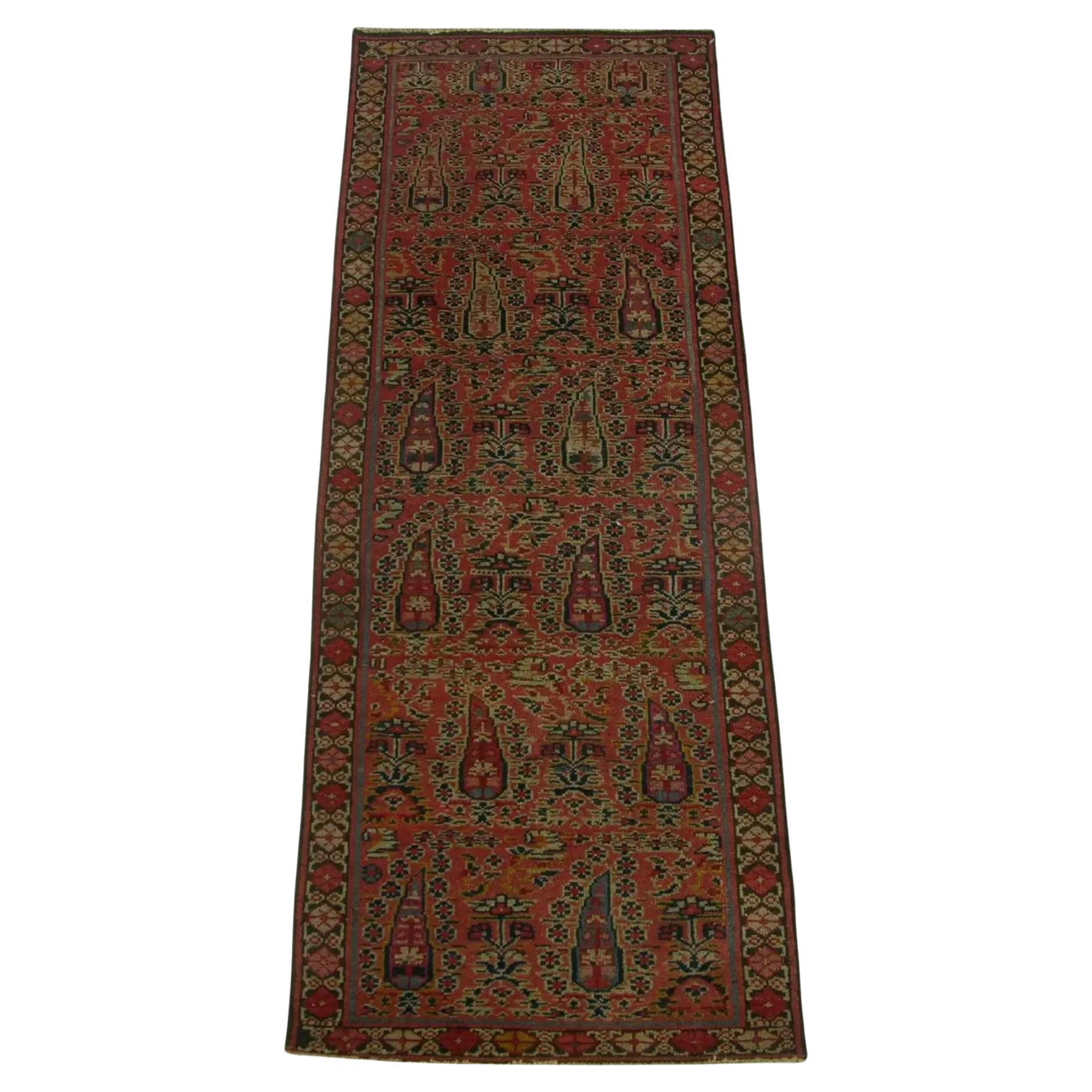
Want more images or videos?
Request additional images or videos from the seller
1 of 5
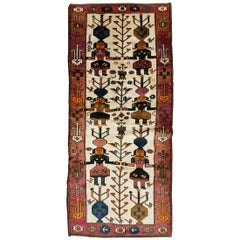
Antique Bessarabian Tribal Runner - 12
X 4
1
$4,200
£3,182.71
€3,667.71
CA$5,939.96
A$6,387.93
CHF 3,415.64
MX$77,036.60
NOK 43,193.07
SEK 39,354.45
DKK 27,405.91
About the Item
Antique Bessarabian Tribal Runner Rug 12' X 4'1''
- Dimensions:Width: 49 in (124.46 cm)Length: 144 in (365.76 cm)
- Style:Other (In the Style Of)
- Materials and Techniques:
- Place of Origin:
- Period:1900-1909
- Date of Manufacture:1900
- Condition:good condition.
- Seller Location:Los Angeles, US
- Reference Number:Seller: 5065y1stDibs: LU9020235522672
About the Seller
5.0
Vetted Professional Seller
Every seller passes strict standards for authenticity and reliability
Established in 1920
1stDibs seller since 2023
73 sales on 1stDibs
Typical response time: 2 hours
- ShippingRetrieving quote...Shipping from: Los Angeles, US
- Return Policy
More From This Seller
View AllVintage Tribal Silk Soumak - 6
9
X 4
3
Located in Los Angeles, US
Soumak rugs (also spelled Sumak) – This construction technique produces a flat-weave rug that is thick, strong and exceptionally durable. Unlike kilims, Soumak rugs are not reversible because non-clipped yarns are left on the back. However, they are also stronger than kilims.
Antique Soumak carpets are unique because the wefts are used to produce decorative patterns rather than as a structural element. Antique Soumak rugs are generally very finely woven and feature richly detailed motifs. Traditionally, these spectacular flat-weave carpets are decorated with ancient symbols, tiny birds and geometric animals. Many of these geometric patterns and tribal symbols are associated with the Shahsavan tribe. In the 17th century, these influential warriors served as the personal bodyguards to Shah Abbas according to historic legends. The Shahsavan, who used Soumak weaving techniques widely, inhabited modern-day Azerbaijan and parts of Northwest Persia near Ardabil.
Because Soumak rugs were woven in various carpet producing regions, the designs they feature are exceptionally diverse. Although they are fairly rare compared to pile carpets and traditional kilims, antique Soumak rugs feature grand medallions, finely executed repeating patterns, Persian garden designs and tribal motifs that are surrounded by multiple sets of richly detailed borders. Antique Soumak rugs make outstanding floor coverings, but the technique was also used to construct bags, trappings, saddle covers, decorative bed spreads and functional household items. Like other regional handicrafts, antique Soumak rugs are highly decorative and diverse textile pieces that flatter modern furnishings and soften minimalist interiors very well.
Soumak or Sumak is a type of brocading or flat-woven pile. Thicker than a kilim carpet, it is accomplished by looping the yarn horizontally around successive pairs of warps in between passes of over-under wefting. When compressed vertically with a weaver’s comb, the resultant texture looks like cabling rising slightly from the surface of the rug. Soumak is named for the village of Shemaka in the Caucasus where this technique was widely practiced, but it certainly was not invented there. Soumak has been practiced extensively across the antique rug producing world, from Central Asia to Iran, the Caucasus, and Turkey.
Antique Soumak Weave Techniques:
Soumak Weave – The art of fine rug weaving and making is ancient and complex. Over the centuries, a myriad of disparate cultures, from every corner of the globe, have developed methods of creating tight, long-lasting weaves, such as rugs, carpets, and kilims.
As such, there is no singular, universal method for creating a fine weave; rather, there are several different, totally distinctive weaving techniques. These techniques and approaches have been developed over time and that are unique to the area, tribe and or people.
One specific example of a type of weave that was developed and is still used to this day is the Soumak weave. The widespread adaptation of the Soumak weave by such a wide range of different rug-producing cultures is certainly a rather strong testament to the quality and “reproducibility” of the process — cornerstones of any long-lasted artistic technique.
One of the most familiar types of antique weaving from the Caucasus region is the Soumak. These were produced in a wide array of designs, but generally they are typified by a crisp, precise drawing applied to highly abstract or stylized geometric patterns, using a rich and varied palette.
In technical terms, Soumaks are flatwoven rugs. Their technique is related to that of kilims, but it is somewhat more complex, thicker in handle, and more durable as floor covering. As opposed to Kilim technique which consists of compacted weft facing simply running over and under the vertical wraps, Soumak weave runs the yarns around the warps in a serpentine pattern, over two, back one, over two back one, and so forth.
The rows of this yarn facing or brocading are then separated by wefts like the rows of knots in pile carpets. The origin of this technique is hard to pinpoint, but it is attested literally from one end of the rug-producing world to the other.
The term Soumak is apparently a corruption of the name Shemaka, a town in the Shirvan region of the Caucasus, where such rugs, it is often claimed, were made. However Soumaks were made in various areas of the Caucasus and the region north of Kuba seems to have been a major center of their production.
Caucasian Soumaks have a very interesting design repertory, with a number of distinct types or groups. From the perspective of carpet history, the most interesting group is the one that utilizes field designs of large polygonal medallions, often in the shape of diamonds or stars.
These tend to be modeled on early Turkish pile carpets, especially those of the so-called “small pattern Holbein” and “large pattern Holbein” types produced in Western Turkey during the fifteenth and sixteenth centuries. A key feature of the Holbein rugs is the use of small squares with horn-like hooked pairs as fillers in the indentations along the edge of the main medallions.
Caucasian Soumaks of this type reproduce even these details with remarkable consistency and fidelity. The various smaller motifs used as space fillers seem to come from the common tribal repertory behind most Caucasian and Turkish rugs. The borders of Caucasian Soumaks tend to be made up of small geometric medallions or stylized rosettes, although they can be surprising, as on the example shown here which is adapted from kilim designs.
A second major group of Caucasian Soumaks have allover field designs made up of smaller medallions arranged closely in staggered repetition. Some of these which have multi-pointed star-like configuration (the so-called Crivelli-Star) also come from the repertory of early Turkish rugs. But the oval medallions with undulating edges are floral palmettes of classical Persian derivation.
Despite the varied origins of the design elements, the Soumaks of this group still convey considerable stylistic homogeneity or integrity. The borders of this second group are much the same as those of the first, although the example shown here has a highly unusual border that derives once again from early Turkish rugs.
A third group of Caucasian Soumaks stems from more local traditions. Known as “Dragon Soumaks...
Category
Vintage 1970s Tribal Russian and Scandinavian Rugs
Materials
Silk
Ca.1900 Antique Caucasian Khilla Rug 8
7
x4
4
Located in Los Angeles, US
Charming Rare and Collectible Antique Caucasian Baku Khila Rug, Country of Origin: Caucasus, Circa Date: 1800’s – This gorgeous antique rug is an exceptional antique find and a prime example of Caucasian Baku rugs...
Category
Antique Early 1900s Tribal North and South American Rugs
Materials
Wool, Cotton
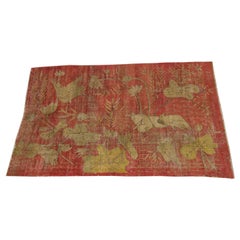
Antique Handmade Samarkand Rug - 8
2
X 4
10
Located in Los Angeles, US
Antique Samarkand Rugs: The desert oasis of Khotan was an important stop on the Silk Road. The people of Khotan were expert carpet weavers who produced high quality antique rugs and ...
Category
Antique Early 1900s Asian Tribal Russian and Scandinavian Rugs
Materials
Wool, Cotton
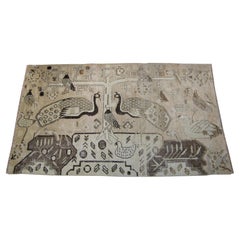
Antique Saraband Runner Rug 5
4
X 2
2
Located in Los Angeles, US
Antique Saraband Runner Rug 5'4'' X 2'2''
Category
Vintage 1920s Unknown Tribal Central Asian Rugs
Materials
Wool, Cotton
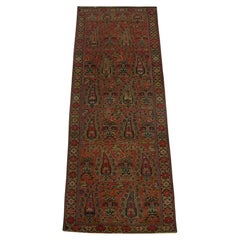
Antique Samarkand Rug 1900 -10
7
X 5
6
Located in Los Angeles, US
Antique Uzbek Khotan Samarkand Rug 10'7'' X 5'6''. tribal and traditional, antique and vintage, wool on cotton foundation
Category
Antique Early 1900s Uzbek Tribal Russian and Scandinavian Rugs
Materials
Wool, Cotton
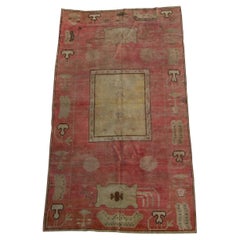
Antique Handmade Samarkand Rug 8
6
X 5
3
Located in Los Angeles, US
Antique Handmade Samarkand Rug 8'6'' x 5'3''
Category
Antique Early 1900s Asian Tribal Russian and Scandinavian Rugs
Materials
Wool, Cotton
You May Also Like
Antique Bessarabian Kilim 7
x 10
Located in New York, NY
Antique Bessarabian Kilim, 7' x 10'. Antique Bessarabian rug, circa 1910. These are flat-woven (pretty much reversible) graphic rugs, with high contrast and vibrancy. These rugs are ...
Category
Antique 19th Century Romanian Russian and Scandinavian Rugs
Materials
Wool
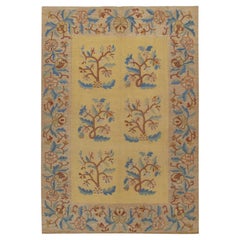
Antique Bessarabian Kilim
Located in Closter, NJ
An antique Bessarabian flat-woven kilim from the Balkan provinces in excellent, original condition measuring 9' 3" x 6' 1".
Category
Antique 1890s Balkan Folk Art Russian and Scandinavian Rugs
Materials
Wool, Cotton
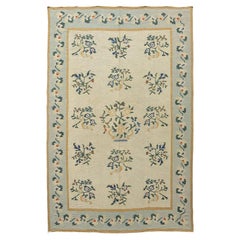
Late 19th Century Bessarabian Rug from Romania
Located in West Hollywood, CA
This traditional hand-woven Romanian Bessarabian rug has an inviting beige field of sparse stylized floral sprays and blossoming vases, in a ...
Category
Antique Late 19th Century Romanian Bessarabian Russian and Scandinavian ...
Materials
Wool
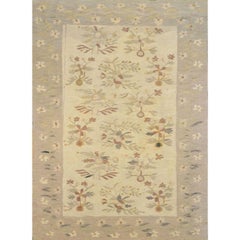
Antique USSR Bessarabian Rug/Runner
Located in New York, NY
Antique USSR Bessarabian rug/runner
USSR, circa 1880
Handwoven.
Category
Antique 1880s Russian Russian and Scandinavian Rugs
Materials
Wool
$22,400 Sale Price
20% Off
Mid-20th Century Handmade Persian Pictorial Bakhtiari Tribal Gallery Rug
Located in New York, NY
A vintage Persian pictorial gallery format rug handmade by the Bakhtiari tribe during the mid-20th century.
Measures: 5'2" x 11'8".
Category
Mid-20th Century Persian Tribal Persian Rugs
Materials
Wool
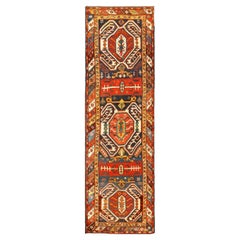
Antique Caucasian Lankoran Runner. Size: 3 ft 5 in x 11 ft
Located in New York, NY
Beautiful Tribal design antique Caucasian Lankoran runner rug, country of origin / rug type: Caucasian rugs, circa 1900. Size: 3 ft 5 in x 11 ft (1.04 m x 3.35 m)
This bold, antique Caucasian rug is filled in with bright red, black, yellow and white. Strong, straight lines with decisive angles describe three prominent ornaments, aligned through the centre of the long the antique runner rug. Red octagons emblazoned with hexagonal shields rest at the centre of each figure, braced with jagged, leafy vines shaded a rich, hunter green. Red bars separate these forms, vivid against the blue that fills the background. Straight white and green embellishments add complexity to their designs. Golden decorations reminiscent of questing plant roots...
Category
Early 20th Century Caucasian Tribal Caucasian Rugs
Materials
Wool
More Ways To Browse
60s Chairs
Antique Baroque Console Tables
Black Smoked Glass Coffee Table
Danish Modern End Tables
French Glass Top Center Tables
Gold Bronze Console Table
Hollywood Regency Iron Table
Line Bar
Mid Century Chrome Stools
Mid Century Modern 1967
Modern Drinking Glass
Pontil Mark
Portuguese Baroque Furniture
Roger Capron Vallauris
Spanish Leather Armchair
Standing Desk
Sterling Silver Tray With Handles
Table Dancer