Early 1900s Russian and Scandinavian Rugs
to
2
Width
to
Length
to
198
9
2
1
1
7
249
2,098
2,034
418
1,404
141
198
16
58
34
53
127
200
69
9
4
198
195
159
2
197
1
198
198
198
107
23
23
23
23
3
Period: Early 1900s
Early-19th Century Khotan Samarkand Rug-8
10
X 4
10
Located in Los Angeles, US
Up for sale is an Early-19th Century Khotan Samarkand Rug
Category
Asian Tribal Antique Early 1900s Russian and Scandinavian Rugs
Materials
Wool, Cotton
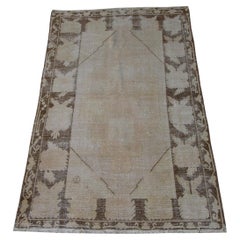
1900s Antique Khotan Samarkand Rug
Located in Los Angeles, US
Antique Samarkand Rugs: The desert oasis of Khotan was an important stop on the Silk Road. The people of Khotan were expert carpet weavers who produced high quality antique rugs and ...
Category
Other Antique Early 1900s Russian and Scandinavian Rugs
Materials
Wool, Cotton
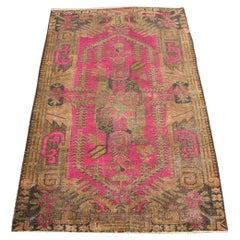
Antique Khotan Samarkand Rug-7
5
X 4
5
Located in Los Angeles, US
Up for sale is an Antique Khotan Samarkand Rug, from Uzbekistan, circa the 1900s.
Category
Uzbek Tribal Antique Early 1900s Russian and Scandinavian Rugs
Materials
Wool, Cotton
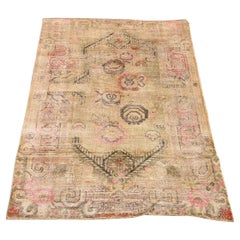
Early 20th Century Antique Jerusalem Rug
Located in Los Angeles, US
Israeli Rugs – Israel is home to a surprisingly large and well-established carpet-weaving community. Area Carpet weavers in Israel had very serious traditions that were cultural, tec...
Category
Asian Other Antique Early 1900s Russian and Scandinavian Rugs
Materials
Wool, Cotton
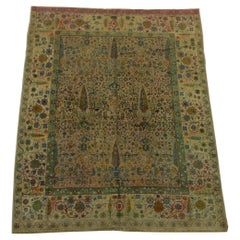
1990s Savonnerie Area Rug-10
0" X 8
0"
Located in Los Angeles, US
21th Century Authentic Savonnerie Area Rug 10'0" X 8'0", handmade and hand-knotted, wool on cotton foundation, reproduction
Category
Asian Empire Antique Early 1900s Russian and Scandinavian Rugs
Materials
Wool, Cotton
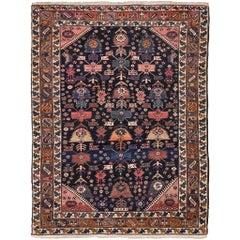
Antique Russian Shirvan Rug 31283
Located in WEST HOLLYWOOD, CA
Rug Number
31283
Size
4' 10" X 6' 3"
Design
Shirvan
Collection
Antique/Vintage
Material
Wool
Texture
Pile Weave
Origin
Russia
Age
Antique/Vintage
Category
Russian Antique Early 1900s Russian and Scandinavian Rugs
Materials
Wool
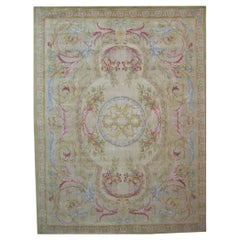
1900s Antique French Needlepoint Rug
Located in Los Angeles, US
Needlepoint rugs were created using the traditional needlework weaving technique that is used to make everyday items from furniture to carpets and artwork. However, it has a fascinating history both as a hobby and as an industry. When many people think of carpets, they think of pile carpets or flat weave kilims, but needlepoint has also been used to create beautiful carpets. These carpets are durable and an important part of carpet history.
Archaeologists and scholars consider the roots of needlepoint to have been around 1500 BC. They consider the first needlepoint to include the fine diagonal stitches that were used to sew tents together by the ancient Egyptians. The art eventually evolved into tapestry weaving. However, a tapestry weaving differs significantly from needlepoint in that it uses a loom and vertical warp.
Tapestry weaving is closer to the weaving of kilims and pile rugs than canvas work. However, some still include tapestry weaving in the category of needlepoint because of the fine work that appeared during the late Renaissance. It can have a similar appearance to the untrained eye. Technically, tapestry weaving and needlepoint are not the same, and they do not use the same technique.
The first actual needlepoint rugs and needle-points began to appear in the late Renaissance. Needlepoint is worked by creating stitches on a stiff canvas. The canvas is typically made from jute or linen and is quite durable. Pieces from the Renaissance were used to cover footstools, chairs, pillows, bed headboards, and other furnishings. They were also used as table coverings and wall coverings. You could also find them on many small items such as purses, shoes, and various adornments for clothing.
During the Renaissance, the craft reached a high level of skill, and the designs became incredibly detailed and realistic. They mimicked many of the subjects and styles of famous paintings of the time. They created florals, still life designs, scenes, and geometric tiled pieces. Some of them mimicked the designs found in Persian Carpets.
Needlepoint reached its peak popularity in the 19th century when it was considered a proper occupation for a lady. Needlepoint and embroidery held a similar place in societal status at the time. During this time, the work became finer, with some of the canvas reaching a high level of detail. The level of detail is determined by counting the number of mesh in an inch. During this time petit point by French needlewomen could have a mesh count as high as 45 mesh. This allowed women to create highly intricate designs with incredible levels of detail.
It is possible to find many antique pieces of needlepoint besides rugs. Needlepoint rugs were popular in France and Spain, where the technique was adapted to create highly intricate designs that mimicked the designs in architecture and fashion. They were popular because they were durable, and it could be fashioned into a variety of items. The canvases themselves were durable, and the wool that they used was also strong, which means that many of the pieces were able to withstand daily use. We have many artifacts that have survived from this time period.
Needlepoint rugs are important collectibles because they are different from the pile rugs and kilims that are typically found on the market. Needlepoint carpets are special because they take many hours to create, especially larger works. Needlepoint pieces of any type became popular throughout Europe during the 19th century. It is still a popular hobby today, but perhaps one of the most interesting stories is that of the Portuguese needlewomen of Arraiolos.
The story of these women and their beautiful carpets begins in 1492. Needlepoint was a popular occupation in Spain, which had a large population of Moors and Jews. They were an integral part of Spanish culture. However, in 1492, Queen Isabella of Spain issued a proclamation that gave these ethnic groups the order to pack their bags and board ships headed...
Category
Other Antique Early 1900s Russian and Scandinavian Rugs
Materials
Wool, Cotton
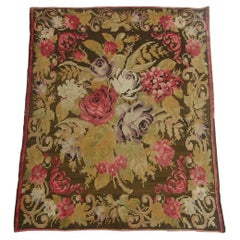
Mid 18th Century Antique Bessarabian Floral Rug
Located in Los Angeles, US
Antique Bessarabian Rugs / Kilims in both pile and tapestry weaving technique are some of the more beautiful carpets to have been produced in Europe. Many of the Bessarabian Kilims w...
Category
Other Antique Early 1900s Russian and Scandinavian Rugs
Materials
Wool, Cotton
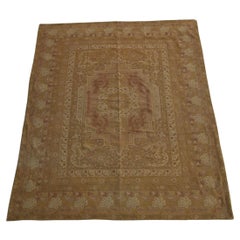
Antique 19th Century Samarkand Rug
Located in Los Angeles, US
Antique Samarkand Rugs: The desert oasis of Khotan was an important stop on the Silk Road. The people of Khotan were expert carpet weavers who produced high quality antique rugs and ...
Category
Other Antique Early 1900s Russian and Scandinavian Rugs
Materials
Wool, Cotton
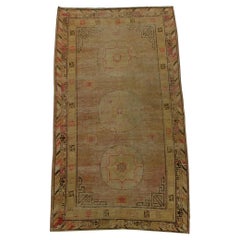
Early 20th Century Antique Persian Kashan Mohtasham Rug
Located in Los Angeles, US
Antique Persian Mohtashem Rugs – Antique Rugs By Mohtashem From Kashan – Ustad Mohtashem is one of the most revered weavers of Kashan. His rugs are some of the highest quality Persian weaving. The town of Kashan located in central Iran between Isfahan and Tehran is often referred to as the greatest weaving center in western Persia.
Since the 3rd quarter of the 19th century and for about 30 years, the finest and most delicate area rugs of wool and silk were woven by arguably the most respected ustadan (master weaver), Zufilkhar Ed Din Mohtashem.
These fine Persian rugs are noted for their use of purple and ruby red silk bindings for the selvedges. They are characterized by a particular style, color and use of imported merino wool. Whether signed or unsigned, antique Mohtashem Kashan rugs are considered the crème de la crème of all antique Kashan rugs.
In modern times, the Mohtashem name is well known, but very little is known about his origins. It remained a mystery whether or not Mohtasham was simply a trade name, or whether he had actually existed.
There is a legend going around according to which Hadji Mollah Mohammad Hassan Mohtashem of Kashan was a well-to-do businessman, famous for his textiles. However, in the 1880’s business was bad owing to the importing of machine-worked textiles from Europe.
The story goes that Mohtashem had married a young woman from Sultanabad, who had brought with her from her city of origin the ancient tradition of the knotted carpet.
In view of the fact that business did not seem to be picking up, his wife wove a carpet using merino wool imported from Manchester. Upon completion of the carpet, local merchants were so enthusiastic that they commissioned more similar ones.
This drove Mohtasham not only to ask his wife to start weaving again, but also to train other weavers of Kashan to produce carpets using this model.
Thus, according to the legend of the bazaar, the art of the carpet began again; it had been lost in Kashan since the fall of the Safavid dynasty in 1723. This sparked a revival of the art of the carpet in Kashan; in 1890 there were only three operating looms, and that these became one thousand five hundred in 1900 and four thousand in 1949.
This specific Mohtashem carpet exemplifies how art can influence the onlooker. To appreciate such a great work of art, no great knowledge is needed; all one needs to enjoy this carpet is mere observation and attention to detail. This Mohtashem, woven with high quality kourk wool and an extremely fine weave, is unusual with its all-over design of delicate scrolling floral vines and palmettes in soft blues and ivory colors.
The combination of the colors used coupled with the exceptional condition and the fact that Mohtashem rugs are never found in runner sizes make this a truly rare and magnificent work of art.
What did you imagine as you read that just now? No doubt it was an elegant and refined weaving graced with curvilinear flora that winds its way through and around a commanding medallion. A rug that draws dropped jaws from anyone that beholds its magnificence.
A sea of swirling ruby tones, indigo, sapphire — a rug as bejeweled and becoming as a sultans own palace. The image may seem fantastic, but in truth antique Mohtashem rugs boast just these types of elements. Mohtashem rugs from city of Kashan are some of the finest rugs to emerge from the major Persian weaving centers of old and are synonymous with the quality one would expect from an antique Persian rug.
History Of Antique Persian Mohtasham:
The 19th century Persian Mohtasham rugs, are the rarest of all the antique rugs that were woven in the city of Kashan in the modern day country of Iran. These fine and beautiful antique rugs utilize color palettes and designs that are not exactly traditional. The reflective quality of the rugs’ surface comes from high grade lamb’s wool used to create these elite master weave carpets.
The truly extraordinarily fine knotted antique Mohtasham rugs are difficult to locate. These magnificent antique Persian rugs tend to employ either an antique leaf, allover blossoms with intricate detail or a teardrop medallion pattern.
The antique Persian Mohtashem carpets that date from the mid 19th century or before are the most prized of this style. Earth tones and pastels that have been softened over time are the colors used. Some of the most beautiful Mohtasham rugs will have a background that is gold or antique ivory to reflect the exquisite detail of the fine Persian carpets. Private collections are usually the only place that very old antique...
Category
Other Antique Early 1900s Russian and Scandinavian Rugs
Materials
Cotton
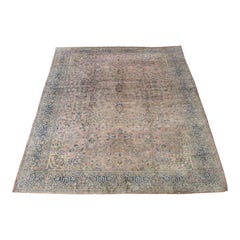
Early 20th Century Asian Botanical Samarkand Rug
Located in Los Angeles, US
Antique Samarkand Rugs: The desert oasis of Khotan was an important stop on the Silk Road. The people of Khotan were expert carpet weavers who produced high quality antique rugs and ...
Category
Other Antique Early 1900s Russian and Scandinavian Rugs
Materials
Wool, Cotton
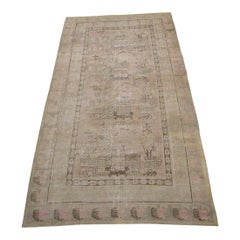
Antique Chinese Rug with Floral Design
Located in Los Angeles, US
Antique Chinese Rugs, as opposed to most of the antique rug productions, were woven almost exclusively for internal consumption. Since they were mostly sheltered from European and We...
Category
Asian Other Antique Early 1900s Russian and Scandinavian Rugs
Materials
Wool, Cotton
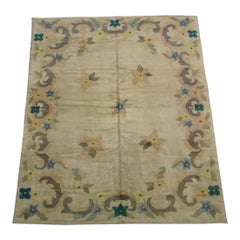
Antique Handmade Samarkand Rug - 8
2
X 4
10
Located in Los Angeles, US
Antique Samarkand Rugs: The desert oasis of Khotan was an important stop on the Silk Road. The people of Khotan were expert carpet weavers who produced high quality antique rugs and ...
Category
Asian Tribal Antique Early 1900s Russian and Scandinavian Rugs
Materials
Wool, Cotton
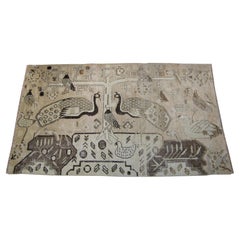
Early 20th Century Antique Samarkand Rug
Located in Los Angeles, US
Antique Samarkand Rugs: The desert oasis of Khotan was an important stop on the Silk Road. The people of Khotan were expert carpet weavers who produced high quality antique rugs and ...
Category
Other Antique Early 1900s Russian and Scandinavian Rugs
Materials
Wool, Cotton
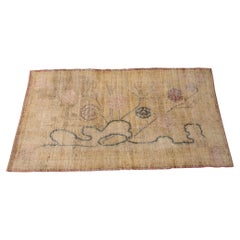
Antique Besarabian Kilim Floral Design Rug
Located in Los Angeles, US
Antique Bessarabian Rugs / Kilims in both pile and tapestry weaving technique are some of the more beautiful carpets to have been produced in Europe. Many of the Bessarabian Kilims w...
Category
Asian Other Antique Early 1900s Russian and Scandinavian Rugs
Materials
Wool, Cotton
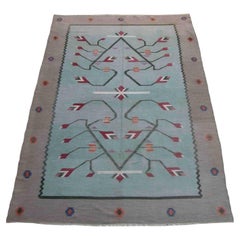
Antique Samarkand Rug with Botanical Design
Located in Los Angeles, US
Antique Samarkand Rugs: The desert oasis of Khotan was an important stop on the Silk Road. The people of Khotan were expert carpet weavers who produced high quality antique rugs and ...
Category
Asian Other Antique Early 1900s Russian and Scandinavian Rugs
Materials
Wool, Cotton
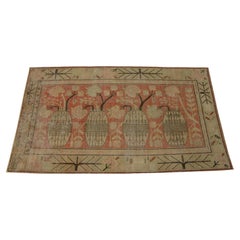
19th Century Antique Khotan Samarkand Rug 8
5
X 4
10
Located in Los Angeles, US
19th Century Antique Khotan Samarkand Rug 8'5'' X 4'10''
Category
Asian Tribal Antique Early 1900s Russian and Scandinavian Rugs
Materials
Wool, Cotton
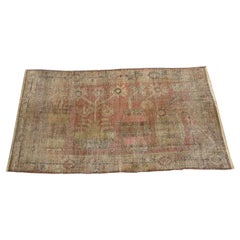
Antique Shirvan Rug 6.10x3.5
Located in Los Angeles, US
Shirvan rugs – The historic Khanate or administrative district of Shirvan produced many highly decorative antique rugs that have a formality and stylistic complexity that is found in...
Category
Other Antique Early 1900s Russian and Scandinavian Rugs
Materials
Wool, Cotton
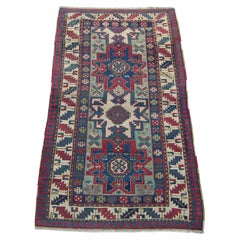
1910s Antique Kilim Rug
Located in Los Angeles, US
Antique rugs that are called “Kilim rugs”, primarily refer to a type of flat weave rug that was produced without knotted pile. Because these antique rugs are found across the globe, ...
Category
Asian Other Antique Early 1900s Russian and Scandinavian Rugs
Materials
Wool, Cotton
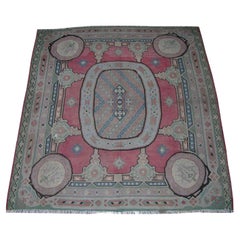

$5,850
Antique Russian Chichi, circa 1900s
Located in WEST HOLLYWOOD, CA
Rug Number
17218
Size
3' 5" X 6' 2"
Design
Chichi
Collection
Antique/Vintage
Material
Wool
Texture
Pile Weave
Origin
Russia
Age
Antique/Vintage.
Category
Russian Antique Early 1900s Russian and Scandinavian Rugs
Materials
Wool
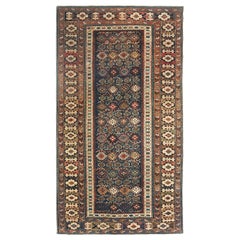
Early 20th Century Botanical Samarkand Rug
Located in Los Angeles, US
Antique Samarkand Rugs: The desert oasis of Khotan was an important stop on the Silk Road. The people of Khotan were expert carpet weavers who produced high quality antique rugs and ...
Category
Other Antique Early 1900s Russian and Scandinavian Rugs
Materials
Wool, Cotton
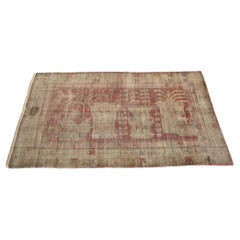
1900 Antique Bessarabian Flat Weave Kilim Rug
Located in Los Angeles, US
Beautiful Collection of Romanian Antique Bessarabian Kilims and Rugs
Antique Bessarabian Rugs / Kilims in both pile and tapestry weaving technique are some of the more beautiful carpets to have been produced in Europe. Many of the Bessarabian Kilims were woven around the mid to late 19th century, though some do date back to the 18th century as well. This production that carried into the early twentieth century under late Ottoman Turkish rule in an area corresponding to modern Bulgaria and Romania, they stand right on the cusp of European and Oriental carpet weaving. Many of the designs are floral patterns made in a naturalistic western style utilizing brown or black ground, not unlike certain Karabaghs from the Caucauses. But others, particularly flat weaves, reflect the tradition of Turkish kilims from nearby Anatolia, although in a distinctive Bessarbian palette. In either case they are supremely decorative rugs.
History Of Antique Flat Woven Bessarabian Kilim Rugs from Romania
Bessarabian Kilims and carpets are flat woven rugs that originate in the Russian provinces of the Ukraine and Moldova in the late 1800’s to the early 1900’s. While most carpet experts will classify the flat woven rugs as Bessarabian they will often refer to the knotted pile carpets as Ukrainian.
The Bessarabian carpets differ from antique Persian carpets in many ways. For example, unlike Persian carpets, Bessarabian rugs cannot be classified to a region according to the way the rugs were woven. Their weaves provide indications regarding the area for which they were created rather than for their classification. The markets these antique rugs were designed for could have fallen into different categories such as a rural market or an urban one. But all other attributes were dismissed and all the Romani made area rugs and carpets are referred to as Bessarabian instead.
Antique Romanian Bessarabian kilims are ornate and they come in a variety of designs as well color combinations. It’s not uncommon for some Bessarabian kilims to be more floral while others may feature more geometric patterns. Bessarabian carpets are made on carpet weaving looms similar to the ones used to make the French Aubusson rugs.
These looms are wooden, and the rugs are flat woven / kilims. The best of these rug types were created in the 1700’s. The Russian Imperial Tapestry Factory was where these Romanian rugs were made, and the factory was created by none other than Peter the Great. He established the Russian Imperial Tapestry Factory following his return from England and France. He was inspired to create the factory after being in awe of the splendid Aubusson carpets, Savonnerie rugs, and Axminster carpets he saw while abroad.
The beautiful carpets he admired while in Europe had already caught the eyes of his Russian contemporaries, and importing them was triggering a financial drain for the Russian treasury. For this reason, the Russian Imperial Tapestry Factory was used as a location for copying the French and English carpets Peter the Great and the Russian nobility desired.
Demand for these lavishly luxurious rugs grew, and additional factories were created in villages. This region is from where these rugs got the name Bessarabian. The region is divided between two territories: the Republic of Moldova and Romania. Bessarabian rug weavers were country people who had a country taste. Though they were tasked with replicating the elaborate motifs of the European rugs, they added their own unique country’s flair to their borrowed rug patterns and designs. This more folksy or traditional approach to the European patterns...
Category
Asian Neoclassical Antique Early 1900s Russian and Scandinavian Rugs
Materials
Wool
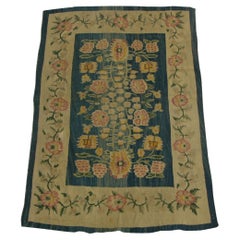
1900s Antique Animal Samarkand Rug
Located in Los Angeles, US
Antique Samarkand Rugs: The desert oasis of Khotan was an important stop on the Silk Road. The people of Khotan were expert carpet weavers who produced high quality antique rugs and ...
Category
Asian Tribal Antique Early 1900s Russian and Scandinavian Rugs
Materials
Wool, Cotton
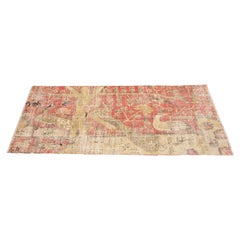
Antique Needlepoint Floral Rug
Located in Los Angeles, US
Needlepoint rugs were created using the traditional needlework weaving technique that is used to make everyday items from furniture to carpets and artwork. However, it has a fascinat...
Category
Other Antique Early 1900s Russian and Scandinavian Rugs
Materials
Wool, Cotton
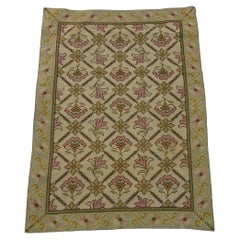
Antique Bessarabian Floral Rug
Located in Los Angeles, US
Antique Bessarabian Rugs / Kilims in both pile and tapestry weaving technique are some of the more beautiful carpets to have been produced in Europe. Many of the Bessarabian Kilims w...
Category
Other Antique Early 1900s Russian and Scandinavian Rugs
Materials
Wool, Cotton
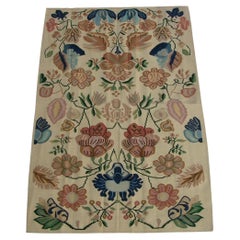
Antique Abstract Design Khotan Samarkand Rug
Located in Los Angeles, US
Antique Samarkand Rugs: The desert oasis of Khotan was an important stop on the Silk Road. The people of Khotan were expert carpet weavers who produced high quality antique rugs and ...
Category
Other Antique Early 1900s Russian and Scandinavian Rugs
Materials
Wool, Cotton
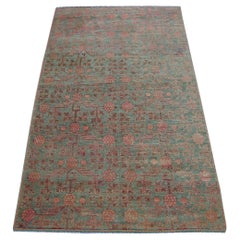
Early 20th Century Antique Traditional Flat Weave Bessarabian Rug
Located in Los Angeles, US
Antique Bessarabian Rugs / Kilims in both pile and tapestry weaving technique are some of the more beautiful carpets to have been produced in Europe. Many of the Bessarabian Kilims w...
Category
Other Antique Early 1900s Russian and Scandinavian Rugs
Materials
Wool, Cotton
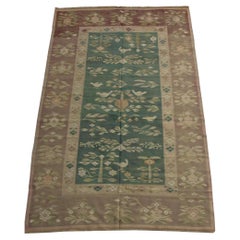
Antique Turkish Silk Rug
Located in Los Angeles, US
Turkish rugs (also referred to as Anatolian rugs) are, arguably, the rugs that started it all. These carpets were among the first wave of Oriental antique carpets to be exported into Europe. The vintage Turkish rugs were prized commodities and artistically influential pieces. The designs of Turkish rugs such as the iconic guls, prayer rugs and small repeating patterns found on these carpets, worked their way into the iconic paintings of the European masters, including Memling, Lotto, Bellini, Hans Holbein and many others.
These painters were inspired so much by Turkish rugs and the design motifs they feature that the artists have lent their names to some of these famous Turkish patterns. One of the most famous artists that incorporated rugs from Turkey in his painting was the great and iconic 16th century painter Hans Holbein.
The styles of Turkish rugs...
Category
Asian Other Antique Early 1900s Russian and Scandinavian Rugs
Materials
Wool, Cotton
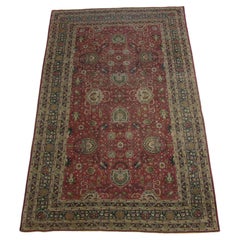
$25,500
Antique Samarkand Rug 1900 -10
10
X 5
6
Located in Los Angeles, US
Antique Uzbek Samarkand Rug 10'10'' X 5'6''.tribal and traditional, antique and vintage, wool on cotton foundation
Category
Uzbek Tribal Antique Early 1900s Russian and Scandinavian Rugs
Materials
Wool, Cotton
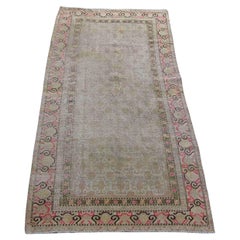
19th Century Persian Tribal Gabbeh Rug
Located in Los Angeles, US
Persian Gabbeh Rugs – Persian rugs made with extra high pile and very simple, graphic designs focused on the use of color, which can be vibrant or soft and earthy. As pieces made for...
Category
Tribal Antique Early 1900s Russian and Scandinavian Rugs
Materials
Wool
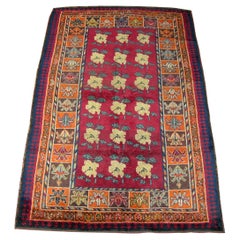
Antique Oushak Rug 10.8x9.2
Located in Los Angeles, US
Antique Turkish Oushak rugs have been woven in Western Turkey since the beginning of the Ottoman period. Historians attributed to them many of the great masterpieces of early Turkish...
Category
Other Antique Early 1900s Russian and Scandinavian Rugs
Materials
Wool, Cotton
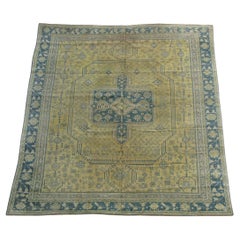
Mid-19th Century Persian Zanjan Rug 5.6x4.1
Located in Los Angeles, US
Antique Zanjan Rug 5.6x4.1, handmade and hand-knotted, wool on cotton foundation, tribal carpet, authentic Persian carpet, vegetable dyes, tribal carpet from mid-19th Century
Category
Other Antique Early 1900s Russian and Scandinavian Rugs
Materials
Wool, Cotton
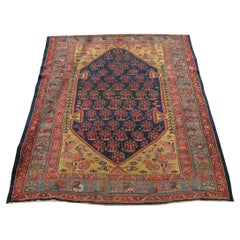
19th Century Antique Needlework Floral Rug
Located in Los Angeles, US
Needlepoint rugs were created using the traditional needlework weaving technique that is used to make everyday items from furniture to carpets and artwork. However, it has a fascinat...
Category
Other Antique Early 1900s Russian and Scandinavian Rugs
Materials
Wool, Cotton
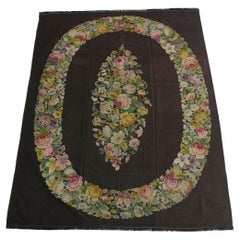
19th Century Authentic Khotan Samarkand Rug
Located in Los Angeles, US
Antique Samarkand Rugs: The desert oasis of Khotan was an important stop on the Silk Road. The people of Khotan were expert carpet weavers who produced high quality antique rugs and ...
Category
Empire Antique Early 1900s Russian and Scandinavian Rugs
Materials
Wool, Cotton
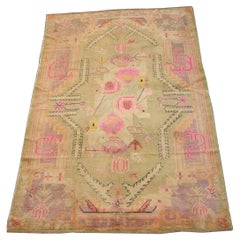
19th Century Authentic Samarkand Rug
Located in Los Angeles, US
Antique Samarkand Rugs: The desert oasis of Khotan was an important stop on the Silk Road. The people of Khotan were expert carpet weavers who produced high quality antique rugs and ...
Category
Empire Antique Early 1900s Russian and Scandinavian Rugs
Materials
Wool, Cotton
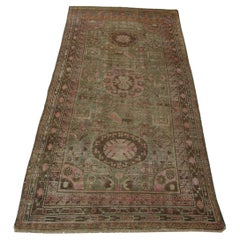
19th Century Khotan Samarkand Rug
Located in Los Angeles, US
The desert oasis of Khotan was an important stop on the Silk Road. The people of Khotan were expert carpet weavers who produced high quality antique rugs and carpets for both interna...
Category
Empire Antique Early 1900s Russian and Scandinavian Rugs
Materials
Wool, Cotton
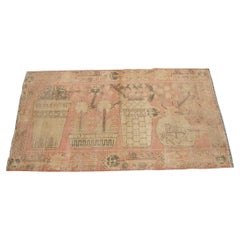
1900s Antique Uzbek Khotan Samarkand Rug-5
8
X 4
1
Located in Los Angeles, US
Up for sale is a 1900s Antique Uzbek Khotan Samarkand Rug 5'8'' x 4'1'', tribal and traditional, wool on cotton
Category
Uzbek Tribal Antique Early 1900s Russian and Scandinavian Rugs
Materials
Wool, Cotton
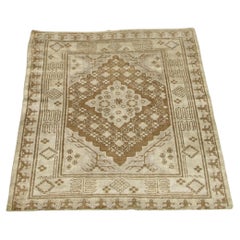
Antique Malayer Rug 4.9 X 3.5
Located in Los Angeles, US
Antique Malayer Rug 4.9 X 3.5 , handmade and hand-knotted, tribal rug , Wool on cotton foundation, authentic Persian Carpet
Category
Tribal Antique Early 1900s Russian and Scandinavian Rugs
Materials
Wool, Cotton
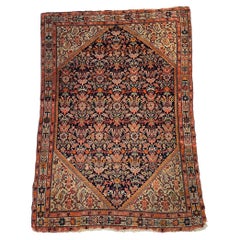
Antique Samarkand Rug with Animal Print Design
Located in Los Angeles, US
Antique Samarkand Rugs: The desert oasis of Khotan was an important stop on the Silk Road. The people of Khotan were expert carpet weavers who produced high quality antique rugs and ...
Category
Asian Other Antique Early 1900s Russian and Scandinavian Rugs
Materials
Wool, Cotton
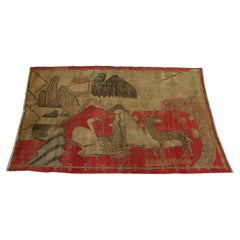
Antique Samarkand Rug 1900 -8
7
X 4
8
Located in Los Angeles, US
Antique Samarkand Rug 1900 -8'7'' X 4'8''
Category
Uzbek Tribal Antique Early 1900s Russian and Scandinavian Rugs
Materials
Wool, Cotton
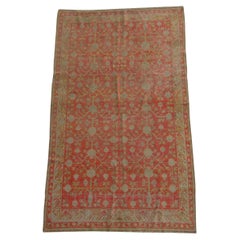
Early 20th Century Vintage Flat Weave Shahsavand Kilim Rug
Located in Los Angeles, US
Antique rugs that are called “Kilim rugs”, primarily refer to a type of flat weave rug that was produced without knotted pile. Because these antique rugs are found across the globe, ...
Category
Other Antique Early 1900s Russian and Scandinavian Rugs
Materials
Wool, Cotton
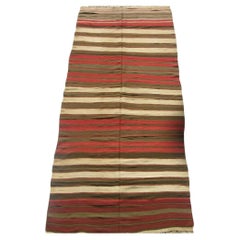
19th Century Uzbek Khotan Samarkand Rug-2
3
X 5
9
Located in Los Angeles, US
Early-19th Century Uzbek Khotan Samarkand Rug 2'3'' X 5'9'', tribal and traditional, wool on cotton foundation, bronze, brown, beige color
Category
Uzbek Tribal Antique Early 1900s Russian and Scandinavian Rugs
Materials
Wool, Cotton
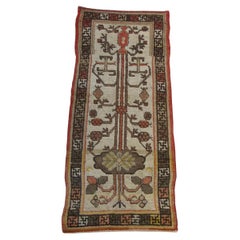
Antique Handmade Samarkand Rug 8
6
X 5
3
Located in Los Angeles, US
Antique Handmade Samarkand Rug 8'6'' x 5'3''
Category
Asian Tribal Antique Early 1900s Russian and Scandinavian Rugs
Materials
Wool, Cotton
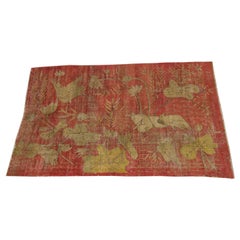
Antique Shirvan Rug 4.6x2.5
Located in Los Angeles, US
Shirvan rugs – The historic Khanate or administrative district of Shirvan produced many highly decorative antique rugs that have a formality and stylistic complexity that is found in...
Category
Other Antique Early 1900s Russian and Scandinavian Rugs
Materials
Wool, Cotton
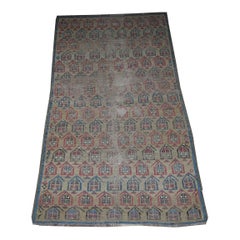
Antique Kilim Runner Rug 17
2
X 6
11
Located in Los Angeles, US
Antique rugs that are called “Kilim rugs”, primarily refer to a type of flat weave rug that was produced without knotted pile. Because these antique rugs are found across the globe, ...
Category
Asian Other Antique Early 1900s Russian and Scandinavian Rugs
Materials
Wool, Cotton
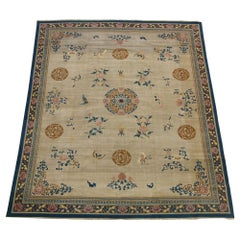
Antique Chinese Floral Design Rug
Located in Los Angeles, US
Antique Chinese Rugs, as opposed to most of the antique rug productions, were woven almost exclusively for internal consumption. Since they were mostly sheltered from European and We...
Category
Asian Other Antique Early 1900s Russian and Scandinavian Rugs
Materials
Wool, Cotton
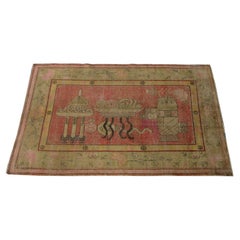
1900s Antique Uzbek Khotan Samarkand Rug-8
10
X 5
6
Located in Los Angeles, US
Antique Uzbek Khotan Samarkand Rug 8'10'' X 5'6'', tribal and traditional, antique and vintage, wool on cotton foundation
Category
Uzbek Tribal Antique Early 1900s Russian and Scandinavian Rugs
Materials
Wool, Cotton
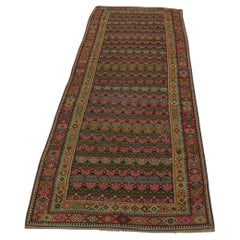
Early 20th Century Antique Bessarabian Runner
Located in Los Angeles, US
Antique Bessarabian Rugs / Kilims in both pile and tapestry weaving technique are some of the more beautiful carpets to have been produced in Europe. Many of the Bessarabian Kilims w...
Category
Asian Other Antique Early 1900s Russian and Scandinavian Rugs
Materials
Wool, Cotton
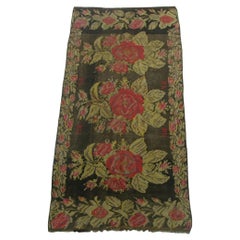
1900 Antique Uzbek Khotan Samarkand Rug
Located in Los Angeles, US
Antique Samarkand Rugs: The desert oasis of Khotan was an important stop on the Silk Road. The people of Khotan were expert carpet weavers who produced high quality antique rugs and ...
Category
Uzbek Other Antique Early 1900s Russian and Scandinavian Rugs
Materials
Wool, Cotton
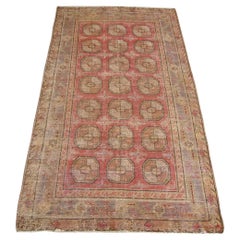
Antique 1900 Samarkand Rug
Located in Los Angeles, US
Antique Samarkand Rugs: The desert oasis of Khotan was an important stop on the Silk Road. The people of Khotan were expert carpet weavers who produced high quality antique rugs and ...
Category
Other Antique Early 1900s Russian and Scandinavian Rugs
Materials
Wool, Cotton
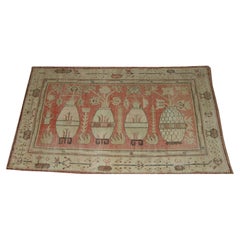
Antique Sumak Rug
Located in Los Angeles, US
Soumak rugs (also spelled Sumak) – This construction technique produces a flat-weave rug that is thick, strong and exceptionally durable. Unlike kilims, Soumak rugs are not reversibl...
Category
Other Antique Early 1900s Russian and Scandinavian Rugs
Materials
Wool, Cotton
$1,155
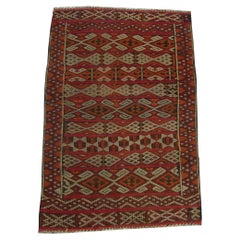
Antique Central Asian Samarkand Rug
Located in Los Angeles, US
Antique Central Asian Samarkand 8'2'' X 4'7'', Hand-knotted and Authentic.
Category
Asian Other Antique Early 1900s Russian and Scandinavian Rugs
Materials
Wool, Cotton
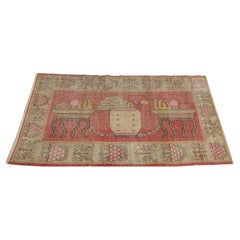
1900 Antique Khotan Samarkand Rug- 8
10
X 5
3
Located in Los Angeles, US
Ca.1900 Antique Khotan Samarkand Rug 8'10'' X 5'3''
Category
Asian Tribal Antique Early 1900s Russian and Scandinavian Rugs
Materials
Wool, Cotton
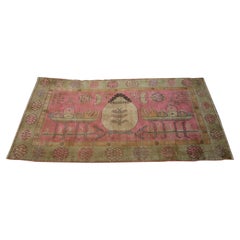
Antique Collectible Woolen Needlework
Located in Los Angeles, US
Needlepoint rugs were created using the traditional needlework weaving technique that is used to make everyday items from furniture to carpets and artwork. However, it has a fascinating history both as a hobby and as an industry. When many people think of carpets, they think of pile carpets or flat weave kilims, but needlepoint has also been used to create beautiful carpets. These carpets are durable and an important part of carpet history.
Archaeologists and scholars consider the roots of needlepoint to have been around 1500 BC. They consider the first needlepoint to include the fine diagonal stitches that were used to sew tents together by the ancient Egyptians. The art eventually evolved into tapestry weaving. However, a tapestry weaving differs significantly from needlepoint in that it uses a loom and vertical warp.
Tapestry weaving is closer to the weaving of kilims and pile rugs than canvas work. However, some still include tapestry weaving in the category of needlepoint because of the fine work that appeared during the late Renaissance. It can have a similar appearance to the untrained eye. Technically, tapestry weaving and needlepoint are not the same, and they do not use the same technique.
The first actual needlepoint rugs and needle-points began to appear in the late Renaissance. Needlepoint is worked by creating stitches on a stiff canvas. The canvas is typically made from jute or linen and is quite durable. Pieces from the Renaissance were used to cover footstools, chairs, pillows, bed headboards, and other furnishings. They were also used as table coverings and wall coverings. You could also find them on many small items such as purses, shoes, and various adornments for clothing.
During the Renaissance, the craft reached a high level of skill, and the designs became incredibly detailed and realistic. They mimicked many of the subjects and styles of famous paintings of the time. They created florals, still life designs, scenes, and geometric tiled pieces. Some of them mimicked the designs found in Persian Carpets.
Needlepoint reached its peak popularity in the 19th century when it was considered a proper occupation for a lady. Needlepoint and embroidery held a similar place in societal status at the time. During this time, the work became finer, with some of the canvas reaching a high level of detail. The level of detail is determined by counting the number of mesh in an inch. During this time petit point by French needlewomen could have a mesh count as high as 45 mesh. This allowed women to create highly intricate designs with incredible levels of detail.
It is possible to find many antique pieces of needlepoint besides rugs. Needlepoint rugs were popular in France and Spain, where the technique was adapted to create highly intricate designs that mimicked the designs in architecture and fashion. They were popular because they were durable, and it could be fashioned into a variety of items. The canvases themselves were durable, and the wool that they used was also strong, which means that many of the pieces were able to withstand daily use. We have many artifacts that have survived from this time period.
Needlepoint rugs are important collectibles because they are different from the pile rugs and kilims that are typically found on the market. Needlepoint carpets are special because they take many hours to create, especially larger works. Needlepoint pieces of any type became popular throughout Europe during the 19th century. It is still a popular hobby today, but perhaps one of the most interesting stories is that of the Portuguese needlewomen of Arraiolos.
The story of these women and their beautiful carpets begins in 1492. Needlepoint was a popular occupation in Spain, which had a large population of Moors and Jews. They were an integral part of Spanish culture. However, in 1492, Queen Isabella of Spain issued a proclamation that gave these ethnic groups the order to pack their bags and board ships headed...
Category
Other Antique Early 1900s Russian and Scandinavian Rugs
Materials
Wool
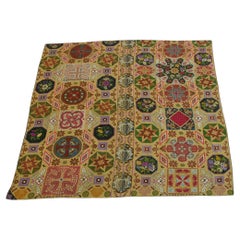
Antique Bidjar Rug with Floral Design 17
8
x11
7
Located in Los Angeles, US
Antique Bidjar Rugs Bidjar is a town in Persian Kurdistan located in north-west Persia. The Bidjar name is also used to describe the antique rugs that were produced in the many villa...
Category
Asian Other Antique Early 1900s Russian and Scandinavian Rugs
Materials
Wool, Cotton
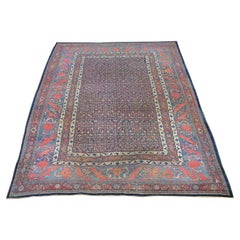
1920s Antique Fine Turkish Oushak Rug
Located in Los Angeles, US
Antique Turkish Oushak rugs have been woven in Western Turkey since the beginning of the Ottoman period. Historians attributed to them many of the great masterpieces of early Turkish...
Category
Asian Tribal Antique Early 1900s Russian and Scandinavian Rugs
Materials
Wool
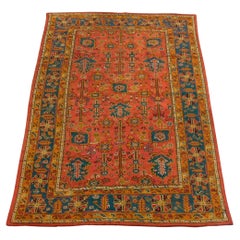
Early 20th Century Antique Kilim Floral Design Rug - 12
7
X 6
9
Located in Los Angeles, US
Antique Bessarabian Rugs / Kilims in both pile and tapestry weaving technique are some of the more beautiful carpets to have been produced in Europe. Many of the Bessarabian Kilims w...
Category
Asian Other Antique Early 1900s Russian and Scandinavian Rugs
Materials
Wool, Cotton
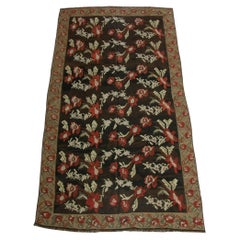
Antique Bessarabian Tribal Runner - 12
X 4
1
Located in Los Angeles, US
Antique Bessarabian Tribal Runner Rug 12' X 4'1''
Category
Asian Other Antique Early 1900s Russian and Scandinavian Rugs
Materials
Wool, Cotton
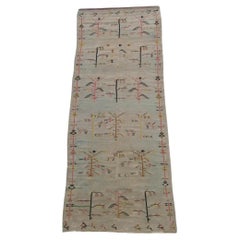
Ca.1900 Authentic Khotan Samarkand Rug 8
10
X 5
6
Located in Los Angeles, US
Ca.1900 Authentic Khotan Samarkand Rug 8'10'' X 5'6''
Category
Asian Tribal Antique Early 1900s Russian and Scandinavian Rugs
Materials
Wool, Cotton
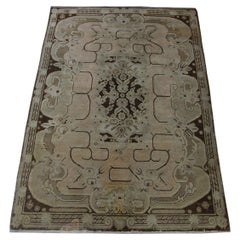
Early-19th Century Antique Decorative Khotan Samarkand Rug 8
10
X 5
3
Located in Los Angeles, US
Early-19th Century Antique Decorative Khotan Samarkand Rug 8'10'' x 5'3'
Category
Asian Tribal Antique Early 1900s Russian and Scandinavian Rugs
Materials
Wool, Cotton
Still Thinking About These?
All Recently ViewedMore Ways To Browse
Small Mantel Clock
Small Rattan Cabinet
Small Rustic Cabinet
Specimen Chest
Stag And Doe
Starburst Door
Statue Royal Dux
Steel Craft Metal Cabinet Art Deco
Sterling Silver Statues And Sculptures
Stone Block Table
Sukhothai Buddha
Swedish Cabinet 1920s
Swedish Gustavian Glass Cabinet
Swedish Serpentine Commode
Table Iran
Tall Boy Antique Tall Chest Of Drawers
Tall Campaign Cabinet
Tall Industrial Metal Display Cabinet