Items Similar to Ararat Rugs Mamluk Carpet with Cup Motif, Antique Revival Rug, Natural Dyed
Video Loading
Want more images or videos?
Request additional images or videos from the seller
1 of 6
Ararat Rugs Mamluk Carpet with Cup Motif, Antique Revival Rug, Natural Dyed
$4,700
£3,551.11
€4,071.51
CA$6,559.39
A$7,137.12
CHF 3,779.01
MX$85,864.38
NOK 47,985.06
SEK 43,902.97
DKK 30,419.85
About the Item
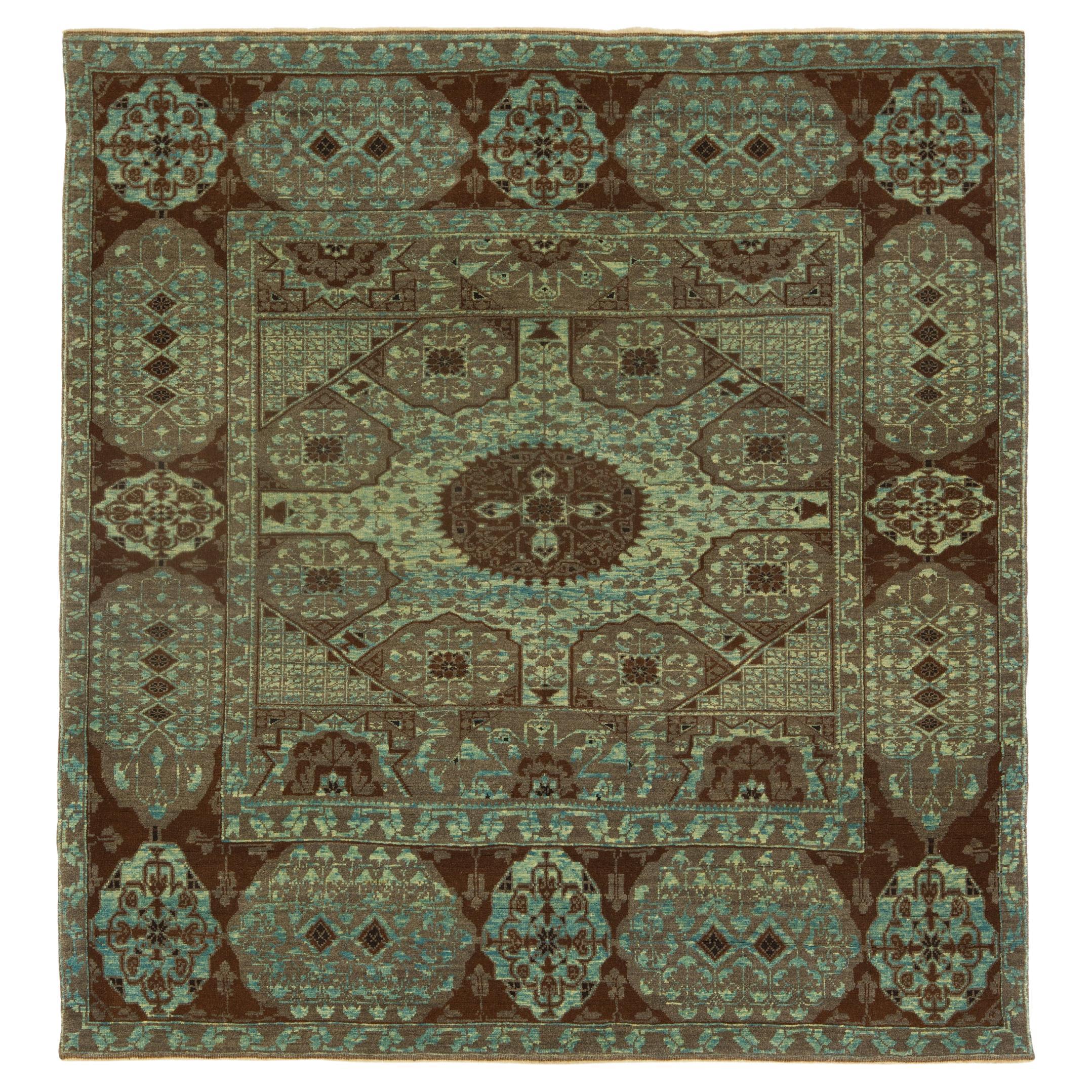
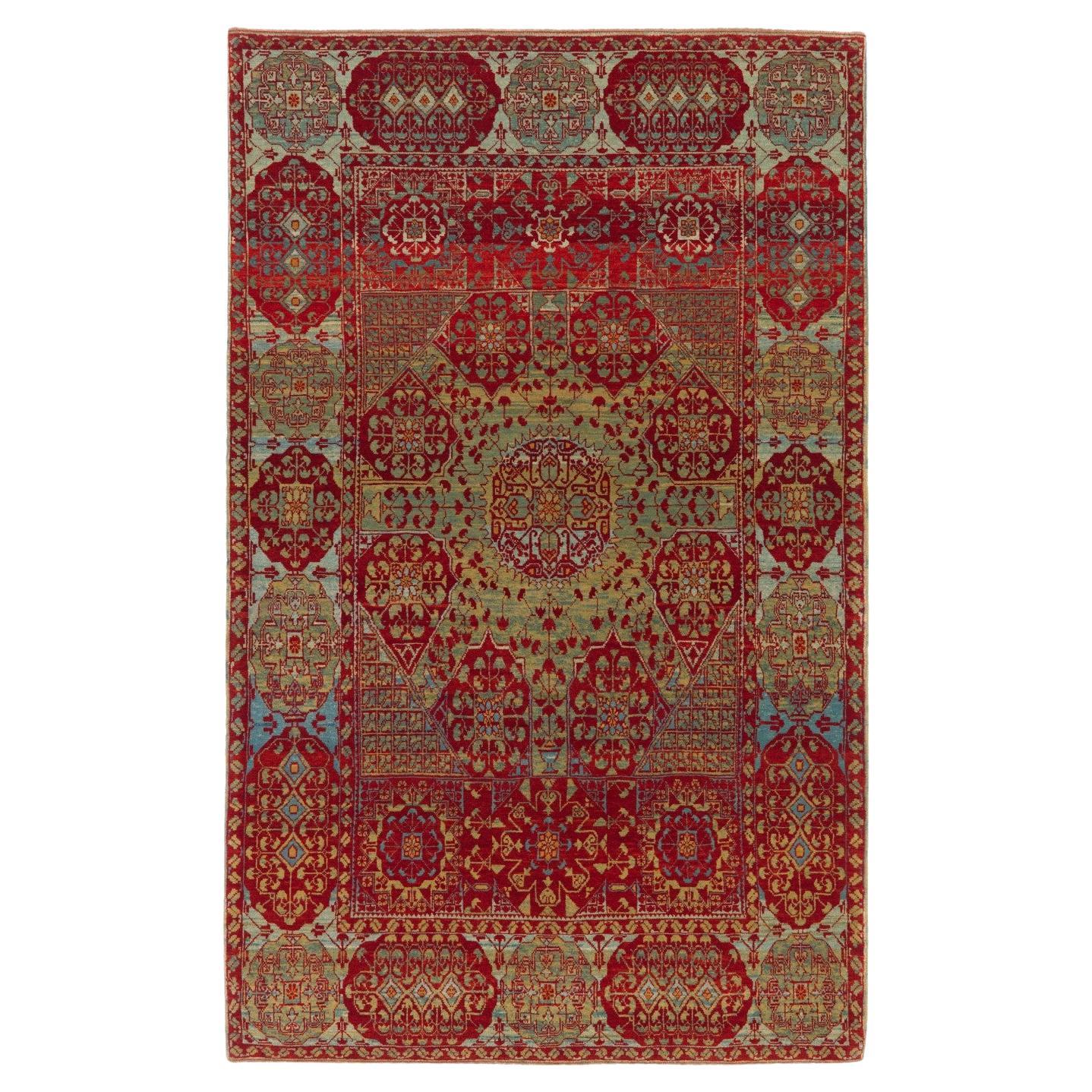
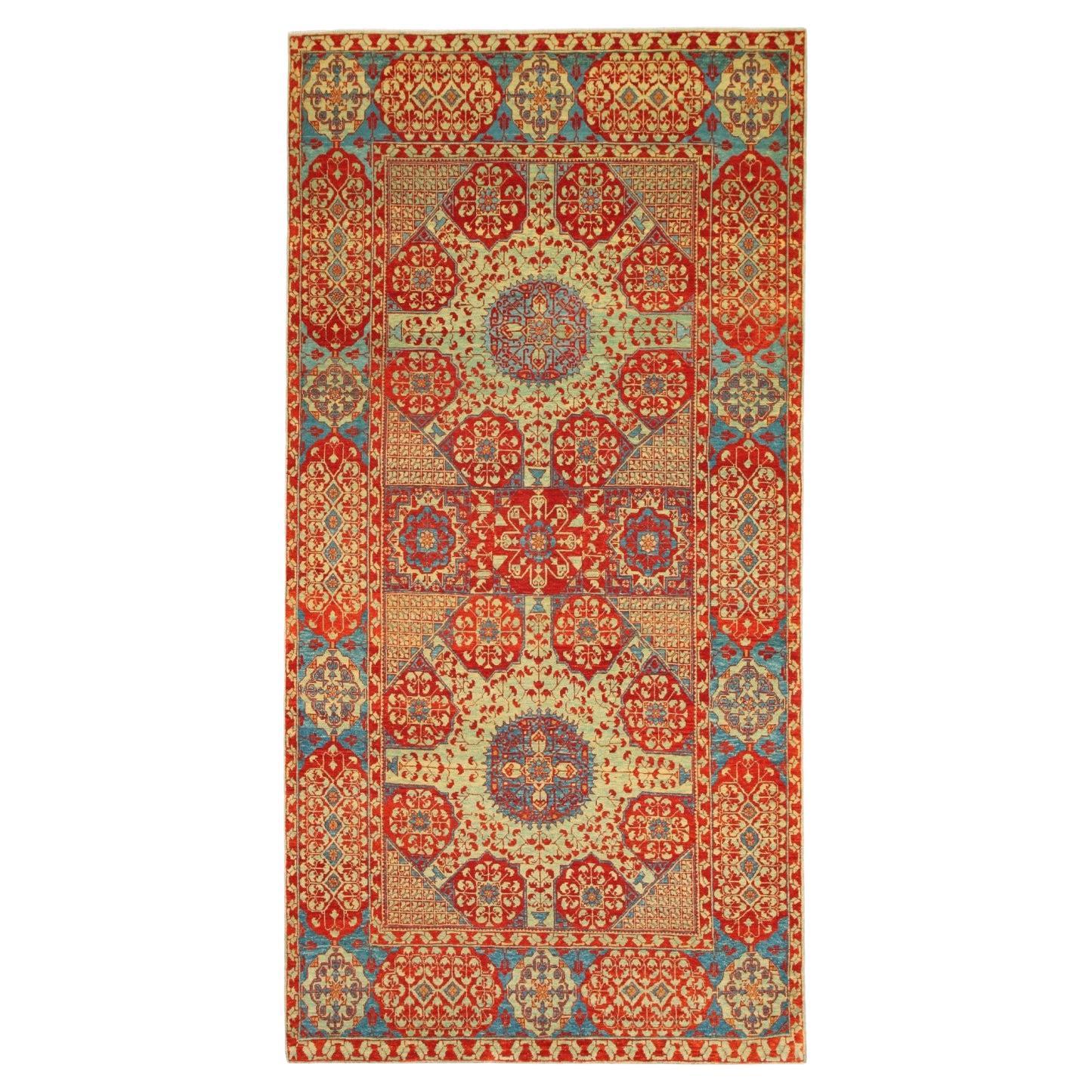
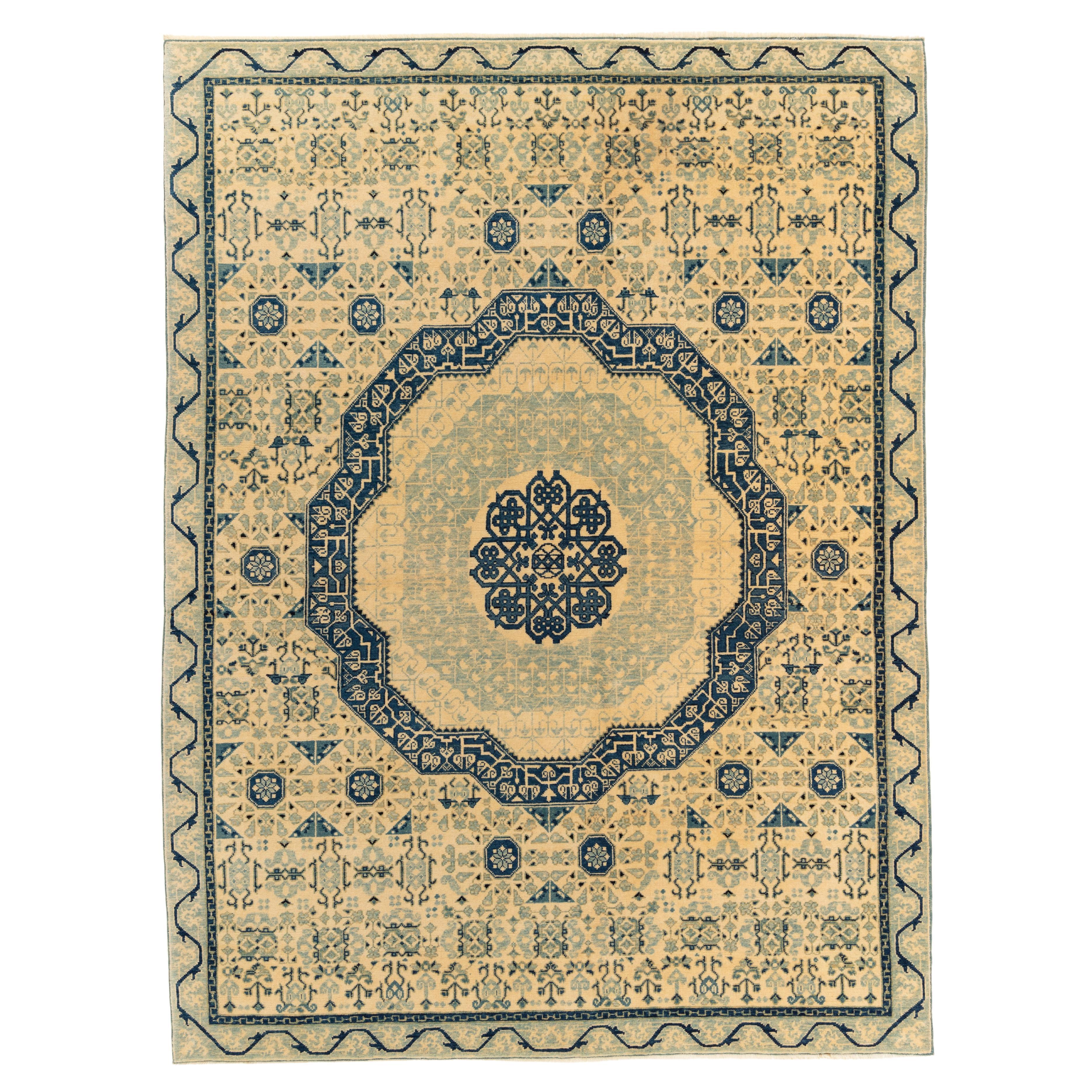
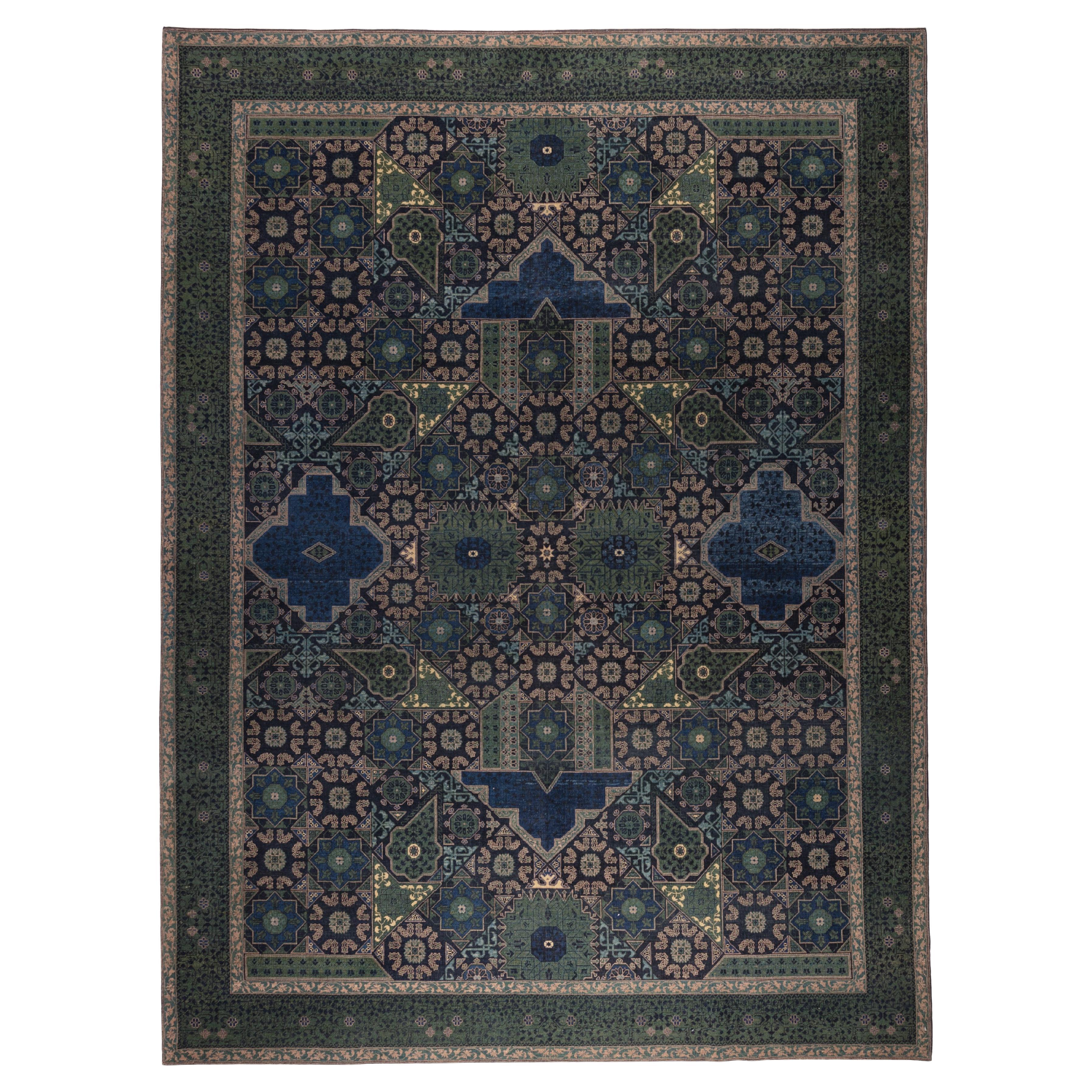
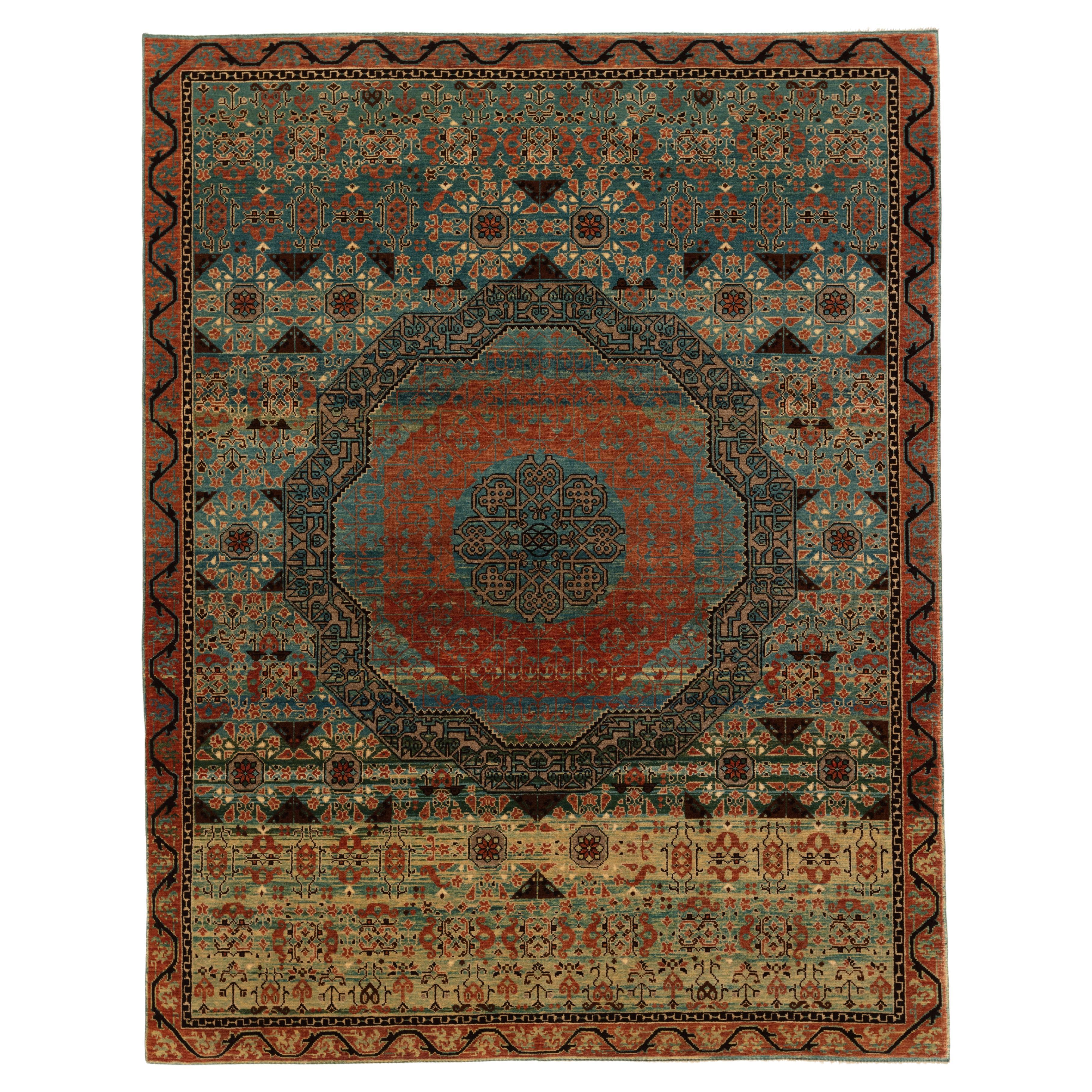
The source of the rug comes from the book Renaissance of Islam, Art of the Mamluks, Esin Atil, Smithsonian Institution Press, Washington D.C., 1981 nr.125. This a rug with a cup motif design late 15th-century rug from Mamluk Sultane of Cairo, Egypt. It is exhibited at the Washington D.C. The Textile Museum, R.16.1.2 . The layout of this rug is characteristic of the smaller, almost square Mamluk carpet. A wide border encloses the field, divided into horizontal units consisting of a central square flanked above and below by rectangular panels. The height of the rectangular panels is approximately one-third that of the square and is equal to the width of the border. The corners of the central square are cut into triangles, creating an octagon with green ground. The octagon contains a blue polylobed medallion, which encloses an eight-pointed star with a multipetaled rosette in the core. The area between the star and the lobed medallion has floral motifs springing outward from the arms of the star. The angles of the octagon bear eight isolated and irregular polygons with a red ground; each of these units is adorned with a multipetaled rosette enclosed by a square with papyrus motifs springing from its sides and corners. The field of the octagon is filled with similar papyrus sprays, some of which appear to grow from the eight stemmed cups placed between the polygons. The triangles in the corner bear a checkerboard pattern with a stylized lotus blossom (or fleur-de-lis) in each segment. The compositional layout of the rug is reminiscent of the illuminated frontispieces, which reveal similar proportions and internal divisions. Radiating designs of geometric components filled with floral motifs are a characteristic feature of Mamluk art, as observed in manuscripts, metalwork, glass, ceramics, woodwork, and textiles of the era. The stemmed cups represented in the central square appear to have been inspired by the blazon of the saqi. Here, the cups are used as a decorative feature and cannot be identified as blazons. The same decorative motif is found on a rug in Berlin. Our designers interpret the design of the rug and soft colors are chosen for this rug.
Color summary: 4 colors in total;
Turquoise 330 (Spurge – Madder Root – Indigo – Walnut Husk)
Natural Wool Color 320 (Specially Washed)
Bistre Brown 411 (Pomegranate – Madder Root)
Feldgrau 414 (Chamomile – Indigo)
Group: Islamic Rugs Family
Area: Mamluk
Material of Pile: Natural Dyed Hand-spun Wool
Material Warp / Weft: Wool on Wool
Structure: Symmetrical knot on depressed warp inclining to the right
Knots Density: 39x39
Production Place: East Anatolia – Erzurum Province
Stock Location: Tokyo
Size (EU): 185 X 147cm
Size (US): 6'0" X 4'9"
Area (EU): 2.7m²
Area (US): 29.3ft².
- Creator:Ararat Rugs (Manufacturer)
- Dimensions:Width: 57.88 in (147 cm)Length: 72.84 in (185 cm)
- Style:Revival (In the Style Of)
- Materials and Techniques:
- Place of Origin:
- Period:
- Date of Manufacture:2022
- Production Type:New Custom(One of a Kind)
- Estimated Production Time:Available Now
- Condition:
- Seller Location:Tokyo, JP
- Reference Number:Seller: 002851stDibs: LU8206233065222
ARARAT RUGS
We know and believe that the geography we come from, our past, and our lifestyle are the most important bond between us to carry the oriental carpet art and culture to the next generations along with our core values in our ongoing growth journey.
We are aware that the way to achieve this goal and carry this priceless art and culture to the future depends on a lot of work with all our people every day while adhering to our core values.
For us, art is meaningful in the sense that it brings together various cultures around the world. It is an honor for us that oriental carpet art and culture have been instrumental in this for centuries and that we are a part of this business.
We are tirelessly keeping an eye on auction house information around the world about carpets. New York's Metropolitan, London's Victoria
Albert Museums, and other famous art museums, as well as small specialized museums that house private collections, and books about oriental carpets to collect information on outstanding carpet designs and patterns from around the world. It's our Self-improving and Self-developing culture.
As Turkish Culture of Hospitality, the Kurdish Culture of Generosity, and as Japanese Culture of Business Punctuality; are the most important values that this multicultural background has taught and bequeathed to us. It is essential and valuable for us that you feel this feeling not only by looking at our oriental carpets but from the moment you contact us.
About the Seller
5.0
Platinum Seller
Premium sellers with a 4.7+ rating and 24-hour response times
Established in 1970
1stDibs seller since 2023
68 sales on 1stDibs
Typical response time: <1 hour
- ShippingRetrieving quote...Shipping from: Tokyo, Japan
- Return Policy
More From This Seller
View AllArarat Rugs Mamluk Carpet with Cup Motif, Antique Revival Rug, Natural Dyed
By Ararat Rugs
Located in Tokyo, JP
The source of the rug comes from the book Renaissance of Islam, Art of the Mamluks, Esin Atil, Smithsonian Institution Press, Washington D.C., 1981 nr.125. This is a rug with a cup motif design late 15th-century rug from the Mamluk Sultanate of Cairo, Egypt. It is exhibited at the Washington, D.C. The Textile Museum, R.16.1.2 . The layout of this rug is characteristic of the smaller, almost square Mamluk carpet. A wide border encloses the field, divided into horizontal units consisting of a central square flanked above and below by rectangular panels. The height of the rectangular panels is approximately one-third that of the square and is equal to the width of the border. The corners of the central square are cut into triangles, creating an octagon with green ground. The octagon contains a blue polylobed medallion, which encloses an eight-pointed star with a multipetaled rosette in the core. The area between the star and the lobed medallion has floral motifs springing outward from the arms of the star. The angles of the octagon bear eight isolated and irregular polygons with a red ground; each of these units is adorned with a multipetaled rosette enclosed by a square with papyrus motifs springing from its sides and corners. The field of the octagon is filled with similar papyrus sprays, some of which appear to grow from the eight-stemmed cups placed between the polygons. The triangles in the corners bear a checkerboard pattern with a stylized lotus blossom (or fleur-de-lis) in each segment. The compositional layout of the rug is reminiscent of the illuminated frontispieces, which reveal similar proportions and internal divisions. Radiating designs of geometric components filled with floral motifs are a characteristic feature of Mamluk art...
Category
21st Century and Contemporary Turkish Revival Turkish Rugs
Materials
Wool, Natural Fiber, Organic Material
Ararat Rugs Mamluk Carpet with Cup Motif, Antique Revival Rug, Natural Dyed
By Ararat Rugs
Located in Tokyo, JP
The source of the rug comes from the book Renaissance of Islam, Art of the Mamluks, Esin Atil, Smithsonian Institution Press, Washington D.C., 1981 nr.125. This a rug with a cup moti...
Category
21st Century and Contemporary Turkish Revival Turkish Rugs
Materials
Organic Material, Natural Fiber, Wool
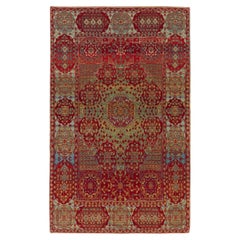
Ararat Rugs Mamluk Carpet with Cup Motif, Antique Revival Rug, Natural Dyed
By Ararat Rugs
Located in Tokyo, JP
The source of the rug comes from the book Renaissance of Islam, Art of the Mamluks, Esin Atil, Smithsonian Institution Press, Washington D.C., 1981 nr.125. This a rug with a cup moti...
Category
21st Century and Contemporary Turkish Revival Turkish Rugs
Materials
Wool, Natural Fiber, Organic Material
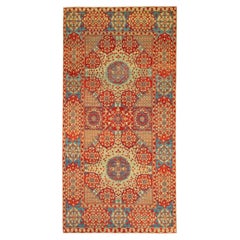
Ararat Rugs Mamluk Rug with Cusped Medallion Antique Revival Carpet Natural Dyed
By Ararat Rugs
Located in Tokyo, JP
The source of rug comes from the David Collection, Copenhagen. This rug with the Cusped Medallion was designed in the early 16th-century rug by Mamluk Sultane of Cairo, Egypt. Once i...
Category
21st Century and Contemporary Turkish Revival Turkish Rugs
Materials
Wool, Natural Fiber, Organic Material
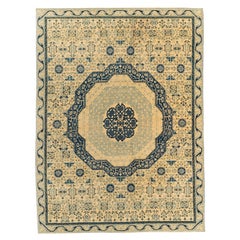
Ararat Rugs Mamluk Carpet, 16th Century Antique Revival Mamlouk Rug Natural Dyed
By Ararat Rugs
Located in Tokyo, JP
The source of the rug comes from the book Völker, Angela, Die orientalischen Knüpfteppiche das MAK, Vienna: Böhlau, 2001: 42–5. This rug with the central star was designed in the early 16th century rug by Mamluk Sultane of Cairo, Egypt. It is exhibited at MAK – Museum of Applied Arts, Vienna Austria. As its impressive size, materials, and design quality suggest, the carpet is a product of an accomplished court workshop and likely dates from the late period of the last Mamluk dynasty. The quantity of the colors used speaks for an earlier date around 1500; the delicate vegetal border with leaf tendrils and the characteristic umbrella leaves...
Category
21st Century and Contemporary Turkish Revival Turkish Rugs
Materials
Wool, Natural Fiber, Organic Material
$33,000
Free Shipping
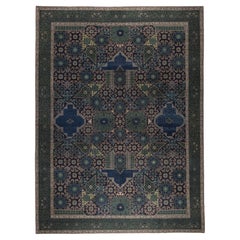
Ararat Rugs Mamluk Rug with Cusped Medallion Antique Revival Carpet Natural Dyed
By Ararat Rugs
Located in Tokyo, JP
The source of the rug comes from the David Collection, Copenhagen. This rug with the Cusped Medallion was designed in the early 16th-century rug by the Mamluk Sultanate of Cairo, Egy...
Category
21st Century and Contemporary Turkish Revival Turkish Rugs
Materials
Wool, Natural Fiber, Organic Material
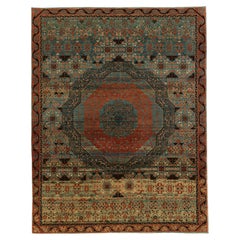
You May Also Like
Vintage Revival Agra Design Rapture Collection
By Mehraban Rugs
Located in WEST HOLLYWOOD, CA
This vintage Agra style recreation is both elegant and detailed to perfection. Weavers of Agra were masters at vegetable dying as they popularized gold and soft mid-tone blues. The c...
Category
21st Century and Contemporary Central Asian Agra Central Asian Rugs
Materials
Wool
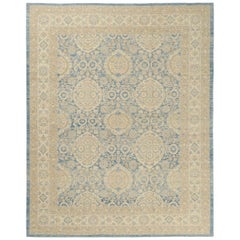
Natural Dye Transitional Style Arts and Crafts Rug D5207 Bliss
By Mehraban Rugs
Located in WEST HOLLYWOOD, CA
Rug Number
12504
Size
7' 11" X 9' 11"
Design
Arts & Crafts
Collection
Traditional Re-Creations
Material
Wool
Texture
Pile Weave
Origin
Afghanistan
Age
New
Category
2010s Afghan Central Asian Rugs
Materials
Wool
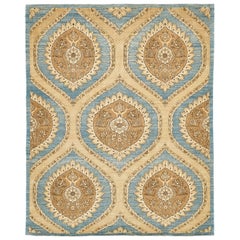
Mehraban Vintage Style Mahal Design Rug D5137
By Mehraban Rugs
Located in WEST HOLLYWOOD, CA
Rug Number
17307
Size
8' 0" X 9' 10"
Design
Mahal
Collection
Muted Re-Creations
Material
Wool
Texture
Pile Weave
Origin
Afghanistan
Age
New
Category
2010s Afghan Central Asian Rugs
Materials
Wool
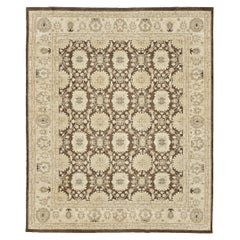
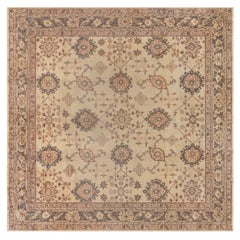
Doris Leslie Blau Antique Turkish Oushak Rug
Located in New York, NY
Antique Turkish Oushak rug
Size: 12'2" × 12'4" (370 × 375 cm)
Color: beige, brown, taupe.
This rare square-shaped antique Turkish Oushak rug is a magnificent example of Anatolian wea...
Category
Mid-20th Century Turkish Oushak Turkish Rugs
Materials
Wool
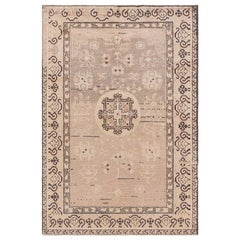
Doris Leslie Blau Vintage Samarkand (Khotan) Rug
Located in New York, NY
Vintage Samarkand (Khotan) Rug
Size: 4'1" × 6'1" (124 × 185 cm)
This exquisite vintage Samarkand rug, handwoven in East Turkestan circa 1950, is a refined example of the region’s uni...
Category
Mid-20th Century Uzbek Central Asian Rugs
Materials
Wool
Rug
Kilim
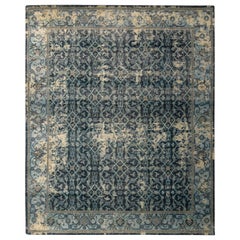
s Hand Knotted Herati-Style Rug Blue Classic Pattern
By Rug
Kilim
Located in Long Island City, NY
This hand knotted Classic rug joins the latest additions to the Homage Collection by Rug
Kilim, an ambitious custom-capable encyclopedia of periods recapturing and reinventing ...
Category
2010s Indian Rustic Indian Rugs
Materials
Wool
More Ways To Browse
Black And Gold Round Coffee Table
Blue Velvet Couch
Boucle Metal Chair
Brown Suede Chair
Copper Measures
Danish Cushion
Danish Royal Porcelain Plates
Eternal Flame
Executive Office Chairs
Fakasaka Design
Folding Desk
Gold Metal Chair
Granite Mid Century Table
Italian Glass Decanter
Large Poufs
Large Wall Tapestry
Nesting Coffee Tables Mid Century
Oval Travertine Table