Items Similar to Ararat Rugs Mamluk Wagireh Rug with Leaf Lattice Design Door Mat Entrance Carpet
Video Loading
Want more images or videos?
Request additional images or videos from the seller
1 of 8
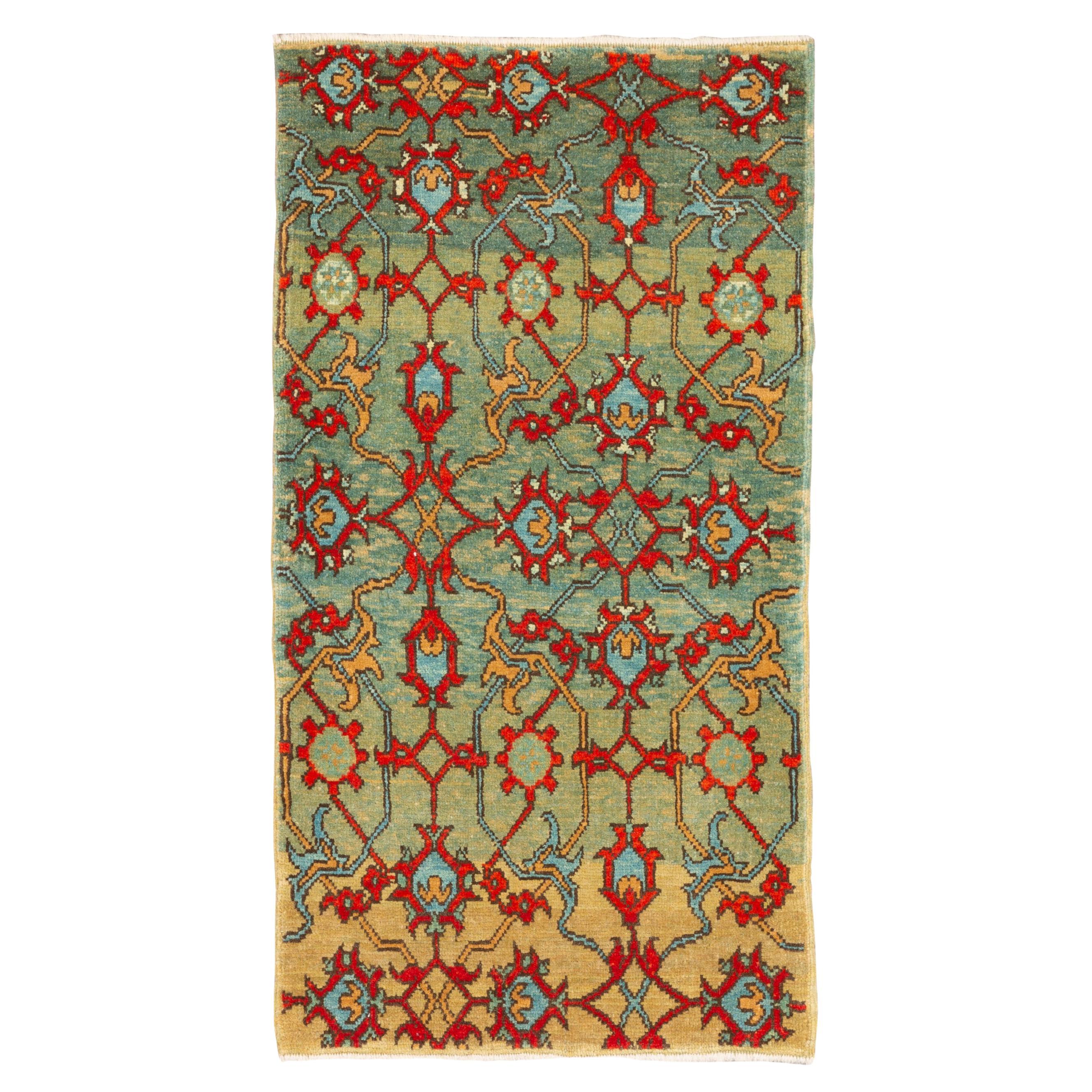
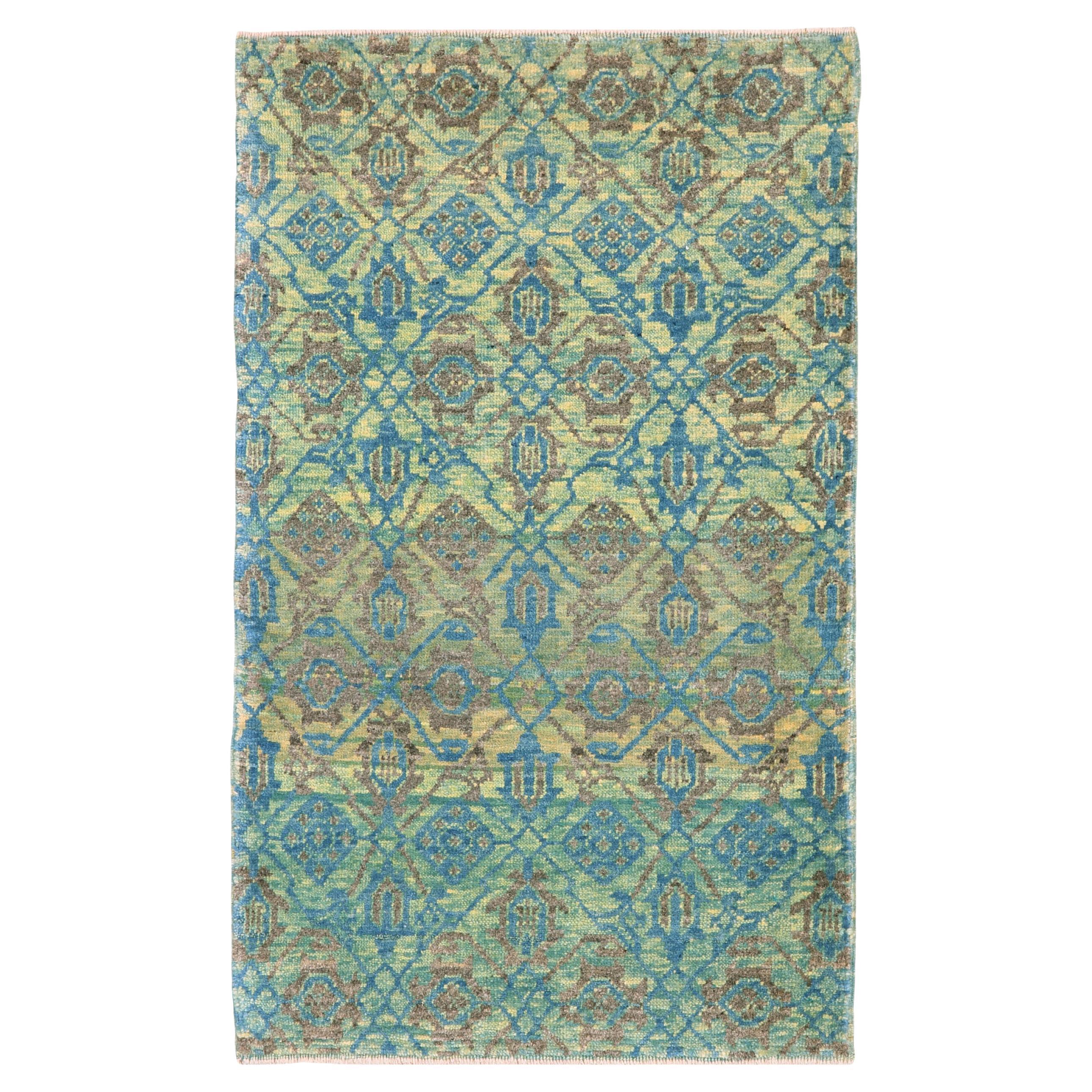
Ararat Rugs Mamluk Wagireh Rug with Leaf Lattice Design Door Mat Entrance Carpet
$825
£629.30
€716.96
CA$1,159.54
A$1,265.03
CHF 669.83
MX$15,158.70
NOK 8,530.62
SEK 7,800.62
DKK 5,353.45
About the Item
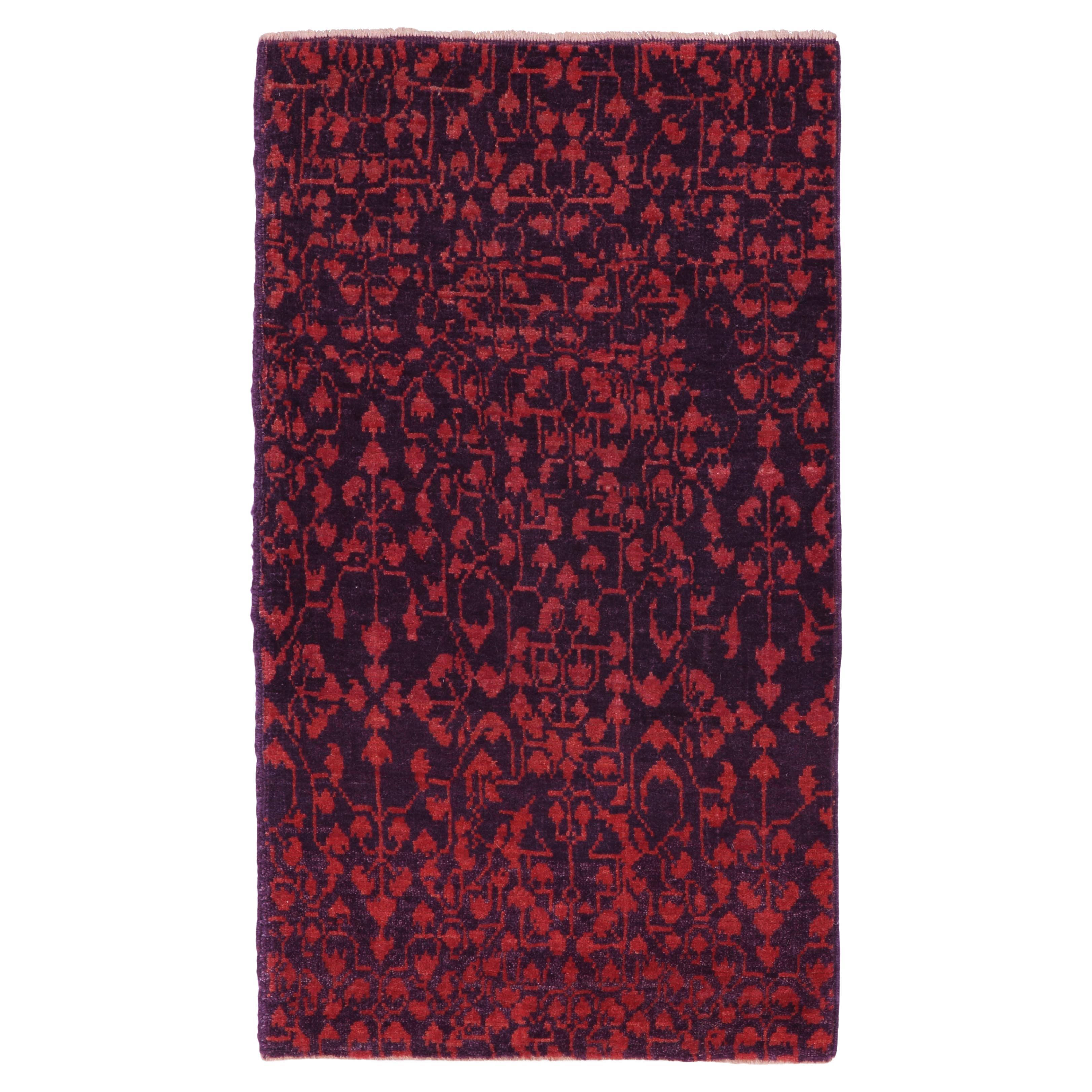
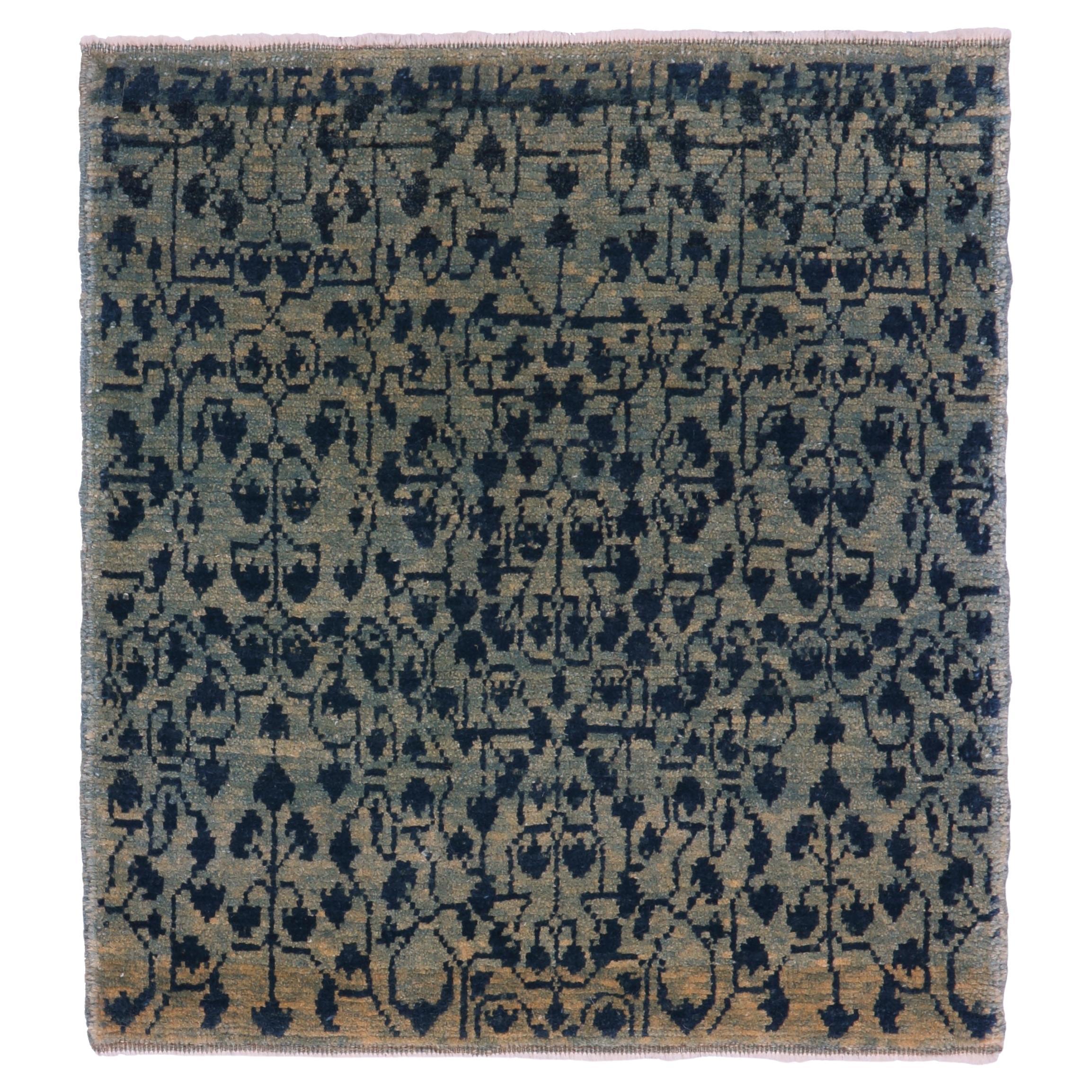
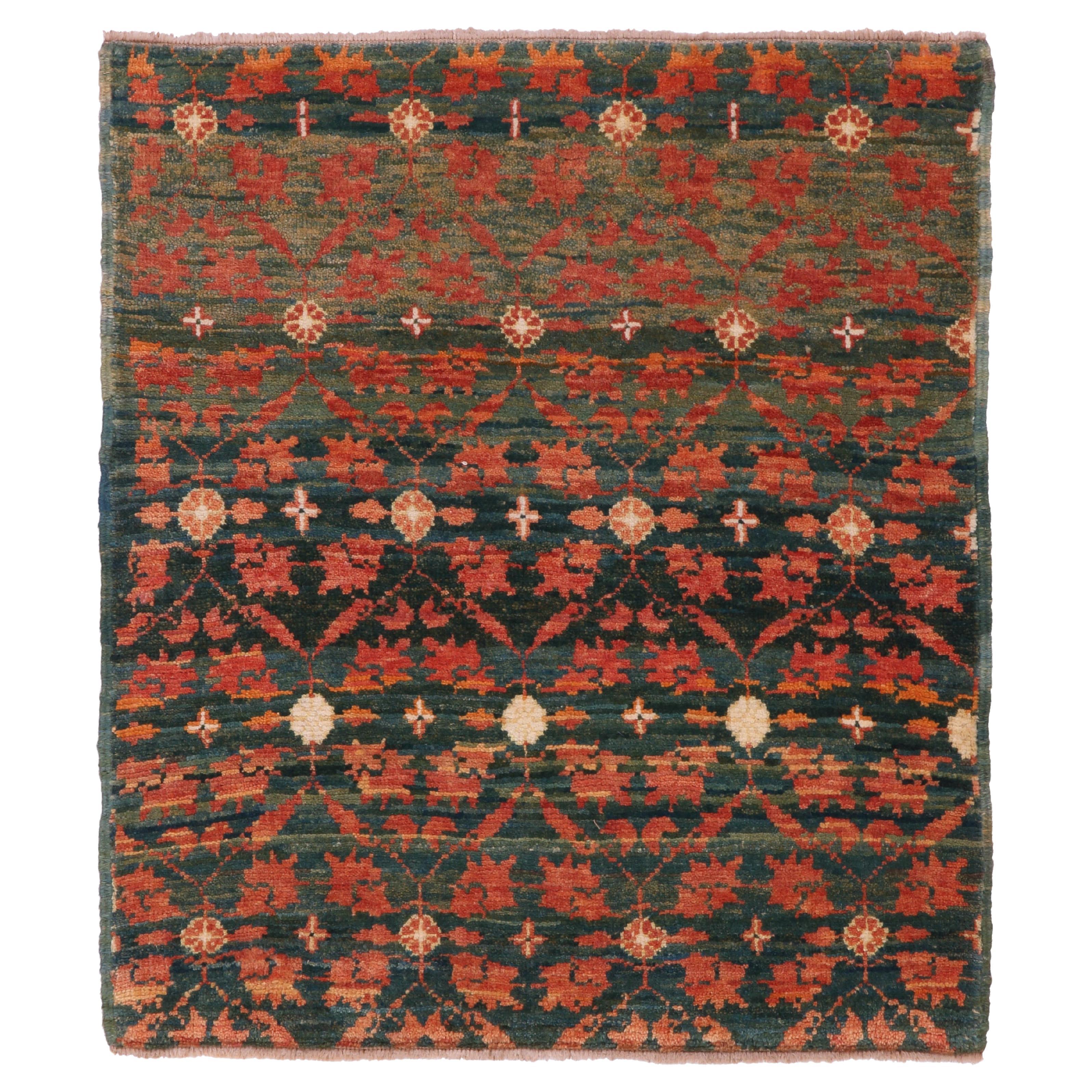
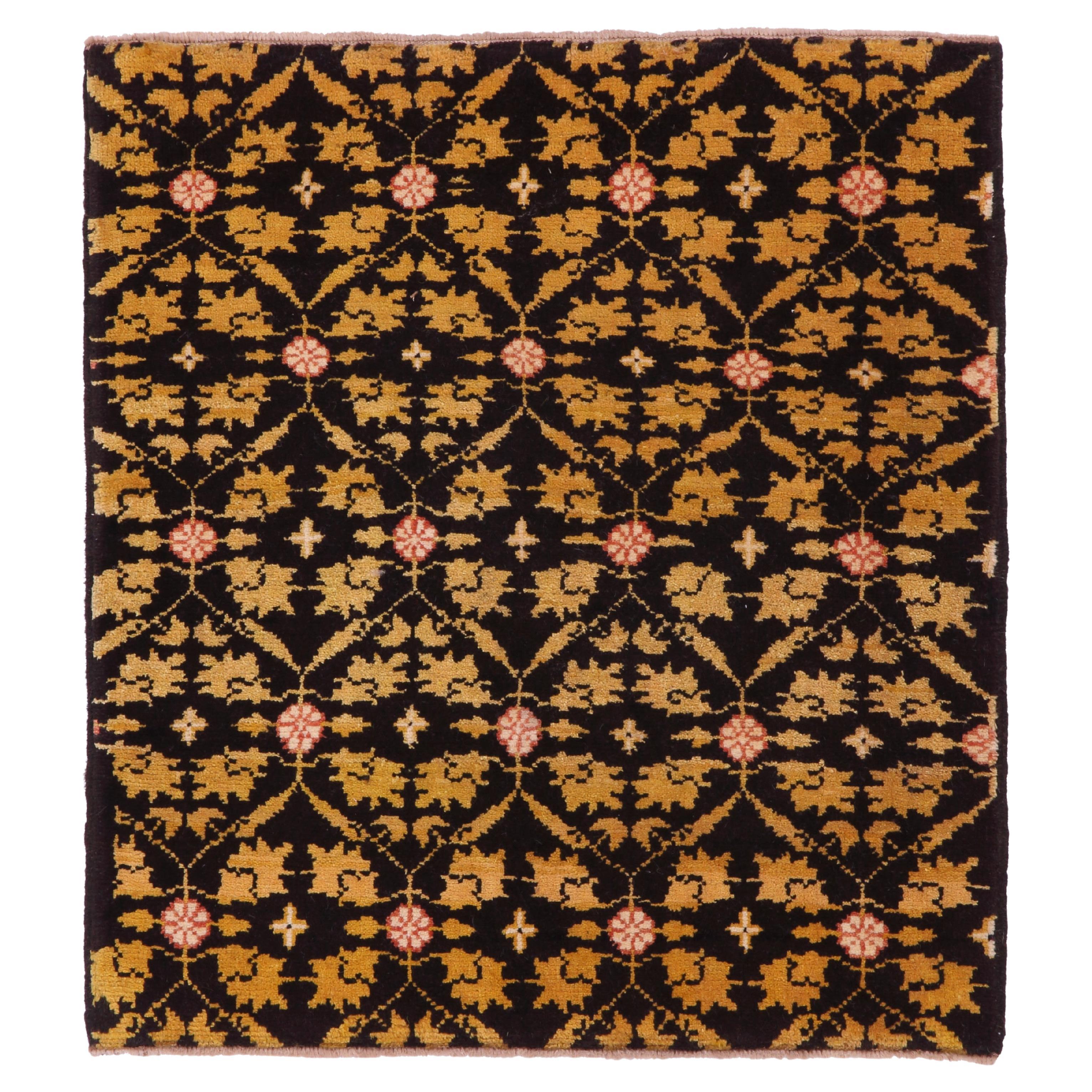
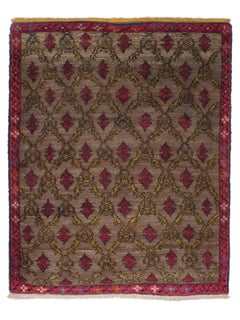
The design source of the carpet comes from the book Völker, Angela, Die orientalischen Knüpfteppiche das MAK, Vienna: Böhlau, 2001: 42–5. That rug with the central star was designed in the early 16th-century rug by Mamluk Sultane of Cairo, Egypt. It is exhibited at MAK – Museum of Applied Arts, Vienna Austria. The interpreted design is composed of a leaf lattice pattern taken from the border of the MAK Museum's rug, filling the field elegantly. These kinds of rugs have often been described as wagirehs or samplers and were said to have been used as weaver`s aids, or for demonstration purposes, made as a template or pattern for the carpet design and production of larger rugs, they are generally small pieces the size of a scatter rug or mat. Mamluk carpets originated in a physical environment that lacked the combination of abundant marginal grazing land and a temperate climate with cool winters that were common to most carpet-weaving areas in the Islamic world. While related to a broader tradition of Turkish weaving centered in Anatolia, far to the north, the designs of these carpets include atypical elements, such as stylized papyrus plants, that are deeply rooted in Egyptian tradition. Their unusual composition and layout probably represent an attempt to develop a distinctive product that could in effect establish a “Mamluk brand” in the lucrative European export market. The uncharacteristic color scheme—devoid of the undyed white pile and employing a limited range of three or five hues in much the same value—also suggests a conscious attempt to create a particular stylistic identity. Also virtually unique in the world of Islamic carpets is the S-spun wool. It has been argued that the tradition of clockwise wool spinning originated in Egypt because of the earlier Egyptian tradition of spinning flax into linen thread. Details of the plant’s botanical structure make it impossible to spin flax fiber in the more common counterclockwise direction utilized throughout the Middle East for wool and cotton. Mamluk carpets with the color combinations seen in the Simonetti are now generally accepted as part of an earlier tradition that has many links to the weaving of Anatolia, Iran, and Syria. The “three-color” Mamluk carpets, well represented in the Metropolitan’s collection, represent a later development that continued well after the Ottoman conquest of Egypt in 1517. Many such carpets may have been produced well into the seventeenth century, and possibly even later. (Walter B. Denny in [Ekhtiar, Soucek, Canby, and Haidar 2011]). The design of the rug is interpreted by our designers from our Mamlouk-type rugs collection and soft colors are used for this rug.
Keywords: Doormat, Entrance Mat
Color summary: 4colors in total;
Wine Berry 443
Yellow Green 419 (Henna - Indigo)
Gold 429 (Reseda Luteola)
Dark Brown 316 (No Dye)
Group: Islamic Rugs Family
Area: Mamluk
Material of Pile: Natural Dyed Hand-spun Wool
Material Warp / Weft: Wool on Wool
Structure: Symmetrical knot on depressed warp inclining to the right
Knots Density: 39x39
Production Place: Southeastern Anatolia – Diyarbakir Region
Dimensions:
1 ft 8 in x 2 ft 4 in ( 52cm x 73cm )
- Creator:Ararat Rugs (Manufacturer)
- Dimensions:Width: 20.48 in (52 cm)Length: 28.75 in (73 cm)
- Style:Revival (In the Style Of)
- Materials and Techniques:
- Place of Origin:
- Period:
- Date of Manufacture:2023
- Production Type:New Custom(One of a Kind)
- Estimated Production Time:Available Now
- Condition:
- Seller Location:Tokyo, JP
- Reference Number:Seller: 001371stDibs: LU8206242515882
ARARAT RUGS
We know and believe that the geography we come from, our past, and our lifestyle are the most important bond between us to carry the oriental carpet art and culture to the next generations along with our core values in our ongoing growth journey.
We are aware that the way to achieve this goal and carry this priceless art and culture to the future depends on a lot of work with all our people every day while adhering to our core values.
For us, art is meaningful in the sense that it brings together various cultures around the world. It is an honor for us that oriental carpet art and culture have been instrumental in this for centuries and that we are a part of this business.
We are tirelessly keeping an eye on auction house information around the world about carpets. New York's Metropolitan, London's Victoria
Albert Museums, and other famous art museums, as well as small specialized museums that house private collections, and books about oriental carpets to collect information on outstanding carpet designs and patterns from around the world. It's our Self-improving and Self-developing culture.
As Turkish Culture of Hospitality, the Kurdish Culture of Generosity, and as Japanese Culture of Business Punctuality; are the most important values that this multicultural background has taught and bequeathed to us. It is essential and valuable for us that you feel this feeling not only by looking at our oriental carpets but from the moment you contact us.
About the Seller
5.0
Platinum Seller
Premium sellers with a 4.7+ rating and 24-hour response times
Established in 1970
1stDibs seller since 2023
68 sales on 1stDibs
Typical response time: <1 hour
- ShippingRetrieving quote...Shipping from: Tokyo, Japan
- Return Policy
More From This Seller
View AllArarat Rugs Mamluk Wagireh Rug with Leaf Lattice Design, Egypt Revival Carpet
By Ararat Rugs
Located in Tokyo, JP
The source of carpet comes from the book Völker, Angela, Die orientalischen Knüpfteppiche das MAK, Vienna: Böhlau, 2001: 42–5. That rug with the central star was designed in the early 16th-century rug by Mamluk Sultane of Cairo, Egypt. It is exhibited at MAK – Museum of Applied Arts, Vienna Austria. The interpreted design is composed of a leaf lattice pattern taken from the border of the MAK Museum’s rug...
Category
21st Century and Contemporary Turkish Revival Turkish Rugs
Materials
Wool, Natural Fiber, Organic Material
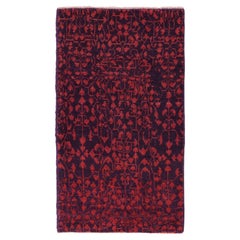
Ararat Rugs Mamluk Wagireh Rug with Leaf Lattice Design, Egypt Revival Carpet
By Ararat Rugs
Located in Tokyo, JP
The source of carpet comes from the book Völker, Angela, Die orientalischen Knüpfteppiche das MAK, Vienna: Böhlau, 2001: 42–5. That rug with the central star was designed in the earl...
Category
21st Century and Contemporary Turkish Revival Turkish Rugs
Materials
Wool, Natural Fiber, Organic Material
$320 Sale Price
20% Off
Free Shipping
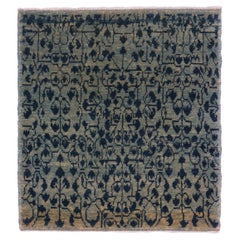
Ararat Rugs Mamluk Wagireh Rug with Flower Lattice Design DoorMat Entrance Mat
By Ararat Rugs
Located in Tokyo, JP
The design source of carpet comes from the book Völker, Angela, Die orientalischen Knüpfteppiche das MAK, Vienna: Böhlau, 2001: 42–5. This rug with the central star was designed in the early 16th-century rug by Mamluk Sultane of Cairo, Egypt. It is exhibited at MAK – Museum of Applied Arts, Vienna Austria. The interpreted design is composed of a flower lattice pattern taken from a part of the MAK Museum’s rug...
Category
21st Century and Contemporary Turkish Revival Turkish Rugs
Materials
Wool, Natural Fiber, Organic Material
$512 Sale Price
37% Off
Free Shipping
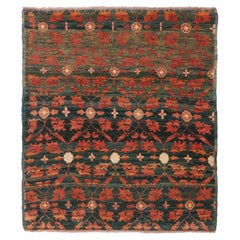
Ararat Rugs Mamluk Wagireh Rug with Flower Lattice Design Natural Dyed Carpet
By Ararat Rugs
Located in Tokyo, JP
The design source of the carpet comes from the book Völker, Angela, Die orientalischen Knüpfteppiche das MAK, Vienna: Böhlau, 2001: 42–5. This rug with the central star was designed ...
Category
21st Century and Contemporary Turkish Revival Turkish Rugs
Materials
Wool, Natural Fiber, Organic Material
$660 Sale Price
20% Off
Free Shipping
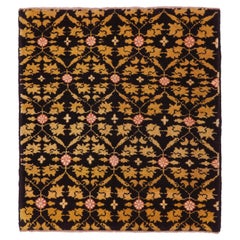
Ararat Rugs Mamluk Wagireh Rug with Palmette Lattice Revival Carpet Natural Dyed
By Ararat Rugs
Located in Tokyo, JP
This rug has an interpreted design composed of a palmette lattice pattern taken from a part of the Mamluk rug, filling the field elegantly. These kinds of rugs have often been descri...
Category
2010s Turkish Revival Turkish Rugs
Materials
Wool, Natural Fiber, Organic Material
$660 Sale Price
20% Off
Free Shipping
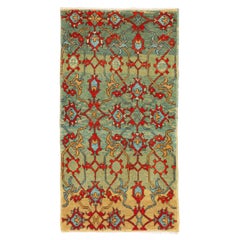
Ararat Rugs Mamluk Wagireh Rug with Lattice Pattern Design Egypt Revival Carpet
By Ararat Rugs
Located in Tokyo, JP
This lattice pattern is composed of palmettes and leaves filling the various compartments against the imposing ground. One has the impression that it is only part of a larger scheme designed 15th-century rug from the Mamluk era, Cairo region, Eygpt. These designs have often been described as wagirehs or samplers and were said to have been used as weaver`s aids, or for demonstration purposes, made as a template or pattern for the carpet design and production of larger rugs, they are generally small pieces of the size of a scatter rug or mat.
Mamluk carpets originated in a physical environment that lacked the combination of abundant marginal grazing land and a temperate climate with cool winters that were common to most carpet-weaving areas in the Islamic world. While related to a broader tradition of Turkish weaving centered in Anatolia, far to the north, the designs of these carpets include atypical elements, such as stylized papyrus plants, that are deeply rooted in Egyptian tradition. Their unusual composition and layout probably represent an attempt to develop a distinctive product that could in effect establish a “Mamluk brand” in the lucrative European export market. The uncharacteristic color scheme—devoid of the undyed white pile and employing a limited range of three or five hues in much the same value—also suggests a conscious attempt to create a particular stylistic identity. Also virtually unique in the world of Islamic carpets is the S-spun wool. It has been argued that the tradition of clockwise wool spinning originated in Egypt because of the earlier Egyptian tradition of spinning flax into linen thread. Details of the plant’s botanical structure make it impossible to spin flax fiber in the more common counterclockwise direction utilized throughout the Middle East for wool and cotton.
Mamluk carpets with the color combinations seen in the Simonetti are now generally accepted as part of an earlier tradition that has many links to the weaving of Anatolia, Iran, and Syria. The “three-color” Mamluk carpets, well represented in the Metropolitan’s collection, represent a later development that continued well after the Ottoman conquest of Egypt in 1517. Many such carpets may have been produced well into the seventeenth century, and possibly even later. (Walter B. Denny in [Ekhtiar, Soucek, Canby, and Haidar 2011]). The design of the rug is interpreted by our designers from our Mamlouk-type rugs collection and soft colors are used for this rug.
Color summary: 3 colors in total;
Moss Green 27 (Spurge – Indigo)
Mount Olive...
Category
21st Century and Contemporary Turkish Revival Turkish Rugs
Materials
Wool, Natural Fiber, Organic Material
You May Also Like
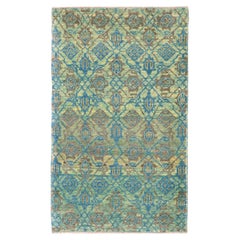
Doris Leslie Blau Antique Karabagh Botanic Handmade Wool Rug
Located in New York, NY
Antique Karabagh Botanic Brown, Beige Handmade Wool Rug
Size: 6'8" × 12'9" (203 × 388 cm)
This antique Russian Karabagh rug from the Caucasus, dating back to circa 1920, presents a r...
Category
Early 20th Century Caucasian Persian Rugs
Materials
Wool
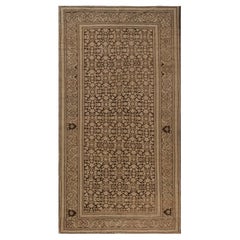
Regal Weave: A Sultanic Oushak of Enduring Elegance in a Garden of Time
Located in Dallas, TX
50342 Antique Pink Turkish Oushak Rug, 06’09 x 09’10. Evoke the grandeur of bygone empires and the cultivated elegance of aristocratic interiors with this rare hand knotted wool anti...
Category
Early 20th Century Turkish Oushak Turkish Rugs
Materials
Wool
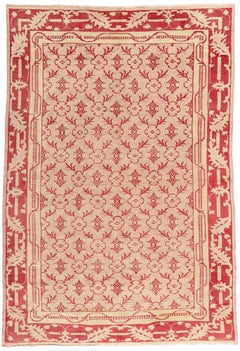
Antique Persian Hamadan Oriental Rug, in Runner Size, w/ Geometric Design
Located in New York, NY
Antique Persian Hamadan Oriental Rug, Runner size
A vintage Persian Hamadan oriental rug in runner size, size 7'8" x 3'7", circa 1920. This lovely hand-knotted carpet features rep...
Category
Vintage 1920s Persian Persian Rugs
Materials
Wool
$2,556 Sale Price
20% Off
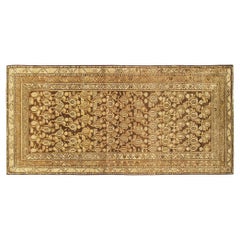
Karapinar Rug with Lattice Design
Located in New York, NY
Karapinar rug with lattice design. Rug as great wool, tight weave, lovely interpretation of a well-known design from this region. Larger than usual size ...
Category
Vintage 1960s Turkish More Carpets
Materials
Wool
$1,800 Sale Price
20% Off
Vintage Turkish Rug, with Floral Geometric Patterns, from Rug
Kilim
Located in Long Island City, NY
Hand Knotted in wool circa 1960-1970, this 5x9 vintage Turkish rug features a unique play of Art Deco and mid-century modern sensibilities for its period.
On the Design:
Connoisse...
Category
Vintage 1960s Turkish Art Deco Turkish Rugs
Materials
Wool
Antique Persian Kurdish Gallery Rug with All-Over Sub-Geometric Design
Located in Atlanta, GA
Antique Kurdish Gallery rug, Keivan Woven Arts / rug R20-0810, country of origin / type: Persian / Kurdish, circa Early-20th century.
Measures: 4'2 x 10'2.
Category
Early 20th Century Persian Malayer Persian Rugs
Materials
Wool
More Ways To Browse
Pink Stool
Porcelain Dessert Set
Portuguese 21st Century Contemporary Console Table
Purple Marble
Sheffield Silver Plate Serving Tray
Side Table Black Marble Square
Silver Gilt Cup
Solid Cherry Table
Space Age Kitchen
Spanish Moorish
Sterling Silver Overlay
Th Brown
Tomlinson Furniture Vintage
Used Wine Labels
Vintage Air France Travel Posters
Vintage Bedding
Vintage Depose
Vintage Framed Art