Items Similar to Contemporary Sardinian
GP-N2
Carpet
Want more images or videos?
Request additional images or videos from the seller
1 of 6
Contemporary Sardinian
GP-N2
Carpet
$4,800
£3,661.11
€4,169.12
CA$6,745.46
A$7,356.88
CHF 3,897.18
MX$88,198.50
NOK 49,632.71
SEK 45,385.43
DKK 31,147.37
About the Item
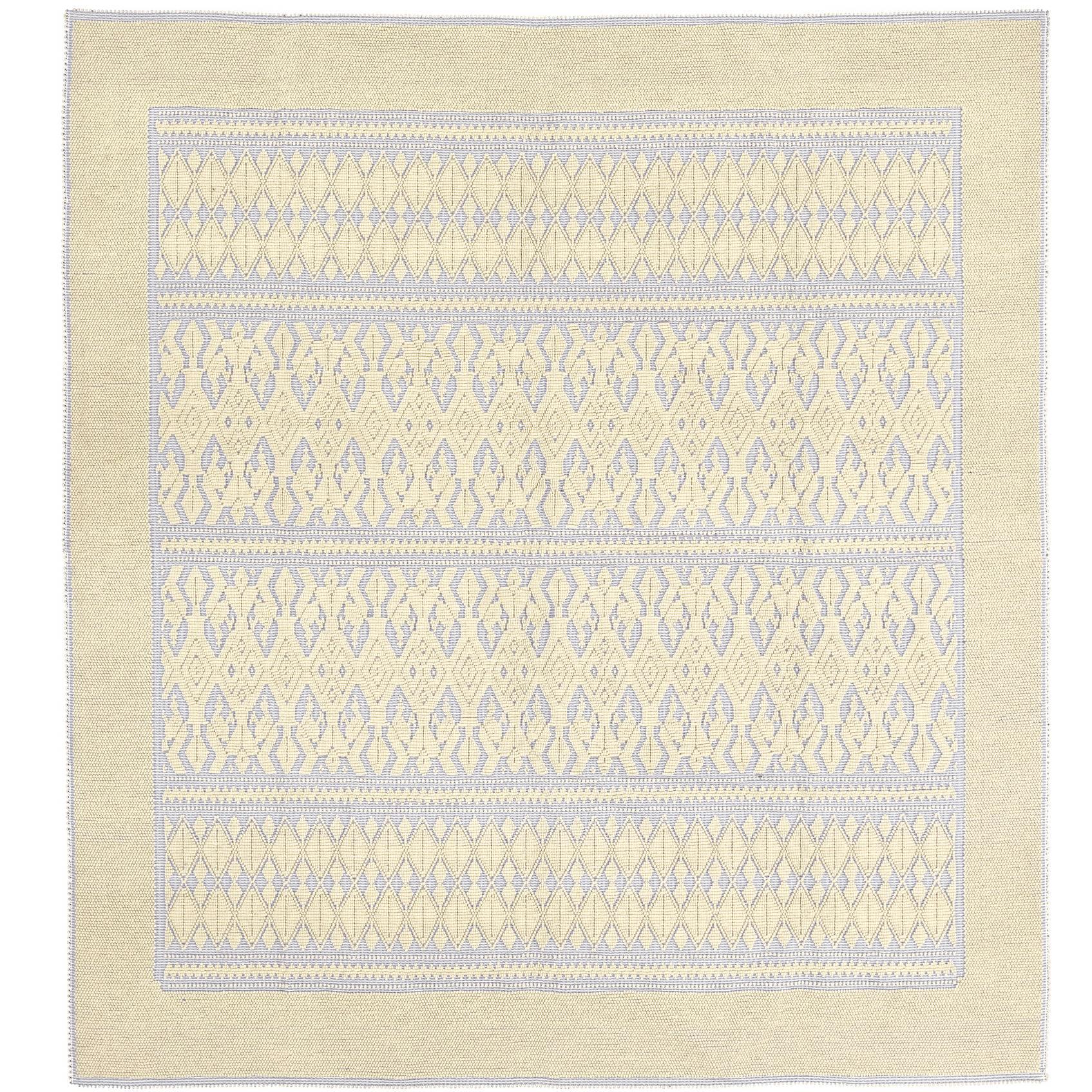
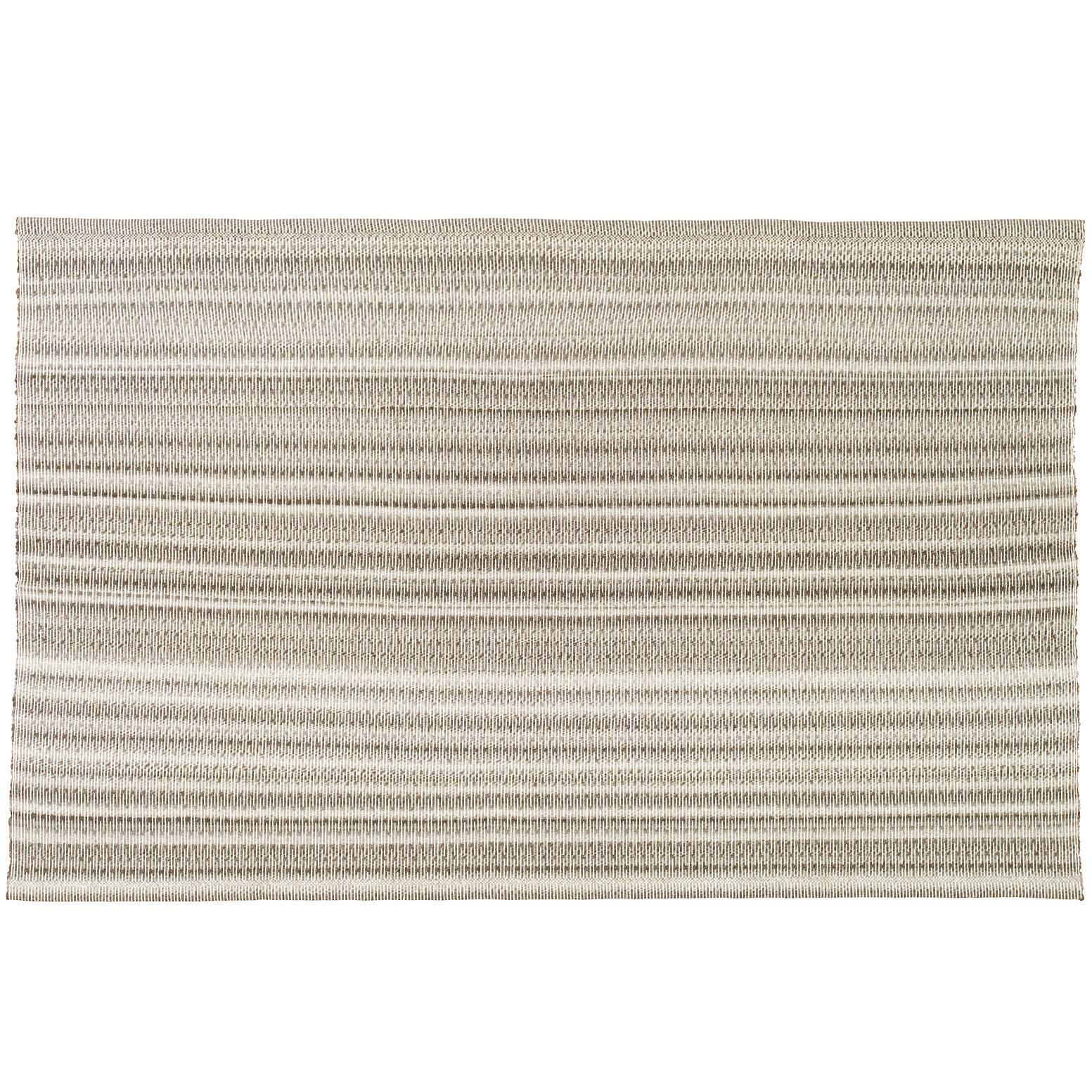
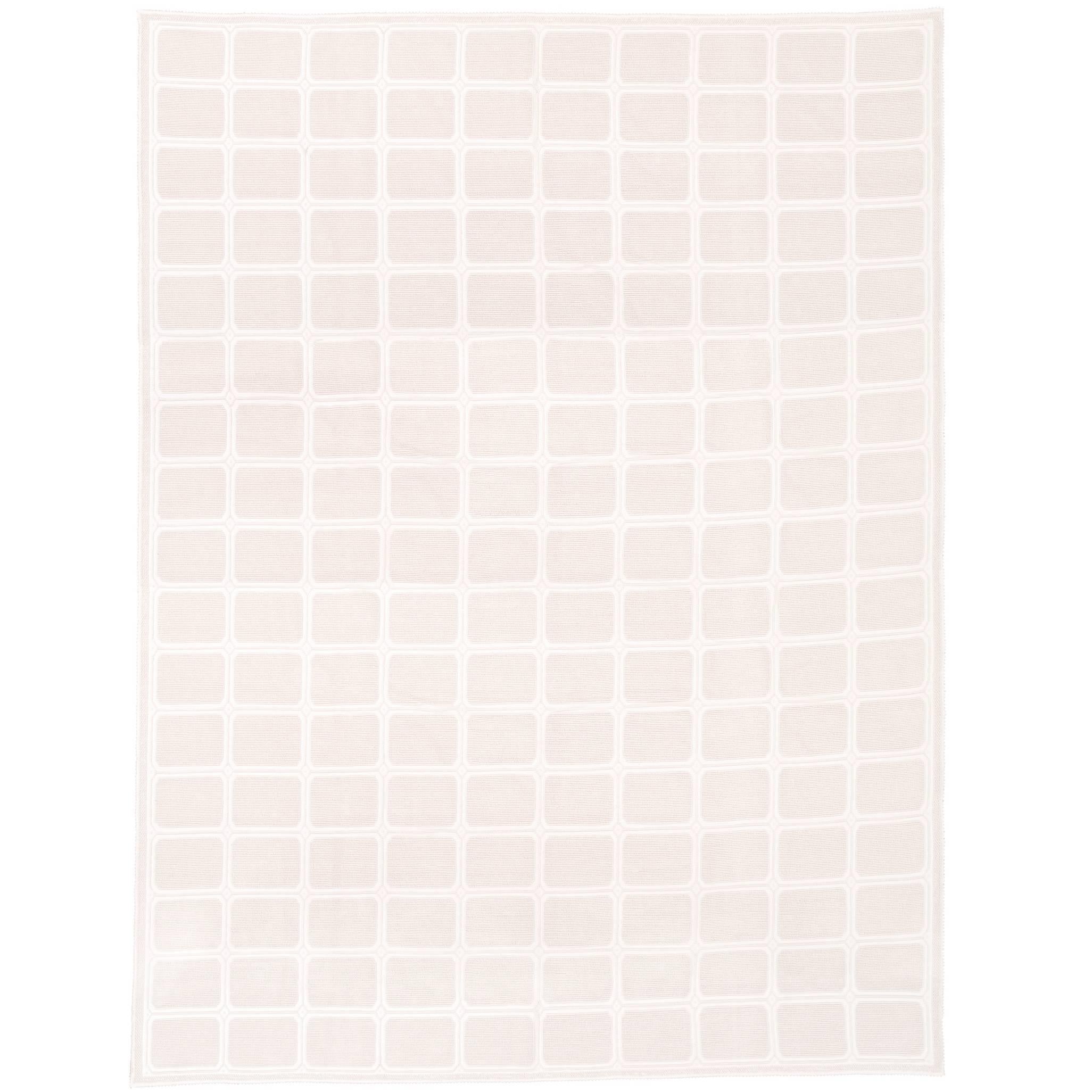
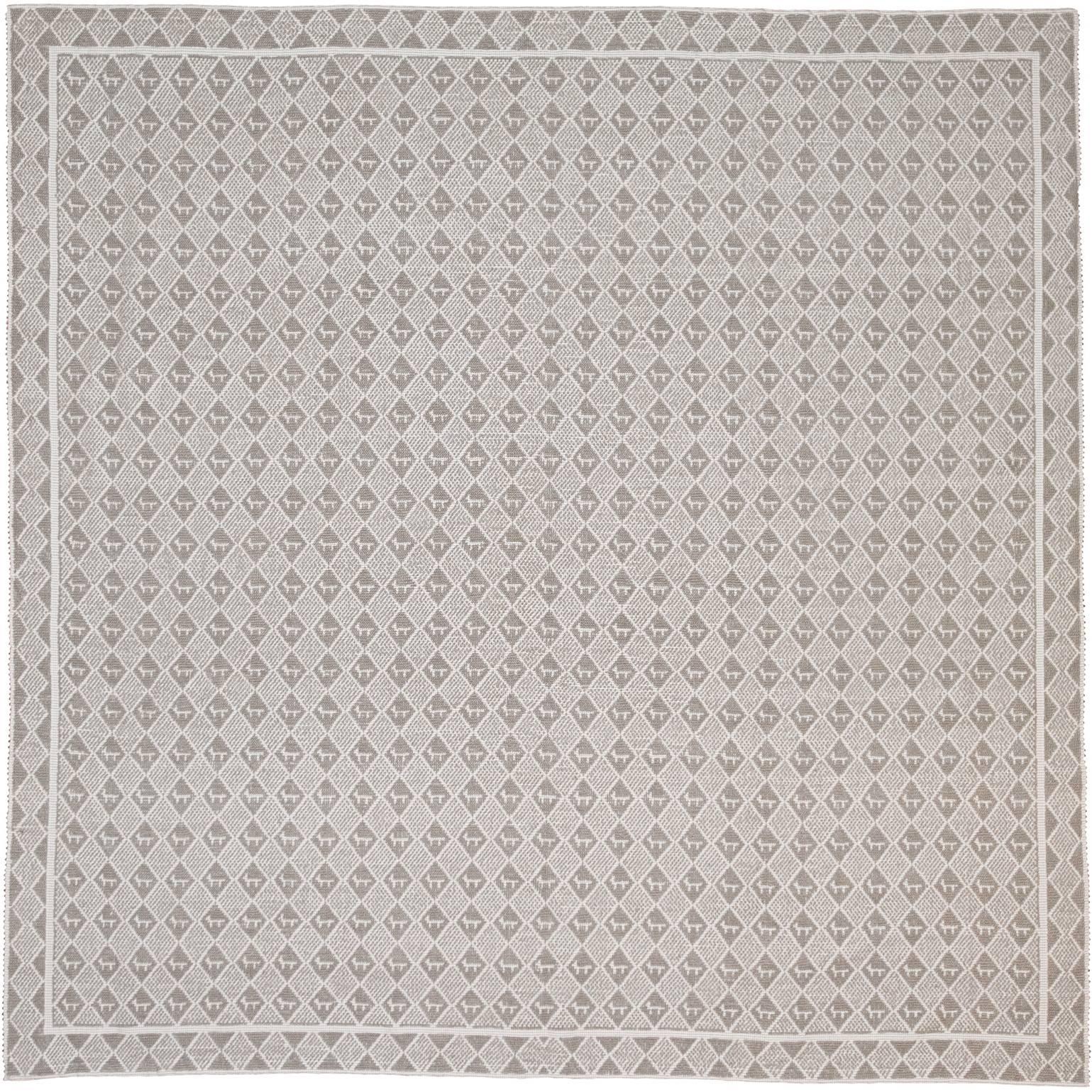
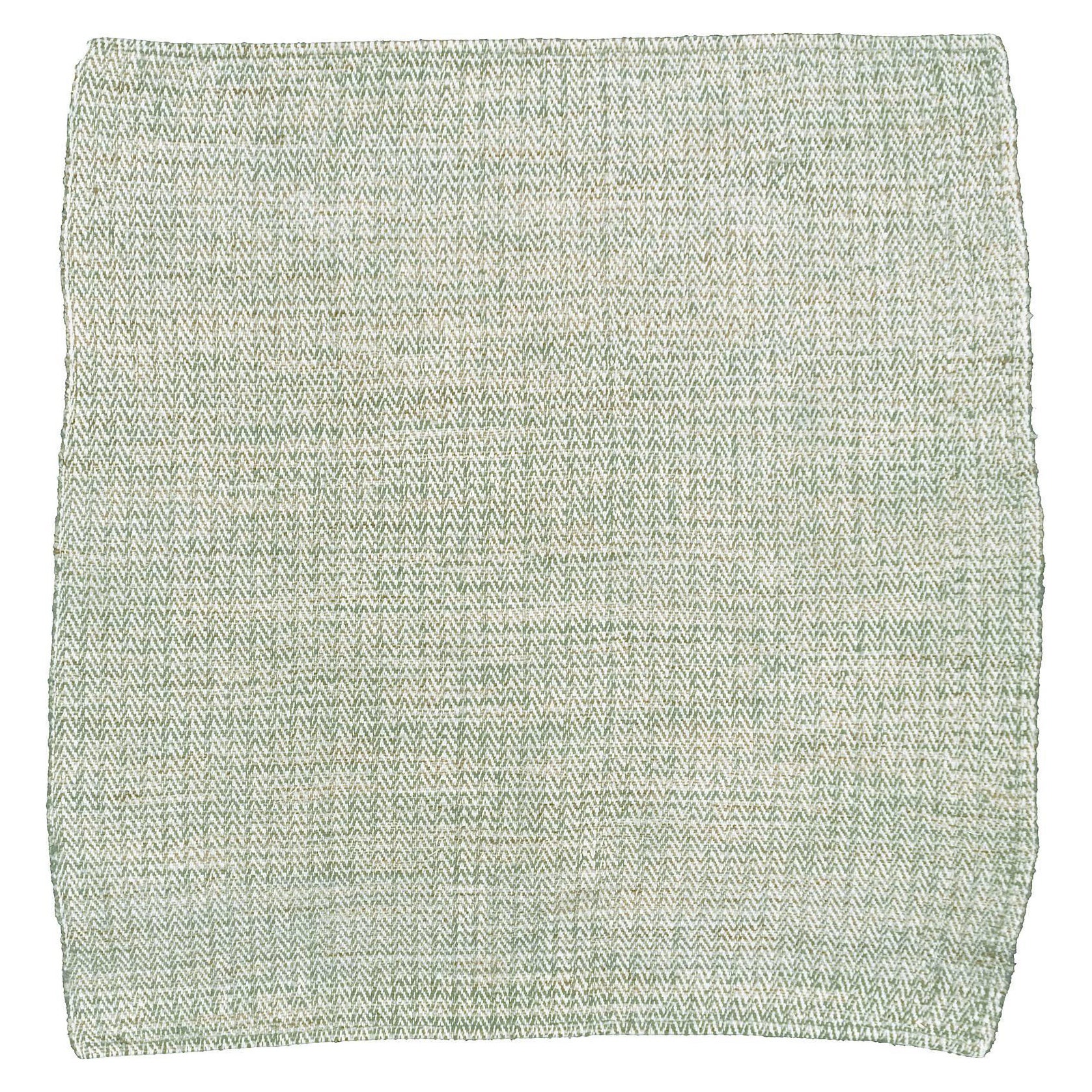
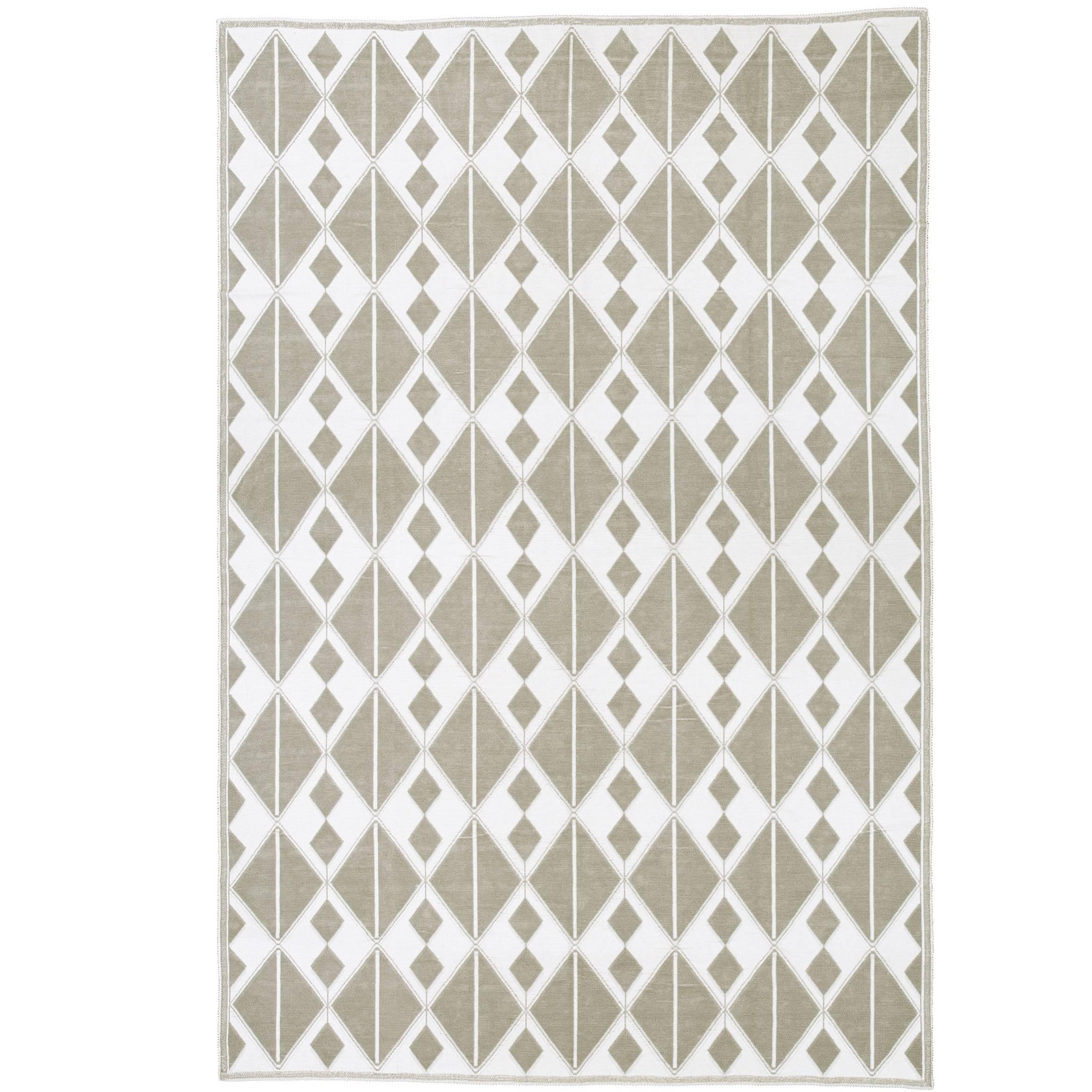
Contemporary Sardinian 'GP-N2' carpet
100% Melange brown cotton
Handwoven
- Dimensions:Width: 108 in (274.32 cm)Length: 144 in (365.76 cm)
- Materials and Techniques:Cotton,Hand-Woven
- Place of Origin:
- Period:
- Date of Manufacture:2009
- Condition:
- Seller Location:New York, NY
- Reference Number:Seller: 250511stDibs: LU104365385753
About the Seller
5.0
Platinum Seller
Premium sellers with a 4.7+ rating and 24-hour response times
Established in 1974
1stDibs seller since 2014
45 sales on 1stDibs
Typical response time: <1 hour
- ShippingRetrieving quote...Shipping from: New York, NY
- Return Policy
More From This Seller
View AllContemporary Sardinian
Tavolara
Carpet
Located in New York, NY
Contemporary Sardinian 'Tavolara' Carpet
Sardinia, Italy.
ca. 2009
80 % Wool & 20% Light Blue Cotton
The Mediterranean island of Sardinia is known for its beautiful beaches, its p...
Category
21st Century and Contemporary Italian Western European Rugs
Materials
Wool, Cotton
Contemporary Sardinian
IF-106
Carpet
Located in New York, NY
Contemporary Sardinian 'IF-106' carpet.
80% grey melange wool and 20% cotton.
handwoven
Category
21st Century and Contemporary Italian Western European Rugs
Materials
Wool, Cotton
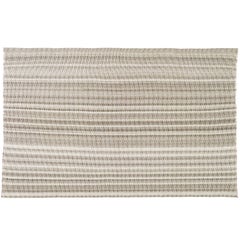
Contemporary Sardinian
IF-N13
Carpet
Located in New York, NY
Contemporary Sardinian 'IF-N13' Carpet.
handwoven
Category
21st Century and Contemporary Italian Western European Rugs
Materials
Cotton
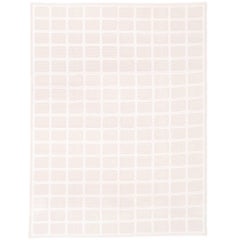
Contemporary Sardinian
Cagnolini
Carpet
Located in New York, NY
Contemporary Sardinian 'Cagnolini' Carpet
Cagnolini (IF-206)
Sardinia, Italy.
Hand-woven Rug
80 % Gray Linen
20% Cotton
In the central mountains of the island, where tradit...
Category
21st Century and Contemporary Italian Western European Rugs
Materials
Natural Fiber, Cotton, Linen
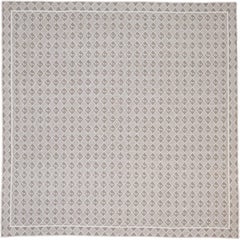
Contemporary Sardinian Carpet
Located in New York, NY
Contemporary Sardinian Carpet
Herringbone pattern, 90% wool and 10% cotton.
Category
21st Century and Contemporary Italian Western European Rugs
Materials
Wool, Cotton
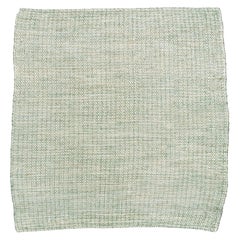
Italian Contemporary Carpet
IF-N25
Located in New York, NY
Italian Contemporary Carpet 'IF-N25'
Sardegna, Italy.
ca. 2009
Hand-woven Rug
80 % Gray Linen & 20% Cotton
The Mediterranean island of Sardinia is known for its beautiful beaches,...
Category
21st Century and Contemporary Italian Western European Rugs
Materials
Linen, Natural Fiber, Cotton
You May Also Like
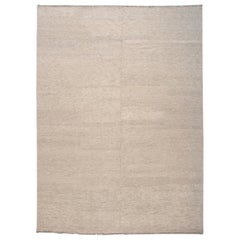
21st Century Modern Soumak Rug
Located in Norwalk, CT
Beautiful modern Soumak rug with an ivory/beige solid color field.
This rug measures 11' 10" x 14' 10".
Category
2010s Sumak Western European Rugs
Materials
Wool
$4,200 Sale Price
30% Off
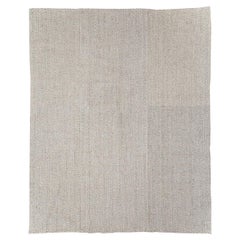
Mid-20th Century Handmade Turkish Flatweave Kilim Room Size Carpet
Located in New York, NY
A vintage Turkish flatweave Kilim room size carpet handmade during the mid-20th century.
Measures: 10' 4" x 12' 10".
Category
Mid-20th Century Turkish Minimalist Turkish Rugs
Materials
Wool
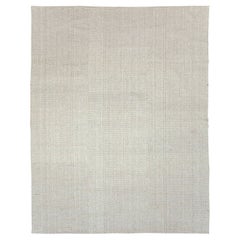
Mid-20th Century Handmade Turkish Flat-Weave Kilim Room Size Carpet
Located in New York, NY
A vintage Turkish flat-weave Kilim room size carpet handmade during the mid-20th century.
Measures: 10' 7" x 13' 7"
Flat-weave rugs
carpets:
Knotted pile rugs are just one small part of a vast universe of textile techniques suitable for heavy use. If you can imagine it, some weaver has tried it out. Pieces can be roughly divided into those reversible from the start and those never, or at least not initially, reversible. Thus, kilims are considered reversible, while everything else is not.
Kilims are tapestry woven rugs with both sides the same, in either slit technique where colors change, or with various methods of avoiding slits. Slit tapestry weave goes back to ancient times and Coptic Egyptian weavers used it for ornaments on garments and larger wall hangings. Slits can be avoided by dovetailing of colors (warp sharing) or by interlocking the wefts. The Navajo weavers of the Southwest practice the first while the fine shawl weavers of Kashmir and Kerman employed the second. Interlocking produces a one-faced fabric, with smooth and rough, ridged faces. The typical Turkish, Caucasian, or Persian rustic kilim shows slits, but never long ones. Aubusson French carpets are also slit tapestries and the long color transitions are sewn up as part of the regular maintenance. Some kilims are very fine. The best antique urban Sehna (Senna) kilims on wool, cotton or silk warps approximate the comparable rugs in refinement and are the most desirable of all Persian kilims. Although the various flatweave techniques are usually expressed in geometric, simple, often repeating, patterns, Sehna kilims demonstrate that even the most intricate designs can be effectively rendered in flat-stich. The term ‘kilim’ has been extended to cover any pileless, weft-faced heavy textile. Thus, the sectioned and joined northeastern Persian horizontally striped wool rugs are called ‘kilims’. So are the plain-weave end finishes of pile rugs. All these are weft-faced, weft patterned flatweaves.
These sectioned pieces are woven not on a frame loom, but one steadied by the weaver at one end and with the warps fastened down at the other. Only relatively recent have these tribal pieces become available. They are used as floorcoverings, hangings, room dividers, furniture covers. They are mostly bitonal in shades of natural dark brown and beige. Some more recent pieces show weaver innovations with ikat and moire effects. Work proceeds quickly and a skilled weaver can complete a thirty foot strip in almost no time.
Wefts, the elements added as weaving progresses, play an essential part in what is a flatweave. The best-known example of an extra-weft, wrapping technique is on Caucasian and tribal Persian Soumaks, where a pattern weft wraps around the fixed warp, changing as weaving progresses. Soumaks can be large carpets, Kuba in the Caucasus, small bag faces (Caucasian and Persian Shah Savan saddle bags), or cover scatter rugs (Persian Afshars). The Soumak technique is fast, and a weaver can work much more quickly than tying knots. The left-over wefts are cut off on the back, so the front and back are initially different. As a Soumak on the floor gets used, these weft yarns wear away and the two sides converge although the exact texture remains distinct.
There are other ways of pattern by weft. Often on smaller tribal pieces, the pattern weft(s) is (are) part of the weft structure, moving in an out, and holding the whole thing together. These wefts can be complementary or added (supplementary), continuous across the flatweave or cut off as they travel unneeded across the verso. Supplementary weft flatweaves are often very compact and substantial. The nomadic Turkmen and Balouch tribes employ both supplementary and complementary weft techniques on their pieces. Supplementary wefts are often raised on the recto (front) while complementary wefts are flat to the surface. Tribal Kurds employ this extra-wefting technique. The Balouch of Pakistan use complementary wefts almost exclusively on their small woven paraphernalia like salt bags.
Flatweave techniques may be combined on a single piece. Afshar rugs employ plain-weave end strips, preceded by Soumak bands, with pile sections between. The large Bakhtiari saddlebags feature Soumak work, pile “islands” an areas of plain-weave. Qashqai rugs and kilims frequently displays checkerboard end strips in continuous, complementary wefting.
Another distinct flatweave type is the jajim (jijim, cecim) in which a pattern is added with colored wefts as the weaving of the plain-weave ground progresses. Here the wefts are discontinuous and the pattern stands proud from the voided ground. Often made in two pieces on narrow looms and edge-sewn together, these may have geometric patterns. The term ‘jajim’ also refers to the assembled warp-faced strip and stripe covers from the Shah Savan of northwest Persia, the pattern is defined by warps alone, usually in plain stripes, but sometimes in designs of ladders, snakes, human figures and various animals. Here the color changing warps are continuous. Most are wool, a few are silk. Better to call these something else.
Indian ‘Dhurries’ are all cotton kilims and ‘shatrangis’ employ wool wefts on cotton warps. Dhurries are slitless. The cotton texture is more appropriate to the humid and warm climate of the Indian subcontinent. Modern Dhurries...
Category
Mid-20th Century Turkish Modern Turkish Rugs
Materials
Wool
Fine French Artists Wool Rug 9’3" x 10’3”
Located in New York, NY
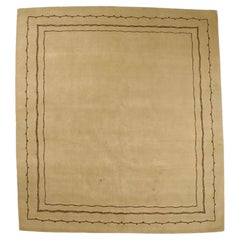
Fine French Artists Wool Rug 9’3" x 10’3”. A generic, general term referring to French, English, Spanish, Austrian and other origins, from the 16th century onward, in styles that f...
Category
21st Century and Contemporary French Western European Rugs
Materials
Wool
$14,400 Sale Price
20% Off
Moroccan Rug 4
0
x 6
0
Located in New York, NY
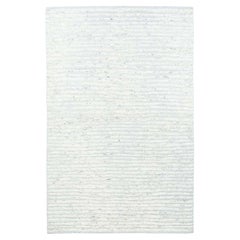
Moroccan Rug 4'0'' x 6'0''. This is basically a cream monochrome, with a high and recumbent pile, randomly dark speckled. Borderless, but adjustable dimensions. Recent. As new condit...
Category
21st Century and Contemporary Moroccan Moroccan and North African Rugs
Materials
Wool, Cotton
$780 Sale Price
20% Off
Vintage Indian Gabben-Style Silk Rug
Located in Chicago, IL
A stunning and chic late 20th century Indian Gabbeh-style hand knotted silver silk rug woven with a cut and loop pattern across the field.
Category
Late 20th Century Indian Modern Indian Rugs
Materials
Silk

More Ways To Browse
Oval Stone Table
Restored Leather Chairs
Slat Bench
Slate Table Tops
Sofa With Seat Height 50cm
Spanish Modern Paintings
Sycamore Antique Furniture
Table With Cabriole Legs
Travertine Table Base
Used Corner Sofa
Used Tabernacles
Vintage Blue Cups
Yellow Stool
18th Century Aubusson Tapestry
19th Century Rosewood Dining Tables
21st Century Dining Chair Chrome
24k Gold Glass
Aari Ona Arte