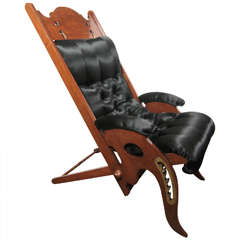
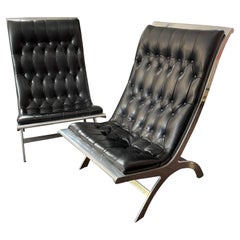
Pair of David Hicks Paris Armchairs Upholstered in Black Leather
About the Item
- Creator:David Hicks (Retailer)
- Dimensions:Height: 37 in (93.98 cm)Width: 31 in (78.74 cm)Depth: 25 in (63.5 cm)Seat Height: 18 in (45.72 cm)
- Sold As:Set of 2
- Materials and Techniques:
- Place of Origin:
- Period:
- Date of Manufacture:circa 1970
- Condition:Wear consistent with age and use. New leather upholstery.
- Seller Location:New York, NY
- Reference Number:1stDibs: 1410291061436
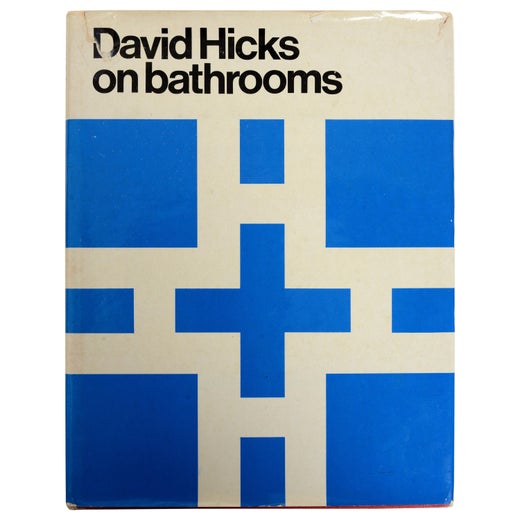
David Hicks
Let there be no doubt about it, suave as he was, with his bespoke suits, slicked-back hair and patrician good looks, David Nightingale Hicks (1929–98) was a committed revolutionary. Composing rooms of arresting opulence through his magisterial orchestration of cacophonous colors and patterns, Italian modern mixed with Louis XV furnishings and counterintuitive plays of scale, he forever rocked the stately world of interior design.
As a zealot of style, he took no prisoners. “Dedication to design means ruthless criticism and losing friends,” he once declared. He was not exaggerating. His wife claimed that he conceived his signature high-gloss brown walls as a result of her throwing glasses of Coca-Cola at him during their alarmingly frequent marital spats.
By the time he was 25, Hicks, who had attended London’s Central School of Art and Design and endured a couple of arid years in the art department of the advertising agency J. Walter Thompson, had the crème de la crème of London society as clients — and he was being entertained by them! Within a few years, he was courting Lady Pamela Mountbatten, the daughter of Lord Mountbatten, the last British viceroy of India, and the uncle of Prince Phillip, Queen Elizabeth’s husband. They married in 1960 and acquired Britwell, a Georgian pile in Oxfordshire, which became the family seat, design lab and showplace.
The first truly modern interior Hicks ever designed was Lord John Cholmondeley’s penthouse overlooking Hyde Park, in 1967. The graphic boldness of the scheme — brightly colored walls outlined in dark hues and dynamic geometric-patterned carpets — echoed the energy and attitude of the hard-edge painting that was then at the fore. Here, as in all his interiors, he included what he called “tablescapes,” vignettes of artfully arranged objects and artworks that added interest and life to the room. They were soon widely copied. Another landmark interior came in the early 1970s, when he revived Baronscourt, a grand neoclassical house in Northern Ireland, by giving it an entirely contemporary decor.
In addition to his immense creative talent, Hicks had a keen entrepreneurial acumen and vision. While he could have made a fine business simply designing grand homes for the wealthy and titled, he expanded his studio to include offices, boutiques, restaurants, hotels and nightclubs. He had showrooms all over the world, and he embarked on licensing agreements for ranges of vividly hued, geometric-patterned sheets and towels, clothes, umbrellas and bags.
The British designer was as daring as he was debonair, deploying a brazen mix of colors and patterns that came to define the groovy-glamorous interiors of the Swinging Sixties.
Find David Hicks furniture on 1stDibs.
You May Also Like
20th Century American Mid-Century Modern Armchairs
Fabric
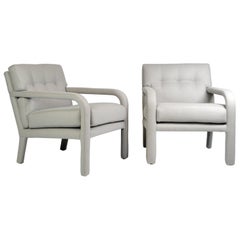
Late 20th Century French Armchairs
Wood
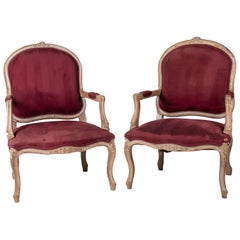
Vintage 1980s Italian Louis XVI Armchairs
Leather, Wood
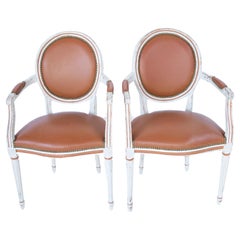
Vintage 1960s Czech Mid-Century Modern Armchairs
Fabric, Wood
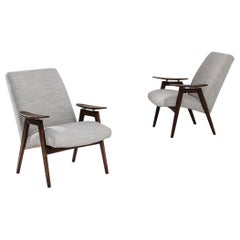
20th Century Armchairs
Textile, Wood
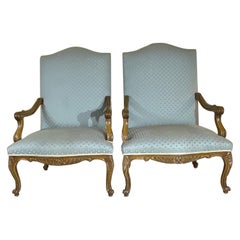
Vintage 1980s American Armchairs
Wood
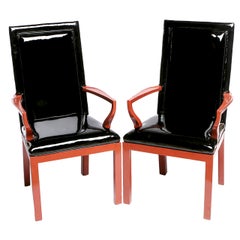
Vintage 1950s Spanish Mid-Century Modern Armchairs
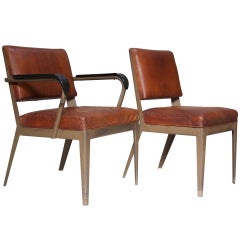
Vintage 1950s American Armchairs
Walnut
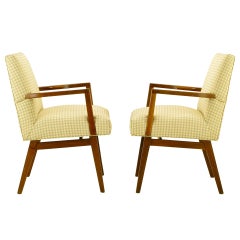
21st Century and Contemporary Chinese Chairs
Wood
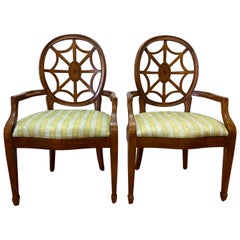
20th Century Spanish Armchairs
Sheepskin, Wood
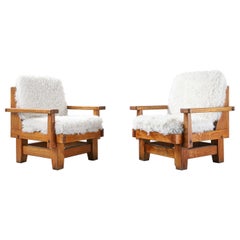
More From This Seller
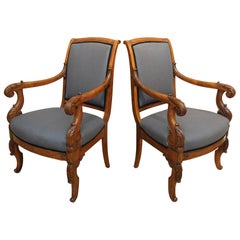
View AllAntique 1840s French Louis Philippe Armchairs
Rosewood
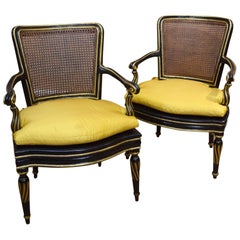
Antique 1790s Italian Neoclassical Armchairs
Wool, Wood
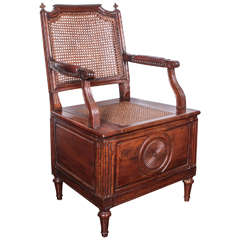
Antique 1780s French Louis XVI Armchairs
Mahogany
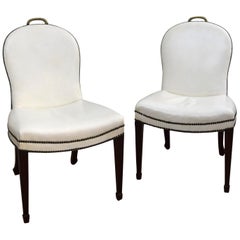
Vintage 1930s American George III Chairs
Brass
Vintage 1950s American Modern Chairs
Aluminum
Vintage 1950s French Edwardian Armchairs
Brass