Items Similar to Delphi Chair in Marmo di Rima
Want more images or videos?
Request additional images or videos from the seller
1 of 5
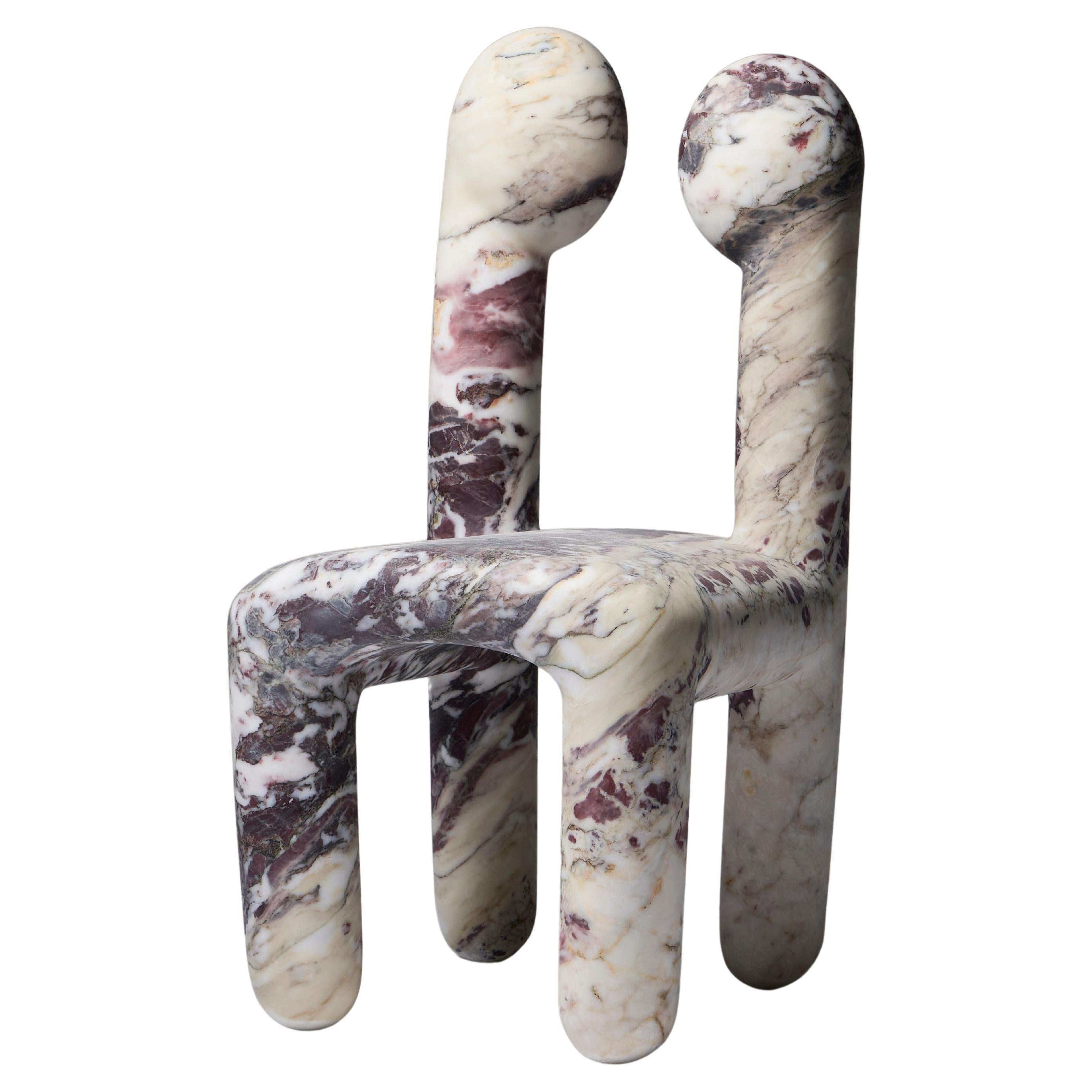
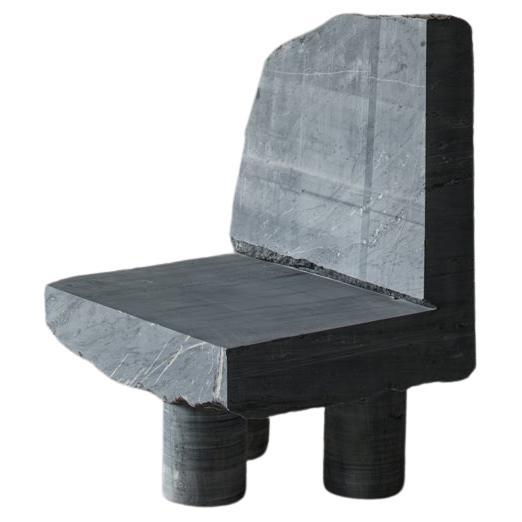
Delphi Chair in Marmo di Rima
$15,081.97
£11,053.11
€12,500
CA$20,700.76
A$21,873.78
CHF 11,763.83
MX$261,869.84
NOK 147,387.09
SEK 134,985.18
DKK 95,227.59
About the Item
Ruins by Roberto Sironi is a series of works that re-signify architectural fragments belonging to different historical periods and great archaeological sites, modelling the forms according to new aesthetic representations. The project relates constructive elements of the classical era, such as bases of columns, capitals, sections of an amphitheatre, with rudiments of the industrial era, such as the double-T beams and the reticular structural elements. Roberto Sironi elaborates on the concept of ruins according to a new perspective. Conceived as contemporary ruins, imaginary simulacra and/or programmed artifices – the materials and techniques of execution do not correspond to the original. The work shows how different fragments of architectural remains can be overlaid and re-signified, resetting the temporal distances and suspending the notion time.
- Creator:Roberto Sironi (Designer)
- Dimensions:Height: 25.6 in (65 cm)Diameter: 22.45 in (57 cm)
- Materials and Techniques:
- Place of Origin:
- Period:
- Date of Manufacture:2020
- Production Type:New Custom(Limited Edition)
- Estimated Production Time:Available Now
- Condition:
- Seller Location:Pireaus-Athens, GR
- Reference Number:1stDibs: LU1571224169582
Different colors available
About the Seller
1.0
Recognized Seller
These prestigious sellers are industry leaders and represent the highest echelon for item quality and design.
Established in 2011
1stDibs seller since 2015
18 sales on 1stDibs
- ShippingRetrieving quote...Shipping from: Athens, Greece
- Return Policy
More From This Seller
View AllIgor Marble Chair by Theodore Psychoyos
Located in Pireaus-Athens, Greece
The idea for a series of functional objects first was born while the artist was building his own home on the island of Naxos. This was the beginning of an ongoing exploration, inspir...
Category
2010s Chairs
Materials
Marble
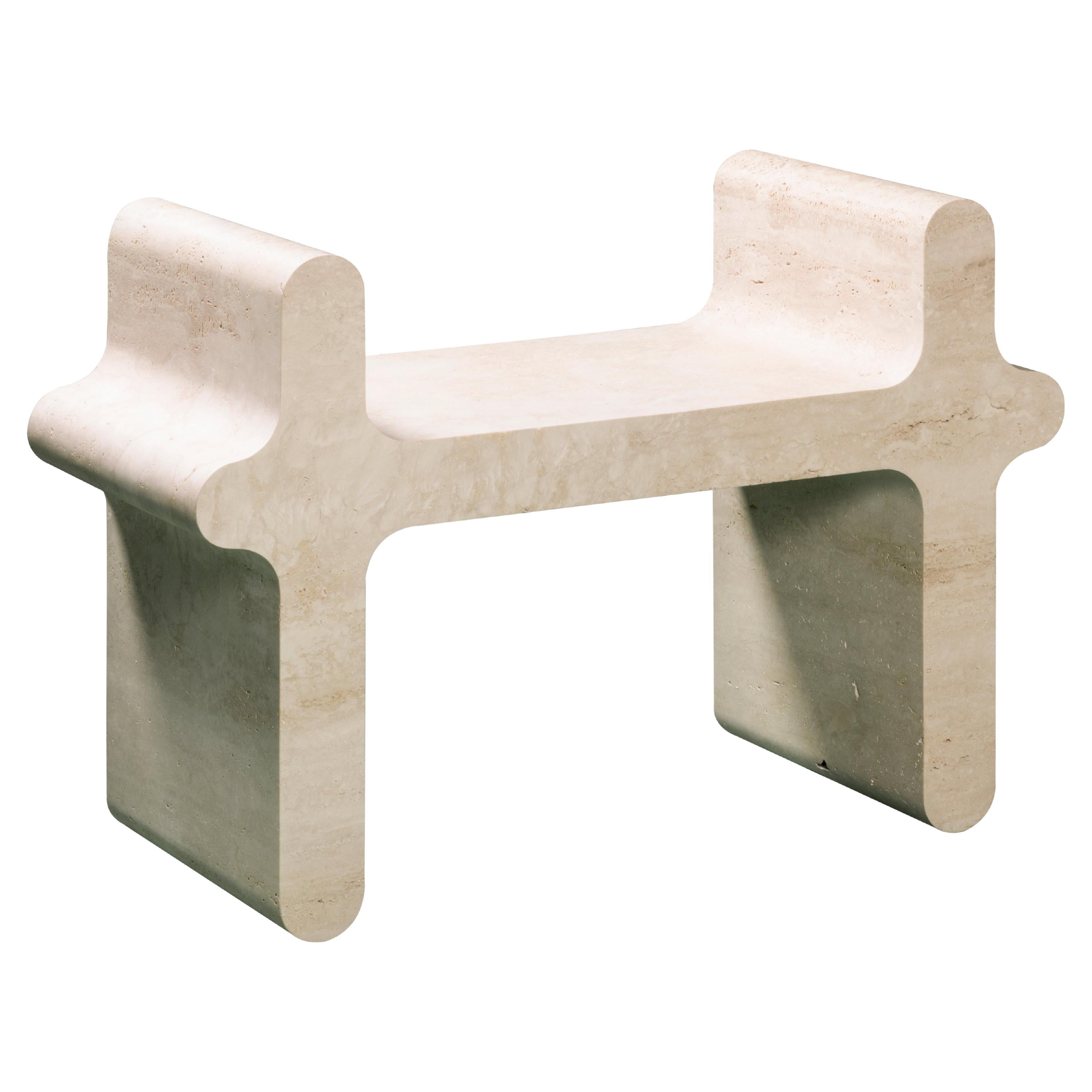
Domus Pompeii Vettii Stool by Roberto Sironi
By Roberto Sironi
Located in Pireaus-Athens, Greece
Rediscovered in 1748, after being buried for almost two millennia under a blanket of lava and ash following the eruption of Vesuvius, Pompeii redefines our relationship with the past
through its generative potential between reality and imagination.
Defined by Goethe “An incredible place, worthy of peaceful thoughts”, Pompeii has the power to transform inanimate archaeological material into narrative matter, merging past and present in a relationship of reciprocity and interaction.
Exploring the site, today as then, it is possible to admire the interiors decorated with frescoes that reproduce architectural partitions or that tell stories of myths and divinities, in rooms set up with marble elements that the owner used to display his most precious objects.
The Pompeian frescoes were made according to different techniques with colors obtained from earth and minerals such as cinnabar (Pompeian red), ochres (Pompeian yellow), by oxidation processes of metals as in the case of cerulean or by the pulverization of roots and animal bones as in case of greens and blacks.
DOMUS POMPEII is a capsule collection of five side...
Category
2010s Stools
Materials
Marble
Domus Pompeii Fauno Stool by Roberto Sironi
By Roberto Sironi
Located in Pireaus-Athens, Greece
Rediscovered in 1748, after being buried for almost two millennia under a blanket of lava and ash following the eruption of Vesuvius, Pompeii redefines our relationship with the past
through its generative potential between reality and imagination.
Defined by Goethe “An incredible place, worthy of peaceful thoughts”, Pompeii has the power to transform inanimate archaeological material into narrative matter, merging past and present in a relationship of reciprocity and interaction.
Exploring the site, today as then, it is possible to admire the interiors decorated with frescoes that reproduce architectural partitions or that tell stories of myths and divinities, in rooms set up with marble elements that the owner used to display his most precious objects.
The Pompeian frescoes were made according to different techniques with colors obtained from earth and minerals such as cinnabar (Pompeian red), ochres (Pompeian yellow), by oxidation processes of metals as in the case of cerulean or by the pulverization of roots and animal bones as in case of greens and blacks.
DOMUS POMPEII is a capsule collection of five side...
Category
2010s Side Tables
Materials
Marble
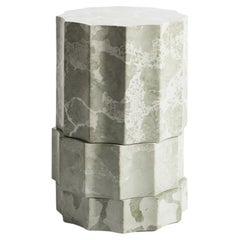
Domus Pompeii Dioscuri Stool by Roberto Sironi
By Roberto Sironi
Located in Pireaus-Athens, Greece
Rediscovered in 1748, after being buried for almost two millennia under a blanket of lava and ash following the eruption of Vesuvius, Pompeii redefines our relationship with the past
through its generative potential between reality and imagination.
Defined by Goethe “An incredible place, worthy of peaceful thoughts”, Pompeii has the power to transform inanimate archaeological material into narrative matter, merging past and present in a relationship of reciprocity and interaction.
Exploring the site, today as then, it is possible to admire the interiors decorated with frescoes that reproduce architectural partitions or that tell stories of myths and divinities, in rooms set up with marble elements that the owner used to display his most precious objects.
The Pompeian frescoes were made according to different techniques with colors obtained from earth and minerals such as cinnabar (Pompeian red), ochres (Pompeian yellow), by oxidation processes of metals as in the case of cerulean or by the pulverization of roots and animal bones as in case of greens and blacks.
DOMUS POMPEII is a capsule collection of five side...
Category
2010s Side Tables
Materials
Marble
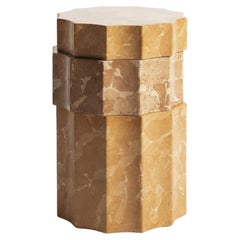
Domus Pompeii Menandro Stool by Roberto Sironi
By Roberto Sironi
Located in Pireaus-Athens, Greece
Rediscovered in 1748, after being buried for almost two millennia under a blanket of lava and ash following the eruption of Vesuvius, Pompeii redefines our relationship with the past
through its generative potential between reality and imagination.
Defined by Goethe “An incredible place, worthy of peaceful thoughts”, Pompeii has the power to transform inanimate archaeological material into narrative matter, merging past and present in a relationship of reciprocity and interaction.
Exploring the site, today as then, it is possible to admire the interiors decorated with frescoes that reproduce architectural partitions or that tell stories of myths and divinities, in rooms set up with marble elements that the owner used to display his most precious objects.
The Pompeian frescoes were made according to different techniques with colors obtained from earth and minerals such as cinnabar (Pompeian red), ochres (Pompeian yellow), by oxidation processes of metals as in the case of cerulean or by the pulverization of roots and animal bones as in case of greens and blacks.
DOMUS POMPEII is a capsule collection of five side...
Category
2010s Side Tables
Materials
Marble
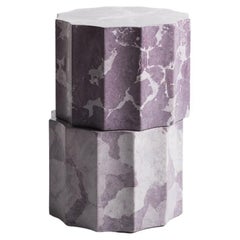
Domus Pompeii Efebo Stool by Roberto Sironi
By Roberto Sironi
Located in Pireaus-Athens, Greece
Rediscovered in 1748, after being buried for almost two millennia under a blanket of lava and ash following the eruption of Vesuvius, Pompeii redefines our relationship with the past
through its generative potential between reality and imagination.
Defined by Goethe “An incredible place, worthy of peaceful thoughts”, Pompeii has the power to transform inanimate archaeological material into narrative matter, merging past and present in a relationship of reciprocity and interaction.
Exploring the site, today as then, it is possible to admire the interiors decorated with frescoes that reproduce architectural partitions or that tell stories of myths and divinities, in rooms set up with marble elements that the owner used to display his most precious objects.
The Pompeian frescoes were made according to different techniques with colors obtained from earth and minerals such as cinnabar (Pompeian red), ochres (Pompeian yellow), by oxidation processes of metals as in the case of cerulean or by the pulverization of roots and animal bones as in case of greens and blacks.
DOMUS POMPEII is a capsule collection of five side...
Category
2010s Side Tables
Materials
Marble
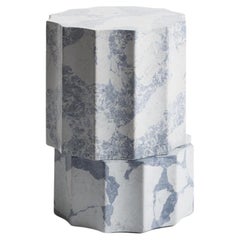
You May Also Like
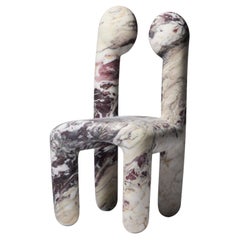
Limited Edition Calacatta Viola Marble Urania Chair by Pietro Franceschini
Located in Geneve, CH
Urania chair by Pietro Franceschini
Sold exclusively by Galerie Philia
Limited edition of 8, signed and numbered
Dimensions: H 80 x W 36 x D 36 cm
Seat He...
Category
2010s Italian Modern Chairs
Materials
Marble, Carrara Marble
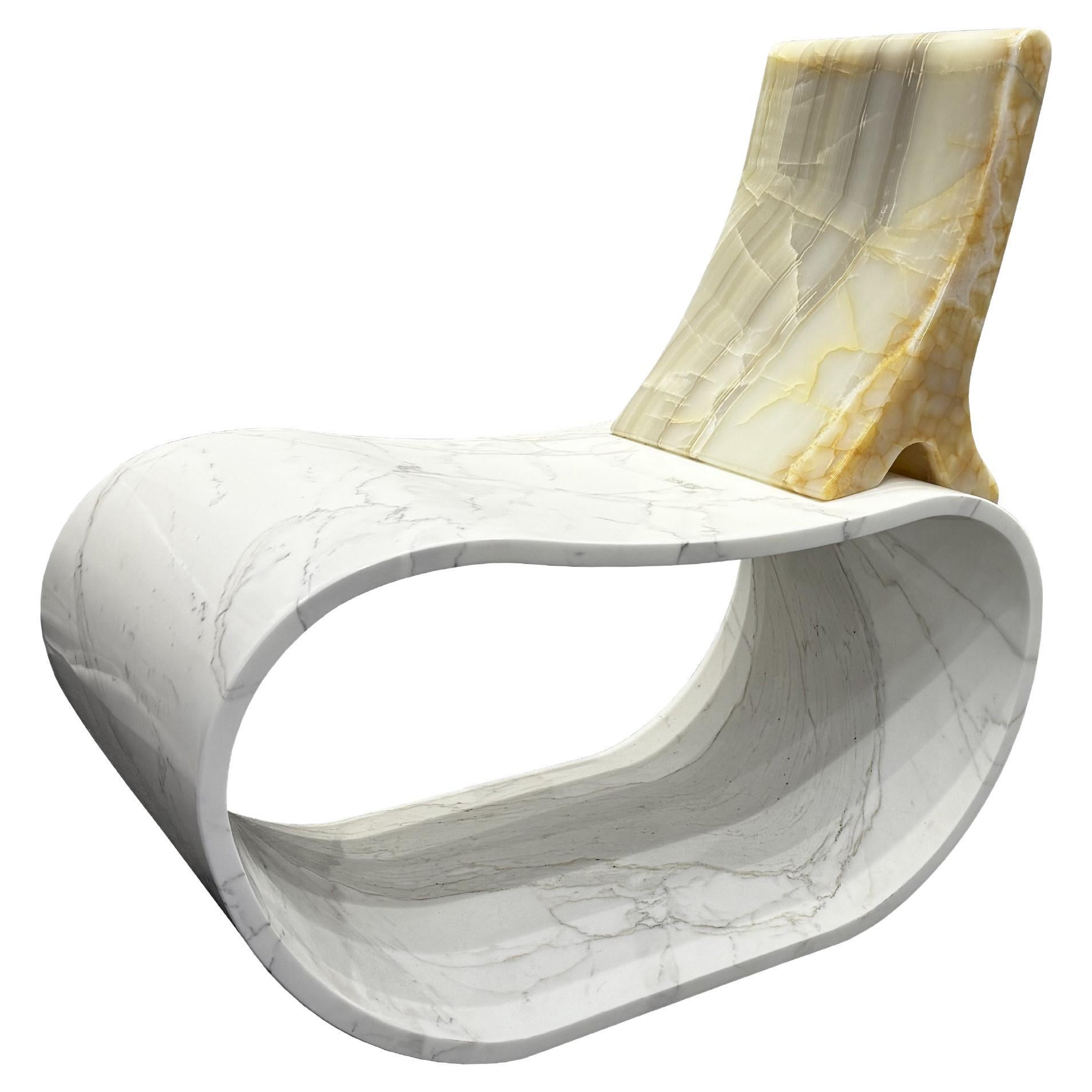
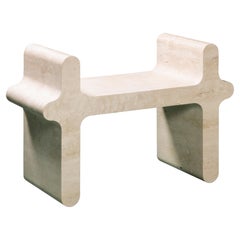
Marble Seat by Euromarmi Store
Located in Geneve, CH
Marble Seat by Euromarmi Store
Dimensions: D 85 x W 45 x H 61 cm.
Materials: Calacatta marble, Honey Onyx.
Founded by Angela Stiuso, Euromarmi Store was born from the experience and...
Category
2010s Italian Post-Modern Side Chairs
Materials
Marble

$29,403 / item
Chair Marble Francesco Balzano for Giobagnara Ossicle Marble Chair No. 1
By Francesco Balzano
Located in New York, NY
Ossicle Marble Chair No. 1 -- Francesco Balzano x Giobagnara
Available in a marble finish.
For simple and sophisticated leather and marble products, look no further than the Francesco Balzano line. Born and raised in Paris, Francesco Balzano studied interior design and architecture before opening his own studio to design custom and limited editions of furniture pieces for galleries around the world. The influence of Venice, Rome, and Capri are omnipresent in many of Balzano’s products, which fashion simple elegance out of a carefully selected range of leather and marble colors and finishes. The monolithic seats, benches, and tables that comprise Balzano’s ossicle collection strike the perfect balance between organic and pure geometric shapes, thus offering contemporary luxury elevated by minimalism. The singularity of each design conceived as a sculptural piece is bound to stand the test of time.
For nearly twenty years, the Giobagnara brand has combined traditional know-how and leading-edge technology to produce elegance of the highest standard. With luxurious creations available in a unique and virtually limitless color palette of leathers and suede, Giobagnara now boasts one of the most comprehensive offers of leather home accessories...
Category
21st Century and Contemporary Italian Chairs
Materials
Travertine
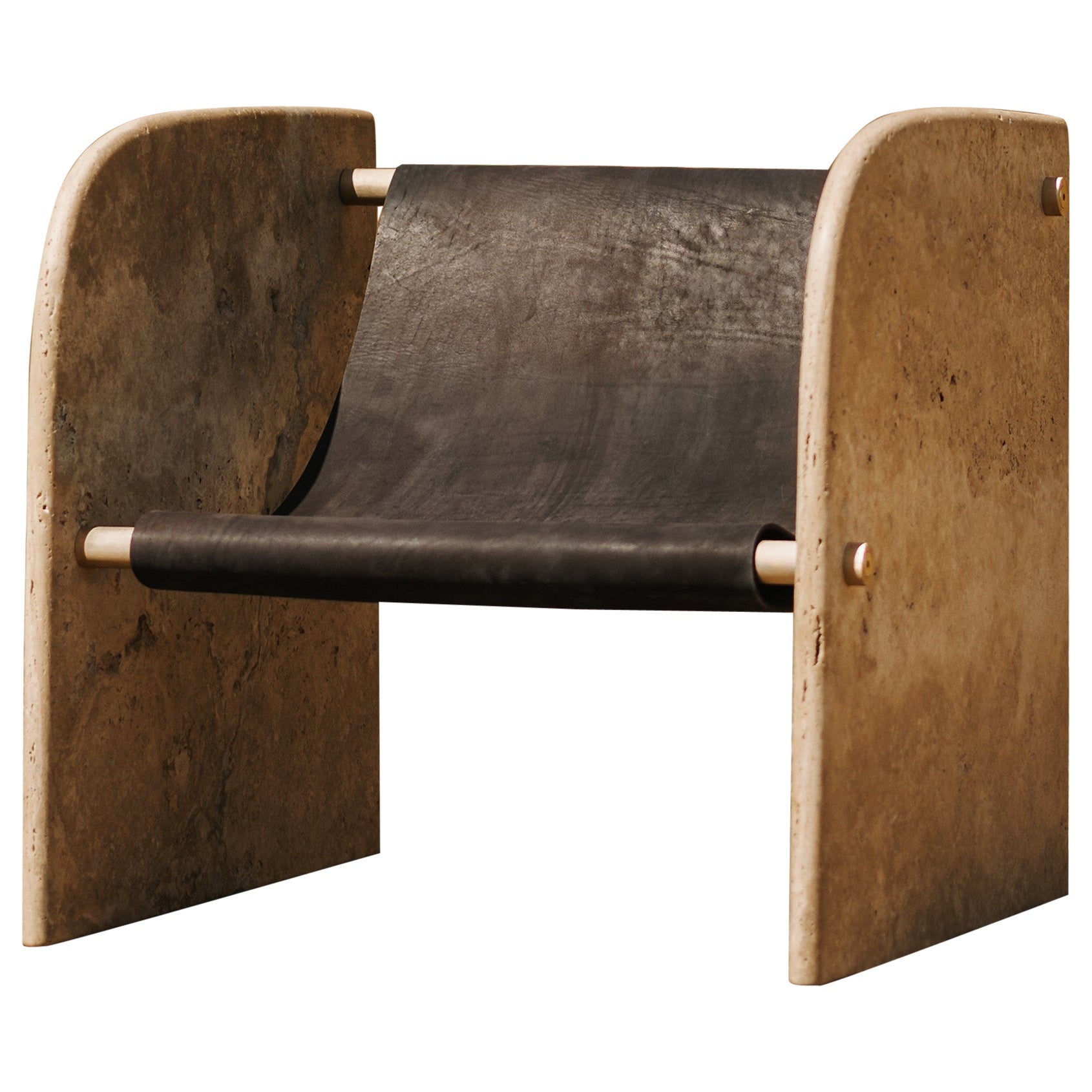
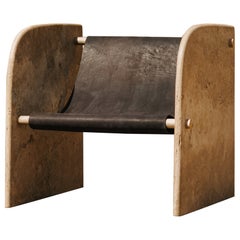
Ana Chair by Marmi Serafini
Located in Geneve, CH
Ana chair by Marmi Serafini
Designed by Arielle Assouline-Lichten
Dimensions: D 71 x W 71 x H 71 cm
Materials: Travertino Navona, leather, brass.
Available in other marbles and leath...
Category
2010s Italian Post-Modern Chairs
Materials
Marble, Brass
$5,152 / item
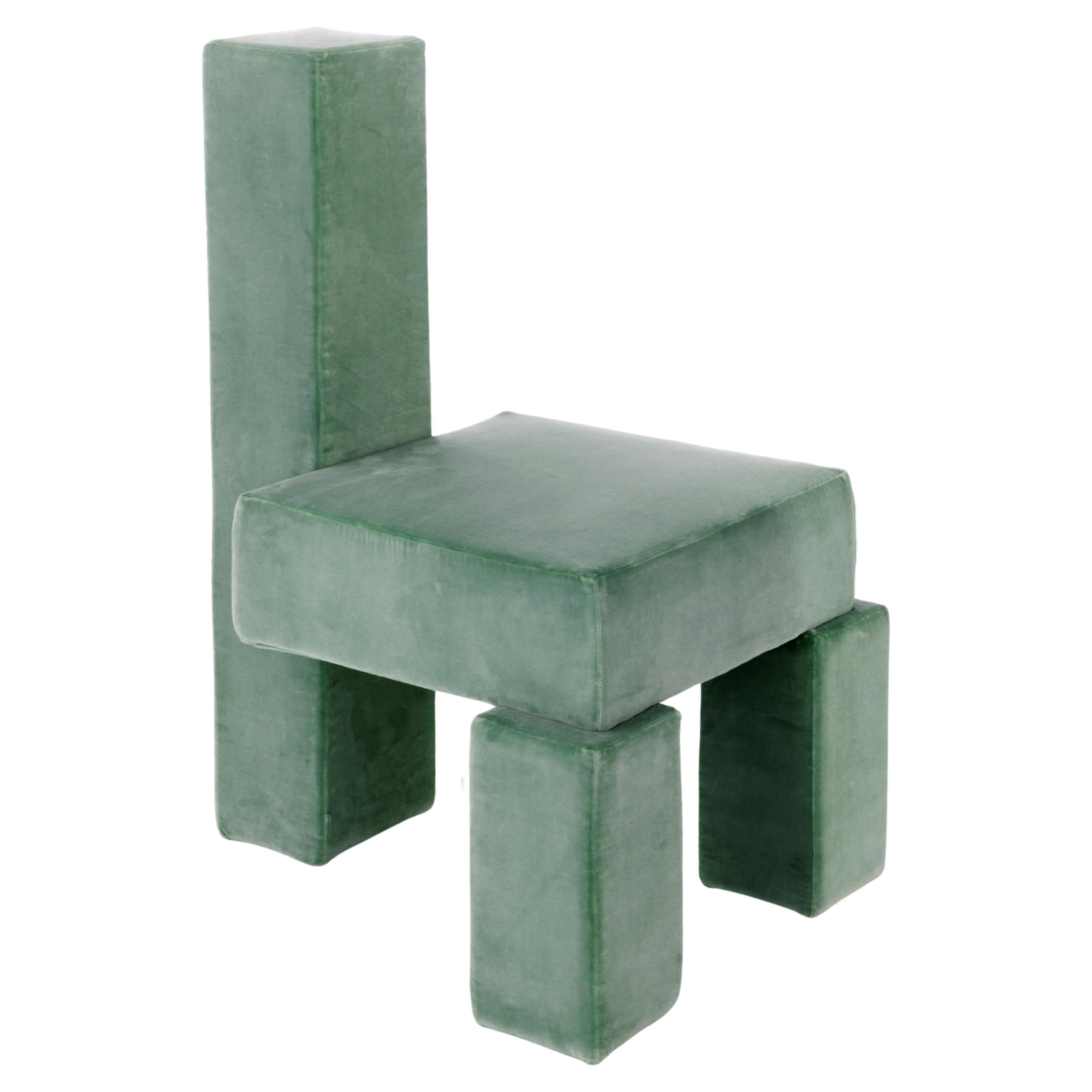
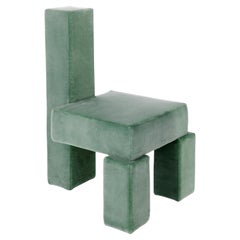
Contemporary Block Form Light Green Velvet Chair by Pietro Franceschini
Located in Geneve, CH
Licitra chair by Pietro Franceschini
Dimensions: W 62 x D 71 x H 95 cm
Materials: Velvet (by Métaphores).
Somebody once said ...
Category
2010s French Modern Chairs
Materials
Velvet
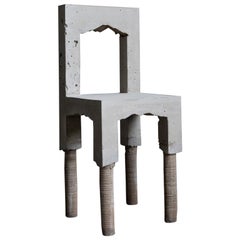
Geomorphic Chair by Christian Zahr
Located in Geneve, CH
Geomorphic chair by Christian Zahr
Dimensions: W 38 x D 38 x H 80 cm
Materials: Cement- Sand- Water- Time.
Each piece is handmade.
Geomorphic Ar...
Category
2010s Lebanese Modern Chairs
Materials
Cement
$11,812 / item
More Ways To Browse
Italian Rococo Wood Chairs
Liberty And Co Chair
Louis Tapestry Chair
Nobili Medea Chair
Ochre Chair
Pinewood Chair
Red Spanish Chair
Vintage Reed Chairs
1890 Victorian Chairs
1890s Antique Chair
1930 Industrial Chair
Antique Gold Leaf Chair
Capitol Complex Chair
Carved Indian Chair
Chair Leather 70s
Dutch Plastic Chairs
Emilio Ambasz
Mid Century Canvas Folding Chairs