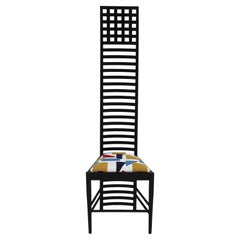
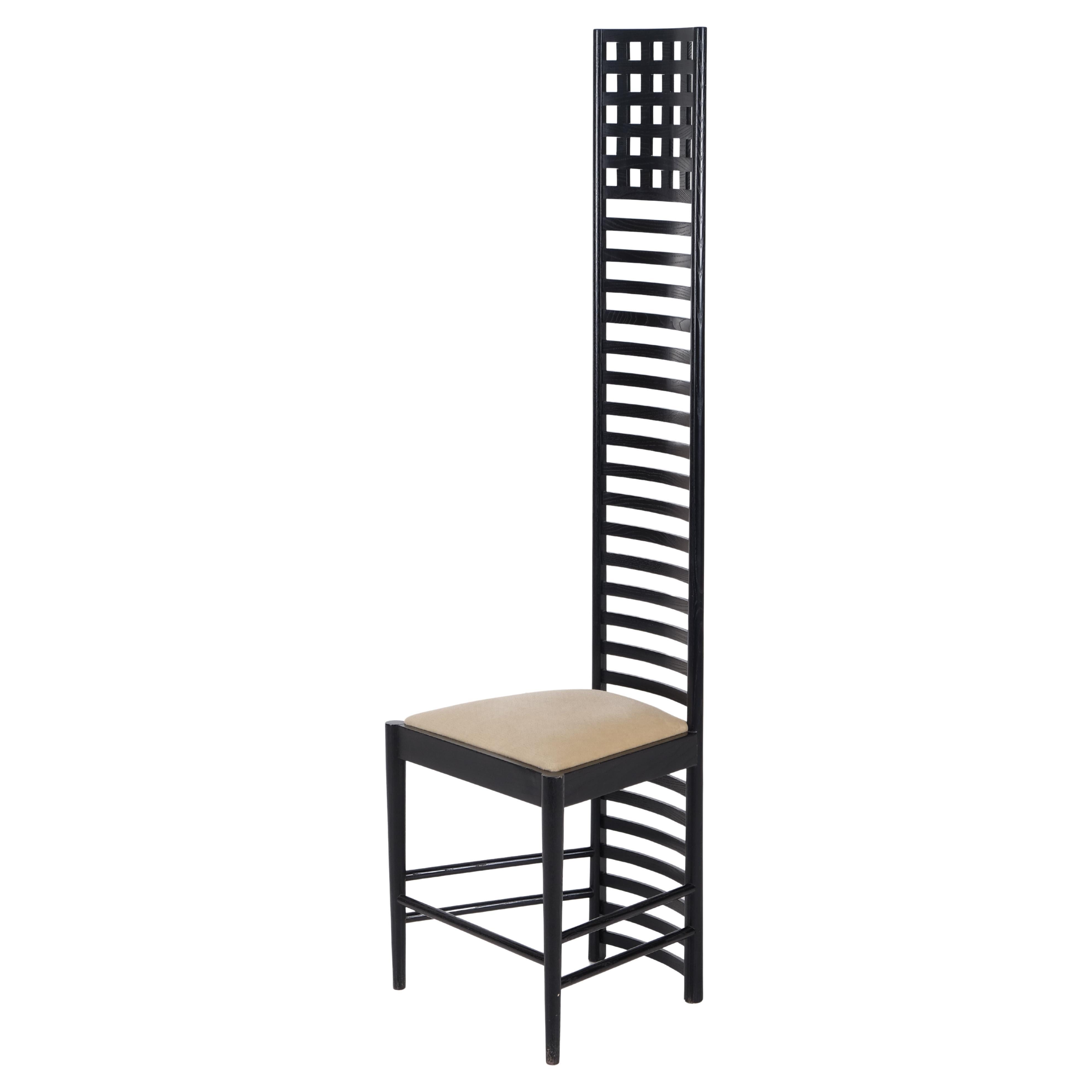
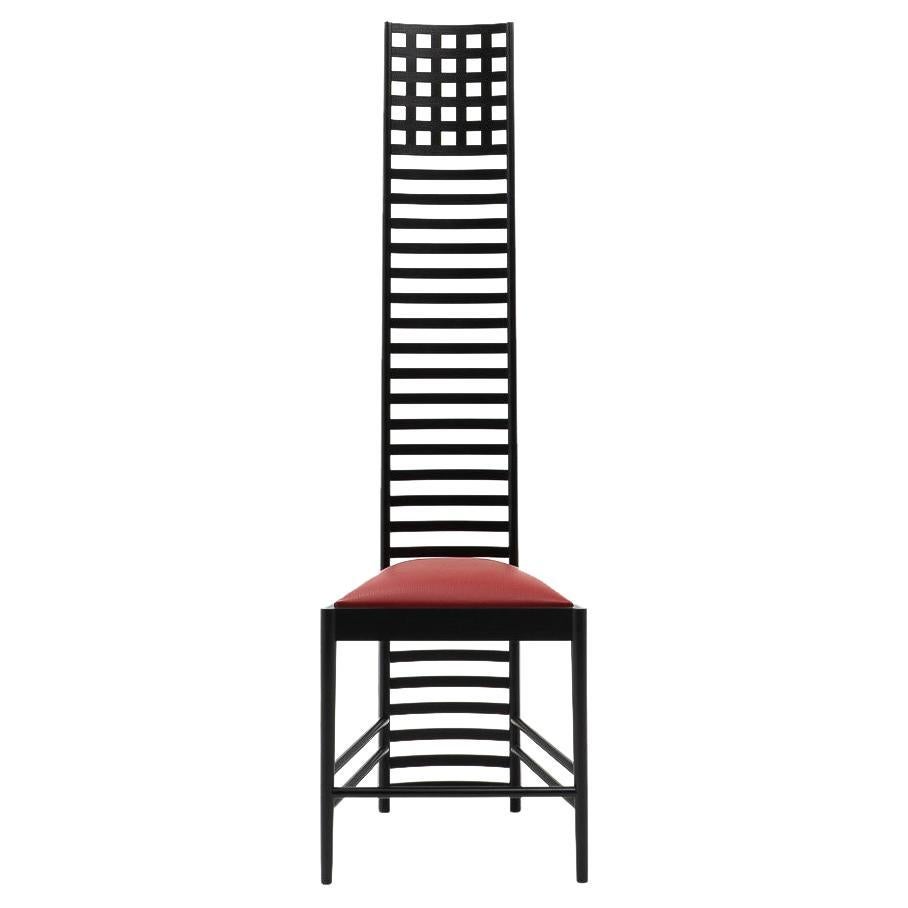
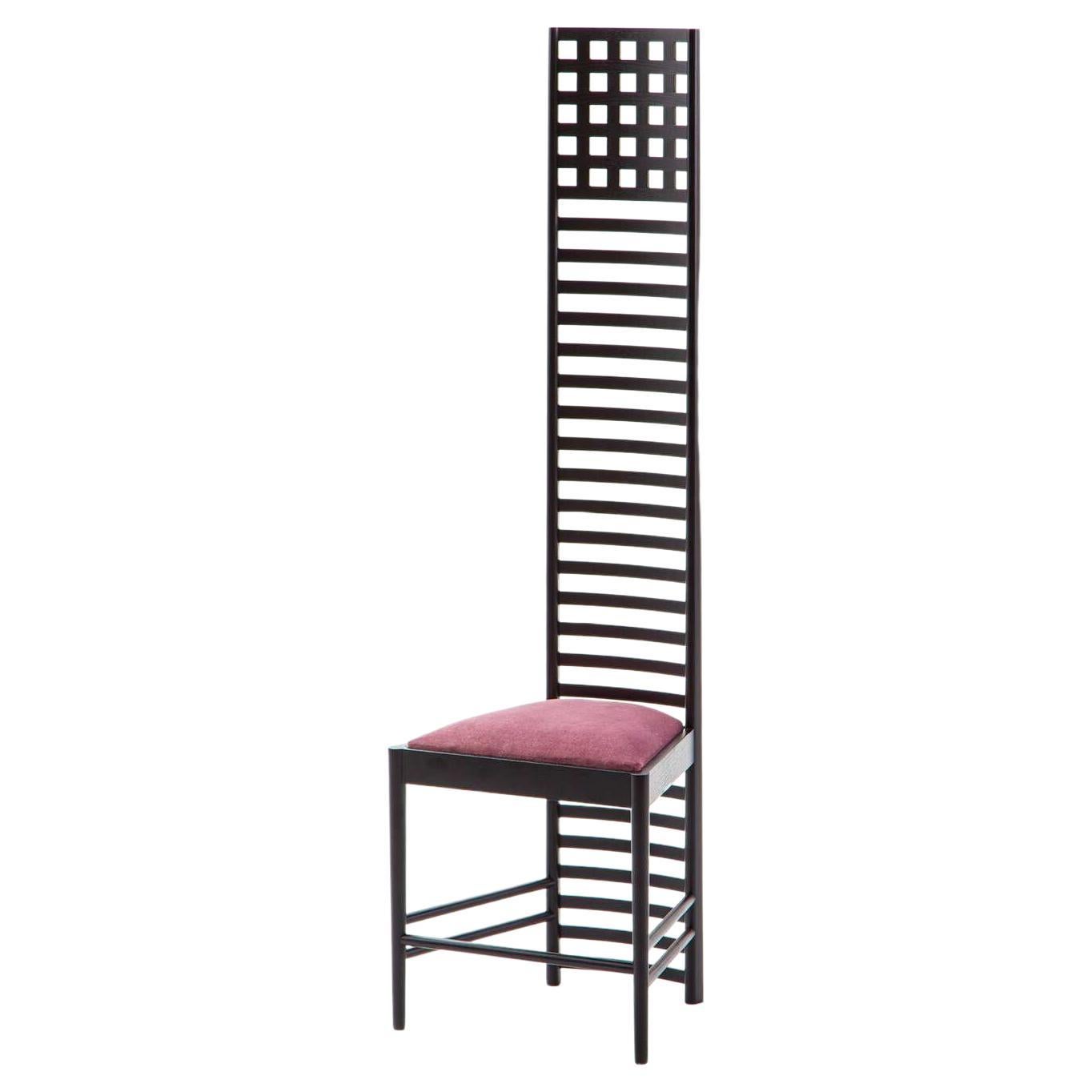
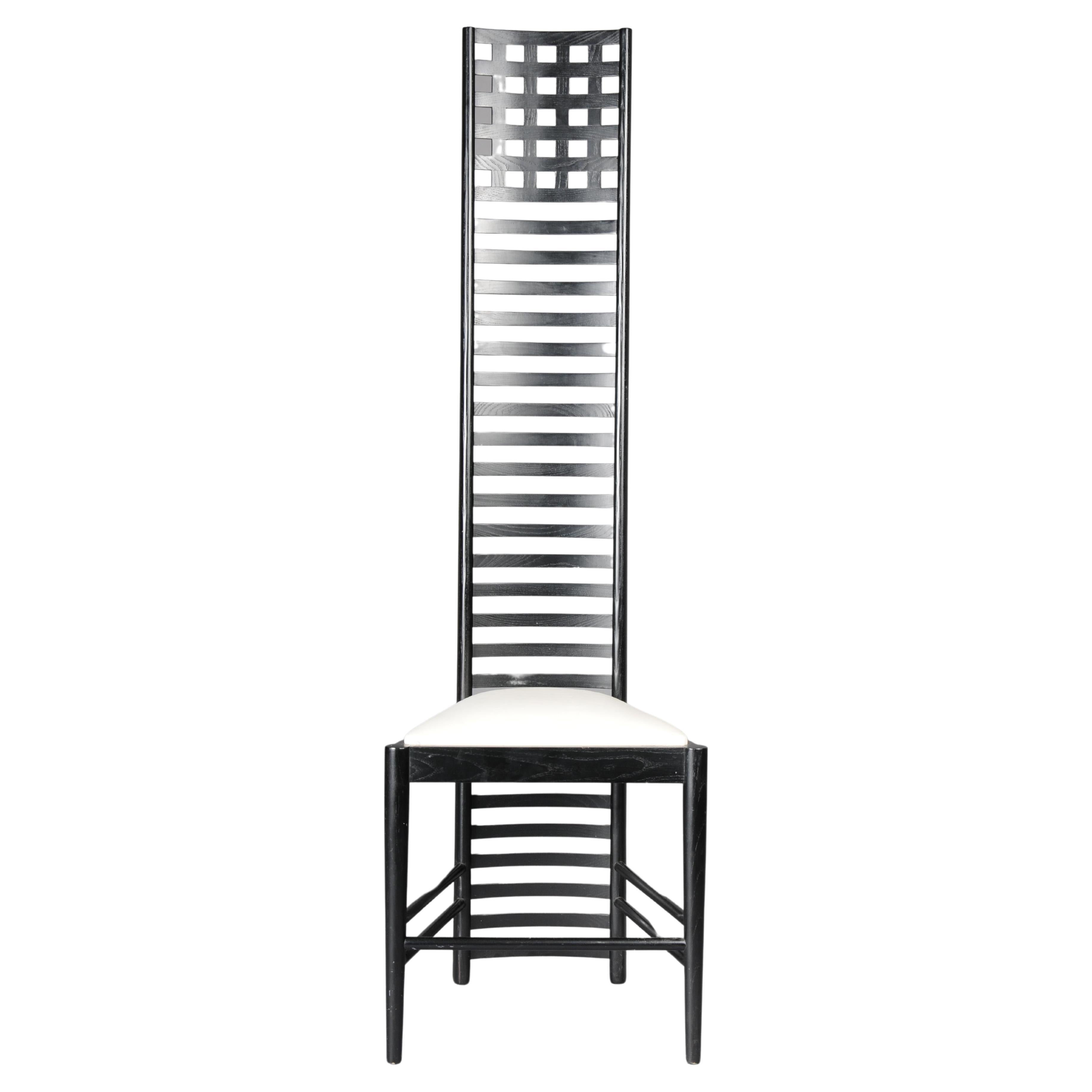
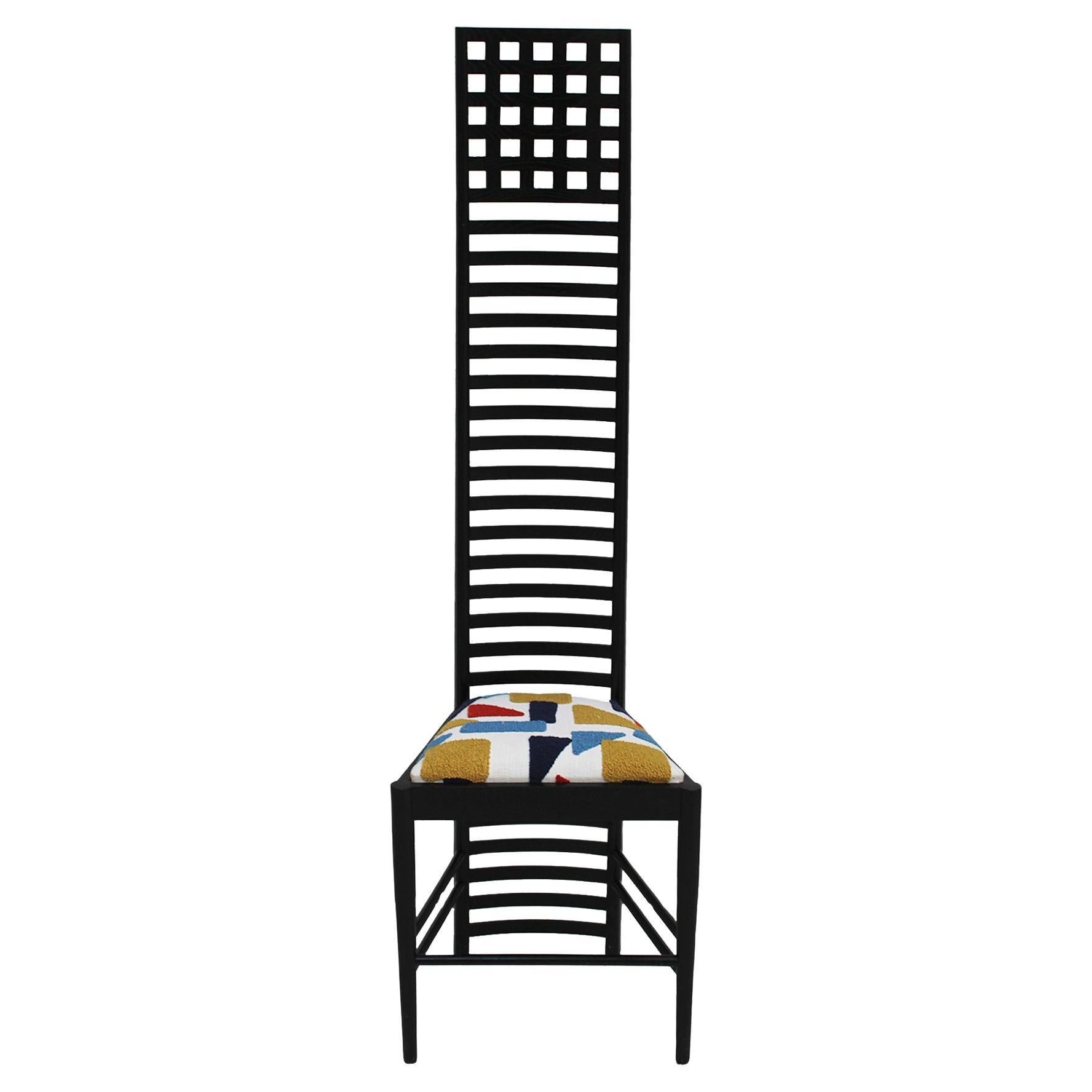
High Ingram chair by Charles R. Mackintosh for Alivar with Fornasetti Fabric
About the Item
- Creator:
- Dimensions:Height: 59.06 in (150 cm)Width: 17.72 in (45 cm)Depth: 18.51 in (47 cm)Seat Height: 17.72 in (45 cm)
- Materials and Techniques:
- Place of Origin:
- Period:1980-1989
- Date of Manufacture:1980
- Condition:Reupholstered. Wear consistent with age and use.
- Seller Location:Conversano, IT
- Reference Number:1stDibs: LU8395248340392
Charles Rennie Mackintosh
At the turn of the 20th century, the Scottish architect Charles Rennie Mackintosh created a singular, wholly original design style that was both lyrical and sleekly modern. Within his architectural schemes for schools, private homes and restaurants, Mackintosh — frequently working in collaboration with his wife, the artist Margaret Macdonald — invented an aesthetic that blends the organic flow of the Art Nouveau style and the honest simplicity of the English Arts Crafts movement.
Mackintosh was born into a working-class Glasgow family, the fourth of the 11 children of a police clerk and his wife. At age 15, Mackintosh began to take night classes at the Glasgow School of Art — where he would study until 1894 — and the following year started an apprenticeship with local architect John Hutchison.
At the GSA, Mackintosh befriended Macdonald, her sister, Frances, and fellow architecture student Herbert McNair. Together they formed a graphic design team known as the Four, and were admired for their illustrations featuring sinuous botanical forms and sylph-like women. Around the same time, Mackintosh was hired by the architectural firm Honeyman and Keppie. where he drafted the company’s winning design for a new GSA building. The structure, with its brooding, asymmetrical facade punctuated by soaring studio windows, would be his architectural masterwork. By 1900, Mackintosh was designing houses and began the interiors for a group of Glasgow tea parlors in which he and Macdonald would produce some of the most alluring, lushly graphic decors of the era. Mackintosh’s work became widely influential on the continent, particularly among Josef Hoffmann, Koloman Moser and other members of the Vienna Secession movement.
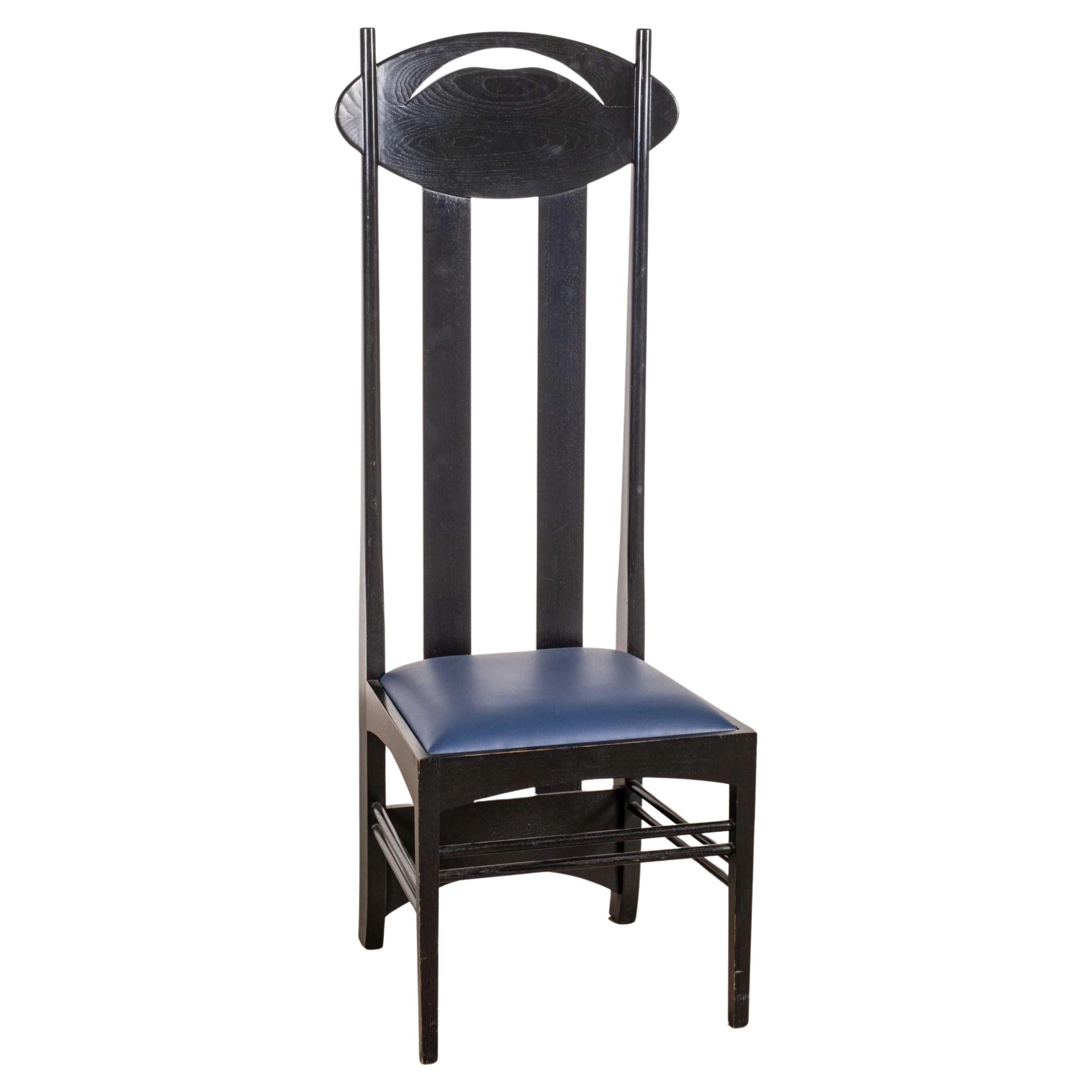
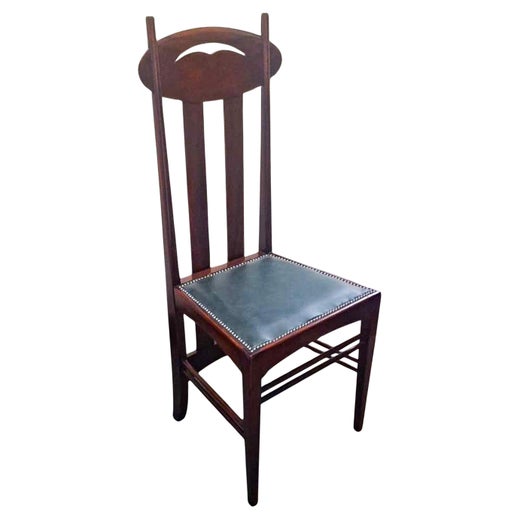
His work on private homes and tearooms generated the furniture designs for which Mackintosh is best known today. These include the Hill House chair, with its latticed back; the Argyle Street Tea Room chair, which features an oval head rail with a cutout that resembles a bird in flight; and several others — all instantly recognizable for their stunning tall backs.
Mackintosh’s furniture works well in both traditional and modern interiors, though by virtue of both its familiarity and striking lines it tends to stand out. Because he was much more esteemed in Europe than in Britain, relatively few antique Mackintosh works survive, and those that have are museum pieces. Recently produced examples of his designs are widely available — notably, the Italian firm Cassina has been making fine Mackintosh pieces since the early 1970s. As you will see on 1stDibs, the furniture of Charles Rennie Mackintosh is ever intriguing and engaging. His work is a historical touchstone that would be welcome in the home of any modern design aficionado.
Piero Fornasetti
The Italian artist and designer Piero Fornasetti was one of the wittiest and most imaginative talents of the 20th century. He crafted an inimitable decorative style from a personal vocabulary of images that included birds, butterflies, hot-air balloons, architecture and — most frequently, and in some 500 variations — an enigmatic woman’s face based on that of Cavalieri. Fornasetti used transfer prints of these images, rendered in the style of engravings, to decorate an endless variety of furnishings and housewares that ranged from chairs, tables and decorative objects to dinner plates, table lamps and umbrella stands. His work is archly clever, often Surrealist and always fun.
Fornasetti was born in Milan, the son of an accountant, and he lived his entire life in the city. He showed artistic talent as a child and enrolled at Milan’s Brera Academy of Fine Art in 1930, but was expelled after two years for consistently failing to follow his professors’ orders.
A group of Fornasetti's hand-painted silk scarves, displayed in the 1933 Triennale di Milano, caught the eye of the architect and designer Gio Ponti, who, in the 1940s, became the artist's collaborator and patron. Beginning in the early 1950s, they created a striking series of desks, bureaus and secretaries that pair Ponti’s signature angular forms with Fornasetti’s decorative motifs — lighthearted arrangements of flowers and birds on some pieces, austere architectural imagery on others. The two worked together on numerous commissions for interiors, though their greatest project has been lost: the first-class lounges and restaurants of the luxury ocean liner Andrea Doria, which sank in 1956.
Fornasetti furnishings occupy an unusual and compelling niche in the decorative arts: they are odd yet pack a serious punch. They act, essentially, as functional sculpture. A large Fornasetti piece such as a cabinet or a desk can change the character of an entire room; his smaller works have the aesthetic power of a vase of flowers, providing a bright and alluring decorative note. The chimerical, fish-nor-fowl nature of Fornasetti’s work may be its greatest strength. It stands on its own. Bringing the Fornasetti look into the future is Barnaba Fornasetti, who took the reins of the company after his father's death.
Find vintage Piero Fornasetti dinner plates, chairs, tables and other furniture on 1stDibs.
- ShippingRetrieving quote...Shipping from: Conversano, Italy
- Return Policy
More From This Seller
View AllVintage 1950s Italian Mid-Century Modern Chairs
Fabric, Wood
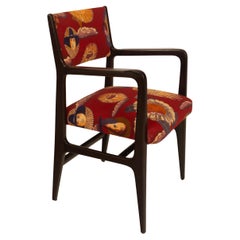
Vintage 1970s Italian Dining Room Chairs
Velvet, Ash
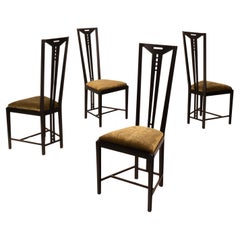
Vintage 1950s Italian Mid-Century Modern Armchairs
Brass

Vintage 1980s Italian Club Chairs
Animal Skin
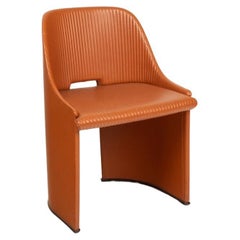
Vintage 1970s French Hollywood Regency Dining Room Chairs
Brass, Steel
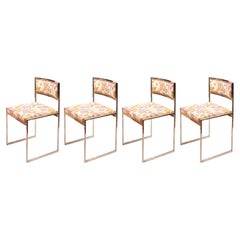
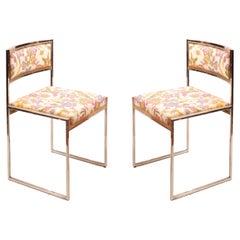
Vintage 1970s French Hollywood Regency Dining Room Chairs
Brass, Steel
You May Also Like
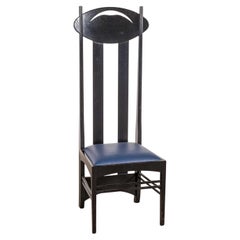
Vintage 1980s Italian Arts and Crafts Chairs
Ash, Ebony
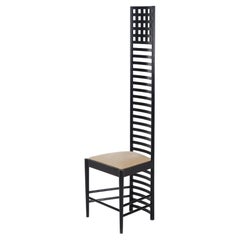
Vintage 1970s Italian Mid-Century Modern Chairs
Wood
Vintage 1980s Italian Mid-Century Modern Side Chairs
Leather, Wood
2010s French Mid-Century Modern Chairs
Ash
20th Century English Chairs
Oak
Vintage 1960s Italian Mid-Century Modern Side Chairs
Cotton, Ash