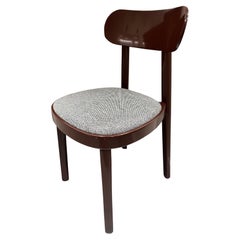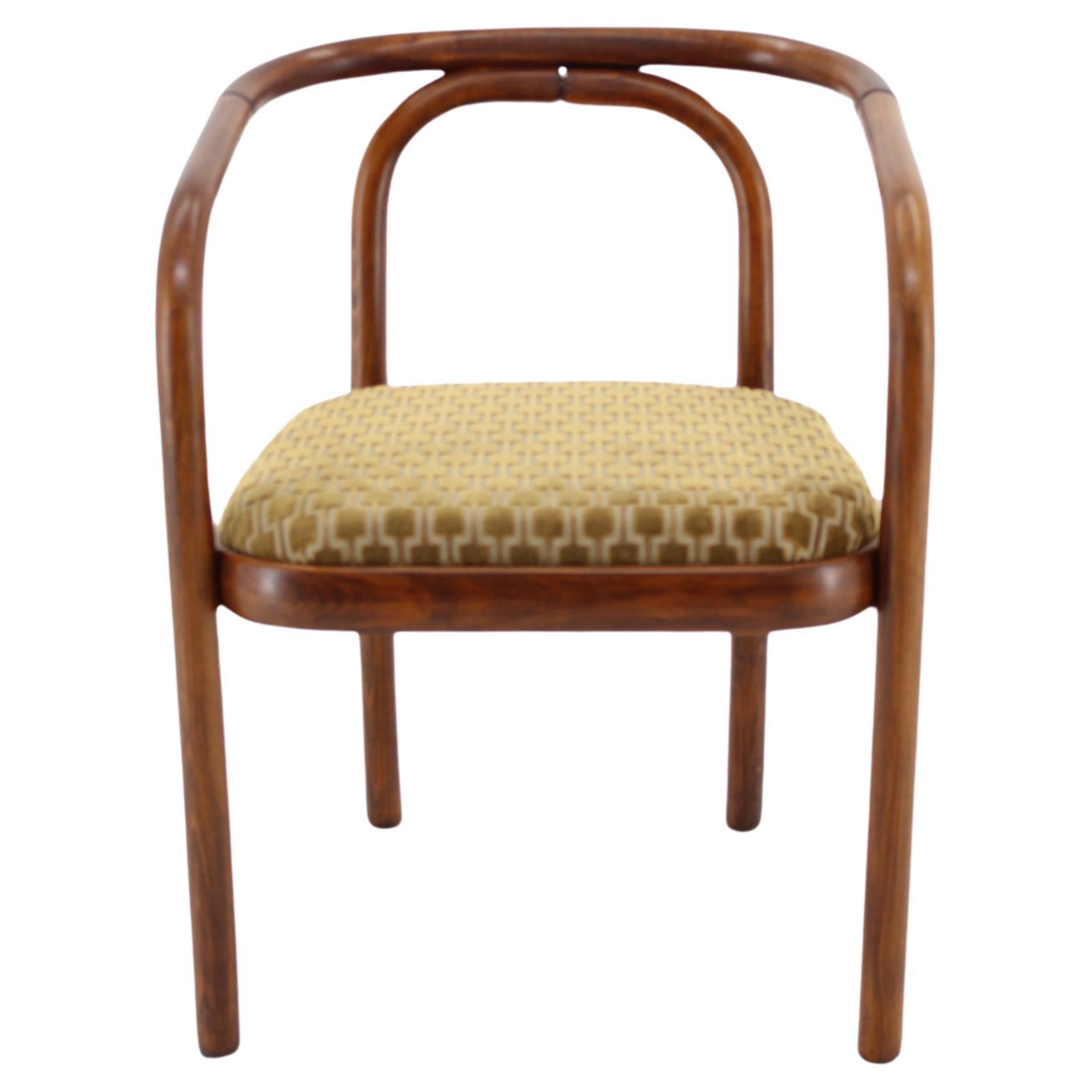
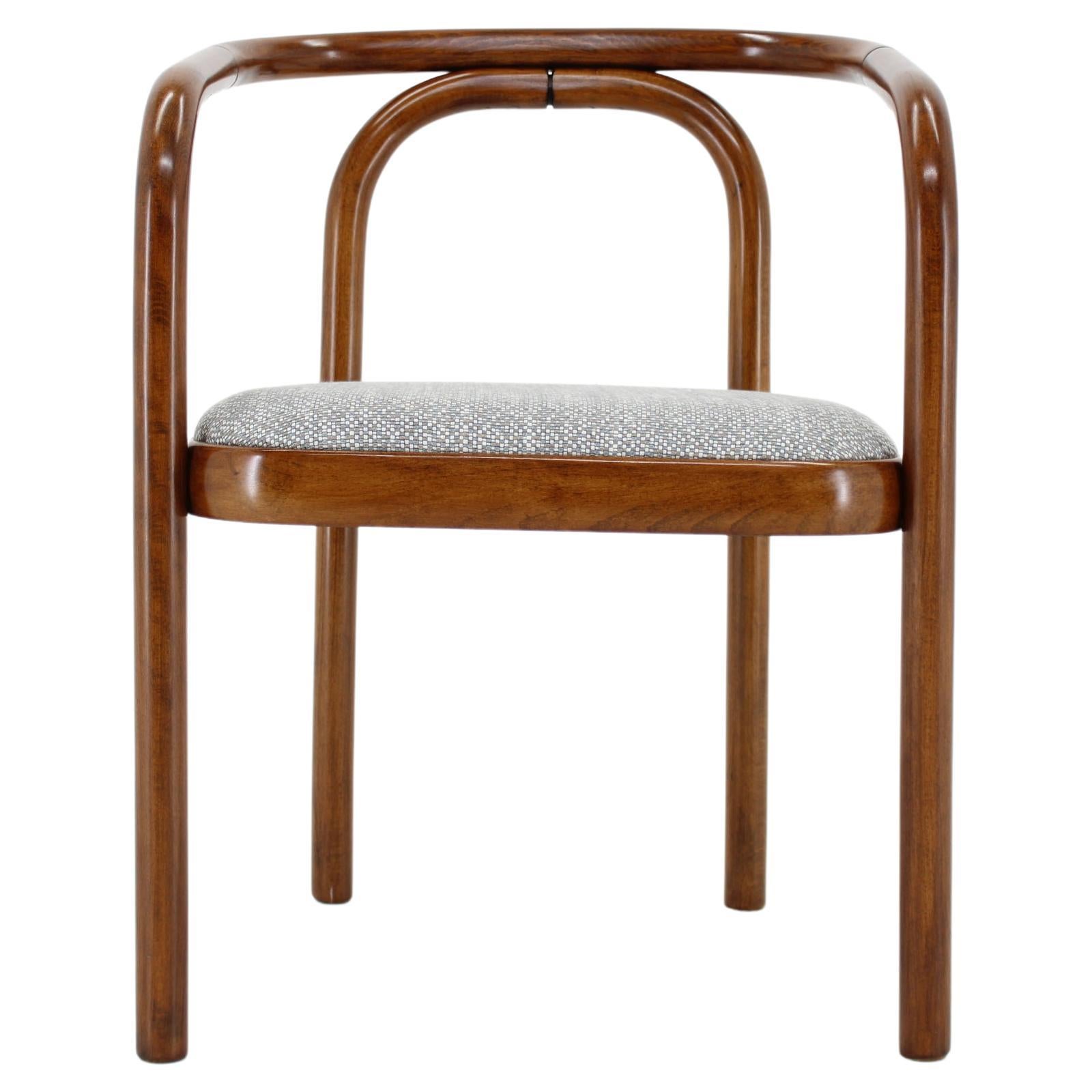
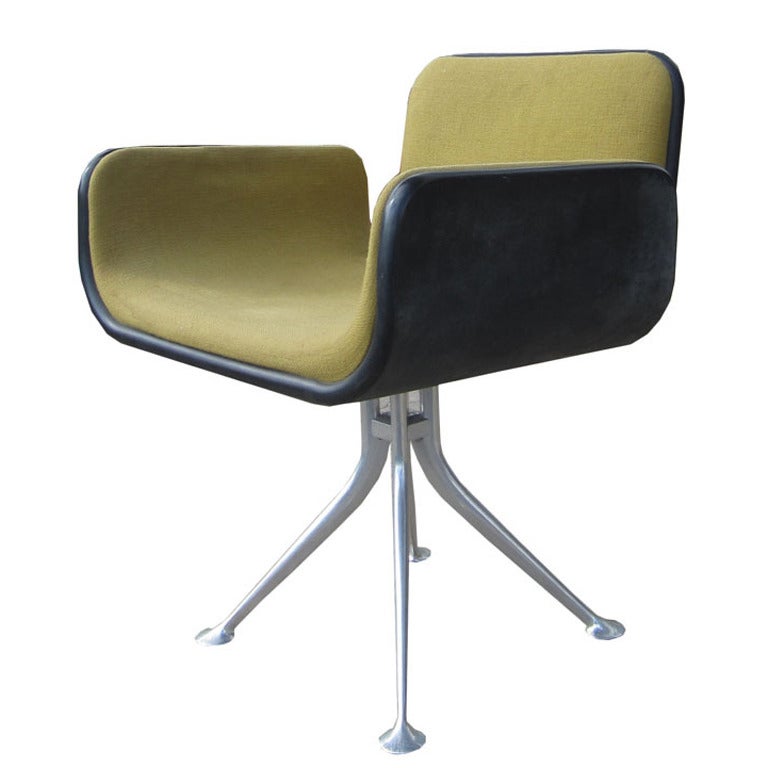
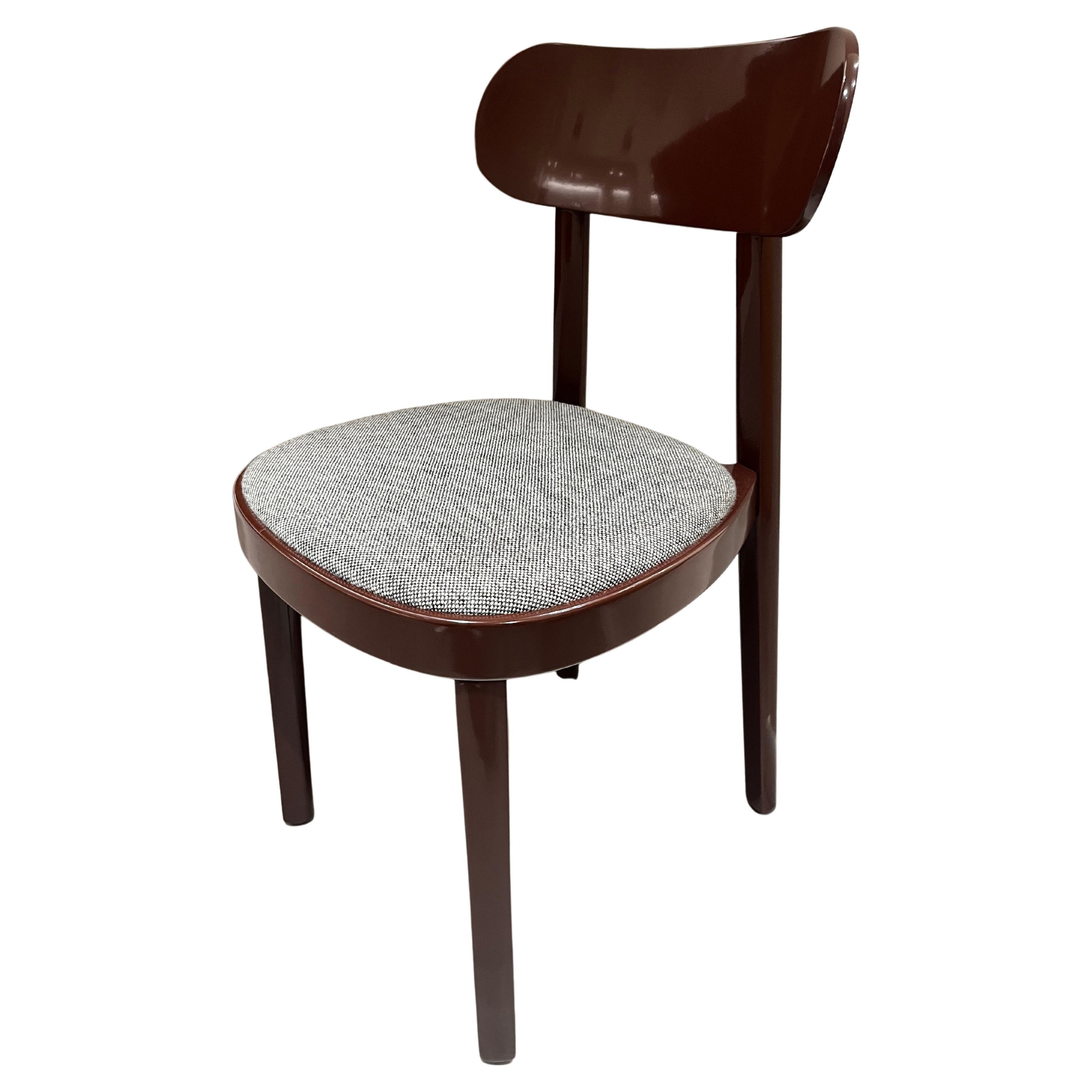
Original 430 Chair by Verner Panton for Thonet, 1960s
About the Item
- Creator:Alexander Girard (Designer),Thonet (Manufacturer)
- Dimensions:Height: 37.01 in (94 cm)Diameter: 20.87 in (53 cm)Seat Height: 16.93 in (43 cm)
- Style:Mid-Century Modern (Of the Period)
- Materials and Techniques:
- Place of Origin:
- Period:
- Date of Manufacture:circa 1960
- Condition:Reupholstered. reupholstered with Maharam Alexander Girard fabric.
- Seller Location:Dronten, NL
- Reference Number:1stDibs: LU931447381942
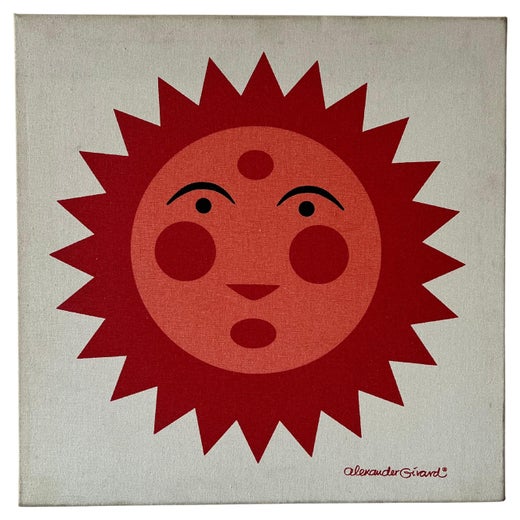
Alexander Girard
The director of design for the textiles department at Herman Miller, Inc., from 1952 to 1973, mid-century modern visionary Alexander Girard introduced bright, bouncy colors to upholstery and drapery fabrics, created jaunty graphics for marketing and advertising materials and devised motifs for everything from textiles to ceramics based on his true love: folk art from cultures around the globe.
The son of an American mother and an Italian father, Girard (known as Sandro to his friends) was born in New York City in 1907 but raised in Florence. He came from a creative family — his father was a master woodworker — and Girard began drawing and making his own playthings as a youngster. He had a fascination for nativity crèche tableaux, an enthusiasm that likely was the germ for his later interest in folk art. He went on to earn degrees in architecture at schools in both Rome and London before returning to New York in the 1930s and working in interior design.
By the 1940s, he and his wife, Susan, had moved to Detroit, where Girard was head of design for Detrola, a firm specializing in tabletop radios. The elegant bentwood housings that he developed for the devices won him acclaim, but, more importantly, at Detrola he met Charles Eames. The two became lifelong friends, and it was Eames who drew Girard toward Herman Miller, which had no dedicated textile department until Girard arrived, and most of its furniture was upholstered in mundane, “safe” hues. Girard changed all that, introducing fabrics in vivid shades of red, orange, yellow and blue. His early designs incorporated geometric motifs — stripes, circles, square, triangles and such. But toward the end of the 1950s he began to introduce folk art themes into his designs.
Girard did not collect important or expensive folk pieces. Rather he was drawn to simple objects such as handmade toys, figurines and models of animals, buildings and plants. The fabrics that emerged had whimsical, lighthearted motifs depicting, for example, angels, children, birds and flowers. Toward the end of his term with Herman Miller, in an effort to achieve what he termed “aesthetic functionalism,” Girard produced a group of what he called “Environmental Enrichment” pieces — silk-screened cotton panels emblazoned with various graphic designs, from bold geometric patterns to folk art themes. They were meant to divide spaces in offices or the home in lieu of walls while simultaneously functioning as art. Today, panels of vintage Girard upholstery textiles have become premium collectibles. The designer's furniture is less well known, primarily because most of it was created for private commissions.
Girard’s most lasting contribution may be his folk art collection. He and Susan had begun gathering pieces shortly after their marriage, in 1936. By the 1970s, they had amassed the world’s largest collection of cross-cultural folk art, composed of more than 100,000 pieces from around the world. The Girards donated their holdings to the Museum of International Folk Art, in Santa Fe (where they had moved in the ’60s), quintupling the institution’s collection, and a new wing — named for the Girards — had to be built to hold it.
Find a striking range of vintage Alexander Girard seating, tables, textiles and other furnishings on 1stDibs.
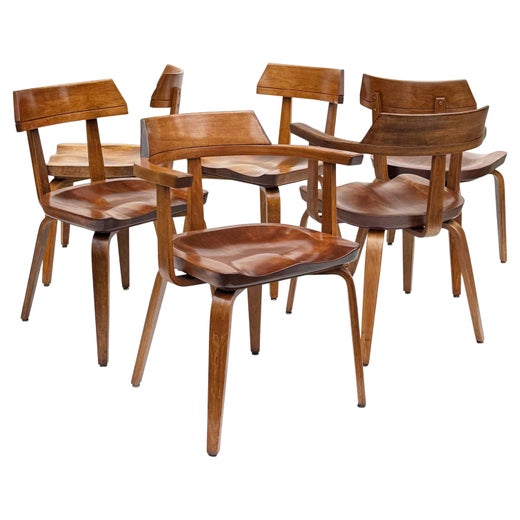
Thonet
For more than 180 years, Thonet — or Gebrüder Thonet — has produced elegant and durable tables and cabinets as well as chairs, stools and other seating that wholly blur the lines between art and design. Widely known as a trailblazer in the use of bentwood in furniture, the European manufacturer has reimagined the places in which we gather.
Noted for his skill in parquetry, German-Austrian company founder Michael Thonet received an invitation from Austrian Chancellor Prince Metternich to contribute Neo-Rococo interiors to the Liechtenstein City Palace in Vienna. The Boppard-born Thonet had honed his carpentry skills in his father’s workshop, where he carried out experiments with plywood and modified the Biedermeier chairs that populated the studio.
Thonet’s work for the chancellor raised his profile, and the cabinetmaker gained international recognition, including at London’s Great Exhibition of 1851, which featured works created by members of the Arts and Crafts movement as well as industrial products of the day. Thonet showed a range of furniture at the fair and won the bronze medal for his bentwood chairs. He incorporated his family’s company, the Thonet Brothers, with his sons in 1853.
Bentwood furniture dates as far back as the Middle Ages, but it is the 19th-century cabinetmaker Thonet who is most often associated with this now-classic technique. Thonet in 1856 patented a method for bending solid wood through the use of steam, and from there, the bentwood look skyrocketed to furniture fame. The works of renowned mid-century modern designers such as Alvar Aalto, Arne Jacobsen, and Charles and Ray Eames that put this technological advancement to use would not be as extensive or celebrated were it not for the efforts of the pioneering Thonet.
Considered the world’s oldest mass-produced chair, Michael Thonet’s ubiquitous Chair No. 14 demonstrated that his patented bentwood technology made it possible to efficiently produce furniture on an industrial scale. Now known as the 214, it won the German Sustainability Award Design for 2021, a recognition of the company’s commitment to environmentally responsible production.
Often called the Coffee House chair — the company’s first substantial order was for a Viennese coffeehouse — the No. 14 remains an icon. Thonet originally designed the chair in 1859, and it is considered the starting point for modern furniture.
The bentwood process opened doors — there were investments in machinery and new industrial processes, and the business began mass-producing furniture. By the end of the 1850s, there were additional Thonet workshops in Eastern Europe and hundreds of employees. Michael Thonet’s reputation attracted the attention of notable architects including Otto Wagner, Marcel Breuer and Ludwig Mies van der Rohe.
The No. 14 was followed by the No. 18, or the Bistro chair, in 1867, and the 209, or the Architect’s chair, of which Le Corbusier was a fan. (The influential Swiss-French architect and designer used Thonet furniture in his Pavillon de l’Esprit Nouveau at the 1925 International Exposition of Decorative Arts in Paris.)
Thonet’s chair designs also appeared in artwork by Toulouse-Lautrec, John Sloan and Henri Matisse in his Interior with a Violin Case. The noteworthy Thonet rocking chair remains a marvel of construction — in the middle of the 19th century, Michael produced a series of rockers in which the different curved parts were integrated into fluid, sinuous wholes. Thanks to Thonet, the humble rocker acquired something unexpected: style. It was captured in the paintings of Pablo Picasso, Pierre-Auguste Renoir and James Tissot.
Thonet is currently split into global divisions. Thonet Industries U.S.A. was acquired in 1987 by Shelby Williams and joined the CF Group in 1999, while the Thonet brand in Germany is owned by Thonet GmbH.
Find a collection of antique Thonet furniture on 1stDibs.
- ShippingRetrieving quote...Shipping from: Dronten, Netherlands
- Return Policy
More From This Seller
View All21st Century and Contemporary Danish Scandinavian Modern Chairs
Stainless Steel
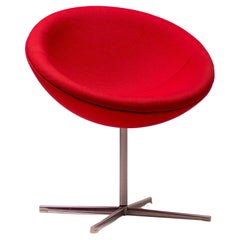
Vintage 1940s Swiss Mid-Century Modern Dining Room Chairs
Aluminum
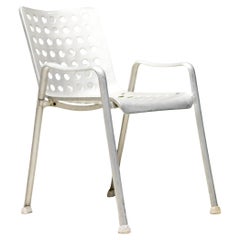
Late 20th Century Italian Mid-Century Modern Chairs
Stainless Steel
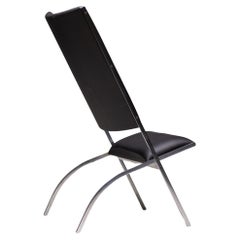
Vintage 1980s Danish Scandinavian Modern Chairs
Wood
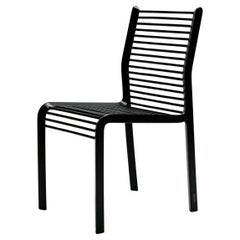
Vintage 1950s Danish Scandinavian Modern Lounge Chairs
Steel
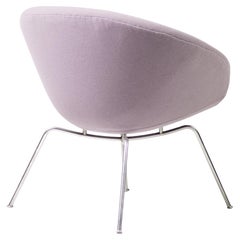
Mid-20th Century Danish Scandinavian Modern Dining Room Chairs
Fabric, Birch
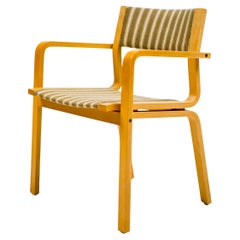
You May Also Like
Vintage 1970s Czech Mid-Century Modern Chairs
Fabric, Wood
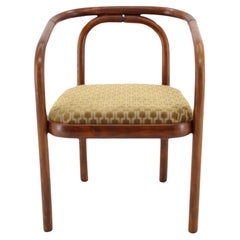
Vintage 1970s Czech Mid-Century Modern Chairs
Fabric, Wood
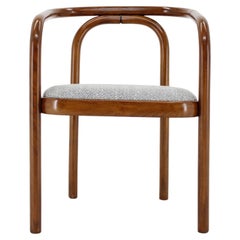
Vintage 1960s American Mid-Century Modern Armchairs
Aluminum
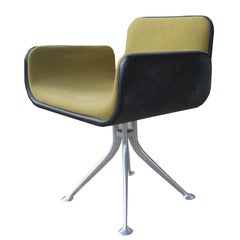
Mid-20th Century Austrian Mid-Century Modern Chairs
Metal
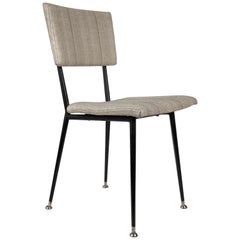
Vintage 1950s Austrian Mid-Century Modern Chairs
Faux Leather, Wood
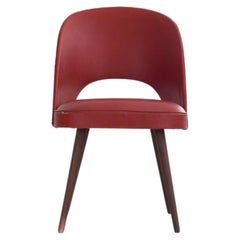
2010s European Chairs
Fabric, Wood