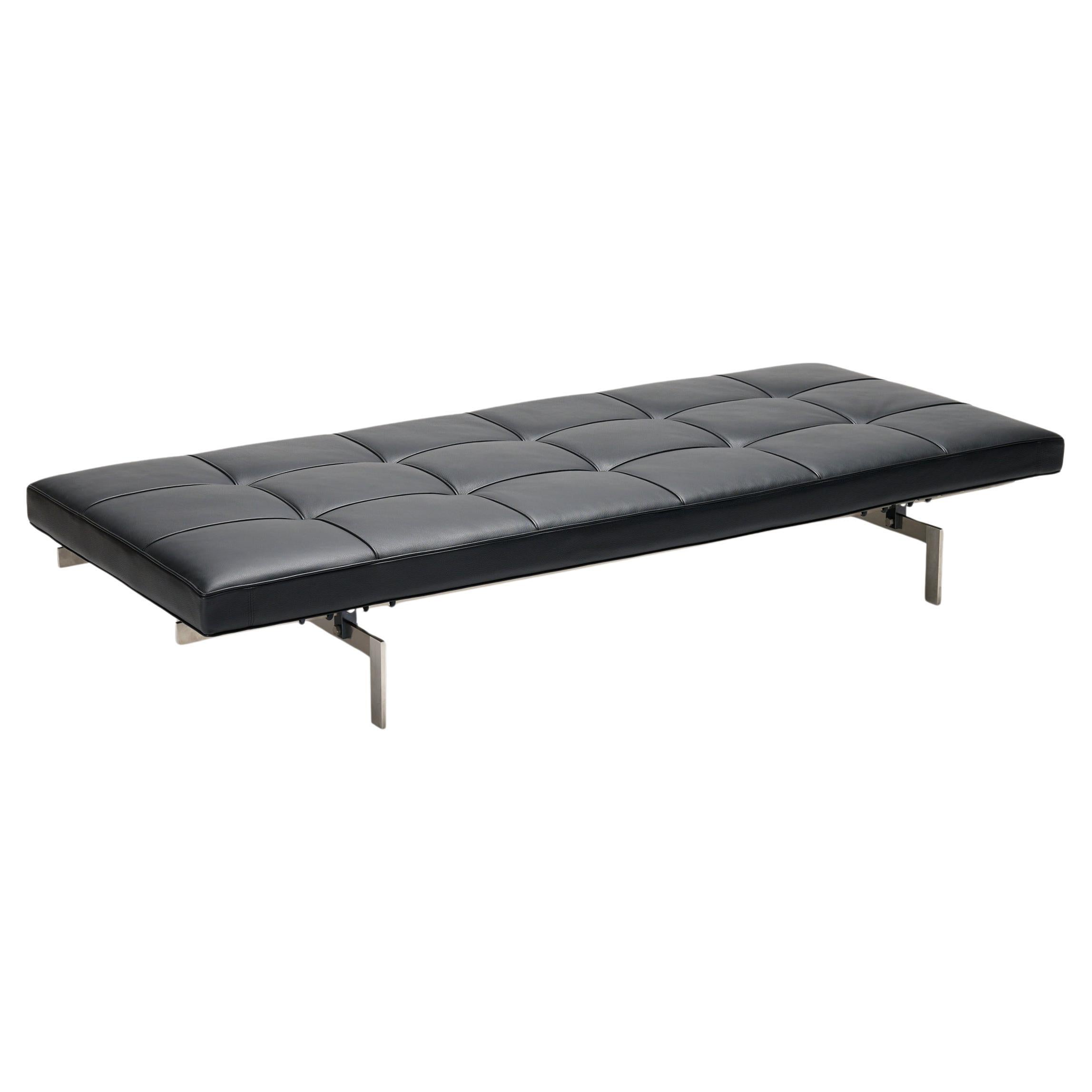
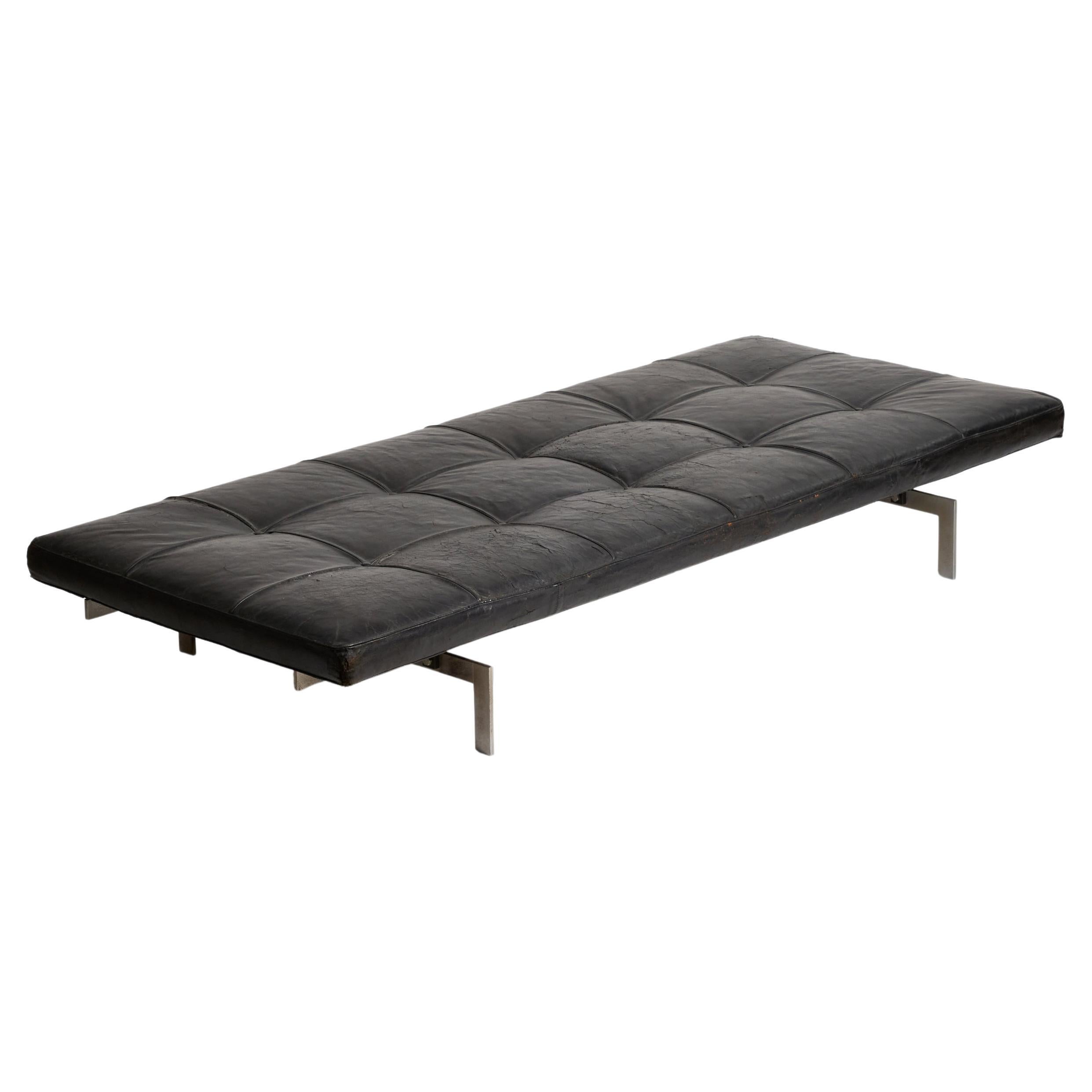
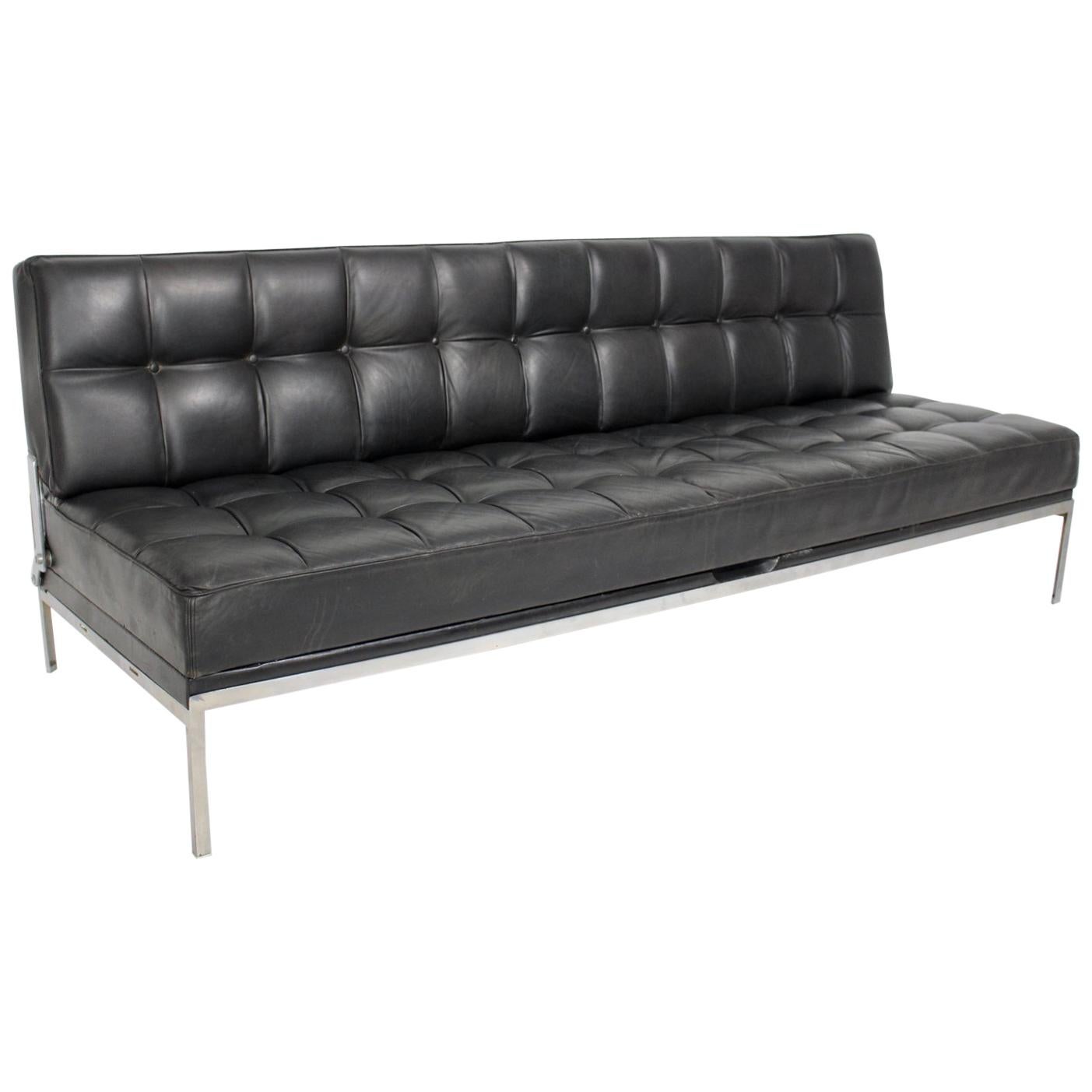
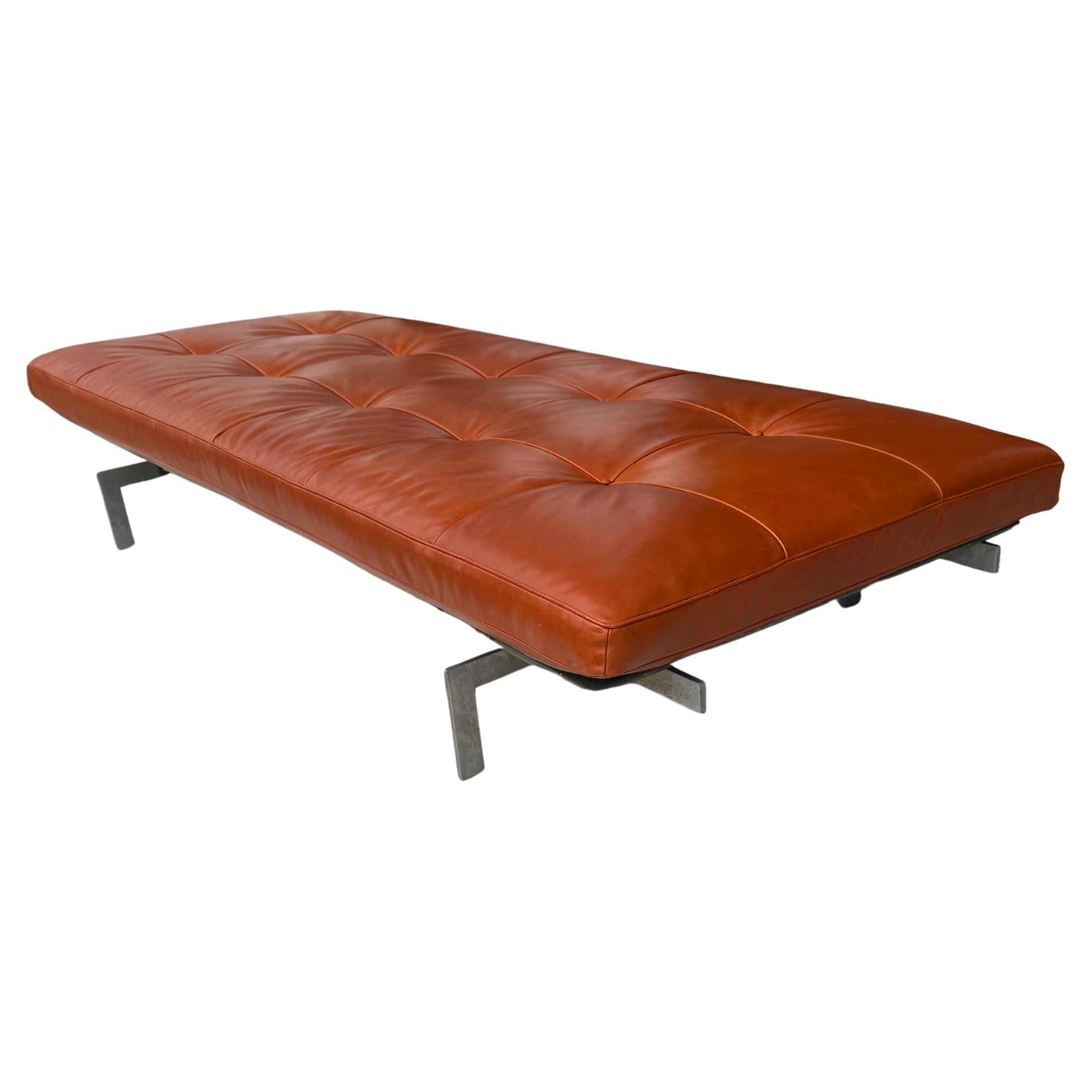
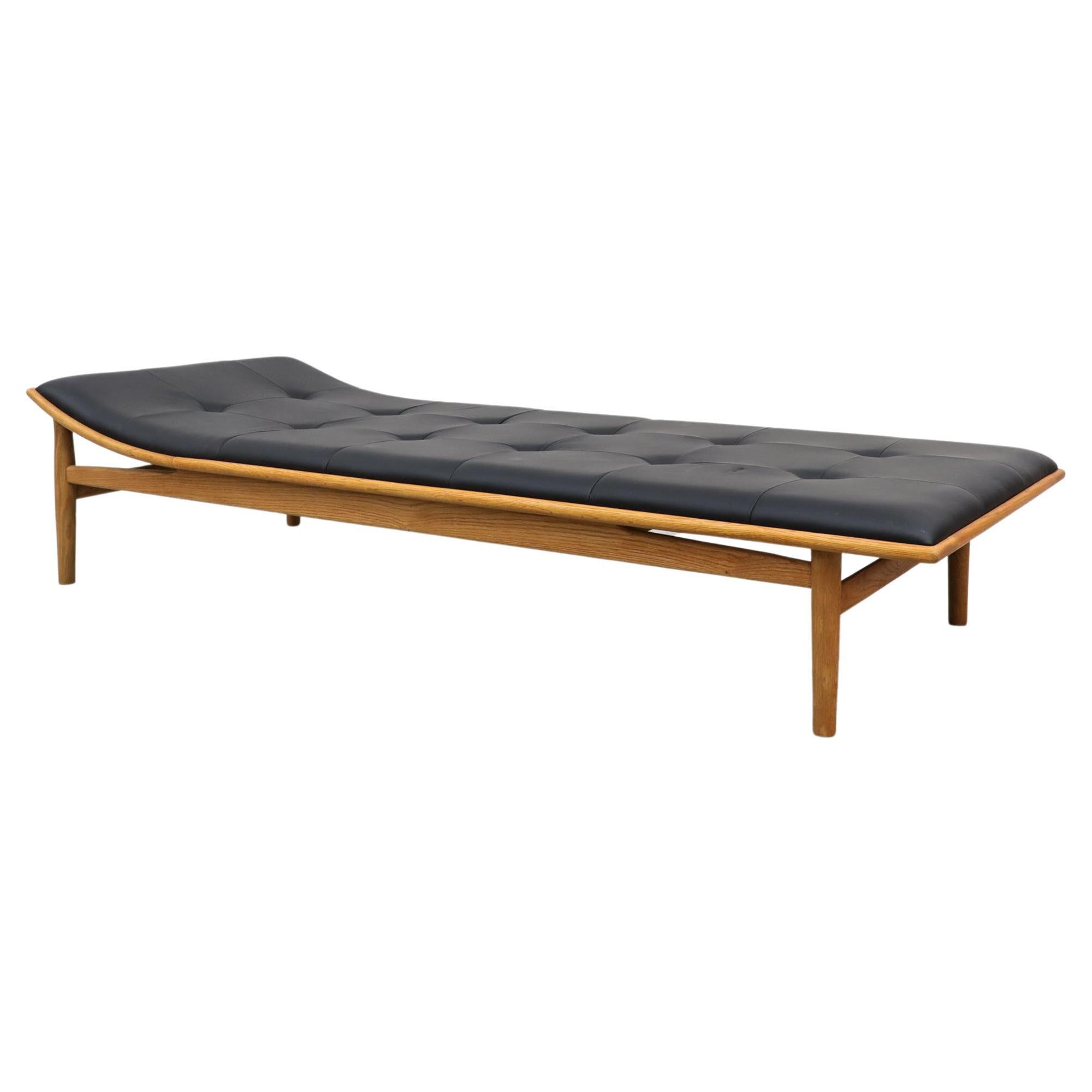
Poul Kjaerholm PK 80 daybed black leather E. Kold Christensen Denmark 1960s
About the Item
- Creator:Poul Kjærholm (Designer),E. Kold Christensen (Manufacturer)
- Design:
- Dimensions:Height: 11.82 in (30 cm)Width: 74.81 in (190 cm)Depth: 31.5 in (80 cm)Seat Height: 11.82 in (30 cm)
- Style:Scandinavian Modern (Of the Period)
- Materials and Techniques:
- Place of Origin:
- Period:
- Date of Manufacture:1960s
- Condition:Wear consistent with age and use. Very good condition.
- Seller Location:WIJCKEL, NL
- Reference Number:1stDibs: LU8306244536042
Poul Kjærholm
A trained cabinetmaker, Poul Kjærholm’s use of industrial methods and materials in the 1960s brought a fresh, graceful, sleek new style to Danish modern design.
At what is now the Royal Danish Academy of Fine Arts in Copenhagen, Kjærholm studied under Hans Wegner and Jørn Utzon — an industrial designer and the architect of the celebrated Sydney Opera House. The latter greatly influenced Kjærholm’s furniture production techniques — although he employed natural materials such as cane and leather, to a far greater extent than his peers Kjærholm embraced the use of steel (rather than wood) framing for his chairs, daybeds and tables.
Kjærholm’s signal design was the PK22 chair of 1956, a low-slung leather lounger on a steel base. The ideas introduced in the PK22 — Kjærholm’s designs were named using a numeric system devised with his manufacturer, E. Kold Christensen — were refined throughout his career, as the offerings below show: the PK11 chair of 1957, with back and armrests formed by a semicircle of ash; the capacious, richly patinated leather seat of a vintage 1961 PK9 chair; the elegant rattan swoop of the PK 24 chaise longue (1965). The chaise longue's leather headrest, held in place by a steel counterweight, best shows Kjærholm's particular gift for combining technological advancements with a respect for traditional detailing.
While respectful of the past, Poul Kjærholm's sensibility is one of optimism and expectation. His was design for those who lived with verve and élan, and confidently anticipated the future.
Find a collection of vintage Poul Kjærholm furniture on 1stDibs.
E. Kold Christensen
Founded in Hellerup, Denmark, by entrepreneur Ejvind Kold Christensen, furniture manufacturer E. Kold Christensen was instrumental in advancing the career of Poul Kjærholm, a revered Danish cabinetmaker who brought a graceful and sleek new style to Scandinavian design.
Christensen and Kjærholm formed not only a close friendship but also a fruitful business partnership that endured for decades. The company produced most of Kjærholm’s acclaimed armchairs, stools and lounge chairs — which were often framed in brushed steel and upholstered in leather — until Kjærholm’s death in 1980.
Christensen began his career as a sales manager for the furniture manufacturer Carl Hansen Søn. In the late 1940s, Christensen introduced the young Hans Wegner to Carl’s son, Holger Hansen — who was by then running his family’s legendary company — after recognizing the potential of this new designer. Wegner, Hansen and Christensen solidified their partnership by forming SALESCO — a marketing company with the sole purpose of promoting Wegner’s now universally celebrated body of work.
In the mid-1950s, Christensen partnered with promising designer Kjærholm — their pairing was the result of Wegner recommending that Christensen help develop Kjærholm (Wegner had been a teacher of Kjærholm’s at what is now the Royal Danish Academy of Fine Arts). Christensen established his eponymous company with the singular goal of manufacturing his friend’s works.
E. Kold Christensen’s founder offered Kjærholm the room he needed to explore the structural potential of steel in furniture-making — he created forward-looking seating, tables and other pieces that reflected the influence of modernist designers such as Ludwig Mies van der Rohe and Lilly Reich rather than the output of his Scandinavian peers, who worked primarily with wood. (Kjærholm would later experiment with wood during the 1970s.)
The refined PK22 chair, a lounger made of steel with a seat of leather or canvas has over time been compared to Mies and Reich’s Barcelona chair and is a fine example of Kjærholm’s mid-century innovations for E. Kold Christensen. It was an instant commercial success — launching both the designer's and manufacturer's careers. Later, Kjærholm’s iconic PK24 chair merged stainless steel, leather and a sinuous seat of woven wicker, while his PK61 coffee table offered a fanciful, off-center support structure for its glass top. By 1960, Kjærholm had twice been awarded the Grand Prize at the Milan Triennale.
In the 1980s, E. Kold Christensen sold the production rights to a range of Kjærholm’s work to Fritz Hansen, where the designer had incidentally worked for a short time in the early 1950s (the company now has rights to the complete collection) . Many of Kjærholm’s works are part of collections at the Museum of Modern Art and the Metropolitan Museum of Art in New York City, while museums in Norway, Denmark, Germany and Sweden also have his works — each produced by E. Kold Christensen — in their permanent collections.
On 1stDibs, find vintage E. Kold Christensen chairs, tables, lighting and more.
- ShippingRetrieving quote...Shipping from: WIJCKEL, Netherlands
- Return Policy
More From This Seller
View AllVintage 1970s Danish Scandinavian Modern Sofas
Leather, Ash
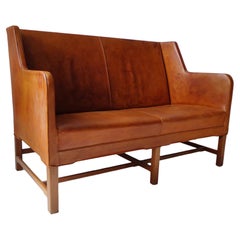
Vintage 1940s Danish Scandinavian Modern Sofas
Leather, Mahogany
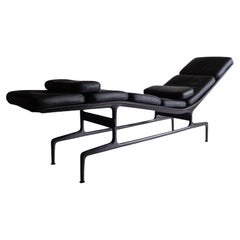
Vintage 1970s American Mid-Century Modern Chaise Longues
Aluminum
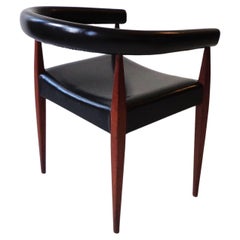
Vintage 1950s Danish Scandinavian Modern Armchairs
Faux Leather, Teak
Vintage 1960s Swedish Scandinavian Modern Lounge Chairs
Steel
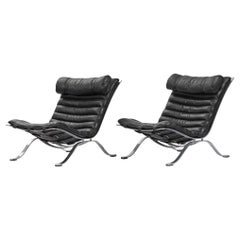
Vintage 1960s Danish Scandinavian Modern Lounge Chairs
Metal
You May Also Like
21st Century and Contemporary Danish Mid-Century Modern Daybeds
Stainless Steel
Vintage 1960s Danish Mid-Century Modern Daybeds
Stainless Steel
Vintage 1960s Austrian Mid-Century Modern Sofas
Metal
Mid-20th Century German Mid-Century Modern Daybeds
Cut Steel
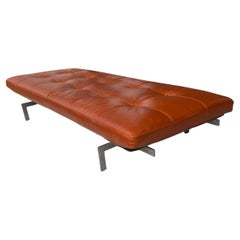
Vintage 1950s Austrian Mid-Century Modern Settees
Metal
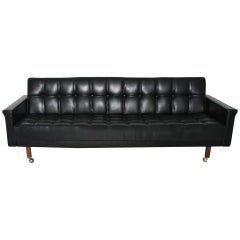
2010s Danish Mid-Century Modern Chaise Longues
Leather, Oak
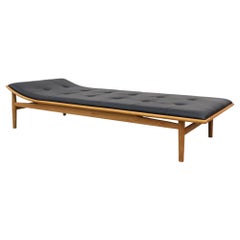
Read More
Archival Furniture Was Hot at Copenhagen’s 3 Days of Design
Reissued mid-century pieces are in the spotlight.
Iconic Furniture Gives These 1stDibs 50 Rooms Timeless Appeal
A well-made armchair, table or pendant lamp can afford both comfort and convenience. An exceptional one can transform a space. See how the honorees on this year’s 1stDibs 50 list of top interior designers used standout pieces to create the kind of rooms you never want to leave.