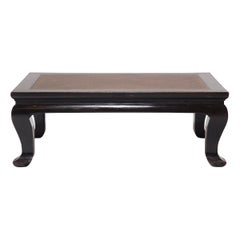
Qing Daybeds
The last imperial dynasty from 1644 to 1912 was a time of change in China, beginning with the invasion by Manchurian forces that ended the Ming dynasty and established the Shunzhi Emperor. The expansion of exportation and trade that had bolstered the arts during the Ming era continued, as Qing dynasty furniture involved the same attention to craftsmanship with expert construction techniques in hardwood pieces that were assembled with mortise and tenon joints rather than nails or glue. Together, these eras comprise a golden age of Chinese furniture design.
Ming-style furniture is simple and elegant with clean lines. Chairs of the period and other Ming furniture made an impression on Scandinavian modernist Hans Wegner and his streamlined seating, for example. Whereas Qing-style furniture is elaborate, with an increasing influence from the West leading to lavish carving inspired by the European Baroque and Rococo styles. And while many of the forms that define examples of the latter are common within classical Chinese furniture, such as curving and folding chairs as well as large screens, Qing designs are laden with ornamentation. Frequently, the carved motifs and inlaid designs in mother-of-pearl were auspicious, such as peonies for wealth or dragons for luck. Bats were symbols of happiness in the design of Qing furniture, with one of the characters in the word for bat, bianfu, being a homophone for fu, or “fortune.”
While several types of wood were used in the construction of Qing beds, tables, storage pieces and seating, today’s collectors know that the most prized were the rare rosewoods zitan and huanghuali. They were both sourced from Hainan, China’s largest island, and are marked by a rich luster that occurs naturally, without the application of lacquer or other decorative materials. Many of the most popular woods were imported from southeast Asia, adding to their value. Red sandalwood was also sought after for its durability and connection with Chinese medicine, with some chairs being made for health benefits.
Find a collection of antique Qing tea tables, stools, benches, decorative objects and more furniture on 1stDibs.
19th Century Chinese Antique Qing Daybeds
Wood, Rattan
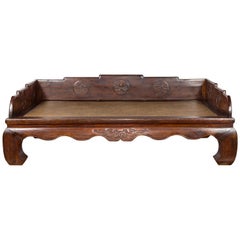
Early 19th Century Chinese Antique Qing Daybeds
Rattan, Elm
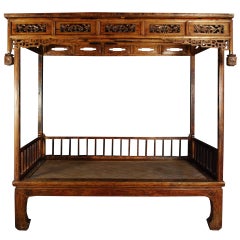
19th Century Chinese Antique Qing Daybeds
Rattan, Wood

Mid-19th Century Chinese Antique Qing Daybeds
Elm
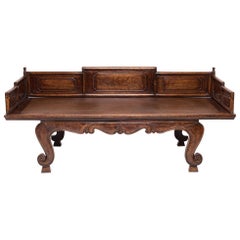
Mid-19th Century Chinese Antique Qing Daybeds
Reed, Elm
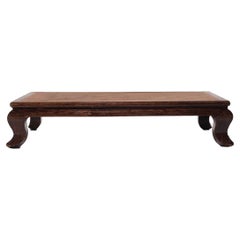
Mid-19th Century Chinese Antique Qing Daybeds
Rattan, Elm
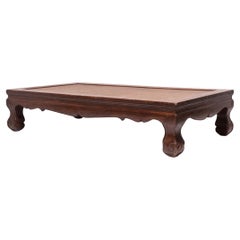
19th Century Chinese Antique Qing Daybeds
Bamboo, Elm
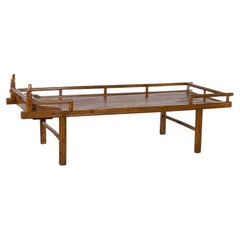
Late 18th Century Chinese Antique Qing Daybeds
Bamboo, Elm
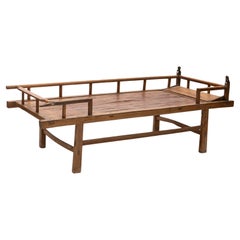
Late 19th Century Chinese Antique Qing Daybeds
Bamboo

Early 20th Century Chinese Qing Daybeds
Wood
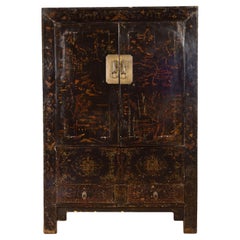

Late 19th Century Chinese Antique Qing Daybeds
Elm
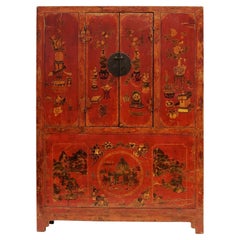
1950s French Vintage Qing Daybeds
Elm
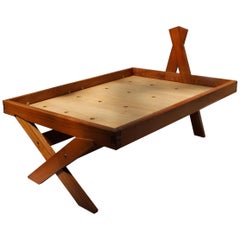
Early 1800s Chinese Antique Qing Daybeds
Elm
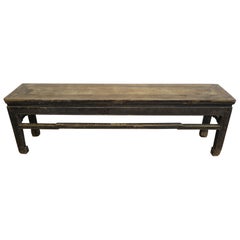
Late 19th Century Chinese Antique Qing Daybeds
Lacquer, Wood
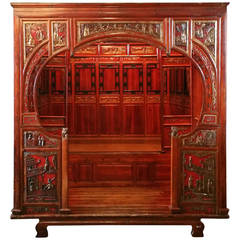
Mid-19th Century Chinese Antique Qing Daybeds
Walnut
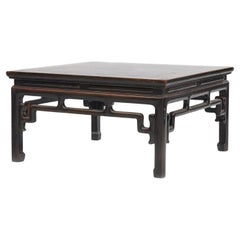
19th Century French Antique Qing Daybeds
Mahogany
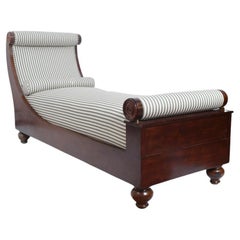
Mid-20th Century Indonesian Qing Daybeds
Rattan, Hardwood
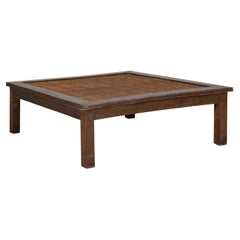
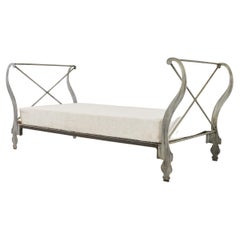
20th Century Qing Daybeds
Iron
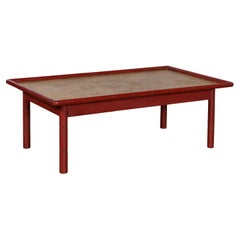
Mid-20th Century Burmese Qing Daybeds
Rattan, Wood, Faux Bamboo
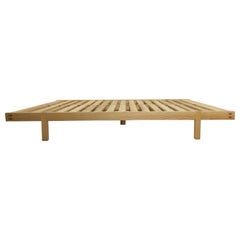
21st Century and Contemporary American Qing Daybeds
Ash
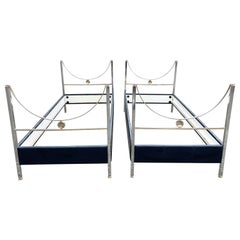
1960s Italian Vintage Qing Daybeds
Brass, Chrome, Nickel
Mid-19th Century Chinese Antique Qing Daybeds
Reed, Cypress
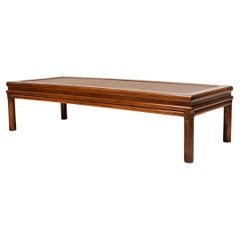
1820s Chinese Antique Qing Daybeds
Hardwood
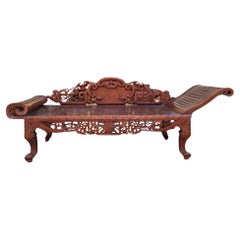
Early 20th Century Chinese Qing Daybeds
Elm, Rattan
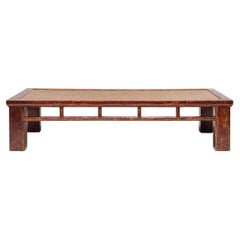
Mid-19th Century Chinese Antique Qing Daybeds
Rattan, Elm
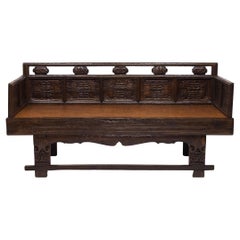
Mid-19th Century Chinese Antique Qing Daybeds
Bamboo
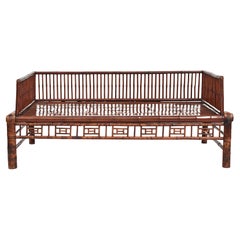
Mid-19th Century Chinese Antique Qing Daybeds
Elm
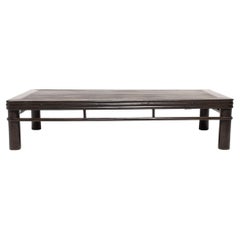
Mid-19th Century Chinese Antique Qing Daybeds
Reed, Cypress
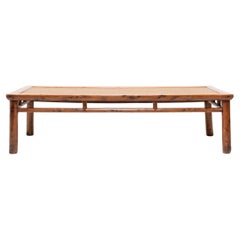
19th Century Chinese Antique Qing Daybeds
Rattan, Elm
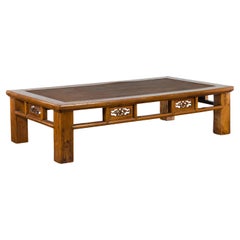
19th Century Chinese Antique Qing Daybeds
Rattan, Wood
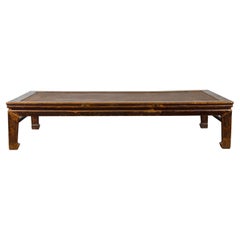
Mid-19th Century Chinese Antique Qing Daybeds
Rattan, Elm
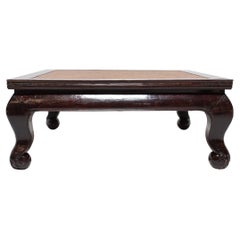
Mid-18th Century Chinese Antique Qing Daybeds
Elm, Chenille, Paint
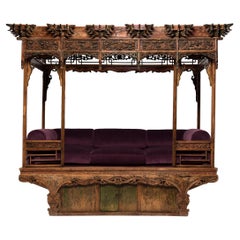
Mid-19th Century Chinese Antique Qing Daybeds
Rattan, Elm