Want more images or videos?
Request additional images or videos from the seller
1 of 10

MEMPHIS "TAWARAYA" Boxing Ring Installation Seating Pod / Masanori Umeda (Japan)

$50,000
£37,870.36
€43,492.80
CA$70,066.35
A$76,176.25
CHF 40,388.74
MX$913,160.10
NOK 513,320.10
SEK 470,271
DKK 325,053.60

About the Item

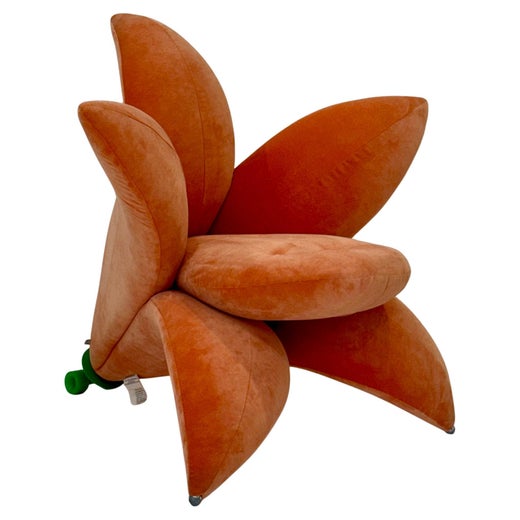
The TAWARAYA Ring by Masanori Umeda for MEMPHIS srl is one of that design movements most famous critically-discussed pieces from the inaugural MEMPHIS exhibition of 1981. The installation was particularly remembered as the seating area for the iconic early photo of Sottsass the entire MEMPHIS team sitting within it --- smiling, laughing, kibitzing et al! Tawaraya as a concept is the notion that in a country as heavily-populated as Japan is, a safe or quiet space to repose collect one's thoughts seemed the perfect antidote to the briskness of the streets the huge throngs of people. In fact, the real Tawaraya in Kyoto is widely considered to be Japan's finest ryokan (traditional Japanese inn). Born in Japan in 1941, Umeda moved to Milan in 1967 and worked with Italian designer Ettore Sottsass at the manufacturer Olivetti for almost ten years. He returned to Tokyo in 1979. In 1980, Umeda received a letter from Sottsass inviting him to join a group exhibition, which was to be the launch of a provocative new design movement: the Memphis Group. Sottsass—who had participated in an earlier experimental design movement in Italy—wrote that this new movement would emphasise what he called a ‘new international style’. The letter included a list of other participating designers, such as Michael Graves and Andrea Branzi, and example sketches drawn in Sottsass’ signature style: geometric, colourful, with laminate surfaces. While Umeda didn’t fully understand what ‘new international style’ meant, he immediately intuited from the sketches what Sottsass was aiming for and began developing his response. He interpreted ‘new international’ to mean a blend of Sottsass’ colourful surfaces with traditional Japanese crafts and architectural systems—a combination that he hoped would prove entirely unique. For the MEMPHIS inaugural exhibition, Sottsass renamed every object after hotels from different parts of the world. Tawaraya was named after a high-end Kyoto ryokan—a traditional Japanese inn with tatami-matted rooms—where Sottsass had stayed before. Umeda found this amusing because for him, the work represented the simplest, cheapest type of room or a public square that belongs to everyone. Like the Memphis Group, he was interested in dismantling the modernist spell that had taken hold of design. For Sottsass, it didn’t matter. The associations didn't have to make sense; they were meant to play with and open up the system of design. The exhibition was a big success—almost 2,000 people attended the opening. But what Umeda remembers most from the event was the smell of the tatami mats. The mats had been fabricated by craftsmen in Italy according to instructions drawn by a Japanese mat-maker. Freshly made tatami mats have an intense, grassy smell that hints at starting anew. This smell, which many Italians had never encountered, permeated the exhibition. Umeda and Shiro Kuramata were two of three Japanese designers participating in the exhibition (alongside architect Isozaki Arata), and Umeda later modestly positioned their roles using a theatre analogy: if Sottsass and the Italian designers were the stars, Umeda and Kuramata were the jesters, adding some exotic spice but ultimately on the sidelines. However, the inclusion of Japanese designers, together with French, Spanish, British, and American designers, helped fulfil the Memphis Group’s aspirations of an ‘international’ style. Thirty-five years later, at a Memphis Group exhibition in Seoul, Umeda was positively surprised by the crowds of enthusiastic people born long after the group was formed. He had always been a bit ironic about the Memphis style and felt that of all the hundreds of objects and interiors he designed during his career, only Tawaraya and his flower-shaped, velvet chair Getsuen were worthwhile. But seeing young people from Asia with no previous knowledge of the Memphis Group enjoying the exhibition made Umeda feel that maybe he did contribute something to design after all.
  • Creator:
    Masanori Umeda (Designer)
  • Dimensions:
    Height: 48 in (121.92 cm)Width: 110 in (279.4 cm)Depth: 110 in (279.4 cm)Seat Height: 20 in (50.8 cm)
  • Style:
    Post-Modern (Of the Period)
  • Materials and Techniques:
  • Place of Origin:
  • Period:
    1980-1989
  • Date of Manufacture:
    1983
  • Condition:
    Wear consistent with age and use. This example of the TAWARAYA Ring is one of the earliest manufactured versions, in fact the authentic Edition # 4 from 1983 (original documentation included). Assembled carefully one time in our gallery to ensure its completeness over 20 years ago.
  • Seller Location:
    Tinton Falls, NJ
  • Reference Number:
    1stDibs: LU10626246715282

More From This Seller

View All
MEMPHIS "LIDO" Sofa / Michele De Lucchi / PostModern
By Michele de Lucchi
Located in Tinton Falls, NJ
Designed by Michele De Lucchi in 1982, this superb object of functional decor will offer a comfortable seat to an eclectic interior, while also being a magnificent colorful accent to...
Category

Vintage 1980s Italian Post-Modern Sofas

Materials

Steel

MEMPHIS "TERMINUS" Table Lamp / Michele De Lucchi (Italy) / PostModern Early
By Michele de Lucchi
Located in Tinton Falls, NJ
Designed by Michele De Lucchi, the OCEANIC lamp, a mysterious stylized creature, has become one of the most famous icons of the Memphis group thanks to it...
Category

Vintage 1980s Italian Post-Modern Table Lamps

Materials

Metal

MEMPHIS "ASHOKA" Table Lamp / Ettore Sottsass (Italy) / PostModern Early
By Ettore Sottsass
Located in Tinton Falls, NJ
ASHOKA by Ettore Sottsass, which takes its name from the emperor of the Maurya Empire, resembles an unstable stack of playful geometric forms. Though it seems “de-structured,” the la...
Category

Vintage 1980s Italian Post-Modern Table Lamps

Materials

Metal

MEMPHIS "TAHITI" Table Lamp / Ettore Sottsass (Italy) / Early MEMPHIS
By Ettore Sottsass
Located in Tinton Falls, NJ
Designed by Ettore Sottsass, the TAHITI is a superb table lamp which strikingly resembles the silhouette of a duck. The black and white, bacterio-patterned laminate base supports an ...
Category

Vintage 1980s Italian Post-Modern Table Lamps

Materials

Metal

MEMPHIS "FIRST" Chair / Michele De Lucchi (Italy) / Postmodern Chair
By Michele de Lucchi
Located in Tinton Falls, NJ
The Most Popular MEMPHIS Chair!!! FIRST is an iconic and sculptural creation conceived by Michele De Lucchi. The designer seems to be paying homage to Alexander Calder in the lightn...
Category

Vintage 1980s Italian Post-Modern Chairs

Materials

Metal

MEMPHIS "POLAR" Side Table / Michele De Lucchi / P{ostModern
By Michele de Lucchi
Located in Tinton Falls, NJ
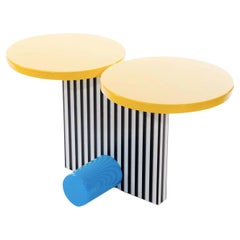
Low coffee table made of lacquered wood and covered with decorative laminate. Another quirky anthropomorphic table by Michele De Lucchi, early Memphis trailblazer (looks a little li...
Category

Vintage 1980s Italian Post-Modern Side Tables

Materials

Laminate, Hardwood, Lacquer

You May Also Like

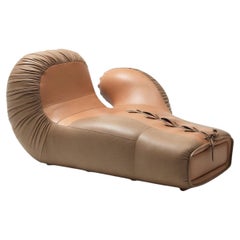
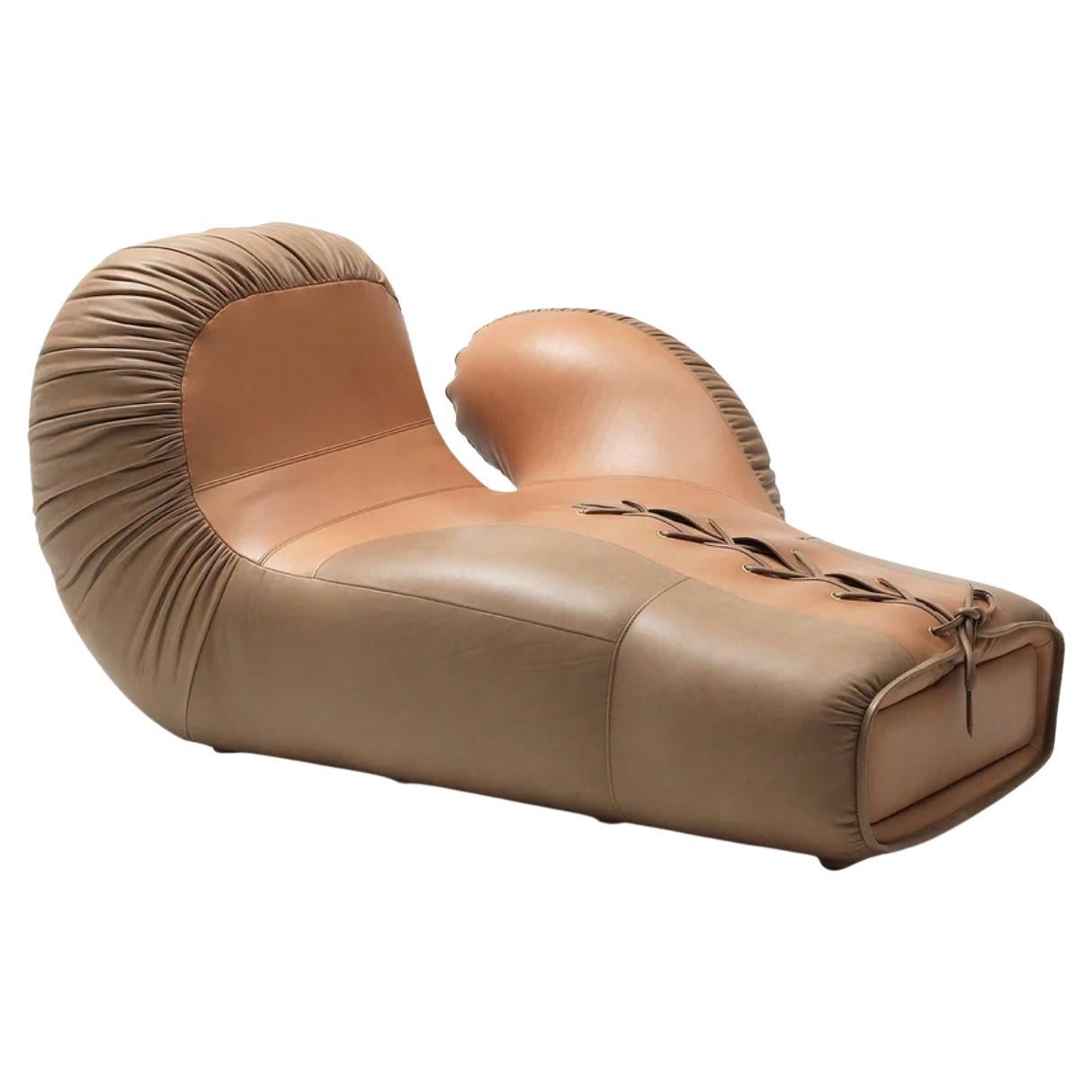
Iconic De Sede Boxing Glove Sofa or Chaise Longue DS-2878/10 Right Version
By De Sede
Located in Tilburg, NL
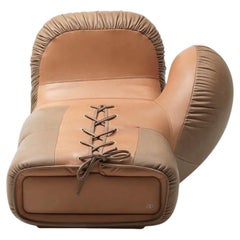
Iconic De Sede Boxing Glove Sofa or Chaise Longue DS-2878/10 Right Version. Designed in 1978, new - current production, Iconic boxing glove sofa. A ...
Category

21st Century and Contemporary Swiss Mid-Century Modern Chaise Longues

Materials

Leather

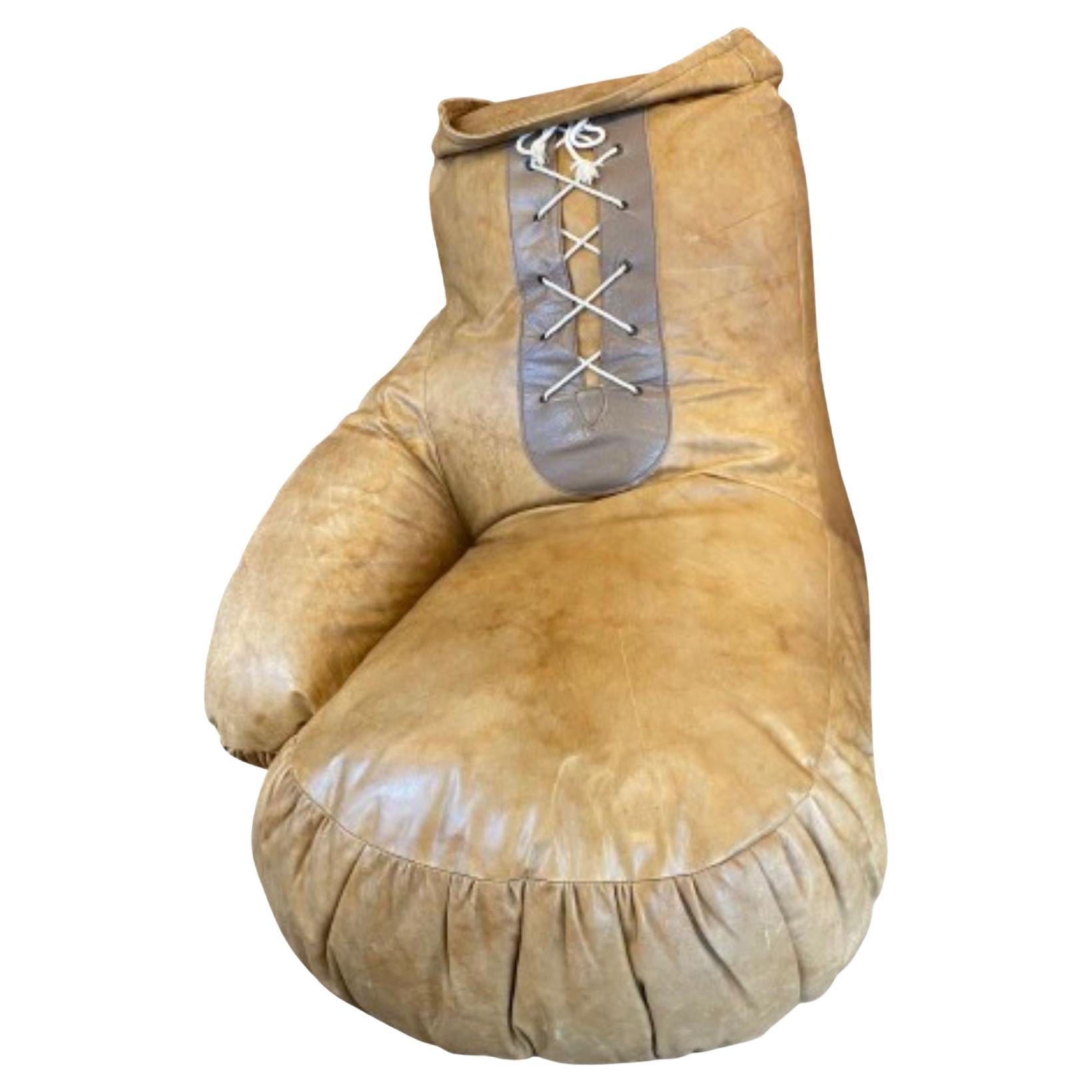
Fauteuil "Gant de boxe"
By De Sede
Located in Paris, FR
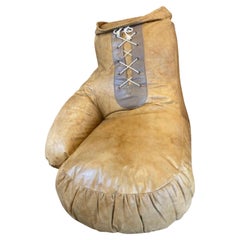
"Gant de boxe" armchair from the De Sede
Category

Late 20th Century Swiss Modern Armchairs

Materials

Leather

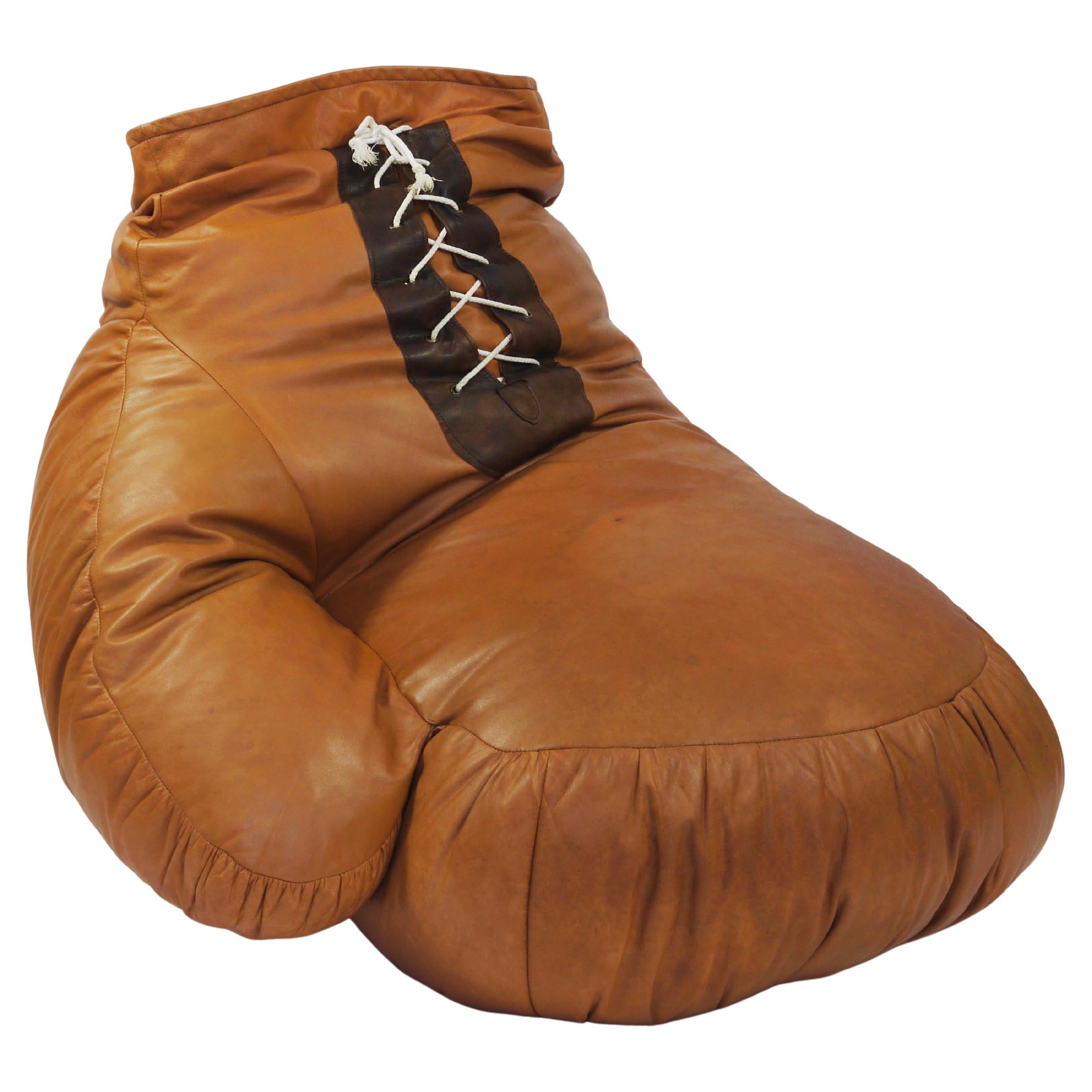
Susi Ueli Berger Boxing Glove Chair by De Sede, Leather, Switzerland, 1970s
By Susi Ueli Berger, De Sede
Located in Vienna, AT
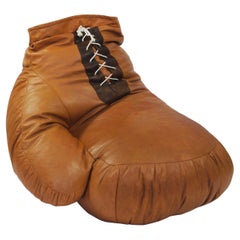
An iconic sculptural seating object / chair / bean bag in the shape of an oversized boxing glove, designed in the 1970s by Swiss artists Susi and Ueli Berger. This remarkable piece w...
Category

Mid-20th Century Italian Mid-Century Modern Chairs

Materials

Leather

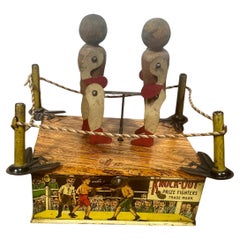
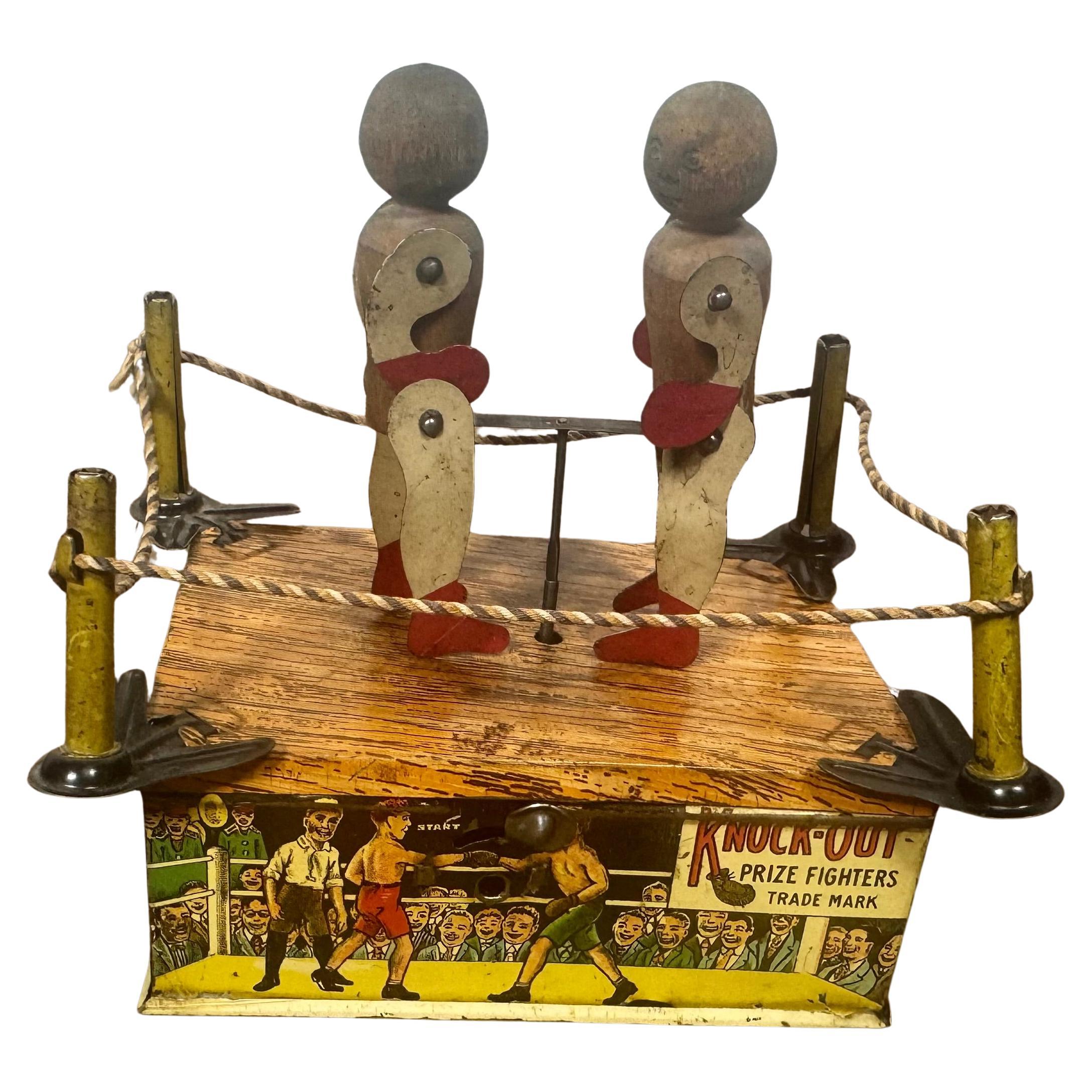
1920s Boxing Tin Wind-up "KNOCK-OUT" PRIZE FIGHTERS. Ferdinand Strauss / Marks
By Marx Toy Co.
Located in Buffalo, NY
Ferdinand Strauss who was bought out by the Marx Toy Co. This is the Knock Out Prize Fighter toy in good working condition. Please see video.
Category

Vintage 1920s American Art Deco Toys and Dolls

Materials

Metal

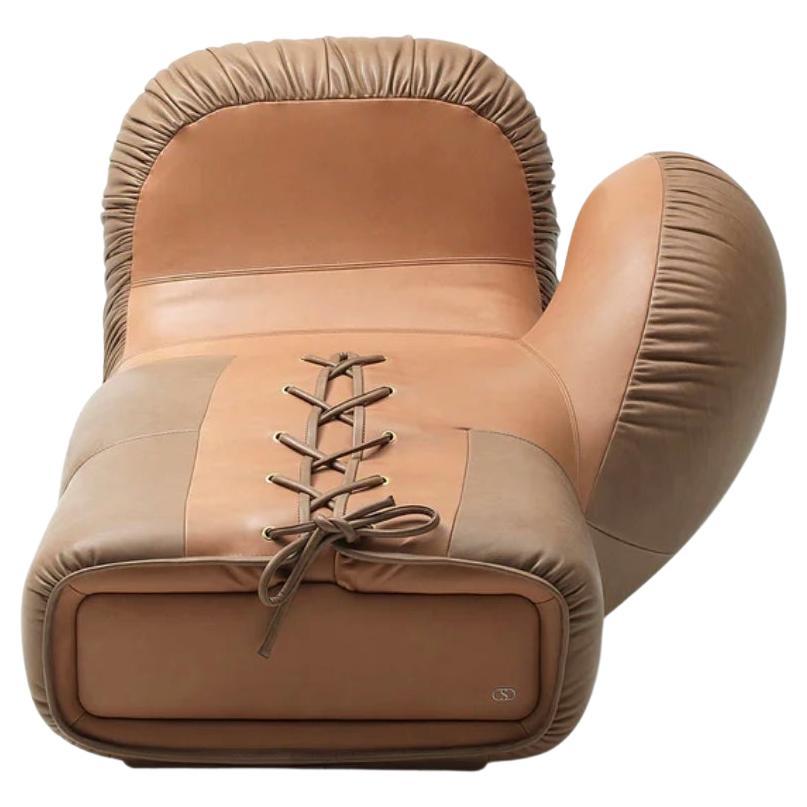
Iconic De Sede Boxing Glove Sofa or Chaise Longue DS-2878/10 Right Version
By De Sede
Located in Tilburg, NL
Iconic De Sede Boxing Glove Sofa or Chaise Longue DS-2878/10 Right Version. Designed in 1978, new - current production, Iconic boxing glove sofa. A ...
Category

21st Century and Contemporary Swiss Mid-Century Modern Chaise Longues

Materials

Leather

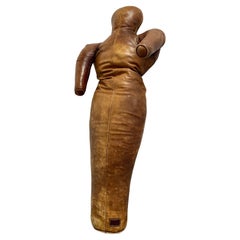
Boxing or Wrestling Dummy Original Leather Gym Equipment, 1930s
Located in Round Top, TX
European “throwing dummy”. These incredible works of art were made in Austria, Germany, The Netherlands and France in the early part of the 20th Century. Constructed of sewn and stit...
Category

Early 20th Century Austrian Mid-Century Modern Figurative Sculptures

Materials

Leather