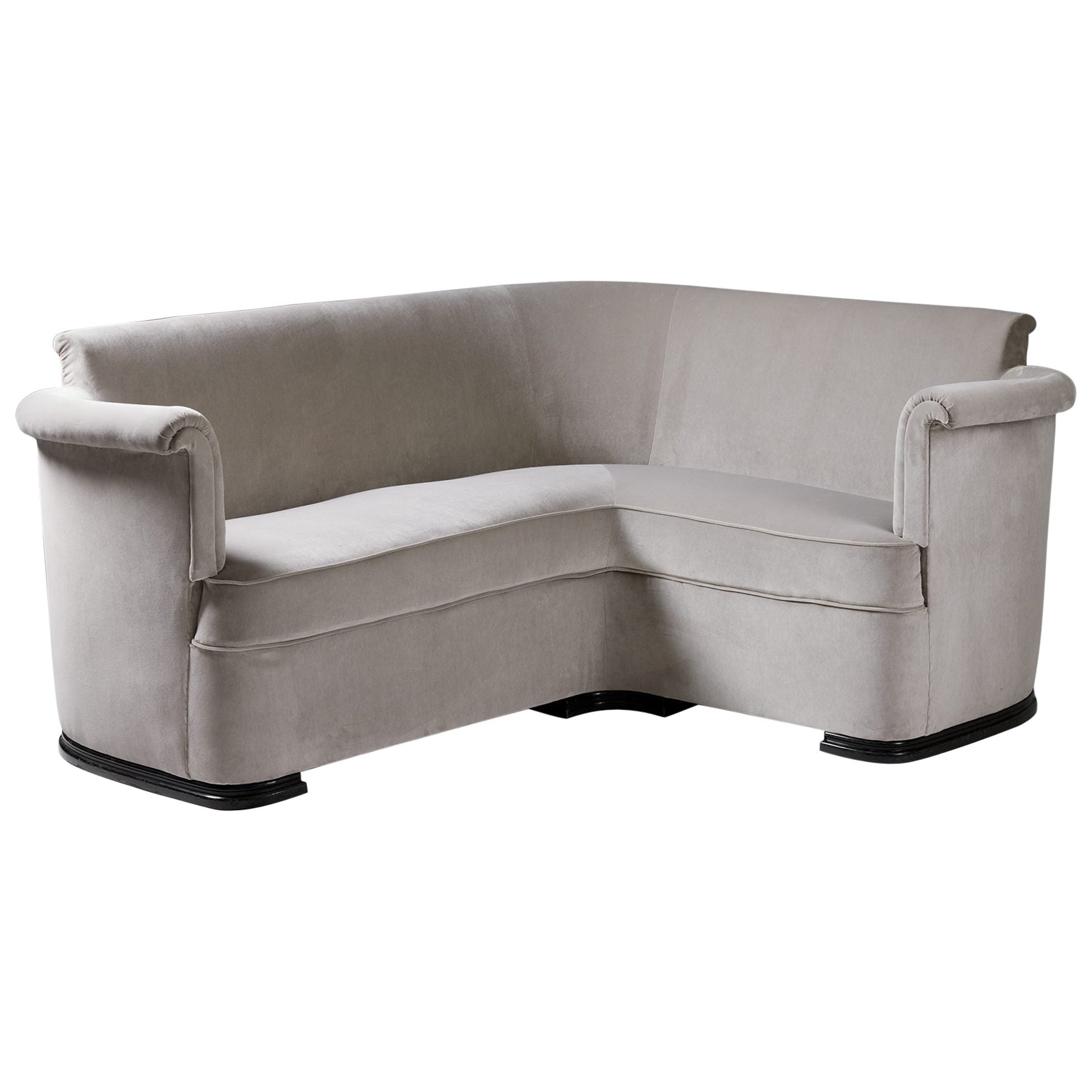
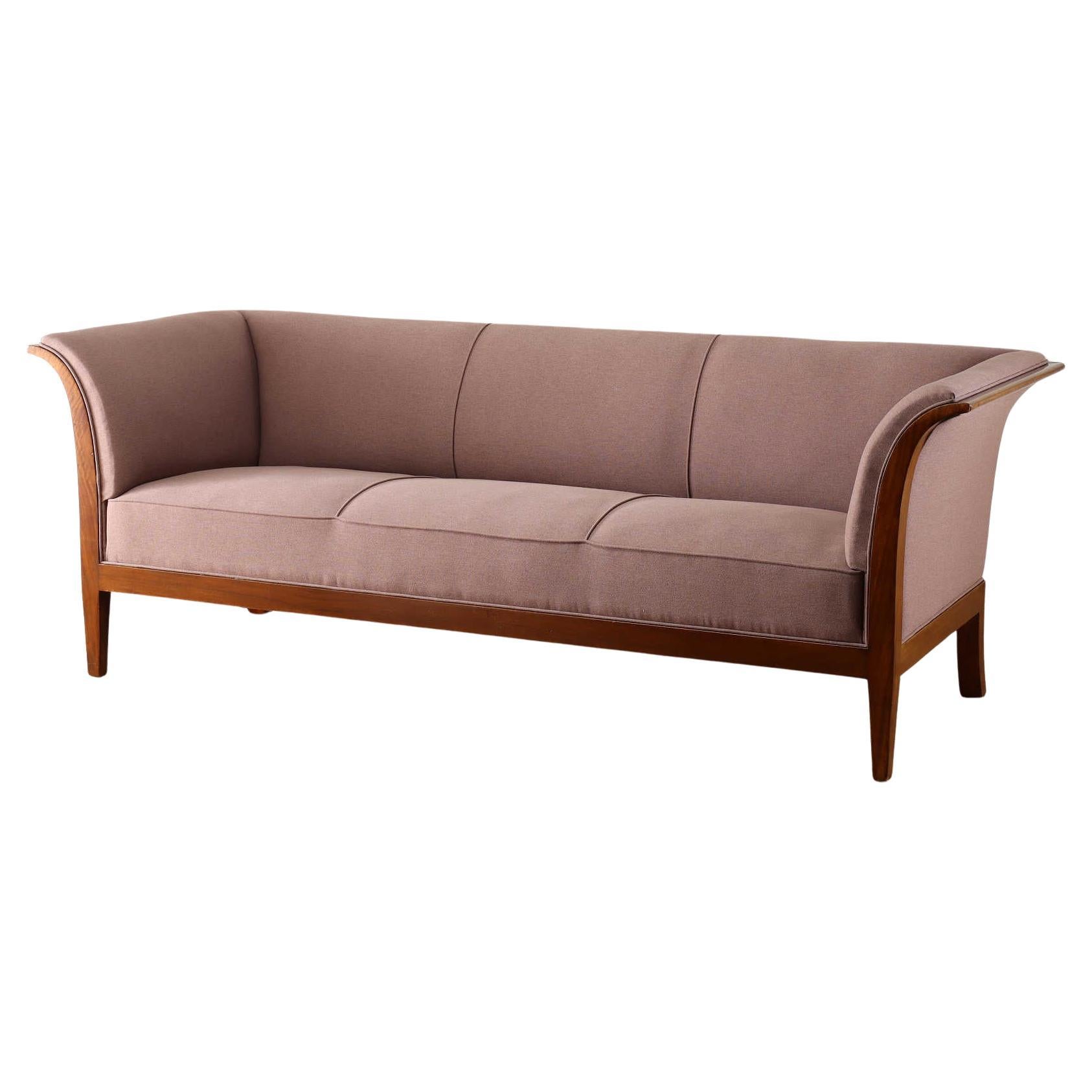
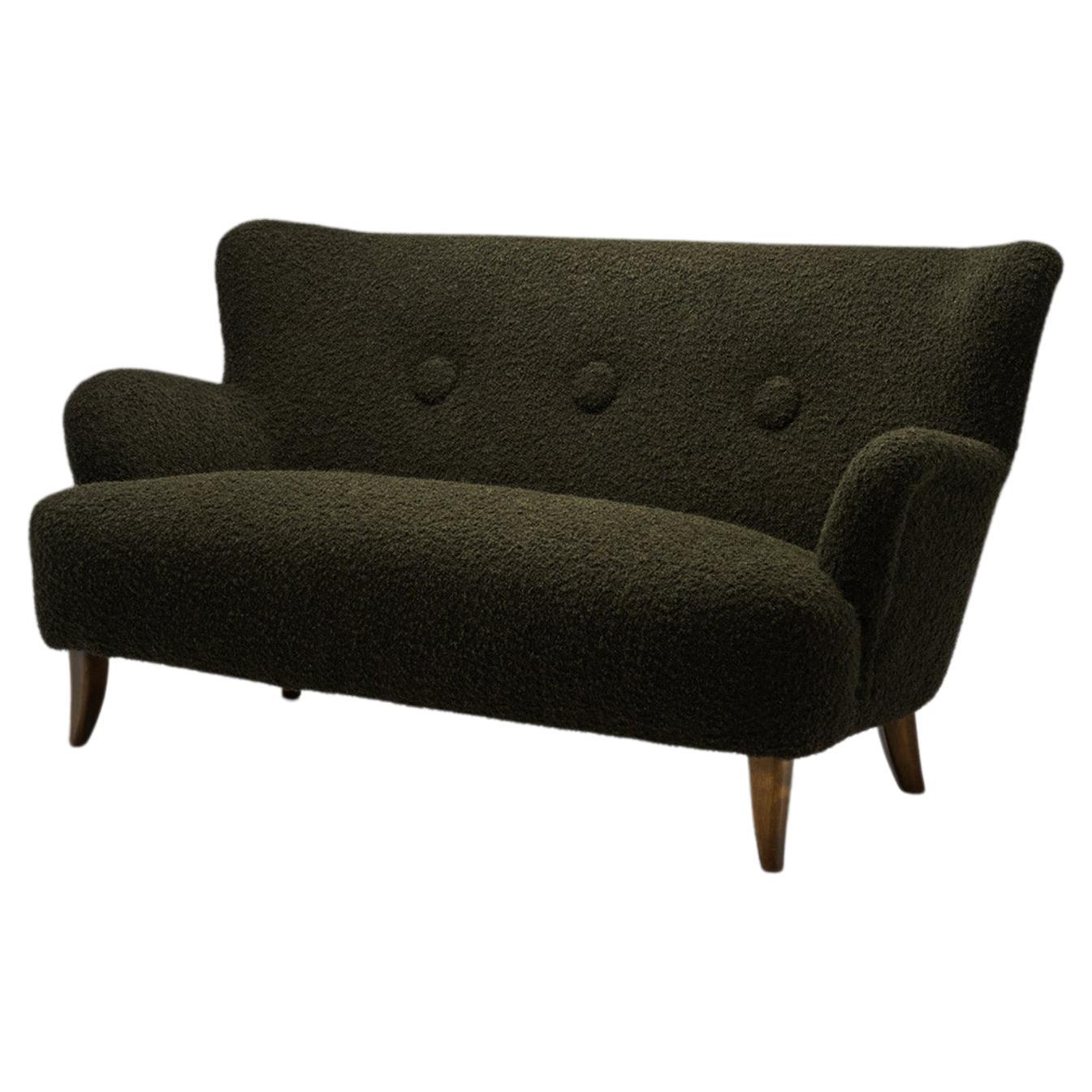
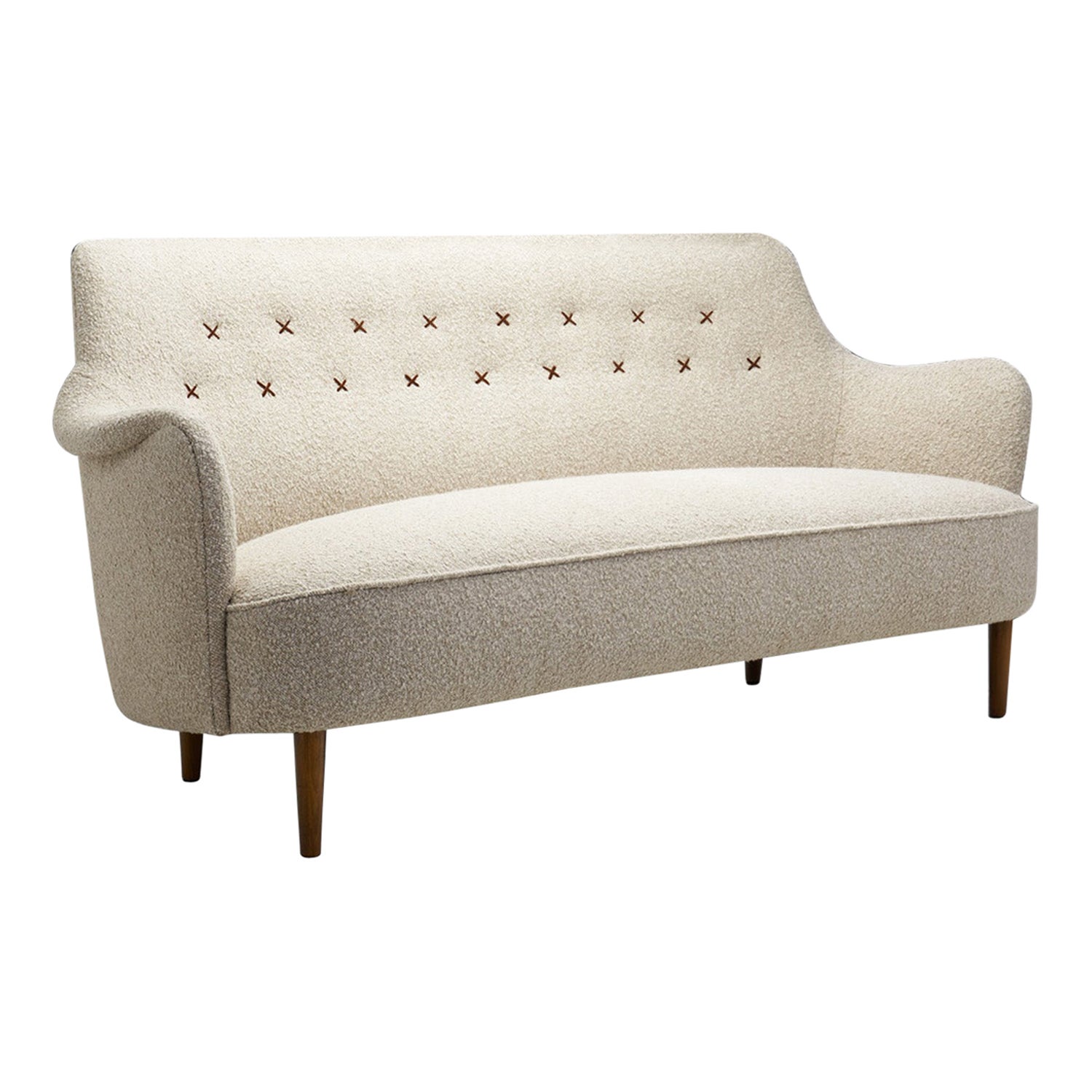
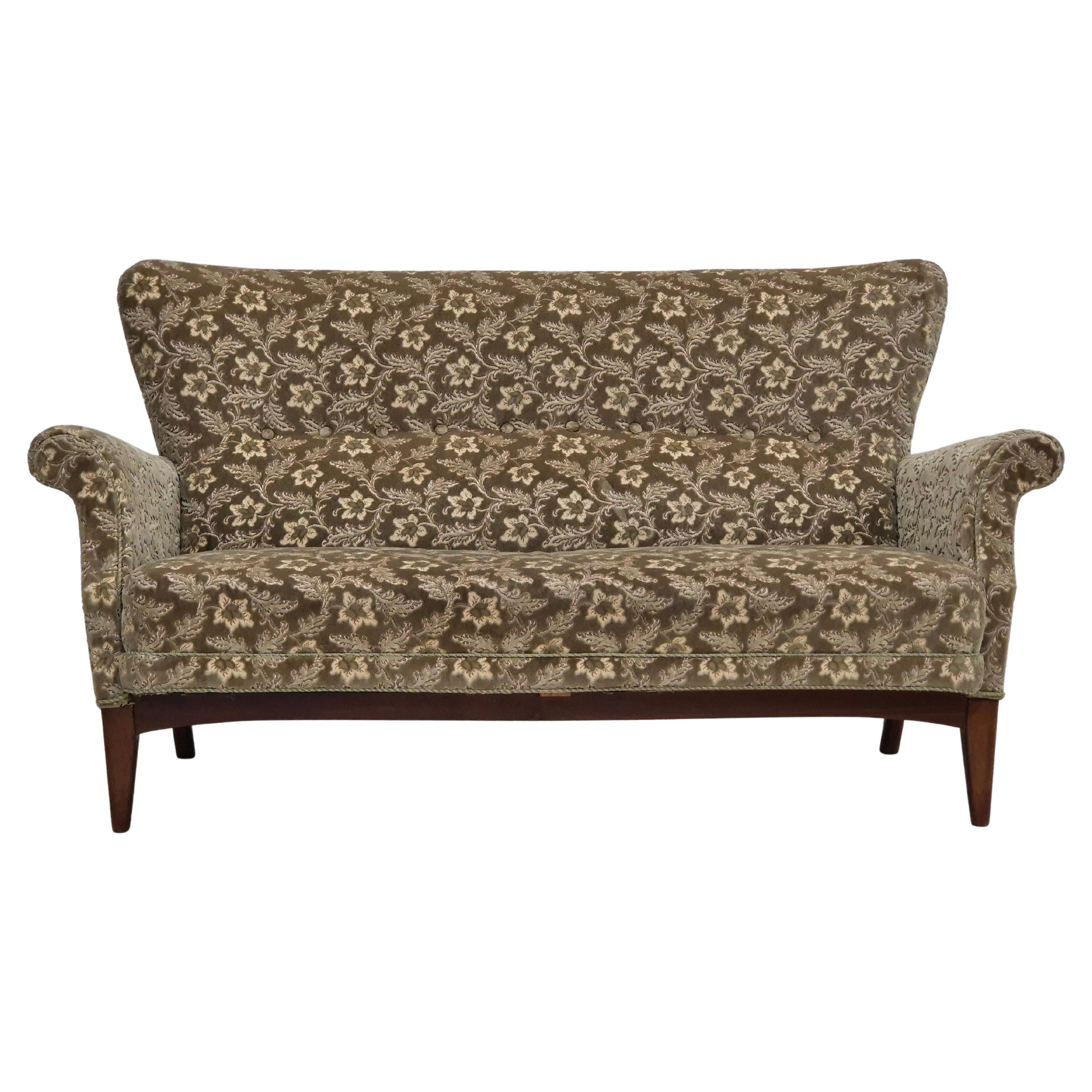
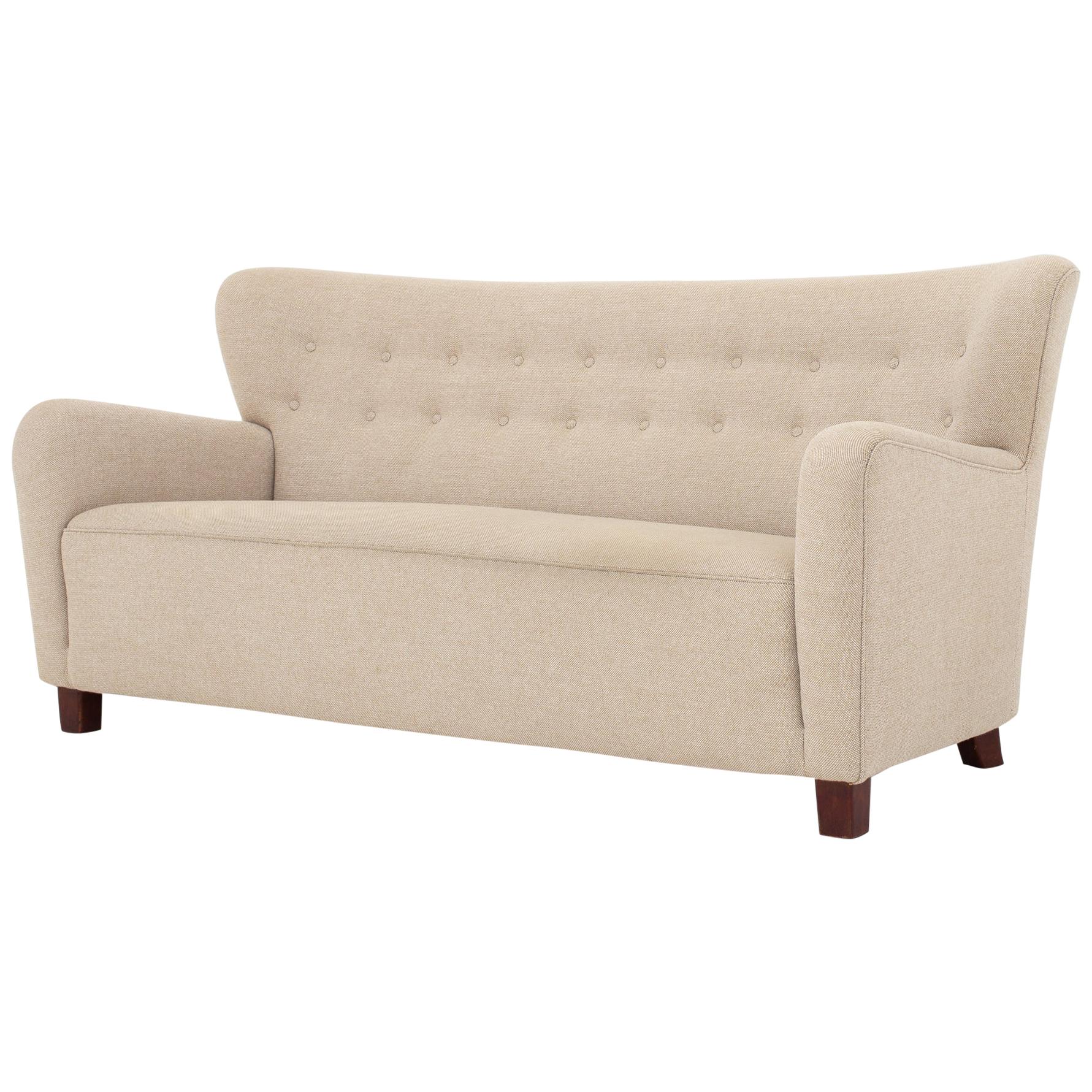
Josef Frank for Svenskt Tenn
Liljevalchs
Sofa
About the Item
- Creator:Josef Frank (Designer),Svenskt Tenn (Manufacturer)
- Dimensions:Height: 30.71 in (78 cm)Width: 113 in (287 cm)Depth: 53.55 in (136 cm)Seat Height: 17.33 in (44 cm)
- Style:Scandinavian Modern (Of the Period)
- Materials and Techniques:
- Place of Origin:
- Period:
- Date of Manufacture:1940s
- Condition:Wear consistent with age and use. Every item Morentz offers is checked by our team of 30 craftspeople in our in-house workshop. Special restoration or reupholstery requests can be done. Check ‘About the item’ or ask our design specialists for detailed information on the condition.
- Seller Location:Waalwijk, NL
- Reference Number:Seller: 501174601stDibs: LU933147308702
Josef Frank
Austrian architect and furniture and fabric designer Josef Frank was a leading voice for a gentle, humane modernism. His advocacy of warm, comfortable, eclectically styled environments was highly influential in his adopted country of Sweden, and it’s now widely regarded as a harbinger of the backlash against doctrinaire modernism and the embrace of the homespun that occurred in the late 1960s.
The son of a successful Viennese textile manufacturer, Frank studied architecture at Vienna University of Technology, graduating in 1910. From the first years of his practice, he marched counter to the orderly, symmetrical architectural layouts and decors prescribed by contemporaries such as Adolf Loos.
Frank drafted rooms of varying shapes and called for flexible interior-design arrangements. His furniture pieces are light and easy to move — and his chairs are always made of wood, most often with lushly curved steam-bent arms and slatted backs. Frank openly loathed the tubular steel furnishings and “machine for living” aesthetic promoted by Le Corbusier and Ludwig Mies van der Rohe and other Bauhaus principals. “The home must not be a mere efficient machine,” Frank once said. “It must offer comfort, rest and coziness…. There are no puritan principles in good interior decoration.”
Frank — who was Jewish — sensed the dire implications of the rise of Nazism in Germany and Austria, and in 1933 he moved to Stockholm with his Swedish wife, Anna. He became the design chief for the furnishings maker Svenskt Tenn and found a perfect match culturally for his brand of simple, relaxed and bright creations. Like many modernists — notably Charles and Ray Eames and Alexander Girard — Frank had a deep love of folk art, which influenced his designs for a wide array of colorful, richly patterned upholstery fabrics, many based on the classic “Tree of Life” motif.
In all his designs, Frank took inspiration from a broad variety of sources. In his furniture, one can discern traces of Asian patterns, Rococo, Italian Renaissance, Scandinavian handicrafts and even Chippendale pieces. As such, the work of Frank — the friendly modernist — is at home in any type of décor.
Find vintage Josef Frank pillows, armchairs, floor lamps and other furniture on 1stDibs.
Svenskt Tenn
Today, the name Svenskt Tenn is associated around the world with the vibrant, modernist textiles and furniture of Josef Frank, who was the Swedish company’s chief designer in the mid-20th century. But the term “svenskt tenn” actually means “Swedish pewter,” and the very first goods the company sold were stylish pewter objects, such as an elegant 1927 candelabra found in the collection of the Saint Louis Art Museum, or a sleek, understated mirror in the collection of the National Museum of Fine Arts. These pieces were designed to appeal to discerning but price-conscious shoppers in 1920s-era Stockholm.
Art teacher and interior designer Estrid Ericson (1894–1981) partnered with pewter artisan Nils Fougstedt (1881–1954) to establish Svenskt Tenn in 1924, and their creations quickly gained a reputation for high quality and affordability, winning a gold medal at the International Exhibition of Modern Decorative and Industrial Arts in Paris in 1925 — the design fair that brought global attention to the Art Deco style.
The experience of renovating her own apartment in the 1920s exposed Ericson to Swedish functionalism — or funkis, as it was known in Sweden — a branch of modernism that advocated uncomplicated forms, subdued colors and utility. She was inspired to open an interior design department at Svenskt Tenn, and in 1930 the firm introduced its first line of furniture.
Selections included items produced by the companies Gemla and Bodafors, as well as original designs by Ericson and the architects Uno Åhrén and Björn Trägårdh, who had worked together on the redesign and expansion of the showroom. The trio’s furniture was displayed at Stockholm’s Galleri Modern in 1931, where it was met with praise from critic Gotthard Johansson, a leading proponent of Swedish functionalism. Johansson admired the “pure lines” and “modern austerity” of the furniture, establishing Svenskt Tenn as an important voice in Swedish design.
But the signature partnership that would come to define the look of Svenskt Tenn was in part the result of political turmoil and the emergence of Nazism in Europe. When Josef Frank fled Vienna for Stockholm in 1933, he was already an accomplished architect who questioned modernist orthodoxy in design. He disliked tubular steel furniture and believed that monochromatic surfaces were distressing to viewers, while pattern and ornament gave interiors a sense of warmth and calm. Ericson was an admirer of Frank’s work, and offered him the chance to design products for Svenskt Tenn. Their professional partnership, particularly in textile design, would eventually become one of the hallmarks of Swedish modernism.
Frank and Ericson collaborated from 1934 until Frank’s death in 1967, with Frank creating unmistakable, bold designs and Ericson employing her flair for interiors, merchandising and display. The pair called their shared approach “Accidentism” or “The Happy Chances Philosophy,” mixing and matching the new and antique, the serious with the playful and pattern with solid colors to find eclectic new combinations in their showroom.
Frank’s textiles are like a visual catalogue of exotic plants and flowers, geological formations and maps, inspired in part by Ericson’s world travels and by Frank’s love of folk art. Svenskt Tenn continues to sell fabric, wallpaper and household goods, many of which sport variations of Frank's signature botanical motifs. Antique and vintage Svenskt Tenn pewter, lighting, furniture, textiles and decorative objects are generally priced anywhere from $2,500 to $25,000 depending on scale and condition.
The tenets of Scandinavian modernism are as fresh and relevant now as they were in the 1950s — light-filled and airy rooms with white walls are perfect settings for comfortable furniture upholstered in one of Josef Frank’s indelible patterns, and nearly a century since its founding, the signature aesthetic of Svenskt Tenn remains as distinctive and timeless as ever.
Find antique and vintage Svenskt Tenn mirrors, seating, tables and other furniture on 1stDibs.
Established in 2006, Morentz has a team of approximately 55 restorers, upholsterers, interior advisers and art historians, making it a gallery, workshop and upholstery studio, all in one. Every day, a carefully selected array of 20th-century furniture arrives from all over the world at the firm’s warehouse, where the team thoroughly examines each piece to determine what, if any, work needs to be done. Whether that means new upholstery or a complete restoration, Morentz's aim is always to honor the designer’s intention while fulfilling the wishes of the client. The team is up to any challenge, from restoring a single piece to its original glory to furnishing a large-scale hotel project.
- ShippingRetrieving quote...Shipping from: Waalwijk, Netherlands
- Return Policy
More From This Seller
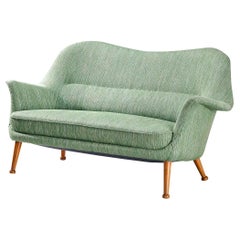
View AllVintage 1950s Swedish Mid-Century Modern Sofas
Fabric, Beech
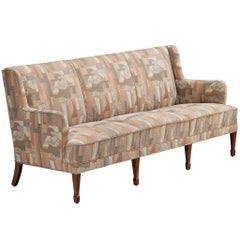
Vintage 1940s Danish Scandinavian Modern Sofas
Fabric, Beech
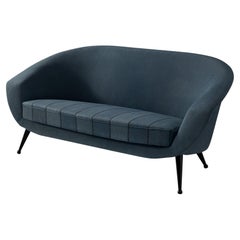
Vintage 1950s Swedish Scandinavian Modern Sofas
Brass
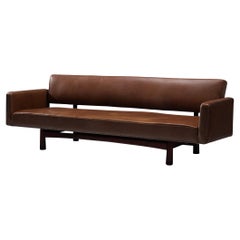
Vintage 1950s American Mid-Century Modern Sofas
Metal
Vintage 1960s Italian Mid-Century Modern Sofas
Fabric, Wood
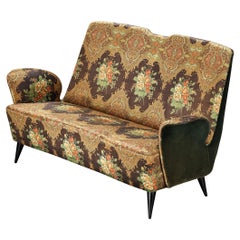
Vintage 1960s Austrian Mid-Century Modern Sofas
Leather, Teak
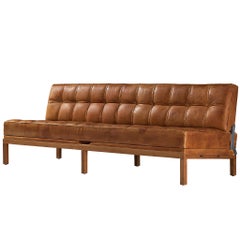
You May Also Like
Mid-20th Century Swedish Mid-Century Modern Sofas
Upholstery, Velvet
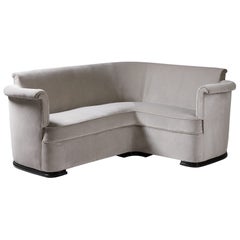
Vintage 1960s Danish Mid-Century Modern Sofas
Fabric, Mahogany
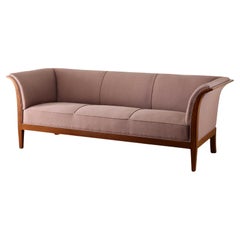
Vintage 1950s Finnish Mid-Century Modern Sofas
Fabric, Wood
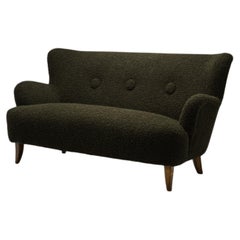
Vintage 1960s Swedish Scandinavian Modern Sofas
Fabric, Wood
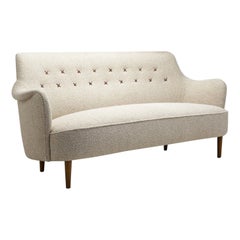
Vintage 1950s Danish Scandinavian Modern Sofas
Velvet, Beech
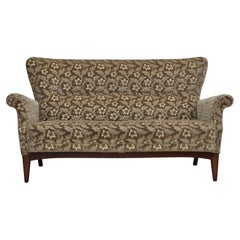
Mid-20th Century Danish Scandinavian Modern Sofas
Beech
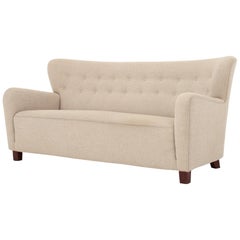
Read More
A Basket-Weave Pattern Adds Country Charm to Paolo Buffa’s Elegant Cabinet
With its grid-like doors and wavy trim, the 1940s design feels as fresh as ever.
Hans Bergström’s Monumental Chandeliers Are Made for Grand Spaces
Designed by a giant of Swedish lighting, the large-scale fixtures bring major drama.