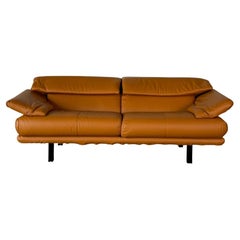
Paolo Piva "Alanda" Adjustable Sofa in Tan Sueded Leather, 1980
About the Item
- Creator:
- Dimensions:Height: 28 in (71.12 cm)Width: 102 in (259.08 cm)Depth: 41 in (104.14 cm)Seat Height: 18 in (45.72 cm)
- Style:Modern (Of the Period)
- Materials and Techniques:
- Place of Origin:
- Period:1980-1989
- Date of Manufacture:circa 1980s
- Condition:Wear consistent with age and use. Excellent vintage condition. Sofa exhibits very minor signs of wear and staining considering age. All movement mechanisms function perfectly.
- Seller Location:Los Angeles, CA
- Reference Number:1stDibs: LU223535425753
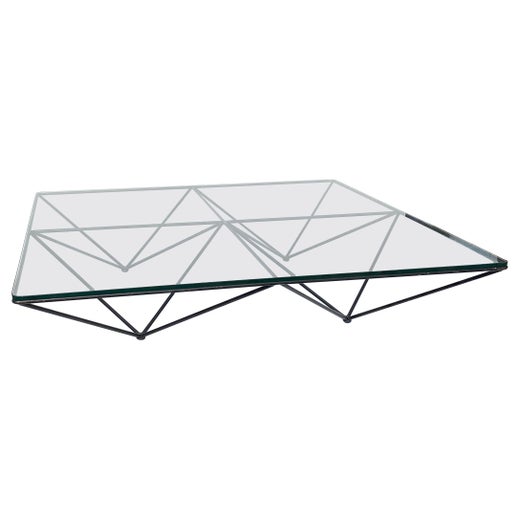
Paolo Piva
Juxtaposing sleek curves with angular, geometric shapes, the sophisticated minimalism of Paolo Piva’s furniture made him one of the most significant mid-century modern designers. Using understated, classic materials such as patent leather and glass, he created furniture that is as timeless as the buildings he designed as an internationally renowned architect. Piva’s armchairs, floor lamps and other furniture pieces were built to withstand changing tastes.
Born in 1950 in Adria in northern Italy, Piva pursued his career in design and architecture at the International University of the Arts in Venice under renowned architect Carlo Scarpa. While a student, he also worked with the Akademie für Angewandte Kunst in Vienna and the Institute of History and Architecture in Venice to create a major exhibition on Viennese architecture during the socialist period.
Gaining notice during his graduate studies in Rome, Piva established himself as an up-and-coming architect. In 1980, he emerged on the international scene with an acclaimed design for the Kuwait Embassy in Qatar, which led to design commissions for buildings and factories across Western Europe. At the same time, Piva began designing furniture that reflected the clean lines and artful forms of his building style. His most popular piece was the Pyramid coffee table, with inverted pyramids supporting a glass top.
A lifelong academic, Piva began teaching at the Akademie für Angewandte Kunst in 1988, becoming a full professor in 1991. He also collaborated with top brands, including Poliform, de Sede, B&B Italia, Wittmann and Riva 1920, designing center tables, club chairs and other furniture items. He continued his design pursuits throughout his life, traveling to conferences and exhibitions internationally up until his death in 2017.
Piva gained a nomination for the Compasso d’Oro award in 1987 and was one of the architects selected to design the Science and Technology Park in Vienna in 1995. His work has been exhibited at Galerie Ulysses in Vienna and the Architekturgalerie München in Munich, as well as in the VI Mostra internazionale di Architettura della Biennale di Buenos Aires.
On 1stDibs, delve into the graceful simplicity and elegant geometry of Paolo Piva’s lighting, tables, seating, and other furniture and collectibles.

Stendig Co.
Stendig Co. played a pivotal role in introducing modern European furniture to the American market, thanks to the business acumen of founder Charles Stendig.
Around 1950, the Brooklyn, New York–born Stendig (1924–2024) worked for Raymor, a purveyor of modern china and accessories that is best known for distributing designer Russel Wright’s American Modern line of ceramics. While at Raymor, Stendig focused on the company’s less popular pieces that were made in Italy and Scandinavia, recognizing their potential for the American market. In 1955, he left the company and decided to establish Stendig Co.
That year, a chance encounter with a Finnish trade representative led him to furniture company Asko — one of the largest companies operating in Scandinavia. Asko invited him and Joseph Carreiro, a professor at the Philadelphia College of Art (now the University of the Arts), to help refine their designs.
At Asko’s production facility in Finland, Stendig met several renowned Finnish designers such as Ilmari Tapiovaara, Tapio Wirkkala and Eero Aarnio, the iconic Ball chair creator. Stendig’s trip there was a success, and Stendig Co. began importing Finnish furniture to the United States.
In 1956, the first Stendig Co. showroom opened in Manhattan. A year later, during a trip to Zurich, Stendig came across a Bauhaus–inspired furniture store featuring pieces by Swiss designers Kurt Thut, Hans Eichenberger and Robert Haussmann, the store’s co-owner. Following a meeting with Haussmann, Stendig became the retailer’s exclusive U.S. distributor.
Throughout the late 1950s and early 1960s, Stendig Co. imported and sold furniture from influential European designers, including Swiss designer Bruno Rey, Italian architect and industrial designer Vico Magistretti and Hungarian-American architect and designer Marcel Breuer, creator of the Wassily lounge chair.
By the late 1960s, Stendig Co. moved its headquarters to an expansive space on Manhattan’s East Side and opened showrooms in Los Angeles, San Francisco and Chicago, each home to the company’s striking collection of mid-century European armchairs, sofas, dining room chairs, coffee tables and other furnishings. Stendig’s founder was by then representing Italian manufacturers Poltronova and Gufram and bringing revolutionary works of Italian Radical design to American shores.
In 1971, Charles Stendig sold the company to Burlington Industries. He retired in 1976. Today Stendig’s European imports are coveted by interior designers and vintage furniture collectors, and he will be forever known as the man who introduced modern European design to the United States.
Find a range of vintage Stendig Co. furniture on 1stDibs.
You May Also Like
Vintage 1980s Italian Modern Sofas
Fabric
Late 20th Century Post-Modern Sectional Sofas
Leather
Vintage 1980s Italian Mid-Century Modern Sofas
Steel
Vintage 1980s Italian Canapes
Leather
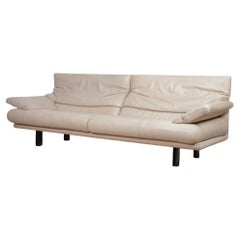
Vintage 1980s Italian Armchairs
Metal
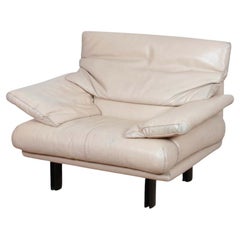
Vintage 1980s Italian Modern Loveseats
Steel
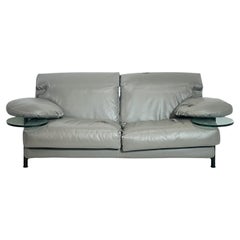
2010s Austrian Armchairs
Leather, Fabric
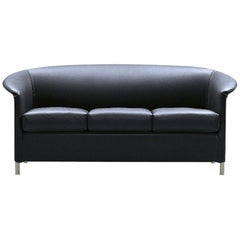
Early 2000s Italian Modern Side Chairs
Steel, Chrome
Vintage 1970s Italian Mid-Century Modern Sofas
Iron
Vintage 1980s Italian Mid-Century Modern Sofas
Leather
Still Thinking About These?
All Recently ViewedRead More
Rooms We Love: 11 Splendid Living Rooms
Common wisdom used to declare the kitchen the hub of the house. These days, the living room seems to have assumed the role of domestic focal point. Unlike the Victorian parlor, stiffly furnished and reserved for guests, today’s living room is a central place for reading, conversation and, well, living, with furnishings that lend themselves to both casual lounging and elegant entertaining.
Vincent Van Duysen Imbues Minimalism with Warmth
The Antwerp-based designer lends his unique touch to homes, boutiques and offices in Belgium, the United States and Germany, as well as furniture for B&B Italia and Molteni.