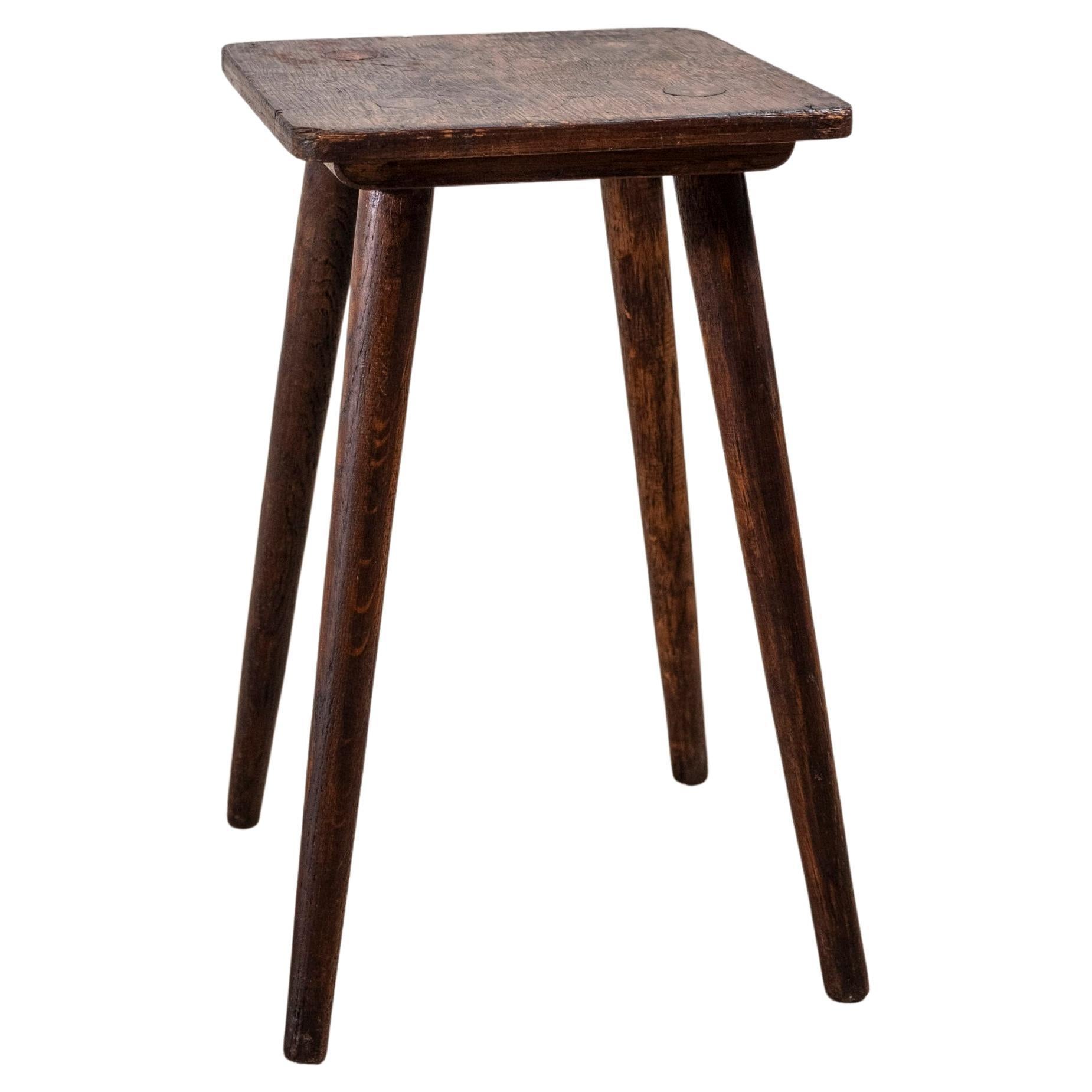
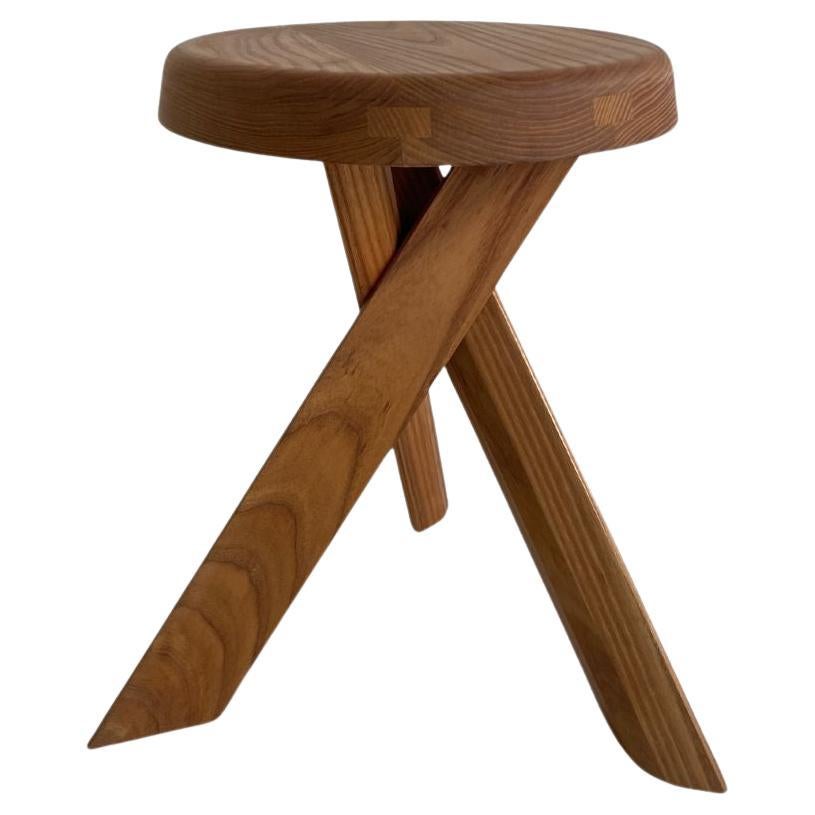

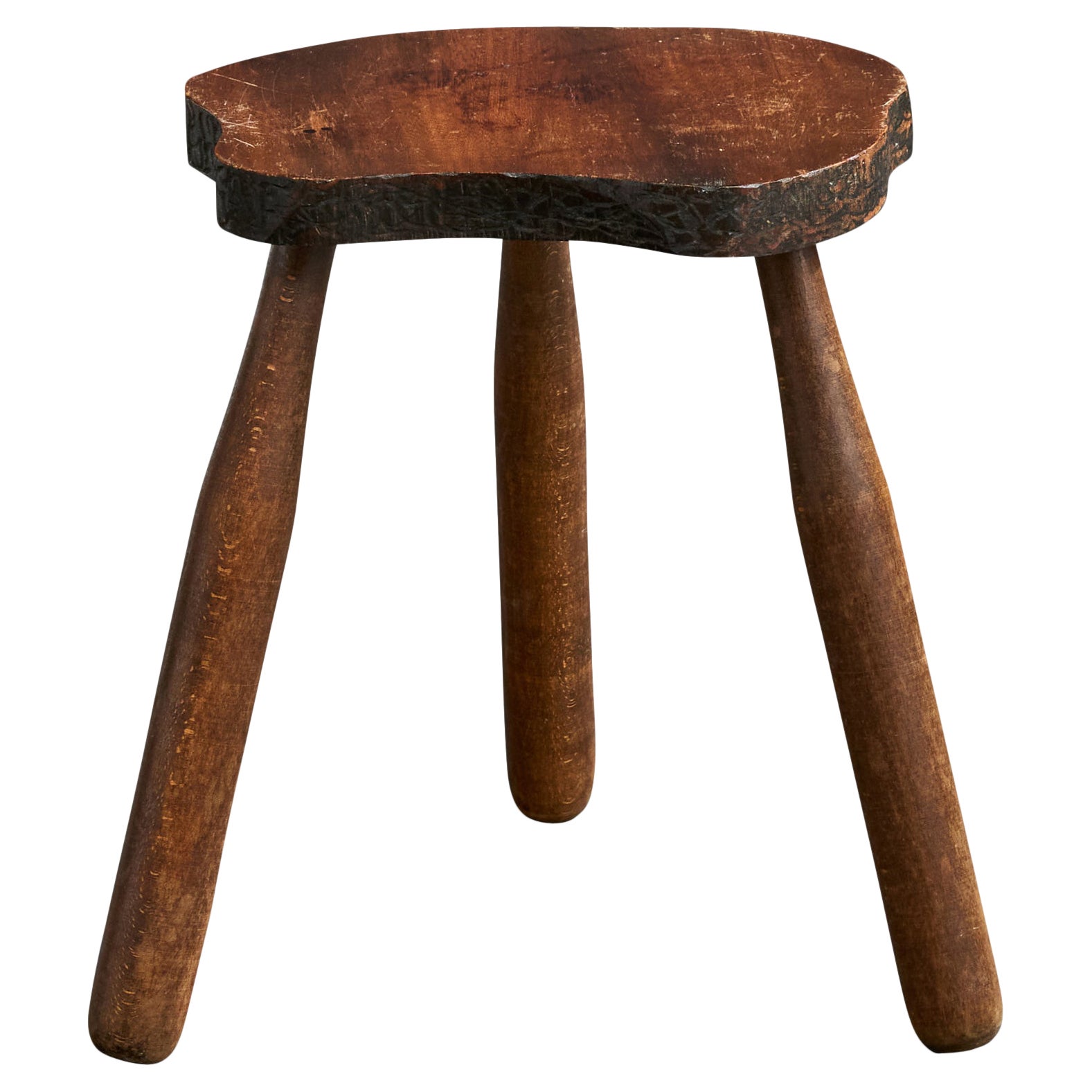
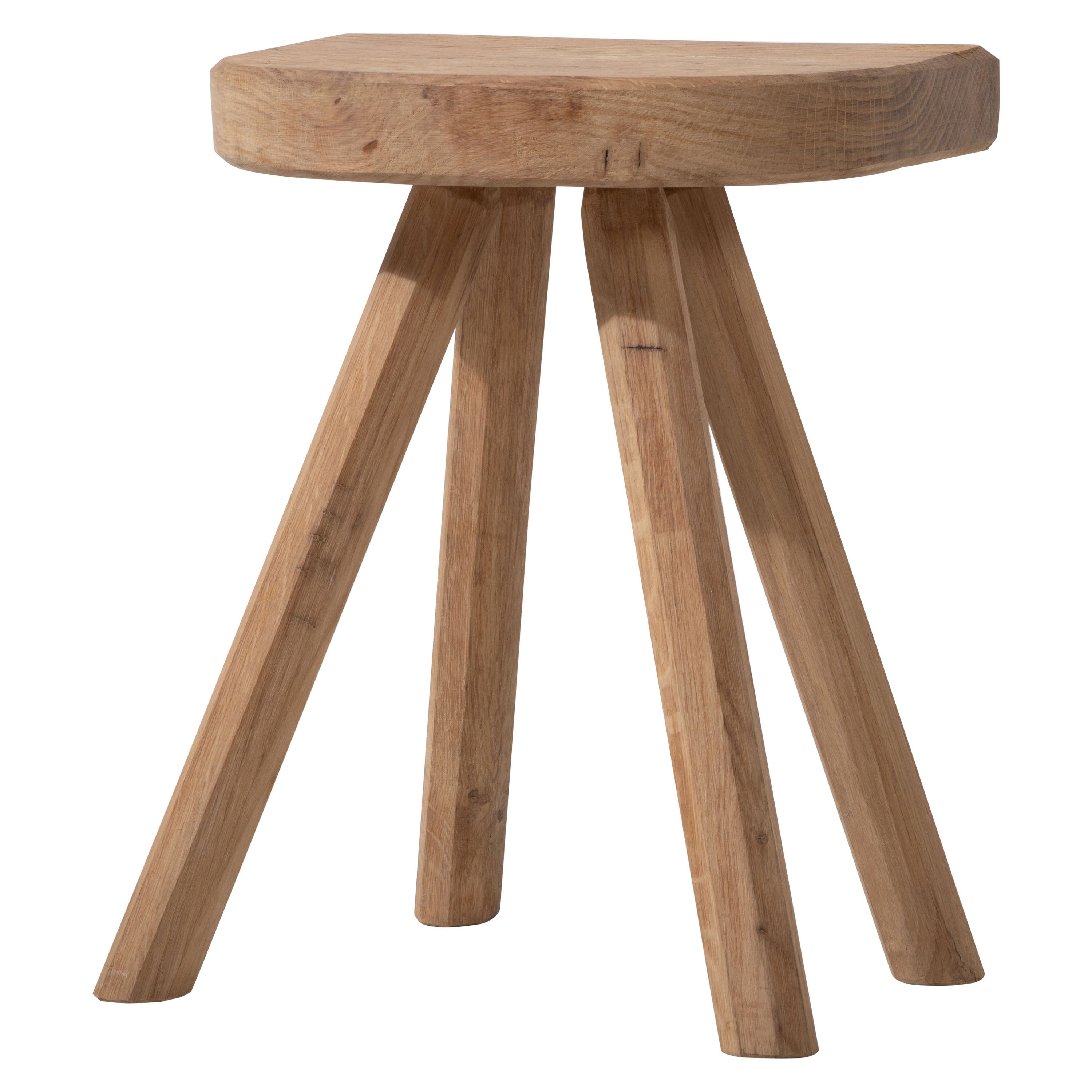
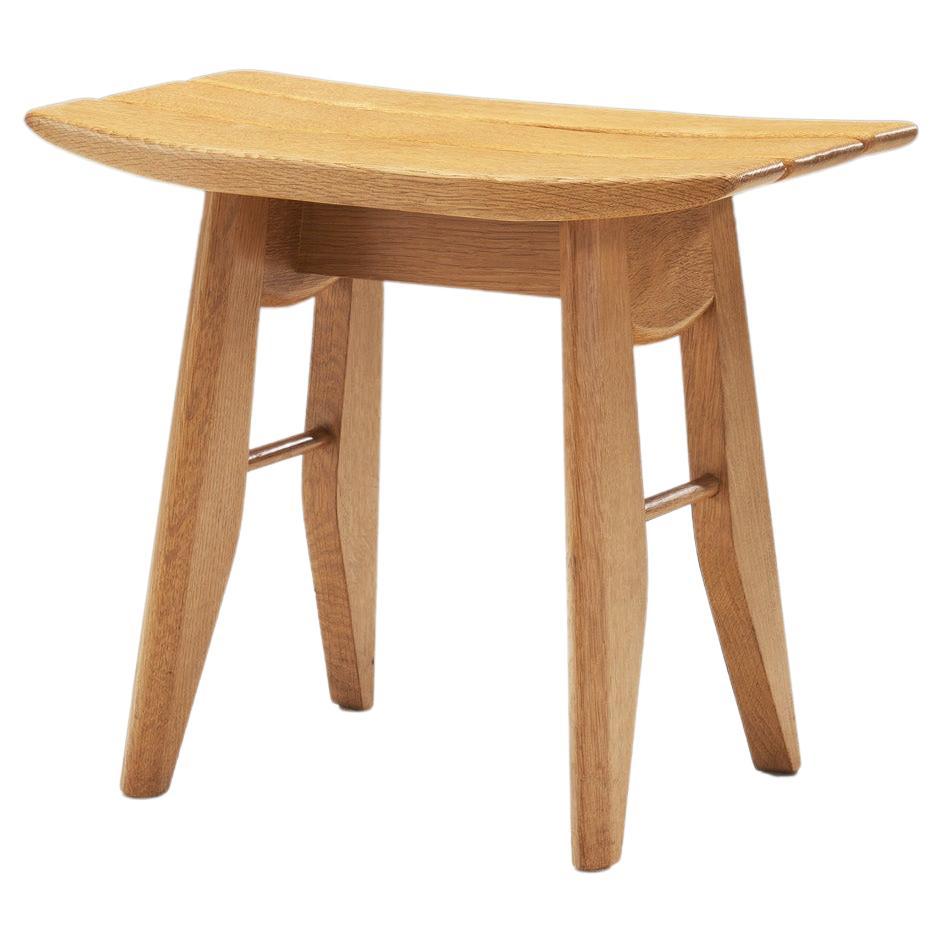
Elm and Iron Stool by Atelier Marolles, France, c. 1950
About the Item
- Creator:Atelier Marolles (Designer)
- Dimensions:Height: 16.5 in (41.91 cm)Width: 17.5 in (44.45 cm)Depth: 11.5 in (29.21 cm)
- Materials and Techniques:
- Period:
- Date of Manufacture:1950
- Condition:
- Seller Location:New York City, NY
- Reference Number:1stDibs: LU916546775942
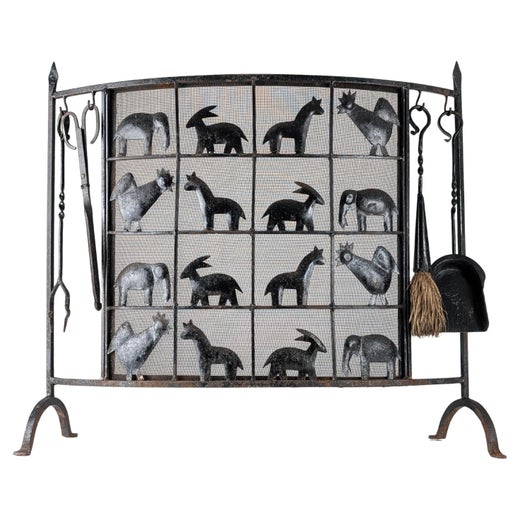
Atelier Marolles
The stark brutalist furniture and decor created by Jean Touret and Les Artisans de Marolles during the 20th century is ripe for a comeback, and it is today drawing the attention of galleries and collectors.
French artist Jean Touret was the founder of Les Artisans de Marolles, a group of furniture makers based in the Loire Valley in the postwar era. The rustic but exquisitely proportioned pieces they produced included benches made from gouged wood, a wrought-iron sconce in the form of a cockerel, three-legged stools with seats carved to hug the body and a series of exceptional credenzas whose doors were sculpted by Touret himself, with themes like the seven deadly sins and pastoral life.
Touret’s talents were not deployed only on tables and lighting. From the mid-1960s until shortly before his death, in 2004, he earned his living largely through ecclesiastical commissions, the most famous of which was the altarpiece at Notre-Dame de Paris. Installed in 1989 and destroyed in the fire that swept through the cathedral in 2019, the work consisted of a brass chest clad with bronze panels depicting the evangelists and the four great prophets.
More than anything, Touret was a sculptor, although a rather unsuccessful one during his lifetime. He rarely exhibited, sold next to nothing and was never able to afford a heated studio.
Touret was born in 1916 and largely brought up in Le Mans, in western France. He worked in the legal department of a local insurance company before fighting in World War II, during which he spent five years as a prisoner of war on the German–Czechoslovakian border. There, he had his first real contact with wood while being forced to work as a lumberjack. At the end of hostilities, he returned to France, settled in Marolles with his wife, Odile, and declared that he would become an artist (he had previously taken evening classes with a painter in Le Mans). In 1950, the manager of the Château de Chambord commissioned him to create a number of sculptures of deer and wild boars for the pavilions in the château’s park. That same year, Touret established Les Artisans de Marolles. For him, it was more a social venture than an artistic one. As industrialization expanded in postwar France, the village’s craftsmen found themselves in need of work.
The collective’s founding members were a basket maker, a potter, a blacksmith and a carpenter. The last, Émile Leroy, continued his work as a coffin maker while participating in the group. Touret acted as artistic director, imposing his aesthetic vision through direct discussions with the craftsmen in their workshops rather than through drawings. Over the years, the collective’s output was regularly exhibited in both the Marolles village hall and the more magnificent setting of the nearby Château Royal de Blois. Certain items were also stocked by the Primavera boutique in Paris, an offshoot of the department store Le Printemps.
To respond to the increasing demand, craftsmen from other villages were brought in, and as their numbers rose, so did tensions and disputes. Uninterested in ego management, Touret increasingly took a back seat, moving to a village on the other bank of the Loire in 1963 before officially quitting the following year. Although Atelier Maroles continued to exist until 1970, the aesthetic quality of its production took a marked turn for the worse.
Touret then stopped creating secular furniture altogether. In 1965, he met a young chaplain at the Sorbonne, Jean-Marie Lustiger, who went on to become not only his most indefatigable supporter but also a cardinal and the archbishop of Paris. It was Lustiger who initiated most of Touret’s commissions for the Church, whether monumental sculptures of Christ, liturgical furniture or the Notre-Dame de Paris altarpiece.
Until recently, Touret’s furniture and decor had been forgotten for decades. Its rediscovery is largely due to dealers like Benoist F. Drut, at Maison Gerard in New York, and Yves and Victor Gastou, in Paris, who were attracted to its elemental forms and handcrafted spirit. An exhibition in 2022 at the Galerie Gastou posthumously shed light on the work.
Find vintage Atelier Maroles furniture on 1stDibs.
- ShippingRetrieving quote...Shipping from: Long Island City, NY
- Return Policy
More From This Seller
View AllLate 20th Century French Rustic Stools
Elm
Vintage 1960s Indian Stools
Steel
Mid-20th Century Italian Stools
Wood
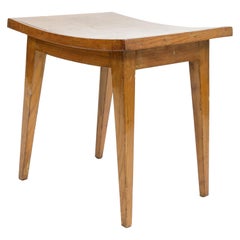
Antique 1660s French Modern Stools
Wood, Elm
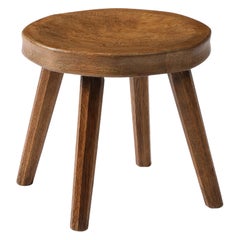
Vintage 1960s Stools
Elm
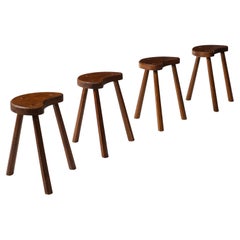
Mid-20th Century French Mid-Century Modern Stools
Oak
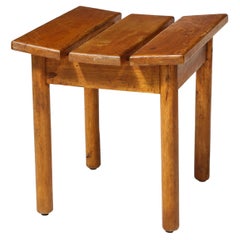
You May Also Like
Vintage 1950s Belgian French Provincial Stools
Oak
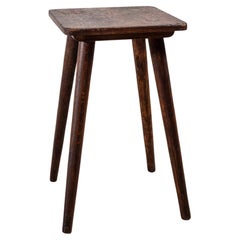
2010s French Mid-Century Modern Stools
Elm
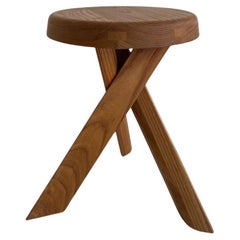
Vintage 1970s French Stools
Elm
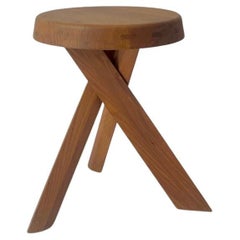
Vintage 1960s French Mid-Century Modern Stools
Wood
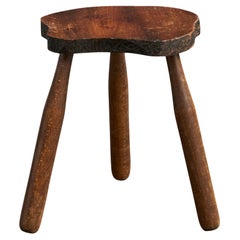
Vintage 1920s French Mid-Century Modern Stools
Oak
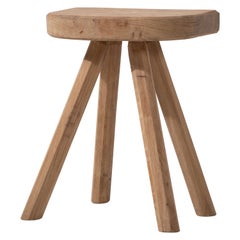
Vintage 1950s French Mid-Century Modern Stools
Oak
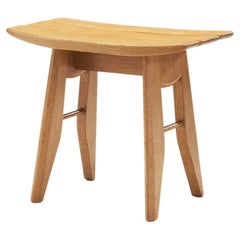
Read More
Who Were Guillerme et Chambron? French Veterans of WWII with a Knack for Clever, Quirky and Livable Furniture
Their charming solid-oak pieces offer homes utility and comfort.
Robert Stilin’s Interiors Are Infused with a Laid-Back Sophistication
The New York City– and Hamptons-based designer creates deeply layered interiors that project warmth and comfort.