Want more images or videos?
Request additional images or videos from the seller
1 of 5
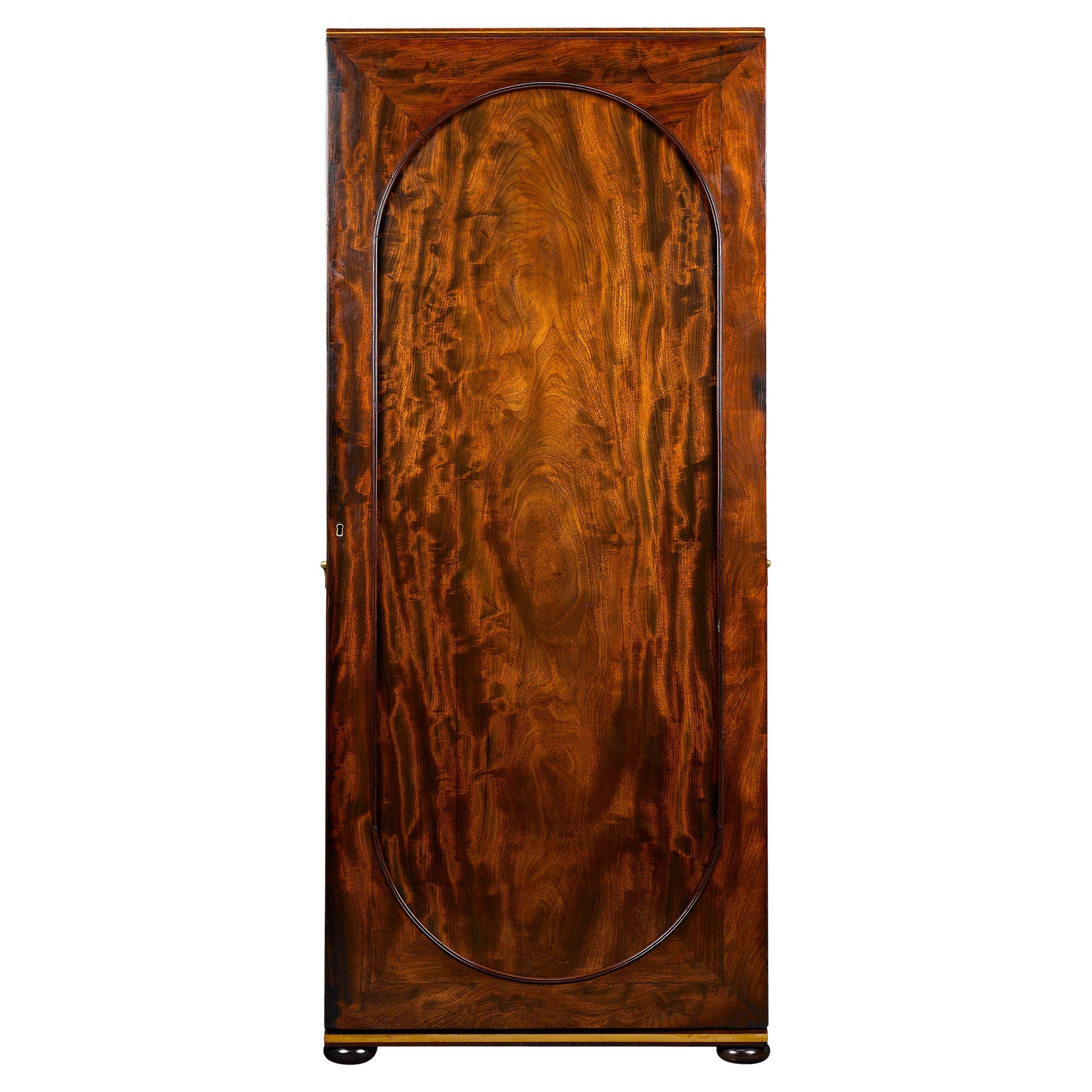
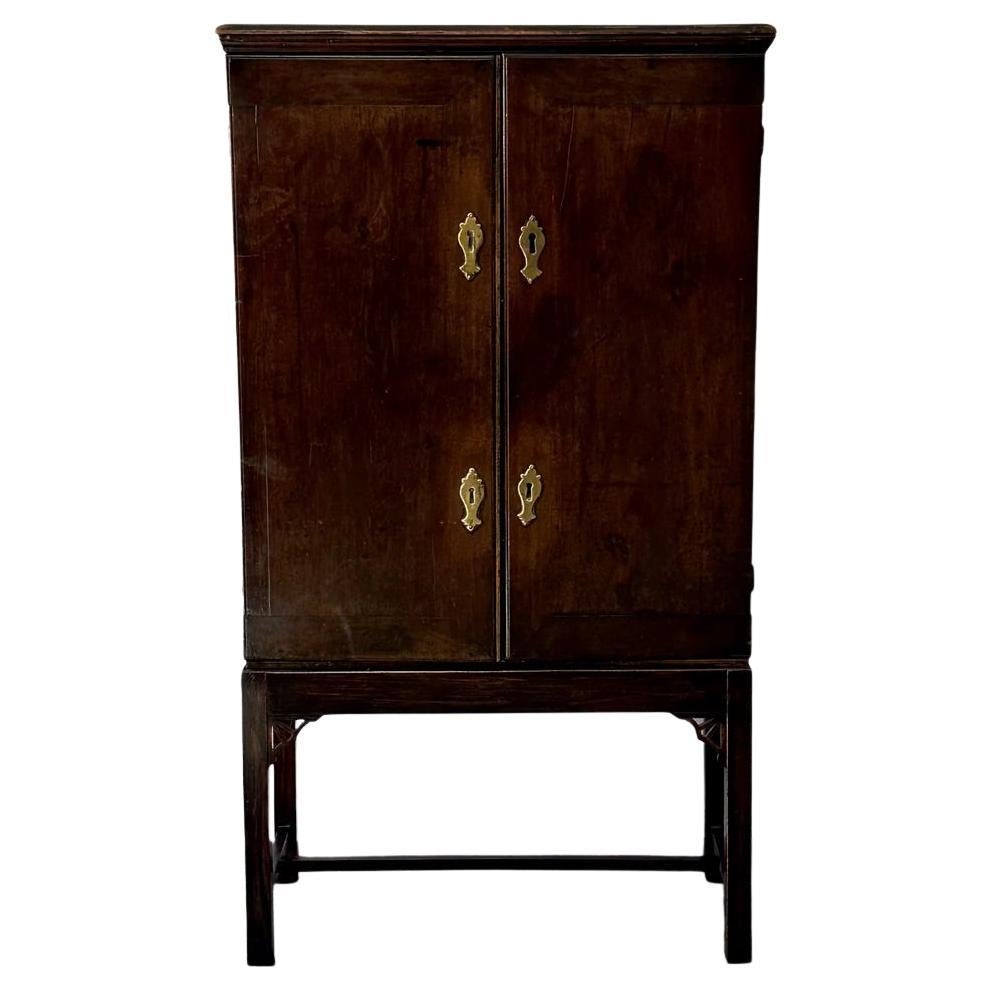
English Upright Cane Cabinet
$28,500
£21,586.10
€24,790.90
CA$39,937.82
A$43,420.46
CHF 23,021.58
MX$520,501.26
NOK 292,592.46
SEK 268,054.47
DKK 185,280.55
About the Item
This English cane cabinet exhibits classical style and impeccable design. Crafted of lustrous Cuban mahogany, this upright case features a beautifully paneled door which opens to reveal a three-tiered cane rack for 30 walking sticks. This ingenious design allows the rack to slide forward as the door opens, so that all of one's prized stick is within easy reach, and the mirrored back assures that all canes are in view. Set upon bun feet and accented with brass bands, this cabinet is a must for the serious collector.
Circa 1880
27 7/8 wide x 10 3/4” deep x 65 5/8” high
- Dimensions:Height: 65.63 in (166.71 cm)Width: 27.88 in (70.82 cm)Depth: 10.75 in (27.31 cm)
- Materials and Techniques:
- Place of Origin:
- Period:
- Date of Manufacture:Circa 1880
- Condition:
- Seller Location:New Orleans, LA
- Reference Number:Seller: 30-19371stDibs: LU891135666572
About the Seller
5.0
Recognized Seller
These prestigious sellers are industry leaders and represent the highest echelon for item quality and design.
Established in 1912
1stDibs seller since 2010
114 sales on 1stDibs
Typical response time: 5 hours
- ShippingRetrieving quote...Shipping from: New Orleans, LA
- Return Policy
More From This Seller
View AllMahogany Upright Cane Cabinet
Located in New Orleans, LA
Classical style and impeccable design distinguish this English upright cane cabinet. Crafted of lustrous Cuban mahogany, this case is comprised of a beautifully paneled door which op...
Category
Antique 19th Century English Cabinets
Materials
Brass
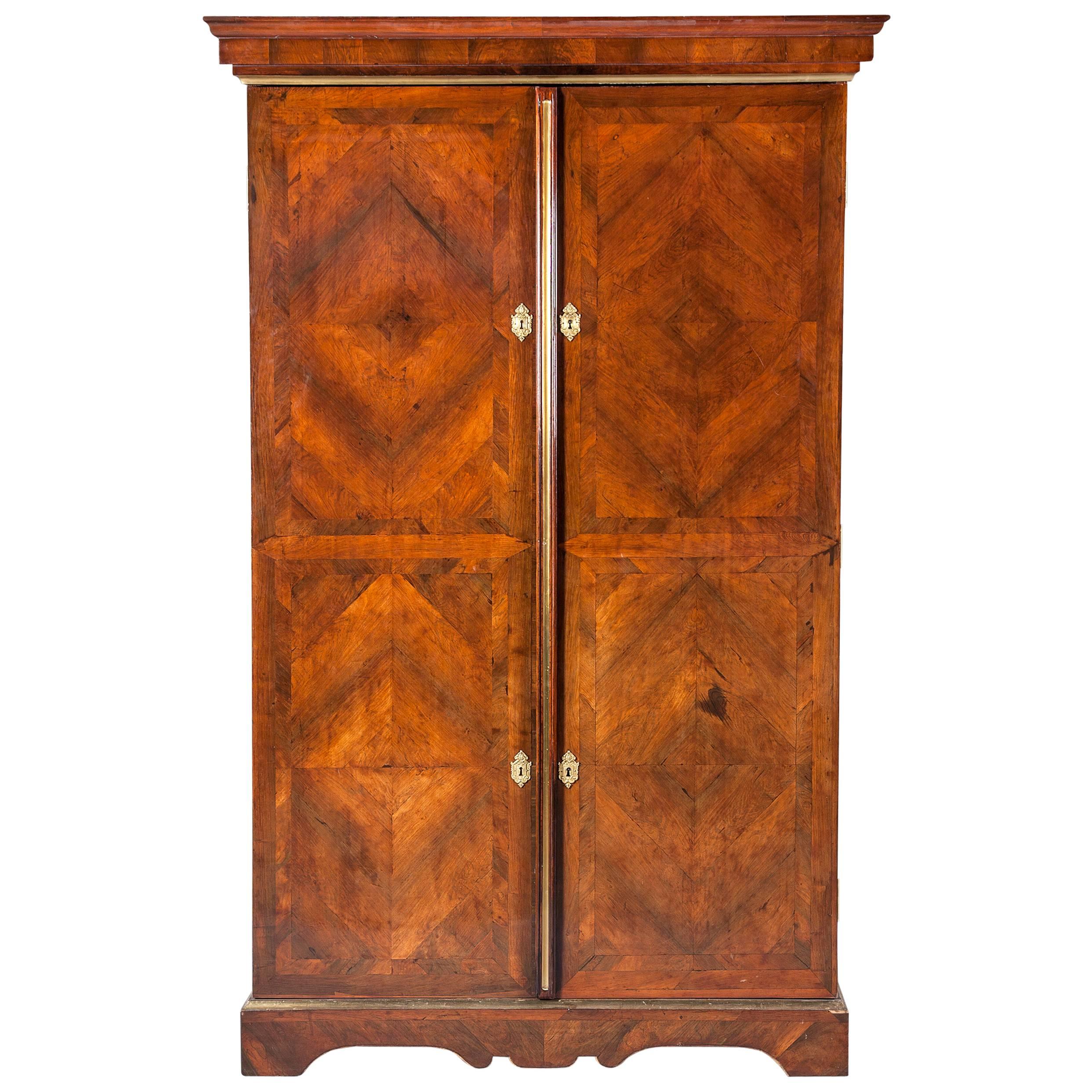
French Provincial Double Door Armoire
Located in New Orleans, LA
This majestic French walnut armoire is a stunning example of the Provincial style. Standing nearly nine feet high, this rare armoire featuring splendid rocaille carvings above its do...
Category
Antique 18th Century French French Provincial Wardrobes and Armoires
Materials
Wood, Walnut
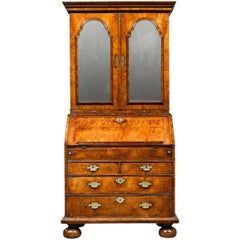
18th Century English Secretary
Located in New Orleans, LA
Queen Anne period furnishings such as this walnut secretary are incredibly rare and important examples of English cabinetmaking. This secretary is of the most outstanding caliber, boasting desirable double bonnet, mirrored cabinet doors...
Category
Antique 18th Century English Queen Anne Secretaires
Materials
Walnut
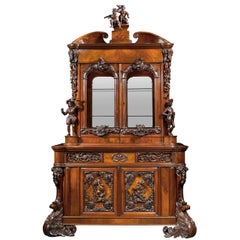
19th Century Dutch Bureau Bookcase
Located in New Orleans, LA
This magnificent and important Dutch mahogany bureau bookcase, exuberantly carved and adorned with superb figural carvings, impressive scrolled feet and elaborate applied decoration....
Category
Antique 19th Century Dutch Other Bookcases
Materials
Mahogany
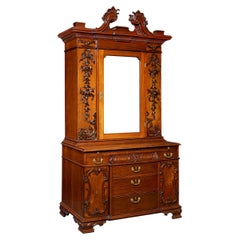
Mahogany Bureau Cabinet After Thomas Chippendale
By Thomas Chippendale
Located in New Orleans, LA
This extraordinary Irish bureau cabinet was crafted based on a design for a desk and bookcase drawn from Thomas Chippendale’s famed 1762 edition of The Gentleman and Cabinet-Maker's ...
Category
Antique 18th Century Irish Chippendale Cabinets
Materials
Mirror, Mahogany
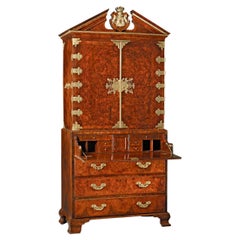
King George I Ambassadorial Secrétaire-Cabinet
Located in New Orleans, LA
This highly important secrétaire-cabinet was crafted for and specially ordered by King George I for the British Ambassador to Russia. From its craftsmanship and materials to its exceptional artistry, it is a work of royal and historic significance that exudes power in each and every detail. The broken pediment at its apex features the simplified royal coat of arms bearing the king’s crown, while the interior is adorned by portraits of the British Royal Family. Placed within the ambassador’s St. Petersburg home, this entirely unique piece of furniture would have been a potent reminder of England's grandeur and political importance.
Relations between England and Russia during this period were at an all-time high. Peter the Great had traveled to England in 1698 as part of his widely known “Grand Embassy” tour, wherein he attempted to gain foreign support against the Ottoman Empire. He spent a period of nearly four months there, meeting with King William III and his court on numerous occasions. Noted academic Arthur MacGregor wrote concerning the impact of the trip, “For two decades following Peter's visit, British influence in Russia reached a peak. It manifested itself in social custom, in craft practice and in ships and naval organization... it reached a significant sector of the population before relations cooled once again and the two nations pulled back from this era of unprecedented cordiality.”
First and foremost, however, it is a reminder of British might and influence. By the reign of King George I, England had come into its own as a world power. Unique in its design, this cabinet is a reflection of the country’s might. It is crafted from the highest-quality solid walnut and burr walnut adorned by gilded lock plates and engraved hinges. The presence of ormolu at its apex and lining the doors was a rarity for this period, and its addition makes manifest the importance of the design.
The outer doors open to reveal multiple interiors, including fifteen separate drawers around a central cupboard; the cupboard doors each bear mezzotint portraits of George I and his father, Ernest Augustus, Elector of Hanover. An etching after the portrait of George I dating to circa 1716 is in London’s Royal Academy. A second, inner pair of doors are adorned by mezzotints of the Prince and Princess of Wales (later Queen Caroline and George II), which are both after portraits by Sir Godfrey Kneller dated 1716 in the Royal Collection. A final portrait is revealed on the very interior of the cabinet, where a mezzotint of Frederick, Anne, Amelia and Caroline, children of the Prince of Wales, resides. An etching (circa 1715-1720) after this portrait can be found in the National Portrait Gallery (London).
Apart from its abundance of royal portraiture, the cabinet features stunning painted decoration, including floral designs as well as clouds, birds and trees in a bucolic motif reminiscent of Eden. Its lower portion is a study in both form and function, featuring a fitted secrétaire-drawer above three additional drawers for storage. The cabinet appears in The Shorter Dictionary of English Furniture by R. Edwards from 1964, a text that is regarded as the bible of British furniture design. Edwards describes it as a “writing cabinet...given by George I to the British Ambassador at the Russian court.”
The cabinet was likely made for the 18th-century German diplomat and writer Friedrich Christian Weber, who represented English interests at the Russian court from 1714 until 1719. Although Weber’s tenure as ambassador was relatively short, while in St. Petersburg, he authored his account entitled Das veraenderte Russland (The Present State of Russia), which was published in three volumes in 1721, 1739 and 1740. It may, however, also have been made for George Douglas, 2nd Earl of Dumbarton, who served as ambassador alongside Weber in 1716. Diplomatic relations ceased between the two countries in 1721.
In 1928, the cabinet appeared for sale at the International Exhibition of Antiques & Works of Art in Olympia. It had previously been in the collection of the Woltner family of Bordeaux, the celebrated vintners who owned the estate Château Laville Haut-Brion and produced wine of the same name. According to the family, Monsieur Woltner was given the cabinet as a gift from an aunt who lived in Russia for many years. After leaving the Woltner collection, the cabinet was acquired by William Berry...
Category
Antique 18th Century English Georgian Secretaires
Materials
Brass
You May Also Like
Large French Cabinet
Located in Hudson, NY
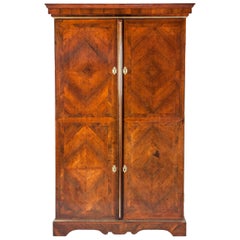
Large French cabinet from a castle in northern France, near the Belgian border.
Category
Antique 1820s French Cabinets
Materials
Wood
$25,000
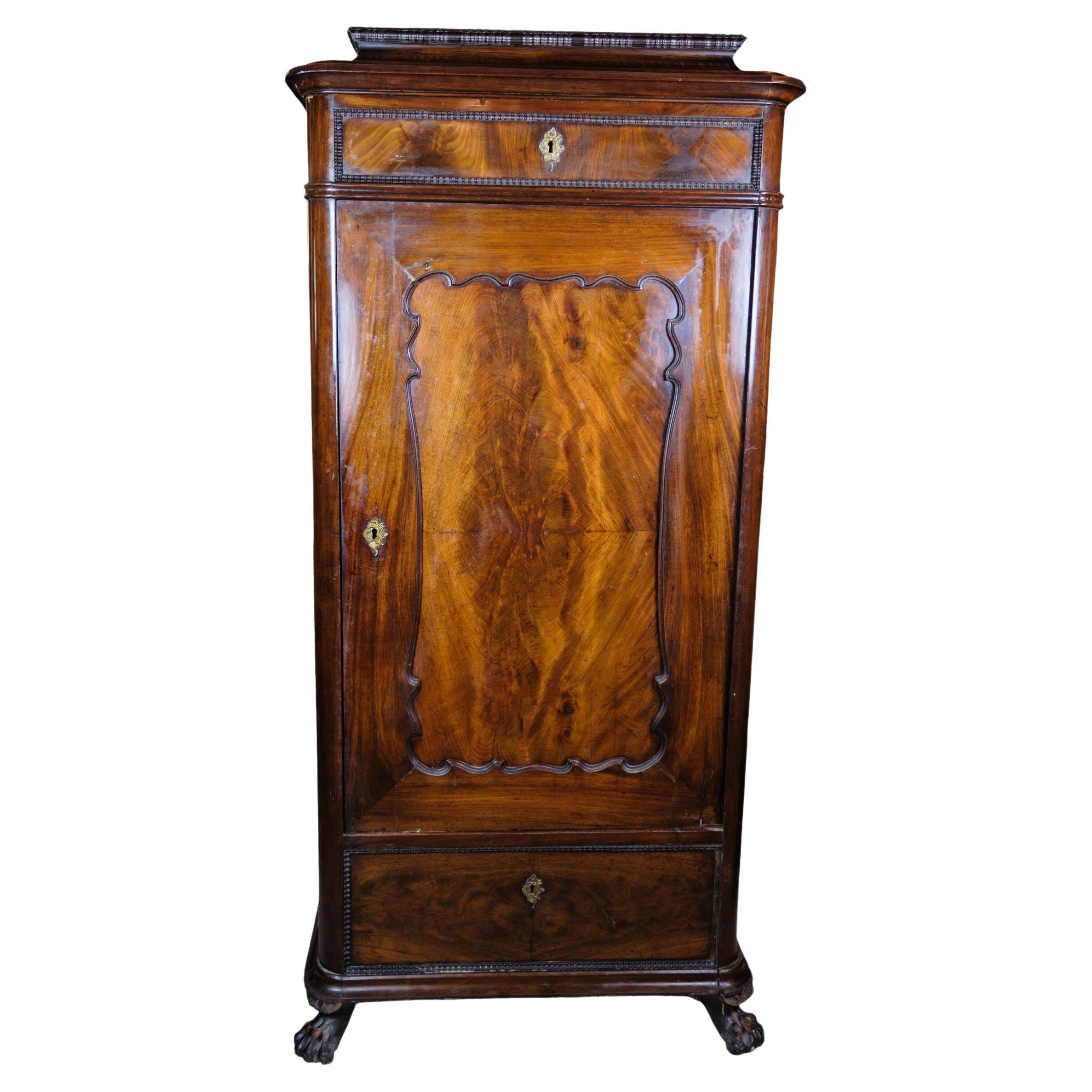
Tall Cabinet in Polished Mahogany from the 1850s
Located in Lejre, DK
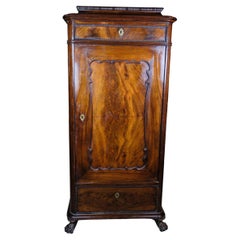
Tall cabinet of polished mahogany in beautiful antique condition with 2 drawers and a door with shelves from the 1850s.
Measurements in cm: H:155 W:6...
Category
Antique 1850s Danish Cabinets
Materials
Mahogany
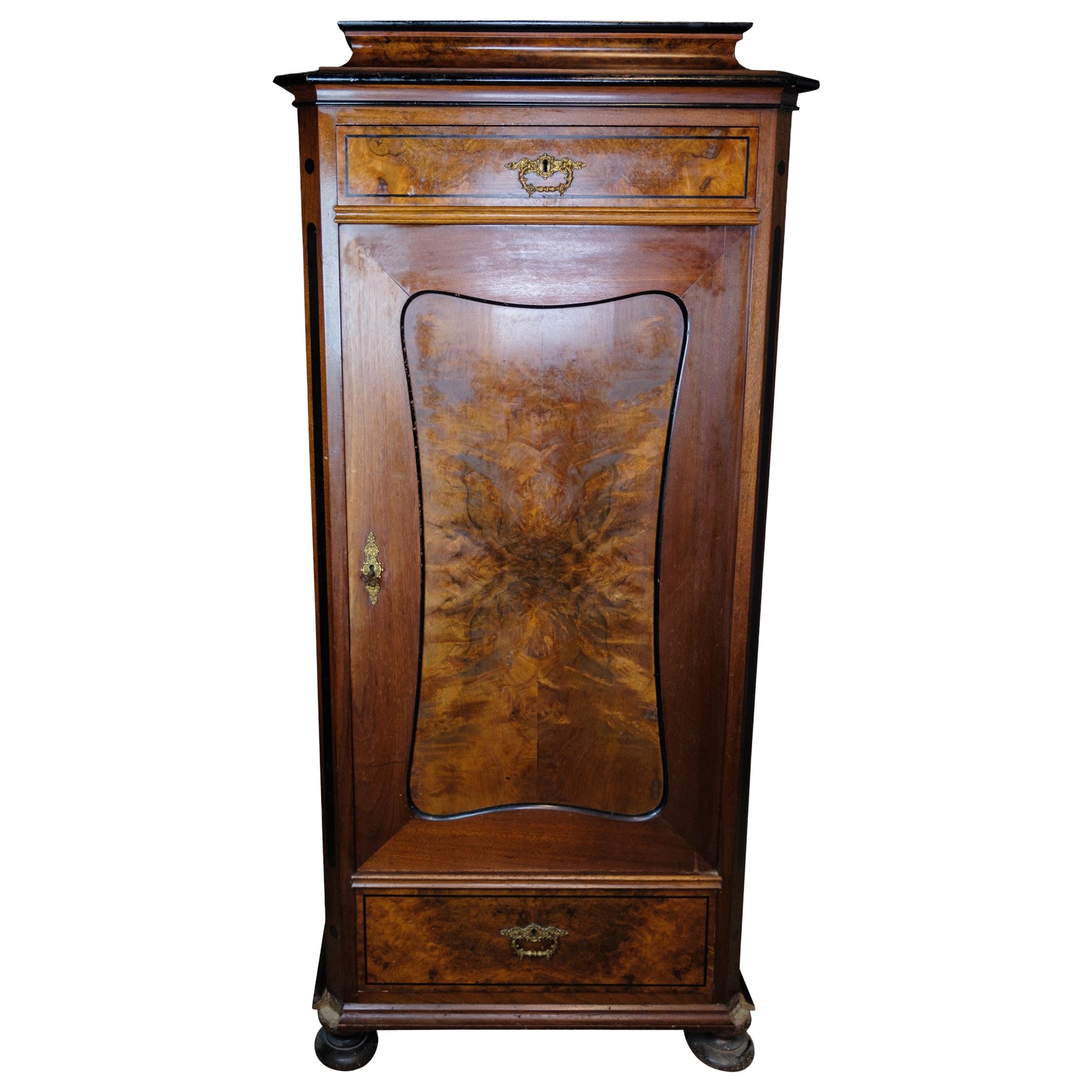
Tall Cabinet Made In Polished Walnut From 1850s
Located in Lejre, DK
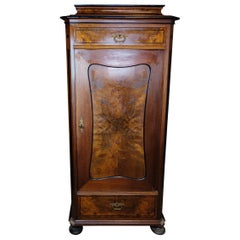
High cabinet of polished walnut, nice antique condition with 2 drawers and a door with shelves from the 1850s
Measurements in cm: H:155 W:67 D:43.5
Category
Antique 1850s Danish Other Cabinets
Materials
Walnut
18th Century Estate Cupboard
Located in Los Angeles, CA
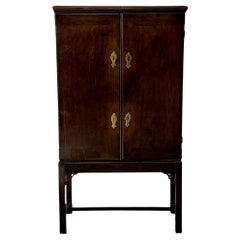
18th-century estate cupboard featuring original brass hardware and a rich patina. The stand is a later addition, likely from the early 20th century, complementing the piece's timeles...
Category
Antique 1790s English Cupboards
Materials
Brass
Early 19th Century Secretary
Located in Stahnsdorf, DE
Empire Secretary, Germany, 1820
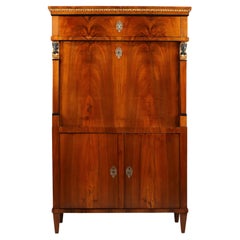
A magnificent Empire-style secretary crafted in walnut veneer over coniferous wood, with ebonized accents and partial gilding. This piece showcases t...
Category
Antique Early 19th Century German Empire Secretaires
Materials
Walnut
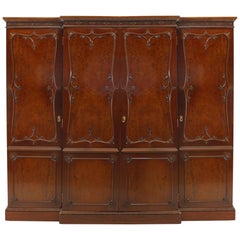
English Victorian Mahogany Armoire
Located in Queens, NY
English Victorian mahogany armoire cabinet with 4 doors have a carved design framing a burl wood panel with a fretwork design cornice
Category
20th Century Victorian Wardrobes and Armoires
Materials
Mahogany
More Ways To Browse
English Kitchen
Antique Canes
Cane Furniture England
Walking Sticks
English Mirror Cabinet
Glass Curio Cabinets
Italian Glass Door Cabinet
Metal Display Cabinet
Primitive Wood Cabinet
Used Kitchen Hutch
Antique Filing Cabinets Furniture
Cabinets with Sliding Doors
Door Surround
Flame Birch
Hanging Kitchen Cabinet
Mid Century Curio Cabinet
Mosaic Art Deco
Rosewood Panels