Items Similar to Japanese Antique Wabi Sabi Black Tansu 1860s-1900s / Chests Cabinet

Want more images or videos?
Request additional images or videos from the seller
1 of 19
Japanese Antique Wabi Sabi Black Tansu 1860s-1900s / Chests Cabinet
$1,801.60
£1,335.73
€1,500
CA$2,474.98
A$2,701.84
CHF 1,422.55
MX$32,364.95
NOK 18,193.94
SEK 16,611.37
DKK 11,429.46
About the Item
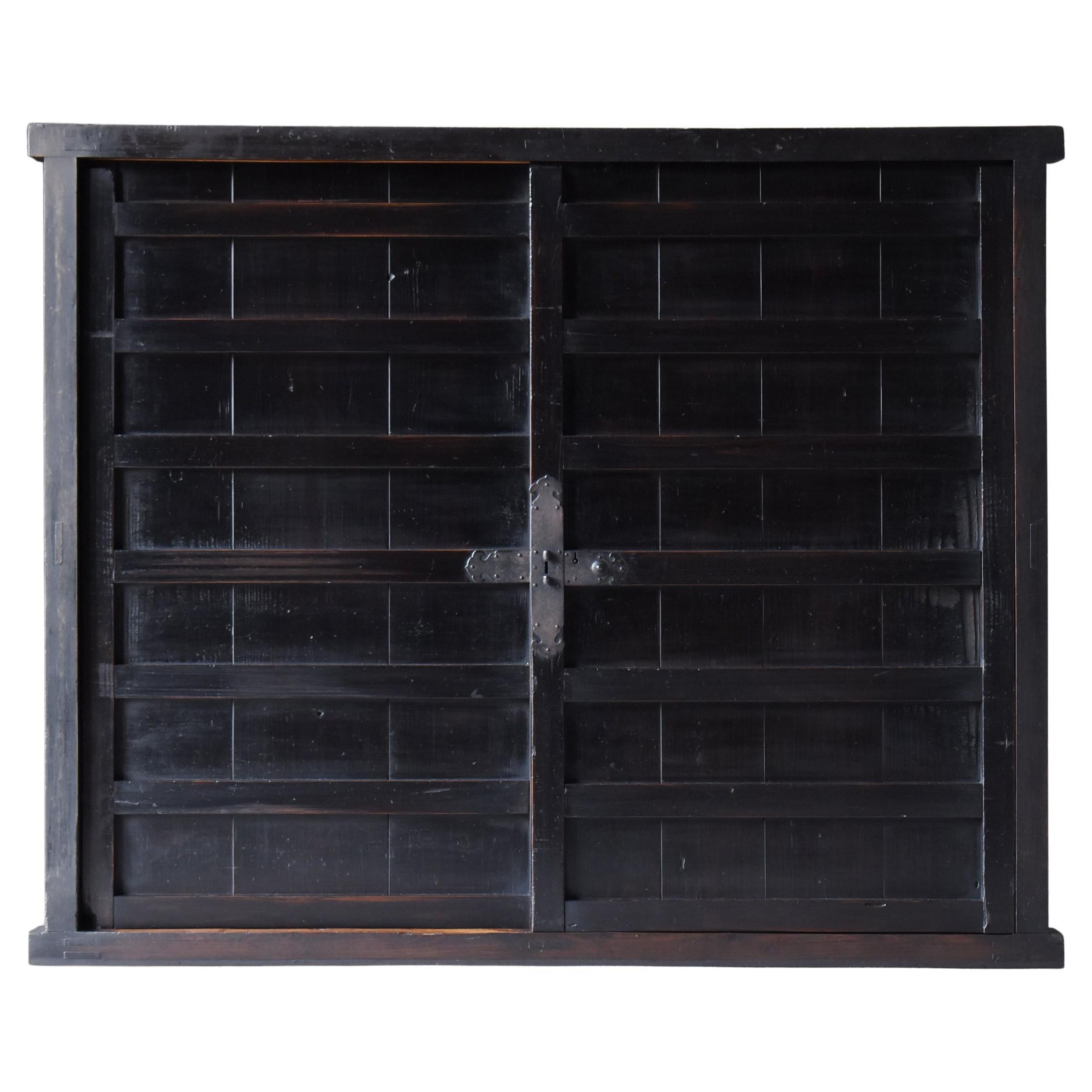
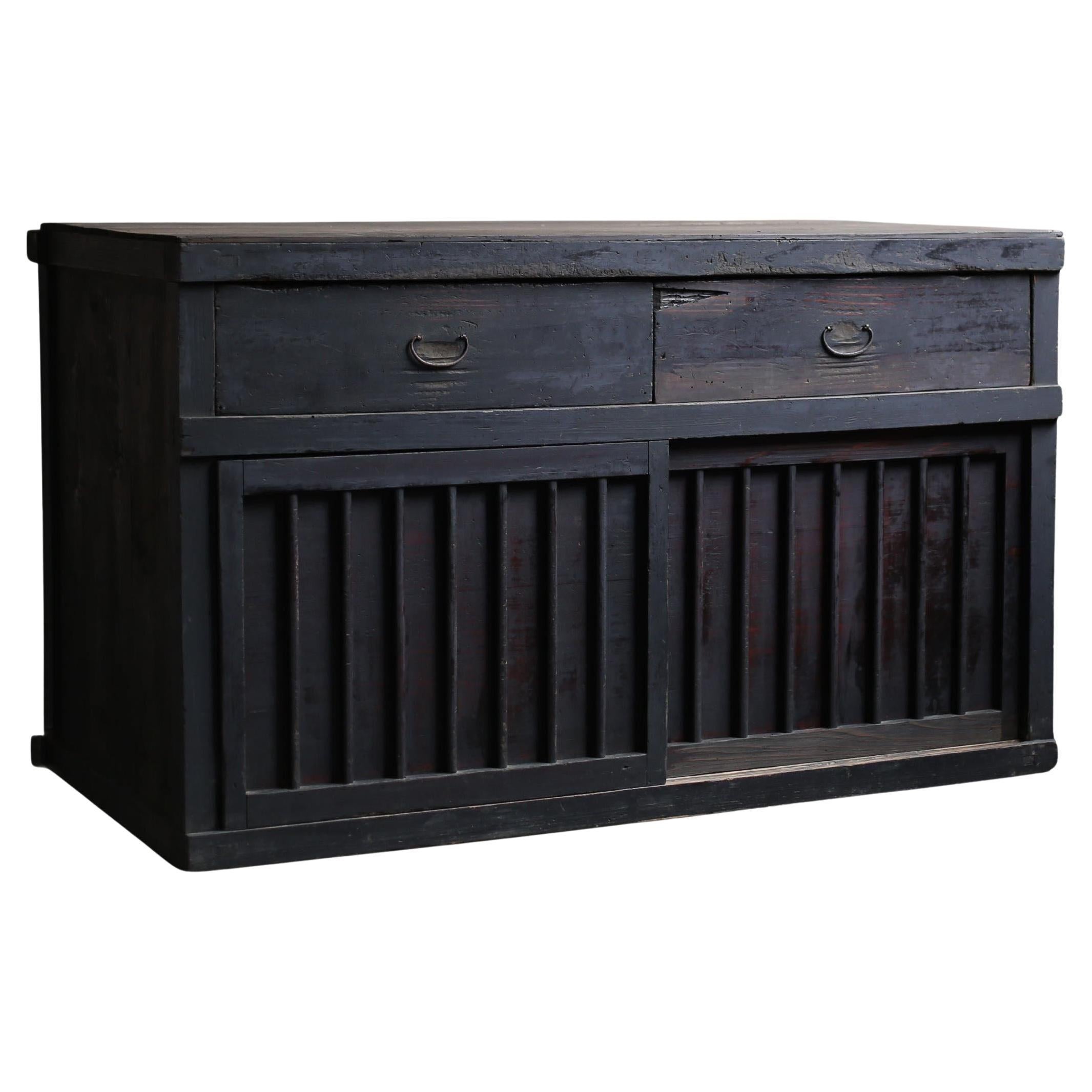
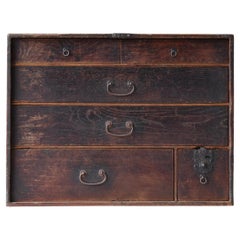
This piece is a Japanese sliding door cabinet crafted during the Meiji period to early Taisho period.
It is constructed from cedar wood, a material deeply rooted in Japanese architecture and everyday objects.
Its restrained rectangular form and low, grounded proportions bring a sense of quiet stability and composure to a space. Free from excessive ornamentation, the cabinet reflects a balance between practicality and aesthetic restraint that defined Japanese domestic culture of the time.
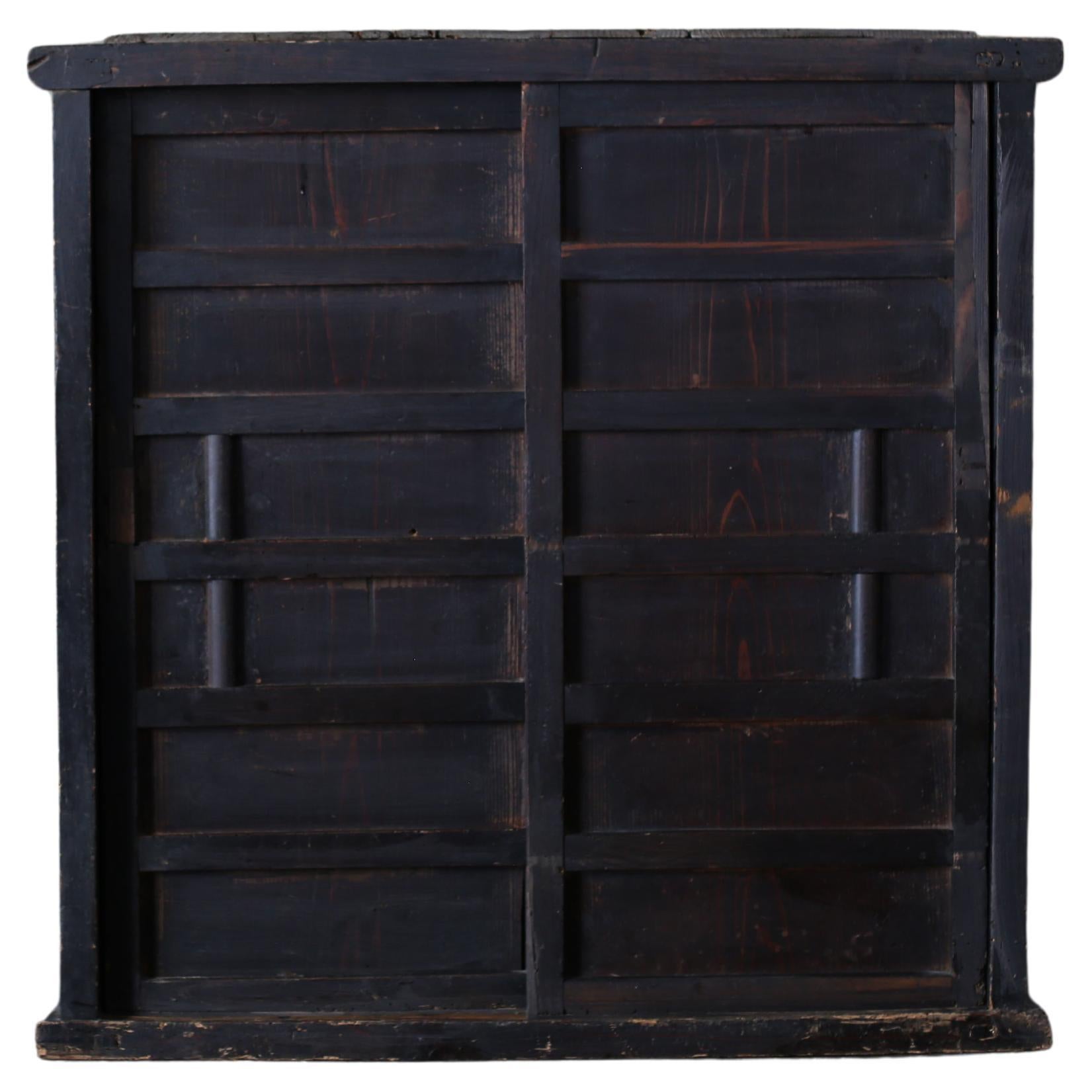
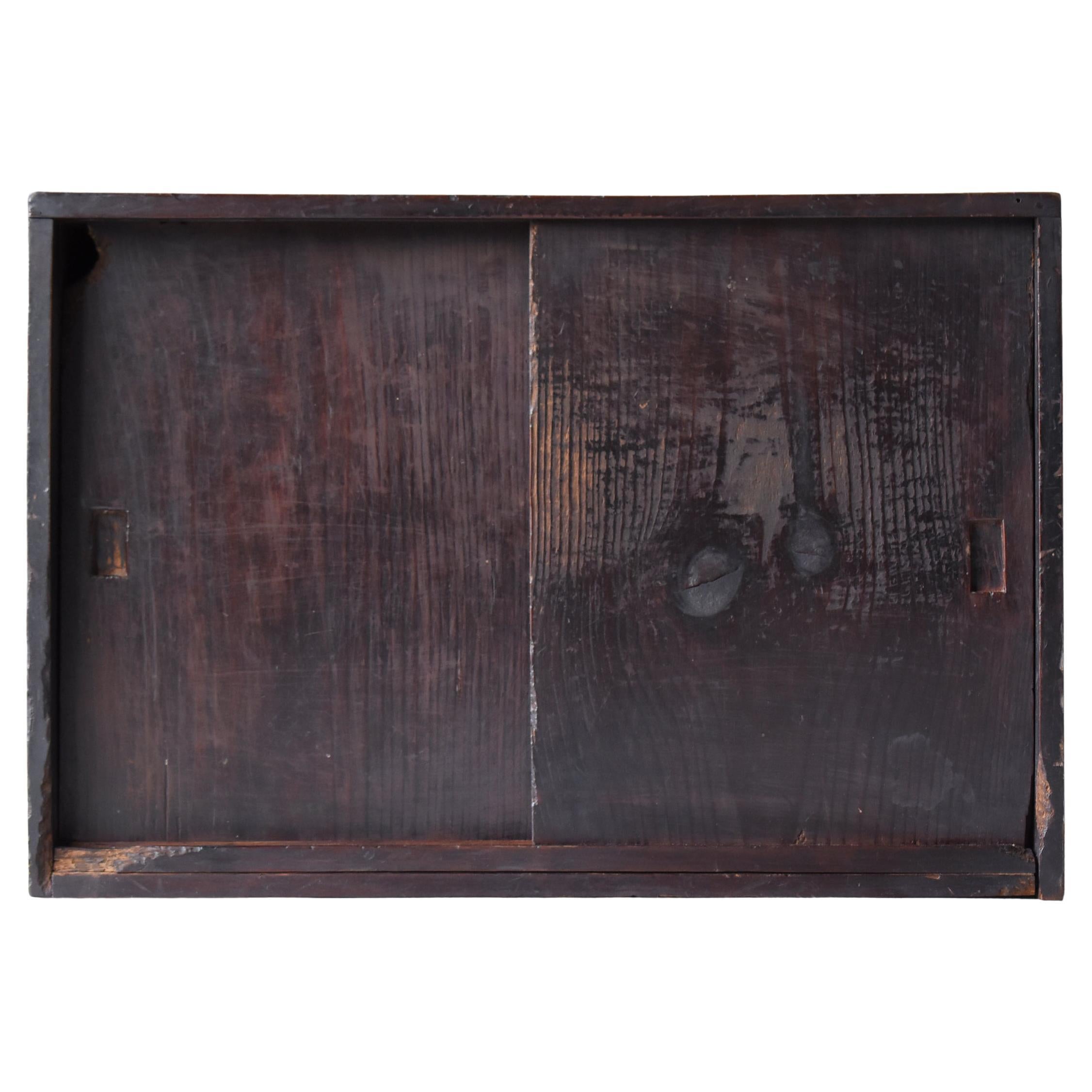
The exterior is finished in a deep, subdued black tone. Subtle variations on the surface, formed through long years of use and the gentle passage of time, create a quiet visual depth. As light moves across the surface, soft notes of grain and shadow emerge, revealing layers of time embedded within the cedar.
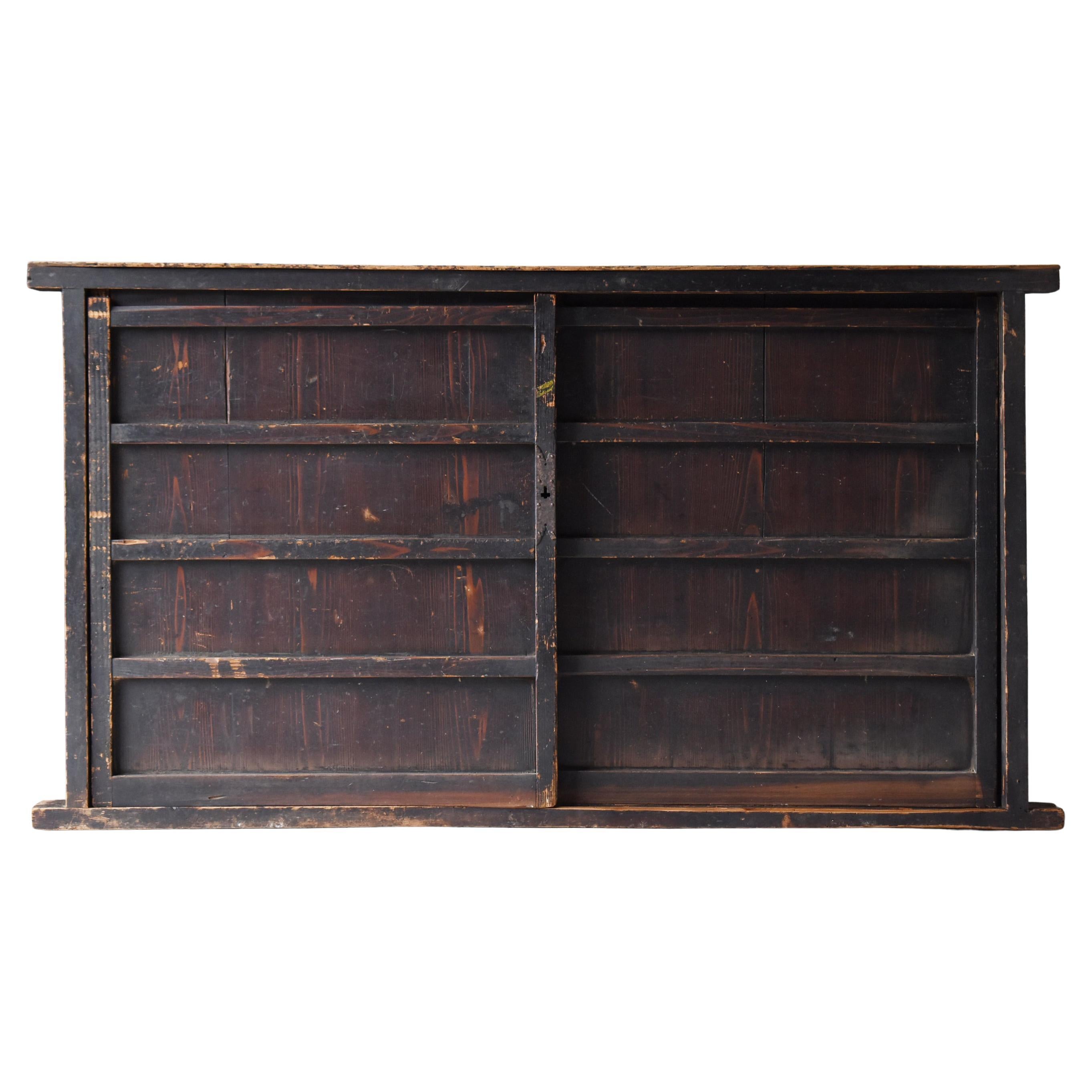
When the sliding doors are opened, the interior reveals a warmer, natural wood surface. This contrast between exterior and interior is a characteristic feature of Japanese furniture design. While the outer surface maintains a composed and reserved presence, the interior retains the natural softness of the material, experienced only by the user.
The construction is straightforward and purposeful. Shelving and framing are arranged with practical clarity, allowing the cabinet to function naturally as storage for everyday objects, vessels, or books. At the same time, its simplicity lends it a sculptural quality that extends beyond its utilitarian role.
Embedded within this work is a distinctly Japanese sensibility that finds beauty in impermanence and restraint. Rather than relying on decoration or artificial refinement, the piece emphasizes stillness, balance, and negative space, subtly elevating the atmosphere of the room it inhabits.
For centuries, Japanese culture has relied on locally available natural materials to create the tools necessary for daily life, passing them down from generation to generation in harmony with nature. Objects that have been used over long periods quietly absorb human gestures and the presence of time, reflecting the values of the land and its way of living.
In a contemporary world shaped by mass production and consumption, this cabinet invites reflection on durability, reuse, and thoughtful craftsmanship.
Within a modern interior, it functions not only as storage but also as a quiet architectural element. It can anchor a wall, support objects and artworks, or serve as a subtle focal point within a space.
Guided by these principles, we carefully curate Japanese antiques and folk objects that embody time, stillness, and an inner strength shaped by use and history.
Period
Meiji period to early Taisho period
Material
Cedar wood
- Dimensions:Height: 25.01 in (63.5 cm)Width: 21.26 in (54 cm)Depth: 12.6 in (32 cm)
- Style:Meiji (Of the Period)
- Materials and Techniques:
- Place of Origin:
- Period:
- Date of Manufacture:1860s-1900s
- Condition:Wear consistent with age and use.
- Seller Location:Sammu-shi, JP
- Reference Number:1stDibs: LU5487248081042
About the Seller
5.0
Platinum Seller
Premium sellers with a 4.7+ rating and 24-hour response times
Established in 2015
1stDibs seller since 2020
1,699 sales on 1stDibs
Typical response time: 6 hours
- ShippingRetrieving quote...Shipping from: Sammushi, Japan
- Return Policy
More From This Seller
View AllJapanese Antique BK Tansu 1860s-1900s ③ / Cabinet Sideboard Wabi Sabi
Located in Sammu-shi, Chiba
This chest of drawers is one of a set of three used in the same old Japanese house.
Judging from its current condition, it appears to be quite old. It is in all original condition.
...
Category
Early 20th Century Japanese Edo Cabinets
Materials
Cedar
Japanese Antique Large BK Tansu 1860s-1900s / Cabinet Sideboard Wabi Sabi
Located in Sammu-shi, Chiba
This is an antique Japanese Tansu.
Judging by the condition of the metal parts, it appears to be quite old, likely dating to the Edo period.
It has been carefully maintained to pres...
Category
Antique Mid-19th Century Japanese Edo Cabinets
Materials
Cedar
Japanese Antique BK Drawer 1860s-1900s / Storage Tansu Wabi Sabi
Located in Sammu-shi, Chiba
Very old Japanese drawer storage.
The furniture is from the Meiji period (1860s-1900s).
The main material is cedar wood.
The handles are made of iron.
The design is ultimately simpl...
Category
Early 20th Century Japanese Meiji Commodes and Chests of Drawers
Materials
Cedar
Japanese Large Black Tansu Circa 1860
s / Cabinet Wabi-Sabi
Located in Sammu-shi, Chiba
This large Japanese tansu was crafted in the early 1900s and reflects a restrained yet powerful approach to utilitarian furniture.
Made from solid cedar wood, the piece combines stru...
Category
Early 20th Century Japanese Meiji Cabinets
Materials
Cedar
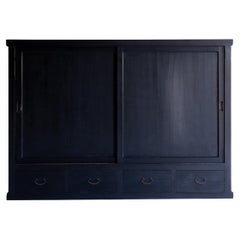
Japanese Antique Wabi Sabi Small Drawer 1860s-1900s
Located in Sammu-shi, Chiba
Very old Japanese small drawer.
This furniture is from the Meiji period (1860s-1900s).
It is made of cedar wood.
The round handles are made of iron.
These drawers are tasteful, rust...
Category
Early 20th Century Japanese Meiji Commodes and Chests of Drawers
Materials
Cedar
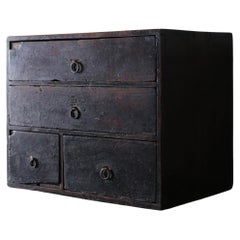
Japanese Antique Drawer 1860s-1920s / Tansu Wabi Sabi
Located in Sammu-shi, Chiba
This is an antique Japanese drawer chest from the Meiji period (1860s–1920s).
Crafted from paulownia wood (kiri) with iron fittings, it embodies the essence of Japanese simplicity an...
Category
Early 20th Century Japanese Meiji Commodes and Chests of Drawers
Materials
Wood
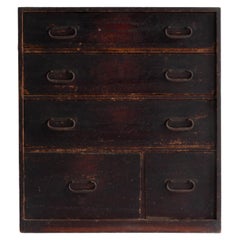
You May Also Like
Japanese Antique Massive Tansu Chest 1860s-1900s / Cabinet Cupboard Wabi Sabi
Located in Chōsei District Nagara, JP
This is a large, old black tansu chest made in Japan, dating to the Meiji period (1860s–1900s). Crafted from Japanese cedar, it is substantial in scale yet maintains a calm, restrain...
Category
Early 20th Century Japanese Meiji Cabinets
Materials
Cedar
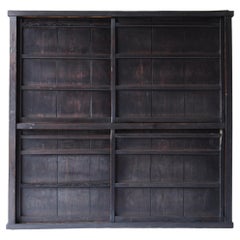
Japanese Antique Large Black Tansu 1860s-1900s / Cabinet Sideboard Wabi Sabi
Located in Chōsei District Nagara, JP
This is an old large Tansu made in Japan.
This furniture was made during the Meiji period (1860s-1900s).
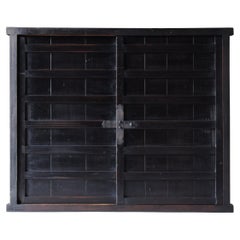
The material used is cedar wood. The iron metal fittings in the center add an...
Category
Early 20th Century Japanese Meiji Cabinets
Materials
Iron
$3,200 Sale Price
28% Off
Japanese Antique Large Tansu 1860s-1900s / Sideboard Cabinet Wabi Sabi
Located in Chōsei District Nagara, JP
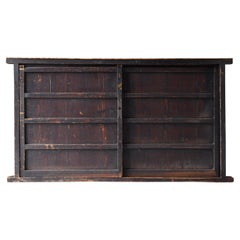
This is a very old Japanese tansu chest, crafted in the Meiji period (1860s–1900s). It is made from sugi (cedar) wood, and its modest, unassuming presence is part of its charm. The a...
Category
Early 20th Century Japanese Meiji Cabinets
Materials
Cedar
Japanese Antique Wabi Sabi Small Tansu 1860s-1900s / Cabinet Nightstand Storage
Located in Chōsei District Nagara, JP
This is a small antique Japanese tansu chest.
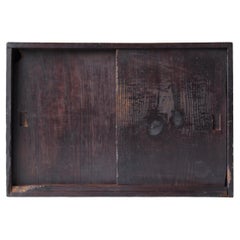
It was crafted in the Meiji period (1860s–1900s) and made from Japan’s traditional sugi (cedar) wood. Sugi, known for its lightness and ...
Category
Early 20th Century Japanese Meiji Cabinets
Materials
Cedar
Japanese Antique Large Black Tansu 1860s-1900s / Sideboard Cabinet Wabi Sabi
Located in Chōsei District Nagara, JP
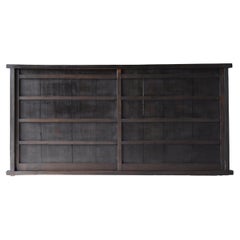
This is an old large black tansu chest made in Japan. Crafted during the Meiji period (1860s–1900s), it is made from cedar wood, a material known for...
Category
Early 20th Century Japanese Meiji Sideboards
Materials
Cedar
Japanese Antique Chest of Drawers 1860s-1900s / Tansu Nightstand Wabi Sabi
Located in Chōsei District Nagara, JP
This is an old drawer storage made in Japan.
This furniture was made during the Meiji period (1860s-1900s) and is a valuable piece of furniture that has transcended time and remains ...
Category
Early 20th Century Japanese Meiji Commodes and Chests of Drawers
Materials
Iron
$680 Sale Price
32% Off