Items Similar to Japanese antique wooden storage shelf/ Early 20th century/Wooden cabinet


Want more images or videos?
Request additional images or videos from the seller
1 of 21
Japanese antique wooden storage shelf/ Early 20th century/Wooden cabinet
$2,500
£1,891.87
€2,169.16
CA$3,497.50
A$3,807.12
CHF 2,019.49
MX$45,833
NOK 25,642.13
SEK 23,467.14
DKK 16,200.92
About the Item
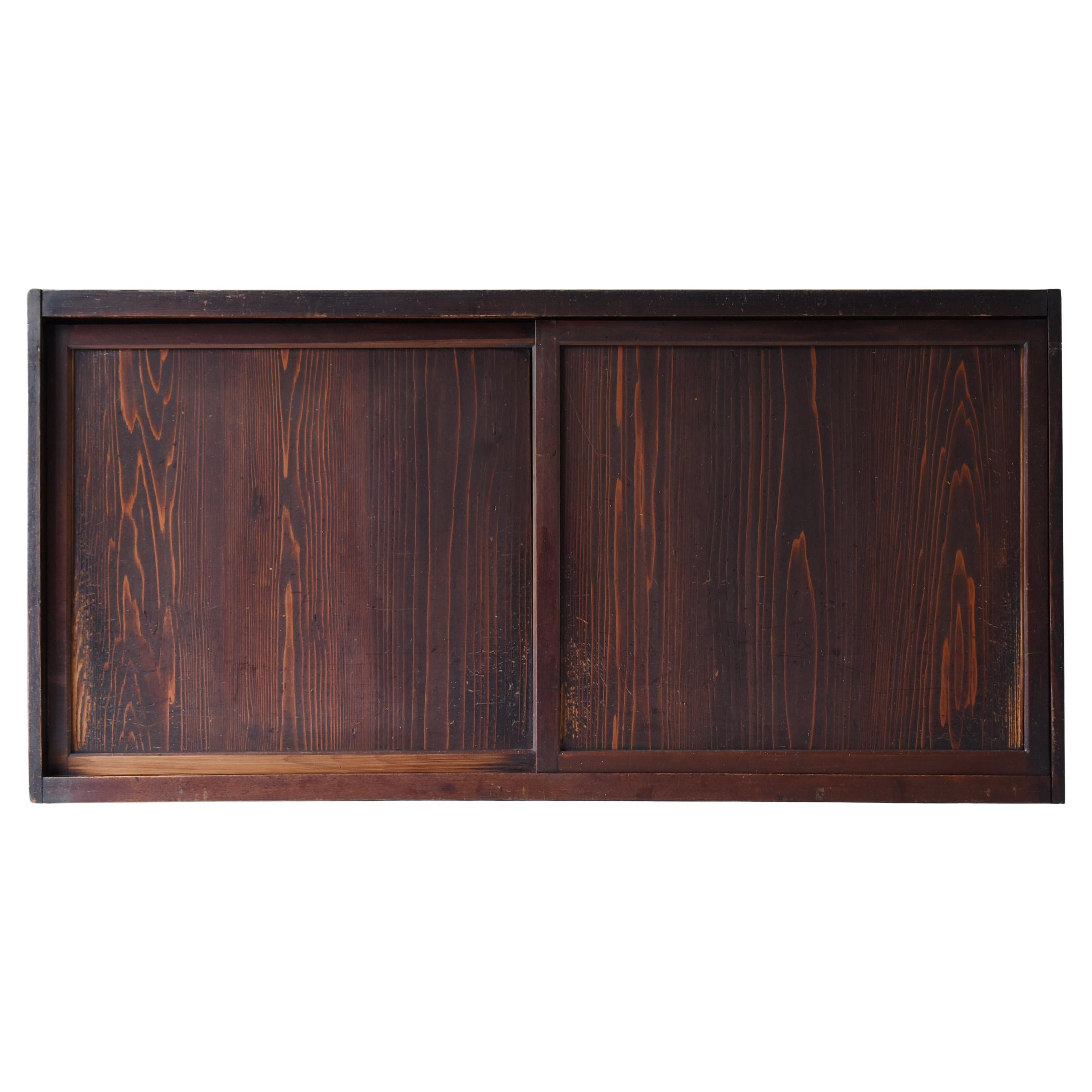
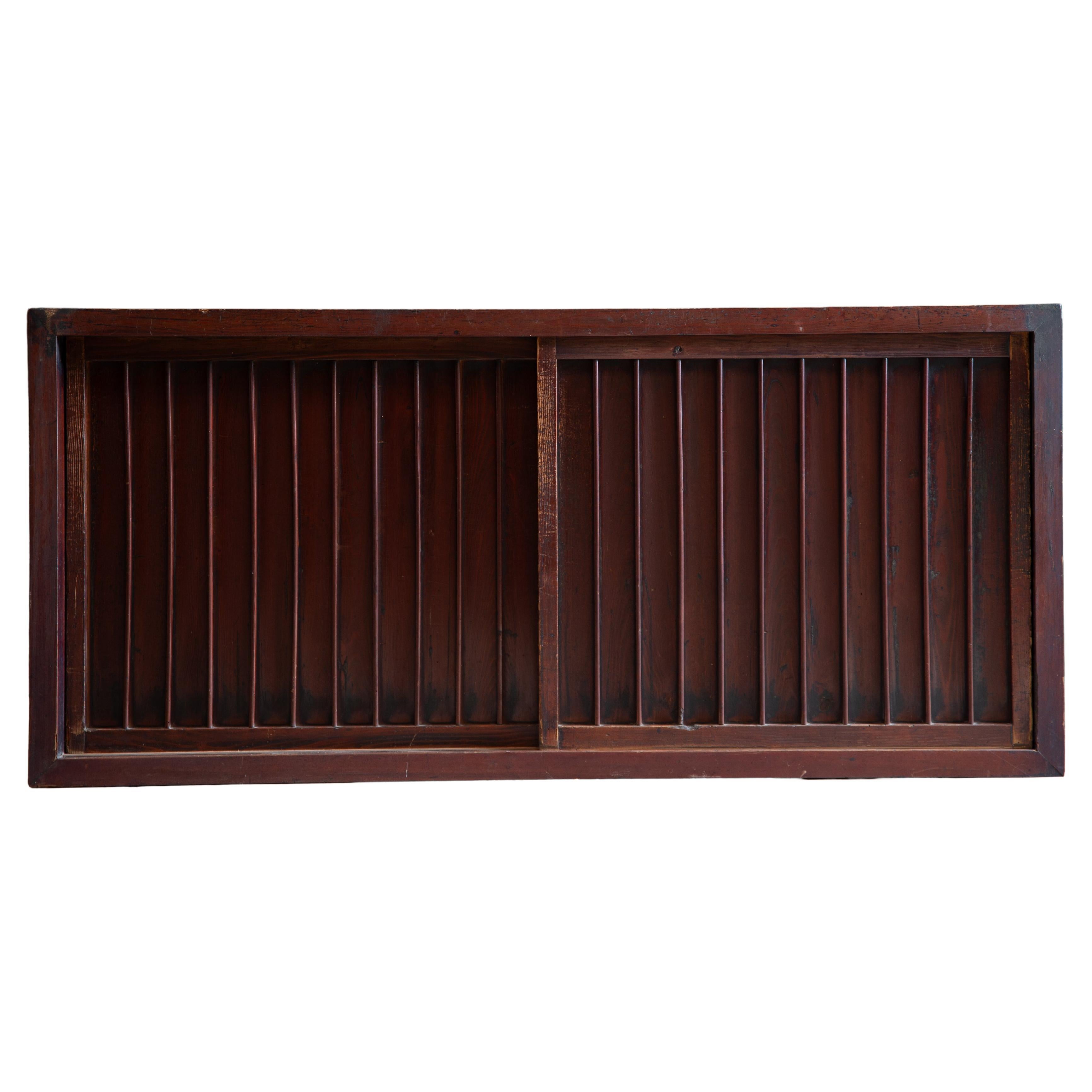
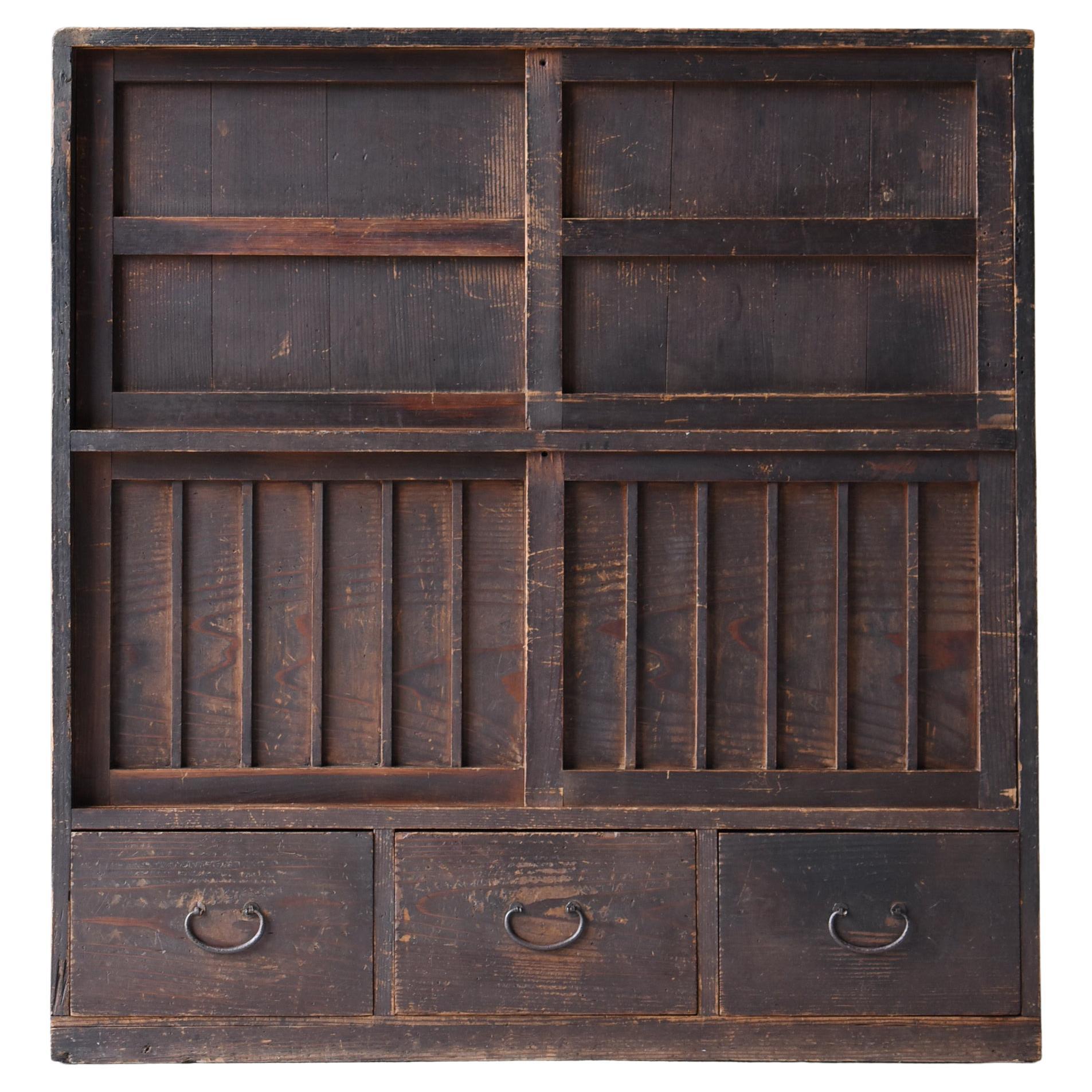
This is a vertical wooden storage cabinet made of Japanese cedar in the first half of the 20th century. Although it is unknown where it was used, its appearance oozes a beauty that transcends practical use. The rustic feel of the material and its quiet presence give it a nostalgic warmth not found in modern furniture.
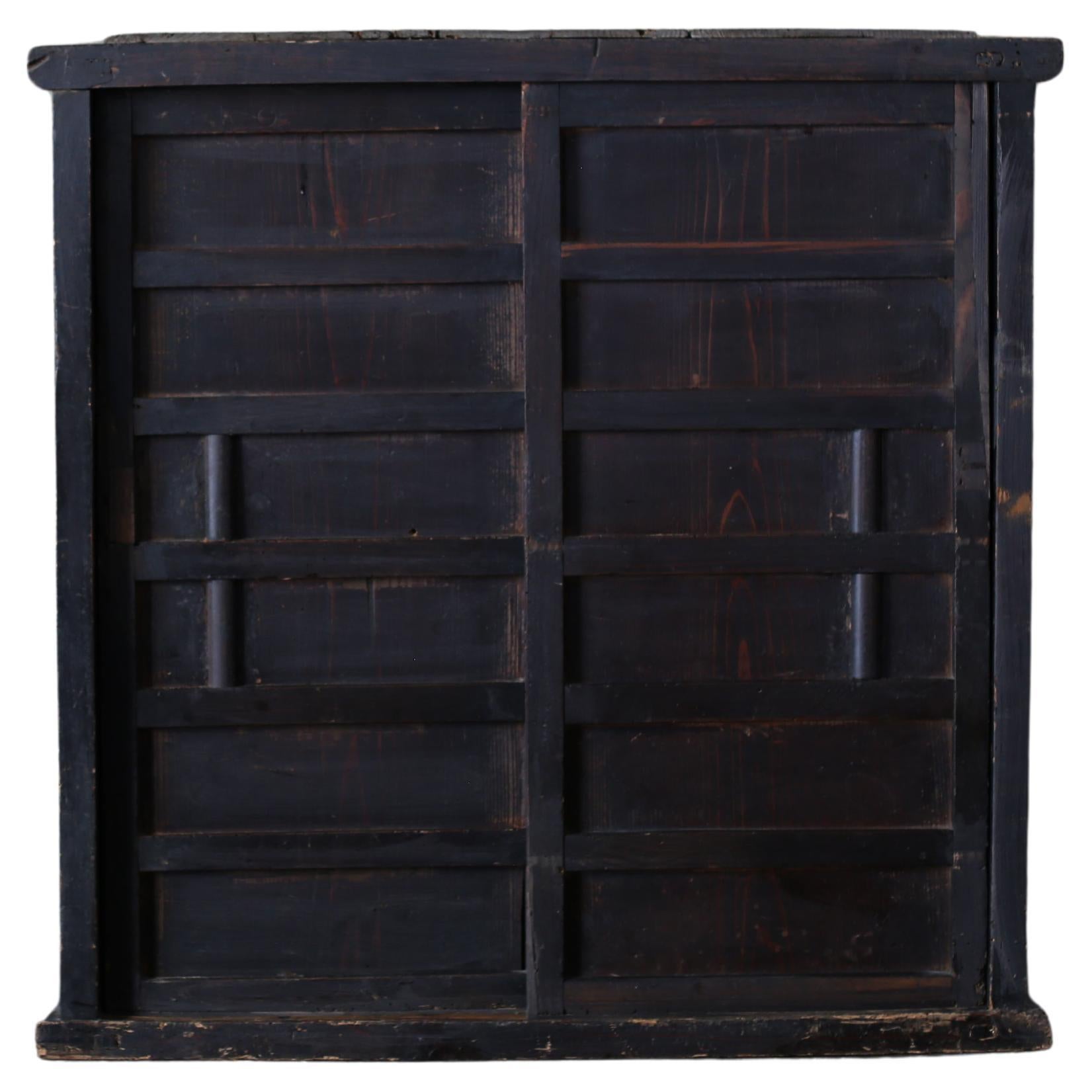
This piece is made entirely of solid Japanese cedar, and the simple and disciplined structure of the vertical cleats, especially on the doors, and the cedar planks passed horizontally and overlapping from the reverse side, bring a perfect balance and rhythm to the overall look of the piece. This kind of design reveals a uniquely Japanese sense of design.
The deep candy-colored texture created by the aging process is a taste that only antique pieces can have. The subtle changes in color from suntanning and areas touched by the hand tell a quiet story of the passage of time. The doors are simple and close with small wooden stoppers, preserving the practicality and warmth of the past.
The shelves are securely fastened and provide ample storage capacity. Books, clothes, daily necessities, and various other items can be beautifully organized. The backs and shelves are stained and worn from use, and there are also some holes repaired on the sides and small chips.
In a modern living space, this shelf can be used as a shelf in a study, as an accent in a living room, or as a quiet corner of a room where one spends quiet time alone, bringing a sense of calmness and flavor to the entire space. These long, locker-like proportions of antique shelves are extremely rare, and it is highly unlikely that similar pieces will be restocked in the future.
The simplicity of the materials, the serenity of the form, and the depth given by age. Please welcome such one-of-a-kind charm into your space.
Weight: 17kg
[We are a specialized team dealing in antiques and vintage items, comprised of stores based on three distinct brands. While focusing on Japanese items, we also offer a carefully curated selection of attractive goods from around the world—each evoking the culture and history of its country of origin.
Unlike the traditional Japanese antique furniture and art that have been appreciated overseas until now, we shine a light on the tools and furniture that were used for many years in ordinary Japanese homes and farmhouses. These objects have gained a unique charm over time, their beauty deepened by the history accumulated through daily life. In today’s world, however, many of these precious items are discarded during home demolitions. We are committed to reassessing their value and passing them on to future generations.
Drawing from our extensive experience—having seen tens of thousands of items through direct purchases, markets, and auction houses—we carefully select and present only the most captivating pieces. This is something made possible only through the years of knowledge and expertise we have cultivated.
Rather than focusing on the widely known facets of Japanese art and culture, we highlight the subtle beauty born from the everyday life of common people. It is this rediscovered beauty, steeped in history, that we strive to share with the world.]
- Dimensions:Height: 66.82 in (169.7 cm)Width: 18.9 in (48 cm)Depth: 17.92 in (45.5 cm)
- Style:Taisho (Of the Period)
- Materials and Techniques:Cedar,Woodwork
- Place of Origin:
- Period:
- Date of Manufacture:Early 20th century
- Condition:
- Seller Location:Sammu-shi, JP
- Reference Number:1stDibs: LU5487244681322
About the Seller
5.0
Platinum Seller
Premium sellers with a 4.7+ rating and 24-hour response times
Established in 2015
1stDibs seller since 2020
1,704 sales on 1stDibs
Typical response time: 6 hours
- ShippingRetrieving quote...Shipping from: senzoku, Japan
- Return Policy
More From This Seller
View AllJapanese Antique BK Tansu 1860s-1900s ③ / Cabinet Sideboard Wabi Sabi
Located in Sammu-shi, Chiba
This chest of drawers is one of a set of three used in the same old Japanese house.
Judging from its current condition, it appears to be quite old. It is in all original condition.
...
Category
Early 20th Century Japanese Edo Cabinets
Materials
Cedar
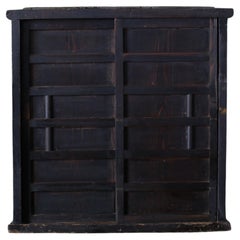
Antique Japanese paulownia wood drawer / early 20th century / wooden tansu
Located in Sammu-shi, Chiba
日本の暮らしの中で長く親しまれてきた桐家具。その温かな質感と軽やかさをそのまま受け継いだ、大正時代から昭和初期にかけて作られた木製の引き出し箪笥です。柔らかく上品な木肌を持つ桐は、古くは平安時代の調度品にも用いられ、江戸期以降は“最良の衣装箱の材”として広く普及しました。湿気を吸ったり吐いたりする調湿性、火に強く燃えにくい難燃性、軽やかで扱いやすい性質など、桐材...
Category
Early 20th Century Japanese Taisho Cabinets
Materials
Wood
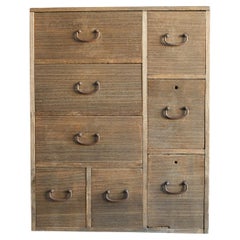
Japanese BK Tansu 1920-1940 / Showa Period / Cabinet Sideboard Wabi sabi
Located in Sammu-shi, Chiba
This is an antique Japanese Tansu.
The patina developed over time is truly exquisite.
It has been meticulously maintained to preserve its patina.
The doors operate smoothly.
It is i...
Category
Early 20th Century Japanese Showa Cabinets
Materials
Cedar
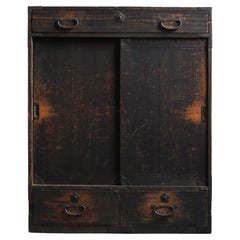
Japanese Antique Tansu Cabinet / Taishō–Shōwa Period 1910s–1940s
Located in Sammu-shi, Chiba
A refined Cha-dansu (tea cabinet) crafted in Japan during the Taishō to early Shōwa period, made from richly grained keyaki (zelkova) wood. The cabinet features a striking natural gr...
Category
Early 20th Century Japanese Taisho Cabinets
Materials
Wood
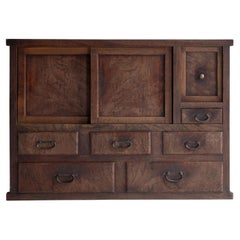
Japanese Antique Drawer 1860s-1900s / Storage Tansu Wabisabi
Located in Sammu-shi, Chiba
This is a very old Japanese small drawer storage.
The furniture is from the Meiji period (1860s-1900s).
This is a "Shonai chest" chest made in the Tohoku region of Japan.
It is chara...
Category
Early 20th Century Japanese Meiji Commodes and Chests of Drawers
Materials
Cedar
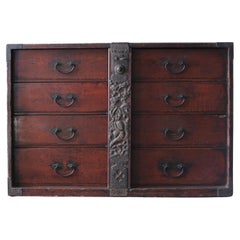
Japanese Antique Tansu Cabinet/ Wabi-sabi / Taishō–Shōwa Period 1910-40s
Located in Sammu-shi, Chiba
This cha dansu tea cabinet was crafted in Japan during the Taishō to early Shōwa period, using richly grained keyaki (zelkova) wood.
The bold, flowing grain that appears continuously...
Category
Early 20th Century Japanese Taisho Cabinets
Materials
Wood
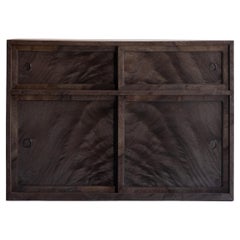
You May Also Like
Japanese Antique Massive Tansu Chest 1860s-1900s / Cabinet Cupboard Wabi Sabi
Located in Chōsei District Nagara, JP
This is a large, old black tansu chest made in Japan, dating to the Meiji period (1860s–1900s). Crafted from Japanese cedar, it is substantial in scale yet maintains a calm, restrain...
Category
Early 20th Century Japanese Meiji Cabinets
Materials
Cedar
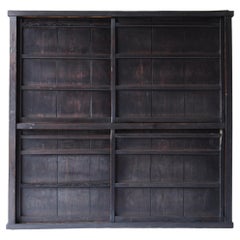
Japanese Antique Large Tansu 1860s-1900s / Sideboard Cabinet Storage Wabi Sabi
Located in Chōsei District Nagara, JP
This is a large antique Tansu chest from Japan, crafted during the Meiji period (1860s–1900s). It is made of Japanese cedar, whose surface has gained depth and character over time, c...
Category
Early 20th Century Japanese Meiji Sideboards
Materials
Cedar
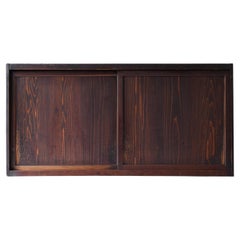
1870s-1900s Japanese antique Mizuya tansu chest sideboard wabi sabi primitive
Located in 常陸大宮市, JP
Single tier Mizuya tansu is made from premium quality, reddish Sugi Cedar, the product of circa 1870s to 1900s (Meiji to early Taisho period).
Having storage capacity with inner shel...
Category
Antique Late 19th Century Japanese Meiji Cabinets
Materials
Wood, Cedar
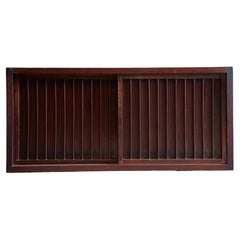
Japanese Antique Cabinet 1860s-1920s / Tansu Sideboard Wabisabi
Located in Chōsei District Nagara, JP
This is an old storage cabinet made in Japan.
It is a piece of furniture made between the Meiji and Taisho periods (1860s-1920s), and it is a piece of furniture that has passed throu...
Category
Early 20th Century Japanese Taisho Cabinets
Materials
Iron
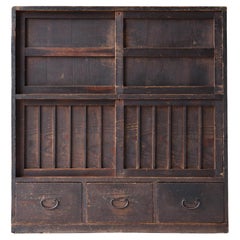
$1,600 Sale Price
20% Off
Meiji-era Mizuya Dansu, Circa 1900 – Japanese Kitchen Cabinet
Located in Yonkers, NY
A refined piece of Meiji-era craftsmanship, this antique Mizuya-dansu (kitchen chest) dates to circa 1900 and reflects the understated elegance of traditional Japanese interiors. Cra...
Category
Early 20th Century Japanese Meiji Cabinets
Materials
Iron
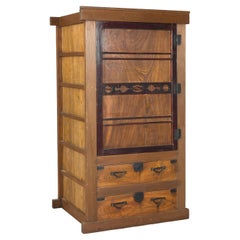
Large Wabi Sabi Two Section Late Edo Period Japanese Tansu Cabinet
Located in London, GB
A tall two section Japanese tansu from the mid 19th century.
Nicely patinated cedar with multiple drawers, sliding doors & iron hardware.
Strong utilitarian design.
Category
Antique Mid-19th Century Japanese Cabinets
Materials
Iron
More Ways To Browse
Japanese 20th Century Modern Furniture
Antique Locker
Used Clothes Storage
Antique Japanese Shelf
Cabinet In Cedar
Display Cabinets American
Drexel Chinoiserie
Eclectic Cabinet
Floral Carved Wood Cabinets
French Provincial Display Cabinet
Gun Case
Hermes Storage
Illuminated And Mirrored Display Cabinet
Intarsia Cabinet
Rosewood Tall Cabinet
Small Chinese Cabinets
Spanish Bargueno
Steel Filing Cabinet