Items Similar to Japanese Vintage Low Board Cabinet, Early Showa Period (1926–1945)
Video Loading
Want more images or videos?
Request additional images or videos from the seller
1 of 22
Japanese Vintage Low Board Cabinet, Early Showa Period (1926–1945)
$1,600
£1,219.46
€1,393.92
CA$2,251.10
A$2,466.01
CHF 1,298.01
MX$29,432.47
NOK 16,546.36
SEK 15,125.87
DKK 10,412.32
About the Item
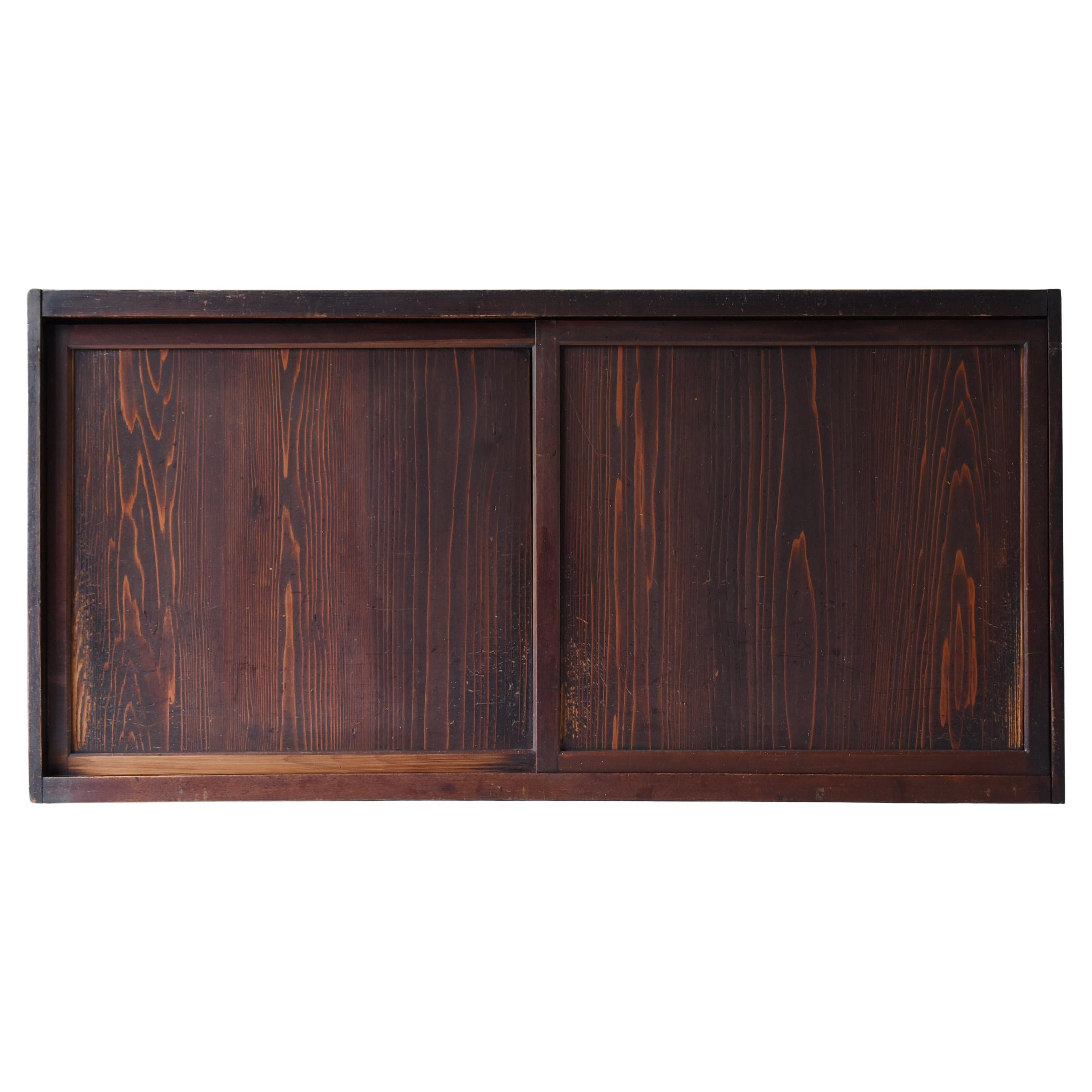
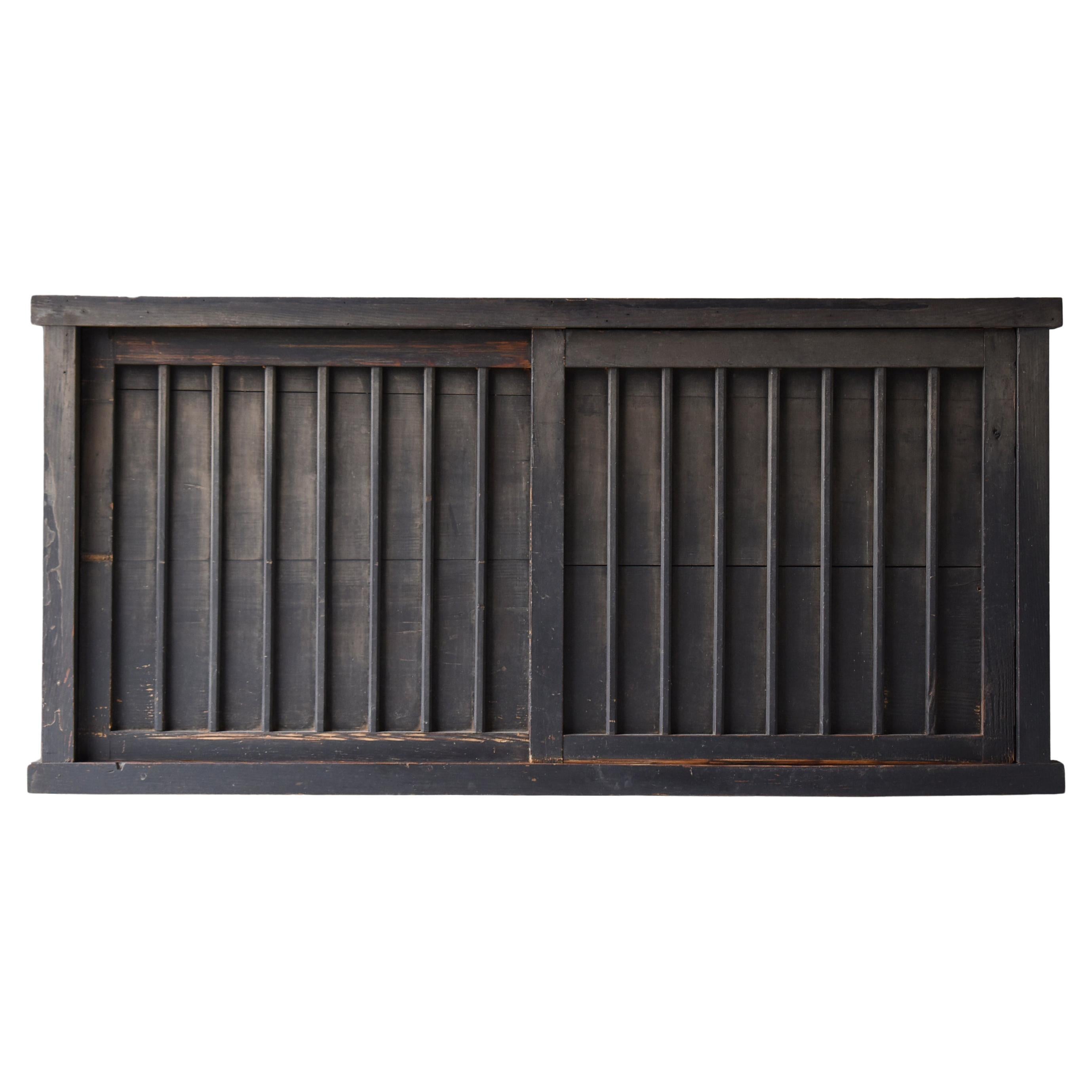
This Japanese lowboard was crafted in the early Showa Period (1926–1945) from kaede (Japanese maple). The softly layered grain of the maple subtly emerges through the dark finish, creating depth and quiet movement within the blackened surface.
The top panel and base were later reconfigured to improve everyday usability and stability. This reconstruction was carried out with respect for the original structure, preserving the character of the piece while allowing it to function comfortably in a modern interior.
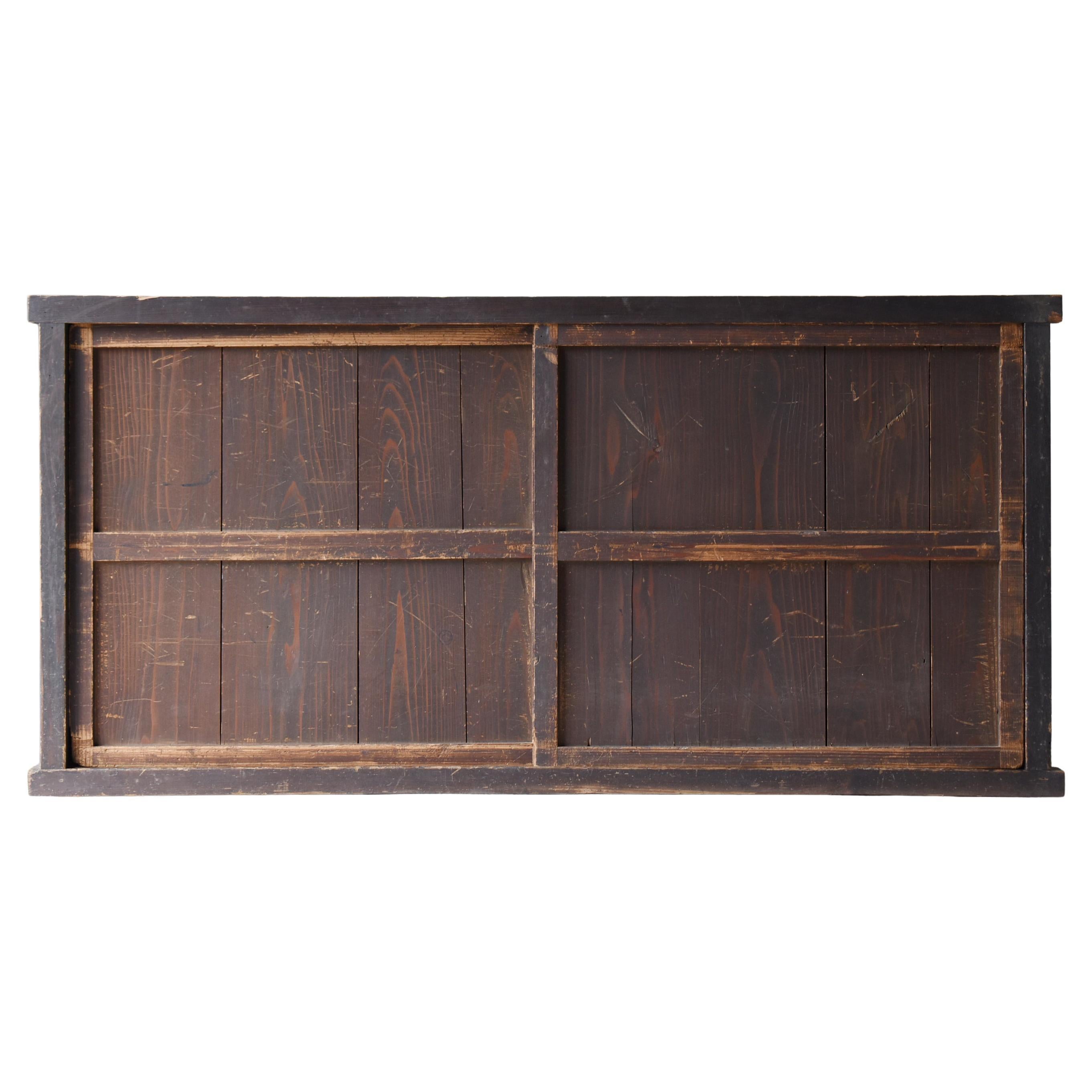
Behind the sliding wooden doors, the interior is divided at the center, providing balanced and practical storage. The back panel shows gaps caused by natural wood contraction over many decades—an expected characteristic of antique wooden furniture—and does not affect the structural integrity or use of the piece.
Signs of age such as scratches, dents, worn areas, and small cracks are present throughout, along with subtle staining inside the cabinet. These traces are considered part of the piece’s history and contribute to its wabi-sabi character rather than detracting from it.
With its long, low proportions, this cabinet works beautifully as a media console, low storage unit, or display base for objects and art, offering both visual calm and a strong sense of material presence.
- Structure is sound and stable with no wobble or functional issues
- The top board and base have been reconfigured at a later time for improved usability and stability
- Black-painted finish shows age-related wear, with subtle maple grain visible beneath the surface
- Surface shows scratches, dents, wear, and small splits consistent with age
- Back panel shows gaps caused by natural wood shrinkage over time (does not affect structural integrity or use)
- Interior surfaces show staining and discoloration from age and use, considered part of the piece’s character
- Sliding wooden doors operate smoothly
- Cleaned and ready for use
Cleaned and disinfected with a non-toxic solution.
As an authentic early Showa-era piece, this cabinet shows natural signs of age inherent to Japanese vintage furniture. Characteristics such as surface wear, small marks, wood movement, and the softly aged finish are reflections of its history and authenticity, not defects. Please review all photos carefully—condition details are visible in the images—and feel free to contact us with any questions before purchasing.
Interior Dimensions (approximate):
Behind sliding doors:
W: 57.0" (144.8 cm)
Left section: 28.1" (71.4 cm)
Right section: 28.2" (71.7 cm)
D: 11.9" (30.3 cm)
H: 10.9" (27.8 cm)
Weight: 54.5 lbs (24.7 kg)
Shipping Information:
We ship from Japan. I will provide my own shipping quote. Please ask.
Import duties, taxes, and customs fees are the responsibility of the buyer.
- Dimensions:Height: 16.74 in (42.5 cm)Width: 58.63 in (148.9 cm)Depth: 14.57 in (37 cm)
- Style:Showa (Of the Period)
- Materials and Techniques:
- Place of Origin:
- Period:
- Date of Manufacture:Circa1930
- Condition:Additions or alterations made to the original: Top board and base were reconfigured at a later time to improve usability. Refinished. Wear consistent with age and use. Cleaned. Structure stable. Black finish shows age-related wear with scratches, dents, and small splits. Interior shows faint stains from age and use. Back panel has gaps from natural wood shrinkage, with no structural or functional issues.
- Seller Location:Hitachiomiya-shi, JP
- Reference Number:1stDibs: LU7430247948172
About the Seller
5.0
Platinum Seller
Premium sellers with a 4.7+ rating and 24-hour response times
Established in 2019
1stDibs seller since 2022
83 sales on 1stDibs
Typical response time: 1 hour
- ShippingRetrieving quote...Shipping from: Hitachiomiya, Japan
- Return Policy
More From This Seller
View AllJapanese Antique Large Tansu, "Mizuya" Sidebord, Meiji Era 1868-1912, Wabi Sabi
Located in Hitachiomiya-shi, 08
This antique large Mizuya Tansu was crafted in the Meiji Era (1868–1912).
Its simple sliding panel doors and dark, timeworn finish reflect the quiet beauty of wabi-sabi. The surface...
Category
Antique Mid-19th Century Japanese Meiji Cabinets
Materials
Cedar
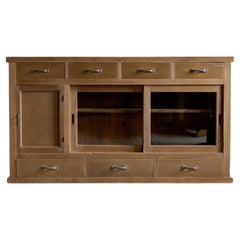
Japanese vintage Storage Cabinet"Mizuya Tansu", Sideboards Early Showa
1926-
Located in Hitachiomiya-shi, 08
This vintage cabinet was crafted in the Early Showa Period (1926–).
It was originally used as a traditional Japanese kitchen cabinet, or Mizu...
Category
Mid-20th Century Japanese Showa Cabinets
Materials
Cypress
Japanese Vintage Bookcase, Early Showa Period
1926-
Located in Hitachiomiya-shi, 08
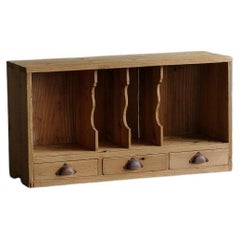
This vintage bookcase was crafted in the Early Showa Period '1926-'.
A bookstand with drawers, crafted from Japanese cedar wood.
Its simple and minimal design combines a book storag...
Category
Mid-20th Century Japanese Showa Bookcases
Materials
Cedar
$320 Sale Price
36% Off
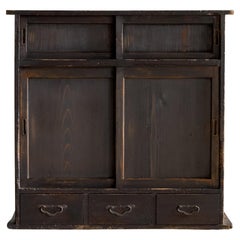
Japanese Antique Sliding-Door Cabinet (Cha Tansu), Taisho Era (1912–1926), Wabi
Located in Hitachiomiya-shi, 08
This Japanese sliding-door cabinet (cha tansu) was crafted during the Taisho Period (1912–1926) using a thoughtful combination of woods: kiri (paulownia) for the frame, sugi (Japanes...
Category
Early 20th Century Japanese Taisho Cabinets
Materials
Wood, Cedar
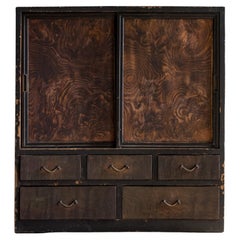
Japanese Vintage Sliding-Door Cabinet (Cha Tansu), Early Showa Era, Wabi Sabi
Located in Hitachiomiya-shi, 08
This Japanese sliding-door cabinet (cha tansu) was crafted during the early Showa Period (1926–1945) in hinoki cypress, a wood valued for its fine grain, durability, and calming natu...
Category
Mid-20th Century Japanese Showa Cabinets
Materials
Cypress, Wood
Japanese Vintage Black Glass Sliding-Door Cabinet, Early Showa Period (1926–)
Located in Hitachiomiya-shi, 08
This Japanese glass cabinet was crafted during the early Showa Period (1926–1945) in matsu (Japanese pine) and finished with black cashew lacquer applied over the original shibuzumi ...
Category
Mid-20th Century Japanese Showa Cabinets
Materials
Pine
You May Also Like
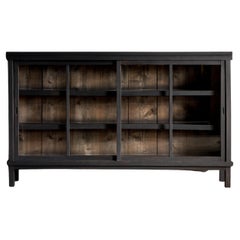
Japanese Antique Large Tansu 1860s-1900s / Sideboard Cabinet Storage Wabi Sabi
Located in Chōsei District Nagara, JP
This is a large antique Tansu chest from Japan, crafted during the Meiji period (1860s–1900s). It is made of Japanese cedar, whose surface has gained depth and character over time, c...
Category
Early 20th Century Japanese Meiji Sideboards
Materials
Cedar
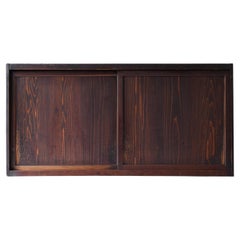
Japanese Antique Large Tansu 1860s-1900s / Storage Cabinet Sideboard Wabisabi
Located in Chōsei District Nagara, JP
This is a large antique Tansu chest from Japan, crafted during the Meiji period (1860s–1900s). Made with Japanese cedar and finished with great care, it has endured for over a centur...
Category
Early 20th Century Japanese Meiji Cabinets
Materials
Cedar
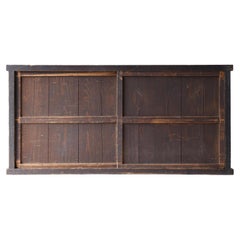
Japanese BK Tansu 1920-1940 / Showa Period / Cabinet Sideboard Wabi sabi
Located in Sammu-shi, Chiba
This is an antique Japanese Tansu.
The patina developed over time is truly exquisite.
It has been meticulously maintained to preserve its patina.
The doors operate smoothly.
It is i...
Category
Early 20th Century Japanese Showa Cabinets
Materials
Cedar
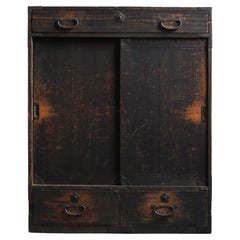
Japanese Antique Tansu Cabinet / Taishō–Shōwa Period 1910s–1940s
Located in Sammu-shi, Chiba
A refined Cha-dansu (tea cabinet) crafted in Japan during the Taishō to early Shōwa period, made from richly grained keyaki (zelkova) wood. The cabinet features a striking natural gr...
Category
Early 20th Century Japanese Taisho Cabinets
Materials
Wood
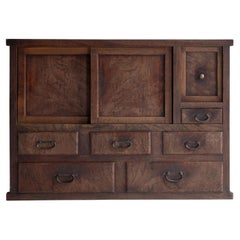
Japanese Antique Large Tansu 1860s-1900s / Sideboard Cabinet Wabisabi
Located in Chōsei District Nagara, JP
This is an old large black Japanese tansu, crafted during the Meiji period (1860s–1900s). It is made from traditional sugi (Japanese cedar), a material beloved for its warmth and nat...
Category
Early 20th Century Japanese Meiji Cabinets
Materials
Cedar
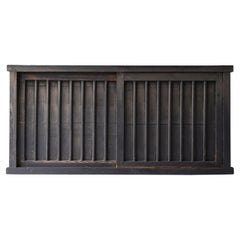
Japanese antique wooden storage shelf/ Early 20th century/Wooden cabinet
Located in Sammu-shi, Chiba
This is a vertical wooden storage cabinet made of Japanese cedar in the first half of the 20th century. Although it is unknown where it was used, its appearance oozes a beauty that transcends practical use. The rustic feel of the material and its quiet presence give it a nostalgic warmth not found in modern furniture.
This piece is made entirely of solid Japanese cedar, and the simple and disciplined structure of the vertical cleats, especially on the doors, and the cedar planks passed horizontally and overlapping from the reverse side, bring a perfect balance and rhythm to the overall look of the piece. This kind of design reveals a uniquely Japanese sense of design.
The deep candy-colored texture created by the aging process is a taste that only antique pieces can have. The subtle changes in color from suntanning and areas touched by the hand tell a quiet story of the passage of time. The doors are simple and close with small wooden stoppers, preserving the practicality and warmth of the past.
The shelves are securely fastened and provide ample storage capacity. Books, clothes, daily necessities, and various other items can be beautifully organized. The backs and shelves are stained and worn from use, and there are also some holes repaired on the sides and small chips.
In a modern living space, this shelf can be used as a shelf in a study, as an accent in a living room, or as a quiet corner of a room where one spends quiet time alone, bringing a sense of calmness and flavor to the entire space. These long, locker-like proportions of antique shelves...
Category
Early 20th Century Japanese Taisho Cabinets
Materials
Cedar