Items Similar to Credenza francese in Stile Luigi XVI del XX Secolo
Want more images or videos?
Request additional images or videos from the seller
1 of 14
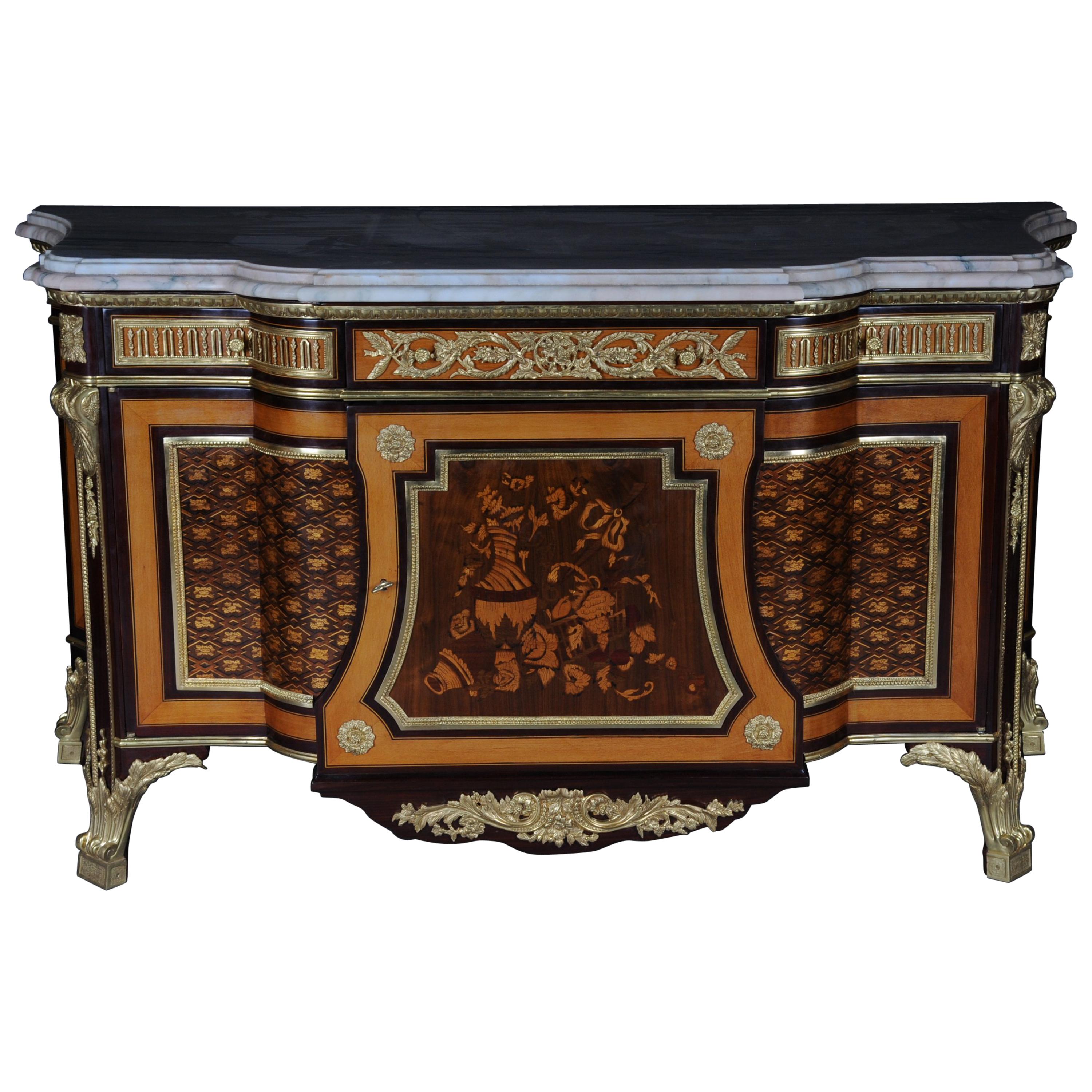
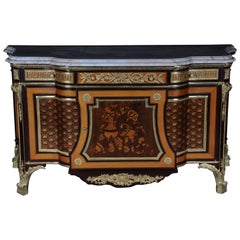
Credenza francese in Stile Luigi XVI del XX Secolo
$7,479.37
£5,595.06
€6,240
CA$10,297.50
A$11,269.38
CHF 5,954.88
MX$134,507.51
NOK 75,991.67
SEK 69,500.57
DKK 47,541.75
About the Item
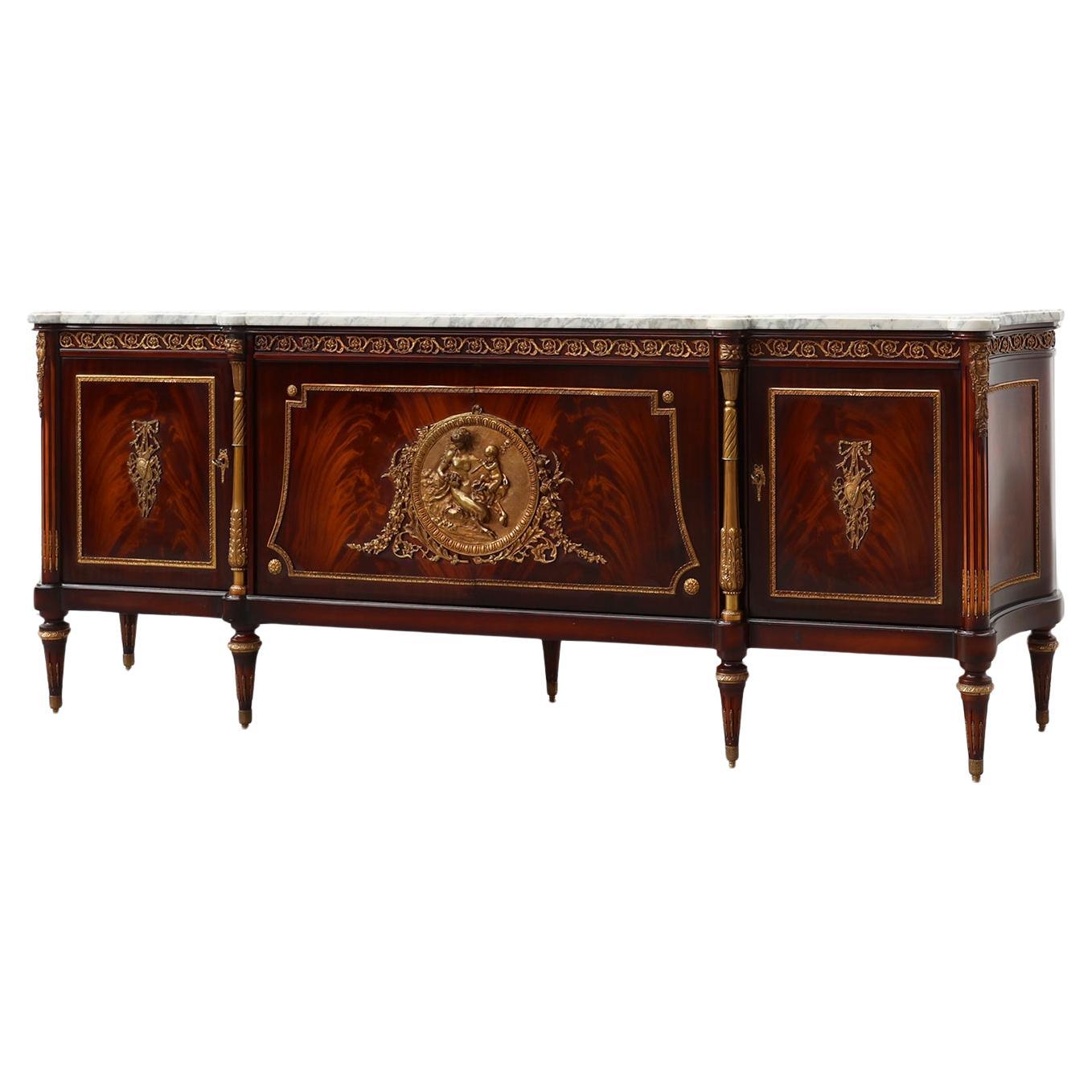
Credenza in stile Luigi XVI inizi del XX secolo. Quattro piedi a tronco di piramide reggono un mobile mosso sul fronte con un'anta sul fronte con cerniere a oliva, piano in rara breccia violacea. Il mobile è impiallacciato in mogano con riserve a marquetterie ottenuta con piccoli quadrati contrapposti in mogano biondo. Tutta la superficie è arricchita da bronzi finemente cesellati e dorati. Piedi con piccoli festoni floreali, montanti con asparagi in bronzo dorato inseriti nelle rastremature, cornici nelle riserve e girali fogliacee nella fascia sotto piano sempre in bronzo dorato; al centro una testa leonina tra due rami di quercia e edera, regge in bocca un drappo a cui è appeso ramo di mirto che fa da decoro al medaglione centrale su cui è raffigurato un baccanale con fauni.
- Dimensions:Height: 40.16 in (102 cm)Width: 63.39 in (161 cm)Depth: 23.63 in (60 cm)
- Style:Louis XVI (In the Style Of)
- Materials and Techniques:
- Place of Origin:
- Period:
- Date of Manufacture:1900s
- Condition:Wear consistent with age and use.
- Seller Location:Milano, IT
- Reference Number:1stDibs: LU1721247257092
About the Seller
4.9
Platinum Seller
Premium sellers with a 4.7+ rating and 24-hour response times
Established in 2015
1stDibs seller since 2015
439 sales on 1stDibs
Typical response time: 2 hours
- ShippingRetrieving quote...Shipping from: Milan, Italy
- Return Policy
More From This Seller
View AllSideboard Napoleon III Georges Monbro - Paris Third Quarter 19th Century
Located in Milano, IT
Napoleon III two-door sideboard, made by cabinetmaker Georges-Alphonse-Bonifacio Monbro. Ebony-planked oak frame, embellished with semi-precious stones and gilded bronzes. White marb...
Category
Antique Early 1800s French Napoleon III Credenzas
Materials
Stone, Marble, Bronze
Ferrara Baroque Sideboard Mid-18th Century
By Non-Standard Furniture and Lighting
Located in Milano, IT
A Ferrara-made Baroque credenza supported by en cabriole feet, it has a moved front in which there are pairs of doors and drawers in the fascia: a large-sized central one and two sma...
Category
Antique 1750s Italian Baroque Credenzas
Materials
Walnut, Fir
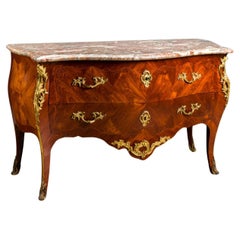
Commode, Parigi metà del XVIII secolo
By Non-Standard Furniture and Lighting
Located in Milano, IT
Commode a due cassetti continui con catena a scomparsa. Il mobile è bombato grazie ad una mossa sia verticale sia orizzontale, completamente impiallacciato in Bois de Rose quadripart...
Category
Antique 1750s French Other Commodes and Chests of Drawers
Materials
Marble
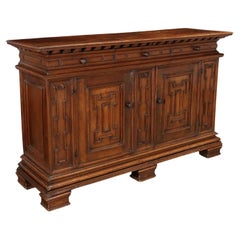
Reggiana sideboard Late 17th century
By Non-Standard Furniture and Lighting
Located in Milano, IT
Walnut sideboard with decorated front in under-top band with small architectural shelves, 3 drawers decorated with parallelepiped carvings, and 2 doors below decorated with geometric...
Category
Antique Late 17th Century Italian Other Credenzas
Materials
Nutwood
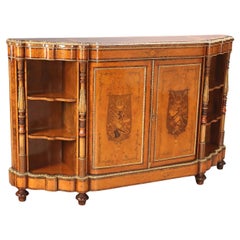
Servante Inglese XIX Secolo
By Non-Standard Furniture and Lighting
Located in Milano, IT
Servante impiallacciato in radica di acero, noce e mogano. Ante frontali ricurve con intarsio centrale in essenze varie, rappresentante strumenti musicali, fianchi scantonati con tr...
Category
Antique 19th Century English Other Buffets
Materials
Mahogany, Maple, Nutwood
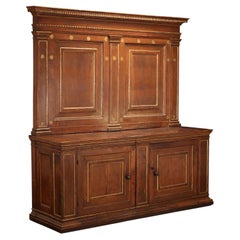
Credenza con Alzata, Italy 17th century
By Non-Standard Furniture and Lighting
Located in Milano, IT
Seventeenth-century sideboard with a two-door front surmounted on the top by decorative riser; The entire cabinet is made of walnut-covered gattice wood, tripartite by wide pilasters...
Category
Antique 17th Century Italian Other Credenzas
Materials
Nutwood
You May Also Like
Fine French Transition Louis XV XVI Style Chest Sideboard
Located in Forney, TX
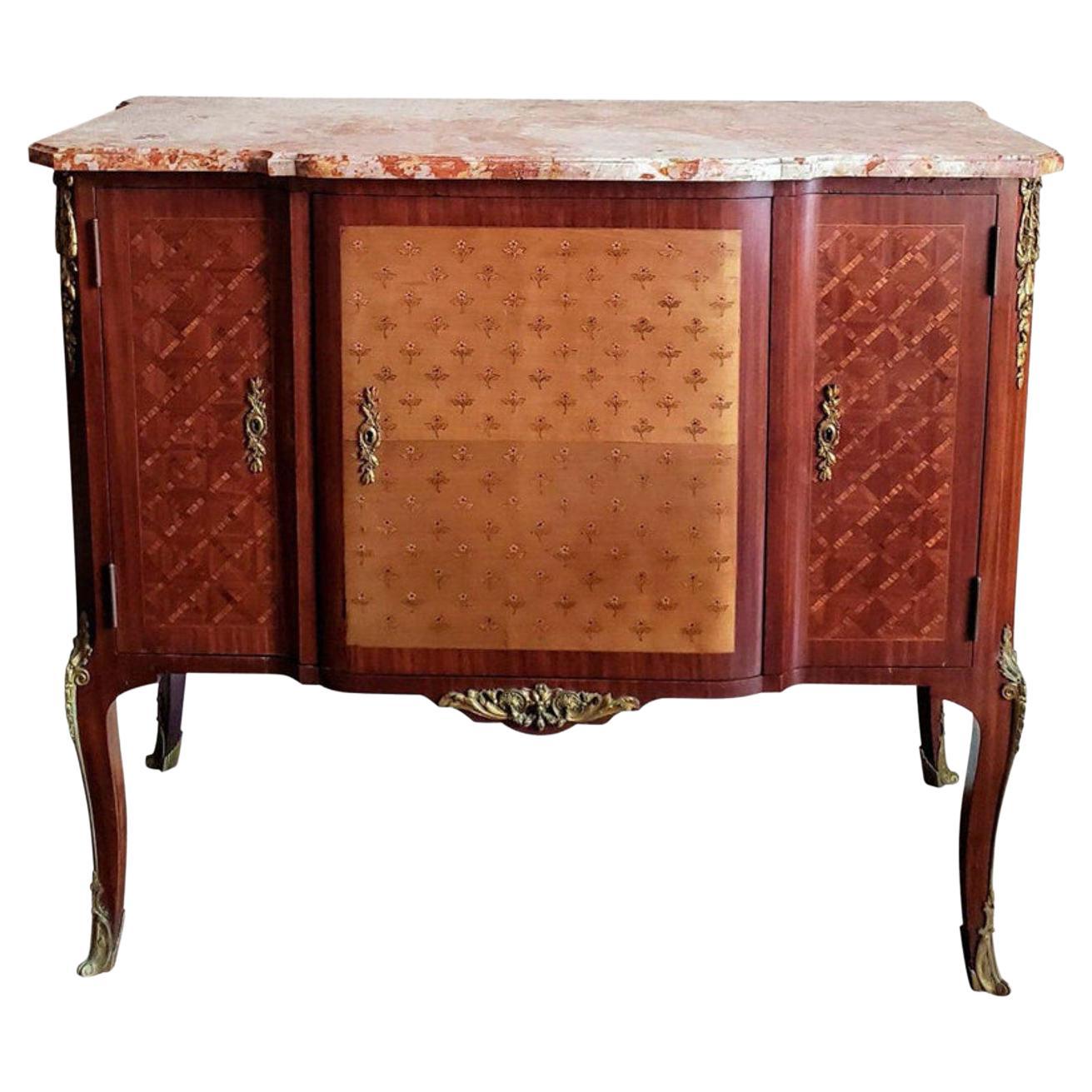
A stunning, rare, and very fine quality French Transitional Louis XV - Louis XVI style mahogany inlaid marble-top chest after Jean-François Oeben / Jean-Henri Riesener.
Exquisitely hand-crafted in France, born in the late 19th / early 20th century, exceptionally executed Parisian work, retaining the original shaped marble top with contoured molded edge, over conforming solid mahogany case extensively inlaid with rich floral decoration and geometric trompe l'oeil marquetry-work. Embellished with finely sculpted and chisled gilt bronze ormolu mounts, the case fitted with three high quality locking bar mounted cabinet doors, each adorned with matched ornate escutcheon and opening thanks to the original keys, revealing a mahogany finished interior with single shelf. Featuring rare and exotic woods inlaid, all rising on bronze mounted transitional cabriole legs, ending in the finest quality patinated bronze sabots.
Its three doors do not interfere with its delicate marquetry with decorations of geometric cubes and beautiful flowers on gilt gold ground, its two flat uprights with cut sides inviting finesse and harmony, while its bronzes, with antique motifs indicate the return to refined classic taste.
A fine example of the Transition style, this chest subtly combines Louis XV marquetry with shapes that are already more rectilinear. From the middle of the 18th century, certain French artists, at the head of which the architects Blondel and Contant d'Ivry as well as the painter Louis-Joseph Le Lorrain, rose up against the excesses of the rococo style and advocated a calming of lines by the use of classical or even ancient principles. If the "Greek" style was too categorical a response to these requests, the Transition style, soon launched by the Marquis de Marigny, brother of Madame de Pompadour and Minister of the Arts, was much more measured and appreciated. Dutch cabinetmaker Matthijs Horrix was also front and center, a leader a Transition style.
Celebrated ebanista Jean-François Oeben was one of the leaders of this new taste, with Jean-Henri Riesener following in the 19th century. Oeben a genius with inlay, he gave birth to several patterns, both sober and elegant, such as the marquetry of bottomless cubes, which was adopted by many of his colleagues including Jacques Dautriche and Charles Chevallier.
Jean-François Oeben was particularly known for his "Louis XV or Transition furniture, adorned with leaf veneers, flower inlays or geometric patterns", according to Pierre Kjellberg (Le Mobilier français du XVIIIe, éditions de l'Amateur, 1989). A small secretary in the Transition cabinet...
Category
Antique 19th Century French Louis XV Credenzas
Materials
Marble, Bronze, Ormolu
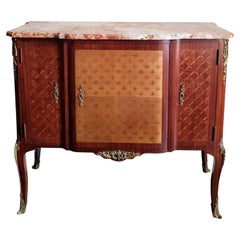
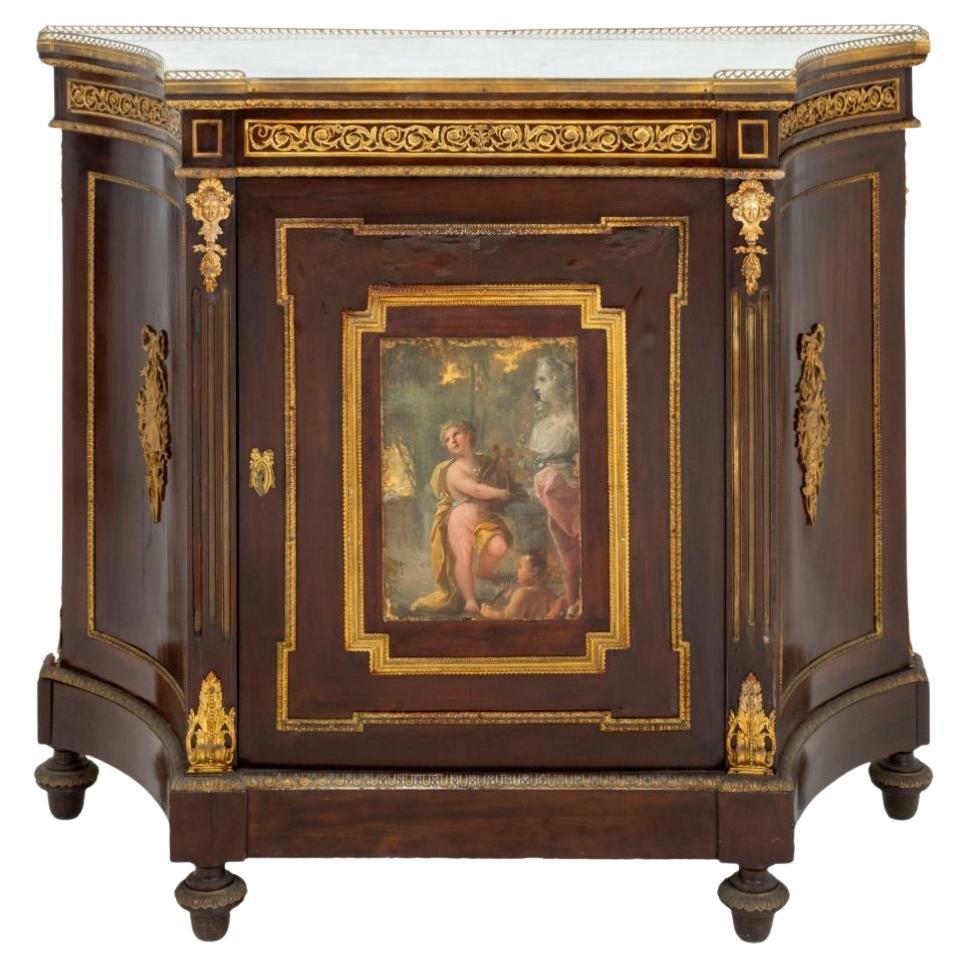
20th Century, Louis XVI Style Meuble D
appui Credenza Sideboard
Located in Berlin, DE
Credenza / Meuble d'Appui after Joseph Stockel and Guillaume Benneman in the style of Louis XVI. Easily modified model according to a design by Joseph Stockel and Guillaume Benneman....
Category
20th Century Louis XVI Sideboards
Materials
Marble, Bronze
$24,739 Sale Price
20% Off
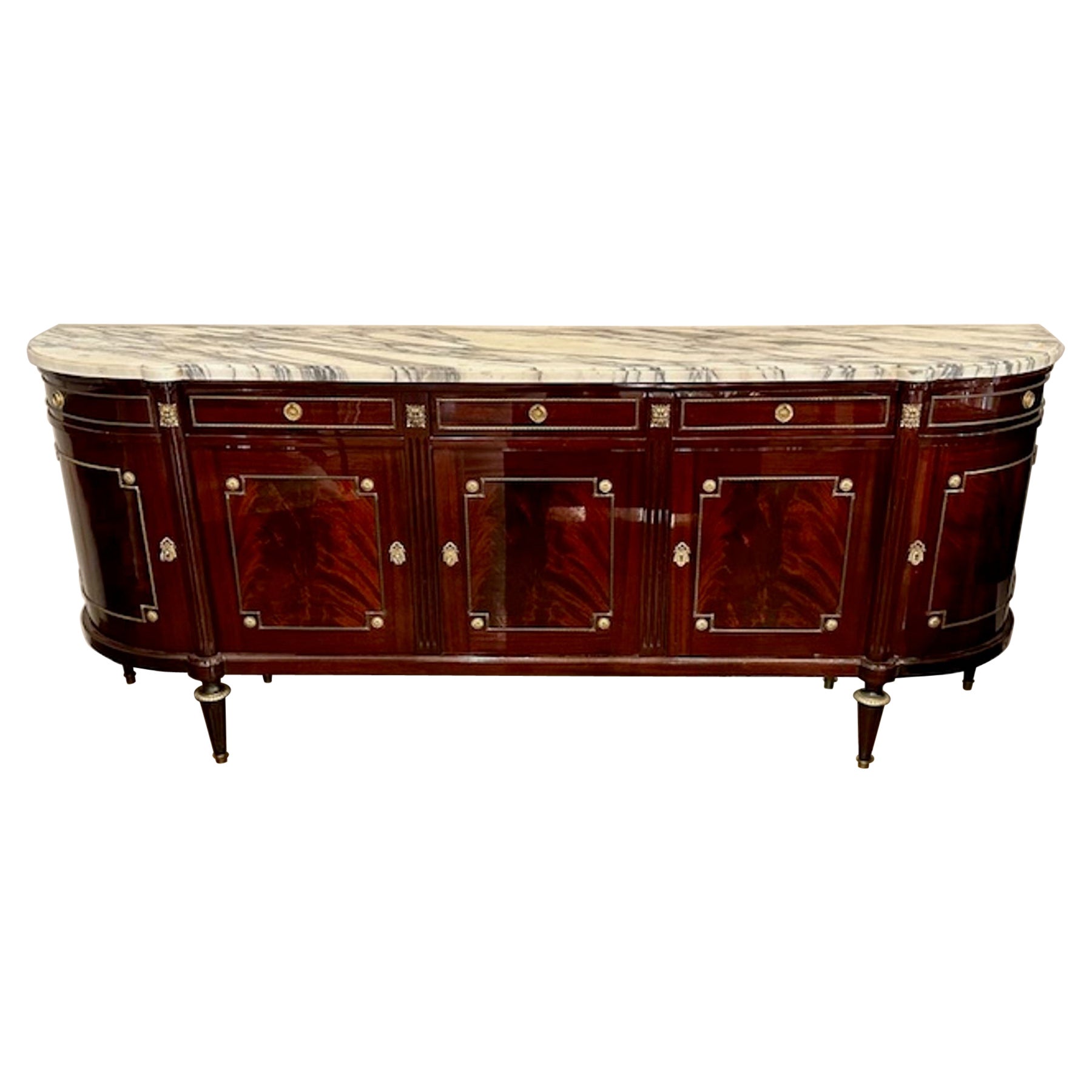
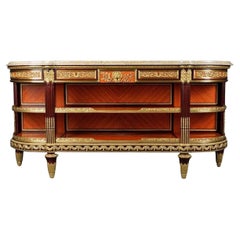
High Quality 20th Century Louis XVI style Mahogany sideboard by E.P. Ehalt
Located in Meulebeke, BE
France / 1950 / sideboard / E.P. Ehalt / mahogany wood, Carrara marble top, bronze details / Louis XVI
Stunning four doored sideboard designed by the French designer J.P. Ehalt in L...
Category
Mid-20th Century French Louis XVI Sideboards
Materials
Carrara Marble, Bronze
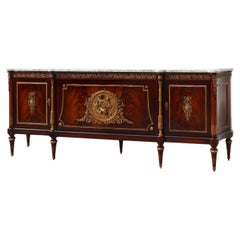
French Louis XVI Sideboard
Located in Dallas, TX
Fine French Louis XVI design flame mahogany and gilt brass sideboard. Circa 1940. Perfect for today's transitional designs!
Category
Vintage 1940s Sideboards
Materials
Marble
$10,240 Sale Price
20% Off
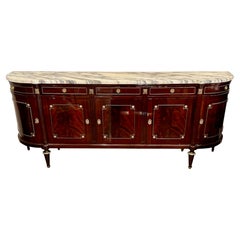
20th Century Louis XVI Style Commode/Chest of Drawers after Jean Henri Riesener
Located in Berlin, DE
Bronze, gilded or partly dark patinated. Marble plate, over three frying chunks and a large two-thirds chimney door, with amaranth, bergahorn and colorful fruitwood inserted front an...
Category
20th Century French Louis XVI Commodes and Chests of Drawers
Materials
Marble, Bronze
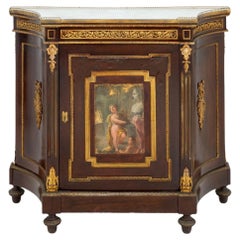
Louis XVI Style Gilt Metal Mahogany Meuble d
Appui
Located in Astoria, NY
Louis XVI Style Gilt Metal Mounted Mahogany and White Marble Top Meuble d'Appui, late 19th century, fitted with a central cupboard enclosing two shelves. 44" H x 50" W x 19" D. Keywo...
Category
Antique Late 19th Century European Louis XVI Credenzas
Materials
Metal
$1,800 Sale Price
23% Off