Secretaires
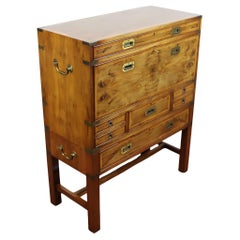
Mid-20th Century British Campaign Secretaires
Brass
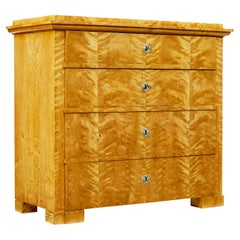
Mid-19th Century Swedish Biedermeier Antique Secretaires
Birch, Pine
Mid-19th Century Danish Scandinavian Modern Antique Secretaires
Iron

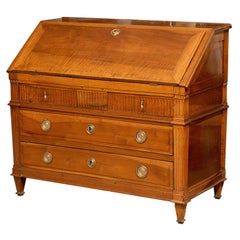
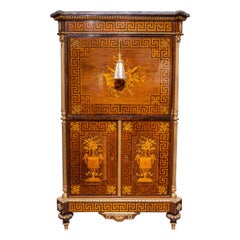
Late 18th Century French Louis XVI Antique Secretaires
Brass
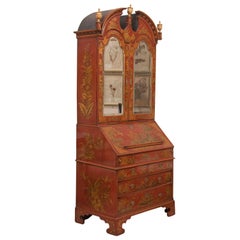
18th Century English Antique Secretaires
Wood
1750s German Baroque Antique Secretaires
Walnut
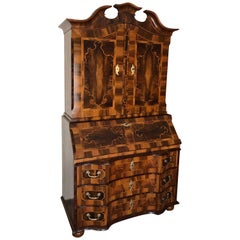
Mid-20th Century Danish Country Secretaires
Oak
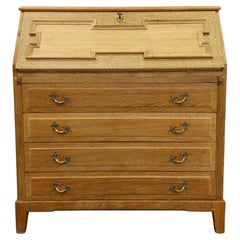
19th Century French Napoleon III Antique Secretaires
Marble
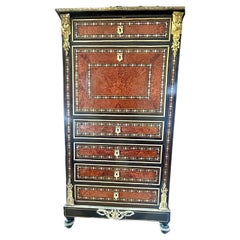
Early 20th Century English Edwardian Secretaires
Walnut
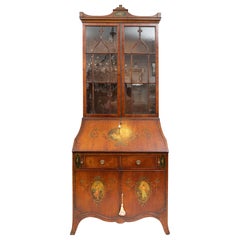
1940s French Directoire Vintage Secretaires
Carrara Marble, Bronze
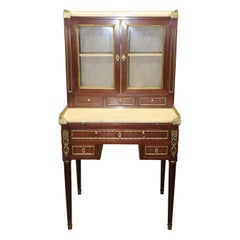

19th Century Italian Baroque Antique Secretaires
Precious Stone, Wood
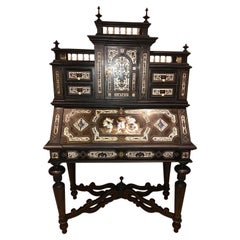
19th Century French Napoleon III Antique Secretaires
Brass
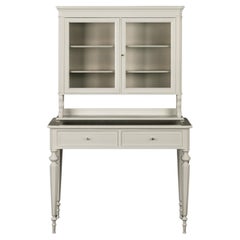
21st Century and Contemporary Queen Anne Secretaires
Wood
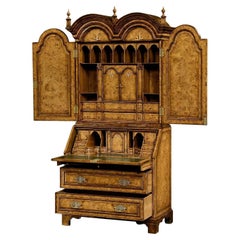
Late 18th Century German Louis XVI Antique Secretaires
Maple, Walnut
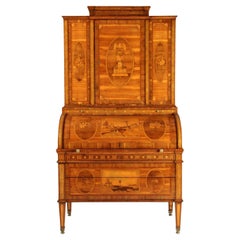
18th Century Italian Rococo Antique Secretaires
Metal, Brass
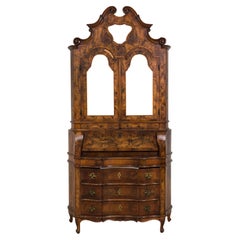
1970s French Mid-Century Modern Vintage Secretaires
Brass, Chrome
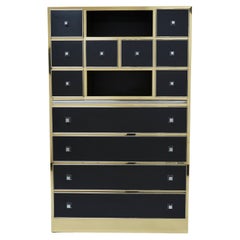
1960s Swedish Vintage Secretaires
Brass
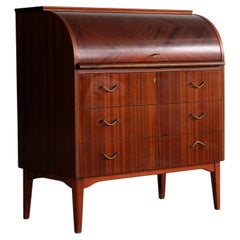
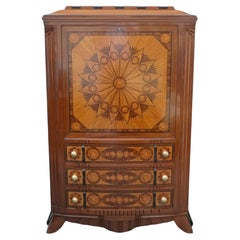
1920s Art Deco Vintage Secretaires
Macassar, Oak, Satinwood
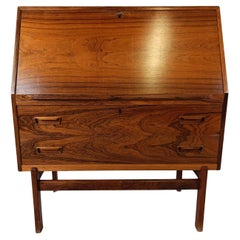
1960s Danish Mid-Century Modern Vintage Secretaires
Wood
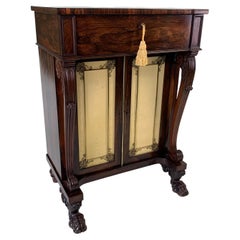
Early 19th Century English Regency Antique Secretaires
Rosewood
Late 18th Century Spanish Antique Secretaires
Pine
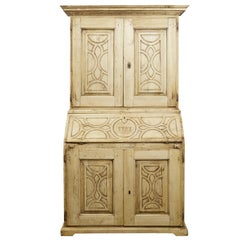
18th Century French French Provincial Antique Secretaires
Bronze
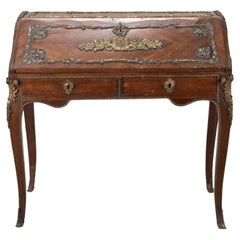
19th Century French Louis XVI Antique Secretaires
Oak
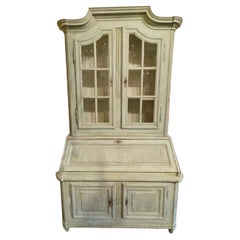
Early 18th Century European Louis XIV Antique Secretaires
Bronze
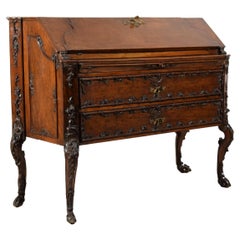
Late 18th Century Antique Secretaires
Wood
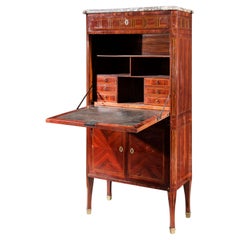
19th Century French Neoclassical Antique Secretaires
Bronze
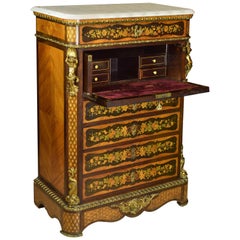
1790s German Louis XVI Antique Secretaires
Bronze
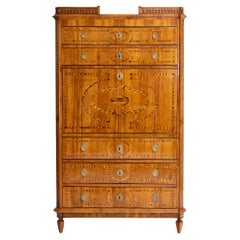
Late 18th Century North American Victorian Antique Secretaires
Cherry
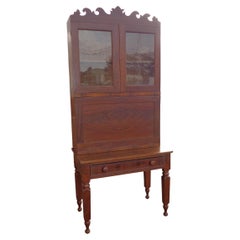
1750s German Baroque Antique Secretaires
Walnut
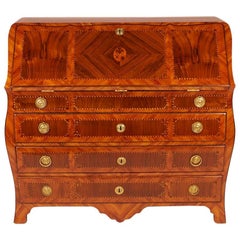
18th Century European Louis XV Antique Secretaires
Wood
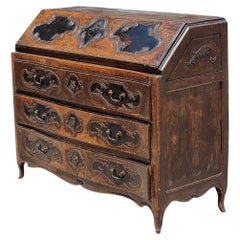
19th Century Antique Secretaires
Bone, Ebony
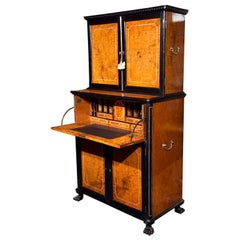
19th Century Czech Biedermeier Antique Secretaires
Walnut
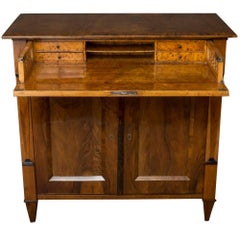
19th Century Regency Antique Secretaires
Brass
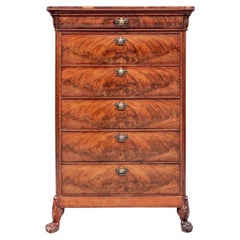
18th Century German Biedermeier Antique Secretaires
Wood
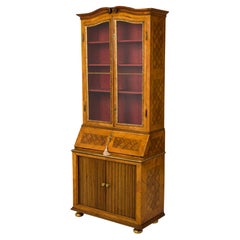
1780s Italian Neoclassical Antique Secretaires
Brass, Wrought Iron
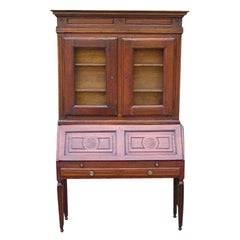
20th Century Country Secretaires
Brass
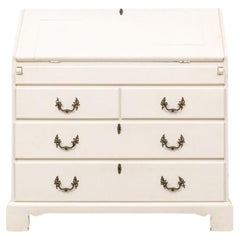
Mid-19th Century Swedish Country Antique Secretaires
Pine
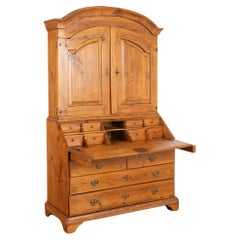
2010s Italian Neoclassical Secretaires
Wood
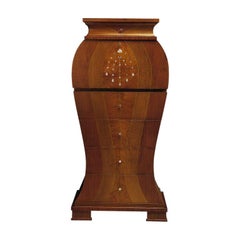
Late 18th Century French Louis XVI Antique Secretaires
Marble
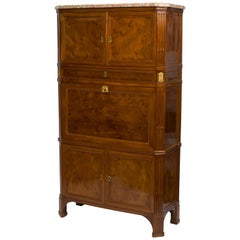
Early 19th Century English Georgian Antique Secretaires
Mirror, Walnut
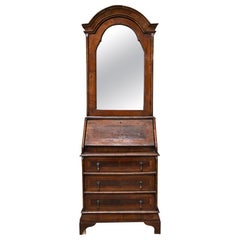
20th Century American Mid-Century Modern Secretaires
Aluminum
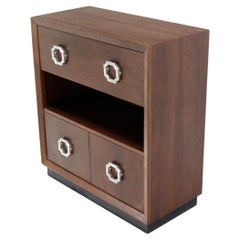
20th Century French Empire Secretaires
Mahogany
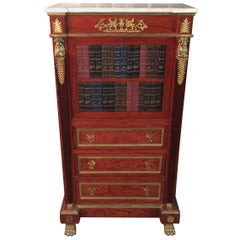
Mid-19th Century French Napoleon III Antique Secretaires
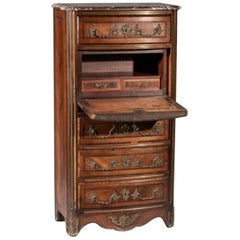
Early 19th Century German Biedermeier Antique Secretaires
Bronze
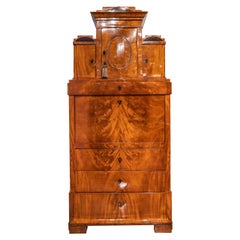
Late 19th Century Unknown Biedermeier Antique Secretaires
Walnut
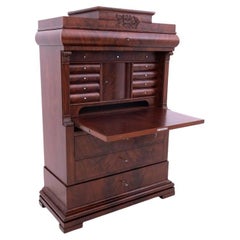
1950s Danish Scandinavian Modern Vintage Secretaires
Brass
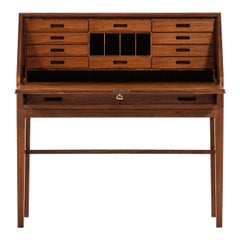
Early 1900s Victorian Antique Secretaires
Brass
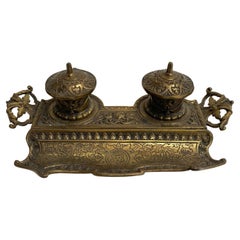
19th Century Swedish Gustavian Antique Secretaires
Wood
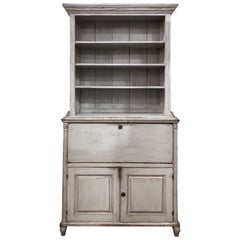
Mid-20th Century American Rococo Secretaires
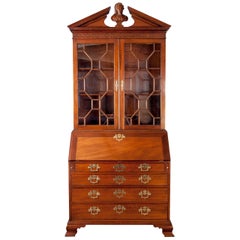
19th Century English Antique Secretaires
Bronze
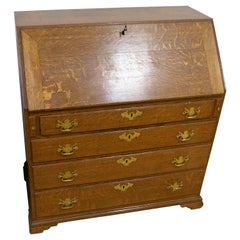
Early 19th Century Antique Secretaires
Nutwood
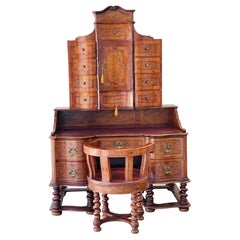
1820s Danish Empire Antique Secretaires
Mahogany
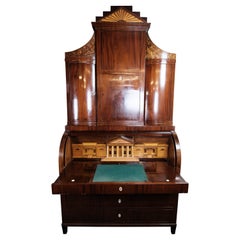
1870s French Louis XV Antique Secretaires
Rosewood
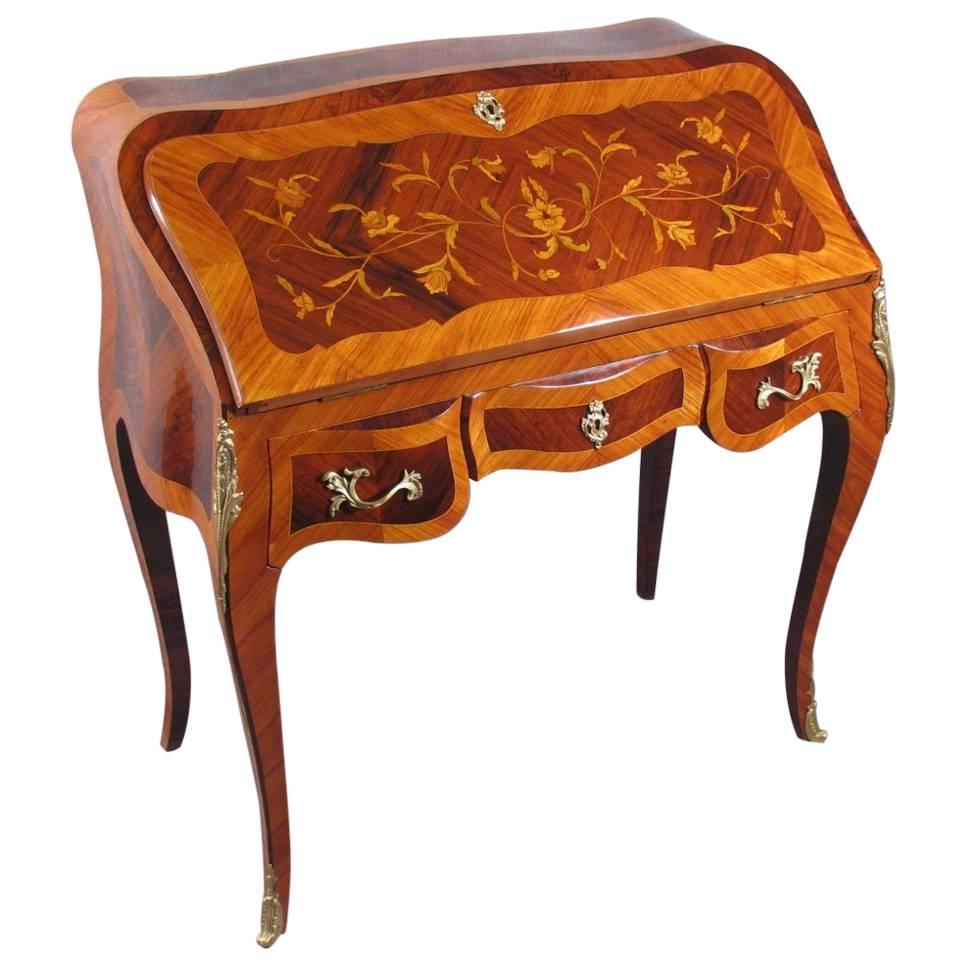
18th Century French Louis XV Antique Secretaires
Bronze

Mid-19th Century Scandinavian Biedermeier Antique Secretaires
Walnut
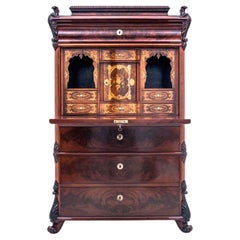
Early 20th Century European Secretaires
Mirror, Mahogany, Pine
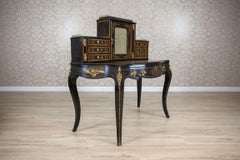
Early 1900s British Mid-Century Modern Antique Secretaires
Oak
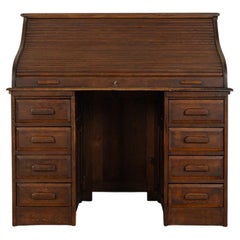
1770s French Louis XV Antique Secretaires
Kingwood
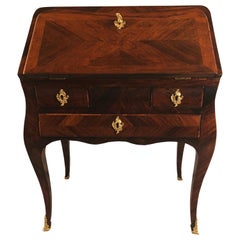
Late 19th Century French Louis XVI Antique Secretaires
Bronze
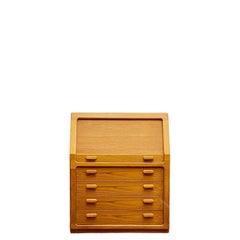
1960s Danish Mid-Century Modern Vintage Secretaires
Teak
Antique, New and Vintage Secretaires
Your antique, new or vintage secretary desk has become the (chic) saving grace of the "new normal" at home.
Simply put, a secretary desk is a multifunctional piece of furniture with a hinged writing surface that folds open or drops down. When the leaf is folded out, small inner storage compartments — pigeonholes, cubbies, recesses or drawers — are revealed.
Traditionally, a secretary is composed of two parts — a chest of drawers on the bottom and a cabinet with shelves on the top. Taking its name from the French word for the piece, secrétaire, the secretary desk dates back to the 18th century, when Paris-based cabinetmaker Jean-François Oeben, known for his exquisite marquetry and clever mechanical desks, is thought to have invented the secrétaire à abbattant, or drop-leaf desk.
While the defining drop-down feature of the secretary desk has remained constant, the materials used, as well as its configuration, size and style have evolved over time.
At first, secretaries were typically made from exotic woods, like rosewood, tulipwood and kingwood; later, hardwoods like cherry, maple, oak and mahogany were more common. The desks also became lighter, with space carved out of the lower half for the writer’s feet or with drawers replaced by legs — making them more table-like.
When open, the secretary is a dynamic, versatile Wunderkammer. When closed, it’s a sophisticated, space-saving piece of furniture.
“A fine secretary with a good provenance adds stature and credence to its owner — it is a cornerstone piece,” says antiques dealer Stanley Weiss, who specializes in 18th- and 19th-century English and American furniture. “In this disposable world, fine furniture is always passed on and speaks to who its owner is.”
No matter what style or period you choose, and no matter how you decide to use it, the timeless, flexible secretary desk is bound to become an indispensable part of your daily routine.
Browse a range of antique and vintage secretary desks on 1stDibs, including mid-century modern secretaires, Georgian secretaires and others.