Classical Roman Furniture
During Mount Vesuvius’ eruption in 79 A.D., Pompeii and Herculaneum in today’s Italy were preserved as they were on the day of their destruction. Particularly at Herculaneum, furnishings were carbonized beneath volcanic ash. This was pivotal to understanding how Classical Roman furniture was designed. Archaeological investigations and printed reproductions of discoveries would influence styles evoking this ancient civilization, from the Renaissance to neoclassicism.
While knowledge of Classical Roman furniture comes from rare surviving pieces, it is also derived from frescoes and sculptures portraying Roman life. Much of Roman art, architecture and design was informed by Greece — Roman architect, military engineer and writer Marcus Vitruvius Pollio, whose timeless De architectura is taught in contemporary architecture classes and pays tribute to classical architecture, visited Greece while working under Julius Caesar and admired the country’s architectural developments. The Roman solium references the Greek thronos, a stately chair of honor with an upright form and footstool. As the Roman Empire spread across Europe and into North Africa and Western Asia, the expansion of trade for silver, silk, marble and wood allowed for more luxurious designs.
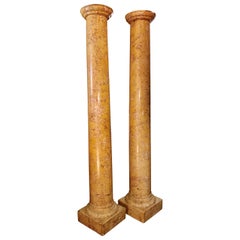
Classical Roman furniture was made from bronze, wood and stone — in particular, marble — with ornate touches like tortoiseshell veneers, bone and glass inlays and claw feet. Ornaments depicting lion heads and mythological figures were sculpted from silver, bronze and ivory. Compared to the decorative attention given to the mosaic floors and wall paintings, however, furniture for even a wealthy house was minimal. It focused on the necessities for guests arriving for both socializing and business and the rooms housing family, relatives and enslaved people.
The triclinium dining room had banquet couches, items so prized they were sometimes interred with the deceased. Tall bronze or terracotta candelabras held oil lamps for lighting. Carved marble tables reflected status, while the lararium home shrine demonstrated faith.
Find a collection of Classical Roman decorative objects, tables, seating and other furniture on 1stDibs.
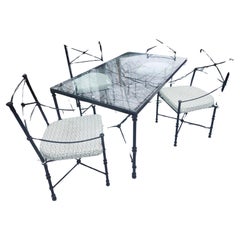
Mid-20th Century American Classical Roman Furniture
Plaster, Gesso
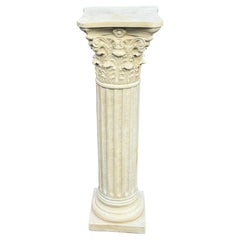
Mid-20th Century Italian Classical Roman Furniture
Brass
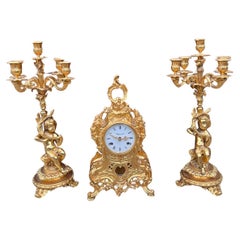
1940s Italian Vintage Classical Roman Furniture
Ceramic
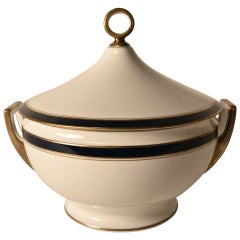
20th Century Classical Roman Furniture
Wood

Early 20th Century American Classical Roman Furniture
Plaster
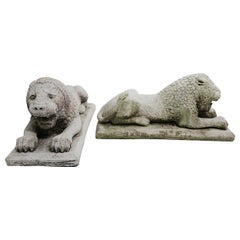
Late 20th Century British Classical Roman Furniture
Resin
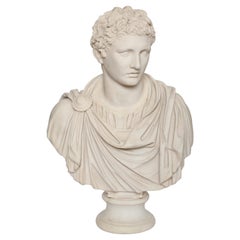

20th Century Indonesian Classical Roman Furniture
Wood
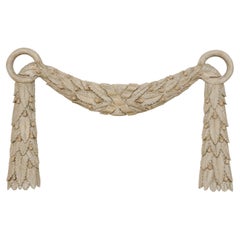
1950s Unknown Vintage Classical Roman Furniture
Concrete, Cement
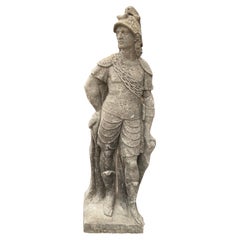
Mid-20th Century Italian Classical Roman Furniture
Ceramic
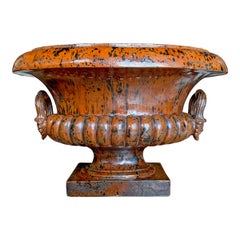
1940s French Vintage Classical Roman Furniture
Marble

Mid-20th Century Italian Classical Roman Furniture
Marble, Bronze

Early 20th Century French Classical Roman Furniture
Marble, Bronze

1920s Italian Vintage Classical Roman Furniture
Marble

1950s French Vintage Classical Roman Furniture
Plaster
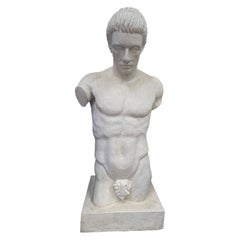
20th Century Classical Roman Furniture
Leather, Sheepskin
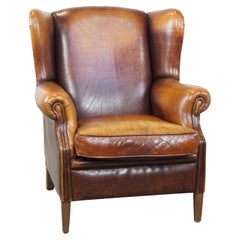
1990s Italian Classical Roman Furniture
Marble

1940s Italian Vintage Classical Roman Furniture
Bronze
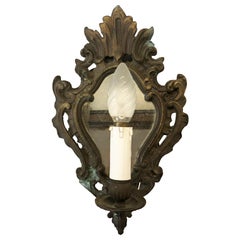
Early 20th Century Italian Classical Roman Furniture
Bronze
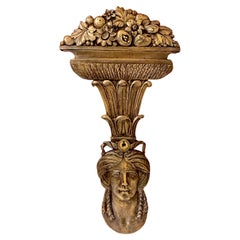
20th Century Unknown Classical Roman Furniture
Yarn
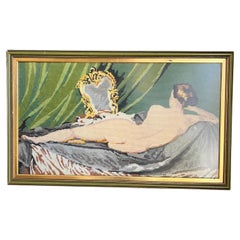
1920s Italian Vintage Classical Roman Furniture
Plaster
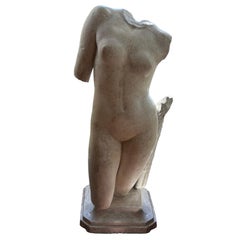
Early 20th Century French Classical Roman Furniture
Bronze
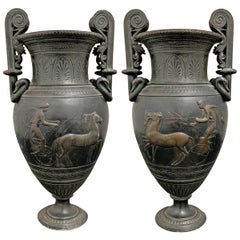
Early 20th Century British Classical Roman Furniture
Brass, Wrought Iron
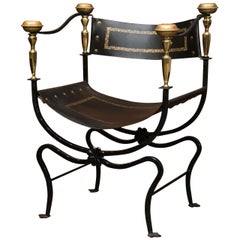
Early 20th Century Italian Classical Roman Furniture
Hardwood, Giltwood
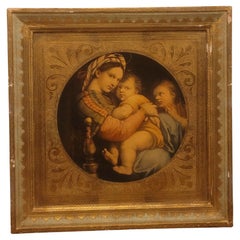
20th Century French Classical Roman Furniture
Bronze
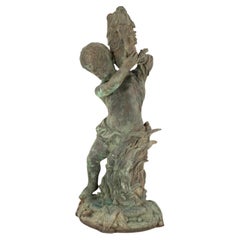
Mid-20th Century American Classical Roman Furniture
Metal

Early 20th Century Italian Classical Roman Furniture
Plaster
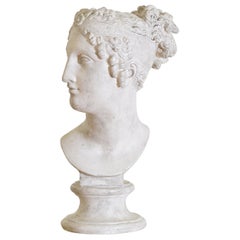
1930s Italian Vintage Classical Roman Furniture
Ceramic
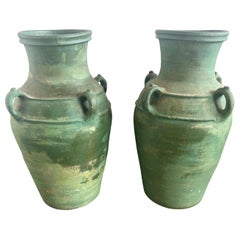
1950s German Vintage Classical Roman Furniture
Cast Stone
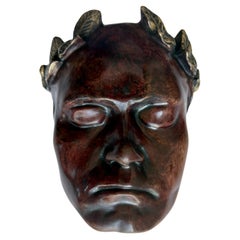
Mid-20th Century Unknown Classical Roman Furniture
Metal
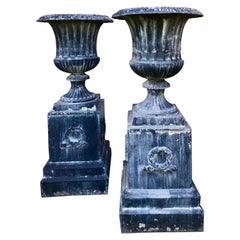
Late 20th Century Italian Classical Roman Furniture
Marble
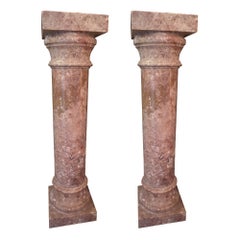
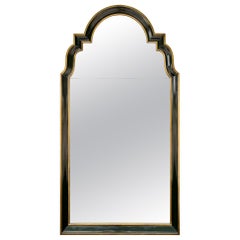
Mid-20th Century American Classical Roman Furniture
Mirror, Mahogany, Giltwood, Paint
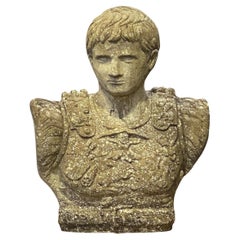
Early 20th Century American Classical Roman Furniture
Marble

20th Century English Classical Roman Furniture
Cast Stone
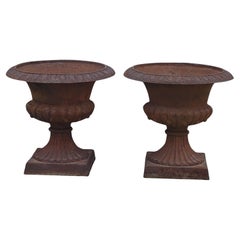
Early 20th Century American Classical Roman Furniture
Metal, Iron
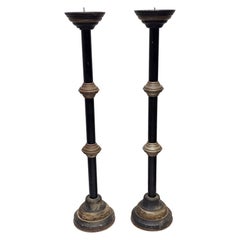
Early 20th Century French Classical Roman Furniture
Metal

Mid-20th Century Unknown Classical Roman Furniture
Iron
1910s Italian Vintage Classical Roman Furniture
Ceramic
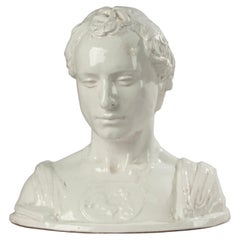
1960s Italian Vintage Classical Roman Furniture
Plaster, Boxwood

20th Century Classical Roman Furniture
Ceramic
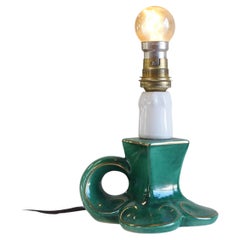
1920s Italian Vintage Classical Roman Furniture
Murano Glass

20th Century Classical Roman Furniture
Upholstery, Walnut
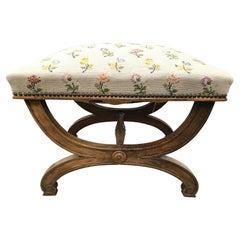
Early 20th Century Italian Classical Roman Furniture
Marble
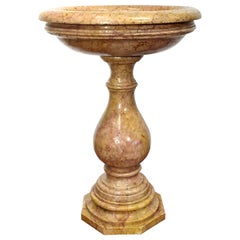
Mid-20th Century Italian Classical Roman Furniture
Brass, Steel
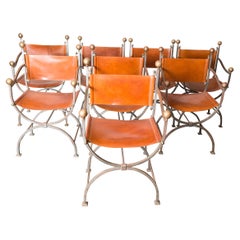
1960s German Vintage Classical Roman Furniture
Metal
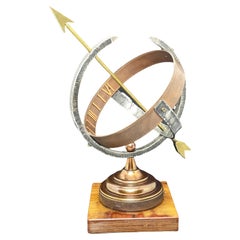
Early 20th Century Italian Classical Roman Furniture
Fabric, Wood
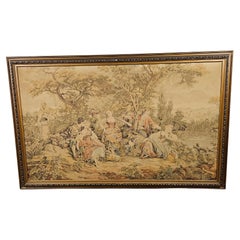
Early 1900s German Antique Classical Roman Furniture
Marble

20th Century European Classical Roman Furniture
Stone, Bronze

20th Century English Classical Roman Furniture
Cast Stone

Early 1900s Italian Antique Classical Roman Furniture
Copper, Wrought Iron
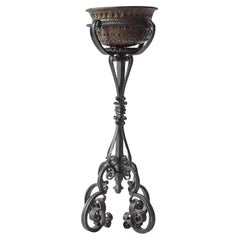
Early 20th Century European Classical Roman Furniture
Stone
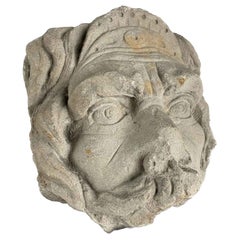
Early 20th Century Italian Classical Roman Furniture
Carrara Marble
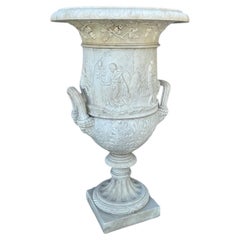
1980s Italian Vintage Classical Roman Furniture
Velvet
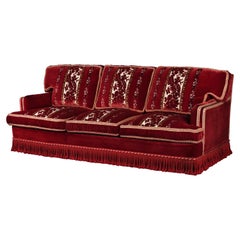
Early 20th Century American Classical Roman Furniture
Paper

Early 20th Century Italian Classical Roman Furniture
Marble
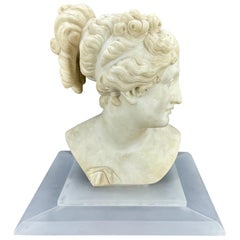
Mid-20th Century Italian Classical Roman Furniture
Scagliola
Early 20th Century Unknown Classical Roman Furniture
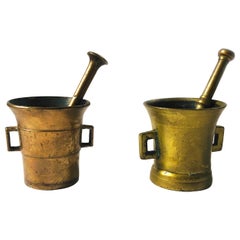
Brass
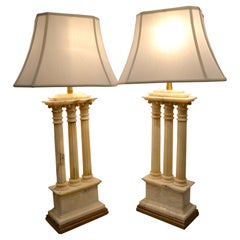
Mid-20th Century Italian Classical Roman Furniture
Alabaster
20th Century Classical Roman Furniture
Leather, Sheepskin

1970s Vintage Classical Roman Furniture
Metal, Iron
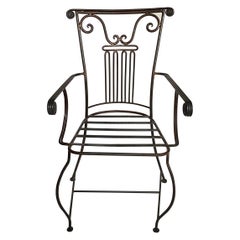
1940s American Vintage Classical Roman Furniture
Iron