Empire Furniture

EMPIRE STYLE

From 1804–15, Napoléon I reigned as the emperor of France, bringing the country into a new era of opulence after the fall of the monarchy and the tumultuous years of the French Revolution. He declared, “We must have very solid things, made to last 100 years.” Empire-style furniture followed suit, with imposing pieces constructed from mahogany and adorned with gilded ornaments. Expanding on the neoclassicism popularized in the previous century — such as in ​​Louis XVI style — Empire style borrowed from the great civilizations of antiquity, from Egypt to Greece and Rome, to connect this nascent empire to the power of the past.

Napoléon I believed the production of fine furniture would reflect the stature of the republic, with his official architects Charles Percier and Pierre-François-Léonard Fontaine leading the way with their work on his residences.

Luxurious materials, symmetrical shapes and bold colors characterize antique Empire-style bedroom furniture, armchairs, cabinets and other structures, with frequent motifs including mythological creatures, geometric designs, acanthus leaves, eagles, bees (the imperial emblem) and swans, a favorite of Empress Joséphine.

Flat surfaces, like marble tabletops, were accented with decadent details, such as the bronze furniture mounts made by sculptor Pierre-Philippe Thomire for the French palaces. Martin-Guillaume Biennais, who worked as the imperial goldsmith, crafted intricate luxury objects that mixed wood, fine metal, mother-of-pearl and ivory. Ormolu — or elaborate bronze gilding — was essential to French design in the 18th and 19th centuries as a cornerstone of the neoclassical and Empire styles.

The style became popular abroad, influencing the American Empire style. Stately pieces carved with sprigs of olives by cabinetmaker Pierre-Antoine Bellange were acquired by American President James Monroe for the White House in 1817.

Find a collection of antique Empire tables, lighting, seating and other furniture on 1stDibs.

to
752
2,719
2,015
4,713
106
94
198,576
115,352
44,195
33,259
16,584
12,241
10,871
10,846
9,983
8,923
7,347
6,665
6,489
6,392
6,245
6,160
4,913
3,747
244
3,047
1,422
200
491
353
220
106
15
84
50
46
48
78
53
53
23
2,685
2,011
1,467
1,003
821
4,022
2,752
411
282
242
4,913
4,869
4,891
45
33
19
18
13
Style: Empire
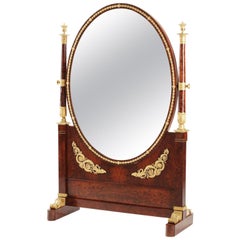
French Napoleon III Empire Style Mahogany and Ormolu Mounted Cheval Mirror
Located in Los Angeles, CA
A very fine French 19th century Napoleon III Empire style mahogany and ormolu-mounted freestanding Cheval swiveling mirror. The oval framed mirror plate surmounted with Empire style ...
Category

19th Century French Antique Empire Furniture

Materials

Ormolu, Bronze

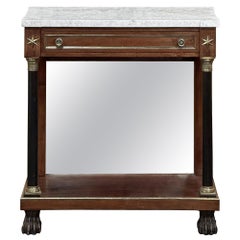
Early 19th Century French Empire Period Marble Top Console ~ Pier Table
Located in Dallas, TX
Early 19th Century French Empire Period Marble Top Console ~ Pier Table is an amazing example of the style that launched a revolution felt around the Western World. Highly talented ...
Category

1820s French Antique Empire Furniture

Materials

Carrara Marble, Bronze

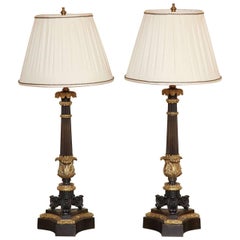
Pair of Charles X Ormolu and Bronze Candelabra Lamps
Located in New York, NY
With acanthus-wrapped fluted columns on scroll-form feet and triangular base. Lamp shades not included. Height to socket is 20" - height can be adjusted with different harps.
Category

1830s French Antique Empire Furniture

Materials

Bronze

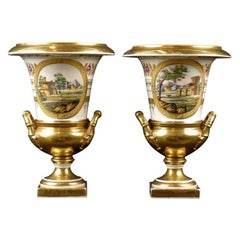
Pair of Empire Period Porcelain Campana Vases, Parisian, circa 1815
Located in Atlanta, GA
A fine pair of Paris porcelain vases, designed in campana form with the front featuring circular vignettes with landscape scenes, on the reverse are framed musical trophies created t...
Category

19th Century French Antique Empire Furniture

Materials

Porcelain

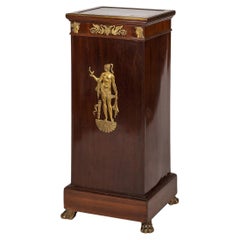
19th Century French Empire Style Ormolu Mounted Wood Marble Pedestal, C.1890
Located in Royal Tunbridge Wells, Kent
Antique late 19th century French ormolu mounted Empire-style pedestal, cast and figurine depicting a Greek goddess along with sculpted heads overlaid with flora. The middle design de...
Category

19th Century French Antique Empire Furniture

Materials

Marble, Ormolu

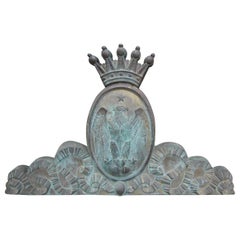
Imperial Crest Antique Shield Coat of Arm Wall Plaque Armorial LA Antique Dealer
Located in West Hollywood, CA
Imperial Crest Antique Shield Coat of Arm Wall Plaque Armorial LA Antique Dealer , Beautiful Early 19th century Heavy Bronze Imperial Armorial Armoirie Coat...
Category

Early 19th Century European Antique Empire Furniture

Materials

Bronze

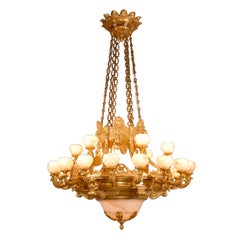
Antique Chandelier. Imposing giltwood and alabaster chandelier
Located in Atlanta, GA
Magnificent giltwood and alabaster Russian chandelier in the Empire style
Category

Early 20th Century Russian Empire Furniture

Materials

Alabaster

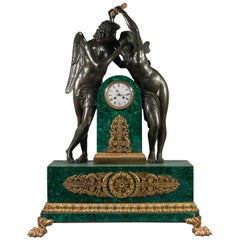
Monumental French Gilt and Patinated Bronze Malachite Clock
Located in Tarzana, CA
A very large and impressive 19th century Empire style gilt and patinated bronze malachite mantel clock depicting 'Psyche Crowning Cupid.' Psyche crown...
Category

19th Century European Antique Empire Furniture

Materials

Malachite, Bronze

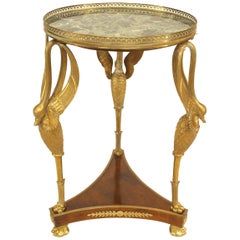
French Empire Guéridon and Marble Table
Located in Queens, NY
French Empire-style (19th Century) mahogany and bronze guéridon table on triple swan leg platform with stretcher, gallery, and green marble top.
Category

19th Century French Antique Empire Furniture

Materials

Bronze

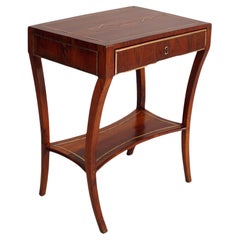
1700s Venetian Empire Work Table, Walnut , extensively decorated in brass inlay
Located in Vigonza, Padua
Venetian Empire work table in walnut, saber legs, early 18th century with brass inlays. A real gem. He belonged to a noble Venetian family, in the Palladian country Residence. It was...
Category

18th Century Italian Antique Empire Furniture

Materials

Brass

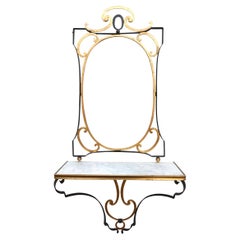
Elegant Polladio of Italy Sculpted Iron Mirror with Wall Console Table
Located in Las Vegas, NV
1960s signed "Palladio" of Italy wall-mounted Carrara marble console table with mirror. Elegant piece sculpted of iron with gold gilded paint. Fabulous foyer piece.       
Category

1960s Italian Vintage Empire Furniture

Materials

Carrara Marble, Metal

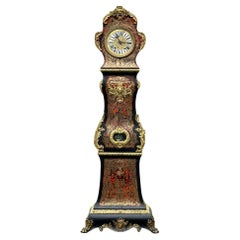
Antique French Napoleonic Boulle Marquetry Longcase Clock c. 1800
Located in Westfield, MA
Embark on a journey through time with this striking Antique French Napoleonic Boulle Marquetry Longcase Clock, crafted around the year 1800. This magnificent timepiece is a testament...
Category

Early 1800s French Antique Empire Furniture

Materials

Brass

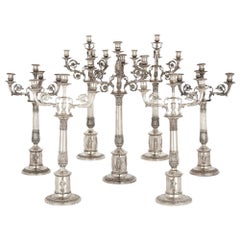
German Empire Period Seven-Piece Silver Candelabra Set
Located in London, GB
German empire period seven-piece silver candelabra set German, circa 1810 Meaures: Largest: Height 66.5cm, diameter 30cm Smallest: Height 51cm, width ...
Category

Early 19th Century German Antique Empire Furniture

Materials

Silver

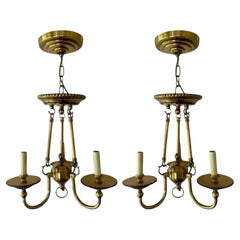
Pair Traditional Style Brass Chandeliers
Located in New York, NY
Pair of traditional style brass chandeliers. Three arms each. Nice cast details. Very good quality, heavy for size. Nice petite size, 14" diameter x 22" long overall, including chain...
Category

20th Century Empire Furniture

Materials

Brass

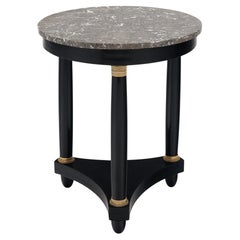
Empire Style Gueridon Side Table
Located in Austin, TX
Gueridon side table from France in the Empire style. This piece has three column legs each adorned with brass detailing at the top and bottom. The base has been ebonized and finished...
Category

1920s French Vintage Empire Furniture

Materials

Marble, Brass

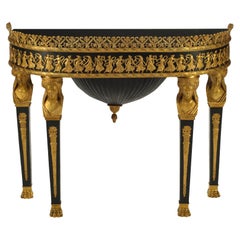
French Empire Style Console Jardinere, 19th Century
Located in El Monte, CA
This unique French Empire-stye console table, which also functions as a jardinere, is a masterpiece of neoclassical design infused with Empire motifs. Featuring a demilune shape, the...
Category

19th Century French Antique Empire Furniture

Materials

Marble, Bronze

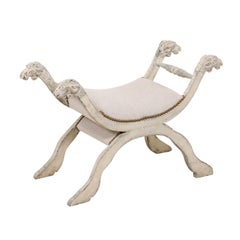
Italian Midcentury Empire Style Painted and Upholstered Bench with Ram Heads
Located in Atlanta, GA
An Italian midcentury Empire style painted bench with carved ram heads and new upholstery. This exquisite Italian painted bench features a nicely curved seat that has been recovered ...
Category

Mid-20th Century Italian Empire Furniture

Materials

Upholstery, Wood

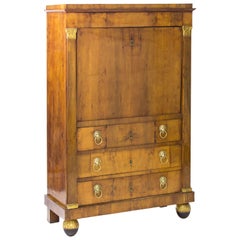
19th Century French Empire Walnut Fall-Front Secretaire
Located in Southampton, NY
Grey marble top above a single long drawer, two columns with gilded detailing on either side of fall-front desk enclosing six small drawers surrounding one larger drawer and original...
Category

Early 19th Century French Antique Empire Furniture

Materials

Leather, Walnut, Giltwood

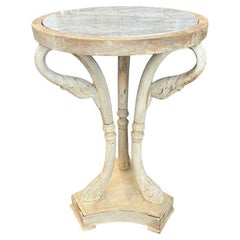
Bleached Fruitwood French Swan Leg Side Table
Located in Houston, TX
This bleached fruitwood French swan leg side table from the early 20th century showcases elegant craftsmanship with its gracefully curved legs resembling swan necks and inset Carrara...
Category

Early 20th Century French Empire Furniture

Materials

Fruitwood

Early Mid-Century Empire Style Black and Gild Greek Key Mirror
Located in Wichita, KS
Large and impressive mirror from mid-century with black paint and gilded Greek key. The mirror has a large and deep frame molding. To view all of our listings at Tiffany Farha De...
Category

Mid-20th Century French Empire Furniture

Materials

Mirror, Wood

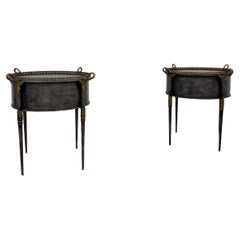
Pair of Trouvailles Metal and Brass Side Tables with Swan Necks and Doors, Frenc
Located in Los Angeles, CA
A PAIR OF FRENCH PATINATED STEEL AND PARCEL-GILT GUERIDONS Each with removable galleried top above two cupboards on turned legs headed by swan-neck-shaped handles 21½ in. (57 cm.) h...
Category

Mid-20th Century Italian Empire Furniture

Materials

Gold Plate, Brass, Steel

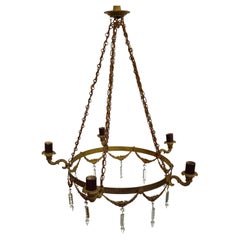
antique empire chandelier
Located in Kiel, SH
high decorative antique bronze candelier from the empire. I guess the chandelier was electrified later .
Category

1850s French Antique Empire Furniture

Materials

Metal, Bronze

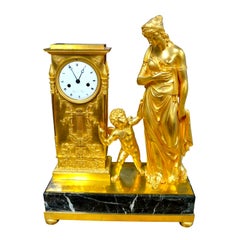
French Empire Allegorical Clock Depicting "Venus Guided by Love" by Lesieur
By Pierre Lesieur
Located in Vancouver, British Columbia
An important and rare French Empire gilt bronze mantel clock depicting "Venus Guided by Love" featuring a case by the noted bronzier Lesieur. The figures and clock plinth sit on a rectangular green marble base topped with a gilt bronze plinth, raised upon four flattened toupie feet. The round enamel dial, signed “Lesieur à Paris”, indicates the Roman numeral hours and minute graduations. It is housed in a finely chased bronze altar whose pediment is decorated with egg and dart friezes, and be-ribboned torches on either side the façade is adorned with applied stylized butterfly and lyre motifs. The sides feature be-ribboned flower wreaths, and the plinth a leaf frieze. Two fine gilt bronze figures depict a winged and semi-nude cupid who is pointing to the time, while addressing Venus who is clothed in antique robes...
Category

Early 19th Century French Antique Empire Furniture

Materials

Bronze

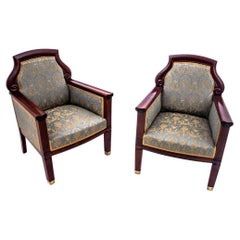
A pair of armchairs, Northern Europe, circa 1870.
Located in Chorzów, PL
A massive pair of Biedermeier armchairs made in the mid-19th century. Upholstered in an elegant jacquard fabric. A beautiful, stable frame connects the armchairs together. Very good ...
Category

1870s Scandinavian Antique Empire Furniture

Materials

Fabric, Walnut

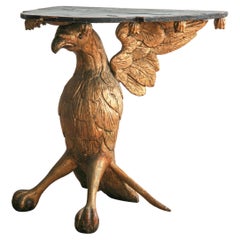
19th Century Italian Console Table
Located in Allerum, SE
19th century Italian gilded and painted console table from the Empire period in it's original condition. Ca 1810, Italy.
Category

Early 19th Century Italian Antique Empire Furniture

Materials

Wood

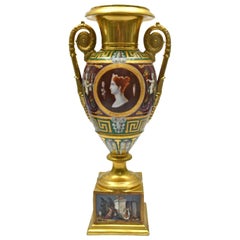
Early 19th Century Paris Porcelain Urn
Located in Vancouver, British Columbia
A museum quality early 19th century Paris porcelain urn. The twin handled vase sits on a rectangular porcelain base (modelled as part of the vase), which is decorated on all four sides with finely painted scenes titled 'Gene de Corrinte', 'Gene de Mytilene', 'Gene de Sparte', and 'Gene de Chiu' in reference to various Greek city states. The ovoid body of the vase is richly decorated with Greek key and stylized acanthus designs over and below a large gilt framed oval cameo of Athena on one side and a similar cameo on the other side bearing an undecipherable name. The overall background colour scheme of the vase is dark red/burgundy and dark emerald green, two colours which were more commonly used by the Dagoty factory in Paris than other porcelain manufacturing firms at the time. The vase is unsigned. Note: Pierre Louis Dagoty's porcelain was characterized by the use of vivid colours and the thick application of burnished gold leaf. He borrowed from the repertoire of Neoclassical ornament but his designs also included Egyptian and Chinoiseries motifs. Dagoty's elegant ceramics won him the patronage of Empress Joséphine. At the height of production, in 1807, he employed over a hundred workers, and exported his wares to Russia. After the fall of the First French Empire in 1814, manufacture continued under the Duchesse d'Angoulême, the only surviving child of Louis XVI and Marie-Antoinette. Between 1816 and 1820, Dagoty worked in partnership with François Maurice Honoré. In 1817. Dagoty and Honoré received a commission from President James Monroe...
Category

1810s French Antique Empire Furniture

Materials

Porcelain

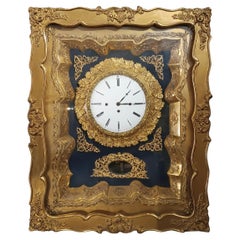
EARLY 19th CENTURY GOLDEN WALL CLOCK WITH MUSIC BOX
Located in Firenze, FI
Splendid wall clock set in an elegant opening wooden case, with carved frame and golden tablet. The internal finishes of the clock are also in golden tablet and brass. The decoration...
Category

Early 19th Century Austrian Antique Empire Furniture

Materials

Brass

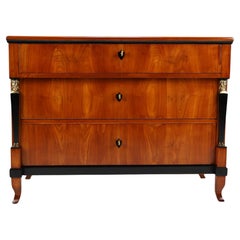
Empire Cherrywood Chest of Drawers with Caryatids
Located in Stahnsdorf, DE
Empire Chest of Drawers with Caryatids South Germany, 1815 Cherrywood Very elegant German Empire Chest, ca. 1815. This Chest of drawers rests on four splayed feet and exhibits lovel...
Category

1810s German Antique Empire Furniture

Materials

Cherry

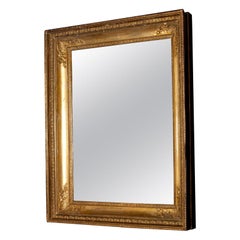
Early 19th Century French Empire Giltwood Mirror
Located in Vancouver, British Columbia
A large French Empire carved and original water gilded Empire picture frame inset with a modern mirror, the corners of the deeply scooped sides set with palmettes.          
Category

Early 19th Century French Antique Empire Furniture

Materials

Wood

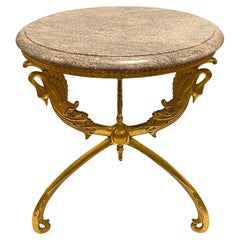
Empire Style Gilt Bronze Gueridon Table
Located in New York, NY
Very finely cast Empire style gilt bronze gueridon table with swan motif.
Category

20th Century French Empire Furniture

Materials

Bronze

19th Century Italian Empire Style Table with Marble Top
Located in Dallas, TX
The 19th Century Italian Empire Style Table with Marble Top is a luxurious and elegant piece of furniture that exudes sophistication and grandeur. The ornate Empire style design is s...
Category

19th Century Italian Antique Empire Furniture

Materials

Marble

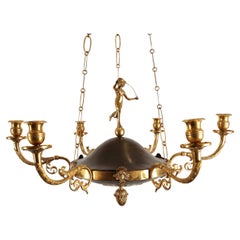
Early 19th Century Empire Pendant from Stockholm
Located in Ljungby, SE
High-class Empire pendant from Stockholm around 1800-1810. It features six beautifully decorated candle arms with acanthus leaves. The central decoration includes a female figure sta...
Category

Early 1800s Swedish Antique Empire Furniture

Materials

Bronze, Iron

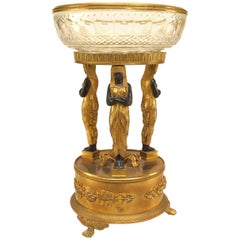
French Empire Style Bronze Dore Egyptian Compote
Located in Queens, NY
French Empire-style (19th Century) bronze dore compote with 3 Egyptian ebonized figures and crystal bowl.
Category

19th Century French Antique Empire Furniture

Materials

Crystal, Bronze

Empire Style Cabinet 19th Century France
Located in Madrid, ES
Empire style cabinet 19th century France two-section carved, painted and gilded wooden cabinet. Upper section decorated with sphinxes, nymph and vegetal motifs. Interior with two sh...
Category

19th Century French Antique Empire Furniture

Materials

Wood

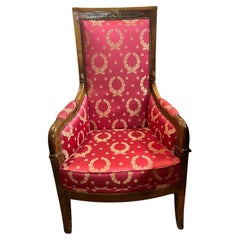
19th Century (Early) French Consulate Empire Chair
Located in Scottsdale, AZ
19th Century (Early) French Consulate Empire Chair Beautiful piece purchased in France Age appropriate wear, see detailed photos or message us with questions.
Category

Early 19th Century French Antique Empire Furniture

Materials

Mahogany

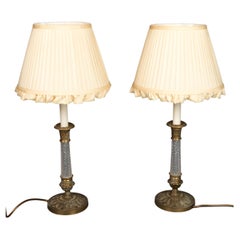
Pair French Empire Style Gilt and Cut Glass Candlestick Lamps
Located in London, GB
Pair French Empire Style Giltand and cut glass candlestick lamps A pair of Empire style gilt brass mounted candlestick lamps, 20th century, with cut glass columns. size shade/b...
Category

20th Century French Empire Furniture

Materials

Brass

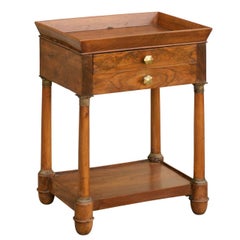
French Empire Walnut Tray Top Table with Drawers, Doric Columns and Bottom Shelf
Located in Atlanta, GA
This French Empire walnut side table features a rectangular tray top over two thin drawers, one in the front and one in the back. To maintain a harmonious symmetry, the artist has in...
Category

Early 19th Century French Antique Empire Furniture

Materials

Brass, Bronze

19th C Biedermeier Italian Burl Fruitwood Curule Base Side Chairs - a Pair
Located in Philadelphia, PA
Pair of 19th C Biedermeier Ebonized & Fruitwood Curule Base Side Chairs. Item features shapely sabre legs, ebonized back splats, rolled backs, beautiful original veneer and solid woo...
Category

Mid-19th Century Unknown Antique Empire Furniture

Materials

Fruitwood

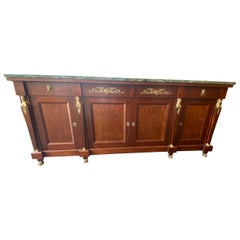
French Empire Style Mable-Top Mahogany Sideboard
Located in Dallas, TX
French Empire style marble-top mahogany sideboard, 20th c, having rectangular marble top, over case fitted with four drawers, cabinet doors opening to interior shelves, with gilt met...
Category

20th Century French Empire Furniture

Materials

Marble

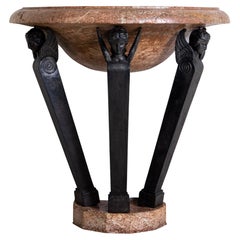
Empire Wall Fountain, probably France around 1800
Located in Greding, DE
Wall fountain with semicircular basin and stand in Rosso Verona marble. Winged female iron herms support the basin.
Category

Early 1800s French Antique Empire Furniture

Materials

Marble, Iron

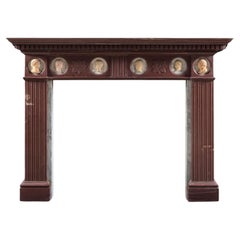
A Highly Important Empire Period Rosso Antico Chimneypiece with Portrait Reliefs
Located in London, GB
A Highly Important Empire Period Rosso Antico Chimneypiece Inset with Specimen Marble Portrait Reliefs of Roman Emperors The carved and veneered surround comprising a moulded shelf supported by a bold dentil cornice, above an inverted breakfront frieze carved with a central triglyph panel, flanked by a pair of rosettes carved in shallow relief, the frieze mounted with six carved hardstone profile portrait medallions of Roman Emperors, the stop-fluted jambs raised on moulded footblocks; in excellent condition with small restorations commensurate with age and use; the pale inclusions in the stone naturally formed. This spectacular neoclassical marble chimneypiece is carved from Rosso antico, the frieze inset with six portrait reliefs of Roman Emperors, each carved in marmo giallo on a bardiglio background, five variously incised: VESPASIANUS, TIBERIVS, OTHO, JULIUS CAESAR, TITUS. Rosso antico (marmor taenarium) is first recorded as being quarried in 1700 BC at Akra Tainaron (Cape Matapan), Greece.¹ The majority of this stone, however, was extracted throughout the Roman period, when it was one of the most coveted materials for carving due to its rich red colouring and association with highly prized Egyptian ‘Imperial’ Porphyry.² Rosso antico was chosen in antiquity for portrait busts, notably depicting Bacchic subjects such as Dionysus and satyrs due to its rich red wine colour which symbolised conviviality whilst conveying the education and cultivated taste of the owner.³ In the Renaissance, Rosso antico was also used for architectural detail on important buildings, such as the steps leading up to the choir in the medieval church of S. Prassede, and the large columns at the entrance to the Camera dell'Aurora.⁴ In 121 AD, G. Suetonius Tranquillus, secretary to Emperor Hadrian, wrote a biographical history of the first twelve emperors of Rome entitled De vita Caesarum (The Twelve Caesars). A Renaissance edition of Tranquillus’ work was published in 1470, followed by further reprints and translations into all the main European languages. Many of these were illustrated with prints of emperors taken from coins and statues, or imagined by the artist based on Tranquillus’ accounts. These interpretations were copied, in turn, by Renaissance designers for medals, Limoges enamels, and busts, as well as paintings such as the Eleven Caesars, a series of eleven half-length portraits of Roman emperors made by Titian in 1536–40 for Federico II, Duke of Mantua.⁵ These paintings were later given to King Charles I, before being passed in the Commonwealth to the Kings of Spain. Unfortunately, the series was destroyed in the catastrophic fire of 1734 at the Royal Alcazar of Madrid, and is now only known through copies and engravings.⁶ From the middle of the 17th century until the end of the 18th century, there was an insatiable demand for marble carvings, often sold as Roman or assembled from ancient fragments, thus perpetuating the reverence for antiquity that was the quintessence of the Grand Tour. Rosso antico was in extremely short supply, even after the ancient quarries at Skutari were rediscovered in 1830, and remained one of the most highly valued of all stones. Described in 1776 as ‘dark red; scarce and dear’, it was mostly used for small objects such as Grand Tour desk ornaments, inevitably using material re-cut from classical fragments, due to its rarity, as was the case with porphyry.⁷ The portrait roundels on this chimneypiece are typical of those produced in Rome and Florence in hardstones, semi-precious stones, gold, silver, bronze, and mother-of-pearl, which, being easily transportable, would be taken home from the Grand Tour to be mounted within wooden, gilded or brass frames, as fashion dictated.⁸ A group of gold portraits of Caesars, dating from around 1660, are in the Museo Nazionale del Bargello in Florence. Images of Roman emperors were not limited to Italy, England and France, however, as examples executed in Deshima for the Dutch East India Company (Verenigde Oost-Indische Compagnie) show. Medallions depicting Roman emperors, invariably made of black and gold Japanese hiramakie or takamakie lacquer on copper, were produced for the Dutch market at the end of the 18th century. Examples can be found in the Rijksmuseum, Amsterdam.⁹ There are two possible sources for the Imperial profiles on the chimneypiece: the engravings of The Twelve Caesars by Marcantonio Raimondi, or the Imperatorum Imagines by Hubert Golz.¹⁰ The portrait medallions also bear remarkable resemblance to a set of eighteen carved portrait reliefs of Roman Emperors, also of marmo giallo, almost certainly bought by David Ker (1742–1811) of Portavo, Co. Down, on his Grand Tour between 1792–4 in either Florence or Rome. Ker’s diary entry for 17th October 1793 is interesting as it reveals that he was offering his brother a choice of chimneypiece designs, which further supports a Roman origin for the offered example.¹¹ Indeed, fire surrounds incorporating antique fragments had been promoted from the late 1760s by Giovanni Battista Piranesi (1720–78), encouraged by Rome-trained architects including Robert Adam (d.1792). One such example, inset with mythological tablets carved from Rosso antico, was acquired by the 9th Earl of Exeter from Piranesi himself for Burghley House.¹² Another can be found at Islington House, Dorset.¹³ A third, inset with giallo antico and Rosso antico, follows Piranesi’s engraved design dated 1769 for a fire surround mounted with three marble portrait reliefs.¹⁴ It should be re-emphasised that Rosso antico was so precious that it was only ever used for small tablets or details rather than an entire chimneypiece, as with the offered example; likewise, while portrait reliefs are occasionally seen on the jambs of Italian surrounds, it is exceptionally rare to see the frieze mounted with a group, especially of this scale: the combination indicates an architectural commission by an extremely wealthy patron. The sophisticated lines of this chimneypiece epitomise the French Empire influence on the Italian states at the turn of the 18th century. This idiosyncratic ‘Roman’ taste is encapsulated by that of Napoleon, who identified with Rome’s Imperial past. Napoleon’s desire to establish a visual link between himself and Roman emperors is demonstrated by the portraits of his court painter, Jacques-Louis David, inspired by portraits of Emperor Augustus. This Imperial taste extended to architecture, furniture and porcelain, the latter two of which are combined in a group of magnificent ormolu-mounted guéridons commissioned in Sèvres between 1803–11, made to immortalise Napoleon’s reign.¹⁵ The second guéridon in the series, the Table des Grands Capitaines (Table of the Great Commanders of Antiquity), commissioned in 1806, is made almost entirely of hard-paste Sèvres porcelain. The top, painted in imitation of sardonyx, is centred by a portrait cameo of Alexander the Great, surrounded by twelve smaller heads of commanders and philosophers from antiquity: Pericles, Scipio Africanus, Pompey, Augustus, Septimus Severus, Constantine, Trajan, Caesar, Mithridates, Hannibal, Themistocles and Miltiades.¹⁶ Louis XVIII presented the table to the Prince Regent (later King George IV) in 1817 as a token of appreciation for Napoleon’s defeat two years earlier, and George IV treasured it so highly that it became part of the ceremonial backdrop for all his state portraits. The table remains in the Royal Collection.¹⁷ This chimneypiece remained, until recently, in the possession of a noble Dutch family, who acquired it from the owners of a bombed Knightsbridge house in the 1940s; unfortunately, its provenance prior to this has been lost. The use of Rosso antico on this scale, inset with these splendid Imperial profile medallions, appears unparalleled. 1. J. B. Grossman, 'Looking at Greek and Roman Sculpture in Stone' (Los Angeles, 2003). Grossman states that this material was ‘...quarried in three places during antiquity: on Cape Tainaron present day Matapan on the Peloponnese of Greece; on Crete; and at the site of Iasos in Asia Minor. 2. L. Lazzarini, ‘Rosso antico and other red marbles used in antiquity: a characterization study’, Marble, Art Historical and Scientific Perspectives on Ancient Sculpture’ (1990), 237–252. C. Gorgoni, L. Lazzarini, P. Pallante, ‘New archaeometric data on Rosso antico and other red marbles used in antiquity, ASMOSIA VI, Interdisciplinary Studies on Ancient Stone’ (2002), pp. 199–206. J. Deér, trans. G.A. Gilhoff, The Dynastic Porphyry Tombs of the Norman Period in Sicily (Cambridge, 1959), p. 144. R. Gnoli, Marmora Romana (Rome, 1988), pp. 187–191. 3. A notable example is a satyr from the Emperor Hadrian's villa at Tivoli, now in the Capitoline Museum, Rome. Another is the head of a satyr in the Minneapolis Institute of Arts, accession no. 2006.110. See T. Opper, Hadrian. Empire and Conflict (London, 2008), p. 165, fig. 149. 4. De Luca, Marmi antichi (Rome, 1998), p. 126. Faustino Corsi, Catalogo ragionato d’una collezione di pietre di decorazione (Rome, 1833), p. 93. 5. For related Limoges medallions, see set of ten circular Limoges enamel medallions depicting Roman emperors, en grisaille with gilding, from the workshop of Jacques I Laudin, sold Christie’s London, Fine Renaissance Bronzes and Works of Art, 19 December, 1977, lot 95. 6. See set of drawings sold Sotheby’s London, Of Royal and Noble Descent, 24 February, 2015, lot 184. 7. J. J. Ferber, Raspe’s Travels through Italy in the Years 1771–1772 (London, 1776), p. 218. 8. See Sotheby’s London, Pelham, the Public and the Private, 8 March 2016, lot 75: ‘A set of twelve mother-of-pearl cameos of Roman Emperors, Southern Italian, early 19th century’ 9. Oliver Impey, Christiaan J.A. Jörg, Cynthia Viallé, Japanese Export Lacquer 1580–1850 (Amsterdam, 2005) pp. 48–57, no. 56 & 57. 10. For a further reference, see the candlesticks by Jacques I Laudin in the Waters Art Gallery, illustrated in P. Verdier, Catalogue of the Painted Enamels of the Renaissance (Baltimore, 1967), p. 389, nos. 207 & 208. 11. John Ingamells, A Dictionary of British and Irish travellers in Italy 1701–1800 (London, 1997), pp. 572–3. 12. Oliver Impey, Four Centuries of Decorative Arts from Burghley House (Virginia, 1998), p. 53, fig. 23. 13. Country Life, 12 June, 1997, p. 162, figs. 9–11. 14. A. González-Palacios, Il Tempio del Gusto, Roma e il Regno delle due Sicilie, Vol. II (Milan, 1984), pp. 592–93, p. 260. 15. S. Grandjean, 'Napoleonic Tables...
Category

Early 19th Century English Antique Empire Furniture

Materials

Marble

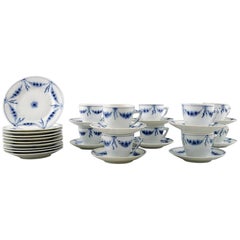
Empire B&G 10 p. Coffee Service, Bing and Grondahl, B&G No. 102
Located in København, Copenhagen
Empire B&G 10 p. Coffee service. Bing and Grondahl, B&G No. 102. Contents: 1.25 dl. Measures: 7.8 cm. x 6.2 cm Old No. 102. New No. 305. 1st. factory quality., in...
Category

20th Century Danish Empire Furniture

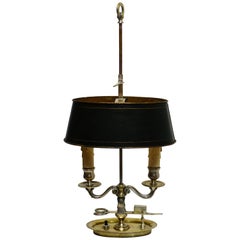
French Empire Nickel Plated Brass Bouillotte Lamp, Early 19th Century
Located in San Francisco, CA
Empire period nickel and nickel plated brass oval shape Bouillotte two candle lamp, now electrified. Having a black painted tole adjustable shade and u...
Category

Early 19th Century French Antique Empire Furniture

Materials

Brass, Nickel

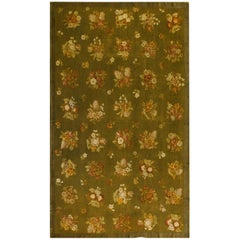
Early 19th Century French Empire Period Savonnerie Carpet ( 8 x13 6" - 243x412 )
Located in New York, NY
Early 19th Century French Savonnerie Carpet from Empire Period (8' x 13' 6" - 243 x 412 cm)
Category

1820s French Antique Empire Furniture

Materials

Wool

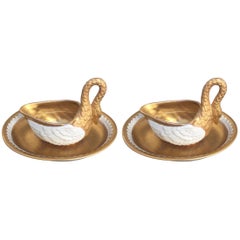
Pair of Sevres Style Swan Cream Cups
Located in Copenhagen, K
A beautiful pair of Sevres Style cream cups, in the form of gilded Swans.
Category

18th Century and Earlier European Antique Empire Furniture

Materials

Porcelain

Pair of Sevres Style Swan Cream Cups
$1,080 Sale Price / set
22% Off
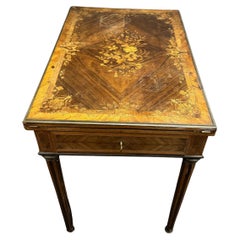
Game table circa 1840
Located in Saint-Ouen, FR
a marquetery game table 19 century need restorations
Category

19th Century French Antique Empire Furniture

Materials

Wood

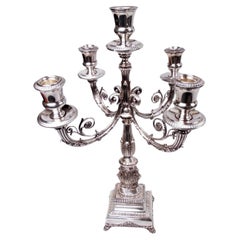
Italian Empire Classical Sterling Silver 5-Light Candelabrum
Located in New York, NY
Italian Empire sterling silver 5-light candelabrum. Raised socket on ovoid shaft to which are mounted four leaf-mounted arms terminating in same. Sockets bellied on wax pan. Shaft mo...
Category

Late 20th Century Italian Empire Furniture

Materials

Sterling Silver

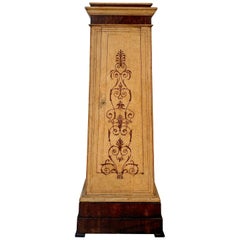
Antique 1820 Italy Column Pillar Pedestal Painted Wood Storage Cabinet
Located in Munich, DE
This elegant and unusual Italien painted beech wood cabinet has retained it's original painted decoration. This extravagant piece of furniture shows all the characteristics of late ...
Category

1820s Italian Antique Empire Furniture

Materials

Beech

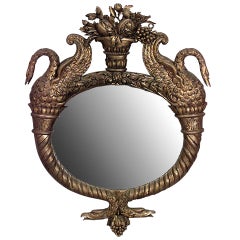
French Empire Gilt Swan Wall Mirror
Located in Queens, NY
French Empire gilt oval horizontal wall mirror with swan-shaped sides and urn top with floral decoration.
Category

19th Century French Antique Empire Furniture

Materials

Gold Leaf

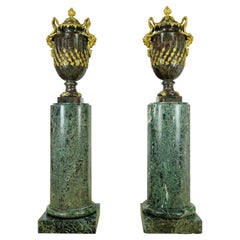
Pair French Empire Green Marble Gilt Bronze Urn Pedestal Pillars
Located in New York, NY
Standing at an impressive 6 feet tall, they were procured from an esteemed estate in Greenwich, Connecticut, which adds a layer of history and significance to the pieces. They are pr...
Category

Early 20th Century Empire Furniture

Materials

Marble, Bronze

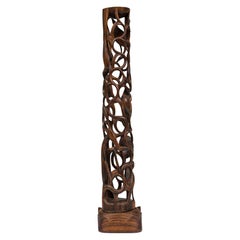
Contemporary Makonde Style Hand Carved Wooden Sculpture on a Base
Located in Queens, NY
Contemporary Makonde Style Hand Carved with filigree design cylindrical wooden cculpture on a square shaped base
Category

20th Century Unknown Empire Furniture
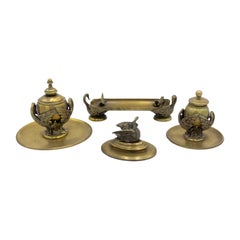
4-Piece French Empire Bronze Inkwell Set with Swan
Located in Queens, NY
French Empire-style (19th Century) 4 piece bronze inkwell set with swan design. Inkwell, paperweight, pen holder, sandwell for cleaning nibs.(PRICED AS SET)
Category

19th Century French Antique Empire Furniture

Materials

Bronze

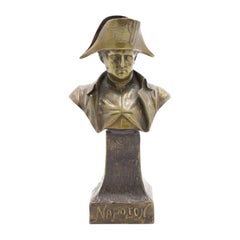
French Empire Bronze Napoleon Bust
Located in Queens, NY
French Empire style small bronze bust of Napoleon on bronze square shaped pedestal base (signed DUBRAND) (19th Cent.)
Category

19th Century French Antique Empire Furniture

Materials

Bronze

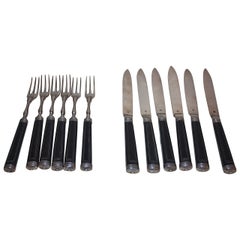
Set Of Rare Danish Antique Silverware By Nicolai Brandt, Horsens (1787-1813).
Located in Copenhagen, K
Very nice set of solid silver and horn cutlery for six persons, by famous silversmith Nicolaj Brandt, Horsens, Denmark, 1787-1813.
Category

Early 1800s Danish Antique Empire Furniture

Materials

Sterling Silver

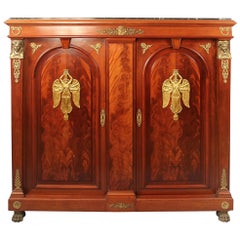
Interesting Late 19th Century Gilt Bronze Mounted Empire Style Cabinet
Located in Long Island City, NY
An Interesting Late 19th Century Gilt Bronze Mounted Empire Style Cabinet The Vert marble top above two large doors mounted with angels, the top ...
Category

Late 19th Century French Antique Empire Furniture

Materials

Marble, Bronze

French Empire-style gilt bronze mounted malachite coffee table
Located in London, GB
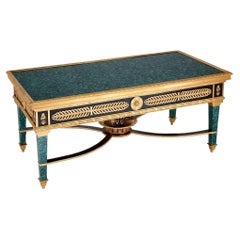
French Empire-style gilt bronze mounted malachite coffee table French, Early 20th Century Height 52cm, width 123cm, depth 63cm Exemplifying all that is grand and regal about the fan...
Category

20th Century French Empire Furniture

Materials

Malachite, Bronze, Ormolu

Antique thread table, Northern Europe, around 1860.
Located in Chorzów, PL
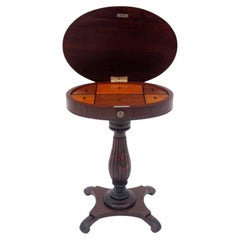
A thread table from the second half of the 19th century in the Biedermeier style. A small piece of furniture, a bit forgotten today, but once a must-have for a housewife for needlew...
Category

1860s Scandinavian Antique Empire Furniture

Materials

Mahogany

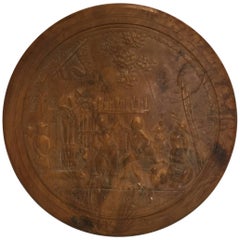
Pressed Wood Snuff Box, 19th Century "Fete Flamande"
Located in Spencertown, NY
Dancing scene with violinist and dancing couple.
Category

Early 19th Century Belgian Antique Empire Furniture
Empire Settee, France 1810, Manner of Jacob Desmalter (1770-1841)
Located in Leimen, DE
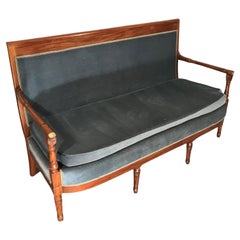
Empire Settee, France 1810 Step back in time to the opulent era of 19th-century France with the exquisite Elegant Empire Settee, crafted in 1810. This resplendent sofa is a testament...
Category

Early 1800s French Antique Empire Furniture

Materials

Bronze

Pair of French Empire Style Gilt-Bronze Two-Light Wall Torchère Sconces
Located in Los Angeles, CA
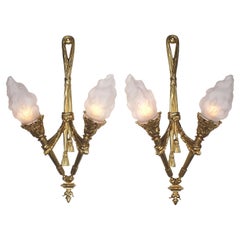
A pair of French empire style gilt-bronze two-light wall torchère sconces. Each elongated gilt-bronze applique with central twin-tassels supporting a pa...
Category

20th Century French Empire Furniture

Materials

Bronze

Empire furniture for sale on 1stDibs.

Find a broad range of unique Empire furniture for sale on 1stDibs. Many of these items were first offered in the 21st Century and Contemporary, but contemporary artisans have continued to produce works inspired by this style. If you’re looking to add vintage furniture created in this style to your space, the works available on 1stDibs include lighting, decorative objects, tables and other home furnishings, frequently crafted with metal, wood and other materials. If you’re shopping for used Empire furniture made in a specific country, there are Europe, France, and Italy pieces for sale on 1stDibs. While there are many designers and brands associated with original furniture, popular names associated with this style include Modenese Gastone, Europa Antiques, Baker Furniture Company, and Gherardo Degli Albizzi. It’s true that these talented designers have at times inspired knockoffs, but our experienced specialists have partnered with only top vetted sellers to offer authentic pieces that come with a buyer protection guarantee. Prices for furniture differ depending upon multiple factors, including designer, materials, construction methods, condition and provenance. On 1stDibs, the price for these items starts at $56 and tops out at $955,603 while the average work can sell for $4,296.

Still Thinking About These?

All Recently Viewed