Meiji Furniture

MEIJI STYLE

From 1868 to 1912, Emperor Mutsuhito oversaw an era of transformation in Japan. Formerly a country of feudalism and isolation, Japan entered an age of modernization influenced by newly established trade and exchange with the West. The Meiji period, or period of “enlightened rule,” also saw the global impact of the East Asian country’s culture. Japanese Meiji furniture was exhibited at expositions from Paris to San Francisco and created for export.

Prior to the Meiji era, furniture was mostly made by commission for the ruling class; now there were new domestic and international markets. European styles like Japonisme appropriated Japanese design while craftsmen in places like Wales and England employed japanning, a varnishing technique that approximated the appearance of lacquer for the surfaces of furnishings.

Meiji furniture made for Japanese homes and buildings constructed in Western styles resulted in taller tables, chairs, cabinets with large drawers and other features. The government invested in areas such as transportation and communication, and because people could freely choose occupations after the restrictions of feudalism, industries of various types were energized by expressive new ideas during those years. Art schools were formed and, for the first time, design was an area of study in the country, leading to the evolution of professional design as a career by the 1890s.

The work of Japanese designers was transmitted widely through lavishly illustrated pattern books that included designs for screens and lacquerware for the home. While screens today may be of use as decorative accents or partitions to ensure privacy in one’s space, Japanese screens were adorned with paintings and were featured in performing arts such as concerts, tea ceremonies and more. The color illustrations that characterize Meiji woodblock prints, a genre of Japanese art that grew out of 17th-century developments in printing and book publishing, depicted the sweeping changes that the era brought to East Asia.

Although it was a time of societal and cultural shifts, a bolstered interest in art and design elevated Japanese craft traditions. From colorful porcelain table lamps with silk shades and hardwood tables decorated with dark lacquer to cabinets featuring iron hardware and inlaid with mother-of-pearl, Meiji furniture showcased Japan’s artistic heritage to the world.

Find a collection of antique Japanese Meiji period case pieces and storage cabinets, decorative objects, wall decorations and more furniture on 1stDibs.

to
564
1,093
612
1,968
368
23,910
6,288
6,032
1,963
855
813
614
521
502
428
205
172
165
154
111
82
54
48
22
1,359
587
368
460
29
5
86
12
5
6
2
1
1
1,188
891
684
434
398
2,336
2,318
2,288
28
12
2,336
2,318
2,318
21
21
13
10
10
Style: Meiji
Place of Origin: Asian
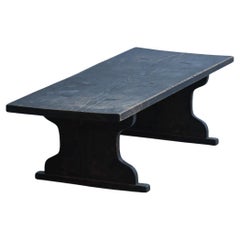
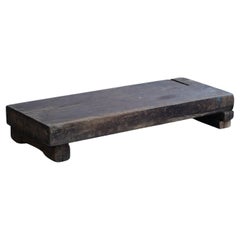
Japanese Antique Low Table, Wabi Sabi
Located in Katori-Shi, 12
This is an antique wooden low table from the Meiji period (1986-1912). The curved legs are beautiful. It was used as a workbench by craftsmen at the time. The material is high-qual...
Category

Early 20th Century Japanese Meiji Furniture

Materials

Wood

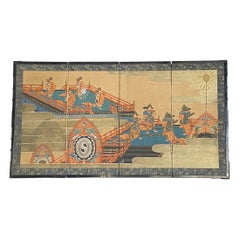
Antique Japanese Wood Block Printed Table Top Folding Screen
Located in San Francisco, CA
Antique Japanese small table top four panel folding screen. Wood block print on paper. First quarter 20th century. Perfect to use as wall art.
Category

Early 20th Century Japanese Meiji Furniture

Materials

Paper

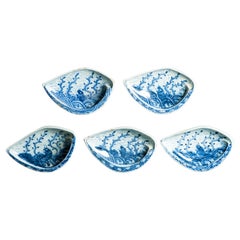
Antique Japanese Signed Imari Porcelain Plum Shaped Bowl by Hichozan Fukagawa
Located in Philadelphia, PA
A fine antique signed Japanese Imari porcelain bowl. In the form of a shaped bowl with a plum-like shape. Decorated throughout with exquisitely detailed painted or enameled dec...
Category

Late 19th Century Japanese Antique Meiji Furniture

Materials

Porcelain

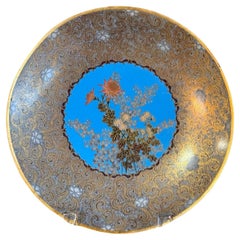
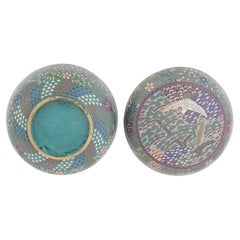
Fine Meiji Japanese Cloisonne Enamel Plate with Central Medallion and Bats
Located in Long Island City, NY
A beautifully executed Meiji period Japanese cloisonne enamel plate featuring a vivid sky blue central medallion framed by an elaborate border of intricate wire work. The center is d...
Category

Late 19th Century Japanese Antique Meiji Furniture

Materials

Enamel

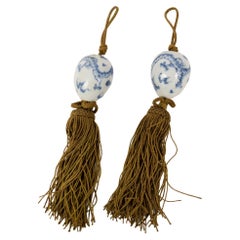
A pair of kakemono weight in porcelain decorated with dragons in a cloudy sky
Located in PARIS, FR
Pair of eggshaped kakemono weights (fuchin), made of blue-and-white porcelain (possibly Hirado) and decorated with a three-clawed dragon. Fuchin are used to keep the fabric or paper ...
Category

Late 19th Century Japanese Antique Meiji Furniture

Materials

Porcelain

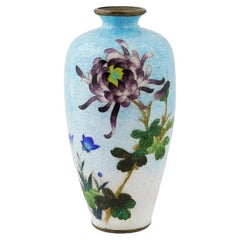
Antique Japanese Meiji Ginbari Cloisonne Enamel Vase
Located in Long Island City, NY
An antique Japanese, late Meiji era, Ginbari enamel over copper vase. The urn shaped vase is enameled with a polychrome image of blossoming flowers on the light blue ground made in t...
Category

Late 19th Century Japanese Antique Meiji Furniture

Materials

Copper, Enamel

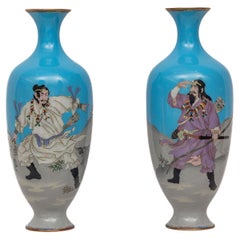
Monumental Pair of Japanese Cloisonné Enamel Vases with Warriors, Ota Tamashiro
Located in Queens, NY
A Monumental Pair of Japanese Meiji Period Cloisonné Enamel Vases with Warriors, Dragon, and Falcon, Attributed to Ota Tamashiro A monumental pair of Japanese cloisonné enamel vases...
Category

19th Century Japanese Antique Meiji Furniture

Materials

Copper, Enamel

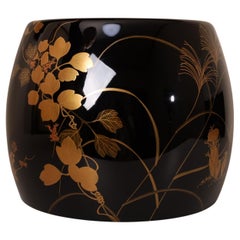
Lacquer Hibachi with Seasonal Motifs — Late Meiji Period (c.1900)
Located in Fukuoka, JP
Dimensions: 23 × 23 × 26 cm Material: Black lacquer with maki-e decoration Box: Signed tomobako (original wooden box) A refined example of late Meiji craftsmanship, this lacquer hibachi (traditional Japanese brazier...
Category

Late 19th Century Japanese Antique Meiji Furniture

Materials

Copper, Gold Leaf

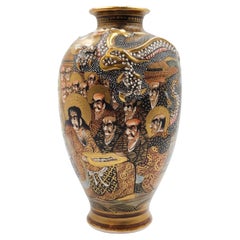
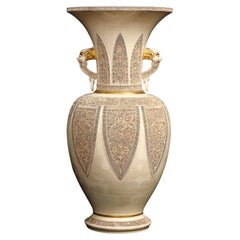
Satsuma Imperial Vase "A Thousand Faces" Meiji Period
Located in Autonomous City Buenos Aires, CABA
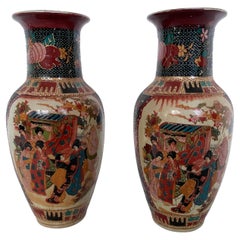
Satsuma Imperial Vase "A Thousand Faces" Meiji Period A Japanese collectible vase, hand painted decorated with intricate designs and figures, with a classic shape and painted with va...
Category

19th Century Japanese Antique Meiji Furniture

Materials

Ceramic

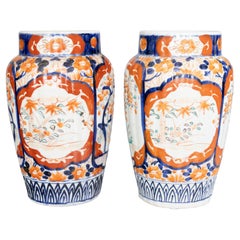
Pair of 19th Century Meiji Period Japanese Imari Porcelain Vases
Located in Pearland, TX
A gorgeous pair of antique 19th-Century Japanese Imari vases made in the Meiji period, circa 1870. These fine vases have a lovely lobed shape and hand painted floral design in the tr...
Category

Mid-19th Century Japanese Antique Meiji Furniture

Materials

Porcelain

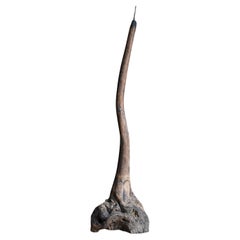
Japanese Antique Natural Wood Large Candle Stick 1860s-1900s / Wabi Sabi
Located in Chōsei District Nagara, JP
This is an old Japanese natural wood Shokudai (candlestick). It was made in the late Edo period (1860s-1900s), and the material used is probably coniferous cedar wood. The texture o...
Category

Early 20th Century Japanese Meiji Furniture

Materials

Iron

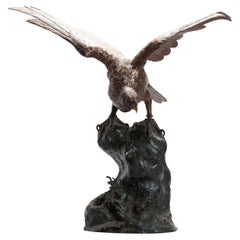
Huge Antique Meiji Japanese Bronze Bird of Prey On a Rock Gold Elements Marked
Located in Amsterdam, Noord Holland
Huge Antique Meiji Japanese Bronze Bird of Prey On a Rock Gold Elements Marked Condition Close to perfect condition, just some ware. 40 x 45CM LengthxWidexHeight (including base) P...
Category

19th Century Japanese Antique Meiji Furniture

Materials

Metal, Bronze

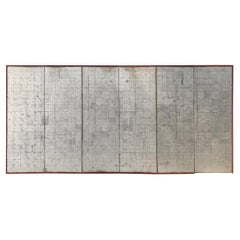
Meiji Period Silver Oxidized Screen
Located in Fukuoka, JP
Meiji Period Silver Oxidized Screen Period: Meiji Size: 352 x 174 cm SKU: 2423 Step back in time with this Meiji period screen, where the allure of silver oxidation artfully c...
Category

Late 19th Century Japanese Antique Meiji Furniture

Materials

Silver Leaf

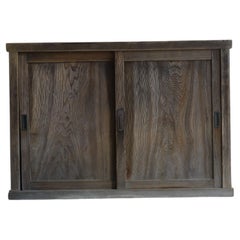
Japanese Antique Cabinets, Wabi Sabi, Japandi
Located in Katori-Shi, 12
This is a Japanese antique cabinet made in the Meiji period. This is a masterpiece that highlights traditional techniques and craftsmanship, ...
Category

Early 20th Century Japanese Meiji Furniture

Materials

Wood

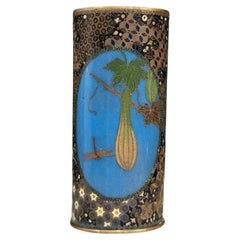
Japanese Cloisonne Enamel Vase with Gourd Floral Bowl, in the Manner of Gotō
Located in Long Island City, NY
An exquisite Japanese cloisonné enamel vase of cylindrical form, worked in the manner of Gotō Seizaburō, dating to the Meiji period. One side shows a finely rendered gourd hanging ...
Category

Late 19th Century Japanese Antique Meiji Furniture

Materials

Enamel

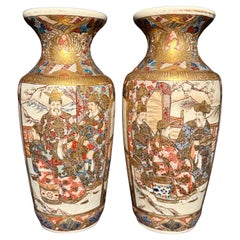
Pair Of Japanese Meiji Period Satsuma Vases
Located in Norwood, NJ
Find pair of Meiji period Japanese Satsuma 4 panel vases. Each vase featuring one panel with scholars and one panel with samurai. The two side panels are floral. Wonderfully gilt and...
Category

Early 20th Century Japanese Meiji Furniture

Materials

Ceramic

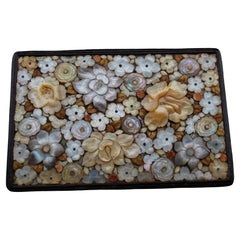
Japanese Meiji Period Shibayama and Rosewood box
By Shibayama Factory
Located in Sarasota, FL
Meji period shibayama top box with rosewood body, circ 1890's. Fine carving and application. Unsigned..
Category

Late 20th Century Japanese Meiji Furniture

Materials

Horn, Shell, Abalone, Rosewood

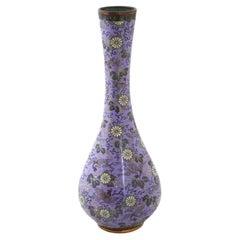
Large Japanese Cloisonne Lavender Purple Enamel Paulownia and Phoenix Bird Vase
Located in Long Island City, NY
A rare large antique Japanese, Meiji era, enamel over copper vase. The vase has a globular shaped body and a long narrow neck with a fluted mouth. The exterior of the vase is enamele...
Category

Late 19th Century Japanese Antique Meiji Furniture

Materials

Copper, Enamel

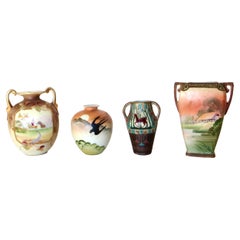
Four Fine quality "Nippon" Vases (Moriage); Meiji Dynasty, Japan. Circa 1910.
Located in Incline Village, NV
Four fine quality "Nippon" AUTHENTIC vases from the Meiji dynasty; Japan, Circa 1910. They are all hand painted with moriage accents to three of them; indicative and representative ...
Category

1910s Japanese Vintage Meiji Furniture

Materials

Porcelain

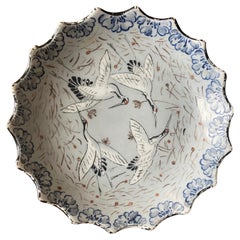
Japanese Meiji Period Light Blue Porcelain Dish with Cranes
Located in Grythyttan, SE
This exquisite handpainted porcelain dish hails from Japan, dating back to the Meiji period (1868-1912). The dish features a petite design with wavy, contoured edges against a light ...
Category

Late 19th Century Japanese Antique Meiji Furniture

Materials

Porcelain

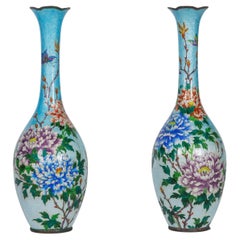
An Exquisite Large Pair of Late Meiji Japanese Ginbari Cloisonne Enamel Vases
Located in Queens, NY
An Exquisite and Large Pair of Late Meiji Japanese Ginbari Cloisonné Enamel Vases with Peonies and Butterflies This stunning pair of vases, crafted during the late Meiji period (186...
Category

Late 19th Century Japanese Antique Meiji Furniture

Materials

Enamel

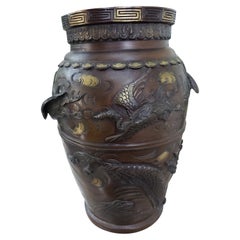
1860s Large Japanese Parcel Gilt High-Relief Dragons and Birds Bronze Vase
Located in Germantown, MD
Amazing Antique fine quality Japanese 19th century bronze vase, circa 1860 with exquisite decorations of raised bronze crafted dragons and birds and many other original meiji decorat...
Category

Mid-19th Century Japanese Antique Meiji Furniture

Materials

Bronze

Antique pair of Japanese meiji style vases 20th century
Located in Cantù, IT
Antique pair of Japanese meiji style vases 20th century
Category

20th Century Japanese Meiji Furniture

Materials

Ceramic

Wooden Low Table, Japanese Antique, Wabi-Sabi, Mingei
Located in Katori-Shi, 12
This low table was loved by craftsmen as a "workbench" during the Meiji period. The wood grain, which has deepened with age, is reminiscent of the warm lifestyle of that time. A cu...
Category

Early 20th Century Japanese Meiji Furniture

Materials

Wood

Exquisite Japanese Wireless Cloisonné Dragon Motif Vase, Meiji / Taisho Period
Located in West Palm Beach, FL
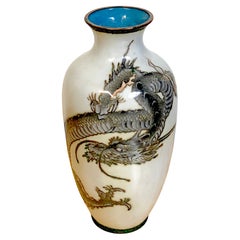
Japanese Wireless Cloisonné Enamel Vase, likely from the Meiji period (1868–1912) or possibly the early Taisho period (1912–1926). The vase features a dynamic depiction of a Japanese...
Category

Early 20th Century Japanese Meiji Furniture

Materials

Copper

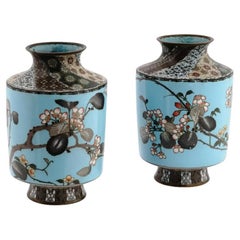
A Pair of Meiji Era Japanese Cloisonne Enamel Cherry Blossom and Geometric Patte
Located in Long Island City, NY
A pair of antique Japanese copper vases with cloisonne enamel design. Late Meiji period, before 1912. Cylindrical shape with pronounced base and ...
Category

Early 20th Century Japanese Meiji Furniture

Materials

Enamel, Copper

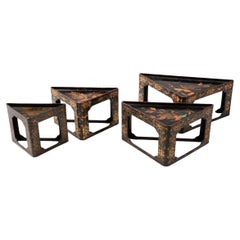
Set of Four Japanese Triangular Nesting Corner Tables, Meiji Period
Located in Kastrup, DK
This rare set of four Japanese triangular nesting corner tables or console tables dates from the late Meiji period, circa 1900. Each table is crafted in wood and finished with richly...
Category

Early 20th Century Japanese Meiji Furniture

Materials

Wood

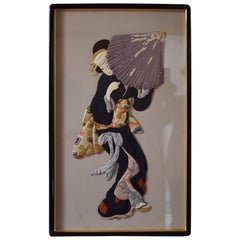
Japanese Contemporary Purple Black Silk Brocade Oshie Wall Decorative Art
Located in Takarazuka, JP
Extraordinary contemporary Japanese centuries-old traditional extremely detailed handcrafted decorative art form using high quality silk and brocade fabrics, known as oshie (literall...
Category

21st Century and Contemporary Japanese Meiji Furniture

Materials

Brocade, Silk

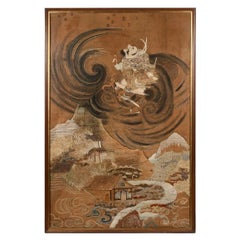
Framed Japanese Antique Embroidery Sennin Tapestry Meiji Period
Located in Atlanta, GA
A stunning Japanese embroidery tapestry circa 1880s-1900s from late Meiji period, presented with an original wood frame with inner gold trim. The tour-de-force embroidered tapestry s...
Category

1890s Japanese Antique Meiji Furniture

Materials

Silk, Giltwood

Antique 19th century Japanese Kaiseki set Tea Ceremony in Box Japan
Located in Amsterdam, Noord Holland
Description A lovely set for the Kaiseki meal. Condition Some minor ware. With kiln made muzikozuki. Size19x12x5cm Period 19th century Meiji Periode (1867-1912)
Category

19th Century Japanese Antique Meiji Furniture

Materials

Porcelain

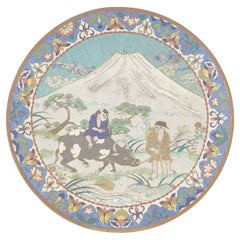
Meiji Period Japanese Cloisonne Enamel Plate Featuring Water Buffalo Mt Fuji
Located in Long Island City, NY
A beautifully decorated Japanese Meiji period cloisonne enamel plate depicting a pastoral scene of a young boy riding a water buffalo while another figure walks beside him. The two a...
Category

Late 19th Century Japanese Antique Meiji Furniture

Materials

Enamel

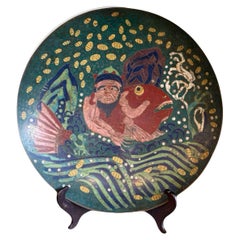
Meiji Japanese Cloisonne Charger Urashima Taro Riding the Sea Bream Mythological
Located in Long Island City, NY
Early Meiji Japanese cloisonne enamel charger measuring 15 inches in diameter, depicting the famous folktale of Urashima Taro. Shown riding a red sea bream across stylized waves, the...
Category

Late 19th Century Japanese Antique Meiji Furniture

Materials

Enamel

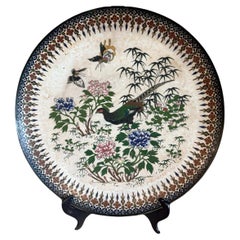
Early Meiji Japanese Cloisonne Enamel Charger White Ground Pheasant and Peonies
Located in Long Island City, NY
An important early Meiji Japanese cloisonne enamel charger on the rare white ground, 17.5 inches in diameter. The central medallion shows a finely detailed pheasant set among bamboo ...
Category

Late 19th Century Japanese Antique Meiji Furniture

Materials

Enamel

Early Meiji Period Japanese Cloisonne Enamel Box with Crane Flying Clouds
Located in Long Island City, NY
A fine early Meiji period Japanese cloisonne enamel box decorated with a graceful crane in flight among stylized clouds, with a sparrow perched near a flowering tree. The domed lid p...
Category

Late 19th Century Japanese Antique Meiji Furniture

Materials

Enamel, Copper

Rare Japanese Meiji Satsuma Crackle Ware Vase w/ Carving by Tashiro Factory
Located in New York, NY
A Rare Japanese Meiji Period Satsuma Porcelain Double-Handled Crackled Ware Vase with Intaglio Carved Decoration and Gilt Adornment, Mark on Base: Tashiro Factory / Tashiro Giyōemon ...
Category

Early 1900s Japanese Antique Meiji Furniture

Materials

Porcelain

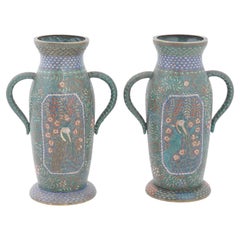
Pair of antique Japanese Meiji cloisonné enamel vases
Located in Long Island City, NY
A pair of matching antique Japanese copper vases with polychrome cloisonne enamel design. Late Meiji era, before 1912. Straight bottle shape with accentuated base and side handles. F...
Category

Late 19th Century Japanese Antique Meiji Furniture

Materials

Enamel

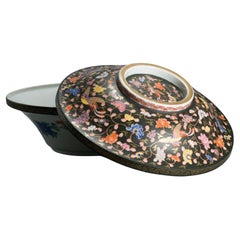
Antique 19C Japanese Porcelain Lacquered Lidded Tureen of superior quality Japan
Located in Amsterdam, Noord Holland
Description Very unusual decoration and lovely piece. The best quality lacquering I have ever seen on a 19th c object Condition Perfect condition. Size: 36.5 x 24cm Period 18th cen...
Category

19th Century Japanese Antique Meiji Furniture

Materials

Porcelain

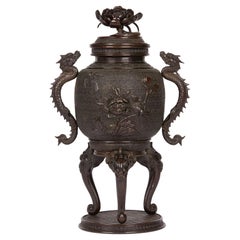
Large Japanese Meiji Bronze Lidded Urn, 19th Century
Located in Bishop s Stortford, Hertfordshire
A large and stylish antique Japanese Meiji bronze lidded twin handle urn standing on a rounded plinth base with tongue and grotesque head formed legs with dragon handles and a flat c...
Category

Early 20th Century Japanese Meiji Furniture

Materials

Bronze

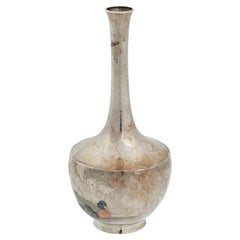
Antique Meiji era Japanese silver vase Kintaro Hattori
Located in Long Island City, NY
A fine metalwork vase from the time of Emperor Meiji, 1868 to 1912. This elegant Japanese Silver and Shakudo vase with multi-metal decoration of two ducks...
Category

Late 19th Century Japanese Antique Meiji Furniture

Materials

Copper

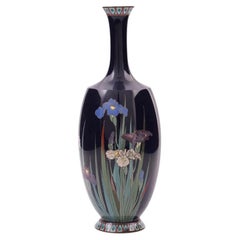
High Quality Antique Japanese Cloisonne Enamel Vase with Blossoming Iris Flowers
Located in Long Island City, NY
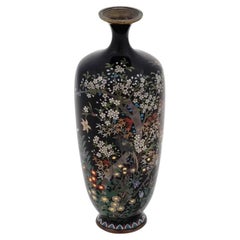
An antique Japanese, late Meiji period, enamel over gilt copper vase. with silver wire The unusual shaped vase has a long fluted neck. The ware is enameled with a polychrome image o...
Category

Late 19th Century Japanese Antique Meiji Furniture

Materials

Copper, Enamel

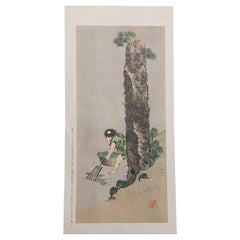
Antique 19th c Woodblock Print - Meiji Period 19th century
Located in Amsterdam, Noord Holland
The painter is unknown to me so far Condition Perfect Size: 26.5 x12.5 cm Period 19th century
Category

19th Century Japanese Antique Meiji Furniture

Materials

Paper

Japanese Four Panel Screen: Early Spring Into Summer
Located in Hudson, NY
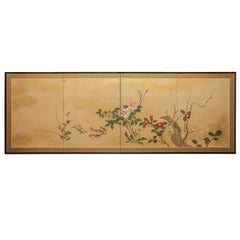
Japanese Four Panel Screen: Early Spring Into Summer, Meiji period (1868 -1912) painting of plum in bloom with red camellias on the right and peony and thistle on the left. A clutc...
Category

Early 1900s Japanese Antique Meiji Furniture

Materials

Gold Leaf

Antique Japanese Cloisonne Meiji Era Enamel Vase Signed Hayashi Yojiro
Located in Long Island City, NY
An antique Japanese, late Meiji period, enamel over brass vase. The vase has an amphora shaped body and a narrow fluted neck. The ware is enameled with a polychrome image of a bird i...
Category

Late 19th Century Japanese Antique Meiji Furniture

Materials

Enamel, Brass

Japanese Bamboo Basket Ikebana Meiji Period
Located in Atlanta, GA
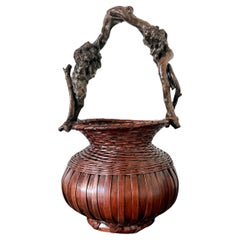
This lovely antique Japanese bamboo basket was from an unknown artist circa late Meiji Period (1868-1912), likely turn of the 20th century. It f...
Category

Early 20th Century Japanese Meiji Furniture

Materials

Bamboo, Wood

1960s Japanese Eggplant / Gourd Bird Painted Bronze Okimono / Sculpture Tole
Located in Kennesaw, GA
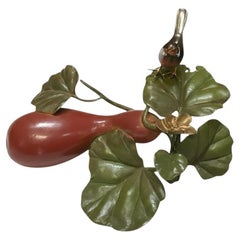
I love this Japanese okimono ! It is a painted bronze gourd with a perched bird. The gourd is a symbol of good luck in Japan. This type of bronze craftsmanship was popular during the...
Category

Mid-20th Century Japanese Meiji Furniture

Materials

Bronze

High Quality Antique Meiji Japanese Cloisonne Enamel Gold Stone Charger Plate Bu
Located in Long Island City, NY
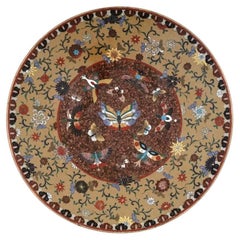
High Quality Antique Meiji Japanese Cloisonne Enamel Gold Stone Charger Plate Butterflies A high quality Japanese, enamel charger or plate. The plate is adorned with polychrome imag...
Category

Late 19th Century Japanese Antique Meiji Furniture

Materials

Enamel

JAPAN IMPERIAL 1900 Meiji Period Tripode Koro Censer In Cloisonné Enamel With
Located in Miami, FL
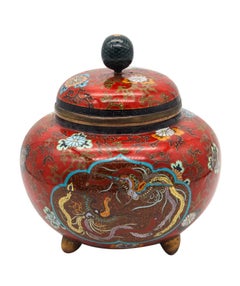
Japanese tripod Koro from the Meiji Period (1868-1912). This is a rare and beautiful antique koro censer, created in the imperial Japan during the Meiji period (1868-1912), circa 1900. It was carefully crafted in solid bronze and copper with silver wires and embellished with applications of polychromatic Cloisonné enamels and aventurine. The designs depict organics and natural motifs such mythological animals and flowers. The Chrysanthemum Symbol In Imperial Japan, the chrysanthemum (Kiku) was a potent symbol of the imperial family and the emperor himself, representing longevity, royalty, and divine power. The 16-petaled chrysanthemum is the Imperial Seal and crest, found on passports, coins, and the Chrysanthemum Throne. This association dates back to the Kamakura period (1185–1333), particularly with Emperor Go-Toba's fondness for the flower, establishing its link to imperial authority and lineage. The connection between the chrysanthemum and the imperial family began when Emperor Go-Toba adopted it as a personal emblem, aligning it with the strength and refinement of the emperor's rule. During the Meiji Period, the 16-petaled chrysanthemum crest, solidifying the association with the imperial family, was established during this time. The Meiji Imperial Period This is an era of Japanese history that extended from October 23, 1868 to July 30, 1912.The Meiji era was the first half of the Empire of Japan, when the Japanese people moved from being an isolated feudal society at risk of colonization by Western powers to the new paradigm of a modern, industrialized nation state and emergent great power, influenced by Western scientific, technological, philosophical, political, legal, and aesthetic ideas. As a result of such wholesale adoption of radically different ideas, the changes to Japan were profound, and affected its social structure, internal politics, economy, military, and foreign relations. The period corresponded to the reign of Emperor Meiji. It was preceded by the Keiō era and was succeeded by the Taishō era, upon the accession of Emperor Taishō. Country: Imperial Japan. Period: Meiji, 1890-1910. Technique: Silver Wire Cloisonné over copper and bronze. Weight: 416.80 Grams, (0.417 Kg). Measurements:118 mm by 115 mm (4.65 x 4.52 Inches). Koro This term refers to a Japanese censer, incense burner, perfume burner or pastille burner is a vessel made for burning incense or perfume in some solid form. They vary greatly in size, form, and material of construction, and have been in use since ancient times throughout the world. They may consist of simple earthenware bowls or fire pots to intricately carved silver or gold vessels, small tabletop objects a few centimeters tall to as many as several meters high. Many designs use openwork to allow a flow of air. In many cultures, burning incense has spiritual and religious connotations, and this influences the design and decoration of the censer. Cloisonné This is an enameling technique in which the pattern is formed by wires soldered to the surface of the object to be decorated, which is usually made from copper, forming cells or cloisons, each of which holds a single colour of enamel paste which is then fired, and ground and polished. The champleve technique also uses an enameling technique, but the cells are formed by carving into the surface of the object, or in the casting. The cloisonne technique has been in use since the 12th century BC in the west, but the technique did not reach China until the 13th or 14th century. It became popular in China in the 18th century. Initially bronze or brass bodies were used, and in the 19th century copper, at which time the quality of the items produced began to decline. Chinese cloisonné is the best-known enamel cloisonné, though the Japanese produced large quantities from the mid-19th century, of very high technical quality. In the west the cloisonne technique was revived in the mid-19th century following imports from China, and its use continued in the Art Nouveau and Art Deco periods. Condition: Basically, is in great antique condition, near mint, with insignificant and minimal usage, in great condition. All parts are secured in the settings. This Japanese Meiji Koro...
Category

Early 1900s Japanese Antique Meiji Furniture

Materials

Silver, Bronze, Copper, Enamel

Primitive Wood Chair from Japan 1860s-1900s / Wabi Sabi Wooden Chair Mingei
Located in Sammu-shi, Chiba
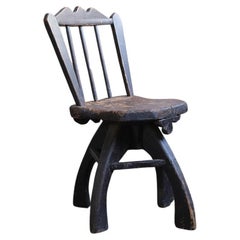
This is an old primitive chair discovered in Japan. Details of this chair are unknown. It is also possible that it was not produced in Japan, but was brought over from East Asia or S...
Category

Early 20th Century Japanese Meiji Furniture

Materials

Wood

Japanese Antique Chests of Small Drawers , Wabi-Sabi
Located in Katori-Shi, 12
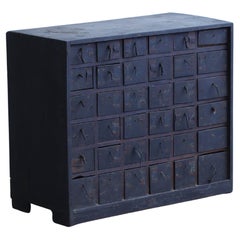
This medicine chest from the Meiji period has 36 small drawers and is highly practical. It can be used for storage, of course, but depending on your ideas, it can also be used for a...
Category

Early 20th Century Japanese Meiji Furniture

Materials

Wood

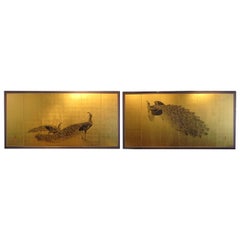
Pair of Japanese Screens: Ink paintings of peacocks on gold leaf by Imao Keinen
By Imao Keinen
Located in Prahran, Victoria
A pair of screens by Imao Keinen featuring peacocks painted in ink on gold leaf. Lacquered wood frame, brocade border, incised copper hardware. Dimensions: H 175cm x W 352cm Biogr...
Category

Late 19th Century Japanese Antique Meiji Furniture

Materials

Gold Leaf

Pair of Antique Japanese Bronze Candlesticks / Incense Holders
Located in Forney, TX
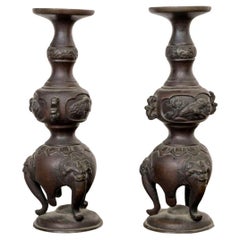
A pair of Japanese Meiji Period (1852-1912) bronze altar candlesticks / incense holders with attractive warm brownish red bronze color and patina. Japan, 19th century, diminutive /...
Category

Late 19th Century Japanese Antique Meiji Furniture

Materials

Bronze

Japanese Pair of Large Antique Meiji Period Bronze and Mixed Metal Vases
Located in Newark, England
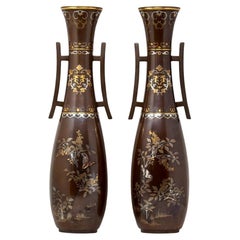
Inlaid with Gold and Silver From our Japanese collection, we are thrilled to offer a Japanese Pair of Meiji Period Bronze Vases. The Japanese Bronze Vases of elongated form each sur...
Category

Late 19th Century Japanese Antique Meiji Furniture

Materials

Metal, Gold, Silver, Bronze

Japanese Hand-Hammered Copper Vase by Gyokusendō — Signed, with Original Tomobak
Located in Fukuoka, JP
Dimensions: Height 18.7 cm Origin: Tsubame, Niigata, Japan Material: Pure copper (dōsei) A finely hand-hammered copper vase (tsuiki dōsei kabin) crafted by the renowned metalwork at...
Category

Early 20th Century Japanese Meiji Furniture

Materials

Copper

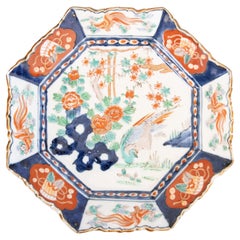
Antique 19th Century Meiji Period Japanese Imari Octagonal Charger Plate
Located in Pearland, TX
A gorgeous 19th-Century Japanese Meiji Period Imari octoganal porcelain charger. This fine large plate has hand painted floral decorations and birds in the traditional Imari colors w...
Category

Late 19th Century Japanese Antique Meiji Furniture

Materials

Porcelain

19th Century Meiji Japanese Satsuna Enanel Porcelain Vase
Located in Germantown, MD
A 19th Century Meiji Japanese Satsuna Enaneled Porcelain Vase. Measures 7" in width x 7" in depth x 12.25" in height.
Category

Late 19th Century Japanese Antique Meiji Furniture

Materials

Enamel

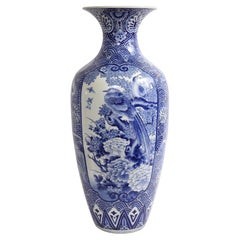
Japanese Meiji Period, Blue and White Vase with Phoenix Decoration
Located in New York, NY
A Palace Size Japanese Meiji Period (1868-1912) Blue and White Vase with Phoenix Decoration. This vase is absolutely beautiful with an incredible array of hand-painted blue decoratio...
Category

1890s Japanese Antique Meiji Furniture

Materials

Porcelain

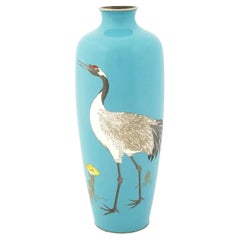
Antique Meiji Japanese Cloisonne Turquoise Enamel Crane Vase Signed OTA
Located in Long Island City, NY
A fine antique Japanese enamel brass vase featuring an elongated body with rounded shoulders and wide short neck. The surface is skillfully decorated with a polychrome cloisonne enam...
Category

Late 19th Century Japanese Antique Meiji Furniture

Materials

Enamel

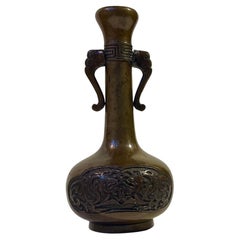
Antique Japanese late Meiji Period Bronze Vase Cast with Dragons in Relief
Located in Esbjerg, DK
A late 19th or early 20th century Meiji Period bud vase cast in bronze and featuring engraved bronze dragon relief and stylized elephant handles. It is an export piece and it probabl...
Category

Early 20th Century Japanese Meiji Furniture

Materials

Bronze

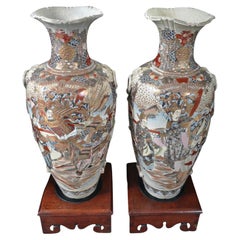
Pair Monumental Antique Meiji Period Japanese Satsuma Pottery Vases Stands 1900
Located in Portland, OR
A fine pair of monumental antique Japanese Satsuma vases with stands, circa 1900. The vases having an ivory background and are finely gilded & handpainted with enamels of Samurai wa...
Category

Early 1900s Japanese Antique Meiji Furniture

Materials

Pottery

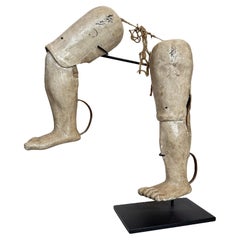
Pair of Articulated Paper Mache Bunraku Puppet Legs, Japanese, Meiji period
Located in Point Richmond, CA
Pair of Articulated Paper Mache Bunraku Puppet Legs, Japanese, Meiji period This pair of Meiji period Bunraku paper mache legs are a rare and intriguing piece of art. Bunraku is a f...
Category

Early 20th Century Japanese Meiji Furniture

Materials

Paper, Plaster

Meiji furniture for sale on 1stDibs.

Find a broad range of unique Meiji furniture for sale on 1stDibs. Many of these items were first offered in the 21st Century and Contemporary, but contemporary artisans have continued to produce works inspired by this style. If you’re looking to add vintage furniture created in this style to your space, the works available on 1stDibs include asian art and furniture, decorative objects, serveware, ceramics, silver and glass and other home furnishings, frequently crafted with metal, ceramic and other materials. If you’re shopping for used Meiji furniture made in a specific country, there are Asia, East Asia, and Japan pieces for sale on 1stDibs. While there are many designers and brands associated with original furniture, popular names associated with this style include Satsuma, Kinkozan, Ando Jubei, and Makuzu Kozan. It’s true that these talented designers have at times inspired knockoffs, but our experienced specialists have partnered with only top vetted sellers to offer authentic pieces that come with a buyer protection guarantee. Prices for furniture differ depending upon multiple factors, including designer, materials, construction methods, condition and provenance. On 1stDibs, the price for these items starts at $65 and tops out at $190,804 while the average work can sell for $2,112.