Meiji Furniture

MEIJI STYLE

From 1868 to 1912, Emperor Mutsuhito oversaw an era of transformation in Japan. Formerly a country of feudalism and isolation, Japan entered an age of modernization influenced by newly established trade and exchange with the West. The Meiji period, or period of “enlightened rule,” also saw the global impact of the East Asian country’s culture. Japanese Meiji furniture was exhibited at expositions from Paris to San Francisco and created for export.

Prior to the Meiji era, furniture was mostly made by commission for the ruling class; now there were new domestic and international markets. European styles like Japonisme appropriated Japanese design while craftsmen in places like Wales and England employed japanning, a varnishing technique that approximated the appearance of lacquer for the surfaces of furnishings.

Meiji furniture made for Japanese homes and buildings constructed in Western styles resulted in taller tables, chairs, cabinets with large drawers and other features. The government invested in areas such as transportation and communication, and because people could freely choose occupations after the restrictions of feudalism, industries of various types were energized by expressive new ideas during those years. Art schools were formed and, for the first time, design was an area of study in the country, leading to the evolution of professional design as a career by the 1890s.

The work of Japanese designers was transmitted widely through lavishly illustrated pattern books that included designs for screens and lacquerware for the home. While screens today may be of use as decorative accents or partitions to ensure privacy in one’s space, Japanese screens were adorned with paintings and were featured in performing arts such as concerts, tea ceremonies and more. The color illustrations that characterize Meiji woodblock prints, a genre of Japanese art that grew out of 17th-century developments in printing and book publishing, depicted the sweeping changes that the era brought to East Asia.

Although it was a time of societal and cultural shifts, a bolstered interest in art and design elevated Japanese craft traditions. From colorful porcelain table lamps with silk shades and hardwood tables decorated with dark lacquer to cabinets featuring iron hardware and inlaid with mother-of-pearl, Meiji furniture showcased Japan’s artistic heritage to the world.

Find a collection of antique Japanese Meiji period case pieces and storage cabinets, decorative objects, wall decorations and more furniture on 1stDibs.

to
133
344
125
607
175,828
36,258
26,899
22,131
10,290
8,609
5,722
4,938
4,575
3,929
3,673
2,513
2,409
2,189
1,655
1,568
1,422
1,028
22
1,407
377
474
30
7
86
12
5
6
2
1
1
1
233
204
159
91
74
587
579
570
7
2
607
607
607
13
11
9
8
3
Style: Meiji
Period: 20th Century
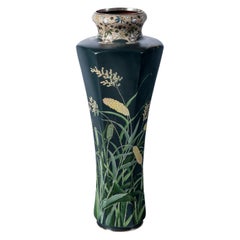
Cloisonné Vase with Silver Mounted, Japan, circa 1900
Located in Buenos Aires, Buenos Aires
Cloisonné vase with silver mounted. Japan, circa 1900.
Category

Early 1900s Japanese Antique Meiji Furniture

Materials

Silver, Enamel

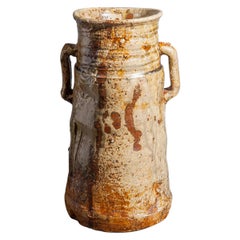
Iga-ware Earthenware Flower Container
Located in Hudson, NY
Meiji period (1868-1912) vase with characteristic Iga-ware ears and rough, sandy clay. Comes in original storage box with silk jacket and drawstring.
Category

Early 20th Century Japanese Meiji Furniture

Materials

Ceramic, Earthenware

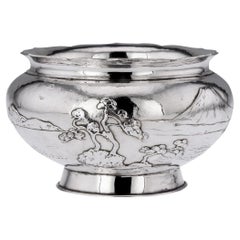
20th Century Meiji Japanese Solid Silver Fuji Mountain Bowl, c.1900
By Kuhn Komor 1
Located in Royal Tunbridge Wells, Kent
20th Century Japanese Meiji period silver bowl, double walled, depicting the view of mount Fuji from a lake, with boats and small island with banzai trees,...
Category

20th Century Japanese Meiji Furniture

Materials

Silver

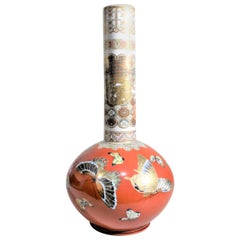
Antique Meiji Period Earthenware Vase with Butterfly Decoration
Located in Hamilton, Ontario
This large antique earthenware vase was made in Japan is circa 1900 in the Meiji period and style. This vase stands a foot high and is done w...
Category

Early 20th Century Japanese Meiji Furniture

Materials

Earthenware

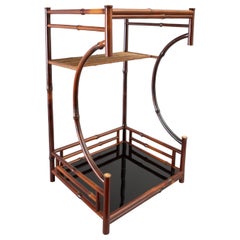
Small Japanese Bamboo and Black Lacquer Utility Stand
Located in Hudson, NY
Small Japanese bamboo and black lacquer utility stand. Meiji period (1868 - 1912) furniture with one small shelf.
Category

Early 1900s Japanese Antique Meiji Furniture

Materials

Bamboo, Lacquer

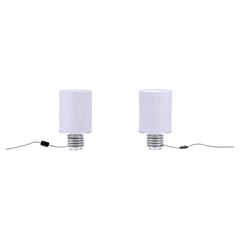
Pair of Vintage Italian Table Lamps with Custom Shades in Irish Linen
Located in Portlaoise, IE
Stylish pair of vintage Italian table lamps with bespoke custom made Irish linen shades. This beautiful pair offer a two way lighting system where by both the top and the bottom of t...
Category

1960s Italian Vintage Meiji Furniture

Materials

Chrome

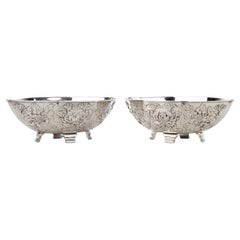
Pair of Meiji Period Solid Silver Bowls by Eigyoku
Located in Lymington, Hampshire
A pair of Meiji period solid silver bowls by Eigyoku, each of lobed oval form on four scroll feet, deeply embossed with continuous chrysanthemum hea...
Category

1910s Japanese Vintage Meiji Furniture

Materials

Silver

Meiji furniture for sale on 1stDibs.

Find a broad range of unique Meiji furniture for sale on 1stDibs. Many of these items were first offered in the 21st Century and Contemporary, but contemporary artisans have continued to produce works inspired by this style. If you’re looking to add vintage furniture created in this style to your space, the works available on 1stDibs include asian art and furniture, decorative objects, serveware, ceramics, silver and glass and other home furnishings, frequently crafted with metal, ceramic and other materials. If you’re shopping for used Meiji furniture made in a specific country, there are Asia, East Asia, and Japan pieces for sale on 1stDibs. While there are many designers and brands associated with original furniture, popular names associated with this style include Satsuma, Kinkozan, Ando Jubei, and Makuzu Kozan. It’s true that these talented designers have at times inspired knockoffs, but our experienced specialists have partnered with only top vetted sellers to offer authentic pieces that come with a buyer protection guarantee. Prices for furniture differ depending upon multiple factors, including designer, materials, construction methods, condition and provenance. On 1stDibs, the price for these items starts at $65 and tops out at $190,804 while the average work can sell for $2,112.

Still Thinking About These?

All Recently Viewed