Meiji Furniture

MEIJI STYLE

From 1868 to 1912, Emperor Mutsuhito oversaw an era of transformation in Japan. Formerly a country of feudalism and isolation, Japan entered an age of modernization influenced by newly established trade and exchange with the West. The Meiji period, or period of “enlightened rule,” also saw the global impact of the East Asian country’s culture. Japanese Meiji furniture was exhibited at expositions from Paris to San Francisco and created for export.

Prior to the Meiji era, furniture was mostly made by commission for the ruling class; now there were new domestic and international markets. European styles like Japonisme appropriated Japanese design while craftsmen in places like Wales and England employed japanning, a varnishing technique that approximated the appearance of lacquer for the surfaces of furnishings.

Meiji furniture made for Japanese homes and buildings constructed in Western styles resulted in taller tables, chairs, cabinets with large drawers and other features. The government invested in areas such as transportation and communication, and because people could freely choose occupations after the restrictions of feudalism, industries of various types were energized by expressive new ideas during those years. Art schools were formed and, for the first time, design was an area of study in the country, leading to the evolution of professional design as a career by the 1890s.

The work of Japanese designers was transmitted widely through lavishly illustrated pattern books that included designs for screens and lacquerware for the home. While screens today may be of use as decorative accents or partitions to ensure privacy in one’s space, Japanese screens were adorned with paintings and were featured in performing arts such as concerts, tea ceremonies and more. The color illustrations that characterize Meiji woodblock prints, a genre of Japanese art that grew out of 17th-century developments in printing and book publishing, depicted the sweeping changes that the era brought to East Asia.

Although it was a time of societal and cultural shifts, a bolstered interest in art and design elevated Japanese craft traditions. From colorful porcelain table lamps with silk shades and hardwood tables decorated with dark lacquer to cabinets featuring iron hardware and inlaid with mother-of-pearl, Meiji furniture showcased Japan’s artistic heritage to the world.

Find a collection of antique Japanese Meiji period case pieces and storage cabinets, decorative objects, wall decorations and more furniture on 1stDibs.

to
133
344
125
607
175,768
36,254
26,900
22,123
10,288
8,607
5,721
4,938
4,575
3,928
3,672
2,513
2,409
2,189
1,655
1,568
1,422
1,028
22
1,407
377
474
30
7
86
12
5
6
2
1
1
1
233
204
159
91
74
587
579
570
7
2
607
607
607
13
11
9
8
3
Style: Meiji
Period: 20th Century
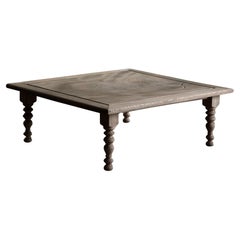
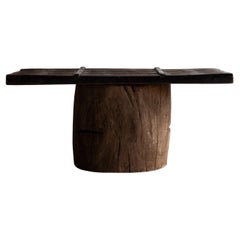
Japanese Antique Square Low Table, Late Meiji Era 1868–1912 , Wabi Sabi
Located in Hitachiomiya-shi, 08
This antique square low table was crafted in the Late Meiji Era (1868–1912). Made entirely of zelkova (keyaki) wood, it features a graceful appearance with beautifully flowing grain...
Category

Early 20th Century Japanese Meiji Furniture

Materials

Wood

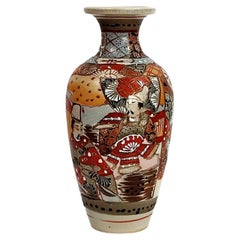
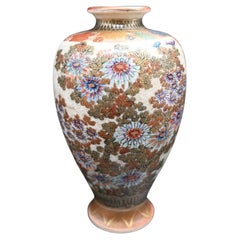
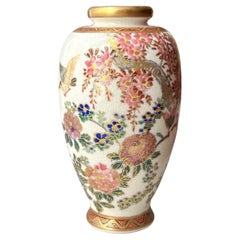
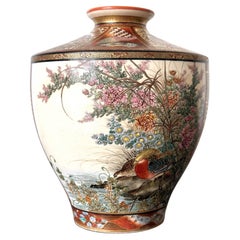
Antique Japanese Satsuma Vase – Hand-Painted Meiji-Era Masterpiece
Located in Bochum, NRW
Antique Japanese Satsuma Vase – Hand-Painted Meiji-Era Masterpiece Japanese Satsuma ceramic vase with polychrome decorations of Japanese men and soldiers in armor. Golden details. Ja...
Category

1930s Japanese Vintage Meiji Furniture

Materials

Porcelain

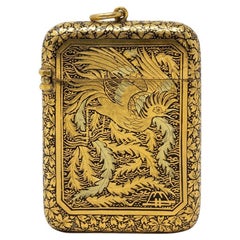
Japanese Antique Meiji Period Vesta Case by Fujii Yoshitoyo
Located in Newark, England
DEPICTING A MYTHICAL HO-O PHOENIX From our Japanese collection, we are delighted to offer this Japanese Vesta Case by Fujii Yoshitoyo. The Vesta Case extensively decorated with gol...
Category

Early 20th Century Japanese Meiji Furniture

Materials

Gold Plate, Brass

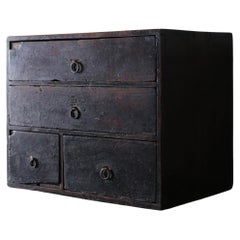
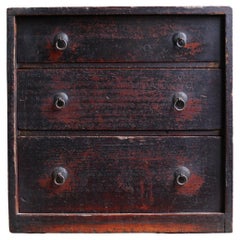
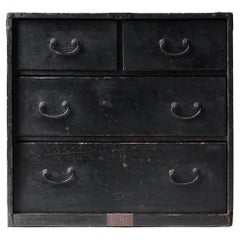
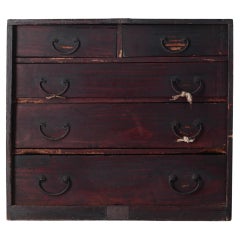
Japanese Antique Wabi Sabi Small Drawer 1860s-1900s
Located in Sammu-shi, Chiba
Very old Japanese small drawer. This furniture is from the Meiji period (1860s-1900s). It is made of cedar wood. The round handles are made of iron. These drawers are tasteful, rust...
Category

Early 20th Century Japanese Meiji Furniture

Materials

Cedar

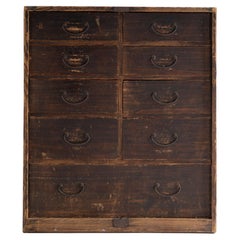
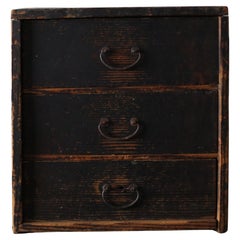
Japanese Antique BK Small Drawer 1860s-1900s / Tansu Storage Wabisabi
Located in Sammu-shi, Chiba
This is a very old Japanese black drawer storage. The furniture is from the Meiji period (1860s-1900s). It is probably from the Tohoku region of Japan. The material is mainly cedar w...
Category

Early 20th Century Japanese Meiji Furniture

Materials

Cedar

Japanese Antique Drawer 1860s-1920s / Sideboard Wabi Sabi
Located in Sammu-shi, Chiba
This is a very old drawer storage chest made in Japan. It dates back to the Meiji era (1860s–1920s) and is crafted from Japanese cedar wood. The metal fittings are made of iron. The...
Category

Early 20th Century Japanese Meiji Furniture

Materials

Iron

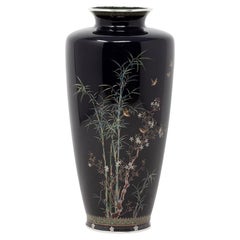
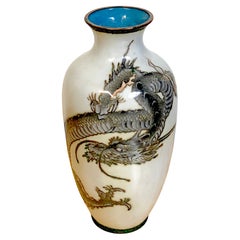
Japanese Antique Cloisonne Enamel Vase Hayashi Kodenji
Located in Newark, England
MEIJI PERIOD (1868-1912) From our Japanese collection, we are delighted to introduce this good size Japanese Cloisonne Enamel Vase. The Vase of gently tapered form with a pinched n...
Category

Early 1900s Japanese Antique Meiji Furniture

Materials

Gold, Silver, Enamel

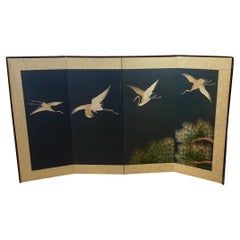
Antique Japanese Folding Chamber Screen / Paravent 20th century Japan Cranes
Located in Amsterdam, Noord Holland
A super nice Meiji period 19th c Japanese Chamber Screen. Also usuable as wall mounted screen. Stunning piece!
Category

20th Century Japanese Meiji Furniture

Materials

Bronze

Japanese Antique Black Drawer / Storage Tansu / 1905s / Wabi-Sabi Mingei
Located in Iwate-gun Shizukuishi-cho, Iwate Prefecture
This is an old Japanese-made drawer. It is made of cedar wood, and on the bottom of the drawer there is a mark with the date "Meiji 38 (1905)" written in ink from that time. After ...
Category

Early 1900s Japanese Antique Meiji Furniture

Materials

Iron

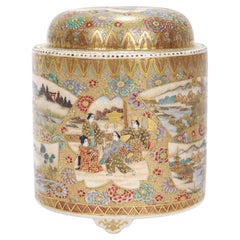
Miniature Antique Japanese Satsuma Pottery Censer or Koro
Located in Philadelphia, PA
A fine antique Japanese Satsuma pottery incense burner. With a cream ground and an extensively gilt exterior. There are numerous cartouches around the censer with each having a un...
Category

Early 20th Century Meiji Furniture

Materials

Pottery

Japanese Meiji Period (1868-1912) Satsuma Earthenware Vase Taizan for Hattori
Located in Newark, England
Meiji Period (1868-1912) From our Japanese collection, we are delighted to offer Japanese Meiji Period Satsuma Vases. The Satsuma Vase of hexagonal form with a slight waisted neck and tight rounded rim is extensively decorated with multiple figures to two large scenes. The first scene features a beach with waves to the background and a plethora of figures including multiple geisha holding traditional Japanese wagasa’s. The second scene follows on from the first with a large building in the foreground holding figures on a large platform under a pagoda roof with a pagoda building in the background and further figures in the foreground. The scenes are framed by a full detailed border with gilt shapes, flowers amongst pink shaded backgrounds and butterflies around the neck. The Satsuma Vase is unusually signed Fine Art, Satsuma Ware, Dai Nippon (Great Japan), Hattori Made, Gosuido Works, Taizan Painted. 美術, サツマヤキ(薩摩焼), 大日本, 服部造, 五スイ堂工, 對山画 and dates to the Meiji Period (1868-1912) and the turn of the 20th century circa 1905. Satsuma ware is a type of earthenware pottery originating from the Satsuma province in Southern Kyushu, Japan’s third largest island. Wagasa are traditional Japanese umbrellas made of washi paper attached to a bamboo frame and treated to ensure it is waterproof. Meiji Period was an era of Japanese history that spanned from 1868 to 1912. It was the first half of the Empire of Japan, when the Japanese people began to build a paradigm of a modern, industrialised nation state and emergent great power, influenced by Western countries and aesthetics. As a result of radically different ideas, the changes to Japan were profound and it affected the social structure, politics, economy, military, and foreign relations across the board. The period corresponded to the reign of Emperor Meiji and was preceded by the Keio era and was succeeded by the Taisho era. Cultural Art during the Meiji Period was of particular interest to the government and they overhauled the art export market which in turn promoted Japanese arts via various world’s fairs, beginning in Vienna at the world fair in 1873. The government heavily funded the fairs and took an active role organising how Japan’s culture was presented to the world including creating a semi-public company named Kiritsu Kosho Kaisha (First Industrial Manufacturing Company). The Kiritsu Kosho Kaisha was used to promote and commercialise exports of Japanese art and established the Hakurankai Jimukyoku (Exhibition Bureau) to maintain quality standards. For the 1876 Centennial International Exhibition in Philadelphia, the Japanese government created a Centennial Office and sent a special envoy to secure space for the 30,000 items that would be displayed. The Imperial Household also took an active interest in arts and crafts, commissioning works by select artists to be given as gifts for foreign dignitaries further emphasising the high quality and importance of Japanese art. Just before the end of the 19th century in 1890, the Teishitsu Gigeiin (Artist to the Imperial Household) system was created to recognise distinguished artists. These artists were selected for their exceptionally high quality wares and talent in their own industry. Over a period of 54 years Seventy artists were appointed, amongst these were ceramicist Makuzu Kozan and cloisonné enamel artist...
Category

Early 1900s Japanese Antique Meiji Furniture

Materials

Earthenware, Pottery

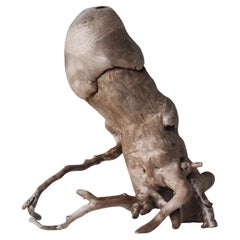
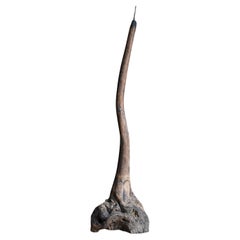
Japanese Antique Natural Wood Penis 1860s-1920s / Figurine Object Wabisabi
Located in Chōsei District Nagara, JP
This is a phallic statue made of natural wood produced in Japan. It is estimated to have been created during the Meiji and Taisho periods (1860s-1920s), and is made of richly texture...
Category

Early 20th Century Japanese Meiji Furniture

Materials

Pine

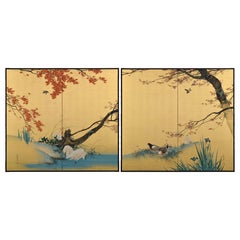
Meiji era Japanese Screen Pair, Two-panel. Spring Autumn Birds Flowers.
Located in Kyoto, JP
Spring and Autumn Birds & Flowers Hasegawa Gyokujun (1863-1921) Meiji period, circa 1900. Ink, color and gofun on silk. Dimensions of each screen: H. 172 cm x W. 188 cm (68’’ x 7...
Category

Early 20th Century Japanese Meiji Furniture

Materials

Gold Leaf

Pair Monumental Antique Meiji Period Japanese Satsuma Pottery Vases Stands 1900
Located in Portland, OR
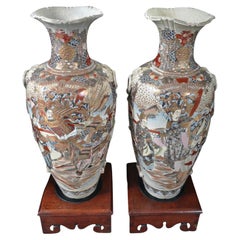
A fine pair of monumental antique Japanese Satsuma vases with stands, circa 1900. The vases having an ivory background and are finely gilded & handpainted with enamels of Samurai wa...
Category

Early 1900s Japanese Antique Meiji Furniture

Materials

Pottery

Japanese Antique Sliding Door with Galvanized Steel 1860s-1900s / Wabi Sabi
Located in Chōsei District Nagara, JP
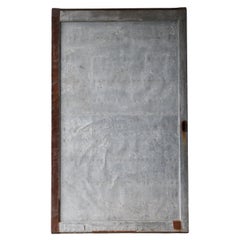
This is an old Japanese sliding door with galvanized metal cladding, crafted during the Meiji period (1860s–1900s). A rare surviving example, this piece showcases the ingenuity and a...
Category

Early 20th Century Japanese Meiji Furniture

Materials

Steel

Japanese Antique Side Table or Bench 1860s-1920s / Display Stand Wabisabi
Located in Chōsei District Nagara, JP
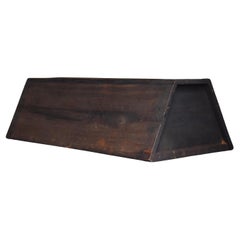
This is an old Japanese side table or bench. It was made in the Meiji and Taisho periods (1860s-1920s), and is made of cedar wood with a beautiful rustic texture. The straight, stre...
Category

Early 20th Century Japanese Meiji Furniture

Materials

Cedar

Antique Japanese Meiji Cloissoné Charger Plate
Located in Miami, FL
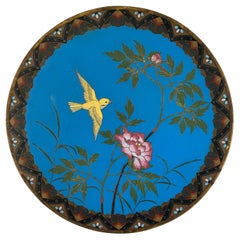
Antique Meiji Japanese Cloisonne Charger Plate A fine Japanese Meiji style charger, plate or dish. Hand crafted, this charger plate is adorned with a polychrome scene with a beautiful yellow bird and a rose. There is also a blossoming flower and trees on the turquoise base made in the Cloisonne technique. The border features traditional foliage, and floral motifs made in the same technique. The backside is decorated with a swirl motif also made in the Cloisonne technique. Unmarked. Circa: Late 19th to the Early 20th Century. Antique and Vintage Asian Collectibles, Oriental Enamel Plates, Home Decor And Collectibles. This wonderfully hand crafted decorative Japanese Meiji Cloisonne charger...
Category

20th Century Japanese Meiji Furniture

Materials

Copper, Enamel

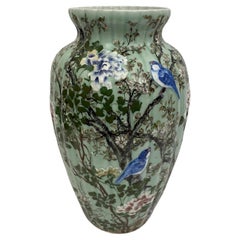
Meiji Period High Relief Porcelain Celadon Vase, circa 1900
Located in Miami, FL
This captivating Meiji period (1868-1912) porcelain vase features a mesmerizing celadon glaze, with a subtle crackled texture. Exquisite details, meticulously hand-painted in vibrant...
Category

Early 20th Century Japanese Meiji Furniture

Materials

Porcelain

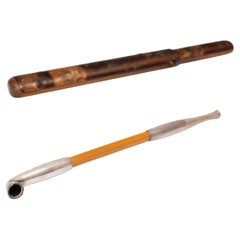
Japanese Kiseru Tobacco Pipe Case, c. 1900
Located in Chicago, IL
This elegant pipe of white brass and bamboo dates to early 20th century Japan and was used for smoking finely shredded tobacco (kizami-tabako). Known as a rao-kiseru, these short smo...
Category

Early 20th Century Japanese Meiji Furniture

Materials

Brass

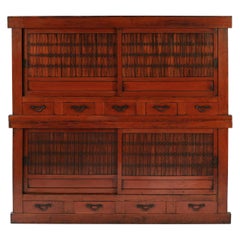
Late 19th Century Large Two Section Antique Japanese Kitchen Tansu
Located in Point Richmond, CA
Late 19th Century Large Two Swection Antique Japanese Kitchen Tansu A Kyoto Mizuya Tansu also known as a Gifu Mizuya Tansu from the Meiji Period (1868-19...
Category

1990s Japanese Meiji Furniture

Materials

Iron

Japanese Antique Drawer 1860s-1920s / Sideboard Wabi Sabi
Located in Sammu-shi, Chiba
This is a very old drawer storage chest made in Japan. It dates back to the Meiji era (1860s–1920s) and is crafted from Japanese cedar wood. The metal fittings are made of iron. In ...
Category

Early 20th Century Japanese Meiji Furniture

Materials

Iron

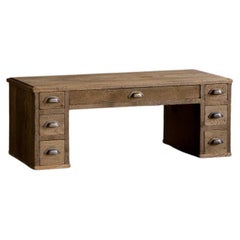
Late Meiji Era(1868-1912)Japanese Antique Floor Writing Desk or Coffee Table
Located in Hitachiomiya-shi, 08
This low table was crafted in the late Meiji era (1868-1912). Reflecting Japan’s floor-seated culture, it features a lower height than standard tables. The tabletop is made from a ...
Category

Early 20th Century Japanese Meiji Furniture

Materials

Chestnut

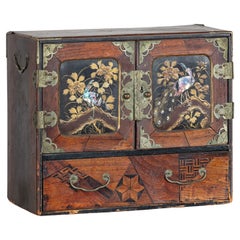
Japanese Lacquer Box with Mother-of-Pearl Inlay and Parquetry Drawers
Located in Yonkers, NY
A finely crafted Japanese tabletop cabinet from the early 20th century, this compact storage piece is richly detailed with traditional decorative techniques and export-era flourishes...
Category

Early 20th Century Japanese Meiji Furniture

Materials

Wood

Japanese Antique BK Small Drawer 1860s-1900s / Tansu Storage Wabisabi
Located in Sammu-shi, Chiba
Very old Japanese small drawer. This furniture is from the Meiji period (1860s-1900s). It is made of cedar wood. The drawer is tasteful, rustic, simple and beautiful. There is no wa...
Category

Early 20th Century Japanese Meiji Furniture

Materials

Cedar

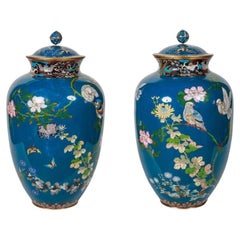
Large Pair of Japanese Cloisonne Enamel Blue-Ground Vases and Covers, Meiji
Located in Long Island City, NY
A Large Pair of Japanese Cloisonne Enamel Blue-Ground Vases and Covers, Meiji Period. A decorative pair of cloisonne enamel vases, the bodies decorated with colorful birds, butterfl...
Category

Early 20th Century Japanese Meiji Furniture

Materials

Enamel

Japanese Antique Small Drawer 1860s-1920s / Tansu Nightstand Wabisabi
Located in Chōsei District Nagara, JP
This is a small drawer storage made in Japan. It was made between the Meiji and Taisho periods (1860s-1920s) and is made of cedar wood. The handles are made of iron. The lean, linea...
Category

Early 20th Century Japanese Meiji Furniture

Materials

Iron

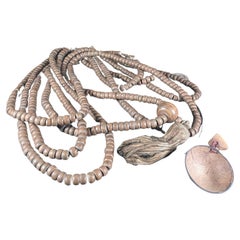
Japanese Antique Zen Rosewood Mala Prayer Bead String 800 Beads With Alms Bowl
Located in South Burlington, VT
Rare find!: 24 feet long Zen monk Mala Prayer Bead String plus original wooden alms bowl with its original attached triangular shaped stone ojime. A huge...
Category

Early 20th Century Japanese Meiji Furniture

Materials

Wood

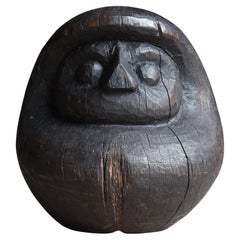
Japanese Antique Wood Carving Daruma 1860-1920s / Sculpture Wabi Sabi Mingei
Located in Chōsei District Nagara, JP
This is an old wooden form of Daruma made in Japan. It is estimated to have been made between the Meiji and Taisho periods (1860s-1920s) and seems to have been made of cedar wood. De...
Category

Early 20th Century Japanese Meiji Furniture

Materials

Cedar

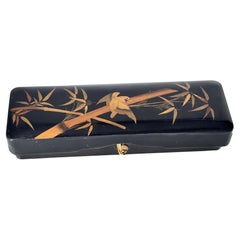
20th Century Japanese Black Lacquer Box with Gold Bird and Reed Motif Decorative
Located in Auribeau sur Siagne, FR
20th Century Japanese Black Lacquer Box with Gold Bird and Reed Motif, Decorative & Functional Description: This elegant Japanese lacquer box, crafted in the 20th century, is a beautiful example of refined traditional craftsmanship. Coated in deep black lacquer, the box is adorned with delicate gold-painted branch and bird motifs, evoking a sense of serenity and natural harmony. The fine, meticulous brushwork captures the lightness of the reeds and the poised elegance of the bird, offering a peaceful and contemplative decorative piece. The removable lid reveals an interior decorated with two gold medallions, each threaded with a golden ribbon, adding an extra touch of subtle luxury and detail. Key features include: Authentic Japanese Craftsmanship: This box reflects traditional Japanese lacquerware techniques, emphasizing delicacy, patience, and respect for nature. Elegant Black and Gold Color Palette: The deep black base contrasts beautifully with the fine gold detailing, creating a sophisticated and timeless aesthetic. Nature-Inspired Motif: The scene of golden reeds and a resting bird embodies calmness, elegance, and a connection to the natural world, key themes in Japanese art. Decorative Interior: Inside, two gold medallions with threaded ribbons enhance the box’s refined, ceremonial feel, offering a hidden layer of beauty. Functional and Decorative: Perfect for use as a decorative object, a jewelry box, a keepsake container, or a small personal storage piece. Versatile Placement: Its understated luxury allows it to fit effortlessly into minimalist, traditional, wabi-sabi, or eclectic interiors. This 20th-century Japanese black lacquer box is more than a container—it’s a poetic celebration of craftsmanship, nature, and subtle beauty, offering both functional use and decorative sophistication. Keywords: Japanese black lacquer box, gold painted bird and reed motif, 20th-century Japanese decor, traditional lacquerware, serene Japanese art box, nature-themed lacquer container...
Category

Early 20th Century Japanese Meiji Furniture

Materials

Wood, Lacquer

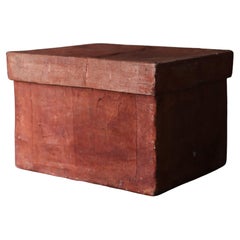
Japanese Antique Paper-covered Box 1900s-1920s / Kakishibu
Located in Sammu-shi, Chiba
This is a very old storage box covered in washi paper. It was made in the Meiji period (1900s-1920s). The old washi paper is painted with persimmon tannins. Painting with persimmon ...
Category

Early 1900s Japanese Antique Meiji Furniture

Materials

Paper

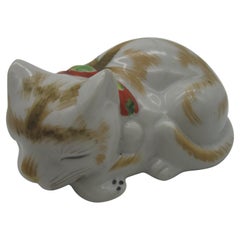
Japanese Meiji Period Gold White Porcelain Sleeping Cat Sculpture, circa 1910
Located in Takarazuka, JP
Exquisite Meiji period Japanese Kutani sculpture of a sleeping cat in fine porcelain, inspired by the small wooden sculpture at the entrance of...
Category

Early 20th Century Japanese Meiji Furniture

Materials

Gold

Japanese Antique Meiji Period Satsuma Vase by Kinkozan
Located in Newark, England
GLOBULAR FORM MINIATURE VASE From our Japanese collection, we are delighted to offer this Japanese Satsuma Vase by Kinkozan. The Satsuma Vase made from earthenware pottery is potted...
Category

Early 1900s Japanese Antique Meiji Furniture

Materials

Ceramic, Earthenware, Pottery

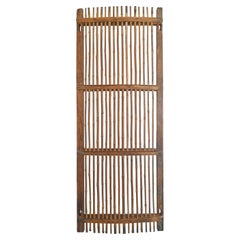
Old Arched Bamboo Wall Art Object / Japan, Early 20th Century/MINGEI
Located in Sammu-shi, Chiba
This is a large bamboo frame believed to have been made in Japan between the Meiji period and the early Showa period. Its original purpose is unclear, but the narrow holes and struct...
Category

Early 20th Century Japanese Meiji Furniture

Materials

Bamboo, Wood

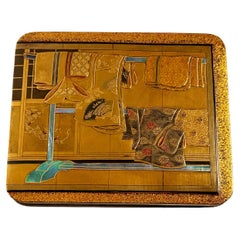
Japanese Tagasode (Whose Sleeves?) Lacquer Incense Box, Kobako, Meiji Period
Located in Austin, TX
A fine and unusual Japanese lacquer box for incense accessories, kobako, featuring a tagasode (whose sleeves?) design, Meiji Period, circa 1900, Japan. The exquisite box of simple rectangular shape worked in maki-e lacquer, taka-maki-e, and raden, all against a lush ground of gold nashiji. Fitted with silver rims. The main decorative element of the box depicts a six panel folding screen, byobu, showing an interior scene with kimono strewn over a rack, a motif known as tagasode (whose sleeves), all in raised taka-maki-e lacquer and inlaid raden. The screen depicts an intimate room with tatami mats on the floor and sliding shoji doors in the background. The foreground depicts a large clothing...
Category

Early 1900s Japanese Antique Meiji Furniture

Materials

Silver

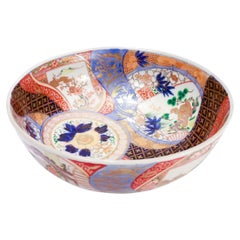
Antique Japanese Meiji Period Imari Porcelain Punch Bowl or Centerpiece
Located in Philadelphia, PA
A fine large antique Japanese Meiji porcelain bowl. With a white ground and extensively gilt throughout. Primarily decorated in red, blue, and gold with bits of green, brown, and ...
Category

Early 20th Century Japanese Meiji Furniture

Materials

Porcelain

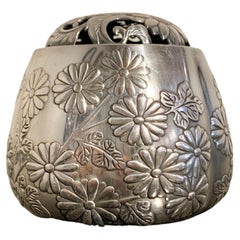
Japanese Silver Incense Burner, Akoda Koro, by Nomura, Meiji Period, Japan
Located in Austin, TX
A lovely and luxurious Japanese silver incense burner of lobed melon form, akoda koro, marked jungin and signed Nomura, Meiji Period, circa 1900, Japan. The silver koro...
Category

1910s Japanese Vintage Meiji Furniture

Materials

Silver, Sterling Silver

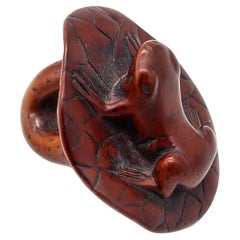
JAPAN 1900 Meiji Period Carved Wood Netsuke Of Frog Resting In A Lotus
Located in Miami, FL
A Japanese Meiji period netsuke. This is an amazing netsuke created during the imperial Japan in the Meiji period, between the 1890 and 1900. The netsuke has been carefully carved i...
Category

Early 1900s Japanese Antique Meiji Furniture

Materials

Wood

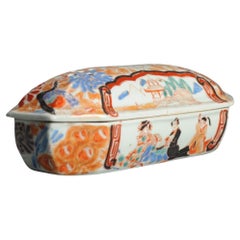
Antique Japanese Meiji Period Soap Box Porcelain MArked base Japan
Located in Amsterdam, Noord Holland
Description A very nice box. Its marked on the base. Condition Lid Restored. Size: 20cm Period 19th century 20th century Meiji Periode (1867-1912)
Category

Early 20th Century Japanese Meiji Furniture

Materials

Porcelain

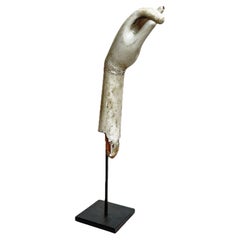
Bunraku Puppet Hand Fragment, Wood, Japanese, Meiji period
Located in Point Richmond, CA
Puppet hand fragment, wood, Japanese, Meiji period. This Meiji period Bunraku wooden arm is a rare and intriguing piece of art. Bunraku is a form of traditional Japanese puppet the...
Category

Early 20th Century Japanese Meiji Furniture

Materials

Wood, Paint

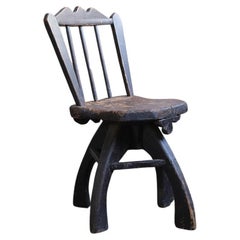
Primitive Wood Chair from Japan 1860s-1900s / Wabi Sabi Wooden Chair Mingei
Located in Sammu-shi, Chiba
This is an old primitive chair discovered in Japan. Details of this chair are unknown. It is also possible that it was not produced in Japan, but was brought over from East Asia or S...
Category

Early 20th Century Japanese Meiji Furniture

Materials

Wood

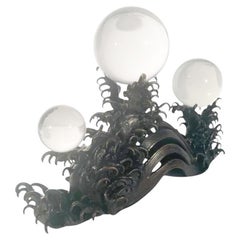
Japanese Bronze Crystal Okimono, 3 Crystal Spheres Riding Bronze Waves, Meiji
Located in Chapel Hill, NC
Japanese Meiji period bronze and crystal sculpture (okimono) of stylized waves supporting three crystal balls of varying size. Signed on underside.
Category

20th Century Japanese Meiji Furniture

Materials

Crystal, Bronze

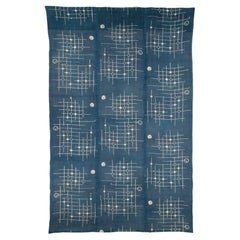
Early 20th Century Japanese Linen Go-Board Pattern Futon Cover
Located in Point Richmond, CA
Early 20th Century Japanese linen go-board pattern futon cover A unique example of a game-themed textile, this 3-panel futon cover is woven of very fine...
Category

Early 20th Century Japanese Meiji Furniture

Materials

Hemp

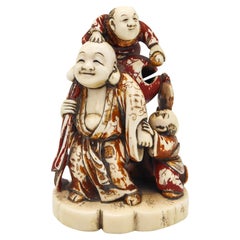
JAPAN 1900 Meiji Signed Okimono Sculpture of Fukurokuju In Polychrome Gilt
Located in Miami, FL
Meiji period okimono sculpture of Fukurokuju. This is a beautiful okimono sculpture created in the late 19th century during the imperial Japan in the Meiji era period, back in 1900....
Category

Early 1900s Japanese Antique Meiji Furniture

Materials

Gold

Japanese Antique Natural Wood Large Candle Stick 1860s-1900s / Wabi Sabi
Located in Chōsei District Nagara, JP
This is an old Japanese natural wood Shokudai (candlestick). It was made in the late Edo period (1860s-1900s), and the material used is probably coniferous cedar wood. The texture o...
Category

Early 20th Century Japanese Meiji Furniture

Materials

Iron

Japanese Antique Low Table 1860s-1920s / Sofa Table Wabi Sabi
Located in Sammu-shi, Chiba
This sculptural low table is composed of two antique Japanese utilitarian objects, created during the late Meiji to early Taishō period, approximately (1868 to 1920). The tabletop i...
Category

Early 20th Century Japanese Meiji Furniture

Materials

Wood, Cedar

High Quality Old Japanese Satsuma Earthenware Vase, ca 1900, Meiji period
Located in Bilzen, BE
A rare antique handpainted Japanese Satsuma earthenware vase, signed Fine quality Good overall condition, no chips, cracks or restorations Height 14 cm
Category

Early 20th Century Japanese Meiji Furniture

Materials

Earthenware

Japanese Antique Drawer / Storage Tansu / 1912s / Wabi-Sabi Mingei
Located in Iwate-gun Shizukuishi-cho, Iwate Prefecture
This is an antique Japanese-made drawer. It is made from cedar, and the date "Meiji 45 (1912s)" is written in ink on the bottom of the drawer at the time. Through years of use, it ...
Category

1910s Japanese Vintage Meiji Furniture

Materials

Iron

Exquisite Japanese Wireless Cloisonné Dragon Motif Vase, Meiji / Taisho Period
Located in West Palm Beach, FL
Japanese Wireless Cloisonné Enamel Vase, likely from the Meiji period (1868–1912) or possibly the early Taisho period (1912–1926). The vase features a dynamic depiction of a Japanese...
Category

Early 20th Century Japanese Meiji Furniture

Materials

Copper

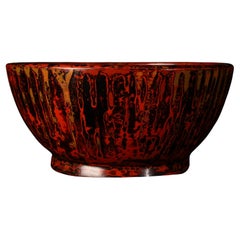
Japanese Lacquerware Bowl — Aizu Lacquer, Dry Lacquer Technique (Early 20th Cent
Located in Fukuoka, JP
Dimensions: W 17.7 × D 17.5 × H 8.3 cm Weight: 255 g Origin: Japan (Aizu region) A refined urushi lacquer bowl crafted in the Aizu region, renowned for its centuries-old lacquer tra...
Category

Early 20th Century Japanese Meiji Furniture

Materials

Wood, Lacquer

Meiji Period Diminutive Satsuma Baluster Vase.
Located in Vero Beach, FL
Meiji Period Diminutive Satsuma Baluster Vase. This Japanese Satsuma vase from the late Meiji period is hand painted and gilt decorated with a Japanese landscape in exquisite detail...
Category

20th Century Japanese Meiji Furniture

Materials

Porcelain

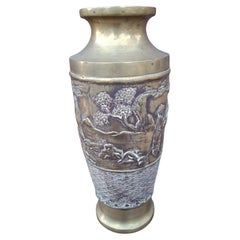
Mid 20th Century Japanese Etched and Repousse Bronze Vase
Located in Germantown, MD
A Mid 20th Century Japanese Etched and Repousse Bronze Vase MEASUREMENTS: 5″ wide x 5" Dx 12″ in height . Opening is 2.5".
Category

Mid-20th Century Japanese Meiji Furniture

Materials

Bronze

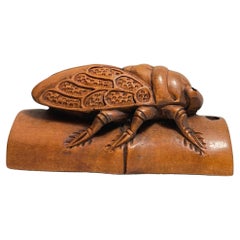
Japanese Wooden Netsuke Cicada 1900 Meiji Sekisen
Located in Paris, FR
This is an antique wooden netsuke made in Japan around Meiji period 1900s. The signature is written on the back side 'Sekisen'. Netsuke is a miniature sculpture, originating in 17th...
Category

Early 1900s Japanese Antique Meiji Furniture

Materials

Wood

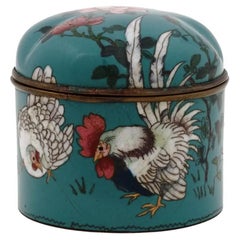
Antique Japanese Cloisonné Meiji Enamel Box with Roosters
Located in Long Island City, NY
An antique Japanese Meiji era covered enamel over brass trinket or jewelry box. Circa: late 19th century to early 20th century. The ware is enameled with a polychrome image of a roos...
Category

Early 20th Century Japanese Meiji Furniture

Materials

Brass, Enamel

Fine Japanese Satsuma Vase by Ryozan Okamoto for Yasuda Company Meiji Period
Located in Atlanta, GA
A finely decorated Japanese satsuma ceramic vase by Ryozan Okamoto (c.1820s-1910s) for Yasuda. Ryozan is the head artist working for Yasuda company, a Japanese ceramic makers and dea...
Category

Early 1900s Japanese Antique Meiji Furniture

Materials

Ceramic

Japanese Antique Storage Box 1860s-1900s / Tansu Sideboard Wabisabi
Located in Chōsei District Nagara, JP
This is an old box storage made in Japan. It was made during the Meiji period (1860s-1900s), and the material used is paulownia wood, which is precious today. Paulownia wood is light...
Category

Early 20th Century Japanese Meiji Furniture

Materials

Iron

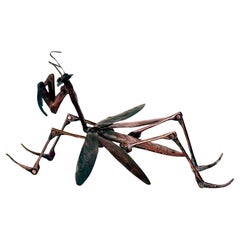
Japanese Articulate Praying Mantis Jizai Okimono Myochin Hiroyoshi Meiji
Located in Atlanta, GA
A rare articulate praying mantis made by Myochin Hiroyoshi in the late Meiji Period circa 1890-1900s. As an ornamental display item, this type of item is known in Japanese as Jizai O...
Category

Early 20th Century Japanese Meiji Furniture

Materials

Copper

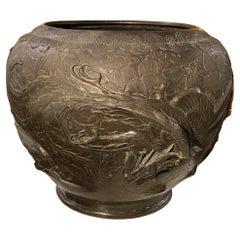
Large Japanese Bronze Jardiniere with Bird Decoration
Located in Milford, NH
A fine large round Meiji bronze jardiniere with rooster decoration, accented with geometric shapes around the rim and foliate designs around th...
Category

Early 20th Century Japanese Meiji Furniture

Materials

Bronze

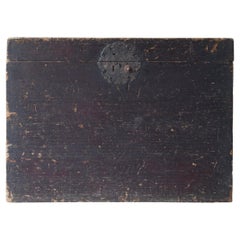
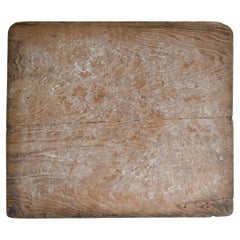
Japanese Antique Wabi-Sabi Wood Board 1860s-1900s / Wall Decoration
Located in Chōsei District Nagara, JP
This is an old Japanese wooden board called “Mochiita” (rice cake board). It was used during the Meiji period (1860s-1900s) and is made of pine wood with a rich texture. As the name ...
Category

Early 20th Century Japanese Meiji Furniture

Materials

Pine

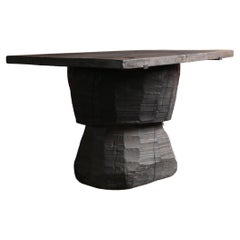
Japanese Antique Rustic Table 1860s-1900s / Dining Table Wabi Sabi Mingei
Located in Sammu-shi, Chiba
This is a very old Japanese Rustic table. It has a simple style with a wooden board on top of the "Usu". The "Usu" was used for crushing nuts and kneading rice for mochi. Generally,...
Category

Early 20th Century Japanese Meiji Furniture

Materials

Wood

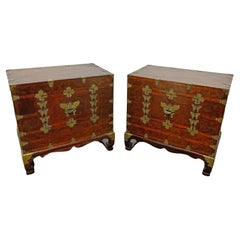
Pair of Korean Bandaji Side Tables / Nightstands Ca. 1920s
Located in Peabody, MA
Pair of Korean Bandaji (blanket) chests on stands with intricate brass-work and hardware, and original interior printed rice paper lining. Were used as night stands by prior owner. ...
Category

1920s Korean Vintage Meiji Furniture

Materials

Brass

Meiji furniture for sale on 1stDibs.

Find a broad range of unique Meiji furniture for sale on 1stDibs. Many of these items were first offered in the 21st Century and Contemporary, but contemporary artisans have continued to produce works inspired by this style. If you’re looking to add vintage furniture created in this style to your space, the works available on 1stDibs include asian art and furniture, decorative objects, serveware, ceramics, silver and glass and other home furnishings, frequently crafted with metal, ceramic and other materials. If you’re shopping for used Meiji furniture made in a specific country, there are Asia, East Asia, and Japan pieces for sale on 1stDibs. While there are many designers and brands associated with original furniture, popular names associated with this style include Satsuma, Kinkozan, Ando Jubei, and Makuzu Kozan. It’s true that these talented designers have at times inspired knockoffs, but our experienced specialists have partnered with only top vetted sellers to offer authentic pieces that come with a buyer protection guarantee. Prices for furniture differ depending upon multiple factors, including designer, materials, construction methods, condition and provenance. On 1stDibs, the price for these items starts at $65 and tops out at $190,804 while the average work can sell for $2,112.

Still Thinking About These?

All Recently Viewed