Meiji Furniture

MEIJI STYLE

From 1868 to 1912, Emperor Mutsuhito oversaw an era of transformation in Japan. Formerly a country of feudalism and isolation, Japan entered an age of modernization influenced by newly established trade and exchange with the West. The Meiji period, or period of “enlightened rule,” also saw the global impact of the East Asian country’s culture. Japanese Meiji furniture was exhibited at expositions from Paris to San Francisco and created for export.

Prior to the Meiji era, furniture was mostly made by commission for the ruling class; now there were new domestic and international markets. European styles like Japonisme appropriated Japanese design while craftsmen in places like Wales and England employed japanning, a varnishing technique that approximated the appearance of lacquer for the surfaces of furnishings.

Meiji furniture made for Japanese homes and buildings constructed in Western styles resulted in taller tables, chairs, cabinets with large drawers and other features. The government invested in areas such as transportation and communication, and because people could freely choose occupations after the restrictions of feudalism, industries of various types were energized by expressive new ideas during those years. Art schools were formed and, for the first time, design was an area of study in the country, leading to the evolution of professional design as a career by the 1890s.

The work of Japanese designers was transmitted widely through lavishly illustrated pattern books that included designs for screens and lacquerware for the home. While screens today may be of use as decorative accents or partitions to ensure privacy in one’s space, Japanese screens were adorned with paintings and were featured in performing arts such as concerts, tea ceremonies and more. The color illustrations that characterize Meiji woodblock prints, a genre of Japanese art that grew out of 17th-century developments in printing and book publishing, depicted the sweeping changes that the era brought to East Asia.

Although it was a time of societal and cultural shifts, a bolstered interest in art and design elevated Japanese craft traditions. From colorful porcelain table lamps with silk shades and hardwood tables decorated with dark lacquer to cabinets featuring iron hardware and inlaid with mother-of-pearl, Meiji furniture showcased Japan’s artistic heritage to the world.

Find a collection of antique Japanese Meiji period case pieces and storage cabinets, decorative objects, wall decorations and more furniture on 1stDibs.

to
133
344
125
607
175,768
36,254
26,900
22,123
10,288
8,607
5,721
4,938
4,575
3,928
3,672
2,513
2,409
2,189
1,655
1,568
1,422
1,028
22
1,407
377
474
30
7
86
12
5
6
2
1
1
1
233
204
159
91
74
587
579
570
7
2
607
607
607
13
11
9
8
3
Style: Meiji
Period: 20th Century
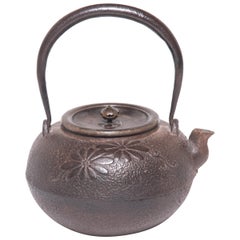
Japanese Iron Tetsubin with Chrysanthemum Blossoms, c. 1900
Located in Chicago, IL
Decorated with stylized chrysanthemum blossoms, symbols of longevity and rejuvenation, this Japanese teapot was used to boil water for traditional tea ceremonies. Known as tetsubin, ...
Category

Early 20th Century Japanese Meiji Furniture
Materials

Bronze, Iron

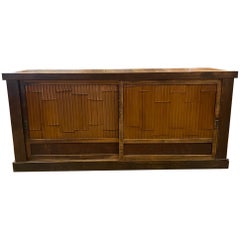
Early 20th Century Japanese Bamboo Cabinet With Sliding Doors
Located in Los Angeles, CA
The sis the bottom piece of an early 20th c. bamboo and hinoki wood Japanese shop cabinet. Sliding doors. All original including interior shelf. Would be i...
Category

20th Century Japanese Meiji Furniture

Materials

Bamboo

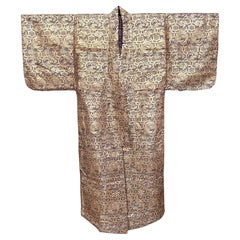
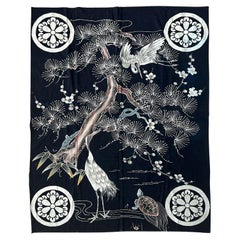
Japanese Brocade Noh Costume Kimono Robe Meiji Period
Located in Atlanta, GA
A Noh costume made from magnificent silk twill brocade woven with metallic gold threads circa 1930s. The robe is identified as "Atsuita", made for male actors in the Noh play. The luxuriant fabric has a deep blue background with golden interlocking hexagon pattern that resembles tortoise shells, the symbol of longevity. The motifs showcase three auspicious symbols in repetitive patterns: roundels of coiled dragon, phoenix and peony. The kimono robe...
Category

20th Century Japanese Meiji Furniture

Materials

Brocade, Silk

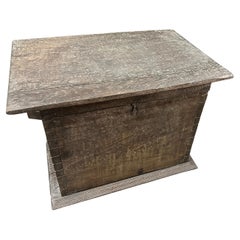
Antique Wood Chest
Located in New York, NY
Beautiful antique chest with remnants of the original color. We only source the best. This bench was sourced in the spirit of Wabi-Sabi, a J...
Category

1950s Japanese Vintage Meiji Furniture

Materials

Wood, Reclaimed Wood

Antique Ikebana Basket , Bamboo, Early 20th Century, Japanese
Located in Point Richmond, CA
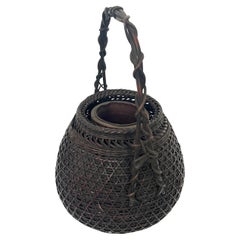
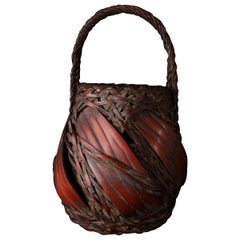
Ikebana basket for the art of flower arrangement. This ikebana basket features a weave pattern which creates a hexagon shape and a twisted handle. It has a rounded body with handle a...
Category

Early 20th Century Japanese Meiji Furniture

Materials

Bamboo

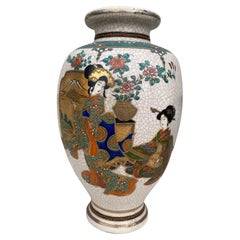
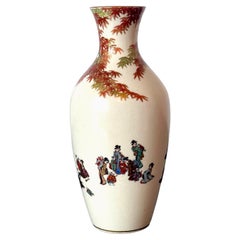
Koro Satsuma Japanese ceramic
Located in Buenos Aires, Argentina
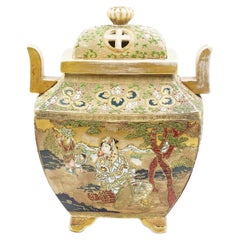
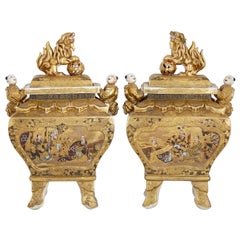
Koro Satsuma Japanese ceramic Japanese glazed ceramic in various colors Meiji Style Circa 1940 Origin Japan It has traditional images painted on its front and back. The purpose of th...
Category

1940s Japanese Vintage Meiji Furniture

Materials

Enamel

Early 20th c Chinese cloisonné enamel vase
Located in Long Island City, NY
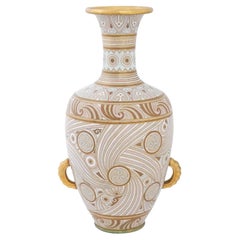
An early 20th century Chinese copper vase with cloisonne enamel decor. Bottle shape. Swirl ornamental design in beige color palette. Gilt rims and ...
Category

Early 20th Century Chinese Meiji Furniture

Materials

Copper

Kichizaemon Raku Seinyu XIII "13th" Signed Antique Japanese Raku Chawan Tea Bowl
Located in Studio City, CA
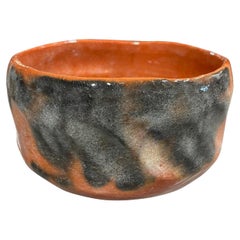
A wonderfully glazed, impeccably made Chawan tea bowl by famed Japanese master potter the 13th Kichizaemon Raku, Seinyu (1887-1944) who was the eldest son of Konyu - the 12th Kichizaemon of the Raku family line of potters - known as the most noted and celebrated tradition of pottery within the world of Japanese tea. Kichizaemon Raku was the 13th master to carry on the family's esteemed name and tradition. The bowl features shifting textures and deep, rich colours which radiate in the light. The term "Raku" was derived from the site where clay was dug in Kyoto in the late 16th century. The Kanji character for Raku translates to "enjoyment" or "fun/delightful" For 15 generations it has been the title and seal used by a lineage of potters whose work formed the central tradition in Japan. This lineage believes that 'Raku' refers to the potters who use the technique, not the technique itself. In the 16th century, the first of these potters, Chojiro is said to have come under the patronage of the Japanese tea master, Sen-No-Rikyu. According to legend, in 1598 a few years after Chojiro's death, ruler, Hideyoshi Toyotomi bestowed upon his adopted son, Jokei, a golden seal with the written symbol "Raku." Both the name and the ceramic style have been passed down through the family to the present ever since. The name and the style of ware have become influential in both Japanese culture and literature. Raku ware marked an important point in the historical development of Japanese ceramics, as it was the first ware to use a seal mark and the first to focus on close collaboration between potter and patron. Other famous Japanese clay artists...
Category

Early 20th Century Japanese Meiji Furniture

Materials

Ceramic

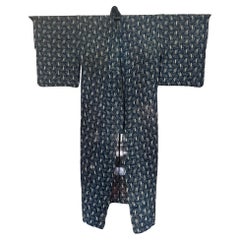
Japanese Woven Ikat and Stenciled Summer Usumono Kimono Meiji Period
Located in Atlanta, GA
On offer is a “Natsu No Kimono” (summer kimono) also called “Usumono" (thin clothes) dated from late Meiji Period circa late 19th to early 20th century. This well-preserved garment w...
Category

Early 20th Century Japanese Meiji Furniture

Materials

Linen

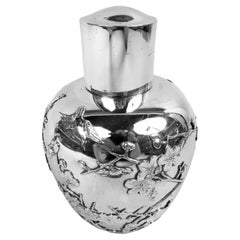
Antique Japanese Meiji Silver Blossoming Branch Tea Caddy
Located in New York, NY
Japanese Meiji silver tea caddy, ca 1910. Ovoid with straight inset neck and snug-fitting cover. Applied blossoming branches with birds flying overhead. Marked. Weight: 8.5 troy ounc...
Category

Early 20th Century Japanese Meiji Furniture

Materials

Silver

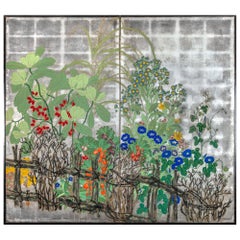
Japanese Two Panel Screen Summer Flowers on Silver
Located in Hudson, NY
Japanese two panel screen: Summer flowers on silver. Meiji period painting (1868 - 1912) of Summer flowers including morning glories and daisies against a garden fence. Signature and...
Category

Early 1900s Japanese Antique Meiji Furniture

Materials

Silver Leaf

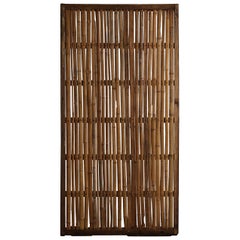
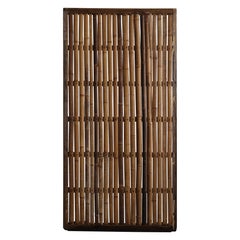
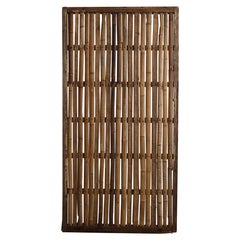
Japanese Antique Bamboo Sliding Door, Object Mingei Art Panel, Wabisabi Door(1)
Located in Katori-Shi, 12
This is an antique Japanese bamboo door. It is from the Meiji period (1860s-1900s). It is made mainly of cedar and bamboo. It has a simple design that conveys the charm of the mater...
Category

Early 20th Century Japanese Meiji Furniture

Materials

Wood, Bamboo

Japanese Antique Wooden Board, "Abstract Sculptures", Wabi-Sabi, Mingei
Located in Katori-Shi, 12
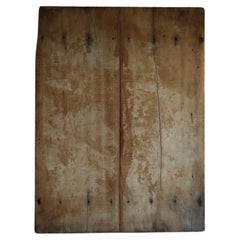
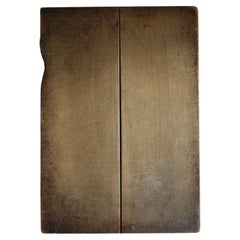
This is a wooden antique board from the Meiji era. It is made of Japanese cedar wood. It has a beautiful appearance due to years of use and aging. It was used as a board for kneadi...
Category

Early 20th Century Meiji Furniture

Materials

Wood

19th Century Japanese Bronze Planters Jardinieres
Located in Germantown, MD
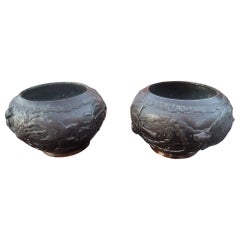
Antique fine quality Oriental Japanese bronze Jardinière planter bowl Meiji Period, 19th century. Would look amazing in the right location or make a fabulous centre piece. Great c...
Category

Mid-20th Century Japanese Meiji Furniture

Materials

Bronze

Japanese Antique Wood Carving Wall Panel, Abstract Art , Wabi Sabi
Located in Katori-Shi, 12
This wall-hanging carved wooden ornament is made from recycled zelkova wood from a kotatsu table from the Meiji period. The beautiful grain of the wood has been carefully carved by ...
Category

Early 20th Century Japanese Meiji Furniture

Materials

Wood

Japan bowl Meiji period
Located in Argenteuil, IDF
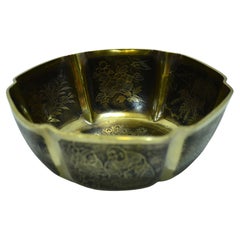
Superb and rare large, hexagonal, hollow, late 19th-century Japanese bronze bowl decorated with medallions depicting bird scenes in landscapes and...
Category

Early 20th Century Asian Meiji Furniture

Materials

Bronze

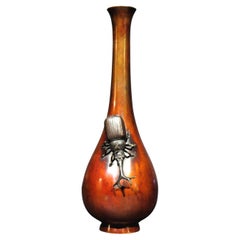
A Very Fine 19th C. Japanese Bronze Kabutomushi Vase, Meiji Period (1868-1912)
Located in Ottawa, Ontario
A fine rare Meiji period 'Kabutomushi' bronze vase, exhibiting a fine old surface with an exceptionally fine patina overall, featuring an applied, naturalistically cast d...
Category

Early 1900s Japanese Antique Meiji Furniture

Materials

Bronze

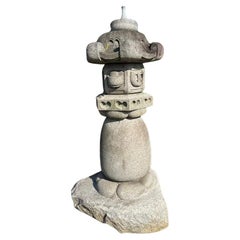
Japan Antique Stone Tea Garden Lantern, Stunning Design
Located in South Burlington, VT
A tall 80 Inch antique classic tea motif lantern with all original pieces. Please view our video. The Zendō-ji Gata lantern Ishidōrō (禅導寺型石灯籠) is a unique design and very special ...
Category

Early 20th Century Japanese Meiji Furniture

Materials

Granite

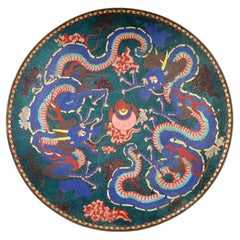
Large Japanese Dragon Design Cloisonne Enamel Plate
Located in Long Island City, NY
A large Japanese enamel plate charger. The plate is enameled with a polychrome design representing a pair of dragons surrounded by fire and cloud...
Category

Early 20th Century Japanese Meiji Furniture

Materials

Enamel

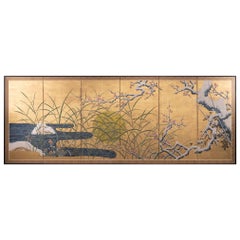
Japanese Six-Panel Screen, Winter Landscape with Flowering Plum
Located in Hudson, NY
Japanese six-panel screen: Winter landscape with flowering plum, Meiji period (1868-1912) painting of a full moon with wild grasses between river's edge and a snow covered plum tree ...
Category

Early 20th Century Japanese Meiji Furniture

Materials

Gold Leaf

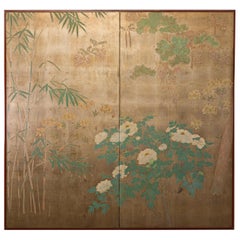
Japanese Two-Panel Screen Peony, Wisteria, Cherry and Bamboo on Soft Silver
Located in Hudson, NY
Japanese two-panel screen: Peony, Wisteria, cherry and bamboo on soft silver, Meiji period (1868-1912) painting of a garden in spring. Painted in mineral pigments on oxidized silver ...
Category

Early 1900s Japanese Antique Meiji Furniture

Materials

Silver Leaf

Large Japonese Vase Satsuma Circa 1930
Located in Austin, TX
Large Japonese Vase Satsuma Circa 1930. H / 13 inches.
Category

1930s Japanese Vintage Meiji Furniture

Materials

Porcelain

Japanese Antique Bamboo Sliding Door, Object Mingei Art Panel, Wabisabi Door(3)
Located in Katori-Shi, 12
This is an antique Japanese bamboo door. It is from the Meiji period (1860s-1900s). It is made mainly of cedar and bamboo. It has a simple design that conveys the charm of the mater...
Category

Early 20th Century Japanese Meiji Furniture

Materials

Bamboo, Wood

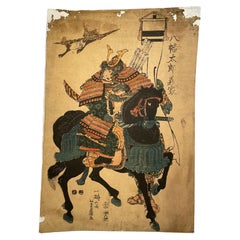
Antique Japanese Printmaking Hanga of Mr. Hachimantarou Yoshiie 1900s
Located in Paris, FR
This is a printmaking called Hanga in Japanese. This Hanga was made around 1900s in Japan. As this is made with a paper and getting damaged, there is a new paper sticked on the back....
Category

Early 20th Century Japanese Meiji Furniture

Materials

Paper

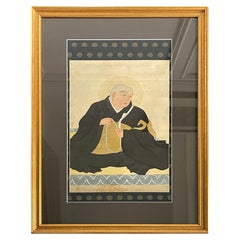
Framed Japanese Portrait of a Buddhist Priest by Goro Kamenaga
Located in Atlanta, GA
A gouache on silk painting of a Buddhist priest by Japanese painter Goro Kamenaga (1890-1955). The highly realistic painting depicts a figure in seate...
Category

1910s Japanese Vintage Meiji Furniture

Materials

Silk

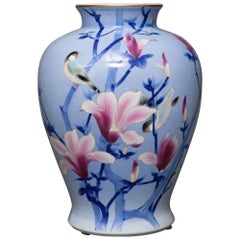
Japanese Porcelain Studio Art Vase
Located in Hudson, NY
With lovely magnolia tree in bloom and finch on blue background. Signed: Fukugawa.   
Category

20th Century Japanese Meiji Furniture

Materials

Porcelain

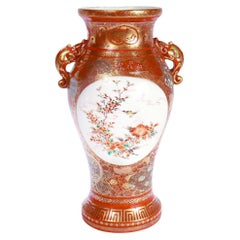
Antique Japanese Meiji Period Kutani Porcelain Vase by Shoundo / Matsumoto Sahei
Located in Philadelphia, PA
A fine antique Japanese Meiji period Kutani porcelain vase. By Matsumoto Sahei/Shoundo. In an aka-e style decorated throughout in iron red with extensive gilt accents. There are cartouches to either side both with branches of red flower with a backdrop of clouds on a white ground. With 2 figural dragon finial handles. Marked to the base with '九谷松雲堂製' which translates as 'Made by Shoundo of Kutani' Matsumoto Sahei (1851-1918) was a master potter who enjoyed success & recognition during his era. In 1876, Sahei received the artist name Shoundo from the nanga painter Tokuda Kansho - he would use that title for nearly 20 years until passing it onto his son as his successor in 1893. Sahei also has the distinction of taking Tokuda Yasokichi I as an apprentice when the latter was 17-years-old. The Tokuda family is perhaps one of the most famous families of Japanese ceramics: Yasokichi I is credited with revitalizing the lost art of ko-Kutani and Yasokichi I, II, & III were all recognized as "Living National Treasures" during their lifetimes. Shoundo exhibited internationally numerous times at the tail end of the 19th Century. The Keisei Isogaya Museum of Art (which specializes in Meiji Kutani) has a vase of Sahei's that was exhibited in the Philadelphia Centennial Exhibition of 1876. He is listed as exhibiting a wide variety of porcelain goods at the 1878, 1889, and 1900 Paris World Exhibitions. He is also listed as exhibiting 'incense burners & porcelain' at the World's Columbian Exhibition held in 1893 in Chicago. The pair of vases that Sahei exhibited in Paris in 1900 bear a strong resemblance to this pair. Simply a wonderfully rare Japanese porcelain...
Category

Early 20th Century Japanese Meiji Furniture

Materials

Porcelain

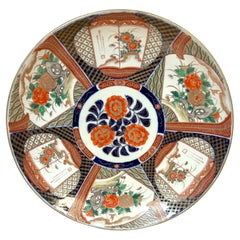
Large Meiji Period Imari Floral Charger, by Fukagawa
Located in West Palm Beach, FL
Large Meiji Period Imari Floral Charger, by Fukagawa Japan, 1900s, Impressed Mark This striking large Imari floral charger, made by the renowned Fukag...
Category

Early 20th Century Japanese Meiji Furniture

Materials

Porcelain

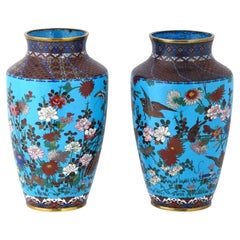
Large Pair of 20th Century Japanese Cloisonne Enamel Vases Birds
Located in Long Island City, NY
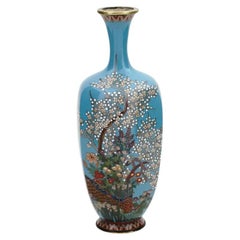
A pair of large antique Japanese, late Meiji era, enamel copper vases. The urn shaped vases are adorned with polychrome images of birds in blossoming flowers against a bright turquoi...
Category

Early 20th Century Japanese Meiji Furniture

Materials

Enamel, Copper

Japanese Antique Bamboo Sliding Door, Object Mingei Art Panel, Wabisabi Door(4)
Located in Katori-Shi, 12
This is an antique Japanese bamboo door. It is from the Meiji period (1860s-1900s). It is made mainly of cedar and bamboo. It has a simple design that conveys the charm of the mater...
Category

Early 20th Century Japanese Meiji Furniture

Materials

Bamboo, Wood

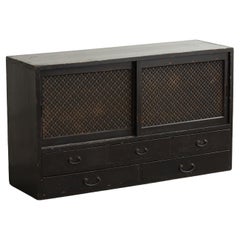
Japanese antique cabinet with wooden lattice doors, Wabi Sabi, Japandi
Located in Katori-Shi, 12
This is a tasteful Japanese-style storage shelf made in the Meiji period. Made of durable cedar wood. The sliding door is decorated with delicate frosted glass and wooden latticewor...
Category

Early 20th Century Japanese Meiji Furniture

Materials

Wood

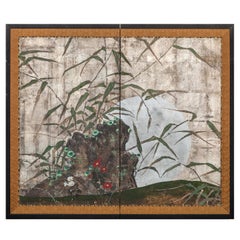
Japanese Two Panel Screen Moon Rising Through Bamboo on Silver Leaf
Located in Hudson, NY
Japanese two panel screen: Moon rising through bamboo on silver leaf, Meiji period painting (1868 - 1912) of the moon rising on the horizon with a garden stone in the foreground. Lic...
Category

Early 20th Century Japanese Meiji Furniture

Materials

Silver Leaf

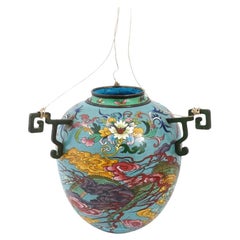
Rare Large Japanese Cloisonne Enamel Green Dragon Oil Lamp
Located in Long Island City, NY
An antique Japanese Meiji period brass oil lamp. Features a vivid cloisonne enamel dragon motif set within a flower design, a distinctive characteristic of Japanese decorative arts during the era. The inclusion of three mounts for hanging suggests a functional and versatile design, allowing it to be suspended for ambient lighting. Circa the early 20th century. Antique Japanese Lamps...
Category

Early 20th Century Japanese Meiji Furniture

Materials

Enamel, Brass

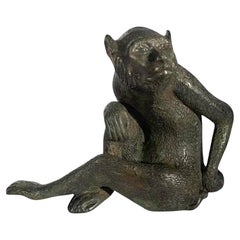
Japanese Meiji Period Cast Bronze Okimono of a Seated Monkey
Located in Chapel Hill, NC
Japanese, Meiji period cast bronze figure of a seated monkey.
Category

Early 20th Century Japanese Meiji Furniture

Materials

Bronze

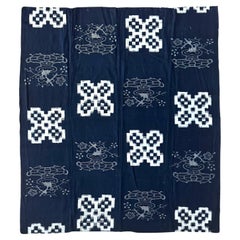
Japanese Textile Panel Double Ikat Kasuri Futon Cover
Located in Atlanta, GA
A Japanese woven cotton textile panel with white pattern on indigo background circa 1900-20s (end of Meiji to Tasho period). The panel was joined by four vertical stripes and was tra...
Category

Early 20th Century Japanese Meiji Furniture

Materials

Cotton

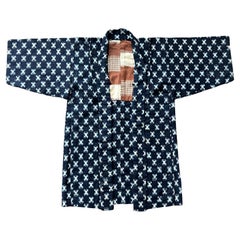
Rare Japanese Woven Ikat Child Kimono Nemaki
Located in Atlanta, GA
A rare and well preserved Japanese woven child's kimono circa early 20th century (end of Meiji period). The small kimono was a great example of Nemaki (...
Category

Early 20th Century Japanese Meiji Furniture

Materials

Cotton

Large Japanese Textile Futon Cover with Resist Yuzen Dye
Located in Atlanta, GA
A large unframed Japanese textile art circa late early 20th century toward the end of the Meiji period. Seamed together from four vertical sections of cotton in deep indigo color, th...
Category

Early 20th Century Japanese Meiji Furniture

Materials

Cotton

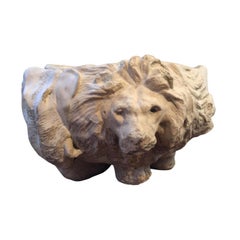
Genryusai Seiya Style Stone Jardineiere/Planter - Zoomorphic “Animals” with Lion
Located in Los Angeles, CA
Genryusai Seiya Style Cast Stone Jardineiere. "The original bronze planters were part of Jagenpanese works of art collection we are delighted to offer this large scale Meiji Period ...
Category

20th Century Japanese Meiji Furniture

Materials

Cast Stone

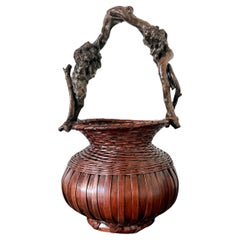
Japanese Bamboo Basket Ikebana Meiji Period
Located in Atlanta, GA
This lovely antique Japanese bamboo basket was from an unknown artist circa late Meiji Period (1868-1912), likely turn of the 20th century. It features a classic form that derived fr...
Category

Early 20th Century Japanese Meiji Furniture

Materials

Bamboo, Wood

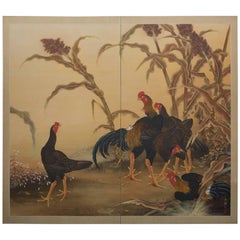
Japanese Two Panel Screen: Chickens in a Millet Grove
Located in Hudson, NY
Japanese Two Panel Screen: Chickens in a Millet Grove, Meiji period (1868 - 1912) painting of a Japanese breed of chicken, Shamo chickens, in a millet grove. Beautifully painted and...
Category

Early 20th Century Japanese Meiji Furniture

Materials

Silk

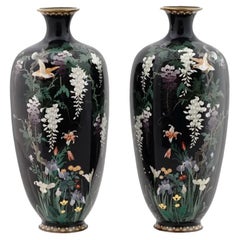
A High Quality Pair of Meiji Antique Japanese Cloisonne Enamel Wisteria and Bird
Located in Long Island City, NY
A pair of antique Japanese Meiji period vases, each features a midnight blue ground and is decorated with silver wire and colored enamels t...
Category

Early 20th Century Japanese Meiji Furniture

Materials

Enamel

Pair of 19th Century Japanese Bronze Vases
Located in Dallas, TX
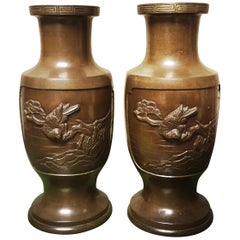
A pair of Japanese bronze vases depicting scenes with different birds. These would make a wonderful pair of lamps.
Category

Early 20th Century Japanese Meiji Furniture

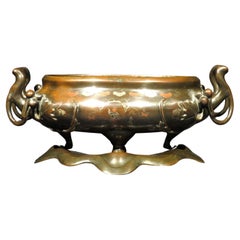
A Very Fine Japanese Mixed Metal Bronze Suiban / Planter on Stand, Taisho Period
Located in Ottawa, Ontario
A very fine Japanese bronze Suiban (planter) of bellied oval form, richly decorated overall with hand enamelled and 'shibuichi' & 'shakudo' motifs, depicting geometric designs, pine ...
Category

Early 20th Century Japanese Meiji Furniture

Materials

Bronze

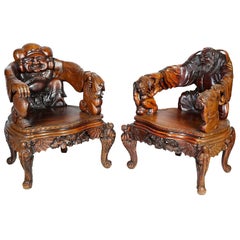
Meiji Period Century Japanese Carved Wood Armchairs, circa 1900
Located in Brighton, Sussex
A spectacular pair of Meiji Period Japanese carved wood armchairs, each depicting wonderful priest like men as back rests, raised on carved cabriole legs with mythical dragons.
Category

20th Century Japanese Meiji Furniture

Materials

Softwood

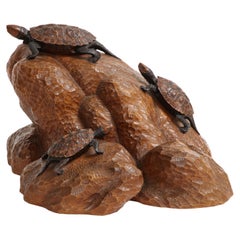
Late Meiji/Taisho Period Japanese Hand-Carved Wood Turtle or Tortoise Sculpture
Located in New York, NY
A Late Meiji/Early Taisho Period Japanese Hand-Carved Wood Turtle or Tortoise Sculpture. The entire object is carved from one solid large piece of h...
Category

Early 20th Century Japanese Meiji Furniture

Materials

Wood

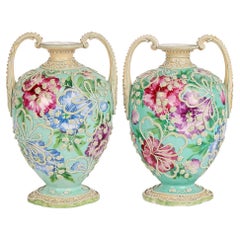
Japanese Pair Meiji Twin Handled Moriage Floral Painted Vases
Located in Bishop s Stortford, Hertfordshire
An exceptional pair Japanese Meiji twin handled decorated with moriage patterning on a floral painted ground dating from around 1900. The porcelain vases stand on a shaped round foot...
Category

Early 1900s Japanese Antique Meiji Furniture

Materials

Porcelain

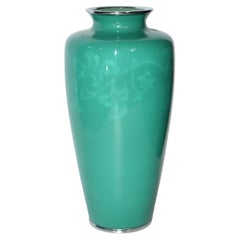
Signed Ando Jubei Green Wireless Cloisonné Vase Large 10"
Located in Somis, CA
A large masterpiece of Ando Jubei wireless cloisonné vase at an exceptional 10" height. In his signature green enamel, portraying an intricate arabesque design of a blooming clematis...
Category

20th Century Japanese Meiji Furniture

Materials

Enamel, Metal

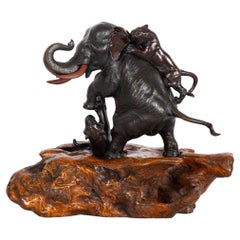
Large Japanese Meiji Bronze Sculpture Elephant and Tigers by Mitsumoto
Located in Shippensburg, PA
MEIJI PERIOD BRONZE OKIMONO OF ELEPHANT BEING ATTACKED BY TWO TIGERS Workshop of Omori Mitsumoto (kôgen), 大森光元, Japan, circa 1900 Cast and patinated bronze, hardwood base, two carved...
Category

Early 20th Century Japanese Meiji Furniture

Materials

Bronze

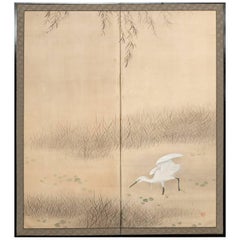
Japanese Two Panel Screen, Heron In Water Lily Pond Under Willow
Located in Hudson, NY
Japanese Screen painted with Heron In Water Lily Pond Under Willow. Meiji period (1868 - 1912) painting of a heron at pond's edge. Painted in min...
Category

Early 20th Century Japanese Meiji Furniture

Materials

Wood, Paper

A Meiji period cloisonné box and cover, Ando Company
Located in Lymington, Hampshire
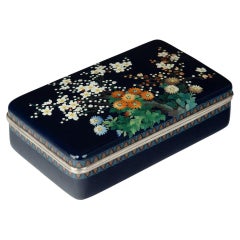
A Meiji period cloisonné box and cover, Ando Company, worked in silver wire and coloured enamels with an array of brightly coloured flowers, reserved against a rich midnight-blue ground, with silver rims and a silk lining, inlaid Ando mark. Japanese, circa 1910. Provenance: Acquired from Acanthus...
Category

20th Century Japanese Meiji Furniture

Materials

Ceramic

Japanese Handwoven Bamboo Ikebana Basket — Early 20th Century
Located in Fukuoka, JP
Dimensions: 20 × 30 × 44 cm Origin: Japan A beautifully handwoven Japanese bamboo basket from the early 20th century, traditionally used for ikebana flower arrangements. Meticulousl...
Category

Early 20th Century Japanese Meiji Furniture

Materials

Bamboo

Meiji Japanese Cloisonne Enamel Butterfly Vase Attributed to Hayashi Kodenji
Located in Long Island City, NY
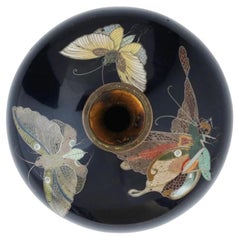
An antique Japanese, Meiji era, Silver wire enamel vase attributed to Hayashi Kodenji, Japanese, 1831 to 1915. Circa 1900s. The baluster form vase is enameled with polychrome images of butterflies made in the Cloisonne technique on a black ground. The base and the neck of the ware are adorned with a geometrical motif on a green ground made in the same technique. Unmarked. Hayashi Kodenji was a pivotal figure in the history of Cloisonne enamel manufacturer. He was instrumental in the formation and leadership of the Shippo cho enamellers guild, and it is probable that he worked for the Nagoya-based Shippo Kaisha. He exhibited and won prizes at many international exhibitions: Nuremberg 1885 Silver, Paris 1889...
Category

Early 20th Century Japanese Meiji Furniture

Materials

Enamel

Meiji Japanese Tsuda Family Embellished Jade Table Screen on Stand
Located in New York, US
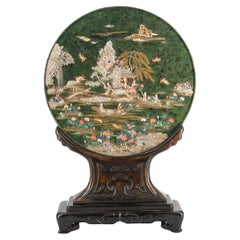
Our large, antique circular jade exhibition screen from the Tsuda family is decorated with abalone shell, malachite, coral, lapis lazuli, pearl, and other hardstones. Depicted is a lakeside with figures in boats, colorful blooming flowers in the foreground, figures, pagoda and bridge and a rocky outcropping in the distance. The legendary Tsuda family in Kyoto is revered around the world for their embellished jade carvings, particularly snuff bottles. Works by Tsuda Sokan and his son Tsuda Fukuya, regularly appear at auction and can be found in prestigious collections worldwide. Recommended literature: Moss, Graham, Tsang, A Treasury of Chinese Snuff Bottles, The Mary and George Bloch...
Category

Early 20th Century Japanese Meiji Furniture

Materials

Jade

Japanese Miniature Satsuma Vase Yabu Meizan Meiji
Located in Atlanta, GA
A small Satsuma vase from the studio of Yabu Meizan (birth name Yabu Masashichi; 1853-1934), who is one of the most celebrated and collectible Satsu...
Category

Early 1900s Japanese Antique Meiji Furniture

Materials

Ceramic

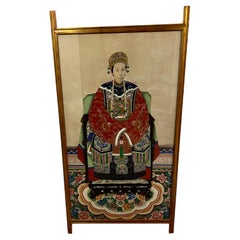
Ancestor Portrait Framed in Gold Leafed Frame
Located in Los Angeles, CA
A beautiful Ancestor portrait of an important Chinese Matriarch. The piece is hand painted in vibrant colors and has held the test of time. The gilt wood framing is an unusual fram...
Category

Early 20th Century Chinese Meiji Furniture

Materials

Glass, Giltwood, Paint

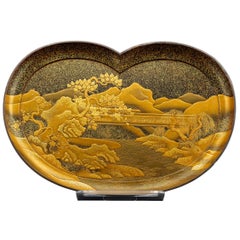
Japanese Lacquer Tray
Located in New Orleans, LA
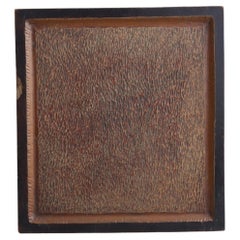
As beautiful as it is practical, this Japanese Meiji-period lacquered tray is distinguished by its exceptional craftsmanship. It exhibits a phenomenal artistry as the entire tray is ...
Category

Early 20th Century Japanese Meiji Furniture

Materials

Lacquer

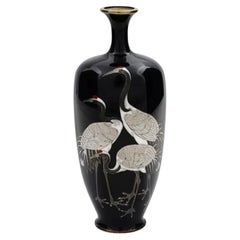
Antique Meiji Japanese Cloisonne Enamel Silver Wire Crane Vase
Located in Long Island City, NY
An antique Japanese copper vase with silver wire cloisonne enamel design. Late Meiji period, Elongated vase of faceted hexagonal shape. The pie...
Category

Early 20th Century Japanese Meiji Furniture

Materials

Enamel, Copper

Japanese Antique Wooden Board, "Abstract Sculptures", Wabi-Sabi, Mingei
Located in Katori-Shi, 12
This is a wooden antique board from the Meiji era. It is made of Japanese cedar wood. It has a beautiful appearance due to years of use and aging. It was used as a board for kneadi...
Category

Early 20th Century Meiji Furniture

Materials

Wood

Pair of Satsuma Earthenware Meiji Period Vases
Located in London, GB
Pair of Satsuma earthenware Meiji period vases Japanese, Early 20th Century Height 36cm, width 23cm, depth 15cm The pair of outstanding vases was crafted in early 20th century Ja...
Category

Early 20th Century Japanese Meiji Furniture

Materials

Enamel

High Quality Japan Meiji Cloisonne Enamel Silver Wire Vase
Located in Long Island City, NY
A high quality Japanese, Meiji era, Cloisonné enamel and silver wire vase. The vase has an amphora shaped body and a narrow neck. The ware is enameled with a polychrome image of blos...
Category

Early 20th Century Japanese Meiji Furniture

Materials

Enamel, Silver

Meiji furniture for sale on 1stDibs.

Find a broad range of unique Meiji furniture for sale on 1stDibs. Many of these items were first offered in the 21st Century and Contemporary, but contemporary artisans have continued to produce works inspired by this style. If you’re looking to add vintage furniture created in this style to your space, the works available on 1stDibs include asian art and furniture, decorative objects, serveware, ceramics, silver and glass and other home furnishings, frequently crafted with metal, ceramic and other materials. If you’re shopping for used Meiji furniture made in a specific country, there are Asia, East Asia, and Japan pieces for sale on 1stDibs. While there are many designers and brands associated with original furniture, popular names associated with this style include Satsuma, Kinkozan, Ando Jubei, and Makuzu Kozan. It’s true that these talented designers have at times inspired knockoffs, but our experienced specialists have partnered with only top vetted sellers to offer authentic pieces that come with a buyer protection guarantee. Prices for furniture differ depending upon multiple factors, including designer, materials, construction methods, condition and provenance. On 1stDibs, the price for these items starts at $65 and tops out at $190,804 while the average work can sell for $2,112.

Still Thinking About These?

All Recently Viewed