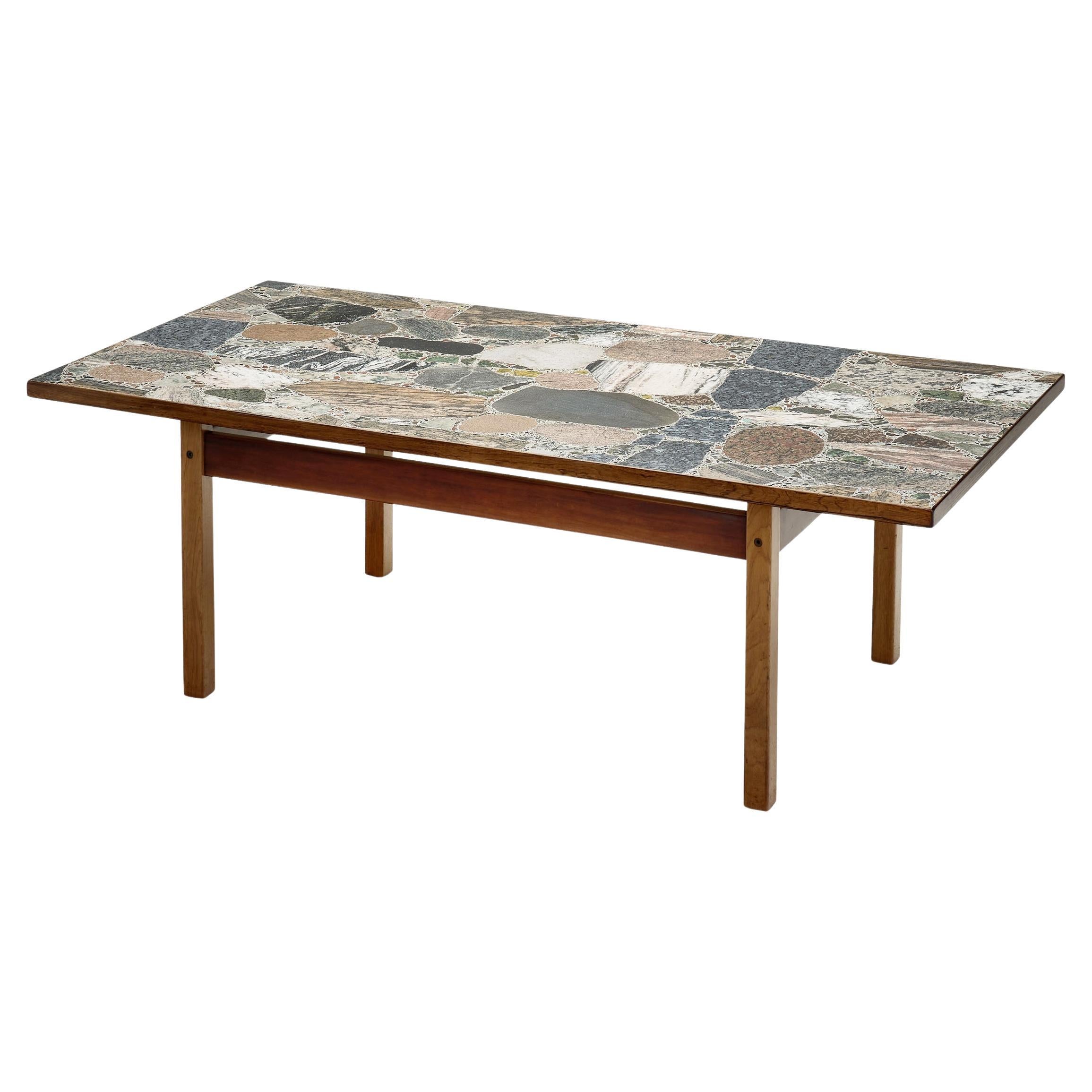
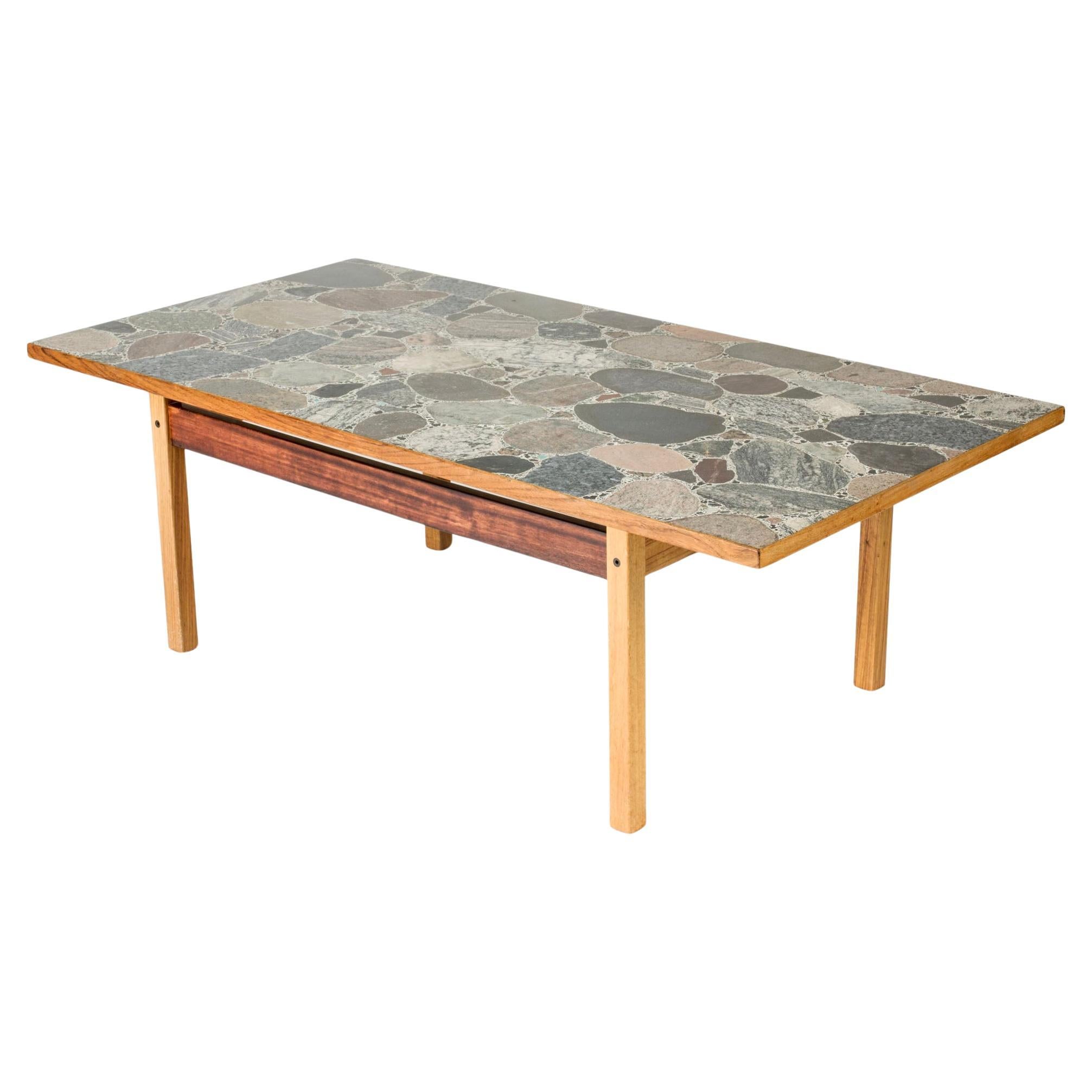
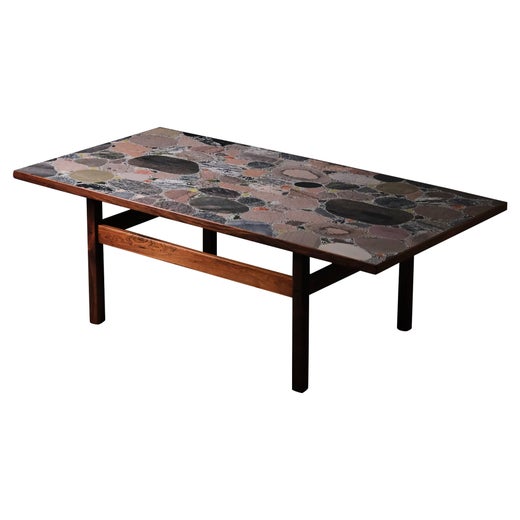
Coffee table ’Conglo’ by Erling Viksjø, Bruksbo, Norway, mid-20th century
About the Item
- Creator:Erling Viksjø (Designer),Bruksbo (Cabinetmaker)
- Dimensions:Height: 19.69 in (50 cm)Width: 58.86 in (149.5 cm)Depth: 29.53 in (75 cm)
- Style:Scandinavian Modern (Of the Period)
- Materials and Techniques:
- Period:
- Date of Manufacture:1960s
- Condition:Wear consistent with age and use. Good used condition with minor signs of wear consistent with age and use. The apron (the surround) around the tabletop shows some minor damage — small chips, nicks and slight losses to the edge and finish.
- Seller Location:Eskilstuna, SE
- Reference Number:1stDibs: LU9287247209712
Erling Viksjø
Norwegian architect Erling Viksjø devoted his career to cultivating a marriage between art and architecture. He was an early champion of modernism and one of the country's most influential postwar architects. He even designed his own line of terrazzo-topped coffee tables. While Viksjø's buildings are described as brutalist for their plentiful use of concrete, they were often expressively embellished through the architect’s collaborations with famous artists.
Viksjø was born in Trondheim and studied architecture at the now-closed Norwegian Institute of Technology, graduating in 1935. He moved to Oslo and found employment at the Ove Bangs architectural office, where he later became the lead architect. During World War II and the Nazi occupation of Norway, Viksjø was imprisoned for more than a year. As soon as the war ended, he established his own architectural firm.
One reason for Viksjø’s success after setting out on his own was the development of the sand-blasted concrete facade. He co-invented the technique with engineer Sverre Jystand and patented it in 1950. Viksjø collaborated extensively with artists like Pablo Picasso, Carl Nesjar, Synnøve Anker Aurdal, Hannah Ryggen and Ramon Isern, who elevated his designs into functional art installations.
Some of the most notable projects Viksjø completed over his career include the Tromsø Bridge (completed 1960), Bakkehaugen Church (completed 1961), Norsk Hydro office building (completed 1962) and Standard Telefon Kabelfabrikk office building (completed 1967).
Throughout his adult life, Viksjø also drew, painted and crafted furniture. His tables employed materials like rosewood, stone and concrete, transferring his architectural style to smaller scales.
Viksjø died in Oslo in 1971, leaving behind a legacy of works that still stand throughout Norway.
On 1stDibs, find a selection of Erling Viksjø tables and other furniture.
- ShippingRetrieving quote...Shipping from: Eskilstuna, Sweden
- Return Policy
More From This Seller
View AllMid-20th Century Swedish Scandinavian Modern Coffee and Cocktail Tables
Glass, Beech
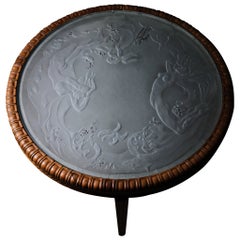
Mid-20th Century Swedish Scandinavian Modern Coffee and Cocktail Tables
Brass, Enamel
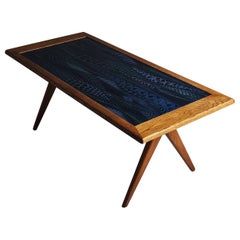
Mid-20th Century Swedish Scandinavian Modern Coffee and Cocktail Tables
Wood
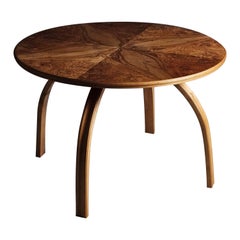
Mid-20th Century Swedish Scandinavian Modern Coffee and Cocktail Tables
Teak
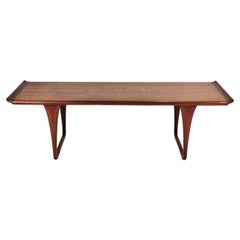
Mid-20th Century Danish Scandinavian Modern Coffee and Cocktail Tables
Beech, Teak
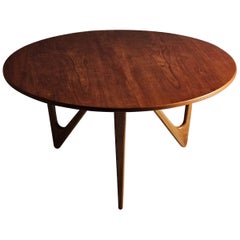
Mid-20th Century Swedish Scandinavian Modern Coffee and Cocktail Tables
Pine
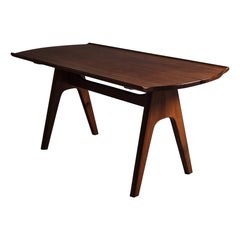
You May Also Like
Vintage 1960s Norwegian Mid-Century Modern Coffee and Cocktail Tables
Stone
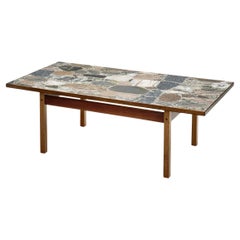
Vintage 1960s Norwegian Scandinavian Modern Coffee and Cocktail Tables
Stone, Concrete

Vintage 1960s Danish Modern Coffee and Cocktail Tables
Teak
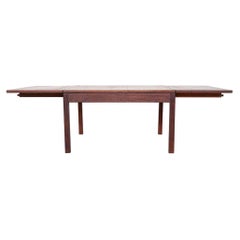
Mid-20th Century Finnish Mid-Century Modern Coffee and Cocktail Tables
Iron
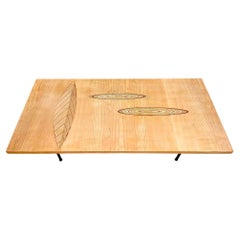
Vintage 1960s Swedish Scandinavian Modern Coffee and Cocktail Tables
Oak, Teak
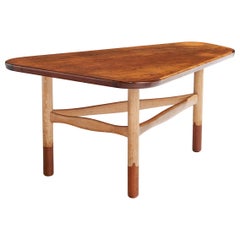
Vintage 1970s Swedish Mid-Century Modern Coffee and Cocktail Tables
Wood, Pine