Items Similar to Japanese Antique Low Table (Zataku), Meiji Era (1868–1912), Wabi Sabi
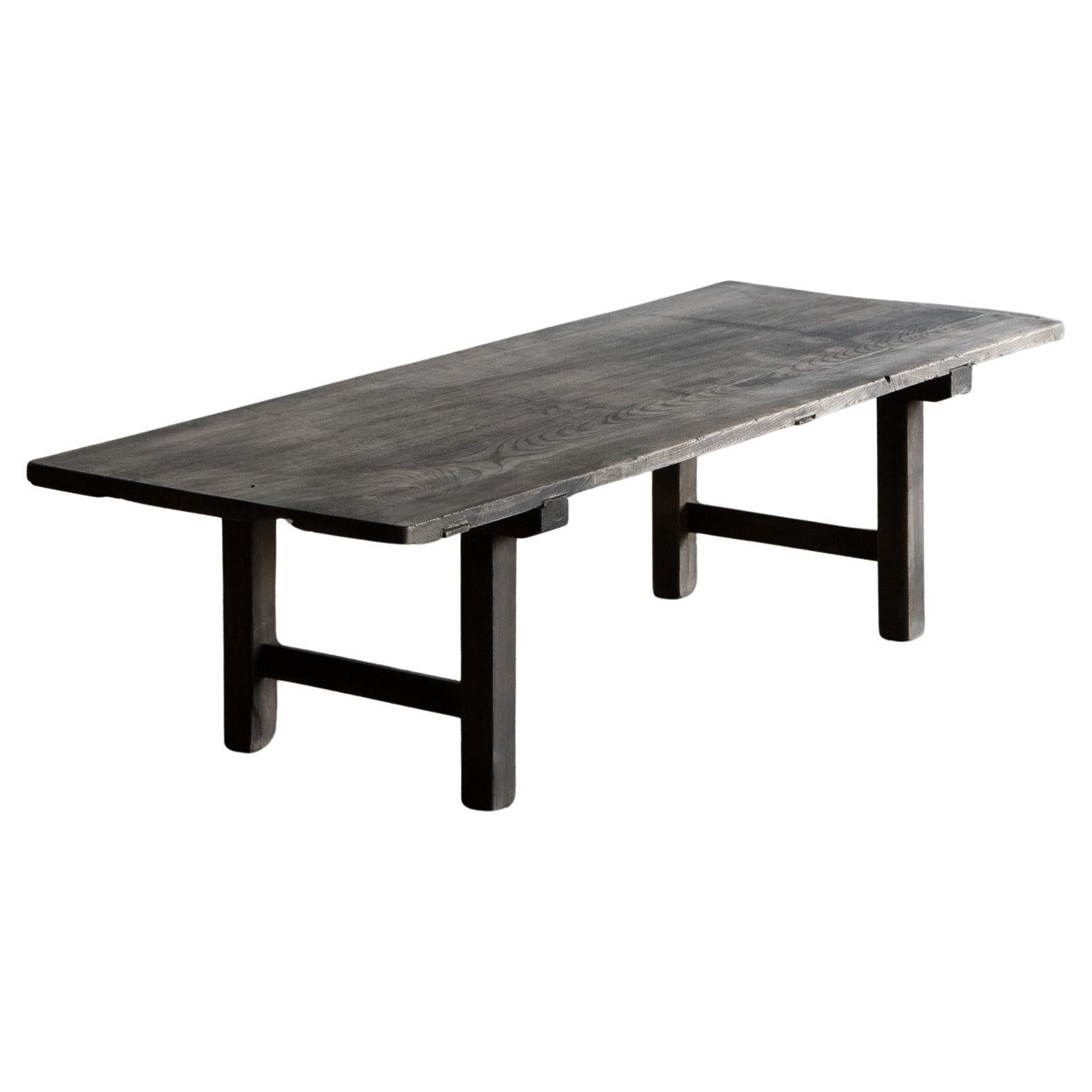
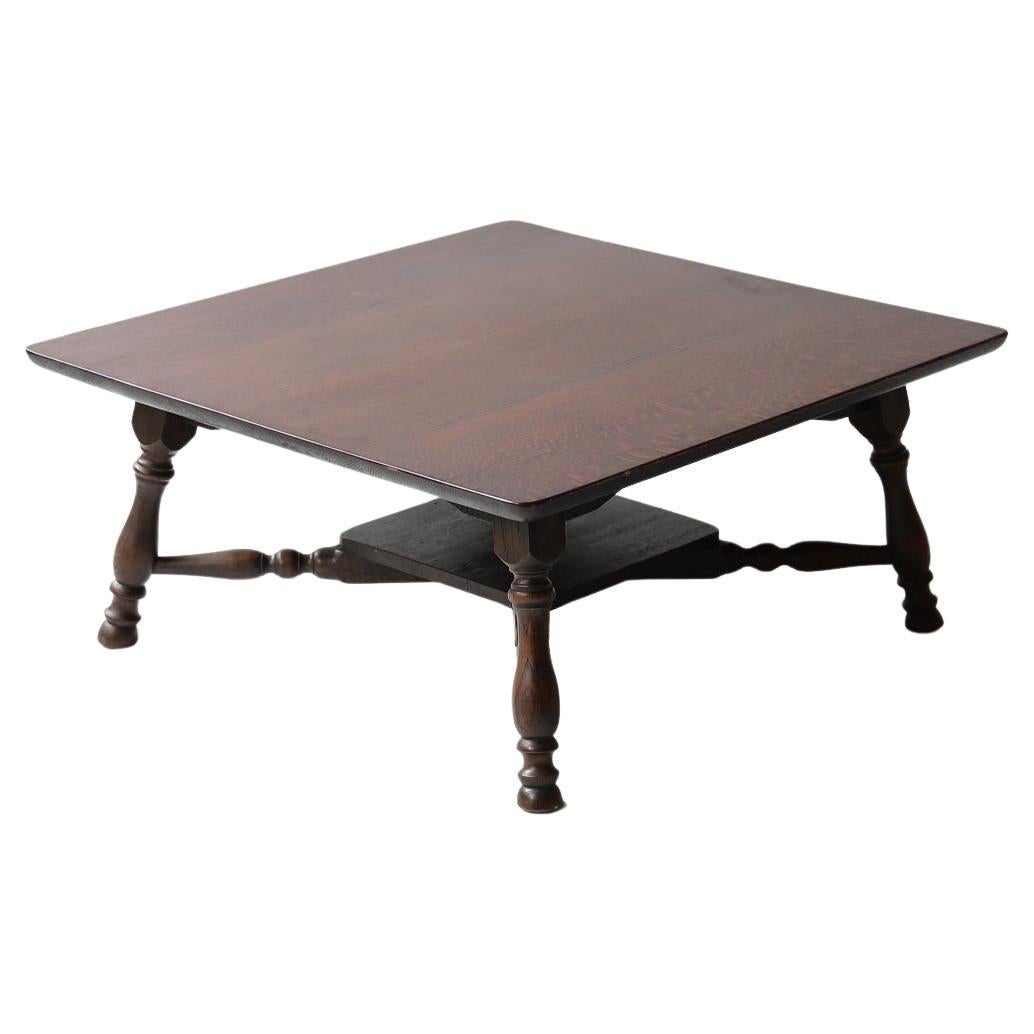
Video Loading
Want more images or videos?
Request additional images or videos from the seller
1 of 22
Japanese Antique Low Table (Zataku), Meiji Era (1868–1912), Wabi Sabi
$1,100
£833.15
€956.84
CA$1,541.46
A$1,675.88
CHF 888.55
MX$20,089.52
NOK 11,293.04
SEK 10,345.96
DKK 7,151.18
About the Item
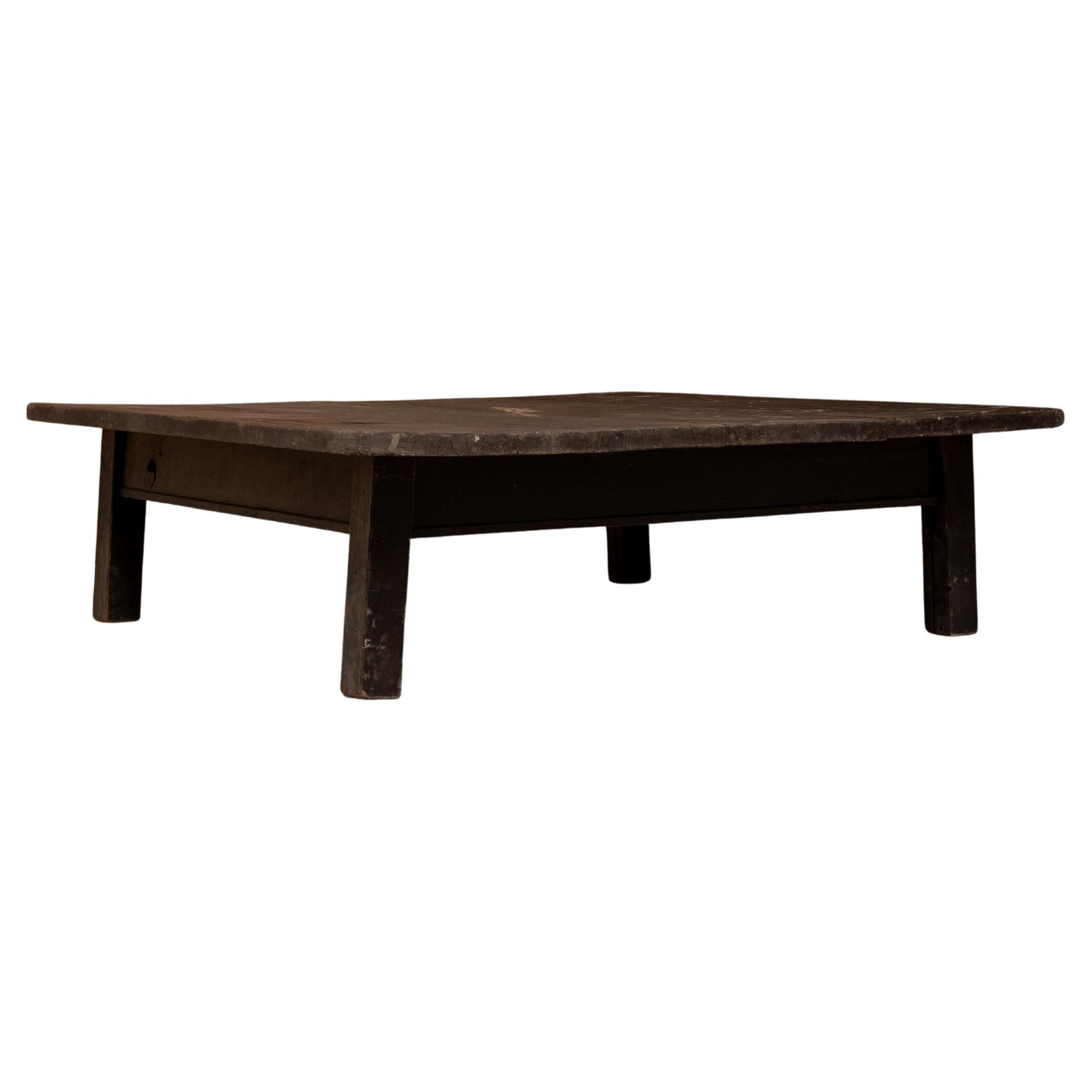
This Japanese low table (zataku) was crafted in the Meiji Era (1868–1912) from sugi (Japanese cedar) and finished with kakishibu (persimmon tannin combined with pine soot), creating a deep, warm brown tone that has softened beautifully over time. Its round, turned legs are an uncommon and visually distinctive detail in traditional zataku design, adding a sense of refinement and gentle presence.
Two drawers are built into the frame on opposite sides, offering discreet storage for writing tools, tea utensils, or small personal items. The balance between the broad rectangular top and cylindrical legs reflects thoughtful Meiji-era craftsmanship, where utility and quiet beauty coexist naturally.
Purposefully low in height, this table was designed for Japan’s floor-seated lifestyle with tatami and zabuton cushions. In modern interiors, it functions beautifully as a coffee table, meditation table, or display surface for ceramics, books, and objects. The natural patina and honest wear express the wabi-sabi character that develops only through age and long use.
Condition Notes:
- Structure is sound and stable with no wobble or structural issues
- Kakishibu and pine soot finish shows age-related wear with areas of color loss, revealing the wood beneath
- Surface has minor chips, scratches, and dents consistent with age
- Due to natural shrinkage of the cedar top over many decades, the apron rail extends slightly beyond the tabletop edge—an age-related characteristic, not a defect
- Both drawers open and close smoothly
Cleaned and disinfected with a non-toxic solution.
As an authentic Meiji-era piece, this table shows natural signs of age and use inherent to Japanese antique furniture. Characteristics such as finish wear, wood movement (including top shrinkage), surface marks, and structural aging are reflections of authenticity and history, not defects. Please review all photos carefully—condition details are visible in the images—and feel free to contact us with any questions before purchasing.
Drawer interior dimensions (approximate):
W: 22.9" (58.2 cm) / D: 11.4" (29 cm) / H: 2.0" (5 cm)
Weight: 19.2 lbs (8.7 kg)
Shipping Information:
We ship from Japan. I will provide my own shipping quote. Please ask.
Import duties, taxes, and customs fees are the responsibility of the buyer.
Approach to Selection and Restoration
Each piece is individually selected through our own eye, then restored to reveal its most compelling state. Movement, stability, and surface are considered as one—shaped through practice to be lived with naturally, honoring the wood’s natural patina while avoiding environmentally harsh chemical strippers or forceful abrasion.
- Dimensions:Height: 11.89 in (30.2 cm)Width: 34.89 in (88.6 cm)Depth: 29.34 in (74.5 cm)
- Style:Meiji (Of the Period)
- Materials and Techniques:
- Place of Origin:
- Period:
- Date of Manufacture:e.g. 1868–1912
- Condition:Wear consistent with age and use. Cleaned. Structure stable. Kakishibu finish shows wear and color loss. Surface has chips, scratches, dents. Apron rail extends beyond edge from top shrinkage (age trait, not defect). Drawers smooth.
- Seller Location:Hitachiomiya-shi, JP
- Reference Number:1stDibs: LU7430247737792
About the Seller
5.0
Platinum Seller
Premium sellers with a 4.7+ rating and 24-hour response times
Established in 2019
1stDibs seller since 2022
84 sales on 1stDibs
Typical response time: 1 hour
- ShippingRetrieving quote...Shipping from: Hitachiomiya, Japan
- Return Policy
More From This Seller
View AllJapanese Antique Side Table, Late Meiji Era
1868–1912
, Wabi Sabi
Located in Hitachiomiya-shi, 08
This antique side table was crafted in the Late Meiji Era (1868–1912).
The top is made from solid zelkova (keyaki) wood, paired with legs crafted from cedar. The surface has develope...
Category
Early 20th Century Japanese Meiji Side Tables
Materials
Cedar
Japanese Antique Square Low Table, Late Meiji Era
1868–1912
, Wabi Sabi
Located in Hitachiomiya-shi, 08
This antique square low table was crafted in the Late Meiji Era (1868–1912).
Made entirely of zelkova (keyaki) wood, it features a graceful appearance with beautifully flowing grain...
Category
Early 20th Century Japanese Meiji Center Tables
Materials
Wood
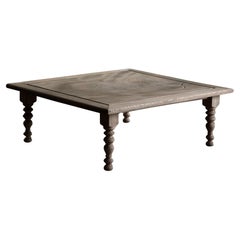
Japanese Antique Low Table, Taisho Era (1912–1926), Wabi Sabi
Located in Hitachiomiya-shi, 08
This antique low table was crafted in the Taisho Era (1912–1926).
Made of keyaki (Japanese zelkova) with naturally beautiful grain, the surface shows a softly worn, time-earned pati...
Category
Early 20th Century Japanese Taisho Center Tables
Materials
Wood
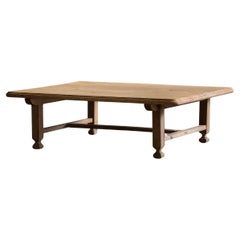
Japanese Antique Tenjin Desk, Meiji Era (1868-1912), Wabi Sabi
Located in Hitachiomiya-shi, 08
This antique tenjin desk was crafted in the Meiji Era (1868–1912).
Originally used in traditional terakoya (temple schools), this low writing desk was designed for a lifestyle where...
Category
Antique Late 19th Century Japanese Meiji Coffee and Cocktail Tables
Materials
Wood
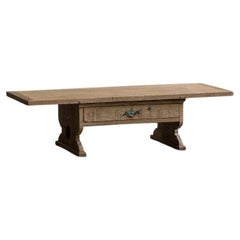
Japanese Antique Low Wooden Table, Taisho Era (1912–1926), Wabi Sabi
Located in Hitachiomiya-shi, 08
This Japanese low table was crafted in the Taisho Era (1912–1926) with a keyaki (Japanese zelkova) base and a katsura wood top. The combination of these two traditional hardwoods cre...
Category
Early 20th Century Japanese Taisho Coffee and Cocktail Tables
Materials
Wood
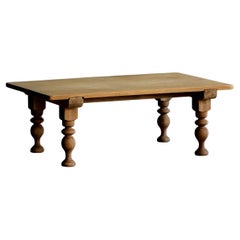
Japanese Vintage Low Table (Fuzukue), Early Showa Period (1926-)
Located in Hitachiomiya-shi, 08
This vintage low table (fuzukue) was crafted in the Early Showa Period (1926–).
Made of hinoki (Japanese cypress), it shows a warm, time-worn surface with a quiet wabi-sabi character...
Category
Mid-20th Century Japanese Showa Coffee and Cocktail Tables
Materials
Cypress
You May Also Like
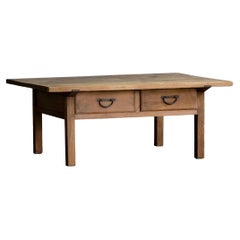
Japanese Antique Coffee Table, Wabi-Sabi, Early 20th Century
Located in Katori-Shi, 12
This is a Japanese antique coffee table produced in the Taisho period.
This furniture was made by applying traditional techniques used in Japanese shrines.
The material is high-quality oak. The grain of the wood is very beautiful.
The coating is a uniquely Japanese lacquer coating.
The unique design is decorated with carvings and ornaments unique to Japan by craftsmen of the time. This furniture expresses the world of Japanese “Wabi Sabi”.
The materials, techniques, and design are all at the pinnacle of Japanese antique furniture.
Category
Early 20th Century Taisho Coffee and Cocktail Tables
Materials
Wood
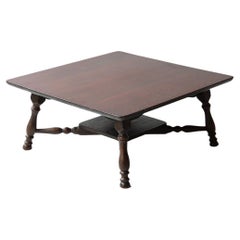
Japanese Low Table, Wabi-sabi, 1920s, Japan
Located in Tokyo, Tokyo
The antique low table, that was crafted from old Japanese wood.
The top panel has been roughly shaved and showcases various marks and scratches that tell a story of its history.
It...
Category
Early 20th Century Japanese Sofa Tables
Materials
Wood
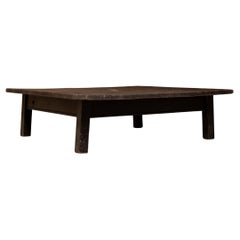
Rustic Wabi Sabi Meiji Period Japanese Tea/Coffee Table
Located in London, GB
A simply constructed 19th C. Japanese cedar tea/coffee table.
Heavily patinated due to hundreds of years of use.
Category
Antique 1880s Japanese Meiji Coffee and Cocktail Tables
Materials
Cedar
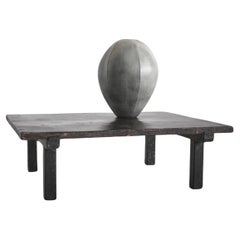
Japanese Antique Wabi-Sabi Low Table Edo period 1800s-1860s / Side Table
Located in Chōsei District Nagara, JP
This is an old Japanese low table, crafted during the Edo period (1800s–1860s). It is a rare piece of furniture that has survived through the centuries to the present day. Made of su...
Category
Antique Mid-19th Century Japanese Edo Side Tables
Materials
Cedar
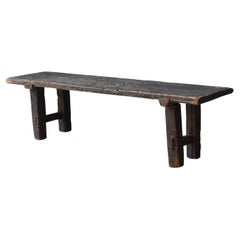
Coffee Table, Low Table, Japanese Antique
Located in Katori-Shi, 12
This is an antique Japanese coffee table made during the Taisho period.
This small table is a piece that highlights exquisite craftsman...
Category
Early 20th Century Taisho Coffee and Cocktail Tables
Materials
Wood
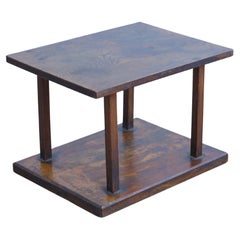
Japanese old wooden low table/wabisabi coffee table/1868-1920
Located in Sammu-shi, Chiba
This piece is a Japanese wooden low table crafted during the
Meiji to Taisho period (1868–1920).
It is made from tochi (Japanese horse chestnut) wood, a material valued for its su...
Category
Early 20th Century Japanese Meiji Sofa Tables
Materials
Wood