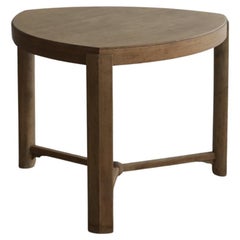
Items Similar to Japanese Antique Primitive Coffee Table 1860s-1900s / Side Table Wabi Sabi
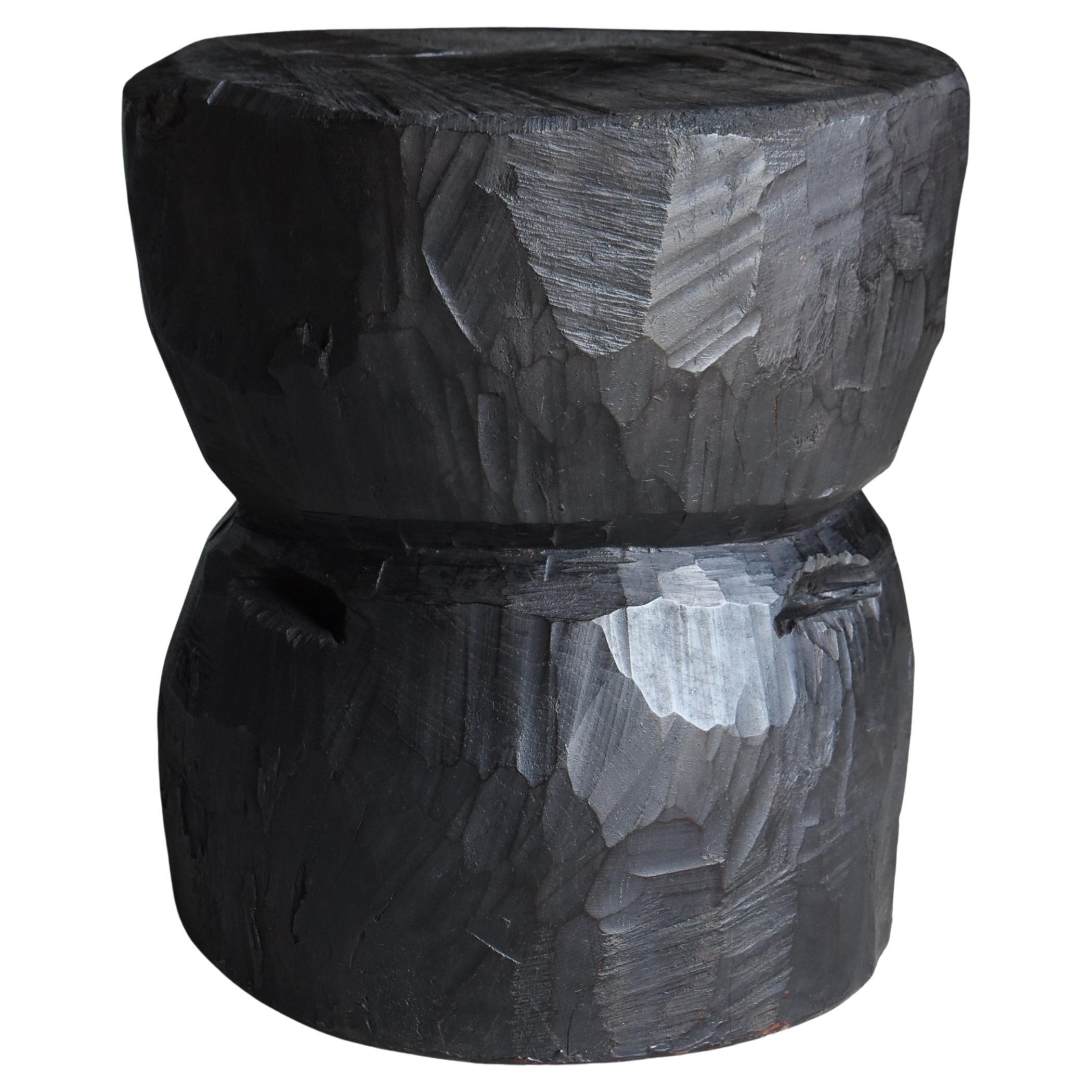
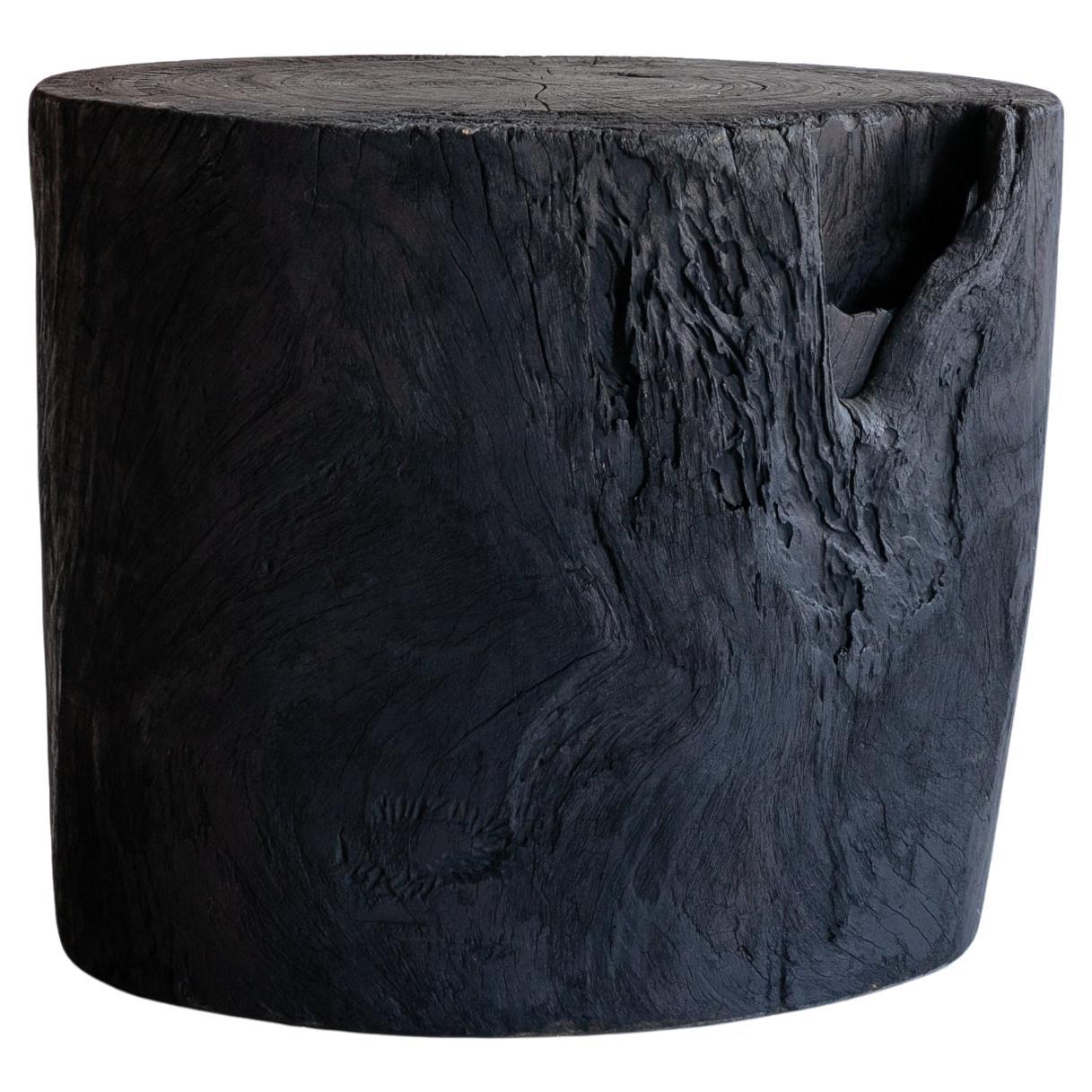
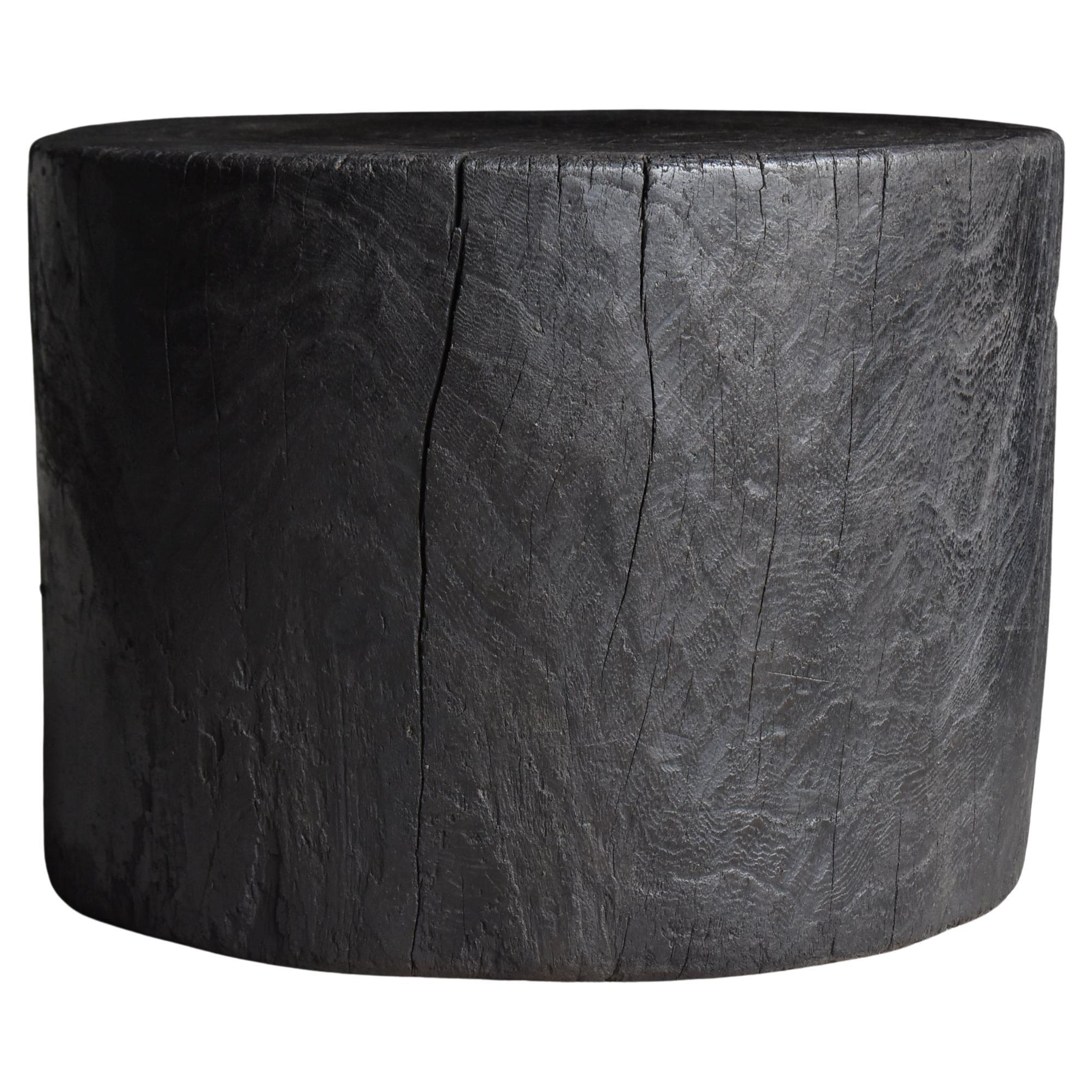

Want more images or videos?
Request additional images or videos from the seller
1 of 17
Japanese Antique Primitive Coffee Table 1860s-1900s / Side Table Wabi Sabi
$2,000
£1,510.93
€1,732.70
CA$2,790.62
A$3,037.05
CHF 1,609.94
MX$36,538.03
NOK 20,419.18
SEK 18,682.12
DKK 12,944.62
About the Item
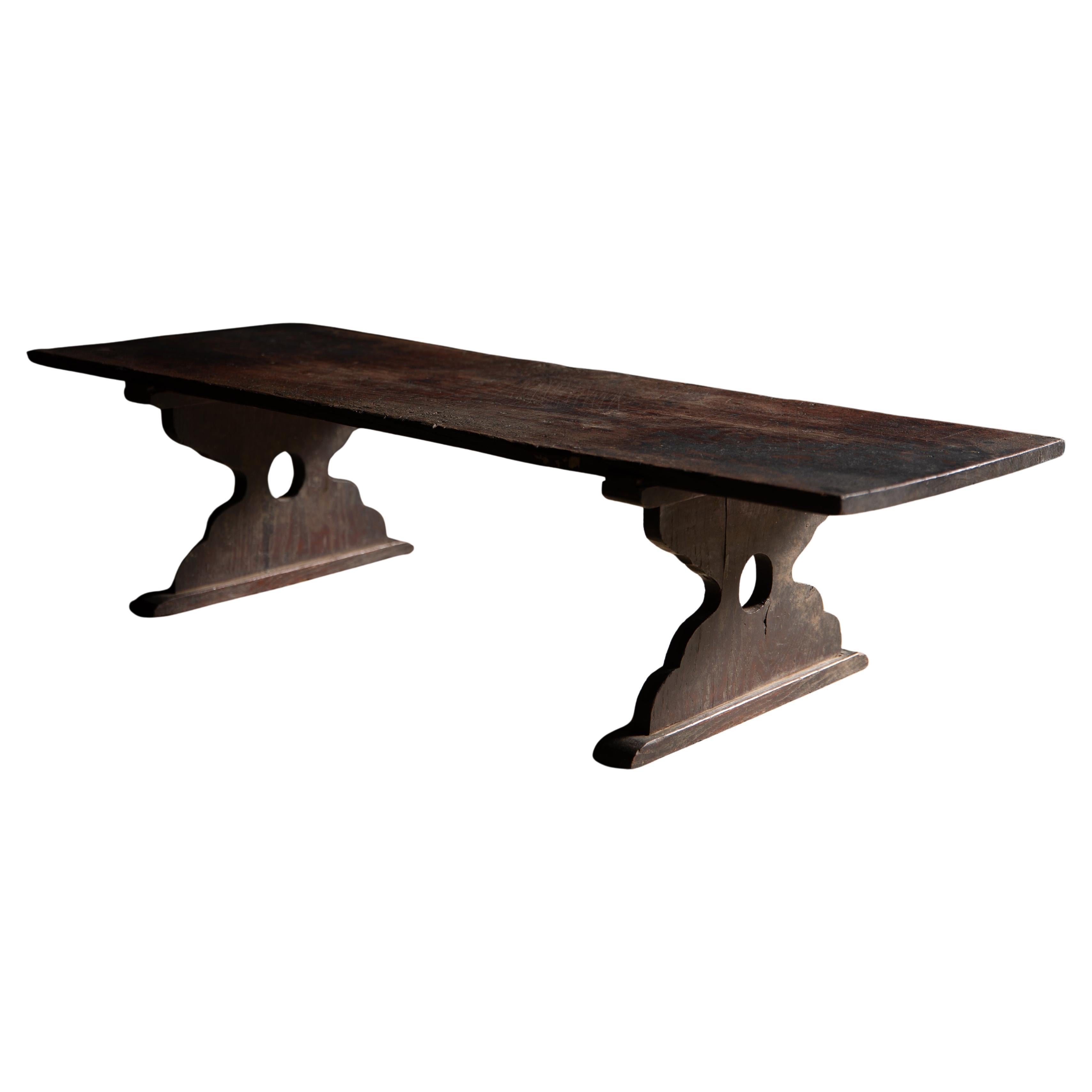
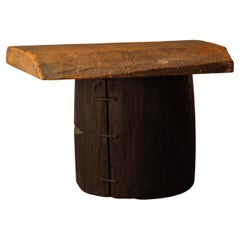
This is an old Japanese side table in a primitive style, dating back to the Meiji period (1860s–1900s).
Originally used in a farmhouse, the piece still exudes a commanding presence even after more than a century.
Simple yet beautiful, it transcends its original function to stand as an object of art in its own right.
The construction is astonishingly simple: a thick single-plank top rests freely on a hollowed log base, forming a separate structure with no joints or hardware.
Its design relies solely on the natural weight and form of the wood—an embodiment of restraint and deep respect for nature and materials.
The minimal human intervention in its making gives the piece a raw, honest character that speaks directly to the spirit of wabi-sabi.
Both the top and the base are crafted from keyaki (Japanese zelkova), a traditional and highly valued hardwood in Japan.
The powerful grain of the keyaki wood creates a dynamic natural pattern across the surface, resembling a landscape painting.
Although the single-plank top shows a slight natural warp, it stands perfectly stable, maintaining excellent usability.
Its form is primitive yet refined.
Free from any ornamentation, the table commands space through the quiet dignity of its material presence alone.
This balance of rawness and sophistication captures the very essence of Japanese aesthetics—beauty born of simplicity and imperfection.
While it holds the strength of an art piece, it also functions beautifully as a coffee table, side table, or display stand.
Depending on the angle of light and its placement in a room, its expression subtly shifts, growing deeper and more resonant with time.
A true harmony between nature and human hands—
This piece embodies warmth, ruggedness, and tranquility all at once.
Weight:
Top: 21 kg
Base: approx. 40 kg
________________________
Our Philosophy
Objects always tell the truth.
All I can do is just to face with them sincerely and give
them deep affection as much as I can.
There is no boundary of nationalities and of eras in beauty.
But I think now is the time we choose 'Japanese style' and it
will be the best way to remind us of what we are losing
today and to question us about an essence of beauty again.
I hope that you can touch the memories which the objects here have,
feel and think of something invisible but exists undoubtedly.
- Similar to:Axel Vervoordt (Designer)
- Dimensions:Height: 20.48 in (52 cm)Width: 33.47 in (85 cm)Depth: 28.75 in (73 cm)
- Style:Primitive (In the Style Of)
- Materials and Techniques:Wood,Woodwork
- Place of Origin:
- Period:
- Date of Manufacture:1860s-1900s
- Condition:Wear consistent with age and use.
- Seller Location:Chōsei District Nagara, JP
- Reference Number:1stDibs: LU10403248107522
About the Seller
4.8
Platinum Seller
Premium sellers with a 4.7+ rating and 24-hour response times
Established in 2017
1stDibs seller since 2025
68 sales on 1stDibs
Typical response time: 2 hours
- ShippingRetrieving quote...Shipping from: Chōsei District Nagara, Japan
- Return Policy
More From This Seller
View AllJapanese Antique Primitive Coffee Table 1860s-1900s / Side Table Wabisabi
By Axel Vervoordt
Located in Chōsei District Nagara, JP
This is an antique Japanese coffee table in a primitive style.
It is believed to have been crafted in the Meiji period (1860s–1900s), and even after more than a century, it retains a...
Category
Early 20th Century Japanese Primitive Coffee and Cocktail Tables
Materials
Wood
Japanese Antique Primitive Coffee Table 1860s-1900s / Side Table Wabisabi
Located in Chōsei District Nagara, JP
This is an antique Japanese primitive-style coffee table, believed to have been crafted in the Meiji period (1860s–1900s). Even after more than a century, it retains an overwhelming ...
Category
Early 20th Century Japanese Primitive Coffee and Cocktail Tables
Materials
Wood
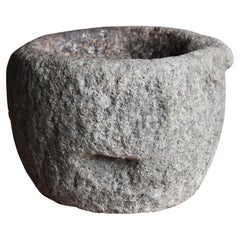
Japanese Antique Stone Mortar 1860s-1900s / Stone Bowl Object Wabi Sabi
By Axel Vervoordt
Located in Chōsei District Nagara, JP
This is an old Japanese stone “yagen” (medicine grinder), believed to have been used during the Meiji period (1860s–1900s).
Though simple in form, it carries with it the silent prese...
Category
Early 20th Century Japanese Primitive Antiquities
Materials
Stone
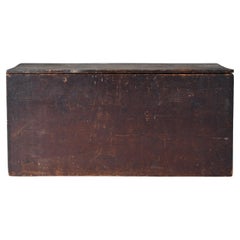
Japanese Antique Storage Box 1860s-1900s / Nightstand Side Table Wabi Sabi
Located in Chōsei District Nagara, JP
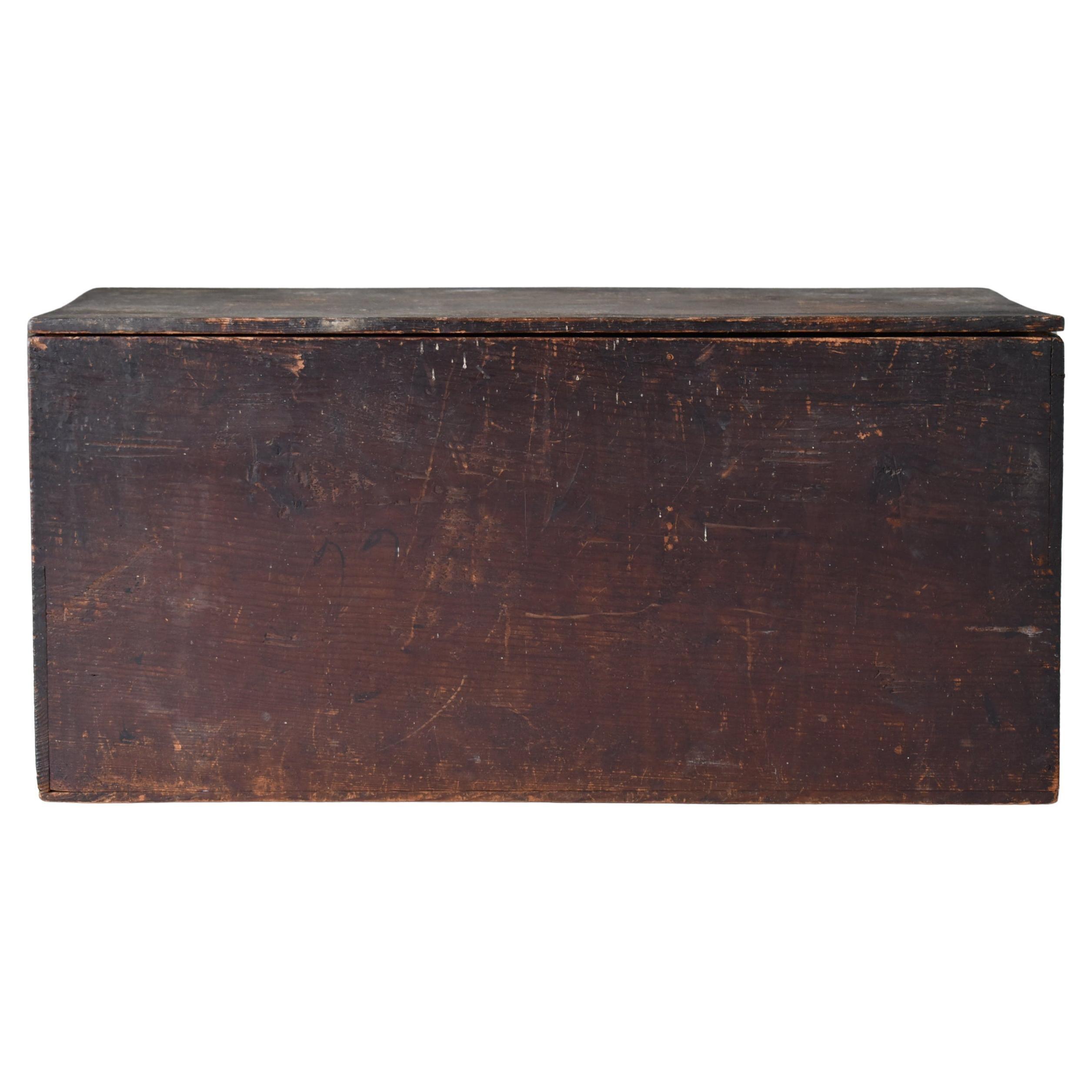
This is a wooden storage box made in Japan. It was made during the Meiji period (1860s-1900s) and has a long-standing taste and quiet presence.
The material is cedar wood. This wood ...
Category
Early 20th Century Japanese Meiji Side Tables
Materials
Cedar
$720 Sale Price
28% Off
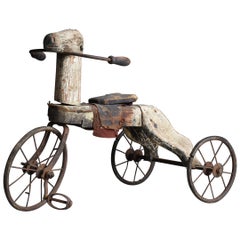
Japanese Antique Wooden Horse Tricycle 1860s-1900s / Wabi Sabi Object
Located in Chōsei District Nagara, JP
This is an old wooden tricycle made in Japan during the Meiji period (1860s–1900s).
An exceptionally rare piece in the history of Japanese toys, it was once used by children more tha...
Category
Early 20th Century Japanese Primitive Sculptures and Carvings
Materials
Iron
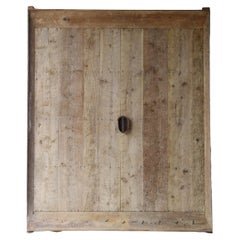
Japanese Antique Huge Sliding Door or Wall Decoration 1860s-1900s / Wabi Sabi
By Axel Vervoordt
Located in Chōsei District Nagara, JP
This is an old, large Japanese sliding door.
It was crafted during the Meiji period (1860s–1900s) and was likely used in traditional houses or storehouses of the time. The material i...
Category
Early 20th Century Japanese Meiji Antiquities
Materials
Iron
You May Also Like
Japanese Antique Rustic Coffee Table 1860s-1900s / Wabi Sabi
Located in Sammu-shi, Chiba
Very old Rustic style coffee table made in Japan.
The furniture is from the Meiji period (1860s-1900s).
It is carved from a large zelkova tree.
The annual rings and grain of the zel...
Category
Early 20th Century Japanese Rustic Coffee and Cocktail Tables
Materials
Wood
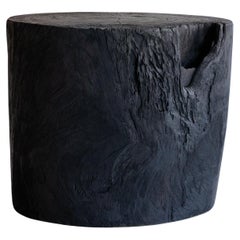
1800s - 1860s Edo Japanese antique chestnut low coffee table wabi sabi primitive
Located in 常陸大宮市, JP
New finds from Kura (traditional style warehouse) in Yamagata pref., Tohoku area, Japan.
This antique low writing desk is a product of 1800s - 1860s (late Edo era), estimate from the style and conditions.
Made of thick, sturdy single solid chestnut wood boards. Can be used as coffee table, display table etc.
Yamagata pref. is known to rich woodcraft cultures. The most known products are bold but elaborate, premium Tansu furnitures...
Category
Antique Late 19th Century Japanese Edo Coffee and Cocktail Tables
Materials
Wood, Chestnut
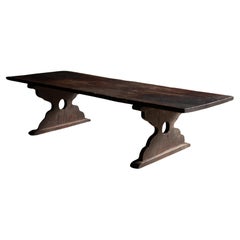
Japanese Antique Rustic Table 1860s-1900s / Dining Table Wabi Sabi Mingei
Located in Sammu-shi, Chiba
This is a very old Japanese Rustic table.
It has a simple style with a wooden board on top of the "Usu".
The "Usu" was used for crushing nuts and kneading rice for mochi.
Generally,...
Category
Early 20th Century Japanese Meiji Tables
Materials
Wood
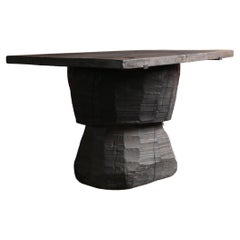
Japanese Antique Low Table 1860s-1920s / Sofa Table Wabi Sabi
By Axel Vervoordt
Located in Sammu-shi, Chiba
This sculptural low table is composed of two antique Japanese utilitarian objects, created during the late Meiji to early Taishō period, approximately (1868 to 1920).
The tabletop i...
Category
Early 20th Century Japanese Meiji Sofa Tables
Materials
Wood, Cedar
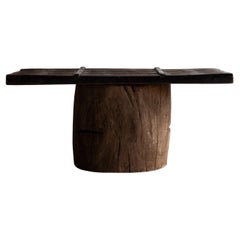
Japanese Antique Wabi Sabi Coffee Table
Located in New York, US
Japanese Antique Wabi Sabi Coffee Table
1868-1920
Category
Antique Late 19th Century Japanese Coffee and Cocktail Tables
Materials
Wood
Japanese Antique Coffee Table, Primitive, Wabi-Sabi, Early 20th Century
Located in Katori-Shi, 12
A Japanese antique furniture coffee table produced in the Taisho period.
It was made by applying traditional techniques used in Japanese shrin...
Category
Early 20th Century Japanese Taisho Antiquities
Materials
Oak