Want more images or videos?
Request additional images or videos from the seller
1 of 7

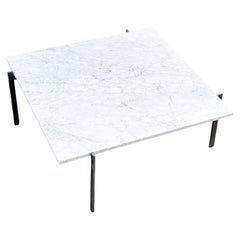
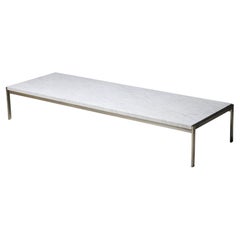
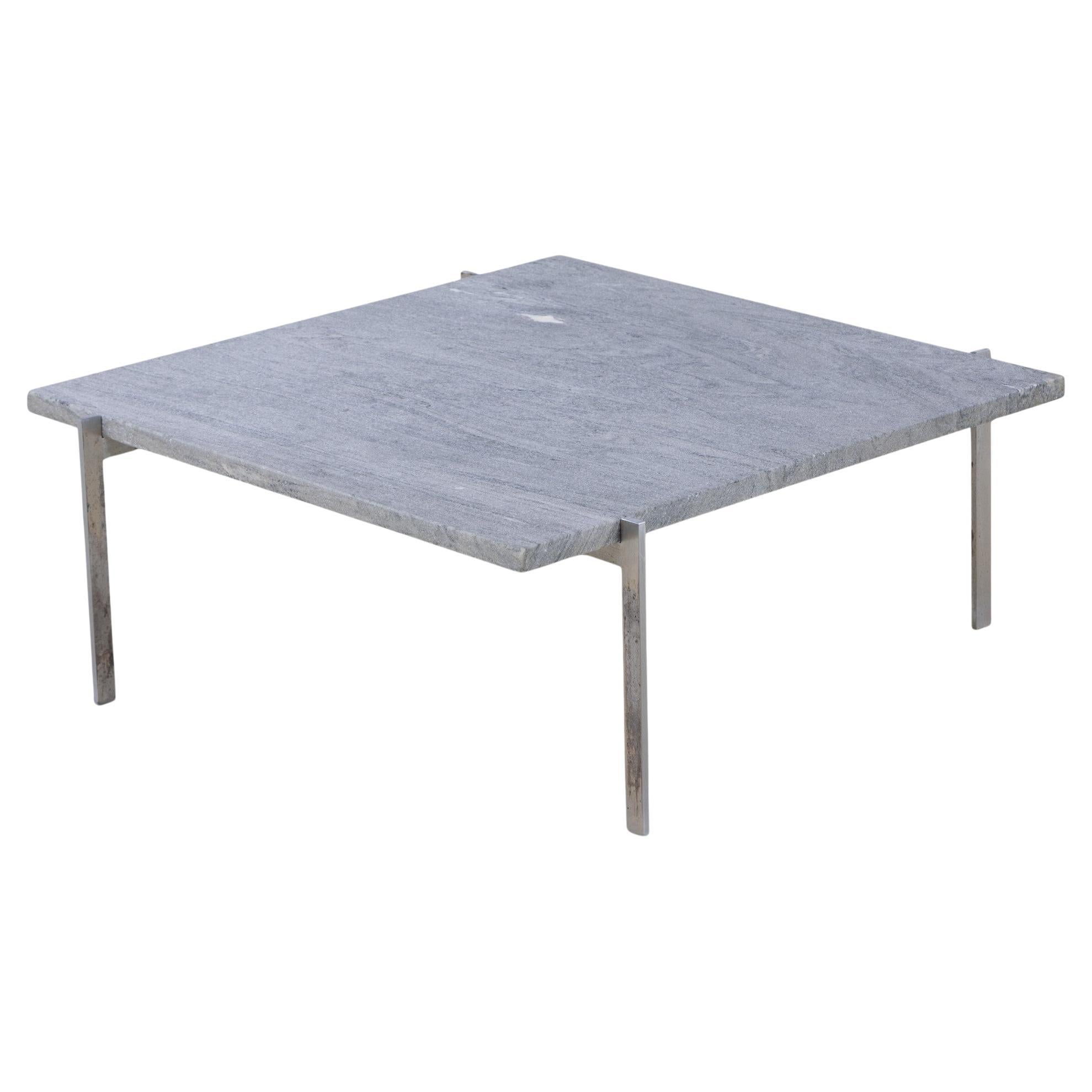
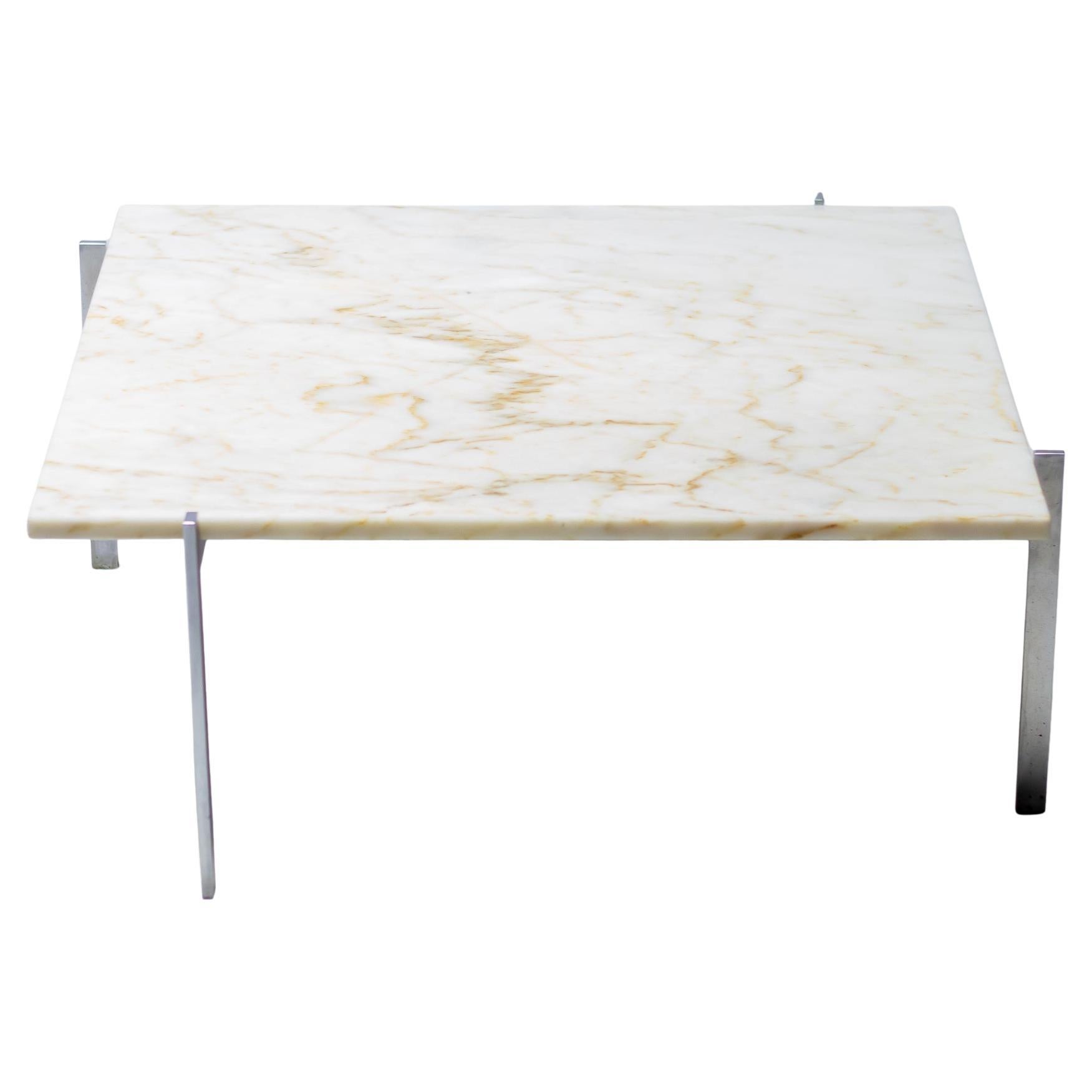
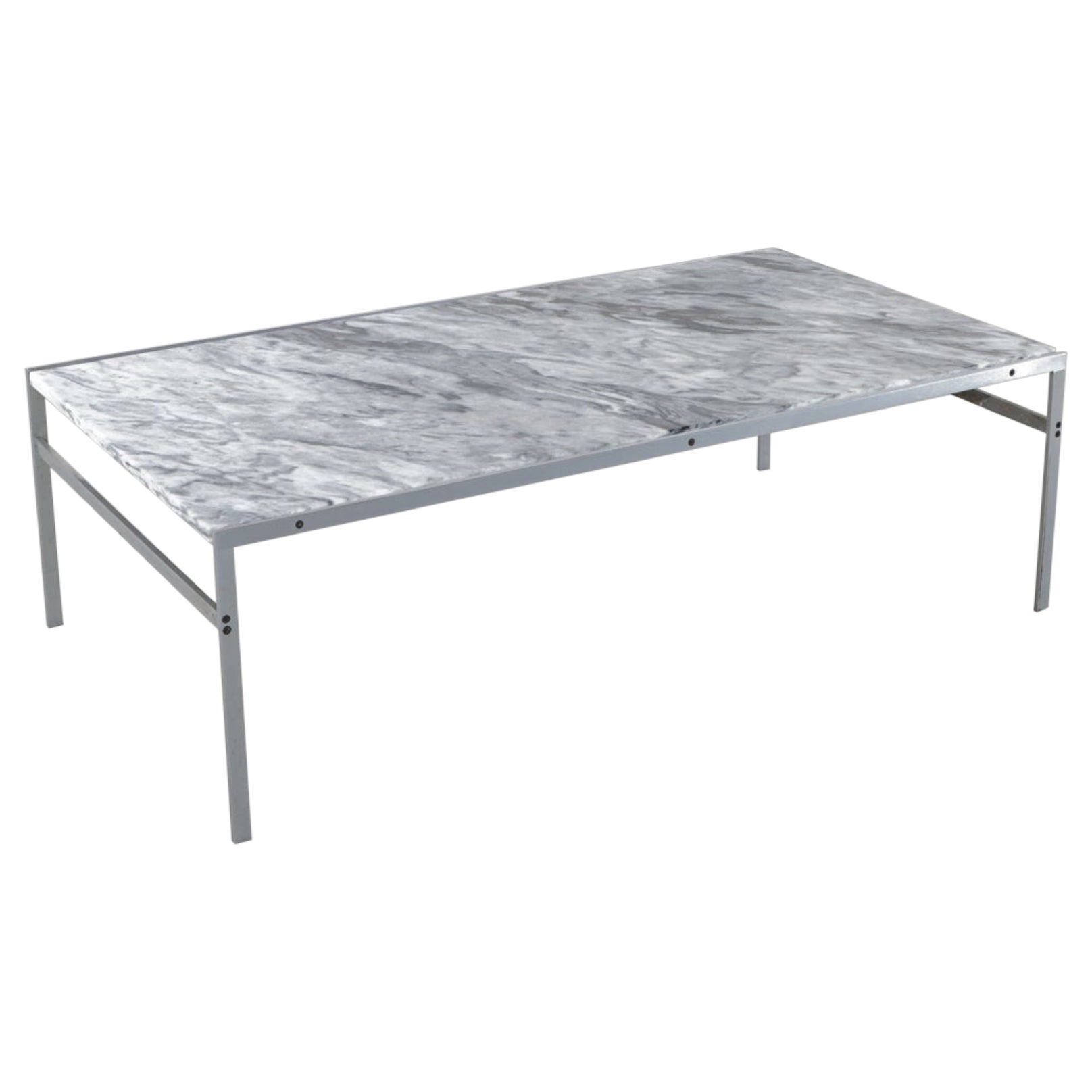
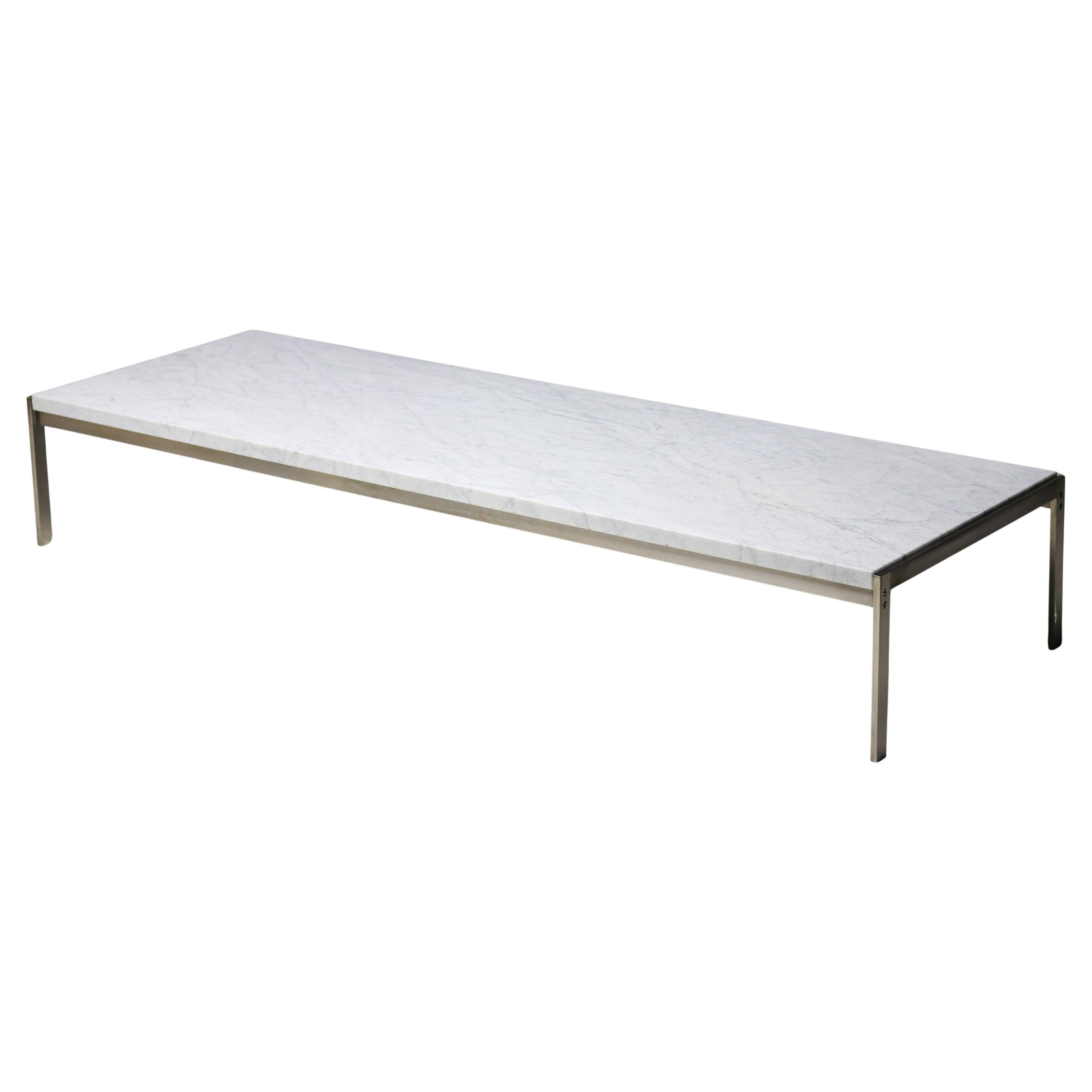
Poul Kjærholm, PK61 coffee table Marble, E. Kold Christensen Denmark 1960s

$9,571.48
£7,145.76
€8,000
CA$13,185.40
A$14,466.90
CHF 7,620.47
MX$172,098.98
NOK 97,617.24
SEK 89,137.87
DKK 60,963.05

About the Item

The low table PK 61 Kjaerholm created to complement the PK 22 lounge chair is one of his most elementary designs. The table is constructed of four welded steel elements joined with machine srews and a marble top. Designed in 1956 and executed by E. Kold Christensen. Signed with impressed manufacturer’s marks to frame. Literature: M. Sheridan, The Furniture of Poul Kjærholm: Catalogue Raisonné, New York, 2007, p. 78-79. Architect as well a designer, Poul Kjærholm apprenticed as a joiner, attended the School of Arts, Crafts and Design in Copenhagen; 1942-1952, and , while beginning his career as a designer and teacher, continued his studies at the furniture school of the Royal Danish Academy of Fine Arts; 1953-1959. Virtually all his furniture was created for mass production, principally for E. Kold Christensen in Copenhagen beginning in 1955. The simplicity of intent and structural honesty of his work connect him with the International Style, although it presents a fresh interpretation of that tradition. The extensive series of chairs, sofas and tables he designed over a twenty-fiveyear period favored steel structure, but with natural upholstery-leather, cane, canvas; as early as 1953, however, he had experimented with more innovative materials, including colored cast aluminium, steel wire, and poured concrete. Kjærholm was awared the Lunnung Price in 1958, and a grand price and gold medal at, respectively, Milan’s XI Triennale in 1957 and XII Triennale in 1960.
  • Creator:
    E. Kold Christensen (Manufacturer),Poul Kjærholm (Designer)
  • Design:
  • Dimensions:
    Height: 12.6 in (32 cm)Width: 31.5 in (80 cm)Depth: 31.5 in (80 cm)
  • Style:
    Scandinavian Modern (Of the Period)
  • Materials and Techniques:
  • Place of Origin:
  • Period:
  • Date of Manufacture:
    1960s
  • Condition:
    Wear consistent with age and use.
  • Seller Location:
    WIJCKEL, NL
  • Reference Number:
    1stDibs: LU8306237391622

More From This Seller

View All
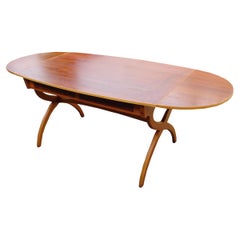
Borge Mogensen Drop-Leaf Dining Table in Teak for Soborg Mobelfabrik, Denmark
By Børge Mogensen
Located in WIJCKEL, NL
Danish Modernism free-standing office desk or dining table by Borge Morgensen, made of fined teak top and beech frame, fitted with drop-leaves on ...
Category

Vintage 1950s Danish Scandinavian Modern Dining Room Tables

Materials

Beech, Teak

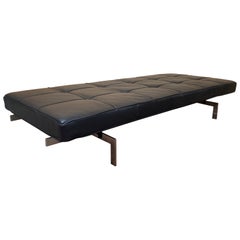
Poul Kjaerholm PK 80 daybed black leather E. Kold Christensen Denmark 1960s
By E. Kold Christensen, Poul Kjærholm
Located in WIJCKEL, NL
PK 80 was one of the most sophisticated works from this period by Kjaerholm. Its striking proportions, the elegance of its materials and connections, and the beauty of the large welt...
Category

Vintage 1960s Danish Scandinavian Modern Daybeds

Materials

Metal

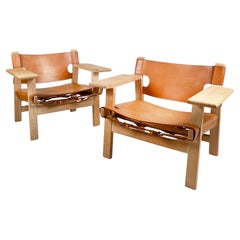
Pair of Børge Mogensen Spanish Chairs for Fredericia Stolefabrik Denmark 1960s
By Børge Mogensen, Fredericia Stolefabrik
Located in WIJCKEL, NL
A pair of Borge Mogensen’s iconic Spanish Chairs for Fredericia Stolefabrik, Denmark in original cognac leather. Pair has been lovingly cared for and is distinguished by it’s own age...
Category

Vintage 1960s Danish Scandinavian Modern Armchairs

Materials

Brass

Kaare Klint Sofa Model 5011 Original Cognac Leather for Rud Rasmussen Denmark
By Rud Rasmussen, Kaare Klint
Located in WIJCKEL, NL
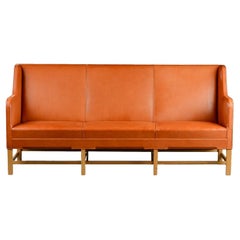
Three-seater sofa model 5011 in original leather and eight-legged ash base. Produced by Rud. Rasmussen Cabinetmakers, Denmark. Minor marks on the frame, patina to the leather. Shown at the Copenhagen Cabinetmakers’ Guild exhibition in 1935. Kaare Klint is widely recognized as the father of Danish modern design. It is hard to overstate his influence. He developed an entirely new analytical approach to furniture design that his students at the Danish Academy of Art would emulate for years to come, yet was also inspired by historic designs from various cultures, modernizing and re-interpreting classic pieces for new generations. Literature: Gorm Harkær, Klintiana: “Kaare Klint”, vol.2, pg 94. Kaare Klint (1888-1954) is regarded as the founding father of Danish Modernim. As an architect, furniture designer and leading professor at the Department of Furniture Design at the Royal Danish Academy of Fine Arts, Copenhagen, Klint established the principles of modern Danish furniture by combining a profound appreciation of traditional construction techniques with a modernist emphasis on function and a rejection of ornaments. Klint’s design was always based on relentless research; he never compromised. Every piece had to fulfill its purpose, be completely clear in its construction with dimensions and proportions corresponding to the human body and display materials and craftsmanship of the highest quality. Logic, often using a mathematical system of measures, and a constructive way of thinking were the foundation of Klint’s philosophy of furniture design. Like many of his contemporaries, counting Le Corbusier and Walter Gropius, he advocated standardization and functional requirements and dismissed the use of all ornamentation. But Klint realized his vision in wood and leather, using traditional craftsmen and working methods and often finding inspiration in historical models. In this way, he charted the course for an alternative Nordic Functionalism that idealized the workshop and the collaboration between furniture architects and cabinetmakers as opposed to the factory. Kaare Klint’s first major work was a collaboration with his mentor, the architect Carl Petersen. In 1914 they were commissioned to design furniture and fixtures for Faaborg Art Museum. One of the highlights to emerge from this commission was the Faaborg chair, a light and elegant chair with clear references to classical furniture. The construction and proportions of an 18th century English Chippendale...
Category

Vintage 1970s Danish Scandinavian Modern Sofas

Materials

Leather, Ash

Kaare Klint Sofa # 5011 in Original Cognac Leather Rud Rasmussen, Denmark 1940s
By Kaare Klint, Rud Rasmussen
Located in WIJCKEL, NL
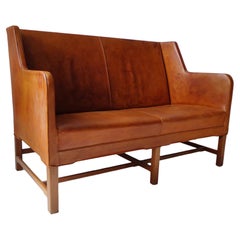
Two-seater sofa model 5011 in original cognac leather and six-legged mahogany base. Produced by Rud. Rasmussen Cabinetmakers, Denmark. Minor marks on the frame, patina to the leather. Back covered in original canvas. Shown at the Copenhagen Cabinetmakers’ Guild exhibition in 1935. Signed with manufacturer’s label to underside: (Rud. Rasmussens Snedkerier). Kaare Klint is widely recognized as the father of Danish modern design. It is hard to overstate his influence. He developed an entirely new analytical approach to furniture design that his students at the Danish Academy of Art would emulate for years to come, yet was also inspired by historic designs from various cultures, modernizing and re-interpreting classic pieces for new generations. Literature: Gorm Harkær, Klintiana: “Kaare Klint”, vol.2, pg 94. Kaare Klint (1888-1954) is regarded as the founding father of Danish Modernim. As an architect, furniture designer and leading professor at the Department of Furniture Design at the Royal Danish Academy of Fine Arts, Copenhagen, Klint established the principles of modern Danish furniture by combining a profound appreciation of traditional construction techniques with a modernist emphasis on function and a rejection of ornaments. Klint’s design was always based on relentless research; he never compromised. Every piece had to fulfill its purpose, be completely clear in its construction with dimensions and proportions corresponding to the human body and display materials and craftsmanship of the highest quality. Logic, often using a mathematical system of measures, and a constructive way of thinking were the foundation of Klint’s philosophy of furniture design. Like many of his contemporaries, counting Le Corbusier and Walter Gropius, he advocated standardization and functional requirements and dismissed the use of all ornamentation. But Klint realized his vision in wood and leather, using traditional craftsmen and working methods and often finding inspiration in historical models. In this way, he charted the course for an alternative Nordic Functionalism that idealized the workshop and the collaboration between furniture architects and cabinetmakers as opposed to the factory. Kaare Klint’s first major work was a collaboration with his mentor, the architect Carl Petersen. In 1914 they were commissioned to design furniture and fixtures for Faaborg Art Museum. One of the highlights to emerge from this commission was the Faaborg chair, a light and elegant chair with clear references to classical furniture. The construction and proportions of an 18th century English Chippendale chair was also clearly visible in the famous Red Chair, designed in 1927 for the lecture hall at The Museum of Arts and Crafts (now Design Museum Denmark), but with its straight back deprived of all unnecessary decoration and its beautiful Niger leather, the Red Chair was far from an imitation. Other important works include The Propeller Stool (1927), The ‘Mix Chair’ designed in collaboration with his pupil Edvard Kindt-Larsen in 1930, the Safari Chair (1930), The Deck Chair (1939 and The Church Chair designed in 1936 for the Bethlehem Church in Copenhagen. Also noteworthy are Klint’s well-proportioned cabinets and wardrobes...
Category

Vintage 1940s Danish Scandinavian Modern Sofas

Materials

Leather, Mahogany

Margareta Lundahl Röllakan Rug Midcentury Swedish Hand-Woven Flatweave, 1950s
By Margareta Lundahl
Located in WIJCKEL, NL
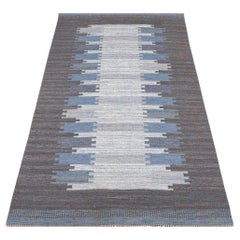
This vintage Swedish rug, hand woven wool, flatweave ‘rolläkan’ was designed by Margareta Lundahl, master weaver in the Mid-20th Century in Sweden. This rug dates to around 1950s. Ge...
Category

Vintage 1950s Swedish Scandinavian Modern Russian and Scandinavian Rugs

Materials

Wool

You May Also Like

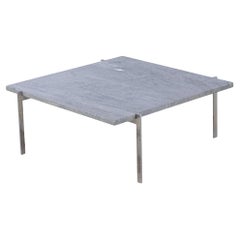
PK61 coffee table by Poul Kjaerholm EKC Denmark 1956 with Carrara marble top
By Poul Kjærholm, E. Kold Christensen
Located in Nijlen, VAN
PK61 coffee table by Poul Kjaerholm EKC Denmark 1956 with Carrara marble top The PK61 coffee table, designed by Poul Kjærholm for Ejvind Kold Christensen in 1956, showcases his signa...
Category

Vintage 1950s Danish Coffee and Cocktail Tables

Materials

Carrara Marble

PK 61 - Coffee table in Cippolini marble by Poul Kjærholm
By Poul Kjærholm, E. Kold Christensen
Located in Copenhagen, DK
PK 61 - Coffee table with top in Cippolini marble on a steel frame. Stamped from the manufacturer E. Kold Christensen and designed by Poul Kjærholm.
Category

Mid-20th Century Danish Mid-Century Modern Coffee and Cocktail Tables

Materials

Marble, Steel

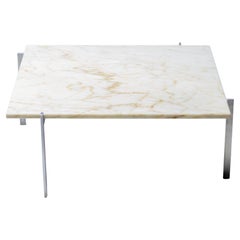
PK61 Poul Kjaerholm E. Kold Christensen Marble Scandinavian Mid Century Modern
By Poul Kjærholm, E. Kold Christensen
Located in Dronten, NL
Poul Kjærholm for E. Kold Christensen PK61 occasional table, white honed marble and matte chrome steel, made in Denmark, designed in 1955. Marked with E. Kold Christensen logo in th...
Category

Vintage 1950s Danish Scandinavian Modern Coffee and Cocktail Tables

Materials

Marble, Steel

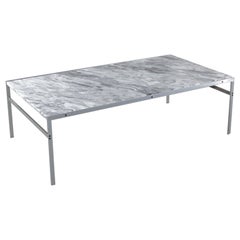
Preben Fabricius Jorgen Kastholm Large Marble Coffee Table Bo-Ex
By Jørgen Kastholm Preben Fabricius
Located in Berlin, BE
Preben Fabricius Jorgen Kastholm side / coffee table produced by Bo-Ex / Denmark in the 1960s. Tabletop made of original Greenland marble. Base made of matted chromed steel. A wonder...
Category

Mid-20th Century Danish Mid-Century Modern Coffee and Cocktail Tables

Materials

Marble, Steel

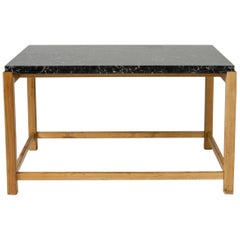
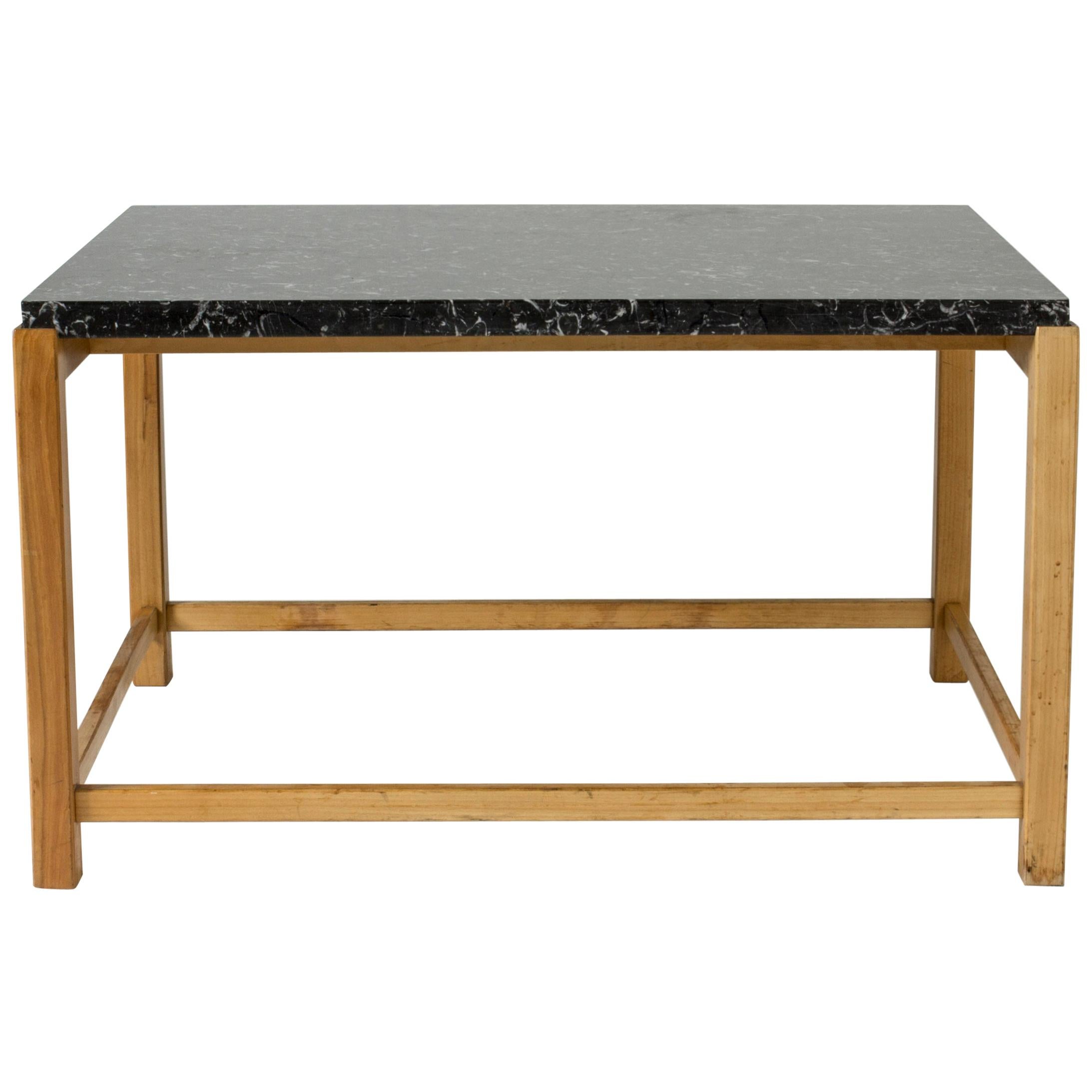
Marble-Top Coffee Table by Carl-Axel Acking for Torsten Schollin, Sweden, 1950s
By Carl-Axel Acking, Torsten Schollin
Located in Stockholm, SE
Very cool coffee or occasional table with a strict, open Silhouette and wonderful, lively black marble top. Elmwood base.
Category

Vintage 1950s Swedish Scandinavian Modern Coffee and Cocktail Tables

Materials

Marble

Rare PK63 Flint Rolled Marble Coffee Table by Poul Kjærholm
By Poul Kjærholm
Located in Dronten, NL
Designed in 1968 by renowned Danish architect and designer Poul Kjærholm, the PK63 coffee table is a masterclass in refined minimalism. Its precise stainless steel frame supports a striking rectangular top in flint rolled marble, reflecting Kjærholm’s celebrated dialogue between industrial materials and natural surfaces. With its clean proportions and understated elegance, the PK63 embodies Kjærholm’s philosophy of elevating functional objects into timeless works of art. The juxtaposition of the cool steel frame with the organic richness of marble creates a balance that is both architectural and poetic. Produced by Kjaerholm Productions...
Category

Mid-20th Century Danish Scandinavian Modern Coffee and Cocktail Tables

Materials

Marble, Stainless Steel