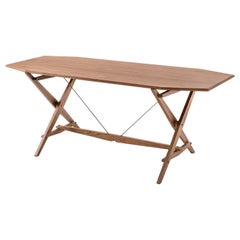
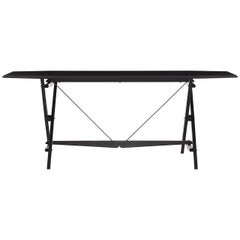
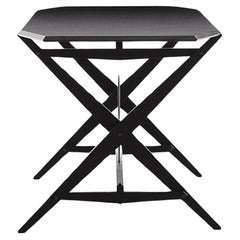
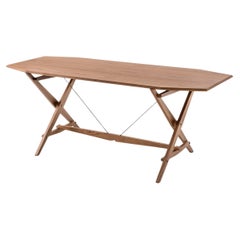
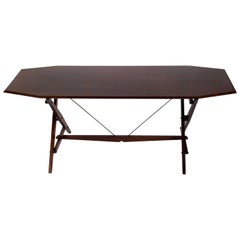
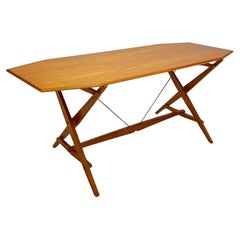
Franco Albini Cavalletto Table
About the Item
- Creator:Franco Albini (Designer),Cassina (Manufacturer)
- Dimensions:Height: 27.56 in (70 cm)Width: 70.87 in (180 cm)Depth: 27.96 in (71 cm)
- Style:Mid-Century Modern (Of the Period)
- Materials and Techniques:
- Place of Origin:
- Period:
- Date of Manufacture:2019
- Condition:Gallery example with virtually no wear.
- Seller Location:Dronten, NL
- Reference Number:1stDibs: LU931421659392
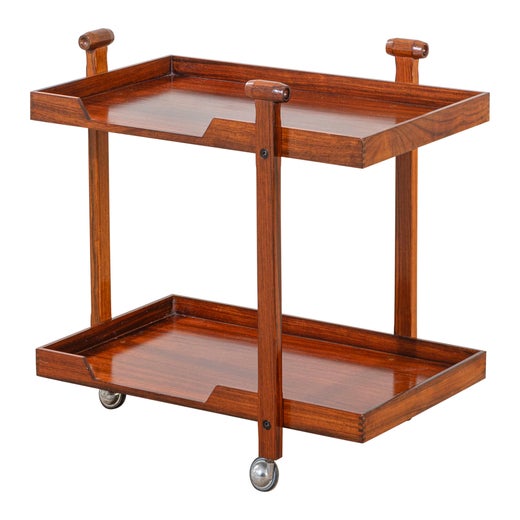
Franco Albini
While working under the polymath Gio Ponti — arguably the most important figure in 20th-century Italian modernism — furniture designer Franco Albini nurtured a love for modern forms combined with traditional craft techniques.
Albini is widely known for working with organic materials such as rattan and cane for his chairs and other seating, but he also played a pivotal role in the Italian rationalist movement of the early 20th century, which saw architects and furniture makers applying a strict emphasis on geometry in their work. Rationalists drew on Ancient Roman architecture but rejected ornament, much in the way that Le Corbusier and celebrated Bauhaus figures such as Ludwig Mies van der Rohe had in their modernist furniture.
Albini received his degree in architecture from the Polytechnic University of Milan in 1929, and, in 1931, he founded his practice in Milan, where he tackled workers’ housing and other reconstruction projects. A gifted urban planner, he also developed the Palazzo Bianco, Palazzo Rosso and Tesoro di San Lorenzo museums in Genoa. While Albini is revered for his Margherita chair — a Triennale Milano award winner created for Bonacina in 1951 — he also collaborated with manufacturers Poggi and Cassina in the 1940s on seating, tables and more that embodied his artistic vision. Of that mid-century work, the one piece that perhaps best captures this vision is the iconic Luisa chair.
With its cherry red upholstery and sinuous wooden legs that seem to float aboveground, the Luisa is a genuine masterpiece. It is also a testament to Albini’s perfectionism, as it endured several prototypes — including one made by Knoll in the late 1940s — and took approximately 15 years to design. Poggi launched the final version of the armchair in 1955, earning Albini the prestigious Compasso d’Oro from Italy’s Association for Industrial Design. It is produced today by Cassina. Albini named the chair for someone who likely saw the process firsthand: his personal secretary of two decades, Luisa Colombini.
Find vintage Franco Albini furniture on 1stDibs.
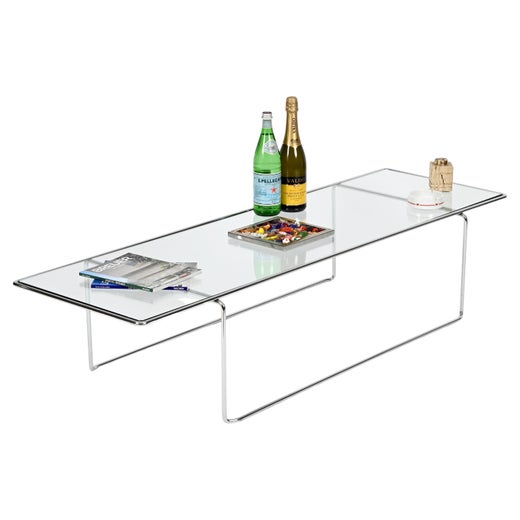
Cassina
Furniture manufacturer Cassina is a prolific design house for more reasons than one: It not only owns the licenses to an exquisite collection of iconic chairs, sofas, tables and other pieces from the 20th and 21st centuries but also produces original works that are characterized by innovation and the finest Italian craftsmanship.
Cassina’s illustrious legacy includes being one of the first companies to bring industrial design to Italy in the 1950s. Founded in 1927 in Meda, Italy, by brothers Cesare and Umberto Cassina, the Italian manufacturing giant originally specialized in bespoke woodworking. In nearly a century since its founding, the company has shown incredible foresight about design trends and the evolution of technology.
In 1964, Cassina signed an exclusive licensing agreement to manufacture furniture by Le Corbusier and his collaborators — such as the LC4 chaise longue made with trailblazing French modernist Charlotte Perriand and Pierre Jeanneret — a move that would shape the future of the company. Cassina’s I Maestri collection is an ongoing initiative to restyle landmark designs from the 20th century, such as pieces by Gerrit Rietveld (the Red and Blue armchair from 1918), Charles Rennie Mackintosh, Erik Gunnar Asplund, Franco Albini and Frank Lloyd Wright. The company preserves the intentions and original styles of their designs but adds updated techniques, materials and processes — rendering them the best possible combination of past, present and future. The brand has also worked with contemporary icons like Zaha Hadid, Gio Ponti and Philippe Starck.
Cassina’s original designs are cutting-edge as well. They include pieces for everyday use, the development of which is guided by comfort and the marriage of Italian craftsmanship with industrial technology.
Some of Cassina’s pieces, both from its contemporary and I Maestri collections, can be found in the collections of museums like the Museum of Modern Art and the Vitra Design Museum. In 2014, the company became part of Haworth in its acquisition of Italian furniture group Poltrona Frau, and in 2015, Spanish designer Patricia Urquiola joined Cassina as its art director, leading the brand into its next century of inventive style.
Find a collection of new and vintage Cassina furniture on 1stDibs.
You May Also Like
Vintage 1950s Italian Mid-Century Modern Dining Room Tables
Metal
2010s Italian Mid-Century Modern Desks and Writing Tables
Metal
21st Century and Contemporary Italian Mid-Century Modern Tables
Metal
2010s Italian Mid-Century Modern Desks and Writing Tables
Metal
2010s Italian Mid-Century Modern Desks and Writing Tables
Metal
2010s Italian Mid-Century Modern Desks and Writing Tables
Walnut
Vintage 1950s Italian Mid-Century Modern Desks and Writing Tables
Steel
Vintage 1950s Italian Mid-Century Modern Desks and Writing Tables
Metal
Mid-20th Century Italian Mid-Century Modern Dining Room Tables
Mahogany
Vintage 1950s Italian Mid-Century Modern Desks and Writing Tables
Wood
More From This Seller
View AllMid-20th Century American Mid-Century Modern Desks and Writing Tables
Steel, Chrome
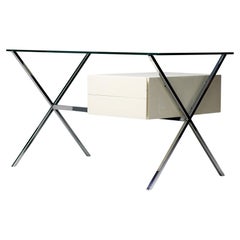
Vintage 1970s French Mid-Century Modern Dining Room Tables
Steel, Chrome
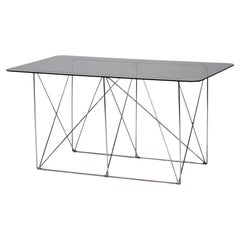
Vintage 1970s American Mid-Century Modern Dining Room Tables
Masonite
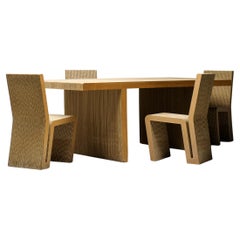
Vintage 1930s Swedish Scandinavian Modern Desks and Writing Tables
Birch, Macassar
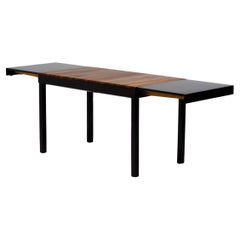
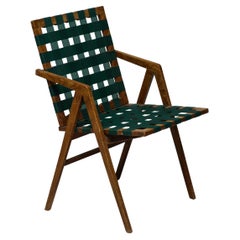
Mid-20th Century Italian Mid-Century Modern Armchairs
Nylon, Walnut
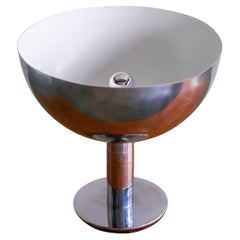
Mid-20th Century Italian Mid-Century Modern Table Lamps
Steel, Chrome
Still Thinking About These?
All Recently ViewedRead More
The 21 Most Popular Mid-Century Modern Chairs
You know the designs, now get the stories about how they came to be.
Billy Cotton Layers His Interiors with Lived-In Comfort
The Brooklyn-based designer is adept at styles ranging from austere to over-the-top, espousing an architectural, detail-oriented approach also evident in his line of furniture and lighting.