Items Similar to Japanese Antique Two-Sided Work Table with Drawers
Sliding Doors, Taisho era
Video Loading
Want more images or videos?
Request additional images or videos from the seller
1 of 22
Japanese Antique Two-Sided Work Table with Drawers
Sliding Doors, Taisho era
$4,500
£3,399.58
€3,898.59
CA$6,278.89
A$6,833.36
CHF 3,622.36
MX$82,210.57
NOK 45,943.15
SEK 42,034.76
DKK 29,125.39
About the Item
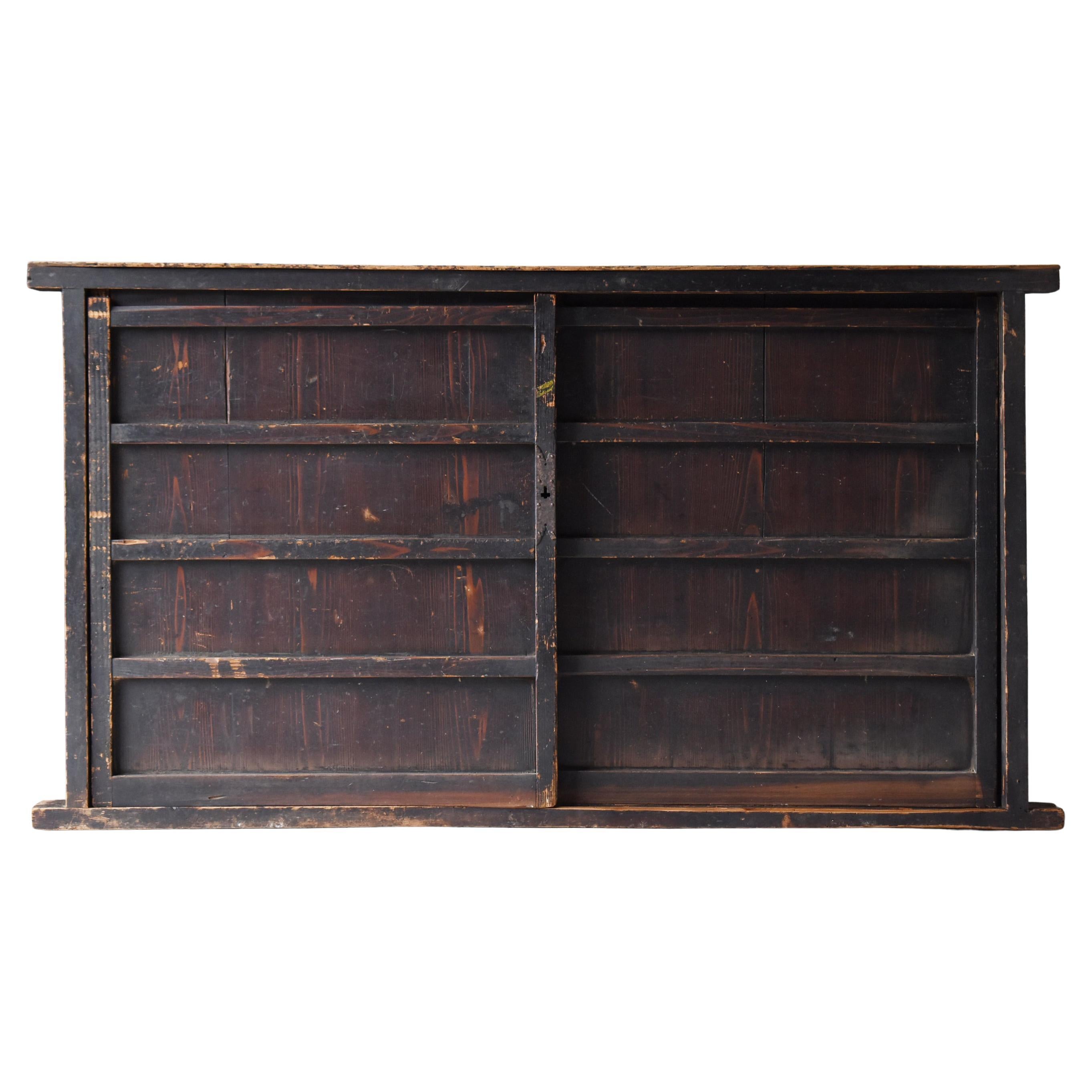
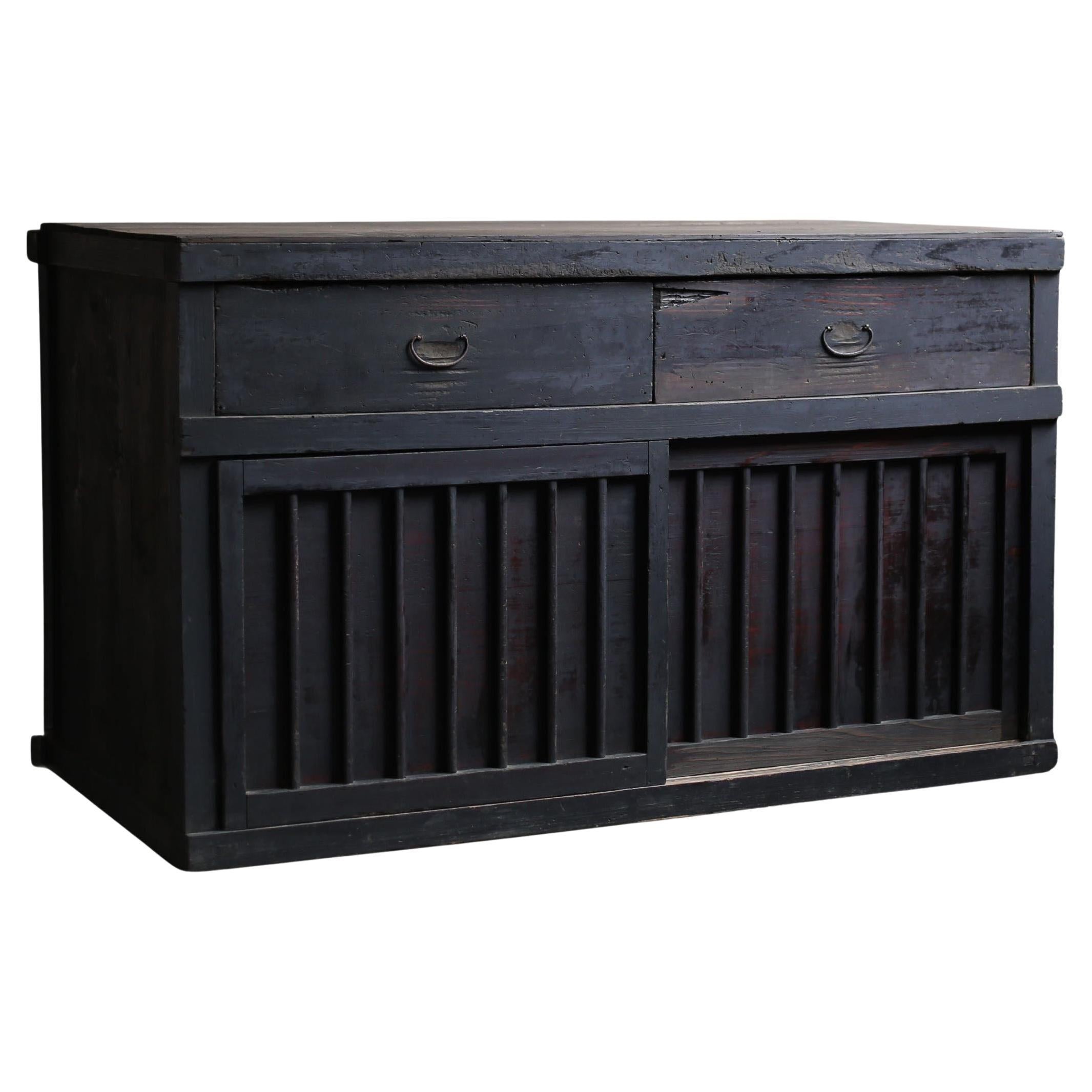
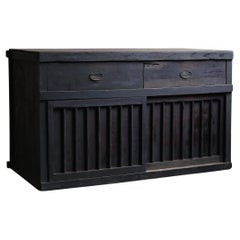
This substantial Japanese work table dates to the Taisho period (1912–1926) and is designed to be used from both sides, a configuration that is rarely encountered.
At the center of the piece is sliding-door storage, with three drawers arranged on both the front and back sides. This double-sided layout reflects a working environment where access from either direction was essential, emphasizing efficiency and practicality in its original use.
The table is constructed primarily from Japanese cedar, with a solid Japanese horse chestnut tabletop finished in black urushi lacquer. The lower structure is finished in a reddish-brown lacquer, with areas of wear and abrasion that lend the surface a quietly decadent character. These layered surfaces convey a clear sense of long-term use and aging.
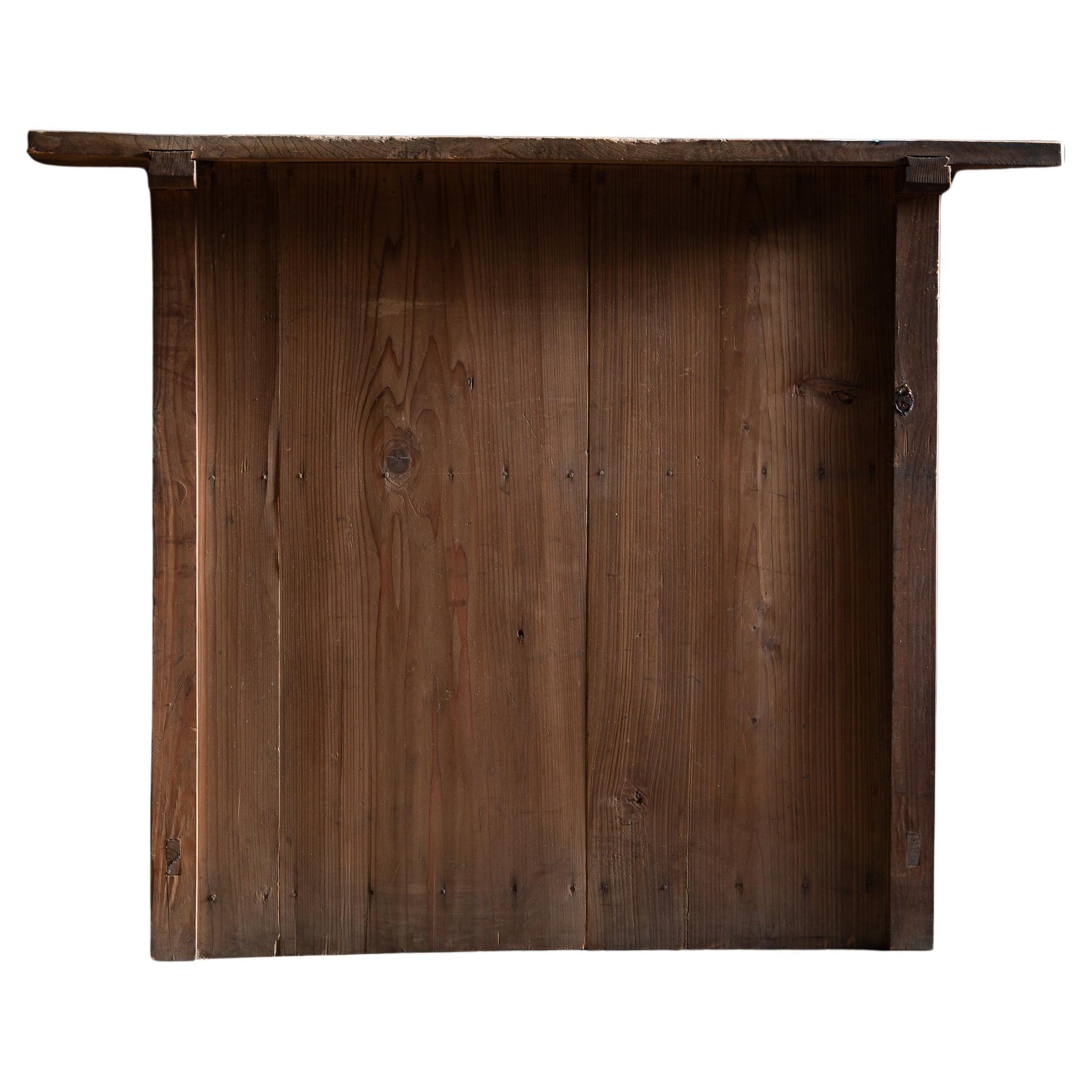
Subtle vertical striping is carved into the side panels of the main body, introducing a restrained decorative element within an otherwise functional structure. On both sides of the drawers, projecting structural supports extend outward beneath the tabletop. These supports are crafted from zelkova wood, a dense and durable hardwood traditionally used in Japan for load-bearing components. They play a structural role while also giving the table a strong architectural presence and visual depth.
This piece was selected for its distinctive presence. The weathered coloration shaped by time and use, together with the balance between robust construction and considered design, is particularly compelling. Among the many pieces we have handled, this table stands out for the strength of its visual character and overall composition.
It is well suited for use as a worktable, counter, or central island within a space.
The sliding doors operate smoothly. Inside, a single shelf board is present; it is not fixed and can be removed if desired. The interior shows less aging than the exterior and has been carefully cleaned. The drawers have also been thoroughly cleaned inside and slide smoothly.
Some structural repairs have been carried out where necessary. The legs showed signs of wear and were reinforced from the inside using new wood to restore strength without altering the external appearance. Parts of the sliding-door frame have also been repaired using traditional wood patching techniques. These repairs were undertaken with care, preserving both functionality and the table’s original character.
Condition Notes:
- Carefully cleaned prior to listing
- Sliding doors and drawers operate smoothly
- Rails show no significant wear; recessed areas are present where natural knots have fallen away over time
- These recessed areas do not affect operation and have been left as found
- Some structural repairs have been carried out where appropriate
- Legs were reinforced from the inside using new wood to restore strength without altering the external appearance
- Parts of the sliding-door frame have been repaired using traditional wood patching techniques
Cleaned gently with water only.
As an authentic Taisho-era piece, this table shows natural signs of age inherent to Japanese antique furniture. Characteristics such as surface wear, abrasion, wood movement, and areas of lacquer loss are reflections of its history and authenticity, not defects. Please review all photos carefully—condition details are visible in the images—and feel free to contact us with any questions before purchasing.
Interior dimensions (approx.)
Open storage interior (left section):
Opening width: 46.9" (119.0 cm)
Shelf width: 48.8" (124.0 cm)
Upper section:
D: 21.1" (53.7 cm) / H: 11.2" (28.5 cm)
Lower section:
D: 21.5" (54.5 cm) / H: 12.6" (32.0 cm)
Drawer interior (each):
W: 14.0" (35.5 cm) / D: 15.0" (38.0 cm) / H: 3.9" (9.8 cm)
Weight: 125.0 lbs (56.7 kg)
Shipping Information:
We ship from Japan. I will provide my own shipping quote. Please ask.
Import duties, taxes, and customs fees are the responsibility of the buyer.
Approach to Selection and Restoration:
Each piece is individually selected through our own eye, then restored to reveal its most compelling state. Movement, stability, and surface are considered as one—shaped through practice to be lived with naturally, honoring the wood’s natural patina while avoiding environmentally harsh chemical strippers or forceful abrasion.
- Dimensions:Height: 34.18 in (86.8 cm)Width: 53.75 in (136.5 cm)Depth: 34.97 in (88.8 cm)
- Style:Taisho (Of the Period)
- Materials and Techniques:
- Place of Origin:Japan
- Period:
- Date of Manufacture:Circa 1910
- Condition:Repaired: Structural repairs were carried out in Japan prior to listing. The legs were reinforced internally using new wood to restore strength without altering the exterior. Parts of the sliding-door frame were also repaired using traditional wood patching. Wear consistent with age and use. Structurally sound and stable. Age-related wear such as surface abrasion and areas of lacquer loss are present, consistent with age and use. Sliding doors and drawers operate smoothly, and the table remains fully functional.
- Seller Location:Hitachiomiya-shi, JP
- Reference Number:1stDibs: LU7430248099562
About the Seller
5.0
Platinum Seller
Premium sellers with a 4.7+ rating and 24-hour response times
Established in 2019
1stDibs seller since 2022
83 sales on 1stDibs
Typical response time: 1 hour
- ShippingRetrieving quote...Shipping from: Hitachiomiya, Japan
- Return Policy
More From This Seller
View AllJapanese Antique Tenjin Desk, Meiji Era (1868-1912), Wabi Sabi
Located in Hitachiomiya-shi, 08
This antique tenjin desk was crafted in the Meiji Era (1868–1912).
Originally used in traditional terakoya (temple schools), this low writing desk was designed for a lifestyle where...
Category
Antique Late 19th Century Japanese Meiji Coffee and Cocktail Tables
Materials
Wood
Japanese Vintage Low Table (Fuzukue), Early Showa Period (1926-)
Located in Hitachiomiya-shi, 08
This vintage low table (fuzukue) was crafted in the Early Showa Period (1926–).
Made of hinoki (Japanese cypress), it shows a warm, time-worn surface with a quiet wabi-sabi character...
Category
Mid-20th Century Japanese Showa Coffee and Cocktail Tables
Materials
Cypress
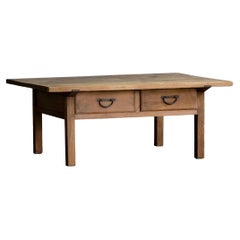
Late Meiji Era(1868-1912)Japanese Antique Floor Writing Desk or Coffee Table
Located in Hitachiomiya-shi, 08
This low table was crafted in the late Meiji era (1868-1912).
Reflecting Japan’s floor-seated culture, it features a lower height than standard tables. The tabletop is made from a ...
Category
Early 20th Century Japanese Meiji Coffee and Cocktail Tables
Materials
Chestnut
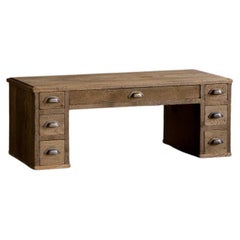
Japanese Vintage Sliding-Door Cabinet, Early Showa Period (1926–1945), Wabi Sabi
Located in Hitachiomiya-shi, 08
This Japanese sliding-door cabinet was crafted in the early Showa Period (1926–1945) from sugi (Japanese cedar). Compact and warm in character, it features a simple pair of wooden sl...
Category
Mid-20th Century Japanese Showa Cabinets
Materials
Cedar

Japanese Antique Sliding-Door Cabinet (Cha Tansu), Taisho Era (1912–1926), Wabi
Located in Hitachiomiya-shi, 08
This Japanese sliding-door cabinet (cha tansu) was crafted during the Taisho Period (1912–1926) using a thoughtful combination of woods: kiri (paulownia) for the frame, sugi (Japanes...
Category
Early 20th Century Japanese Taisho Cabinets
Materials
Wood, Cedar
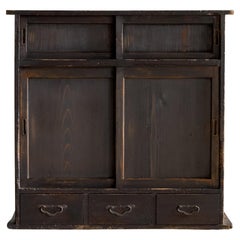
Japanese Antique Large Tansu, "Mizuya" Sidebord, Meiji Era 1868-1912, Wabi Sabi
Located in Hitachiomiya-shi, 08
This antique large Mizuya Tansu was crafted in the Meiji Era (1868–1912).
Its simple sliding panel doors and dark, timeworn finish reflect the quiet beauty of wabi-sabi. The surface...
Category
Antique Mid-19th Century Japanese Meiji Cabinets
Materials
Cedar
You May Also Like
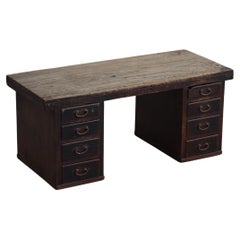
Japanese Antique Table, Desk, Double-sleeved desk, Wabi-Sabi, Early 20th Century
Located in Katori-Shi, 12
This antique Japanese table was produced in the Taisho period (1912-1926).
This is a double-sleeved desk whose lacquer has gained a deep flavo...
Category
Early 20th Century Taisho Antiquities
Materials
Wood
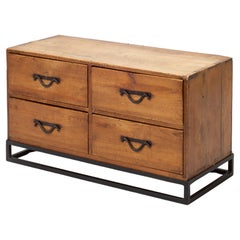
19th Century Japanese Meiji Era Tansu Clothing Chest On Iron Stand
Located in Fort Collins, CO
Constructed from Sugi wood (Japanese cedar), this clothing chest is minimalist in design, resting on an iron frame. The side table is adorned with blackened iron hardware, featuring ...
Category
Antique Late 19th Century Japanese Meiji Side Tables
Materials
Iron
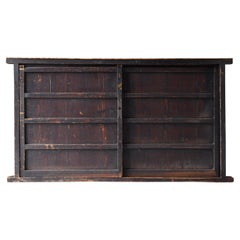
Japanese Antique Large Tansu 1860s-1900s / Sideboard Cabinet Wabi Sabi
Located in Chōsei District Nagara, JP
This is a very old Japanese tansu chest, crafted in the Meiji period (1860s–1900s). It is made from sugi (cedar) wood, and its modest, unassuming presence is part of its charm. The a...
Category
Early 20th Century Japanese Meiji Cabinets
Materials
Cedar
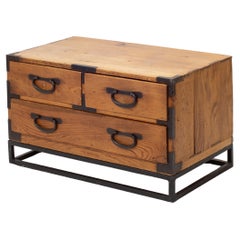
19th Century Japanese Meiji Era Tansu Clothing Chest On Iron Stand
Located in Fort Collins, CO
Constructed from Sugi (Japanese cedar), this clothing kimono chest is decorated with blackened iron brackets and hardware, resting on an iron stand. The side table features 3 drawers...
Category
Antique Late 19th Century Japanese Meiji Side Tables
Materials
Iron
Japanese Antique Large BK Tansu 1860s-1900s / Cabinet Sideboard Wabi Sabi
Located in Sammu-shi, Chiba
This is an antique Japanese Tansu.
Judging by the condition of the metal parts, it appears to be quite old, likely dating to the Edo period.
It has been carefully maintained to pres...
Category
Antique Mid-19th Century Japanese Edo Cabinets
Materials
Cedar
Japanese antique checkout counter w/shelf, wabi sabi side table, display stand
Located in 常陸大宮市, JP
Japanese antique checkout counter with inner shelf, manufactured circa 1780s - 1910s (Meiji period), estimate from the style & conditions.
Tabletop is finished with traditional blac...
Category
Antique Late 19th Century Japanese Meiji Side Tables
Materials
Wood