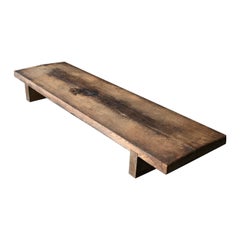
Edo Tables

EDO STYLE

Edo furniture was created during a flourishing time for the decorative arts owing to the stability of the Tokugawa shogunate rule in Japan. Spanning from 1603 to 1867, this era of peace and economic growth supported artistic advancements in lacquer, woodblock printing, porcelain and other artisanal trades. Because the country was largely isolated, there was little outside influence, leading to centuries of exceptional attention to the design of its furnishings and the quality of its traditional arts.

Unlike during the Meiji period that followed, with an increase in domestic and international markets, furniture during the Edo period was predominately commissioned by the ruling class, although people from across social groups benefited from the burgeoning metropolitan hubs for artisanal trades. For instance, Kyoto became a major center for lacquer art. Most furniture pieces were made from wood such as cedar or ash, including the era’s sashimono cabinets, which involved fine joinery and were rooted in the Heian period.

Sashimono cabinets, which were built by master craftsmen in a range of different wood types owing to the various trees that populate Japan, occasionally featured a stack of slender drawers as well as sliding doors. They were popular with everyone from samurai to kabuki actors. Tansu storage chests crafted from wood with metal fittings were also common in Edo-period homes. Some were designed to be easily portable while others were made to double as staircases.

Painted folding screens, called byōbu, were also fashionable, with Japanese artists inspired by nature, literature and scenes of history and daily life to create vivid works. In Buddhist temples and the palatial homes of the aristocratic class, fusuma, or large sliding panels, would sometimes be adorned with gold or silver leaf. These dividers allowed interiors to change throughout the day, closing in small spaces for personal use or reflecting candlelight to illuminate communal spaces after dark.

Find a collection of Edo tables, lighting, decorative objects, wall decorations and more furniture on 1stDibs.

to
Height
to
Width
to
Depth
to
2
4
1
26,107
19,133
4,992
3,464
1,906
1,851
1,796
1,694
1,667
1,593
1,408
987
899
829
636
556
328
147
4
1
4
3
2
1
1
5
5
5
5
5
5
1
Style: Edo
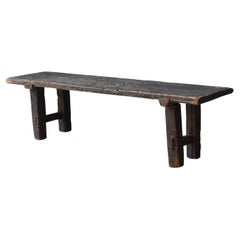
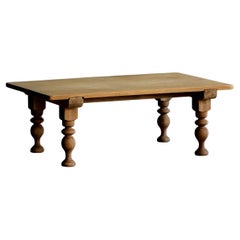
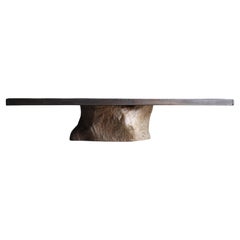
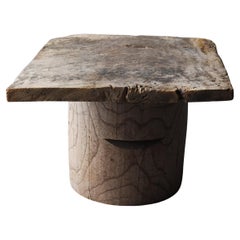
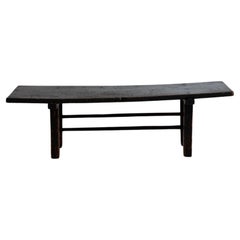
Japanese Antique Wabi-Sabi Low Table Edo period 1800s-1860s / Side Table
Located in Chōsei District Nagara, JP
This is an old Japanese low table, crafted during the Edo period (1800s–1860s). It is a rare piece of furniture that has survived through the centuries to the present day. Made of su...
Category

Mid-19th Century Japanese Antique Edo Tables

Materials

Cedar

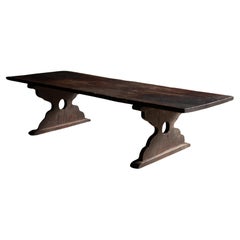
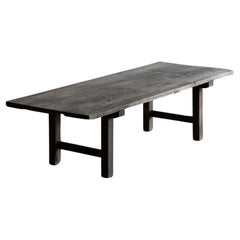
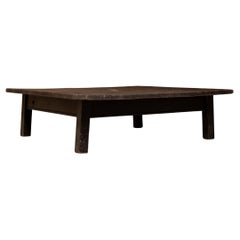
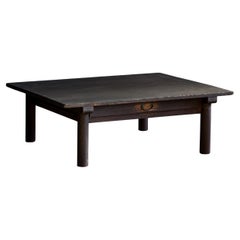
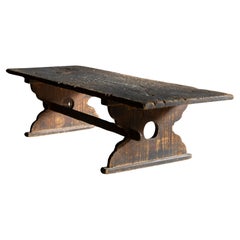
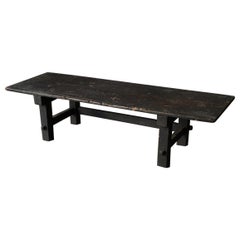
1800s - 1860s Edo Japanese antique chestnut low coffee table wabi sabi primitive
Located in 常陸大宮市, JP
New finds from Kura (traditional style warehouse) in Yamagata pref., Tohoku area, Japan. This antique low writing desk is a product of 1800s - 1860s (late Edo era), estimate from the style and conditions. Made of thick, sturdy single solid chestnut wood boards. Can be used as coffee table, display table etc. Yamagata pref. is known to rich woodcraft cultures. The most known products are bold but elaborate, premium Tansu furnitures...
Category

Late 19th Century Japanese Antique Edo Tables

Materials

Wood, Chestnut

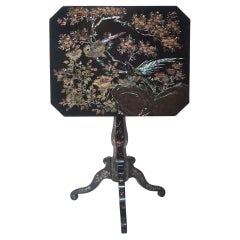
Japanese Export Lacquer and Abalone Inlaid Tilt-Top Stand, Nagasaki, circa 1840
Located in Kinderhook, NY
An exquisite circa 1840 Japanese export tilt-top table or stand of Nagasaki manufacture having allover abalone inlay in black lacquer, the top with with male and female 'Japanese gre...
Category

Mid-19th Century Japanese Antique Edo Tables

Materials

Brass

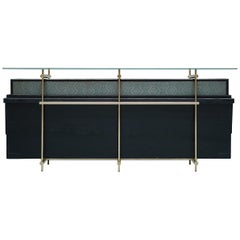
Contemporary Japanese Console with Folding Screen Zen Japanese Modern
Located in Shibuya-ku, Tokyo
Name: Early Dawn Collection: STILLIFE A console table that using a wooden box that stores two Japanese gold folding screens. It is a new histor...
Category

2010s Japanese Edo Tables

Materials

Brass

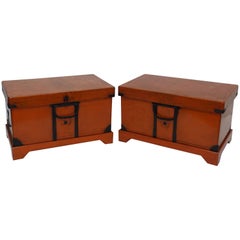
Pair of Japanese Lacquered Trunks or Tables on Custom Stands, 19th Century
Located in San Francisco, CA
A pair of lacquered trunks with iron hardware mounted on custom-made later stands. One trunk having a single drawer at one end. The detachable lids on these trunks are linen wrapped ...
Category

Late 19th Century Japanese Antique Edo Tables

Materials

Iron

Related Items
Japanese Antique Rustic Table 1860s-1900s / Dining Table Wabi Sabi Mingei
Located in Sammu-shi, Chiba
This is a very old Japanese Rustic table. It has a simple style with a wooden board on top of the "Usu". The "Usu" was used for crushing nuts and kneading rice for mochi. Generally,...
Category

Early 20th Century Japanese Edo Tables

Materials

Wood

Japanese Antique Side Table, Late Meiji Era 1868–1912 , Wabi Sabi
Located in Hitachiomiya-shi, 08
This antique side table was crafted in the Late Meiji Era (1868–1912). The top is made from solid zelkova (keyaki) wood, paired with legs crafted from cedar. The surface has develope...
Category

Early 20th Century Japanese Edo Tables

Materials

Cedar

Japanese Antique Black Box / Side Table Exhibition Stand / 1868-1912s/ Wabi-sabi
Located in Iwate-gun Shizukuishi-cho, Iwate Prefecture
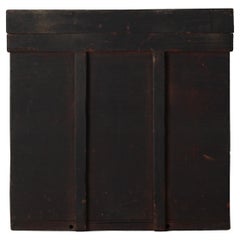
This is an old wooden storage box made in Japan. It is thought to date from around the Meiji period and is made of cedar. It has a simple design with no metal fittings. The overall m...
Category

Late 19th Century Japanese Antique Edo Tables

Materials

Wood, Cedar

Japanese Antique Low Wooden Table, Taisho Era (1912–1926), Wabi Sabi
Located in Hitachiomiya-shi, 08
This Japanese low table was crafted in the Taisho Era (1912–1926) with a keyaki (Japanese zelkova) base and a katsura wood top. The combination of these two traditional hardwoods cre...
Category

Early 20th Century Japanese Edo Tables

Materials

Wood

Japanese Low Table, Wabi-sabi, 1920s, Japan
Located in Tokyo, Tokyo
The antique low table, that was crafted from old Japanese wood. The top panel has been roughly shaved and showcases various marks and scratches that tell a story of its history. It...
Category

Early 20th Century Japanese Edo Tables

Materials

Wood

Japanese Low Table, Wabi-sabi, 1920s, Japan
$1,000
H 13.98 in W 47.25 in D 47.25 in
Japanese Antique Low Table 1860s-1920s / Sofa Table Wabi Sabi
Located in Sammu-shi, Chiba
This sculptural low table is composed of two antique Japanese utilitarian objects, created during the late Meiji to early Taishō period, approximately (1868 to 1920). The tabletop i...
Category

Early 20th Century Japanese Edo Tables

Materials

Wood, Cedar

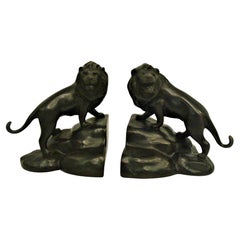
19th Century Pair of Japanese Bronze Lions Bookends, Meiji Period
Located in Buenos Aires, Olivos
This superb and rare pair of Japanese Meiji period bronze bookends are cast in solid bronze and depict a pair of Lions, with their heads raised. These finely sculpted pieces are beau...
Category

Late 19th Century Japanese Antique Edo Tables

Materials

Bronze

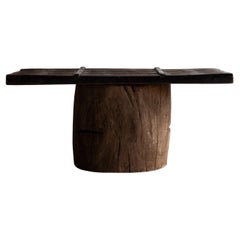
Japanese Antique Massive Low Table 1860s-1920s / Sofa Table Side Table Wabi Sabi
Located in Chōsei District Nagara, JP
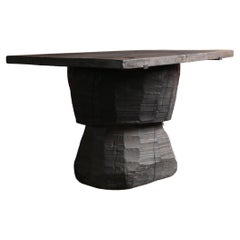
This is an old, oversized Japanese low table in a primitive style. It is a one-of-a-kind piece composed of wood materials that were originally used during the Meiji period (1860s–192...
Category

Early 20th Century Japanese Edo Tables

Materials

Wood

Japanese Antique Low Table (Zataku), Meiji Era (1868–1912), Wabi Sabi
Located in Hitachiomiya-shi, 08
This Japanese low table (zataku) was crafted in the Meiji Era (1868–1912) from sugi (Japanese cedar) and finished with kakishibu (persimmon tannin combined with pine soot), creating ...
Category

Late 19th Century Japanese Antique Edo Tables

Materials

Cedar

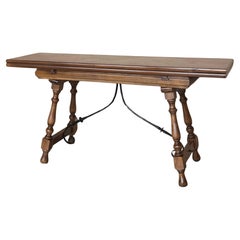
20th Century Spanish Console Fold Out Table with Iron Stretcher
Located in Miami, FL
20th century Spanish console fold out farm table Works as both a dining table and console. Opened wide : 32in From the floor to the bottom top table : 29.52in
Category

Late 20th Century Spanish Edo Tables

Materials

Iron

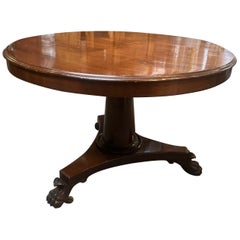
1840s Empire Veneered Mahogany Wood Sicilian Round Tilt-Top Table
Located in Catania, Sicilia
This Sicilian tilt-top table is a distinctive piece of furniture, reflecting the design aesthetics of the Empire style popular during the early to mid-19th century, it's a testament ...
Category

Mid-19th Century Sicilian Antique Edo Tables

Materials

Wood

Japanese Antique Primitive Coffee Table 1860s-1900s / Side Table Wabi Sabi
Located in Chōsei District Nagara, JP
This is an old Japanese side table in a primitive style, dating back to the Meiji period (1860s–1900s). Originally used in a farmhouse, the piece still exudes a commanding presence e...
Category

Early 20th Century Japanese Edo Tables

Materials

Wood

Previously Available Items
1860s Edo Japanese antique wabi sabi low writing desk primitive coffee table
Located in 常陸大宮市, JP
From Tohoku area, Japan. This antique low writing desk is a product of late Edo era. estimate from the style and conditions. Made of Hinoki cypress, original urushi lacquer still rem...
Category

Late 19th Century Japanese Antique Edo Tables

Materials

Wood, Cypress

Japanese antique wooden black low table / 1850-1912 / Edo-Meiji
Located in Sammu-shi, Chiba
I have just received a very attractive Japanese low table. This is a wooden writing desk made between the end of the Edo period and the Meiji period. A writing desk is a small table ...
Category

Late 19th Century Japanese Antique Edo Tables

Materials

Cedar

Japanese Antique Low Table / Sofa Table / 1800-1868s / Wabi-Sabi Mingei
Located in Iwate-gun Shizukuishi-cho, Iwate Prefecture
This is an old Japanese low table. Originally, there was a box at the top of this, and it was used to store and transport household goods called "Nagamochi", and it was actively use...
Category

Mid-19th Century Japanese Antique Edo Tables

Materials

Wood, Cedar, Pine

Japanese antique wooden wabi-sabi low table / 1850-1912 / "fu-zukue"
Located in Sammu-shi, Chiba
This wooden writing desk, known as a "Fu-zukue", dates back to the late Edo to Meiji period. Tatami culture has long been an integral part of Japanese life, where people sat on the ...
Category

Late 19th Century Japanese Antique Edo Tables

Materials

Cedar

Japanese antique wooden wabi-sabi low table / 1850-1912 / "fu-zukue"
Located in Sammu-shi, Chiba
This is a wooden low table made from the end of the Edo period to around the Meiji period. Since ancient times, Japan has had a tatami room culture, where people sat down to do what...
Category

Late 19th Century Japanese Antique Edo Tables

Materials

Cedar

Japanese antique wooden Wabi Sabi low table/1800-1920/sofa table
Located in Sammu-shi, Chiba
I would like to introduce a very interesting low table. This item was made during the late Edo period to the Meiji period in Japan. Originally, it is believed that a wooden drawer or...
Category

19th Century Japanese Antique Edo Tables

Materials

Chestnut

Japanese old wooden low table/ wabisabi coffee table/1850-1920
Located in Sammu-shi, Chiba
This Japanese antique wooden black low table was made between the late Edo and Meiji periods. All materials are cedar wood. Cedar has been a common wood used for tools and furniture ...
Category

Early 19th Century Japanese Antique Edo Tables

Materials

Cedar

Japanese old wooden low table/ wabisabi coffee table/1850-1920
Located in Sammu-shi, Chiba
This Japanese antique wooden black low table was made between the late Edo and Meiji periods. All materials are cedar wood. Cedar has been a common wood used for tools and furniture ...
Category

Early 19th Century Japanese Antique Edo Tables

Materials

Cedar

Japanese Antique Old Wooden Low Table / Coffee Table 1830s-1868s Wabi Sabi
Located in Iwate-gun Shizukuishi-cho, Iwate Prefecture
This is an old Japanese desk. In the Edo period, it was used by children to learn to read and write in a place called Terakoya, and it is also called "Tenjin desk". "Tenjin" refers...
Category

Mid-19th Century Japanese Antique Edo Tables

Materials

Wood

Japanese old wooden low table/wabisabi coffee table/1850-1920/sofa table
Located in Sammu-shi, Chiba
This is an antique Japanese wooden black low table made from the late Edo period to the Meiji period. All materials are cedar wood. Cedar is a tree that has been commonly used for Ja...
Category

Late 19th Century Japanese Antique Edo Tables

Materials

Cedar

Japanese old wooden low table/wabisabi coffee table/1850-1920
Located in Sammu-shi, Chiba
This is a rare Japanese antique wood black low table made in the late Edo to Meiji period. All materials are cedar wood. Cedar is a tree that has been commonly used for Japanese tools...
Category

Late 19th Century Japanese Antique Edo Tables

Materials

Cedar

Japanese antique wooden low table/1867/Late Edo period/Wabisabi table/Folk art
Located in Sammu-shi, Chiba
This is a very old Japanese wooden table. The material is made of pine wood. The year of production is written on the back of the table. It is wr...
Category

Late 19th Century Japanese Antique Edo Tables

Materials

Pine

Edo tables for sale on 1stDibs.

Find a broad range of unique Edo tables for sale on 1stDibs. Many of these items were first offered in the 21st Century and Contemporary, but contemporary artisans have continued to produce works inspired by this style. If you’re looking to add vintage tables created in this style to your space, the works available on 1stDibs include tables, asian art and furniture, more furniture and collectibles and other home furnishings, frequently crafted with wood, cedar and other materials. If you’re shopping for used Edo tables made in a specific country, there are Asia, East Asia, and Japan pieces for sale on 1stDibs. While there are many designers and brands associated with original tables, popular names associated with this style include and Ryosuke Harashima. It’s true that these talented designers have at times inspired knockoffs, but our experienced specialists have partnered with only top vetted sellers to offer authentic pieces that come with a buyer protection guarantee. Prices for tables differ depending upon multiple factors, including designer, materials, construction methods, condition and provenance. On 1stDibs, the price for these items starts at $700 and tops out at $16,000 while the average work can sell for $1,400.