Items Similar to 17th Century Portuguese Tile Panel
Want more images or videos?
Request additional images or videos from the seller
1 of 7
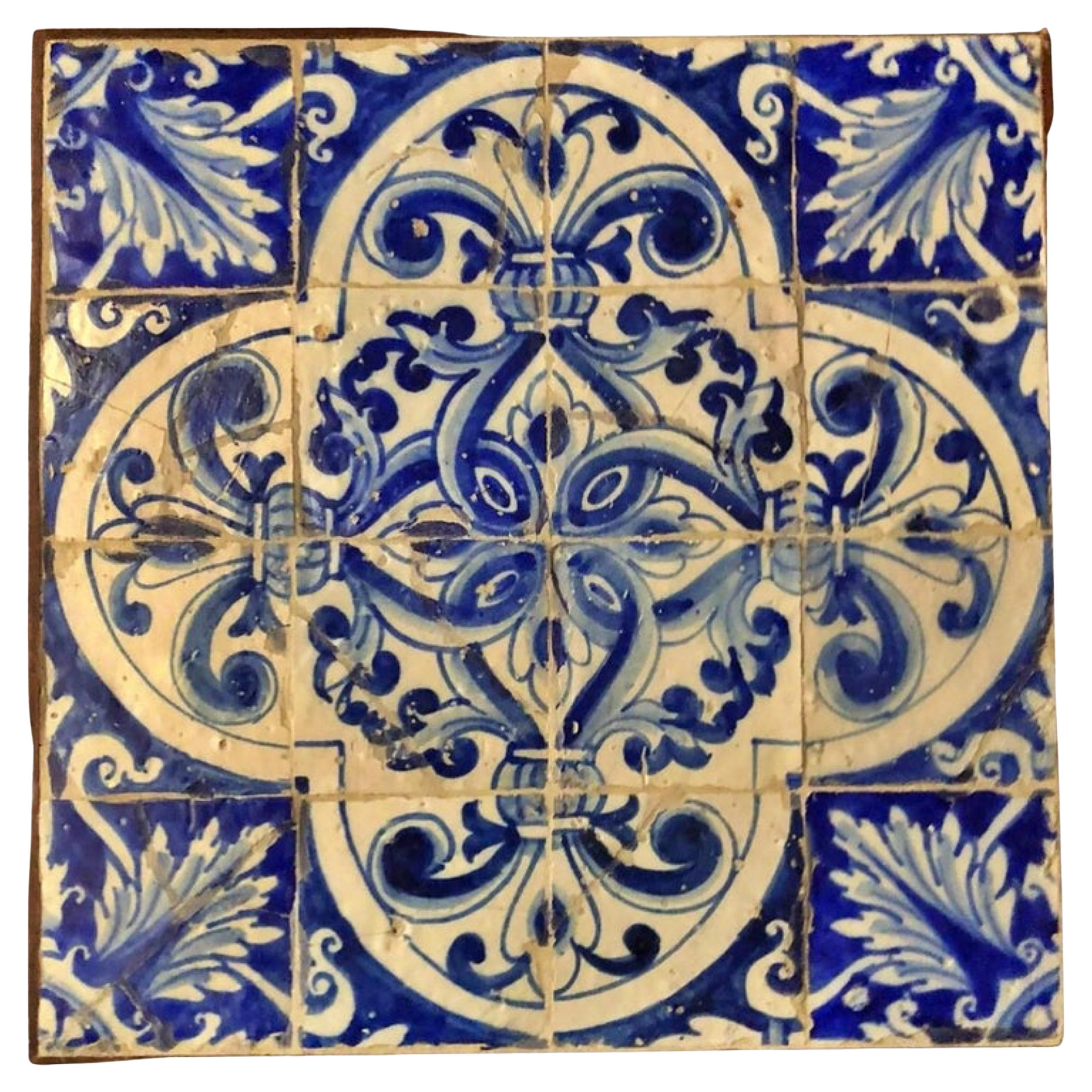
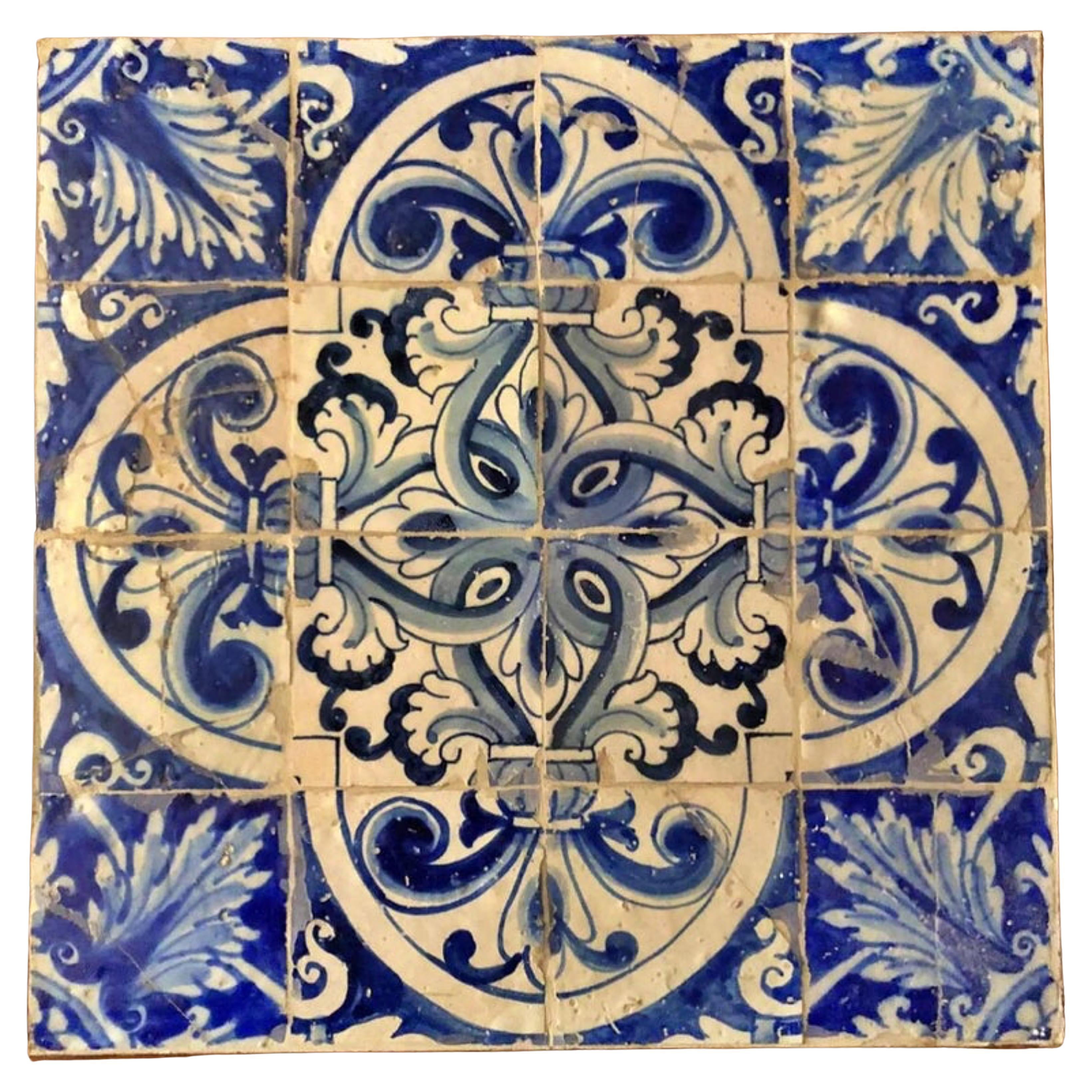
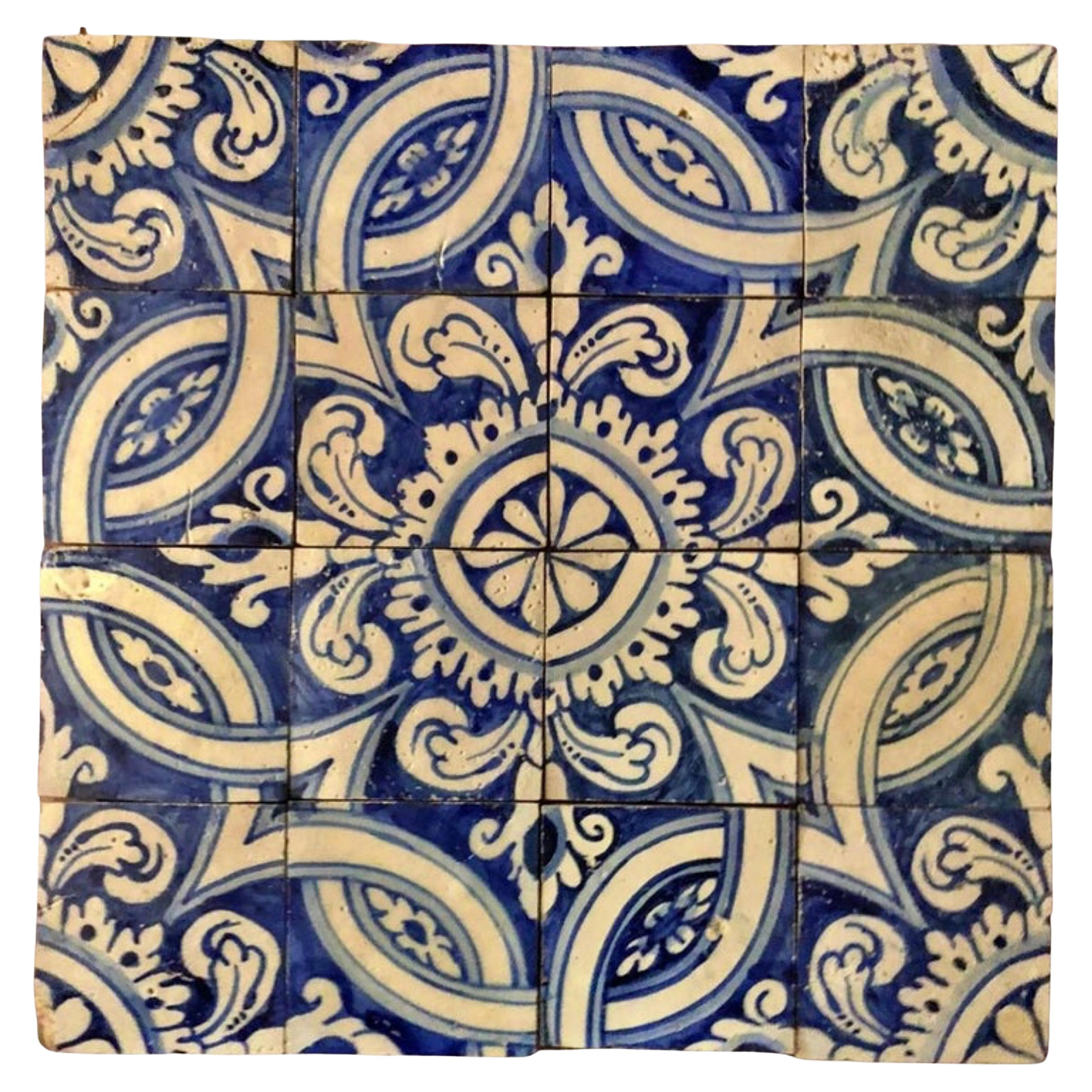
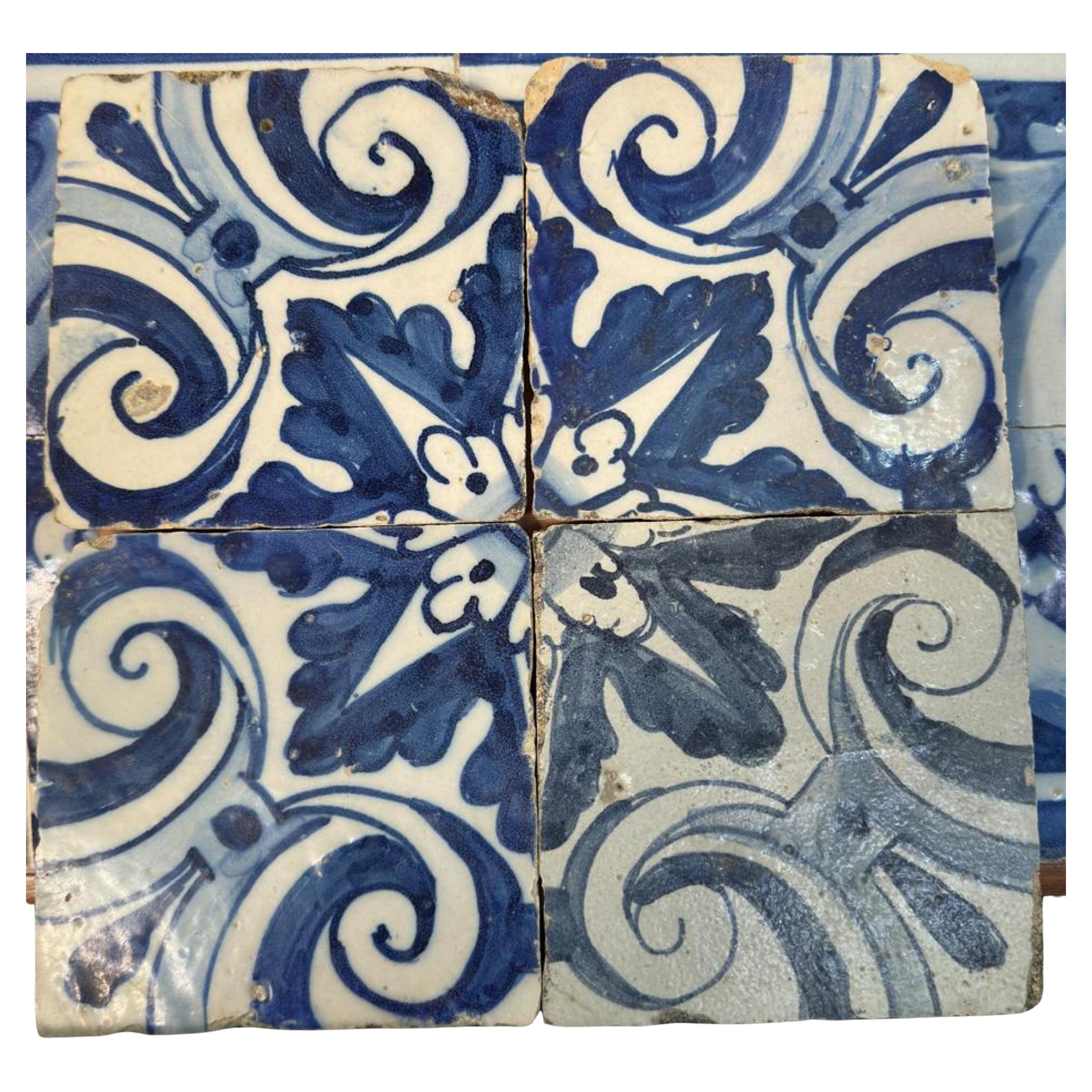
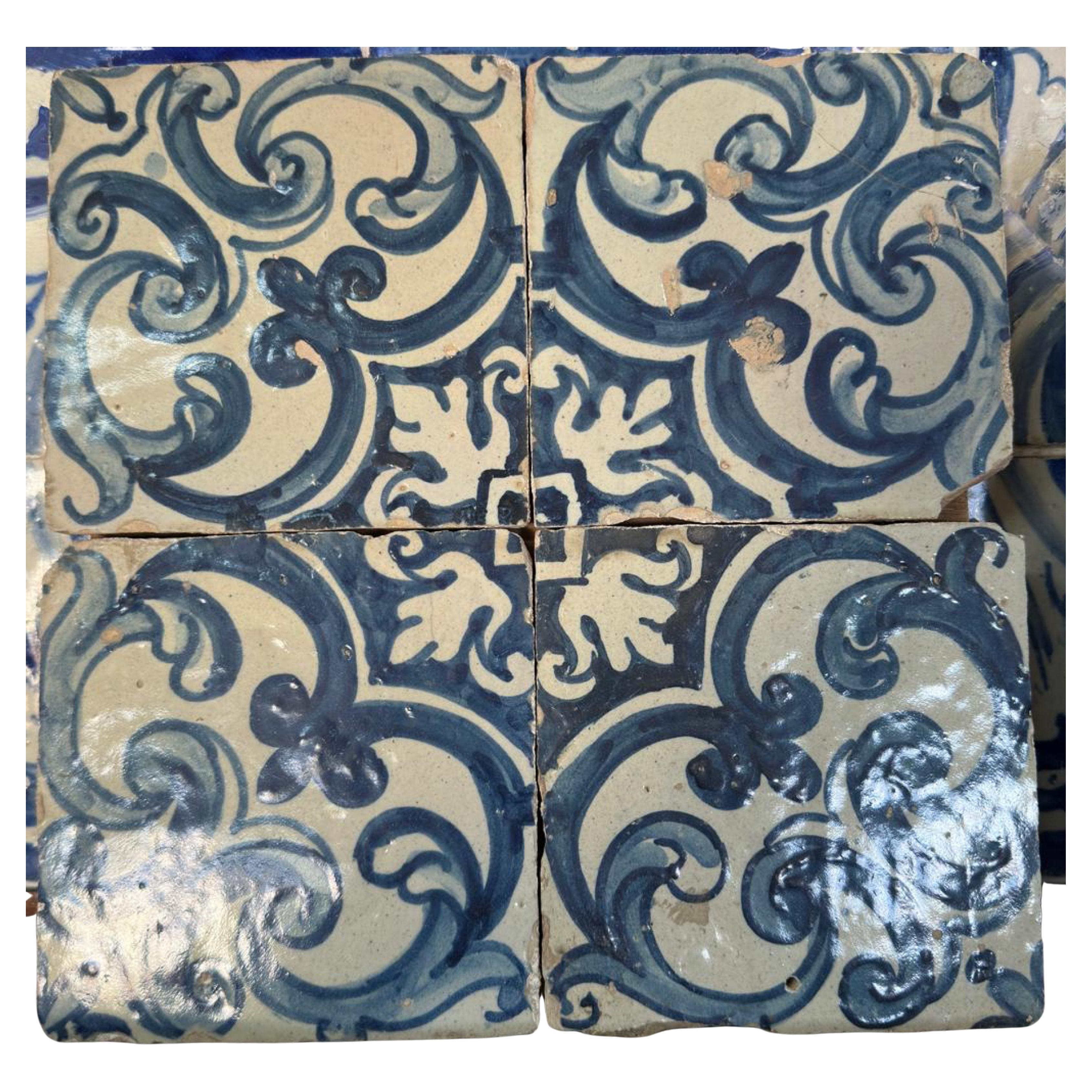
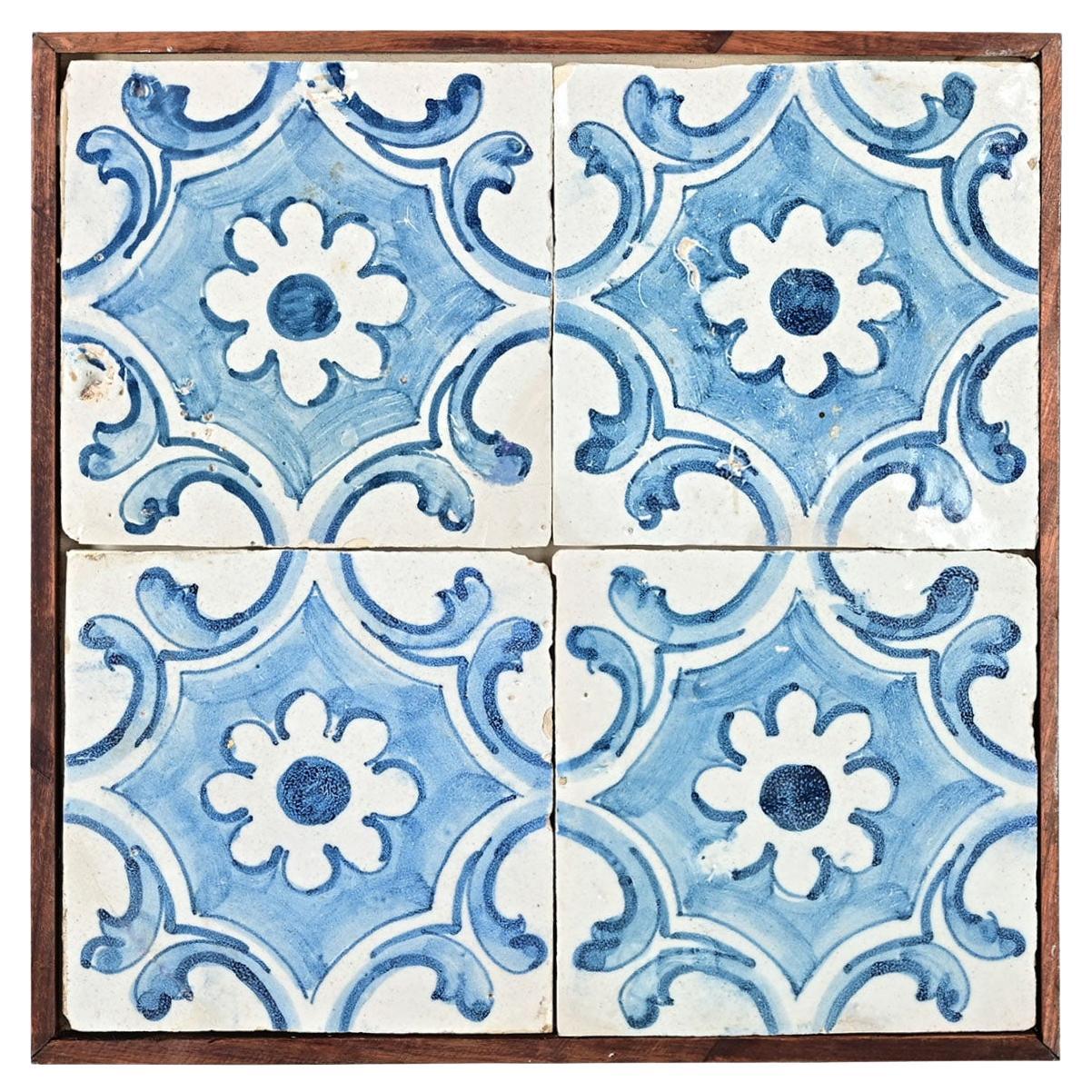
17th Century Portuguese Tile Panel
$4,500.41
£3,361.22
€3,800
CA$6,249.95
A$6,710.88
CHF 3,611
MX$79,416.69
NOK 45,491.99
SEK 41,491.23
DKK 28,960.59
About the Item
Largest collection of Portuguese tiles in the world
17th Century Portuguese Tile Panel
Restored
56cm x 56cm
14cm x 14cm tiles
With certificate of authenticity and export issued by the Directorate General of Portuguese Cultural Heritage, the only official department for issuing certificates for works of art.
17th Century
Shortly afterwards, these plain white tiles were replaced by polychrome tiles (enxaquetado rico) often giving a complex framework such as in the Igreja de Santa Maria de Marvila in Santarém, Portugal with one of the most outstanding tile-based interior decorations in Portugal.
When the diagonal tiles were replaced by a repetitive pattern of horizontal polychrome tiles, one could obtain a new design with different motifs, interlacing Mannerist drawings with representations of roses and camellias (sometimes roses and garlands). An inset votive usually depicts a scene from the life of Christ or a saint. These carpet compositions (azulejo de tapete), as they were called, elaborately framed with friezes and borders, were produced in great numbers during the 17th century. The best examples are to be found in the Igreja do Salvador, Évora, Igreja de S. Quintino, Obral de Monte Agraço, Igreja de S. Vicente, Cuba (Portugal) and the university chapel in Coimbra.
The use of azulejos for the decoration of antependia (front of an altar), imitating precious altar cloths, is typical for Portugal. The panel may be in one piece, or composed of two or three sections. They were used in the 16th, 17th and 18th centuries. Some antependia of the 17th century imitate oriental fabrics (calico, chintz). The golden fringes of the altar cloth were imitated by yellow motifs on the painted border tiles. Excellent examples can be found in the Hospital de Santa Marta, Lisbon, or in the Convent of Santa Maria de Almoster and the Convento de Santa Cruz do Buçaco.
During the same period another motif in friezes was introduced: floral vases flanked by birds, dolphins or putti, the so-called albarradas. They were probably inspired by Flemish paintings of flower vases, such as by Jan Brueghel the Elder. These were still free-standing in the 17th century, but they would be used in repetitive modules in the 18th century.
Azulejos dating from 1642 are in the Basilica and Convent de San Francisco de Lima, Peru.
Another type of azulejo composition, called aves e ramagens ('birds and branches'), came into vogue between 1650 and 1680. They were influenced by the representations on printed textiles that were imported from India: Hindu symbols, flowers, animals and birds.
In the second half of the 17th century, the Spanish artist Gabriel del Barco y Minusca introduced into Portugal the blue-and-white tiles from Delft in the Netherlands. The workshops of Jan van Oort and Willem van der Kloet in Amsterdam created large tile panels with historical scenes for their rich Portuguese clients, such as for the Palace of the Marqueses da Fronteira in Benfica, Lisbon. But when King Peter II stopped all imports of azulejos between 1687 and 1698, the workshop of Gabriel del Barco took over the production. The last major production from Holland was delivered in 1715. Soon large, home-made blue-and-white figurative tiles, designed by academically trained Portuguese artists, became the dominant fashion, superseding the former taste for repeated patterns and abstract decoration.
- Dimensions:Height: 22.05 in (56 cm)Width: 22.05 in (56 cm)Depth: 3.15 in (8 cm)
- Style:Baroque (Of the Period)
- Materials and Techniques:
- Place of Origin:
- Period:
- Date of Manufacture:17th Century
- Condition:Repaired. Wear consistent with age and use. restored and cleaning.
- Seller Location:Madrid, ES
- Reference Number:1stDibs: LU5779243135032
About the Seller
4.8
Gold Seller
Premium sellers maintaining a 4.3+ rating and 24-hour response times
Established in 2005
1stDibs seller since 2021
395 sales on 1stDibs
Typical response time: 1 hour
- ShippingRetrieving quote...Shipping from: Madrid, Spain
- Return Policy
More From This Seller
View All17th Century Portuguese Tile Panel
Located in Madrid, ES
Largest collection of Portuguese tiles in the world
17th Century Portuguese tile panel.
Restored
56cm x 56cm
14cm x 14cm tiles
17th Century
Shortly afterwards, these plain white ti...
Category
Antique 17th Century Portuguese Baroque Decorative Art
Materials
Porcelain
17th Century Portuguese Tile Panel
Located in Madrid, ES
Largest collection of Portuguese tiles in the world
17th Century Portuguese Tile Panel.
Restored
56cm x 56cm
14cm x 14cm tiles
With certificate of authenticity and export issued by ...
Category
Antique 17th Century Portuguese Baroque Decorative Art
Materials
Porcelain
17th Century Portuguese Tile Panel
Located in Madrid, ES
Largest collection of Portuguese tiles in the world
17th Century Portuguese Tile Panel
Restored
56cm x 56cm
14cm x 14cm tiles
With certificate of authenticity and export issued by ...
Category
Antique 17th Century Portuguese Baroque Decorative Art
Materials
Porcelain
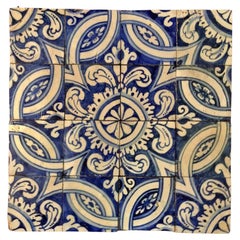
(4) Four Portuguese Tiles 17th Century (1630/1680) Very Rare Collectible
Located in Madrid, ES
(4) Four Portuguese Tiles 17th Century (1630/1680) Very Rare Collectible
each tile 14cm x 14cm
total: 28cm x 28cm
Original, unrestored
Ready to hang on the wall
The old Portugue...
Category
Antique 17th Century Portuguese Baroque Ceramics
Materials
Ceramic
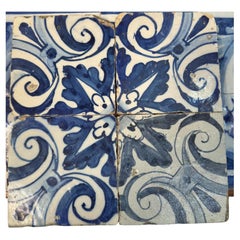
(4) Four Portuguese Tiles 17th Century (1630/1680) Very Rare Collectible
Located in Madrid, ES
(4) Four Portuguese Tiles 17th Century (1630/1680) Very Rare Collectible
each tile 14cm x 14cm
total: 28cm x 28cm
Original, unrestored
Ready to hang on the wall
The old Portugue...
Category
Antique 17th Century Portuguese Baroque Ceramics
Materials
Ceramic
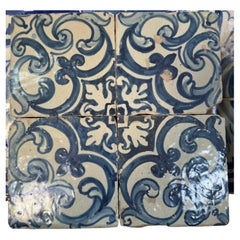
(4) Four Portuguese Tiles 17th Century (1630/1680) Very Rare Collectible
Located in Madrid, ES
(4) Four Portuguese Tiles 17th Century (1630/1680) Very Rare Collectible
each tile 14cm x 14cm
total: 28cm x 28cm
Original, unrestored
Ready to hang on the wall
The old Portugue...
Category
Antique 17th Century Portuguese Baroque Ceramics
Materials
Ceramic
You May Also Like
Framed Set of 18th Century Portuguese Tiles
Located in Baton Rouge, LA
The artistry and industry of Portuguese azulejos tiles is a tradition that dates back many centuries; as a practical, architectural surface to cover both interior and exterior walls ...
Category
Antique 18th Century Portuguese Other Decorative Art
Materials
Ceramic, Clay, Pottery, Glass, Wood
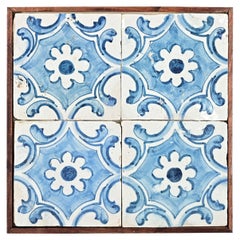
Framed Set of 18th Century Portuguese Tiles
Located in Baton Rouge, LA
The artistry and industry of Portuguese azulejos tiles is a tradition that dates back many centuries; as a practical, architectural surface to cover both interior and exterior walls ...
Category
Antique 18th Century Portuguese Other Decorative Art
Materials
Ceramic, Clay, Pottery, Glass, Wood
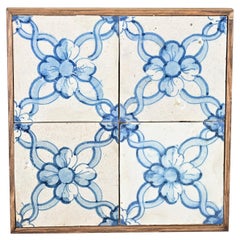
Framed Set of 18th Century Portuguese Tiles
Located in Baton Rouge, LA
The artistry and industry of Portuguese azulejos tiles is a tradition that dates back many centuries; as a practical, architectural surface to cover both interior and exterior walls ...
Category
Antique 18th Century Portuguese Other Decorative Art
Materials
Ceramic, Clay, Pottery, Glass, Wood
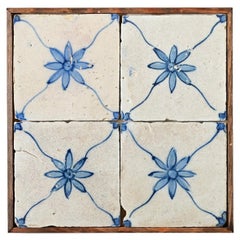
Framed Set of 18th Century Portuguese Tiles
Located in Baton Rouge, LA
The artistry and industry of Portuguese azulejos tiles is a tradition that dates back many centuries; as a practical, architectural surface to cover both interior and exterior walls ...
Category
Antique 18th Century Portuguese Other Decorative Art
Materials
Ceramic, Clay, Pottery, Glass, Wood
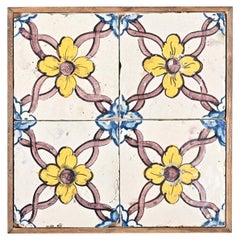
Framed Set of 18th Century Portuguese Tiles
Located in Baton Rouge, LA
The artistry and industry of Portuguese azulejos tiles is a tradition that dates back many centuries; as a practical, architectural surface to cover both interior and exterior walls ...
Category
Antique 18th Century Portuguese Other Decorative Art
Materials
Ceramic, Clay, Pottery, Glass, Wood
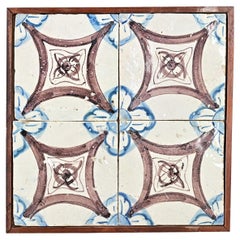
Framed Set of 18th Century Portuguese Tiles
Located in Baton Rouge, LA
The artistry and industry of Portuguese azulejos tiles is a tradition that dates back many centuries; as a practical, architectural surface to cover both interior and exterior walls ...
Category
Antique 18th Century Portuguese Other Decorative Art
Materials
Clay, Pottery, Glass, Wood
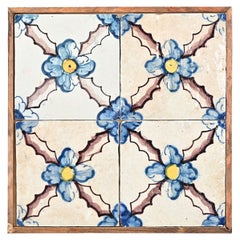
More Ways To Browse
Antique Border Tiles
Martha Hayden
Martin Weekly
Mary Armour
Mary Vickers
Max Brodel
Maynard Reese
Mermaid Majolica Plate
Minton Bird Tile
Monkey Louis Xv
Moroccan Wall Plates
Napoleon Bonaparte Signature
Nursery Rhyme Linoleum
Outdoor Wall Plaques
Paintings Signed Williams Trees
Panton Wall Panel
Perpetual Calendar Used
Peter Haigh