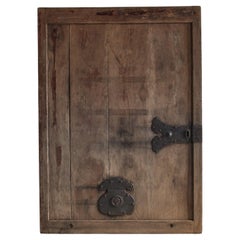
Items Similar to Japanese Antique Huge Door " Wall Decoration " 1860s-1900s / Wabi Sabi"
Want more images or videos?
Request additional images or videos from the seller
1 of 21
Japanese Antique Huge Door " Wall Decoration " 1860s-1900s / Wabi Sabi"
$3,500
£2,667.06
€3,075.86
CA$4,971.05
A$5,341.11
CHF 2,865.50
MX$62,924.46
About the Item
Japanese Antique Huge Door " Wall Decoration " 1860s-1900s / Wabi Sabi
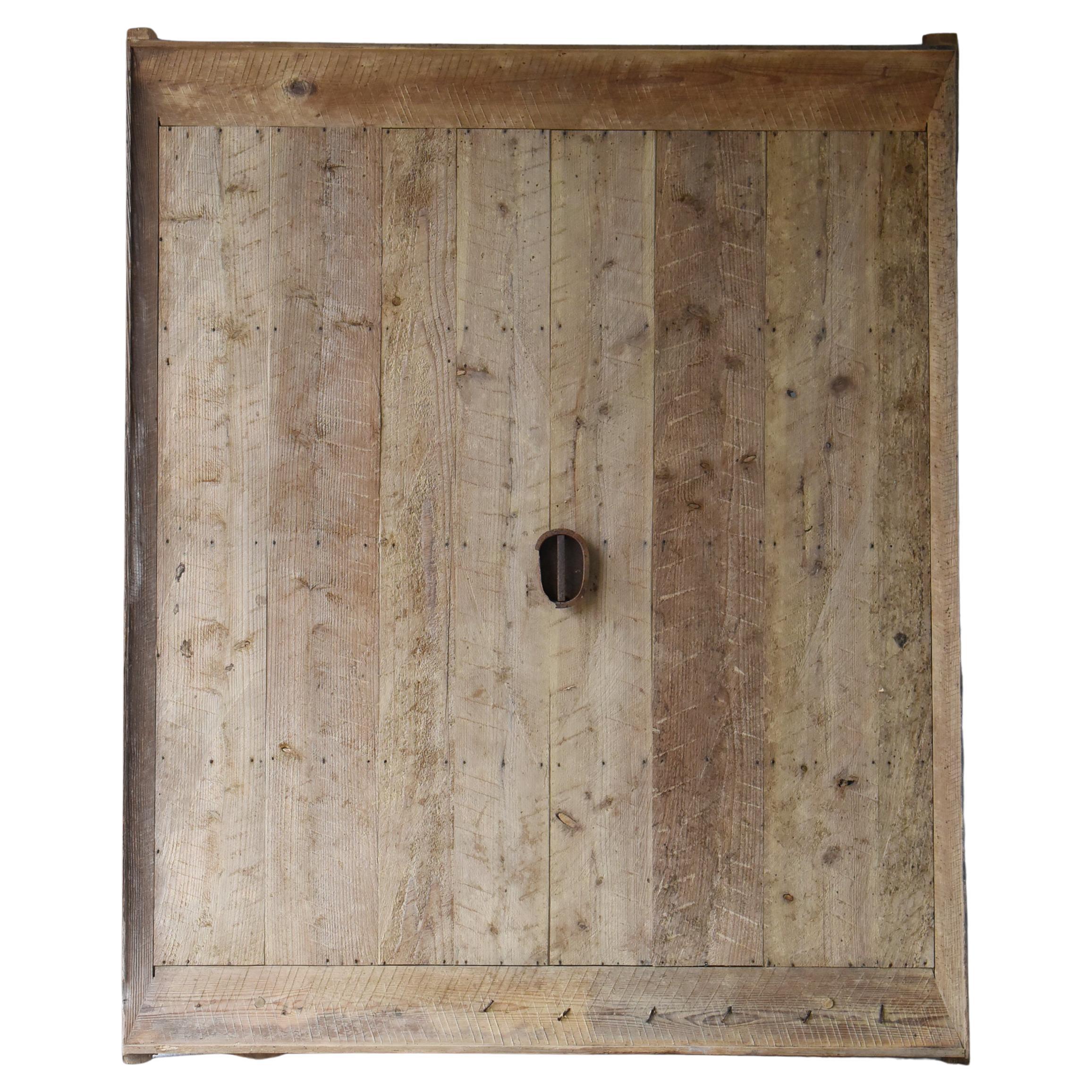
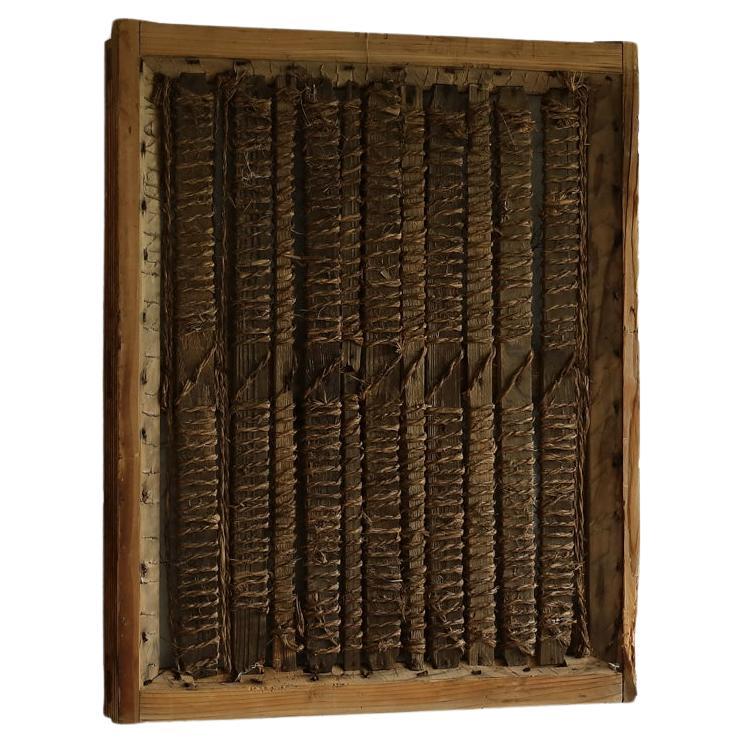
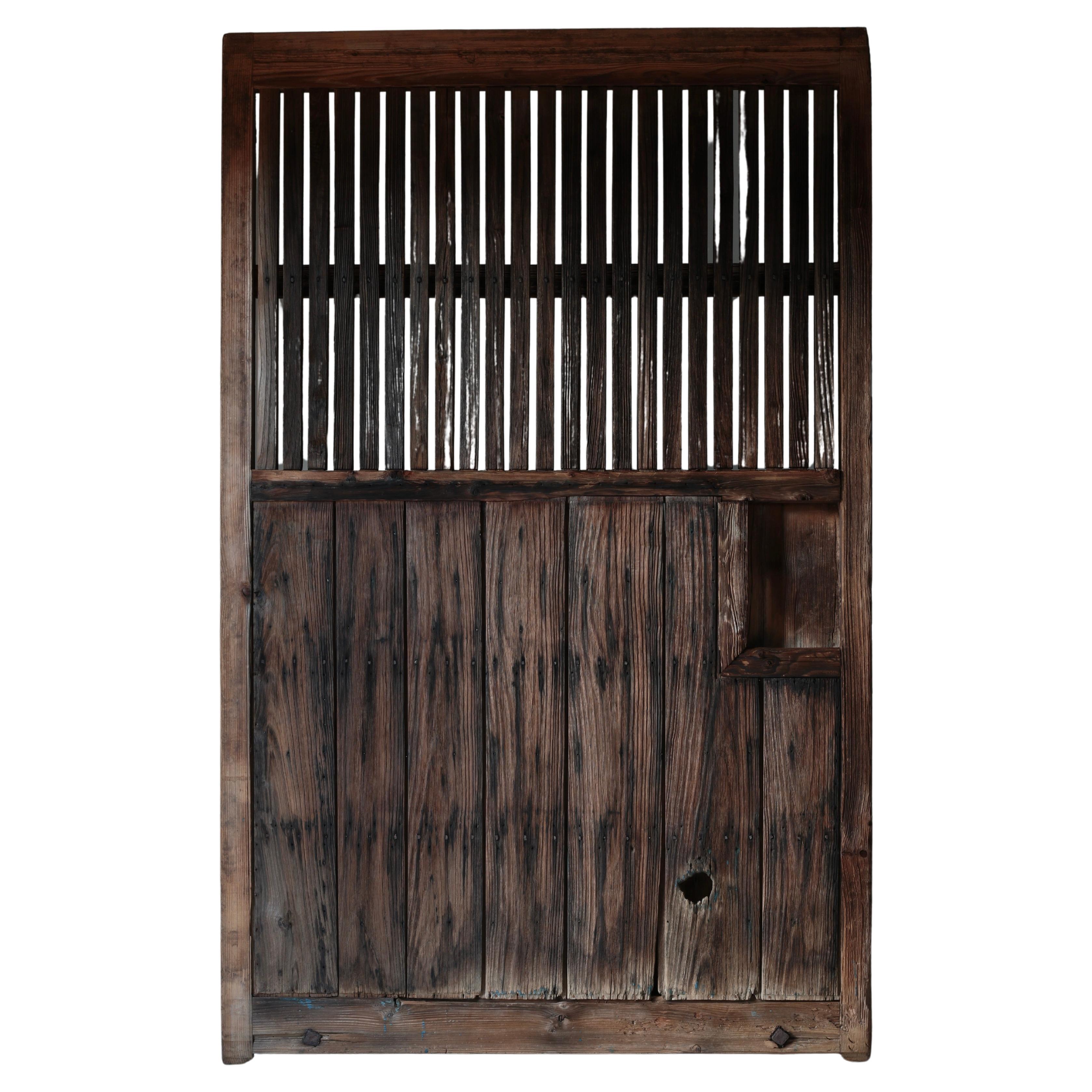
This extraordinary large sliding door was once used in an old warehouse in Japan.
Dating back to the Meiji period (1860s to 1900s), it embodies the quiet strength and refined imperfection of traditional Japanese design.
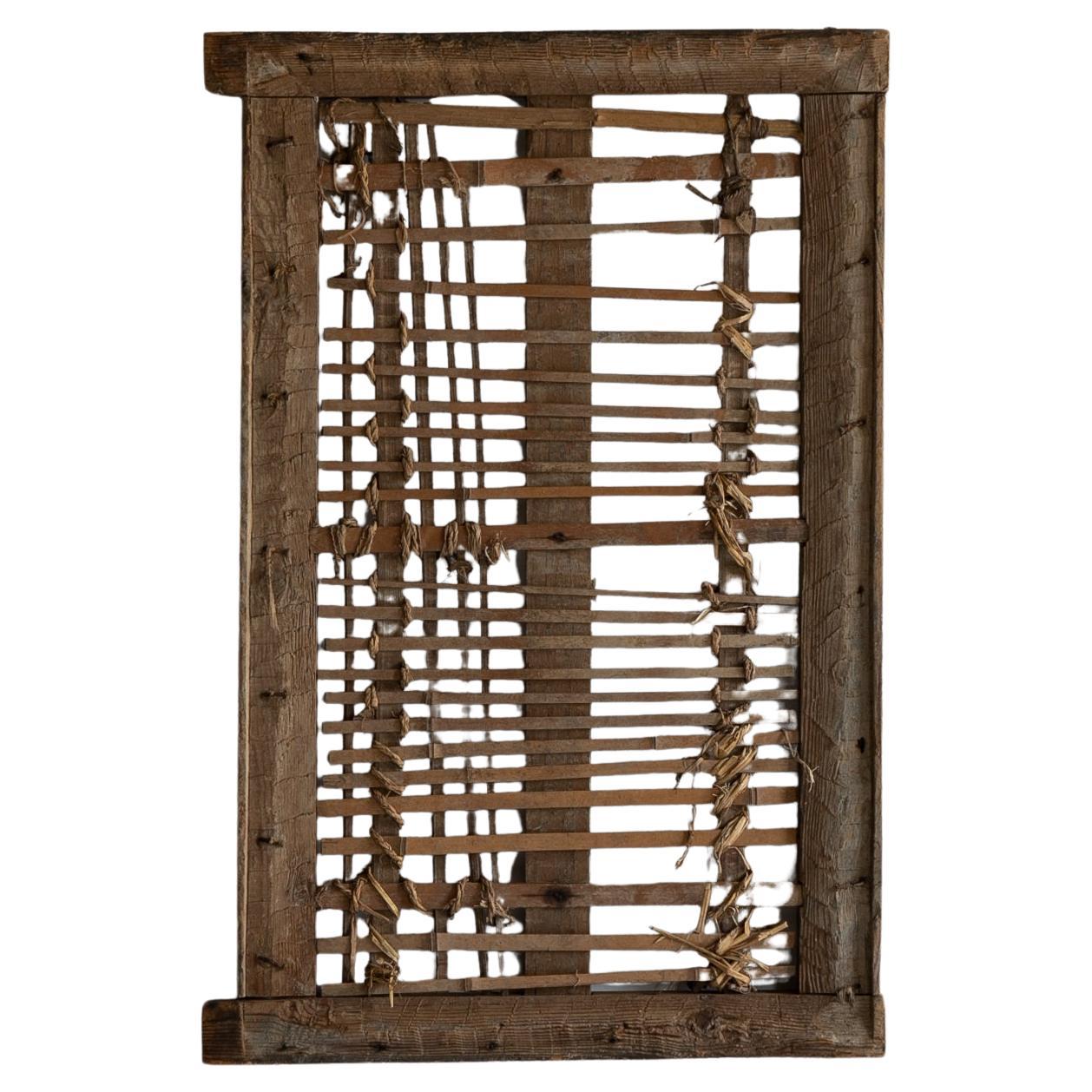
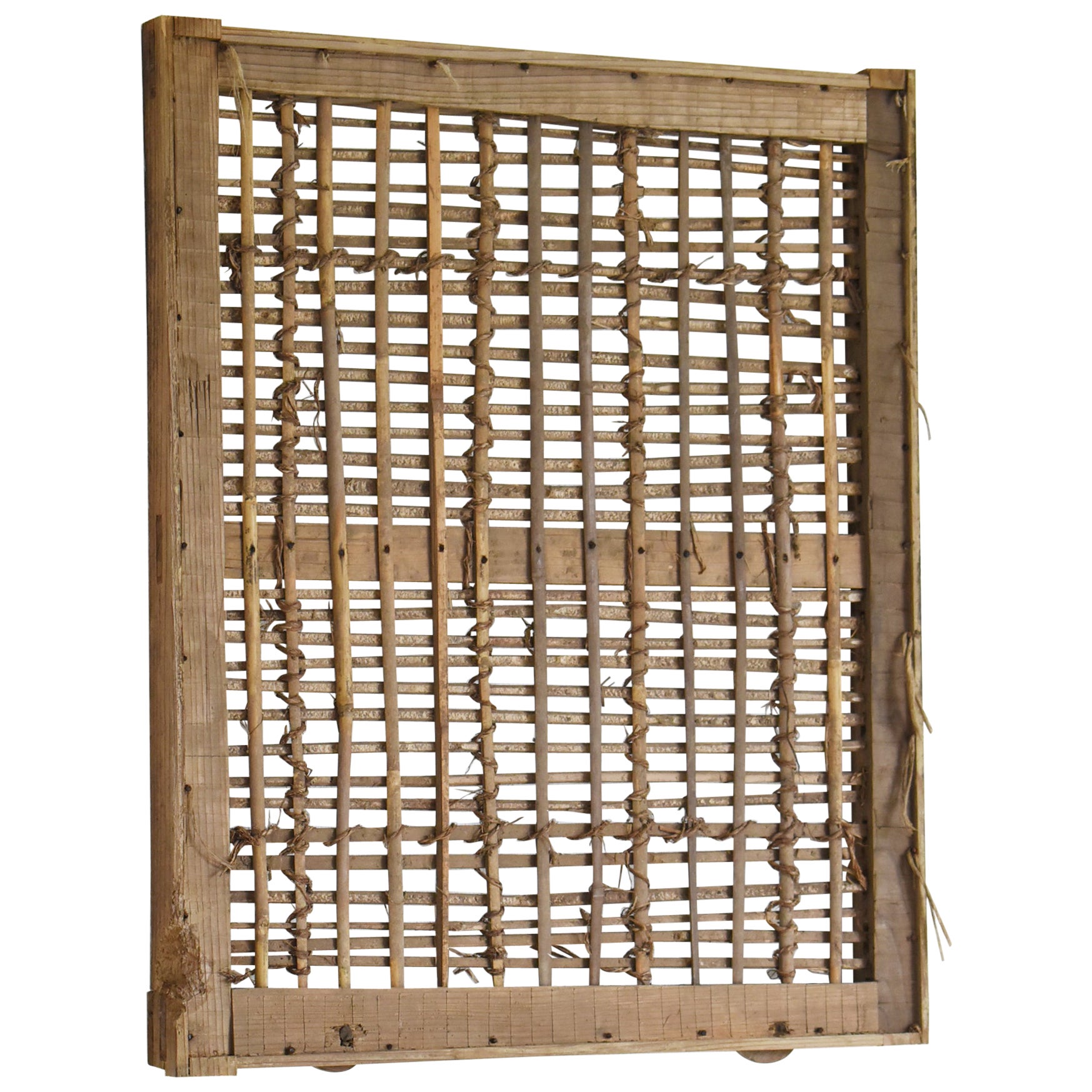
The frame and latticework are made of Japanese sugi (cedar), with each bamboo and cedar strip carefully wrapped in straw by hand.
This intricate construction reflects the remarkable craftsmanship and ingenuity of the artisans of that era.
At the center, a simple iron handle adds a sense of balance and understated dignity.
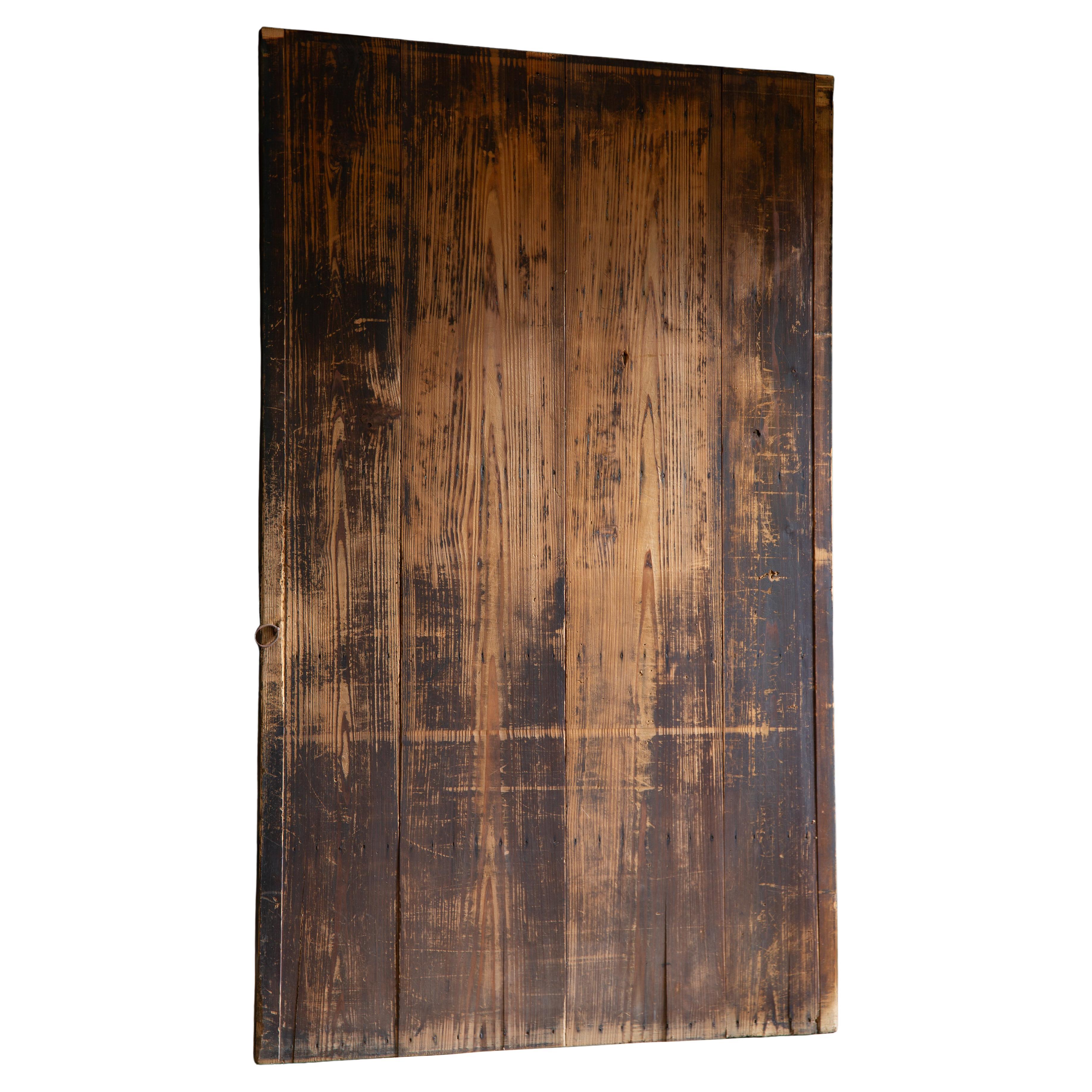
Originally, the entire surface was coated with layers of plaster and earth.
Over time, these layers have naturally peeled away, revealing an astonishingly beautiful foundation beneath.
The exposed straw and wooden structure form an abstract, painterly pattern, like a natural artwork shaped by the passage of time.
It carries the spirit of both sculpture and painting, a quiet collaboration between nature and human touch.
A small amount of soil still remains on the surface, and some may fall off during transport.
Please understand this as part of its natural state and history.
Despite its size, the door is relatively lightweight, approximately 20 kilograms.
It can be displayed vertically or horizontally as a wall-mounted art piece.
Whether placed in a gallery, a modern interior, or a boutique space, it brings depth, calmness, and poetry to the room.
Its raw and serene presence connects the past with the present, tradition with modernity.
This piece is a profound expression of the Japanese philosophy of wabi-sabi,
the beauty found in imperfection, impermanence, and simplicity.
It stands in contrast to luxury and opulence, embracing instead modesty, restraint, and authenticity.
There is an elegance in its incompleteness, and a silent strength that deepens with time and contemplation.
For centuries, Japanese craftspeople have created tools and structures using natural materials to live in harmony with nature’s challenges.
Through long use, these materials gain a soft patina and reflect the lives of the people who used them.
The harsher the environment and the more fragile the human condition, the greater the power and vitality of the material itself.
This balance between fragility and endurance is the essence of Japanese craftsmanship.
In today’s age of mass production and disposability, the act of preserving and reimagining old things holds deep meaning.
It is not merely restoration, but a rebirth that gives new value and life to what has endured.
We embrace this philosophy by carefully selecting powerful, beautiful, and truly unique Japanese antiques.
Each piece is a living work of art, created by the harmony of nature, time, and the human hand.
They are objects that whisper quietly of the beauty of time, carrying both memory and presence.
This sliding door is not just a remnant of the past.
It is a timeless art piece that continues to live, breathe, and inspire across generations.
- Dimensions:Height: 72.84 in (185 cm)Width: 48.04 in (122 cm)Depth: 2.56 in (6.5 cm)
- Style:Meiji (Of the Period)
- Materials and Techniques:
- Place of Origin:
- Period:
- Date of Manufacture:1860s-1900s
- Condition:Wear consistent with age and use.
- Seller Location:Sammu-shi, JP
- Reference Number:1stDibs: LU5487247340522
About the Seller
5.0
Platinum Seller
Premium sellers with a 4.7+ rating and 24-hour response times
Established in 2015
1stDibs seller since 2020
1,715 sales on 1stDibs
Typical response time: 6 hours
- ShippingRetrieving quote...Shipping from: Sammushi, Japan
- Return Policy
More From This Seller
View AllJapanese Antique Door "Wall Decoration" 1860s-1900s / Abstract Art Wabi Sabi
Located in Sammu-shi, Chiba
This was a very old Japanese warehouse (kura) window sliding door.
It was made during the Meiji period (1860s-1900s).
The frame is made of cedar wood and the lattice is bamboo.
It w...
Category
Early 20th Century Japanese Meiji Decorative Art
Materials
Bamboo, Cedar
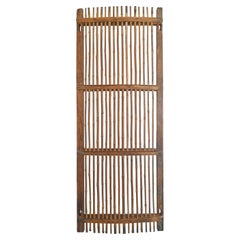
Old Arched Bamboo Wall Art Object / Japan, Early 20th Century/MINGEI
Located in Sammu-shi, Chiba
This is a large bamboo frame believed to have been made in Japan between the Meiji period and the early Showa period. Its original purpose is unclear, but the narrow holes and struct...
Category
Early 20th Century Japanese Meiji Decorative Art
Materials
Bamboo, Wood
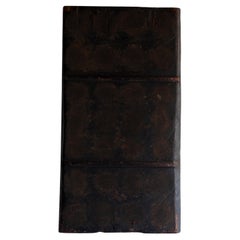
Japanese Antique Wooden Board 1860s-1900s / Abstract Art Wabisabi
Located in Sammu-shi, Chiba
This Japanese antique wooden workboard was crafted during the Meiji period
1860s to 1900s
and is made from solid cedar wood.
Originally, this board functioned as a practical work su...
Category
Early 20th Century Japanese Meiji Decorative Art
Materials
Cedar
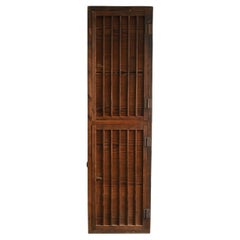
Japanese antique wooden storage shelf/ Early 20th century/Wooden cabinet
Located in Sammu-shi, Chiba
This is a vertical wooden storage cabinet made of Japanese cedar in the first half of the 20th century. Although it is unknown where it was used, its appearance oozes a beauty that transcends practical use. The rustic feel of the material and its quiet presence give it a nostalgic warmth not found in modern furniture.
This piece is made entirely of solid Japanese cedar, and the simple and disciplined structure of the vertical cleats, especially on the doors, and the cedar planks passed horizontally and overlapping from the reverse side, bring a perfect balance and rhythm to the overall look of the piece. This kind of design reveals a uniquely Japanese sense of design.
The deep candy-colored texture created by the aging process is a taste that only antique pieces can have. The subtle changes in color from suntanning and areas touched by the hand tell a quiet story of the passage of time. The doors are simple and close with small wooden stoppers, preserving the practicality and warmth of the past.
The shelves are securely fastened and provide ample storage capacity. Books, clothes, daily necessities, and various other items can be beautifully organized. The backs and shelves are stained and worn from use, and there are also some holes repaired on the sides and small chips.
In a modern living space, this shelf can be used as a shelf in a study, as an accent in a living room, or as a quiet corner of a room where one spends quiet time alone, bringing a sense of calmness and flavor to the entire space. These long, locker-like proportions of antique shelves...
Category
Early 20th Century Japanese Taisho Cabinets
Materials
Cedar
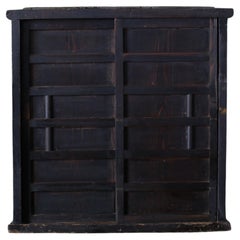
Japanese Antique BK Tansu 1860s-1900s ③ / Cabinet Sideboard Wabi Sabi
Located in Sammu-shi, Chiba
This chest of drawers is one of a set of three used in the same old Japanese house.
Judging from its current condition, it appears to be quite old. It is in all original condition.
...
Category
Early 20th Century Japanese Edo Cabinets
Materials
Cedar
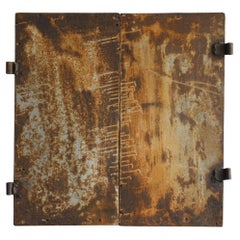
Old Japanese iron door / wall hanging object/Like an abstract painting
Located in Sammu-shi, Chiba
This is a small, antique iron door from Japan's Showa period (circa 20th century). It was once installed in traditional Japanese homes and storehouses, and is believed to have served...
Category
20th Century Japanese Showa Decorative Art
Materials
Iron
You May Also Like
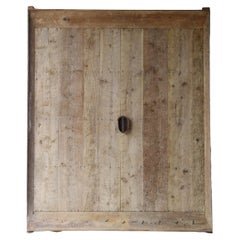
Japanese Antique Huge Sliding Door or Wall Decoration 1860s-1900s / Wabi Sabi
By Axel Vervoordt
Located in Chōsei District Nagara, JP
This is an old, large Japanese sliding door.
It was crafted during the Meiji period (1860s–1900s) and was likely used in traditional houses or storehouses of the time. The material i...
Category
Early 20th Century Japanese Meiji Antiquities
Materials
Iron
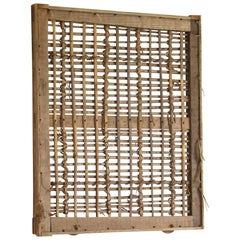
Japanese Antique Small Door Wall Decoration 1860s-1900s / Abstract Art Wabi Sabi
Located in Chōsei District Nagara, JP
This is an old small window frame made in Japan. It was originally used as a traditional Japanese mud wall fixture. It dates back to the Meiji period (1860s-1900s) and has been in us...
Category
Early 20th Century Japanese Meiji Decorative Art
Materials
Bamboo, Cedar
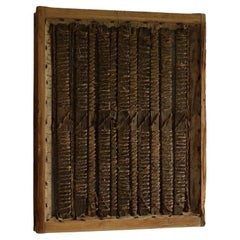
Japanese Antique Door, Abstract Art Wabi Sabi, 1860s-1900s
Located in Katori-Shi, 12
Very old Japanese sliding door.
The simple design conveys the charm of the material.
You can feel the world of wabi and sabi.
Recommended as a wall painting.
It was made in the Mei...
Category
Early 20th Century Meiji Doors and Gates
Materials
Wood
Japanese Antique Wooden Door / Interior Decoration / 1868-1912s / Wabi-Sabi
Located in Iwate-gun Shizukuishi-cho, Iwate Prefecture
This is an old Japanese door.
It is thought to date from the Edo or Meiji period.
It was used as the door of a traditional warehouse called a "kura." In Japan, old storehouses are ...
Category
Antique Late 19th Century Japanese Primitive Doors and Gates
Materials
Iron
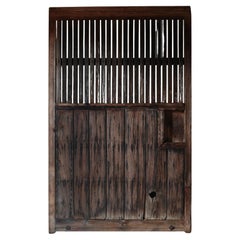
1910s-30s Japanese antique Itado, wabi sabi wide wooden sliding door
Located in 常陸大宮市, JP
Japanese antique Itado, thick wooden sliding door made of Sugi Cedar, for both interior & exterior use.
Manufactured in circa 1910s -1930s (Taisho to early Showa period), estimate from the style & conditions.
Warm dark paint remains on the surface comes from traditional finish with persimmon tannin & burnt pine ink.
Random color tones and deep grains by age, only comes from a quality redwood of Sugi Cedar.
Antique iron ring...
Category
Antique Early 19th Century Doors and Gates
Materials
Wood, Cedar
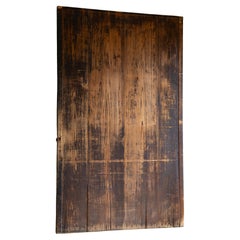
XXL Late Edo Period Japanese Cedar “Kura” Door/Wall Hanging Wabi Sabi
Located in London, GB
A huge early 19th C. Japanese Kura door in cedar.
Beautifully patinated bleached-out wood with hand forged wrought iron plaque/lock.
Can either be used as ...
Category
Antique Early 19th Century Japanese Edo Doors and Gates
Materials
Iron