Items Similar to Japanese Antique Small Door Wall Decoration 1860s-1900s / Abstract Art Wabi Sabi
Want more images or videos?
Request additional images or videos from the seller
1 of 17
Japanese Antique Small Door Wall Decoration 1860s-1900s / Abstract Art Wabi Sabi
$700
£531.43
€612.65
CA$990.25
A$1,066.09
CHF 570.91
MX$12,846.01
NOK 7,203.33
SEK 6,592.21
DKK 4,577.95
About the Item
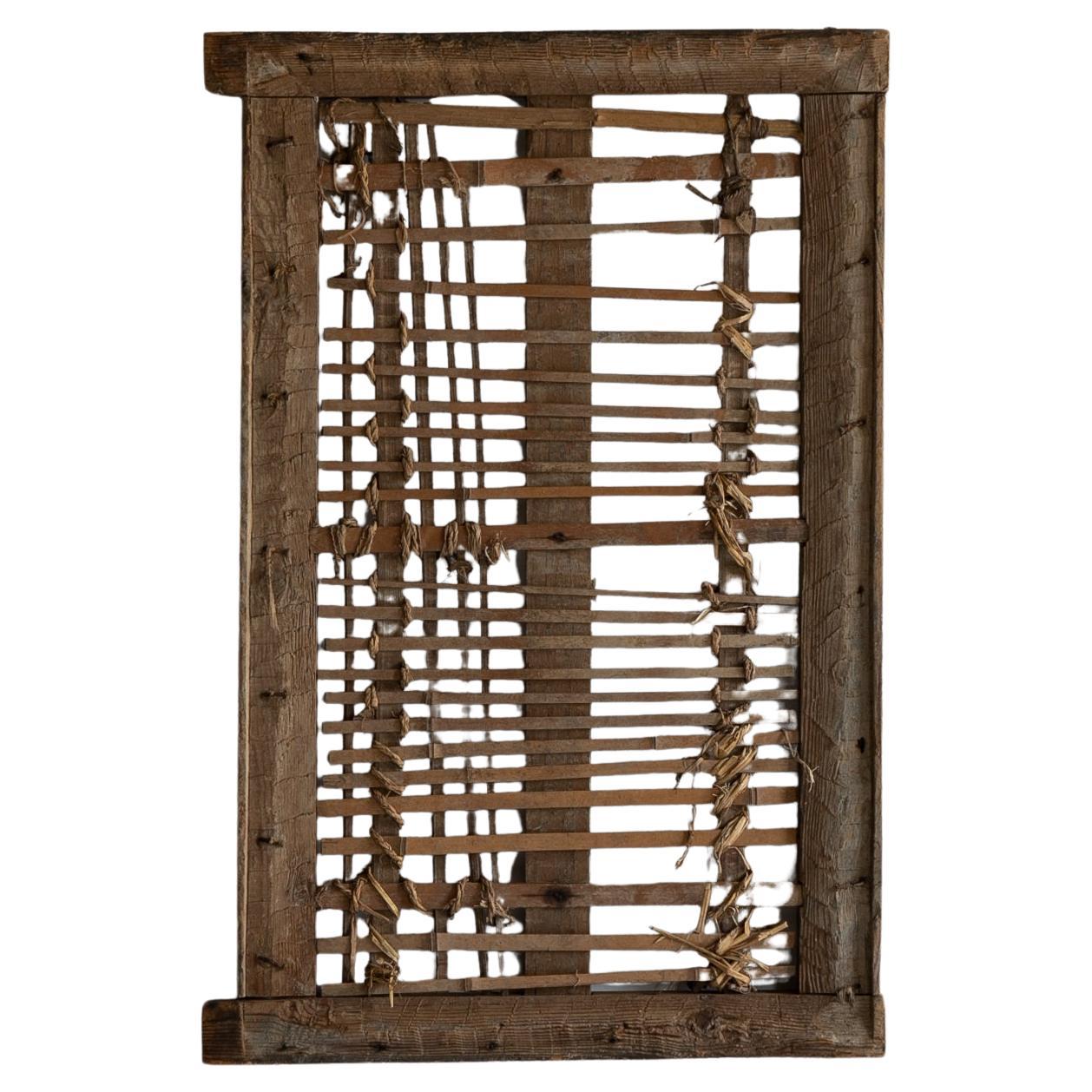
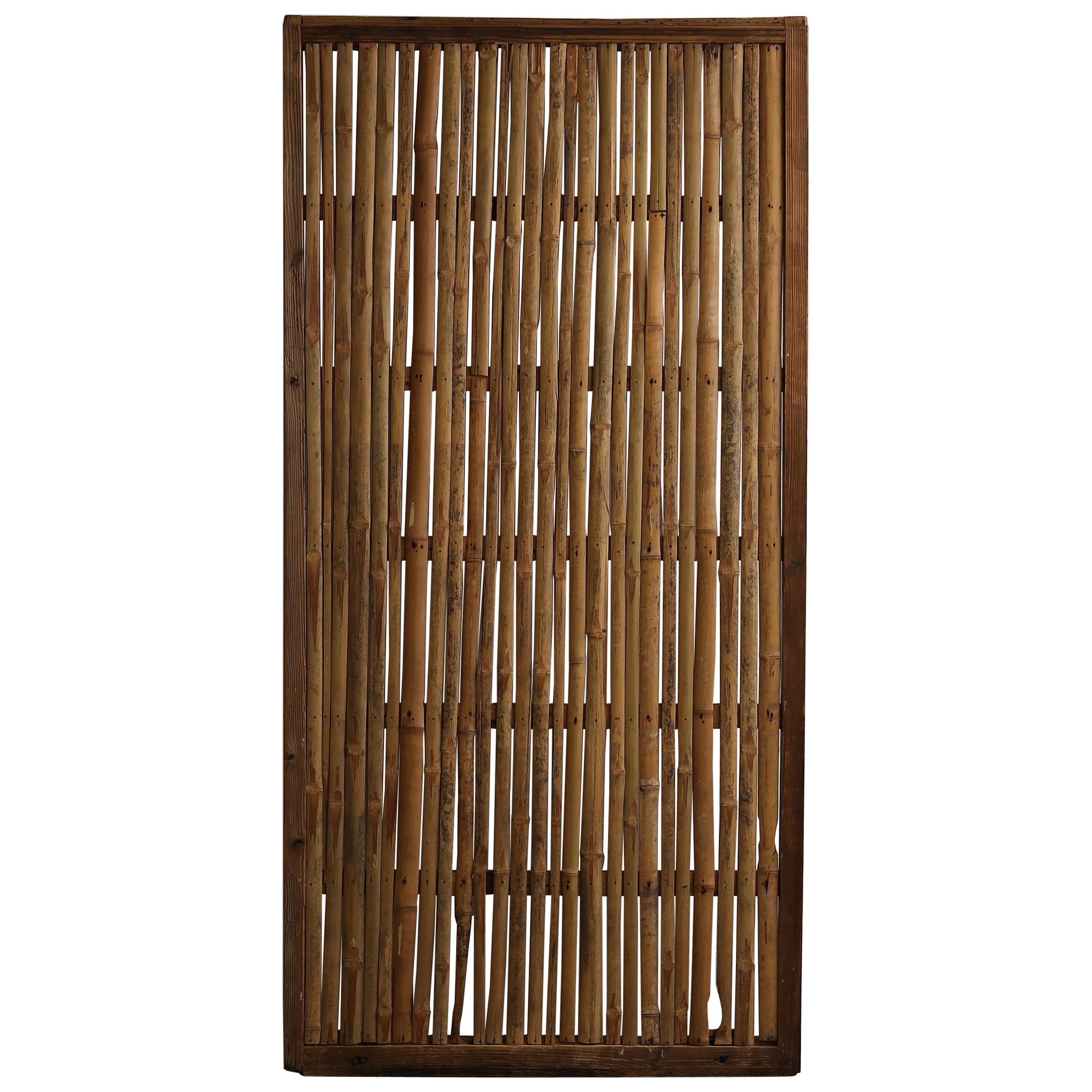
This is an old small window frame made in Japan. It was originally used as a traditional Japanese mud wall fixture. It dates back to the Meiji period (1860s-1900s) and has been in use for over 100 years.
The outer frame is made of cedar wood, which is lightweight yet maintains a solid structure. The central latticework is constructed of bamboo, each carefully secured with a straw cord. This structure was designed so that the soil to be applied to the walls would bite firmly, and is filled with the wisdom and rationality of the Japanese lifestyle of the time.
The underlying substrate, normally invisible from the inside, is revealed as the soil peels off over time, giving the wall an accidental sculptural beauty. The randomly created expressions and the weathering of the materials evoke the spirit of “wabi-sabi,” an abstraction that can be likened to that of contemporary art.
Although these fixtures have already fulfilled their original role, they have not lost their presence, and are being revitalized as art pieces that add new value to the space. Because of their small size and light weight, they can be easily displayed in limited spaces such as bathroom walls, hallways, and niche spaces, for example.
This one-of-a-kind fixture, an accidental combination of history and beauty, is both a part of traditional architecture and a unique presence that brings a new perspective to contemporary interiors. We hope you will incorporate it into your daily life as a gem that will allow you to experience the depths of Japanese culture.
Weight: 1.5kg
_______________________________________
Our Philosophy
Objects always tell the truth.
All I can do is just to face with them sincerely and give
them deep affection as much as I can.
There is no boundary of nationalities and of eras in beauty.
But I think now is the time we choose 'Japanese style' and it
will be the best way to remind us of what we are losing
today and to question us about an essence of beauty again.
I hope that you can touch the memories which the objects here have,
feel and think of something invisible but exists undoubtedly.
- Dimensions:Height: 25.99 in (66 cm)Width: 21.66 in (55 cm)Depth: 1.58 in (4 cm)
- Style:Meiji (Of the Period)
- Materials and Techniques:
- Place of Origin:
- Period:
- Date of Manufacture:1860s-1900s
- Condition:Wear consistent with age and use.
- Seller Location:Chōsei District Nagara, JP
- Reference Number:1stDibs: LU10403245792212
About the Seller
4.8
Platinum Seller
Premium sellers with a 4.7+ rating and 24-hour response times
Established in 2017
1stDibs seller since 2025
69 sales on 1stDibs
Typical response time: 2 hours
- ShippingRetrieving quote...Shipping from: Chōsei District Nagara, Japan
- Return Policy
More From This Seller
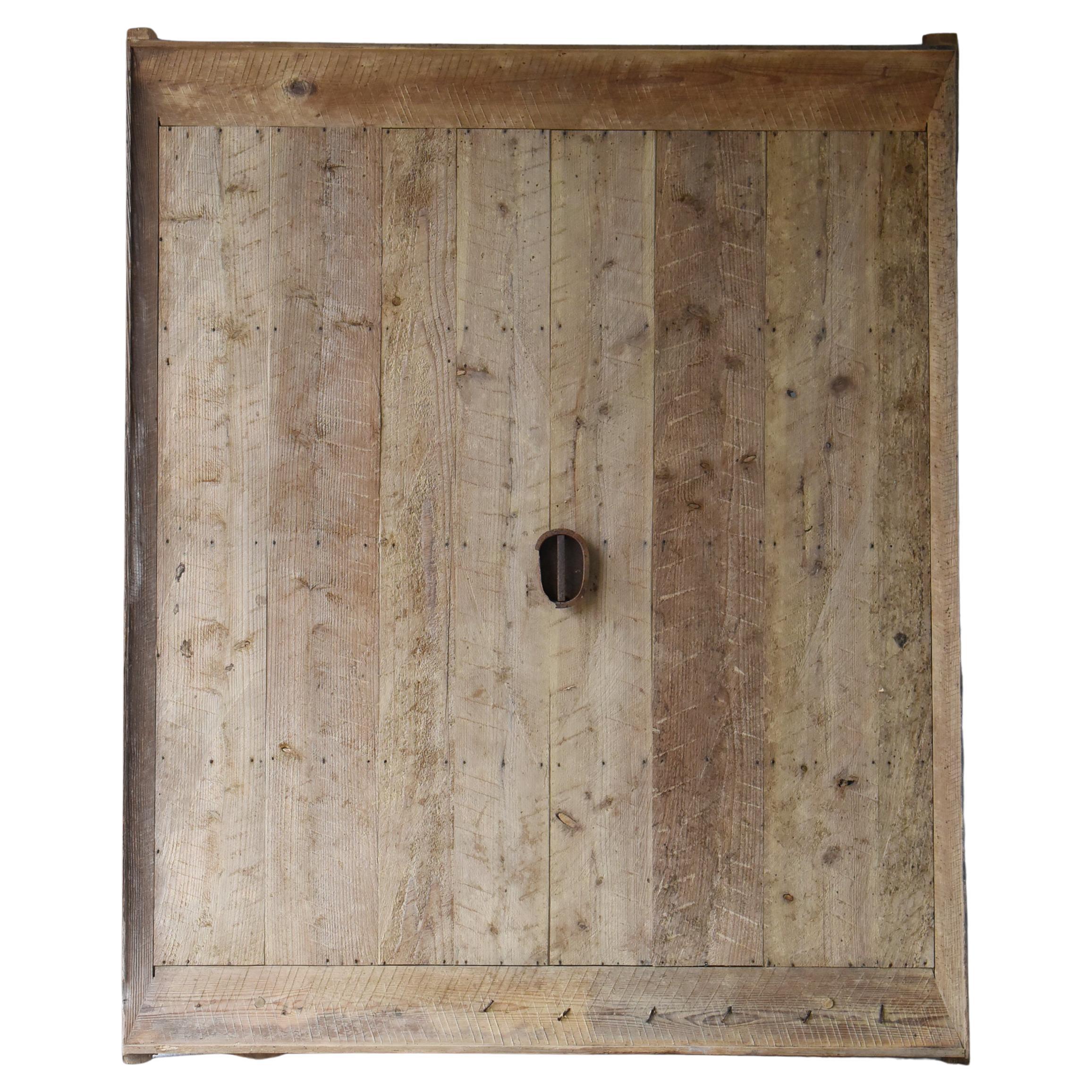
View AllJapanese Antique Huge Sliding Door or Wall Decoration 1860s-1900s / Wabi Sabi
By Axel Vervoordt
Located in Chōsei District Nagara, JP
This is an old, large Japanese sliding door.
It was crafted during the Meiji period (1860s–1900s) and was likely used in traditional houses or storehouses of the time. The material i...
Category
Early 20th Century Japanese Meiji Antiquities
Materials
Iron
Japanese Antique Wabi-Sabi Wood Board 1860s-1900s / Wall Decoration
Located in Chōsei District Nagara, JP
This is an old Japanese wooden board called “Mochiita” (rice cake board).
It was used during the Meiji period (1860s-1900s) and is made of pine wood with a rich texture.
As the name ...
Category
Early 20th Century Japanese Meiji Decorative Art
Materials
Pine
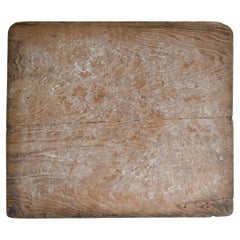
$720 Sale Price
44% Off
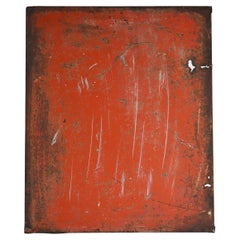
Japanese Old Wabi-Sabi Iron Panel Abstract Art 1950s-1970s / Wall Decoration
By Axel Vervoordt
Located in Chōsei District Nagara, JP
This is an old iron panel made in Japan, dating to the mid-Shōwa period (1950s–1970s). It may originally have been used as part of a workbench or industrial surface, though its exact...
Category
Late 20th Century Japanese Showa Decorative Art
Materials
Iron
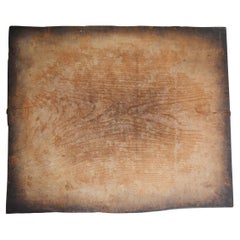
Japanese Antique Wabi-Sabi Wooden board "Wall Decoration" 1860s-1900s
Located in Chōsei District Nagara, JP
This is an old Japanese wooden workboard
Crafted during the Meiji period (1860s–1900s), it is made from a single slab of keyaki (zelkova wood), a material now extremely rare. The imp...
Category
Early 20th Century Japanese Meiji Decorative Art
Materials
Wood
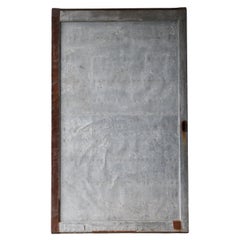
Japanese Antique Sliding Door with Galvanized Steel 1860s-1900s / Wabi Sabi
Located in Chōsei District Nagara, JP
This is an old Japanese sliding door with galvanized metal cladding, crafted during the Meiji period (1860s–1900s).
A rare surviving example, this piece showcases the ingenuity and a...
Category
Early 20th Century Japanese Meiji Doors and Gates
Materials
Steel
Japanese Antique Thatching Tools "Gangi" 1860s-1920s / Wall Decoration Wabisabi
Located in Chōsei District Nagara, JP
This is a traditional Japanese thatched roof tool known as a “Gangi.”
A Gangi is used to trim the cut ends of the thatch and smooth the roof’s surface, symbolizing the craftsmanship ...
Category
Early 20th Century Japanese Meiji Antiquities
Materials
Cedar
You May Also Like
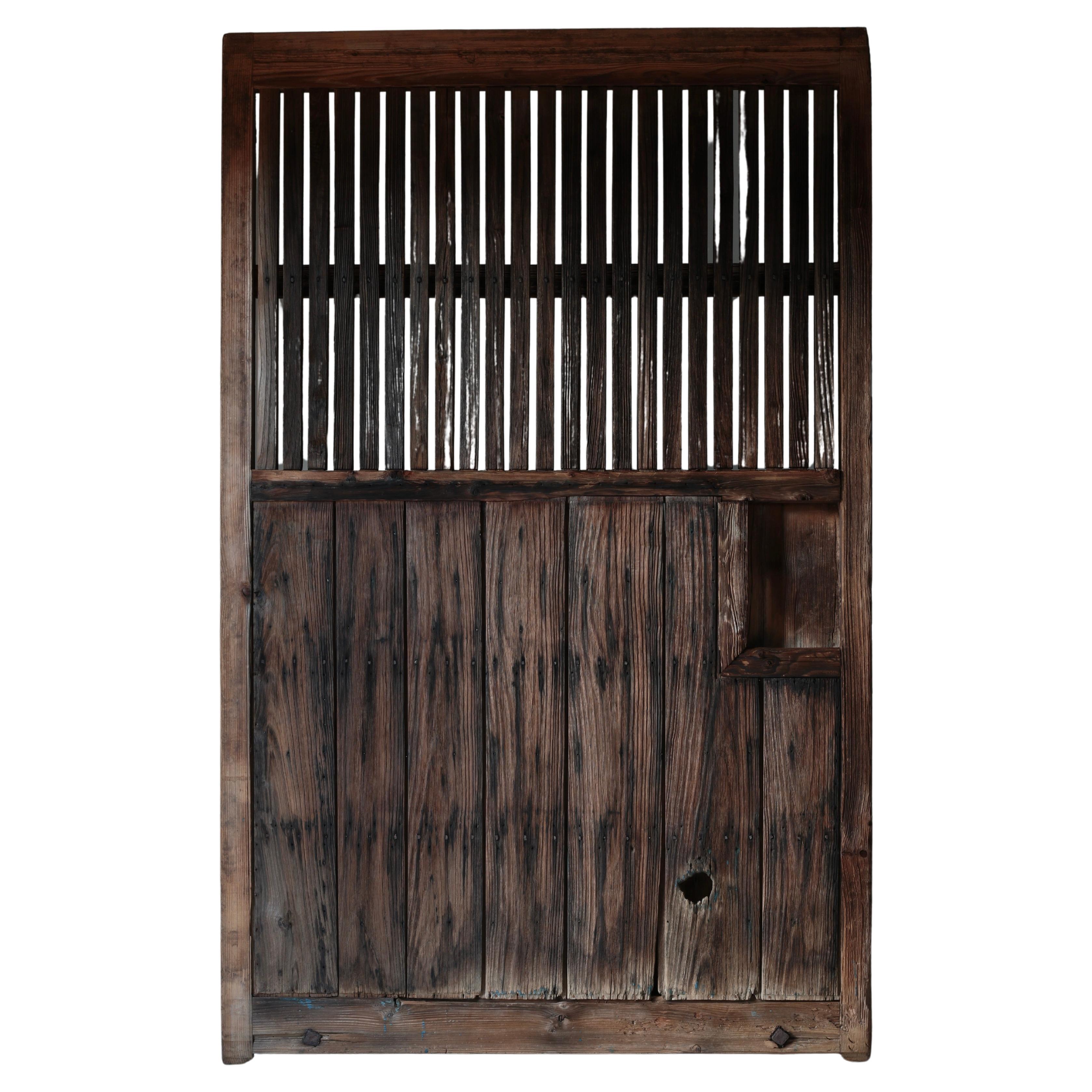
Japanese Antique Door "Wall Decoration" 1860s-1900s / Abstract Art Wabi Sabi
Located in Sammu-shi, Chiba
This was a very old Japanese warehouse (kura) window sliding door.
It was made during the Meiji period (1860s-1900s).
The frame is made of cedar wood and the lattice is bamboo.
It w...
Category
Early 20th Century Japanese Meiji Decorative Art
Materials
Bamboo, Cedar
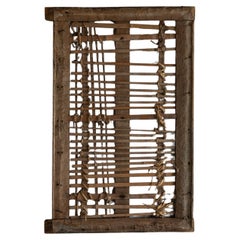
Japanese Antique Huge Door " Wall Decoration " 1860s-1900s / Wabi Sabi"
Located in Sammu-shi, Chiba
Japanese Antique Huge Door " Wall Decoration " 1860s-1900s / Wabi Sabi
This extraordinary large sliding door was once used in an old warehouse in Japan.
Dating back to the Meiji per...
Category
Early 20th Century Japanese Meiji Decorative Art
Materials
Iron
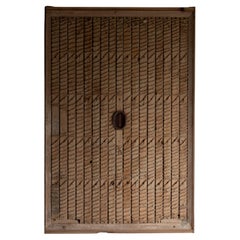
Japanese Antique Door, Abstract Art Wabi Sabi, 1860s-1900s
Located in Katori-Shi, 12
Very old Japanese sliding door.
The simple design conveys the charm of the material.
You can feel the world of wabi and sabi.
Recommended as a wall painting.
It was made in the Mei...
Category
Early 20th Century Meiji Doors and Gates
Materials
Wood
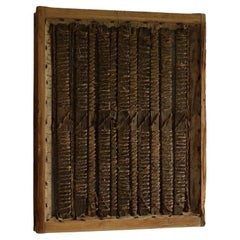
Japanese Antique Wooden Door / Interior Decoration / 1868-1912s / Wabi-Sabi
Located in Iwate-gun Shizukuishi-cho, Iwate Prefecture
This is an old Japanese door.
It is thought to date from the Edo or Meiji period.
It was used as the door of a traditional warehouse called a "kura." In Japan, old storehouses are ...
Category
Antique Late 19th Century Japanese Primitive Doors and Gates
Materials
Iron
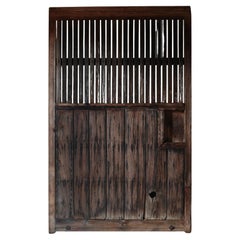
Japanese Antique Bamboo Sliding Door, Object Mingei Art Panel, Wabisabi Door(2)
Located in Katori-Shi, 12
This is an antique Japanese bamboo door.
It is from the Meiji period (1860s-1900s).
It is made mainly of cedar and bamboo.
It has a simple design that conveys the charm of the mater...
Category
Early 20th Century Japanese Meiji Doors and Gates
Materials
Bamboo, Wood
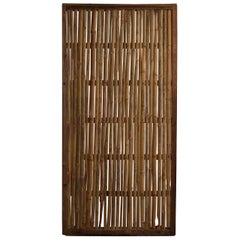
Japanese Antique Bamboo Sliding Door, Object Mingei Art Panel, Wabisabi Door(4)
Located in Katori-Shi, 12
This is an antique Japanese bamboo door.
It is from the Meiji period (1860s-1900s).
It is made mainly of cedar and bamboo.
It has a simple design that conveys the charm of the mater...
Category
Early 20th Century Japanese Meiji Doors and Gates
Materials
Bamboo, Wood